mirror of
https://github.com/kohya-ss/sd-scripts.git
synced 2026-04-06 21:52:27 +00:00
Compare commits
723 Commits
v0.6.4
...
fix-hf-upl
| Author | SHA1 | Date | |
|---|---|---|---|

|
5095f29e7c | ||
|
|
855add067b | ||

|
bf6cd4b9da | ||
|
|
3b0db0f17f | ||
|
|
119cc99fb0 | ||
|
|
5f6196e4c7 | ||

|
46331a9e8e | ||
|
|
cf09c6aa9f | ||
|
|
80dbbf5e48 | ||
|
|
7da41be281 | ||
|
|
e281e867e6 | ||

|
6c51c971d1 | ||
|
|
a71c35ccd9 | ||
|
|
5410a8c79b | ||
|
|
a7dff592d3 | ||
|
|
f9317052ed | ||
|
|
443f02942c | ||
|
|
0a8ec5224e | ||
|
|
6b1520a46b | ||
|
|
f811b115ba | ||

|
53954a1e2e | ||
|
|
86399407b2 | ||
|
|
948029fe61 | ||

|
d282c45002 | ||
|
|
095b8035e6 | ||

|
124ec45876 | ||
|
|
14c9372a38 | ||
|
|
074d32af20 | ||
|
|
2d7389185c | ||
|
|
577e9913ca | ||
|
|
fccbee2727 | ||
|
|
e0acb10f31 | ||

|
5d5f39b6e6 | ||
|
|
e69d34103b | ||
|
|
a21218bdd5 | ||
|
|
81e8af6519 | ||
|
|
8b7c14246a | ||
|
|
52b3799989 | ||
|
|
738c397e1a | ||
|
|
0e703608f9 | ||
|
|
fb9110bac1 | ||
|
|
24092e6f21 | ||
|
|
f4132018c5 | ||
|
|
488d1870ab | ||
|
|
86279c8855 | ||

|
a6f1ed2e14 | ||
|
|
d1fb480887 | ||
|
|
75e4a951d0 | ||
|
|
42f3318e17 | ||
|
|
baa0e97ced | ||
|
|
71ebcc5e25 | ||
|
|
93bed60762 | ||
|
|
41d32c0be4 | ||
|
|
cbe9c5dc06 | ||
|
|
d3745db764 | ||
|
|
358ca205a3 | ||
|
|
c748719115 | ||
|
|
98f42d3a0b | ||
|
|
35c6053de3 | ||
|
|
20ae603221 | ||
|
|
672851e805 | ||
|
|
e579648ce9 | ||
|
|
e24d9606a2 | ||
|
|
75ecb047e2 | ||
|
|
f897d55781 | ||
|
|
7202596393 | ||
|
|
5d9e2873f6 | ||
|
|
055f02e1e1 | ||
|
|
9b8ea12d34 | ||
|
|
74fe0453b2 | ||
|
|
efd3b58973 | ||
|
|
6279b33736 | ||

|
5f6bf29e52 | ||
|
|
e793d7780d | ||

|
1492bcbfa2 | ||
|
|
bf2de5620c | ||
|
|
6269682c56 | ||
|
|
2f9a344297 | ||
|
|
11aced3500 | ||

|
1567ce1e17 | ||
|
|
5cca1fdc40 | ||
|
|
9f0f0d573d | ||

|
716a92cbed | ||

|
a6a2b5a867 | ||
|
|
2ca4d0c831 | ||
|
|
7f948db158 | ||
|
|
9d7729c00d | ||
|
|
988dee02b9 | ||
|
|
d4b9568269 | ||
|
|
ccc3a481e7 | ||
|
|
8f6f734a6f | ||
|
|
cd19df49cd | ||
|
|
736365bdd5 | ||
|
|
6ceedb9448 | ||
|
|
930a3912a7 | ||
|
|
cf790d87c4 | ||

|
4e67fb8444 | ||
|
|
50f631c768 | ||
|
|
85bc371ebc | ||

|
322ee52c77 | ||
|
|
c576f80639 | ||

|
478156b4f7 | ||
|
|
afc38707d5 | ||
|
|
2e4bee6f24 | ||
|
|
d5ab97b69b | ||
|
|
7cb44e4502 | ||
|
|
7a20df5ad5 | ||
|
|
bea4362e21 | ||
|
|
6805cafa9b | ||

|
711b40ccda | ||
|
|
696dd7f668 | ||
|
|
e0a3c69223 | ||
|
|
c59249a664 | ||
|
|
fef172966f | ||
|
|
5a1ebc4c7c | ||
|
|
2a0f45aea9 | ||
|
|
1f77bb6e73 | ||
|
|
a7ef6422b6 | ||
|
|
9cfa68c92f | ||
|
|
6f3f701d3d | ||
|
|
d2a99a19d4 | ||
|
|
0395a35543 | ||
|
|
987d4a969d | ||
|
|
976d092c68 | ||
|
|
e6b15c7e4a | ||
|
|
ef50436464 | ||
|
|
26d35794e3 | ||
|
|
dcf0eeb5b6 | ||
|
|
32b759a328 | ||
|
|
09ef3ffa8b | ||
|
|
aab265e431 | ||
|
|
da9b34fa26 | ||
|
|
716bad188b | ||
|
|
4f93bf10f0 | ||
|
|
07bf2a21ac | ||
|
|
8ac2d2a92f | ||
|
|
76aee71257 | ||
|
|
1db5d790ed | ||
|
|
663b481029 | ||
|
|
1ab6493268 | ||

|
ab716302e4 | ||
|
|
b9d2181192 | ||
|
|
49148eb36e | ||
|
|
479bac447e | ||
|
|
15d5e78ac2 | ||
|
|
fd7f27f044 | ||

|
62e7516537 | ||
|
|
20296b4f0e | ||
|
|
5cae6db804 | ||
|
|
1a36f9dc65 | ||
|
|
c2497877ca | ||
|
|
3b5c1a1d4b | ||
|
|
9a2e385f12 | ||
|
|
7080e1a11c | ||
|
|
0a52b83c6a | ||
|
|
11ed8e2a6d | ||
|
|
bb20c09a9a | ||
|
|
04ef8d395f | ||
|
|
0676f1a86f | ||
|
|
6b7823df07 | ||
|
|
2186e417ba | ||
|
|
1519e3067c | ||
|
|
35e5424255 | ||

|
8c7d05afd2 | ||

|
f8360a4831 | ||
|
|
8556b9d7f5 | ||
|
|
3efd90b2ad | ||
|
|
7adcd9cd1a | ||
|
|
aff05e043f | ||
|
|
ff2c0c192e | ||
|
|
d309a27a51 | ||
|
|
471d274803 | ||
|
|
35f4c9b5c7 | ||
|
|
034a49c69d | ||
|
|
3b6825d7e2 | ||

|
bb5ae389f7 | ||
|
|
d61ecb26fd | ||
|
|
07ef03d340 | ||
|
|
9278031e60 | ||
|
|
4a2cef887c | ||
|
|
42750f7846 | ||
|
|
e8c3a02830 | ||

|
d31aa143f4 | ||
|
|
710e777a92 | ||
|
|
912dca8f65 | ||

|
db84530074 | ||
|
|
72bbaac96d | ||
|
|
5713d63dc5 | ||
|
|
d653e594c2 | ||
|
|
dd7bb33ab6 | ||
|
|
a9c6182b3f | ||
|
|
3d70137d31 | ||
|
|
bce9a081db | ||
|
|
46cf41cc93 | ||
|
|
81a440c8e8 | ||
|
|
f24a3b5282 | ||
|
|
383b4a2c3e | ||
|
|
df59822a27 | ||
|
|
0908c5414d | ||
|
|
ee46134fa7 | ||
|
|
7a4e50705c | ||
|
|
2952bca520 | ||
|
|
39bb319d4c | ||
|
|
29b6fa6212 | ||

|
1bdd83a85f | ||
|
|
1624c239c2 | ||
|
|
4a913ce61e | ||
|
|
2c50ea0403 | ||
|
|
298c6c2343 | ||
|
|
2897a89dfd | ||
|
|
764e333fa2 | ||
|
|
c61e3bf4c9 | ||
|
|
fc8649d80f | ||
|
|
0fb9ecf1f3 | ||
|
|
97958400fb | ||
|
|
610566fbb9 | ||
|
|
684954695d | ||
|
|
6d6d86260b | ||

|
c856ea4249 | ||
|
|
d0923d6710 | ||
|
|
f312522cef | ||

|
da5a144589 | ||

|
2c1e669bd8 | ||
|
|
e20e9f61ac | ||
|
|
6b3148fd3f | ||
|
|
95ae56bd22 | ||
|
|
990192d077 | ||
|
|
f3e69531c3 | ||
|
|
0cb3272bda | ||
|
|
6231aa91e2 | ||
|
|
489b728dbc | ||
|
|
583e2b2d01 | ||
|
|
5dc2a0d3fd | ||
|
|
2c731418ad | ||
|
|
5c150675bf | ||
|
|
fea810b437 | ||
|
|
96d877be90 | ||
|
|
40d917b0fe | ||
|
|
e72020ae01 | ||
|
|
01d929ee2a | ||
|
|
cf876fcdb4 | ||
|
|
291c29caaf | ||
|
|
01e00ac1b0 | ||
|
|
a9ed4ed8a8 | ||
|
|
9d6a5a0c79 | ||
|
|
fb97a7aab1 | ||
|
|
1cefb2a753 | ||
|
|
63992b81c8 | ||
|
|
d8f68674fb | ||
|
|
9d00c8eea2 | ||
|
|
0d21925bdf | ||
|
|
efef5c8ead | ||
|
|
3d2bb1a8f1 | ||
|
|
837a4dddb8 | ||
|
|
b2626bc7a9 | ||

|
202f2c3292 | ||
|
|
2a23713f71 | ||
|
|
681034d001 | ||
|
|
17813ff5b4 | ||
|
|
3e81bd6b67 | ||
|
|
23ae358e0f | ||
|
|
f611726364 | ||
|
|
33ee0acd35 | ||
|
|
8b79e3b06c | ||
|
|
cf49e912fc | ||
|
|
66741c035c | ||
|
|
406511c333 | ||
|
|
8a2d68d63e | ||
|
|
07d297fdbe | ||
|
|
0d4e8b50d0 | ||
|
|
1d7c5c2a98 | ||
|
|
0faa350175 | ||
|
|
8a7509db75 | ||
|
|
025368f51c | ||
|
|
5fe52ed322 | ||
|
|
8b247a330b | ||
|
|
d6f458fcb3 | ||
|
|
b8b84021e5 | ||
|
|
70fe7e18be | ||

|
9378da3c82 | ||
|
|
a4857fa764 | ||
|
|
592014923f | ||
|
|
6d06b215bf | ||
|
|
2d87bb648f | ||
|
|
56ebef35b0 | ||
|
|
13d8b22d25 | ||
|
|
27f9b6ffeb | ||
|
|
c8fcfd4581 | ||
|
|
49c24285c7 | ||
|
|
c918489259 | ||
|
|
93155242fa | ||
|
|
4cc919607a | ||
|
|
81419f7f32 | ||
|
|
6bd6cd9c51 | ||
|
|
35a1d68eb6 | ||
|
|
365a06bdb6 | ||
|
|
8e117f9f92 | ||
|
|
209eafb631 | ||

|
14aa2923cf | ||
|
|
1e395ed285 | ||
|
|
98615166b0 | ||
|
|
28272de97a | ||
|
|
7e736da30c | ||
|
|
20e929e27e | ||
|
|
477b5260aa | ||
|
|
d39f1a3427 | ||
|
|
3757855231 | ||
|
|
d846431015 | ||
|
|
624edf428f | ||
|
|
54500b861d | ||
|
|
f2491ee0ac | ||
|
|
1f169ee7fb | ||
|
|
66817992c1 | ||
|
|
8052bcd5cd | ||
|
|
55886a0116 | ||
|
|
33e90cc6a0 | ||
|
|
d5be8125b0 | ||
|
|
b99cd2a920 | ||
|
|
b64389c8a9 | ||
|
|
db7a28ac25 | ||
|
|
d337bbf8a0 | ||
|
|
90c47140b8 | ||
|
|
0ecfd91a20 | ||

|
a0e05fa291 | ||
|
|
e33c007cd0 | ||
|
|
80aca1ccc7 | ||
|
|
6b3a580ee5 | ||
|
|
207fc8b256 | ||
|
|
74561dbdac | ||
|
|
867e7d3238 | ||
|
|
5f08a21d12 | ||
|
|
95bc6e8749 | ||
|
|
4530b96c67 | ||
|
|
360af27749 | ||
|
|
0ee75fd75d | ||
|
|
2eae9b66d0 | ||
|
|
f6d417e26d | ||
|
|
903825af6f | ||
|
|
948cf17499 | ||
|
|
cd59003003 | ||
|
|
f19a48a28c | ||
|
|
4c6f3125fc | ||
|
|
497051c14b | ||
|
|
6400116715 | ||
|
|
f77bdf96d8 | ||
|
|
c06a86706a | ||

|
e0beb6a999 | ||
|
|
633bb8d339 | ||
|
|
7e850f3b7e | ||
|
|
59c9a8e7ae | ||

|
c2419ddabf | ||
|
|
2e0942d5c8 | ||
|
|
6155f9c171 | ||
|
|
f64c78b777 | ||
|
|
3d12cdc643 | ||
|
|
526488feaa | ||
|
|
5d88351bb5 | ||
|
|
a46a4781e8 | ||
|
|
b44644bcec | ||
|
|
1f4a495e16 | ||
|
|
d97a1638d3 | ||
|
|
ef28a919d2 | ||
|
|
71369ac98b | ||
|
|
85f1114c4a | ||
|
|
927c687628 | ||
|
|
6d5cffaee9 | ||

|
fbc550d02e | ||
|
|
014c4b47c9 | ||
|
|
9be19ad777 | ||
|
|
1161a5c6da | ||
|
|
9947197a84 | ||
|
|
50c6aaae62 | ||
|
|
edd314cc8a | ||
|
|
8b2a11fd5e | ||
|
|
15b463d18d | ||
|
|
0c1975501c | ||
|
|
98f8785a4f | ||
|
|
b74dfba215 | ||
|
|
bee5c3f1b8 | ||
|
|
e191892824 | ||
|
|
2841927dba | ||
|
|
0646112010 | ||
|
|
782b11b844 | ||
|
|
5a86bbc0a0 | ||
|
|
fef7eb73ad | ||
|
|
62fa4734fe | ||
|
|
b5db90c8a8 | ||
|
|
3e1591661e | ||
|
|
1e52fe6e09 | ||
|
|
809fca0be9 | ||
|
|
5fa473d5f3 | ||
|
|
784a90c3a6 | ||
|
|
6111151f50 | ||
|
|
afc03af3ca | ||
|
|
306ee24c90 | ||
|
|
3f7235c36f | ||

|
9d678a6f41 | ||
|
|
983698dd1b | ||
|
|
9a60b8a0ba | ||
|
|
adf99a332e | ||
|
|
d713e4c757 | ||
|
|
a90c9c2776 | ||
|
|
d43fcd638e | ||
|
|
e32e24adf5 | ||
|
|
e2c2689f5c | ||
|
|
8415014de6 | ||
|
|
3307ccb2dc | ||
|
|
6889ee2b85 | ||
|
|
bf31f18c46 | ||
|
|
e73d103eca | ||
|
|
12e58ab37f | ||
|
|
daad50e384 | ||
|
|
4e339bb101 | ||
|
|
b83ce0c352 | ||
|
|
6f80fe17fc | ||
|
|
7ea38f90d7 | ||
|
|
f4a2bc6cf8 | ||
|
|
78226f8574 | ||
|
|
04b1defaf9 | ||
|
|
3cdbbb43be | ||
|
|
92f41f1051 | ||
|
|
c142dadb46 | ||
|
|
cd54af019a | ||
|
|
e5f9772a35 | ||

|
a02056c566 | ||
|
|
2dfa26cca0 | ||
|
|
25d8cd473e | ||
|
|
f4935dd6be | ||
|
|
9d855091bf | ||
|
|
f3be995c28 | ||
|
|
9d7619d1eb | ||
|
|
c6d52fdea4 | ||
|
|
cf6832896f | ||
|
|
6b1cf6c4fd | ||
|
|
db80c5a2e7 | ||
|
|
89aae3e04f | ||
|
|
0636399c8c | ||
|
|
7e474d21ca | ||
|
|
f61996b425 | ||
|
|
496c3f2732 | ||
|
|
8856c19c76 | ||
|
|
0eacadfa99 | ||
|
|
2a4ae88f18 | ||
|
|
a296654c1b | ||
|
|
b62185b821 | ||
|
|
e6034b7eb6 | ||
|
|
54a4aa22ed | ||
|
|
9ec70252d0 | ||
|
|
e20b6acfe9 | ||
|
|
d9180c03f6 | ||
|
|
4072f723c1 | ||
|
|
cf8021020f | ||
|
|
fb1054b5e3 | ||
|
|
1e4512b2c8 | ||
|
|
3a7326ae46 | ||
|
|
38b59a93de | ||
|
|
1199eacb72 | ||
|
|
fdb58b0b62 | ||
|
|
315fbc11e5 | ||

|
4a1b92d309 | ||
|
|
272dd993e6 | ||
|
|
96a52d9810 | ||
|
|
50544b7805 | ||
|
|
b78c0e2a69 | ||
|
|
2b969e9c42 | ||
|
|
e83ee217d3 | ||
|
|
b1e44e96bc | ||
|
|
7ae0cde754 | ||
|
|
c1d5c24bc7 | ||
|
|
eec6aaddda | ||
|
|
bb167f94ca | ||
|
|
2e4783bcdf | ||
|
|
7b31c0830f | ||
|
|
8f645d354e | ||
|
|
7ec9a7af79 | ||
|
|
50b53e183e | ||
|
|
d131bde183 | ||
|
|
d1864e2430 | ||
|
|
8ba02ac829 | ||
|
|
73a08c0be0 | ||
|
|
c45d2f214b | ||
|
|
9a67e0df39 | ||
|
|
acf16c063a | ||
|
|
86a8cbd002 | ||
|
|
fc276a51fb | ||
|
|
771f33d17d | ||

|
e6d1f509a0 | ||
|
|
225e871819 | ||
|
|
7875ca8fb5 | ||
|
|
6d2d8dfd2f | ||
|
|
0ec7166098 | ||
|
|
3d66a234b0 | ||

|
8a073ee49f | ||
|
|
7e20c6d1a1 | ||
|
|
1d4672d747 | ||
|
|
39e62b948e | ||
|
|
41d195715d | ||
|
|
3db97f8897 | ||
|
|
516f64f4d9 | ||
|
|
62dd99bee5 | ||
|
|
94c151aea3 | ||
|
|
81fa54837f | ||
|
|
9de357e373 | ||
|
|
b4a3824ce4 | ||
|
|
3bb80ebf20 | ||

|
cdffd19f61 | ||

|
a7ce2633f3 | ||
|
|
8fa5fb2816 | ||
|
|
8df948565a | ||
|
|
3c67e595b8 | ||
|
|
814996b14f | ||
|
|
2e67d74df4 | ||

|
b841dd78fe | ||
|
|
68ca0ea995 | ||
|
|
f54b784d88 | ||
|
|
b6e328ea8f | ||
|
|
5c80117fbd | ||
|
|
c2ceb6de5f | ||
|
|
77ec70d145 | ||
|
|
a380502c01 | ||
|
|
0416f26a76 | ||
|
|
3579b4570f | ||
|
|
256ff5b56c | ||
|
|
7502f662ab | ||
|
|
d974959738 | ||
|
|
5f348579d1 | ||
|
|
8371a7a3aa | ||
|
|
1d25703ac3 | ||
|
|
fe7ede5af3 | ||
|
|
d599394f60 | ||
|
|
66c03be45f | ||
|
|
c1d62383c6 | ||
|
|
73ab110260 | ||
|
|
cc3d40ca44 | ||
|
|
288efddf2f | ||
|
|
4a34e5804e | ||
|
|
3d0375daa6 | ||
|
|
3060eb5baf | ||
|
|
ce46aa0c3b | ||
|
|
3b35547da0 | ||
|
|
6aa62b9b66 | ||
|
|
2febbfe4b0 | ||
|
|
ea182461d3 | ||
|
|
5863676ccb | ||
|
|
97611e89ca | ||
|
|
64cf922841 | ||
|
|
227a62e4c4 | ||
|
|
38e21f5c1a | ||
|
|
d395bc0647 | ||
|
|
afce13d101 | ||
|
|
8521ab7990 | ||
|
|
71a6d49d06 | ||
|
|
07d5c71090 | ||
|
|
a751dc25d6 | ||
|
|
753c63e11b | ||
|
|
b0dfbe7086 | ||
|
|
31018d57b6 | ||
|
|
9ebebb22db | ||
|
|
2c461e4ad3 | ||
|
|
56ca5dfa15 | ||
|
|
747af145ed | ||

|
7981ee186f | ||
|
|
9e9df2b501 | ||
|
|
f7f762c676 | ||
|
|
0b730d904f | ||
|
|
11e8c7d8ff | ||
|
|
663f953a78 | ||
|
|
bfd909ab79 | ||
|
|
0cfcb5a49c | ||
|
|
6a86de1927 | ||
|
|
5114e8daf1 | ||
|
|
1c09867b3e | ||
|
|
2b4229fa51 | ||
|
|
92e50133f8 | ||
|
|
c4269b5efa | ||
|
|
19dfa24abb | ||
|
|
c7fd336c5d | ||
|
|
ed30af8343 | ||
|
|
1e0b059982 | ||
|
|
038c09f552 | ||
|
|
5d1b54de45 | ||
|
|
18156bf2a1 | ||
|
|
5845de7d7c | ||
|
|
e97d67a681 | ||
|
|
f0bb3ae825 | ||
|
|
9806b00f74 | ||
|
|
f2989b36c2 | ||
|
|
624fbadea2 | ||
|
|
d4ba37f543 | ||
|
|
449ad7502c | ||
|
|
44404fcd6d | ||
|
|
1da6d43109 | ||
|
|
9aee793078 | ||
|
|
89c3033401 | ||
|
|
67f09b7d7e | ||
|
|
0dfffcd88a | ||
|
|
9e1683cf2b | ||
|
|
4d0c06e397 | ||
|
|
0315611b11 | ||
|
|
33a6234b52 | ||
|
|
4b7b3bc04a | ||
|
|
035dd3a900 | ||
|
|
4e25c8f78e | ||
|
|
7f6b581ef8 | ||
|
|
cc274fb7fb | ||

|
334d07bf96 | ||
|
|
6417f5d7c1 | ||
|
|
8088c04a71 | ||
|
|
f7b1911f1b | ||
|
|
045cd38b6e | ||
|
|
dccdb8771c | ||
|
|
d4b5cab7f7 | ||
|
|
363f1dfab9 | ||
|
|
4e24733f1c | ||
|
|
bb91a10b5f | ||
|
|
98635ebde2 | ||
|
|
24823b061d | ||
|
|
0fe1afd4ef | ||
|
|
c0a7df9ee1 | ||

|
5907bbd9de | ||
|
|
5db792b10b | ||
|
|
7c38c33ed6 | ||
|
|
5bec05e045 | ||
|
|
6084611508 | ||
|
|
71a7a27319 | ||
|
|
ec2efe52e4 | ||
|
|
0f0158ddaa | ||
|
|
dde7807b00 | ||
|
|
1e3daa247b | ||
|
|
3bd00b88c2 | ||
|
|
62d00b4520 | ||
|
|
4f8ce00477 | ||
|
|
1214f35985 | ||
|
|
e743ee5d5c | ||
|
|
23c4e5cb01 | ||
|
|
1f1cae6c5a | ||
|
|
c8d209d36c | ||
|
|
f8e8df5a04 | ||
|
|
f4c9276336 | ||
|
|
a5c38e5d5b | ||

|
9c7237157d | ||

|
5931948adb | ||
|
|
8a5e3904a0 | ||
|
|
d679dc4de1 | ||
|
|
a002d10a4d | ||
|
|
3a06968332 | ||
|
|
6fbd526931 | ||
|
|
c437dce056 | ||
|
|
fc00691898 | ||
|
|
990ceddd14 | ||
|
|
226db64736 | ||
|
|
2429ac73b2 | ||
|
|
dd8e17cb37 | ||
|
|
db756e9a34 | ||
|
|
16e5981d31 | ||
|
|
575c51fd3b | ||
|
|
5b2447f71d | ||
|
|
0ccb4d4a3a | ||
|
|
b5bb8bec67 | ||
|
|
5cdf4e34a1 | ||
|
|
061e157191 | ||
|
|
d859a3a925 | ||
|
|
5a1a14f9fc | ||
|
|
b6ba4cac83 | ||
|
|
99b607c60c | ||
|
|
289298b17d | ||

|
f7a1868fc2 | ||
|
|
02bb8e0ac3 | ||
|
|
bc909e8359 | ||
|
|
c971d9319c | ||

|
0c942106bf | ||

|
c0c4d4ddc6 | ||
|
|
c924c47f37 | ||
|
|
5b54086663 | ||
|
|
9e797cc151 | ||
|
|
cc10a62e16 | ||
|
|
7e5b6154d0 | ||
|
|
6d6df18387 | ||
|
|
ca36f47dfc | ||
|
|
45f9cc9e0e | ||
|
|
3699a90645 | ||
|
|
714846e1e1 | ||
|
|
08d85d4013 | ||
|
|
0ec7743436 | ||
|
|
a72d80aa85 | ||
|
|
b556fc43bc | ||

|
dbb9c19669 | ||
|
|
bca6a44974 | ||

|
8ab5c8cb28 | ||
|
|
774c4059fb | ||
|
|
5f1d07d62f | ||
|
|
cd984992cf | ||
|
|
99f4940eb7 | ||
|
|
41dd835a89 | ||
|
|
ee42c5cd42 | ||
|
|
47b6101465 | ||
|
|
7889a52f95 | ||
|
|
8d562ecf48 | ||
|
|
2767a0f9f2 | ||
|
|
af08c56ce0 | ||
|
|
dfc56e9227 | ||
|
|
84d157995e | ||
|
|
ed5bfda372 | ||
|
|
a59822540f | ||
|
|
968bbd2f47 | ||
|
|
1b4bdff331 | ||
|
|
678fe003e3 | ||
|
|
3b1af3f1a6 | ||
|
|
437501cde3 | ||
|
|
8bd2072e19 | ||
|
|
85df289190 | ||
|
|
8856496aac | ||
|
|
a7df7db464 | ||
|
|
59507c7c02 | ||
|
|
09c719c926 | ||
|
|
e54b6311ef | ||
|
|
fdbdb4748a | ||

|
76a2b14cdb | ||
|
|
b08154dc36 | ||
|
|
165fc43655 | ||
|
|
42cbf75cfa | ||
|
|
2127907dd3 | ||
|
|
164a1978de |
7
.github/dependabot.yml
vendored
Normal file
7
.github/dependabot.yml
vendored
Normal file
@@ -0,0 +1,7 @@
|
||||
---
|
||||
version: 2
|
||||
updates:
|
||||
- package-ecosystem: "github-actions"
|
||||
directory: "/"
|
||||
schedule:
|
||||
interval: "monthly"
|
||||
4
.github/workflows/typos.yml
vendored
4
.github/workflows/typos.yml
vendored
@@ -15,7 +15,7 @@ jobs:
|
||||
runs-on: ubuntu-latest
|
||||
|
||||
steps:
|
||||
- uses: actions/checkout@v3
|
||||
- uses: actions/checkout@v4
|
||||
|
||||
- name: typos-action
|
||||
uses: crate-ci/typos@v1.13.10
|
||||
uses: crate-ci/typos@v1.17.2
|
||||
|
||||
95
README-ja.md
95
README-ja.md
@@ -1,3 +1,7 @@
|
||||
SDXLがサポートされました。sdxlブランチはmainブランチにマージされました。リポジトリを更新したときにはUpgradeの手順を実行してください。また accelerate のバージョンが上がっていますので、accelerate config を再度実行してください。
|
||||
|
||||
SDXL学習については[こちら](./README.md#sdxl-training)をご覧ください(英語です)。
|
||||
|
||||
## リポジトリについて
|
||||
Stable Diffusionの学習、画像生成、その他のスクリプトを入れたリポジトリです。
|
||||
|
||||
@@ -9,20 +13,19 @@ GUIやPowerShellスクリプトなど、より使いやすくする機能が[bma
|
||||
|
||||
* DreamBooth、U-NetおよびText Encoderの学習をサポート
|
||||
* fine-tuning、同上
|
||||
* LoRAの学習をサポート
|
||||
* 画像生成
|
||||
* モデル変換(Stable Diffision ckpt/safetensorsとDiffusersの相互変換)
|
||||
|
||||
## 使用法について
|
||||
|
||||
当リポジトリ内およびnote.comに記事がありますのでそちらをご覧ください(将来的にはすべてこちらへ移すかもしれません)。
|
||||
|
||||
* [学習について、共通編](./train_README-ja.md) : データ整備やオプションなど
|
||||
* [データセット設定](./config_README-ja.md)
|
||||
* [DreamBoothの学習について](./train_db_README-ja.md)
|
||||
* [fine-tuningのガイド](./fine_tune_README_ja.md):
|
||||
* [LoRAの学習について](./train_network_README-ja.md)
|
||||
* [Textual Inversionの学習について](./train_ti_README-ja.md)
|
||||
* note.com [画像生成スクリプト](https://note.com/kohya_ss/n/n2693183a798e)
|
||||
* [学習について、共通編](./docs/train_README-ja.md) : データ整備やオプションなど
|
||||
* [データセット設定](./docs/config_README-ja.md)
|
||||
* [DreamBoothの学習について](./docs/train_db_README-ja.md)
|
||||
* [fine-tuningのガイド](./docs/fine_tune_README_ja.md):
|
||||
* [LoRAの学習について](./docs/train_network_README-ja.md)
|
||||
* [Textual Inversionの学習について](./docs/train_ti_README-ja.md)
|
||||
* [画像生成スクリプト](./docs/gen_img_README-ja.md)
|
||||
* note.com [モデル変換スクリプト](https://note.com/kohya_ss/n/n374f316fe4ad)
|
||||
|
||||
## Windowsでの動作に必要なプログラム
|
||||
@@ -41,11 +44,13 @@ PowerShellを使う場合、venvを使えるようにするためには以下の
|
||||
|
||||
## Windows環境でのインストール
|
||||
|
||||
以下の例ではPyTorchは1.12.1/CUDA 11.6版をインストールします。CUDA 11.3版やPyTorch 1.13を使う場合は適宜書き換えください。
|
||||
スクリプトはPyTorch 2.0.1でテストしています。PyTorch 1.12.1でも動作すると思われます。
|
||||
|
||||
以下の例ではPyTorchは2.0.1/CUDA 11.8版をインストールします。CUDA 11.6版やPyTorch 1.12.1を使う場合は適宜書き換えください。
|
||||
|
||||
(なお、python -m venv~の行で「python」とだけ表示された場合、py -m venv~のようにpythonをpyに変更してください。)
|
||||
|
||||
通常の(管理者ではない)PowerShellを開き以下を順に実行します。
|
||||
PowerShellを使う場合、通常の(管理者ではない)PowerShellを開き以下を順に実行します。
|
||||
|
||||
```powershell
|
||||
git clone https://github.com/kohya-ss/sd-scripts.git
|
||||
@@ -54,43 +59,14 @@ cd sd-scripts
|
||||
python -m venv venv
|
||||
.\venv\Scripts\activate
|
||||
|
||||
pip install torch==1.12.1+cu116 torchvision==0.13.1+cu116 --extra-index-url https://download.pytorch.org/whl/cu116
|
||||
pip install torch==2.0.1+cu118 torchvision==0.15.2+cu118 --index-url https://download.pytorch.org/whl/cu118
|
||||
pip install --upgrade -r requirements.txt
|
||||
pip install -U -I --no-deps https://github.com/C43H66N12O12S2/stable-diffusion-webui/releases/download/f/xformers-0.0.14.dev0-cp310-cp310-win_amd64.whl
|
||||
|
||||
cp .\bitsandbytes_windows\*.dll .\venv\Lib\site-packages\bitsandbytes\
|
||||
cp .\bitsandbytes_windows\cextension.py .\venv\Lib\site-packages\bitsandbytes\cextension.py
|
||||
cp .\bitsandbytes_windows\main.py .\venv\Lib\site-packages\bitsandbytes\cuda_setup\main.py
|
||||
pip install xformers==0.0.20
|
||||
|
||||
accelerate config
|
||||
```
|
||||
|
||||
<!--
|
||||
pip install torch==1.13.1+cu117 torchvision==0.14.1+cu117 --extra-index-url https://download.pytorch.org/whl/cu117
|
||||
pip install --use-pep517 --upgrade -r requirements.txt
|
||||
pip install -U -I --no-deps xformers==0.0.16
|
||||
-->
|
||||
|
||||
コマンドプロンプトでは以下になります。
|
||||
|
||||
|
||||
```bat
|
||||
git clone https://github.com/kohya-ss/sd-scripts.git
|
||||
cd sd-scripts
|
||||
|
||||
python -m venv venv
|
||||
.\venv\Scripts\activate
|
||||
|
||||
pip install torch==1.12.1+cu116 torchvision==0.13.1+cu116 --extra-index-url https://download.pytorch.org/whl/cu116
|
||||
pip install --upgrade -r requirements.txt
|
||||
pip install -U -I --no-deps https://github.com/C43H66N12O12S2/stable-diffusion-webui/releases/download/f/xformers-0.0.14.dev0-cp310-cp310-win_amd64.whl
|
||||
|
||||
copy /y .\bitsandbytes_windows\*.dll .\venv\Lib\site-packages\bitsandbytes\
|
||||
copy /y .\bitsandbytes_windows\cextension.py .\venv\Lib\site-packages\bitsandbytes\cextension.py
|
||||
copy /y .\bitsandbytes_windows\main.py .\venv\Lib\site-packages\bitsandbytes\cuda_setup\main.py
|
||||
|
||||
accelerate config
|
||||
```
|
||||
コマンドプロンプトでも同一です。
|
||||
|
||||
(注:``python -m venv venv`` のほうが ``python -m venv --system-site-packages venv`` より安全そうなため書き換えました。globalなpythonにパッケージがインストールしてあると、後者だといろいろと問題が起きます。)
|
||||
|
||||
@@ -111,19 +87,40 @@ accelerate configの質問には以下のように答えてください。(bf1
|
||||
※場合によって ``ValueError: fp16 mixed precision requires a GPU`` というエラーが出ることがあるようです。この場合、6番目の質問(
|
||||
``What GPU(s) (by id) should be used for training on this machine as a comma-separated list? [all]:``)に「0」と答えてください。(id `0`のGPUが使われます。)
|
||||
|
||||
### PyTorchとxformersのバージョンについて
|
||||
### オプション:`bitsandbytes`(8bit optimizer)を使う
|
||||
|
||||
他のバージョンでは学習がうまくいかない場合があるようです。特に他の理由がなければ指定のバージョンをお使いください。
|
||||
`bitsandbytes`はオプションになりました。Linuxでは通常通りpipでインストールできます(0.41.1または以降のバージョンを推奨)。
|
||||
|
||||
### オプション:Lion8bitを使う
|
||||
Windowsでは0.35.0または0.41.1を推奨します。
|
||||
|
||||
Lion8bitを使う場合には`bitsandbytes`を0.38.0以降にアップグレードする必要があります。`bitsandbytes`をアンインストールし、Windows環境では例えば[こちら](https://github.com/jllllll/bitsandbytes-windows-webui)などからWindows版のwhlファイルをインストールしてください。たとえば以下のような手順になります。
|
||||
- `bitsandbytes` 0.35.0: 安定しているとみられるバージョンです。AdamW8bitは使用できますが、他のいくつかの8bit optimizer、学習時の`full_bf16`オプションは使用できません。
|
||||
- `bitsandbytes` 0.41.1: Lion8bit、PagedAdamW8bit、PagedLion8bitをサポートします。`full_bf16`が使用できます。
|
||||
|
||||
注:`bitsandbytes` 0.35.0から0.41.0までのバージョンには問題があるようです。 https://github.com/TimDettmers/bitsandbytes/issues/659
|
||||
|
||||
以下の手順に従い、`bitsandbytes`をインストールしてください。
|
||||
|
||||
### 0.35.0を使う場合
|
||||
|
||||
PowerShellの例です。コマンドプロンプトではcpの代わりにcopyを使ってください。
|
||||
|
||||
```powershell
|
||||
pip install https://github.com/jllllll/bitsandbytes-windows-webui/raw/main/bitsandbytes-0.38.1-py3-none-any.whl
|
||||
cd sd-scripts
|
||||
.\venv\Scripts\activate
|
||||
pip install bitsandbytes==0.35.0
|
||||
|
||||
cp .\bitsandbytes_windows\*.dll .\venv\Lib\site-packages\bitsandbytes\
|
||||
cp .\bitsandbytes_windows\cextension.py .\venv\Lib\site-packages\bitsandbytes\cextension.py
|
||||
cp .\bitsandbytes_windows\main.py .\venv\Lib\site-packages\bitsandbytes\cuda_setup\main.py
|
||||
```
|
||||
|
||||
アップグレード時には`pip install .`でこのリポジトリを更新し、必要に応じて他のパッケージもアップグレードしてください。
|
||||
### 0.41.1を使う場合
|
||||
|
||||
jllllll氏の配布されている[こちら](https://github.com/jllllll/bitsandbytes-windows-webui) または他の場所から、Windows用のwhlファイルをインストールしてください。
|
||||
|
||||
```powershell
|
||||
python -m pip install bitsandbytes==0.41.1 --prefer-binary --extra-index-url=https://jllllll.github.io/bitsandbytes-windows-webui
|
||||
```
|
||||
|
||||
## アップグレード
|
||||
|
||||
|
||||
373
README.md
373
README.md
@@ -1,9 +1,11 @@
|
||||
__SDXL is now supported. The sdxl branch has been merged into the main branch. If you update the repository, please follow the upgrade instructions. Also, the version of accelerate has been updated, so please run accelerate config again.__ The documentation for SDXL training is [here](./README.md#sdxl-training).
|
||||
|
||||
This repository contains training, generation and utility scripts for Stable Diffusion.
|
||||
|
||||
[__Change History__](#change-history) is moved to the bottom of the page.
|
||||
[__Change History__](#change-history) is moved to the bottom of the page.
|
||||
更新履歴は[ページ末尾](#change-history)に移しました。
|
||||
|
||||
[日本語版README](./README-ja.md)
|
||||
[日本語版READMEはこちら](./README-ja.md)
|
||||
|
||||
For easier use (GUI and PowerShell scripts etc...), please visit [the repository maintained by bmaltais](https://github.com/bmaltais/kohya_ss). Thanks to @bmaltais!
|
||||
|
||||
@@ -12,30 +14,31 @@ This repository contains the scripts for:
|
||||
* DreamBooth training, including U-Net and Text Encoder
|
||||
* Fine-tuning (native training), including U-Net and Text Encoder
|
||||
* LoRA training
|
||||
* Texutl Inversion training
|
||||
* Textual Inversion training
|
||||
* Image generation
|
||||
* Model conversion (supports 1.x and 2.x, Stable Diffision ckpt/safetensors and Diffusers)
|
||||
|
||||
__Stable Diffusion web UI now seems to support LoRA trained by ``sd-scripts``.__ (SD 1.x based only) Thank you for great work!!!
|
||||
|
||||
## About requirements.txt
|
||||
|
||||
These files do not contain requirements for PyTorch. Because the versions of them depend on your environment. Please install PyTorch at first (see installation guide below.)
|
||||
|
||||
The scripts are tested with PyTorch 1.12.1 and 1.13.0, Diffusers 0.10.2.
|
||||
The scripts are tested with Pytorch 2.0.1. 1.12.1 is not tested but should work.
|
||||
|
||||
## Links to how-to-use documents
|
||||
## Links to usage documentation
|
||||
|
||||
Most of the documents are written in Japanese.
|
||||
|
||||
* [Training guide - common](./train_README-ja.md) : data preparation, options etc...
|
||||
* [Chinese version](./train_README-zh.md)
|
||||
* [Dataset config](./config_README-ja.md)
|
||||
* [DreamBooth training guide](./train_db_README-ja.md)
|
||||
* [Step by Step fine-tuning guide](./fine_tune_README_ja.md):
|
||||
* [training LoRA](./train_network_README-ja.md)
|
||||
* [training Textual Inversion](./train_ti_README-ja.md)
|
||||
* note.com [Image generation](https://note.com/kohya_ss/n/n2693183a798e)
|
||||
[English translation by darkstorm2150 is here](https://github.com/darkstorm2150/sd-scripts#links-to-usage-documentation). Thanks to darkstorm2150!
|
||||
|
||||
* [Training guide - common](./docs/train_README-ja.md) : data preparation, options etc...
|
||||
* [Chinese version](./docs/train_README-zh.md)
|
||||
* [Dataset config](./docs/config_README-ja.md)
|
||||
* [English version](./docs/config_README-en.md)
|
||||
* [DreamBooth training guide](./docs/train_db_README-ja.md)
|
||||
* [Step by Step fine-tuning guide](./docs/fine_tune_README_ja.md):
|
||||
* [training LoRA](./docs/train_network_README-ja.md)
|
||||
* [training Textual Inversion](./docs/train_ti_README-ja.md)
|
||||
* [Image generation](./docs/gen_img_README-ja.md)
|
||||
* note.com [Model conversion](https://note.com/kohya_ss/n/n374f316fe4ad)
|
||||
|
||||
## Windows Required Dependencies
|
||||
@@ -62,19 +65,20 @@ cd sd-scripts
|
||||
python -m venv venv
|
||||
.\venv\Scripts\activate
|
||||
|
||||
pip install torch==1.12.1+cu116 torchvision==0.13.1+cu116 --extra-index-url https://download.pytorch.org/whl/cu116
|
||||
pip install torch==2.0.1+cu118 torchvision==0.15.2+cu118 --index-url https://download.pytorch.org/whl/cu118
|
||||
pip install --upgrade -r requirements.txt
|
||||
pip install -U -I --no-deps https://github.com/C43H66N12O12S2/stable-diffusion-webui/releases/download/f/xformers-0.0.14.dev0-cp310-cp310-win_amd64.whl
|
||||
|
||||
cp .\bitsandbytes_windows\*.dll .\venv\Lib\site-packages\bitsandbytes\
|
||||
cp .\bitsandbytes_windows\cextension.py .\venv\Lib\site-packages\bitsandbytes\cextension.py
|
||||
cp .\bitsandbytes_windows\main.py .\venv\Lib\site-packages\bitsandbytes\cuda_setup\main.py
|
||||
pip install xformers==0.0.20
|
||||
|
||||
accelerate config
|
||||
```
|
||||
|
||||
update: ``python -m venv venv`` is seemed to be safer than ``python -m venv --system-site-packages venv`` (some user have packages in global python).
|
||||
__Note:__ Now bitsandbytes is optional. Please install any version of bitsandbytes as needed. Installation instructions are in the following section.
|
||||
|
||||
<!--
|
||||
cp .\bitsandbytes_windows\*.dll .\venv\Lib\site-packages\bitsandbytes\
|
||||
cp .\bitsandbytes_windows\cextension.py .\venv\Lib\site-packages\bitsandbytes\cextension.py
|
||||
cp .\bitsandbytes_windows\main.py .\venv\Lib\site-packages\bitsandbytes\cuda_setup\main.py
|
||||
-->
|
||||
Answers to accelerate config:
|
||||
|
||||
```txt
|
||||
@@ -92,20 +96,42 @@ note: Some user reports ``ValueError: fp16 mixed precision requires a GPU`` is o
|
||||
|
||||
(Single GPU with id `0` will be used.)
|
||||
|
||||
### about PyTorch and xformers
|
||||
### Optional: Use `bitsandbytes` (8bit optimizer)
|
||||
|
||||
Other versions of PyTorch and xformers seem to have problems with training.
|
||||
If there is no other reason, please install the specified version.
|
||||
For 8bit optimizer, you need to install `bitsandbytes`. For Linux, please install `bitsandbytes` as usual (0.41.1 or later is recommended.)
|
||||
|
||||
### Optional: Use Lion8bit
|
||||
For Windows, there are several versions of `bitsandbytes`:
|
||||
|
||||
For Lion8bit, you need to upgrade `bitsandbytes` to 0.38.0 or later. Uninstall `bitsandbytes`, and for Windows, install the Windows version whl file from [here](https://github.com/jllllll/bitsandbytes-windows-webui) or other sources, like:
|
||||
- `bitsandbytes` 0.35.0: Stable version. AdamW8bit is available. `full_bf16` is not available.
|
||||
- `bitsandbytes` 0.41.1: Lion8bit, PagedAdamW8bit and PagedLion8bit are available. `full_bf16` is available.
|
||||
|
||||
Note: `bitsandbytes`above 0.35.0 till 0.41.0 seems to have an issue: https://github.com/TimDettmers/bitsandbytes/issues/659
|
||||
|
||||
Follow the instructions below to install `bitsandbytes` for Windows.
|
||||
|
||||
### bitsandbytes 0.35.0 for Windows
|
||||
|
||||
Open a regular Powershell terminal and type the following inside:
|
||||
|
||||
```powershell
|
||||
pip install https://github.com/jllllll/bitsandbytes-windows-webui/raw/main/bitsandbytes-0.38.1-py3-none-any.whl
|
||||
cd sd-scripts
|
||||
.\venv\Scripts\activate
|
||||
pip install bitsandbytes==0.35.0
|
||||
|
||||
cp .\bitsandbytes_windows\*.dll .\venv\Lib\site-packages\bitsandbytes\
|
||||
cp .\bitsandbytes_windows\cextension.py .\venv\Lib\site-packages\bitsandbytes\cextension.py
|
||||
cp .\bitsandbytes_windows\main.py .\venv\Lib\site-packages\bitsandbytes\cuda_setup\main.py
|
||||
```
|
||||
|
||||
For upgrading, upgrade this repo with `pip install .`, and upgrade necessary packages manually.
|
||||
This will install `bitsandbytes` 0.35.0 and copy the necessary files to the `bitsandbytes` directory.
|
||||
|
||||
### bitsandbytes 0.41.1 for Windows
|
||||
|
||||
Install the Windows version whl file from [here](https://github.com/jllllll/bitsandbytes-windows-webui) or other sources, like:
|
||||
|
||||
```powershell
|
||||
python -m pip install bitsandbytes==0.41.1 --prefer-binary --extra-index-url=https://jllllll.github.io/bitsandbytes-windows-webui
|
||||
```
|
||||
|
||||
## Upgrade
|
||||
|
||||
@@ -136,31 +162,282 @@ The majority of scripts is licensed under ASL 2.0 (including codes from Diffuser
|
||||
|
||||
[BLIP](https://github.com/salesforce/BLIP): BSD-3-Clause
|
||||
|
||||
|
||||
## SDXL training
|
||||
|
||||
The documentation in this section will be moved to a separate document later.
|
||||
|
||||
### Training scripts for SDXL
|
||||
|
||||
- `sdxl_train.py` is a script for SDXL fine-tuning. The usage is almost the same as `fine_tune.py`, but it also supports DreamBooth dataset.
|
||||
- `--full_bf16` option is added. Thanks to KohakuBlueleaf!
|
||||
- This option enables the full bfloat16 training (includes gradients). This option is useful to reduce the GPU memory usage.
|
||||
- The full bfloat16 training might be unstable. Please use it at your own risk.
|
||||
- The different learning rates for each U-Net block are now supported in sdxl_train.py. Specify with `--block_lr` option. Specify 23 values separated by commas like `--block_lr 1e-3,1e-3 ... 1e-3`.
|
||||
- 23 values correspond to `0: time/label embed, 1-9: input blocks 0-8, 10-12: mid blocks 0-2, 13-21: output blocks 0-8, 22: out`.
|
||||
- `prepare_buckets_latents.py` now supports SDXL fine-tuning.
|
||||
|
||||
- `sdxl_train_network.py` is a script for LoRA training for SDXL. The usage is almost the same as `train_network.py`.
|
||||
|
||||
- Both scripts has following additional options:
|
||||
- `--cache_text_encoder_outputs` and `--cache_text_encoder_outputs_to_disk`: Cache the outputs of the text encoders. This option is useful to reduce the GPU memory usage. This option cannot be used with options for shuffling or dropping the captions.
|
||||
- `--no_half_vae`: Disable the half-precision (mixed-precision) VAE. VAE for SDXL seems to produce NaNs in some cases. This option is useful to avoid the NaNs.
|
||||
|
||||
- `--weighted_captions` option is not supported yet for both scripts.
|
||||
|
||||
- `sdxl_train_textual_inversion.py` is a script for Textual Inversion training for SDXL. The usage is almost the same as `train_textual_inversion.py`.
|
||||
- `--cache_text_encoder_outputs` is not supported.
|
||||
- There are two options for captions:
|
||||
1. Training with captions. All captions must include the token string. The token string is replaced with multiple tokens.
|
||||
2. Use `--use_object_template` or `--use_style_template` option. The captions are generated from the template. The existing captions are ignored.
|
||||
- See below for the format of the embeddings.
|
||||
|
||||
- `--min_timestep` and `--max_timestep` options are added to each training script. These options can be used to train U-Net with different timesteps. The default values are 0 and 1000.
|
||||
|
||||
### Utility scripts for SDXL
|
||||
|
||||
- `tools/cache_latents.py` is added. This script can be used to cache the latents to disk in advance.
|
||||
- The options are almost the same as `sdxl_train.py'. See the help message for the usage.
|
||||
- Please launch the script as follows:
|
||||
`accelerate launch --num_cpu_threads_per_process 1 tools/cache_latents.py ...`
|
||||
- This script should work with multi-GPU, but it is not tested in my environment.
|
||||
|
||||
- `tools/cache_text_encoder_outputs.py` is added. This script can be used to cache the text encoder outputs to disk in advance.
|
||||
- The options are almost the same as `cache_latents.py` and `sdxl_train.py`. See the help message for the usage.
|
||||
|
||||
- `sdxl_gen_img.py` is added. This script can be used to generate images with SDXL, including LoRA, Textual Inversion and ControlNet-LLLite. See the help message for the usage.
|
||||
|
||||
### Tips for SDXL training
|
||||
|
||||
- The default resolution of SDXL is 1024x1024.
|
||||
- The fine-tuning can be done with 24GB GPU memory with the batch size of 1. For 24GB GPU, the following options are recommended __for the fine-tuning with 24GB GPU memory__:
|
||||
- Train U-Net only.
|
||||
- Use gradient checkpointing.
|
||||
- Use `--cache_text_encoder_outputs` option and caching latents.
|
||||
- Use Adafactor optimizer. RMSprop 8bit or Adagrad 8bit may work. AdamW 8bit doesn't seem to work.
|
||||
- The LoRA training can be done with 8GB GPU memory (10GB recommended). For reducing the GPU memory usage, the following options are recommended:
|
||||
- Train U-Net only.
|
||||
- Use gradient checkpointing.
|
||||
- Use `--cache_text_encoder_outputs` option and caching latents.
|
||||
- Use one of 8bit optimizers or Adafactor optimizer.
|
||||
- Use lower dim (4 to 8 for 8GB GPU).
|
||||
- `--network_train_unet_only` option is highly recommended for SDXL LoRA. Because SDXL has two text encoders, the result of the training will be unexpected.
|
||||
- PyTorch 2 seems to use slightly less GPU memory than PyTorch 1.
|
||||
- `--bucket_reso_steps` can be set to 32 instead of the default value 64. Smaller values than 32 will not work for SDXL training.
|
||||
|
||||
Example of the optimizer settings for Adafactor with the fixed learning rate:
|
||||
```toml
|
||||
optimizer_type = "adafactor"
|
||||
optimizer_args = [ "scale_parameter=False", "relative_step=False", "warmup_init=False" ]
|
||||
lr_scheduler = "constant_with_warmup"
|
||||
lr_warmup_steps = 100
|
||||
learning_rate = 4e-7 # SDXL original learning rate
|
||||
```
|
||||
|
||||
### Format of Textual Inversion embeddings for SDXL
|
||||
|
||||
```python
|
||||
from safetensors.torch import save_file
|
||||
|
||||
state_dict = {"clip_g": embs_for_text_encoder_1280, "clip_l": embs_for_text_encoder_768}
|
||||
save_file(state_dict, file)
|
||||
```
|
||||
|
||||
### ControlNet-LLLite
|
||||
|
||||
ControlNet-LLLite, a novel method for ControlNet with SDXL, is added. See [documentation](./docs/train_lllite_README.md) for details.
|
||||
|
||||
|
||||
## Change History
|
||||
|
||||
### 3 May 2023, 2023/05/03
|
||||
### Working in progress
|
||||
|
||||
- When saving v2 models in Diffusers format in training scripts and conversion scripts, it was found that the U-Net configuration is different from those of Hugging Face's stabilityai models (this repository is `"use_linear_projection": false`, stabilityai is `true`). Please note that the weight shapes are different, so please be careful when using the weight files directly. We apologize for the inconvenience.
|
||||
- Since the U-Net model is created based on the configuration, it should not cause any problems in training or inference.
|
||||
- Added `--unet_use_linear_projection` option to `convert_diffusers20_original_sd.py` script. If you specify this option, you can save a Diffusers format model with the same configuration as stabilityai's model from an SD format model (a single `*.safetensors` or `*.ckpt` file). Unfortunately, it is not possible to convert a Diffusers format model to the same format.
|
||||
- Colab seems to stop with log output. Try specifying `--console_log_simple` option in the training script to disable rich logging.
|
||||
- The `.toml` file for the dataset config is now read in UTF-8 encoding. PR [#1167](https://github.com/kohya-ss/sd-scripts/pull/1167) Thanks to Horizon1704!
|
||||
- `train_network.py` and `sdxl_train_network.py` are modified to record some dataset settings in the metadata of the trained model (`caption_prefix`, `caption_suffix`, `keep_tokens_separator`, `secondary_separator`, `enable_wildcard`).
|
||||
- Some features are added to the dataset subset settings.
|
||||
- `secondary_separator` is added to specify the tag separator that is not the target of shuffling or dropping.
|
||||
- Specify `secondary_separator=";;;"`. When you specify `secondary_separator`, the part is not shuffled or dropped. See the example below.
|
||||
- `enable_wildcard` is added. When set to `true`, the wildcard notation `{aaa|bbb|ccc}` can be used. See the example below.
|
||||
- `keep_tokens_separator` is updated to be used twice in the caption. When you specify `keep_tokens_separator="|||"`, the part divided by the second `|||` is not shuffled or dropped and remains at the end.
|
||||
- The existing features `caption_prefix` and `caption_suffix` can be used together. `caption_prefix` and `caption_suffix` are processed first, and then `enable_wildcard`, `keep_tokens_separator`, shuffling and dropping, and `secondary_separator` are processed in order.
|
||||
- The examples are [shown below](#example-of-dataset-settings--データセット設定の記述例).
|
||||
- The support for v3 repositories is added to `tag_image_by_wd14_tagger.py` (`--onnx` option only). PR [#1192](https://github.com/kohya-ss/sd-scripts/pull/1192) Thanks to sdbds!
|
||||
- Onnx may need to be updated. Onnx is not installed by default, so please install or update it with `pip install onnx==1.15.0 onnxruntime-gpu==1.17.1` etc. Please also check the comments in `requirements.txt`.
|
||||
- The model is now saved in the subdirectory as `--repo_id` in `tag_image_by_wd14_tagger.py` . This caches multiple repo_id models. Please delete unnecessary files under `--model_dir`.
|
||||
- The options `--noise_offset_random_strength` and `--ip_noise_gamma_random_strength` are added to each training script. These options can be used to vary the noise offset and ip noise gamma in the range of 0 to the specified value. PR [#1177](https://github.com/kohya-ss/sd-scripts/pull/1177) Thanks to KohakuBlueleaf!
|
||||
- The [English version of the dataset settings documentation](./docs/config_README-en.md) is added. PR [#1175](https://github.com/kohya-ss/sd-scripts/pull/1175) Thanks to darkstorm2150!
|
||||
- The options `--save_state_on_train_end` are added to each training script. PR [#1168](https://github.com/kohya-ss/sd-scripts/pull/1168) Thanks to gesen2egee!
|
||||
|
||||
- Lion8bit optimizer is supported. [PR #447](https://github.com/kohya-ss/sd-scripts/pull/447) Thanks to sdbds!
|
||||
- Currently it is optional because you need to update `bitsandbytes` version. See "Optional: Use Lion8bit" in installation instructions to use it.
|
||||
- Multi-GPU training with DDP is supported in each training script. [PR #448](https://github.com/kohya-ss/sd-scripts/pull/448) Thanks to Isotr0py!
|
||||
- Multi resolution noise (pyramid noise) is supported in each training script. [PR #471](https://github.com/kohya-ss/sd-scripts/pull/471) Thanks to pamparamm!
|
||||
- See PR and this page [Multi-Resolution Noise for Diffusion Model Training](https://wandb.ai/johnowhitaker/multires_noise/reports/Multi-Resolution-Noise-for-Diffusion-Model-Training--VmlldzozNjYyOTU2) for details.
|
||||
|
||||
- 学習スクリプトや変換スクリプトでDiffusers形式でv2モデルを保存するとき、U-Netの設定がHugging Faceのstabilityaiのモデルと異なることがわかりました(当リポジトリでは `"use_linear_projection": false`、stabilityaiは`true`)。重みの形状が異なるため、直接重みファイルを利用する場合にはご注意ください。ご不便をお掛けし申し訳ありません。
|
||||
- U-Netのモデルは設定に基づいて作成されるため、通常、学習や推論で問題になることはないと思われます。
|
||||
- `convert_diffusers20_original_sd.py`スクリプトに`--unet_use_linear_projection`オプションを追加しました。これを指定するとSD形式のモデル(単一の`*.safetensors`または`*.ckpt`ファイル)から、stabilityaiのモデルと同じ形状の重みファイルを持つDiffusers形式モデルが保存できます。なお、Diffusers形式のモデルを同形式に変換することはできません。
|
||||
- Colab での動作時、ログ出力で停止してしまうようです。学習スクリプトに `--console_log_simple` オプションを指定し、rich のロギングを無効してお試しください。
|
||||
- データセット設定の `.toml` ファイルが UTF-8 encoding で読み込まれるようになりました。PR [#1167](https://github.com/kohya-ss/sd-scripts/pull/1167) Horizon1704 氏に感謝します。
|
||||
- `train_network.py` および `sdxl_train_network.py` で、学習したモデルのメタデータに一部のデータセット設定が記録されるよう修正しました(`caption_prefix`、`caption_suffix`、`keep_tokens_separator`、`secondary_separator`、`enable_wildcard`)。
|
||||
- データセットのサブセット設定にいくつかの機能を追加しました。
|
||||
- シャッフルの対象とならないタグ分割識別子の指定 `secondary_separator` を追加しました。`secondary_separator=";;;"` のように指定します。`secondary_separator` で区切ることで、その部分はシャッフル、drop 時にまとめて扱われます。詳しくは記述例をご覧ください。
|
||||
- `enable_wildcard` を追加しました。`true` にするとワイルドカード記法 `{aaa|bbb|ccc}` が使えます。詳しくは記述例をご覧ください。
|
||||
- `keep_tokens_separator` をキャプション内に 2 つ使えるようにしました。たとえば `keep_tokens_separator="|||"` と指定したとき、`1girl, hatsune miku, vocaloid ||| stage, mic ||| best quality, rating: general` とキャプションを指定すると、二番目の `|||` で分割された部分はシャッフル、drop されず末尾に残ります。
|
||||
- 既存の機能 `caption_prefix` と `caption_suffix` とあわせて使えます。`caption_prefix` と `caption_suffix` は一番最初に処理され、その後、ワイルドカード、`keep_tokens_separator`、シャッフルおよび drop、`secondary_separator` の順に処理されます。
|
||||
- `tag_image_by_wd14_tagger.py` で v3 のリポジトリがサポートされました(`--onnx` 指定時のみ有効)。 PR [#1192](https://github.com/kohya-ss/sd-scripts/pull/1192) sdbds 氏に感謝します。
|
||||
- Onnx のバージョンアップが必要になるかもしれません。デフォルトでは Onnx はインストールされていませんので、`pip install onnx==1.15.0 onnxruntime-gpu==1.17.1` 等でインストール、アップデートしてください。`requirements.txt` のコメントもあわせてご確認ください。
|
||||
- `tag_image_by_wd14_tagger.py` で、モデルを`--repo_id` のサブディレクトリに保存するようにしました。これにより複数のモデルファイルがキャッシュされます。`--model_dir` 直下の不要なファイルは削除願います。
|
||||
- 各学習スクリプトに、noise offset、ip noise gammaを、それぞれ 0~指定した値の範囲で変動させるオプション `--noise_offset_random_strength` および `--ip_noise_gamma_random_strength` が追加されました。 PR [#1177](https://github.com/kohya-ss/sd-scripts/pull/1177) KohakuBlueleaf 氏に感謝します。
|
||||
- データセット設定の[英語版ドキュメント](./docs/config_README-en.md) が追加されました。PR [#1175](https://github.com/kohya-ss/sd-scripts/pull/1175) darkstorm2150 氏に感謝します。
|
||||
- 各学習スクリプトに、学習終了時に state を保存する `--save_state_on_train_end` オプションが追加されました。 PR [#1168](https://github.com/kohya-ss/sd-scripts/pull/1168) gesen2egee 氏に感謝します。
|
||||
|
||||
- Lion8bitオプティマイザがサポートされました。[PR #447](https://github.com/kohya-ss/sd-scripts/pull/447) sdbds氏に感謝します。
|
||||
- `bitsandbytes`のバージョンを更新する必要があるため、現在はオプションです。使用するにはインストール手順の「[オプション:Lion8bitを使う](./README-ja.md#オプションlion8bitを使う)」を参照してください。
|
||||
- 各学習スクリプトでDDPによるマルチGPU学習がサポートされました。[PR #448](https://github.com/kohya-ss/sd-scripts/pull/448) Isotr0py氏に感謝します。
|
||||
- Multi resolution noise (pyramid noise) が各学習スクリプトでサポートされました。[PR #471](https://github.com/kohya-ss/sd-scripts/pull/471) pamparamm氏に感謝します。
|
||||
- 詳細はPRおよびこちらのページ [Multi-Resolution Noise for Diffusion Model Training](https://wandb.ai/johnowhitaker/multires_noise/reports/Multi-Resolution-Noise-for-Diffusion-Model-Training--VmlldzozNjYyOTU2) を参照してください。
|
||||
- `--multires_noise_iterations` に数値を指定すると有効になります。`6`~`10`程度の値が良いようです。
|
||||
- `--multires_noise_discount` に`0.1`~`0.3` 程度の値(LoRA学習等比較的データセットが小さい場合のPR作者の推奨)、ないしは`0.8`程度の値(元記事の推奨)を指定してください(デフォルトは `0.3`)。
|
||||
|
||||
#### Example of dataset settings / データセット設定の記述例:
|
||||
|
||||
```toml
|
||||
[general]
|
||||
flip_aug = true
|
||||
color_aug = false
|
||||
resolution = [1024, 1024]
|
||||
|
||||
[[datasets]]
|
||||
batch_size = 6
|
||||
enable_bucket = true
|
||||
bucket_no_upscale = true
|
||||
caption_extension = ".txt"
|
||||
keep_tokens_separator= "|||"
|
||||
shuffle_caption = true
|
||||
caption_tag_dropout_rate = 0.1
|
||||
secondary_separator = ";;;" # subset 側に書くこともできます / can be written in the subset side
|
||||
enable_wildcard = true # 同上 / same as above
|
||||
|
||||
[[datasets.subsets]]
|
||||
image_dir = "/path/to/image_dir"
|
||||
num_repeats = 1
|
||||
|
||||
# ||| の前後はカンマは不要です(自動的に追加されます) / No comma is required before and after ||| (it is added automatically)
|
||||
caption_prefix = "1girl, hatsune miku, vocaloid |||"
|
||||
|
||||
# ||| の後はシャッフル、drop されず残ります / After |||, it is not shuffled or dropped and remains
|
||||
# 単純に文字列として連結されるので、カンマなどは自分で入れる必要があります / It is simply concatenated as a string, so you need to put commas yourself
|
||||
caption_suffix = ", anime screencap ||| masterpiece, rating: general"
|
||||
```
|
||||
|
||||
#### Example of caption, secondary_separator notation: `secondary_separator = ";;;"`
|
||||
|
||||
```txt
|
||||
1girl, hatsune miku, vocaloid, upper body, looking at viewer, sky;;;cloud;;;day, outdoors
|
||||
```
|
||||
The part `sky;;;cloud;;;day` is replaced with `sky,cloud,day` without shuffling or dropping. When shuffling and dropping are enabled, it is processed as a whole (as one tag). For example, it becomes `vocaloid, 1girl, upper body, sky,cloud,day, outdoors, hatsune miku` (shuffled) or `vocaloid, 1girl, outdoors, looking at viewer, upper body, hatsune miku` (dropped).
|
||||
|
||||
#### Example of caption, enable_wildcard notation: `enable_wildcard = true`
|
||||
|
||||
```txt
|
||||
1girl, hatsune miku, vocaloid, upper body, looking at viewer, {simple|white} background
|
||||
```
|
||||
`simple` or `white` is randomly selected, and it becomes `simple background` or `white background`.
|
||||
|
||||
```txt
|
||||
1girl, hatsune miku, vocaloid, {{retro style}}
|
||||
```
|
||||
If you want to include `{` or `}` in the tag string, double them like `{{` or `}}` (in this example, the actual caption used for training is `{retro style}`).
|
||||
|
||||
#### Example of caption, `keep_tokens_separator` notation: `keep_tokens_separator = "|||"`
|
||||
|
||||
```txt
|
||||
1girl, hatsune miku, vocaloid ||| stage, microphone, white shirt, smile ||| best quality, rating: general
|
||||
```
|
||||
It becomes `1girl, hatsune miku, vocaloid, microphone, stage, white shirt, best quality, rating: general` or `1girl, hatsune miku, vocaloid, white shirt, smile, stage, microphone, best quality, rating: general` etc.
|
||||
|
||||
|
||||
#### キャプション記述例、secondary_separator 記法:`secondary_separator = ";;;"` の場合
|
||||
|
||||
```txt
|
||||
1girl, hatsune miku, vocaloid, upper body, looking at viewer, sky;;;cloud;;;day, outdoors
|
||||
```
|
||||
`sky;;;cloud;;;day` の部分はシャッフル、drop されず `sky,cloud,day` に置換されます。シャッフル、drop が有効な場合、まとめて(一つのタグとして)処理されます。つまり `vocaloid, 1girl, upper body, sky,cloud,day, outdoors, hatsune miku` (シャッフル)や `vocaloid, 1girl, outdoors, looking at viewer, upper body, hatsune miku` (drop されたケース)などになります。
|
||||
|
||||
#### キャプション記述例、ワイルドカード記法: `enable_wildcard = true` の場合
|
||||
|
||||
```txt
|
||||
1girl, hatsune miku, vocaloid, upper body, looking at viewer, {simple|white} background
|
||||
```
|
||||
ランダムに `simple` または `white` が選ばれ、`simple background` または `white background` になります。
|
||||
|
||||
```txt
|
||||
1girl, hatsune miku, vocaloid, {{retro style}}
|
||||
```
|
||||
タグ文字列に `{` や `}` そのものを含めたい場合は `{{` や `}}` のように二つ重ねてください(この例では実際に学習に用いられるキャプションは `{retro style}` になります)。
|
||||
|
||||
#### キャプション記述例、`keep_tokens_separator` 記法: `keep_tokens_separator = "|||"` の場合
|
||||
|
||||
```txt
|
||||
1girl, hatsune miku, vocaloid ||| stage, microphone, white shirt, smile ||| best quality, rating: general
|
||||
```
|
||||
`1girl, hatsune miku, vocaloid, microphone, stage, white shirt, best quality, rating: general` や `1girl, hatsune miku, vocaloid, white shirt, smile, stage, microphone, best quality, rating: general` などになります。
|
||||
|
||||
|
||||
### Mar 15, 2024 / 2024/3/15: v0.8.5
|
||||
|
||||
- Fixed a bug that the value of timestep embedding during SDXL training was incorrect.
|
||||
- Please update for SDXL training.
|
||||
- The inference with the generation script is also fixed.
|
||||
- This fix appears to resolve an issue where unintended artifacts occurred in trained models under certain conditions.
|
||||
We would like to express our deep gratitude to Mark Saint (cacoe) from leonardo.ai, for reporting the issue and cooperating with the verification, and to gcem156 for the advice provided in identifying the part of the code that needed to be fixed.
|
||||
|
||||
- SDXL 学習時の timestep embedding の値が誤っていたのを修正しました。
|
||||
- SDXL の学習時にはアップデートをお願いいたします。
|
||||
- 生成スクリプトでの推論時についてもあわせて修正しました。
|
||||
- この修正により、特定の条件下で学習されたモデルに意図しないアーティファクトが発生する問題が解消されるようです。問題を報告いただき、また検証にご協力いただいた leonardo.ai の Mark Saint (cacoe) 氏、および修正点の特定に関するアドバイスをいただいた gcem156 氏に深く感謝いたします。
|
||||
|
||||
### Feb 24, 2024 / 2024/2/24: v0.8.4
|
||||
|
||||
- The log output has been improved. PR [#905](https://github.com/kohya-ss/sd-scripts/pull/905) Thanks to shirayu!
|
||||
- The log is formatted by default. The `rich` library is required. Please see [Upgrade](#upgrade) and update the library.
|
||||
- If `rich` is not installed, the log output will be the same as before.
|
||||
- The following options are available in each training script:
|
||||
- `--console_log_simple` option can be used to switch to the previous log output.
|
||||
- `--console_log_level` option can be used to specify the log level. The default is `INFO`.
|
||||
- `--console_log_file` option can be used to output the log to a file. The default is `None` (output to the console).
|
||||
- The sample image generation during multi-GPU training is now done with multiple GPUs. PR [#1061](https://github.com/kohya-ss/sd-scripts/pull/1061) Thanks to DKnight54!
|
||||
- The support for mps devices is improved. PR [#1054](https://github.com/kohya-ss/sd-scripts/pull/1054) Thanks to akx! If mps device exists instead of CUDA, the mps device is used automatically.
|
||||
- The `--new_conv_rank` option to specify the new rank of Conv2d is added to `networks/resize_lora.py`. PR [#1102](https://github.com/kohya-ss/sd-scripts/pull/1102) Thanks to mgz-dev!
|
||||
- An option `--highvram` to disable the optimization for environments with little VRAM is added to the training scripts. If you specify it when there is enough VRAM, the operation will be faster.
|
||||
- Currently, only the cache part of latents is optimized.
|
||||
- The IPEX support is improved. PR [#1086](https://github.com/kohya-ss/sd-scripts/pull/1086) Thanks to Disty0!
|
||||
- Fixed a bug that `svd_merge_lora.py` crashes in some cases. PR [#1087](https://github.com/kohya-ss/sd-scripts/pull/1087) Thanks to mgz-dev!
|
||||
- DyLoRA is fixed to work with SDXL. PR [#1126](https://github.com/kohya-ss/sd-scripts/pull/1126) Thanks to tamlog06!
|
||||
- The common image generation script `gen_img.py` for SD 1/2 and SDXL is added. The basic functions are the same as the scripts for SD 1/2 and SDXL, but some new features are added.
|
||||
- External scripts to generate prompts can be supported. It can be called with `--from_module` option. (The documentation will be added later)
|
||||
- The normalization method after prompt weighting can be specified with `--emb_normalize_mode` option. `original` is the original method, `abs` is the normalization with the average of the absolute values, `none` is no normalization.
|
||||
- Gradual Latent Hires fix is added to each generation script. See [here](./docs/gen_img_README-ja.md#about-gradual-latent) for details.
|
||||
|
||||
- ログ出力が改善されました。 PR [#905](https://github.com/kohya-ss/sd-scripts/pull/905) shirayu 氏に感謝します。
|
||||
- デフォルトでログが成形されます。`rich` ライブラリが必要なため、[Upgrade](#upgrade) を参照し更新をお願いします。
|
||||
- `rich` がインストールされていない場合は、従来のログ出力になります。
|
||||
- 各学習スクリプトでは以下のオプションが有効です。
|
||||
- `--console_log_simple` オプションで従来のログ出力に切り替えられます。
|
||||
- `--console_log_level` でログレベルを指定できます。デフォルトは `INFO` です。
|
||||
- `--console_log_file` でログファイルを出力できます。デフォルトは `None`(コンソールに出力) です。
|
||||
- 複数 GPU 学習時に学習中のサンプル画像生成を複数 GPU で行うようになりました。 PR [#1061](https://github.com/kohya-ss/sd-scripts/pull/1061) DKnight54 氏に感謝します。
|
||||
- mps デバイスのサポートが改善されました。 PR [#1054](https://github.com/kohya-ss/sd-scripts/pull/1054) akx 氏に感謝します。CUDA ではなく mps が存在する場合には自動的に mps デバイスを使用します。
|
||||
- `networks/resize_lora.py` に Conv2d の新しいランクを指定するオプション `--new_conv_rank` が追加されました。 PR [#1102](https://github.com/kohya-ss/sd-scripts/pull/1102) mgz-dev 氏に感謝します。
|
||||
- 学習スクリプトに VRAMが少ない環境向け最適化を無効にするオプション `--highvram` を追加しました。VRAM に余裕がある場合に指定すると動作が高速化されます。
|
||||
- 現在は latents のキャッシュ部分のみ高速化されます。
|
||||
- IPEX サポートが改善されました。 PR [#1086](https://github.com/kohya-ss/sd-scripts/pull/1086) Disty0 氏に感謝します。
|
||||
- `svd_merge_lora.py` が場合によってエラーになる不具合が修正されました。 PR [#1087](https://github.com/kohya-ss/sd-scripts/pull/1087) mgz-dev 氏に感謝します。
|
||||
- DyLoRA が SDXL で動くよう修正されました。PR [#1126](https://github.com/kohya-ss/sd-scripts/pull/1126) tamlog06 氏に感謝します。
|
||||
- SD 1/2 および SDXL 共通の生成スクリプト `gen_img.py` を追加しました。基本的な機能は SD 1/2、SDXL 向けスクリプトと同じですが、いくつかの新機能が追加されています。
|
||||
- プロンプトを動的に生成する外部スクリプトをサポートしました。 `--from_module` で呼び出せます。(ドキュメントはのちほど追加します)
|
||||
- プロンプト重みづけ後の正規化方法を `--emb_normalize_mode` で指定できます。`original` は元の方法、`abs` は絶対値の平均値で正規化、`none` は正規化を行いません。
|
||||
- Gradual Latent Hires fix を各生成スクリプトに追加しました。詳細は [こちら](./docs/gen_img_README-ja.md#about-gradual-latent)。
|
||||
|
||||
|
||||
### Jan 27, 2024 / 2024/1/27: v0.8.3
|
||||
|
||||
- Fixed a bug that the training crashes when `--fp8_base` is specified with `--save_state`. PR [#1079](https://github.com/kohya-ss/sd-scripts/pull/1079) Thanks to feffy380!
|
||||
- `safetensors` is updated. Please see [Upgrade](#upgrade) and update the library.
|
||||
- Fixed a bug that the training crashes when `network_multiplier` is specified with multi-GPU training. PR [#1084](https://github.com/kohya-ss/sd-scripts/pull/1084) Thanks to fireicewolf!
|
||||
- Fixed a bug that the training crashes when training ControlNet-LLLite.
|
||||
|
||||
- `--fp8_base` 指定時に `--save_state` での保存がエラーになる不具合が修正されました。 PR [#1079](https://github.com/kohya-ss/sd-scripts/pull/1079) feffy380 氏に感謝します。
|
||||
- `safetensors` がバージョンアップされていますので、[Upgrade](#upgrade) を参照し更新をお願いします。
|
||||
- 複数 GPU での学習時に `network_multiplier` を指定するとクラッシュする不具合が修正されました。 PR [#1084](https://github.com/kohya-ss/sd-scripts/pull/1084) fireicewolf 氏に感謝します。
|
||||
- ControlNet-LLLite の学習がエラーになる不具合を修正しました。
|
||||
|
||||
Please read [Releases](https://github.com/kohya-ss/sd-scripts/releases) for recent updates.
|
||||
最近の更新情報は [Release](https://github.com/kohya-ss/sd-scripts/releases) をご覧ください。
|
||||
|
||||
213
XTI_hijack.py
213
XTI_hijack.py
@@ -1,133 +1,127 @@
|
||||
import torch
|
||||
from library.device_utils import init_ipex
|
||||
init_ipex()
|
||||
|
||||
from typing import Union, List, Optional, Dict, Any, Tuple
|
||||
from diffusers.models.unet_2d_condition import UNet2DConditionOutput
|
||||
|
||||
def unet_forward_XTI(self,
|
||||
sample: torch.FloatTensor,
|
||||
timestep: Union[torch.Tensor, float, int],
|
||||
encoder_hidden_states: torch.Tensor,
|
||||
class_labels: Optional[torch.Tensor] = None,
|
||||
return_dict: bool = True,
|
||||
) -> Union[UNet2DConditionOutput, Tuple]:
|
||||
r"""
|
||||
Args:
|
||||
sample (`torch.FloatTensor`): (batch, channel, height, width) noisy inputs tensor
|
||||
timestep (`torch.FloatTensor` or `float` or `int`): (batch) timesteps
|
||||
encoder_hidden_states (`torch.FloatTensor`): (batch, sequence_length, feature_dim) encoder hidden states
|
||||
return_dict (`bool`, *optional*, defaults to `True`):
|
||||
Whether or not to return a [`models.unet_2d_condition.UNet2DConditionOutput`] instead of a plain tuple.
|
||||
from library.original_unet import SampleOutput
|
||||
|
||||
Returns:
|
||||
[`~models.unet_2d_condition.UNet2DConditionOutput`] or `tuple`:
|
||||
[`~models.unet_2d_condition.UNet2DConditionOutput`] if `return_dict` is True, otherwise a `tuple`. When
|
||||
returning a tuple, the first element is the sample tensor.
|
||||
"""
|
||||
# By default samples have to be AT least a multiple of the overall upsampling factor.
|
||||
# The overall upsampling factor is equal to 2 ** (# num of upsampling layears).
|
||||
# However, the upsampling interpolation output size can be forced to fit any upsampling size
|
||||
# on the fly if necessary.
|
||||
default_overall_up_factor = 2**self.num_upsamplers
|
||||
|
||||
# upsample size should be forwarded when sample is not a multiple of `default_overall_up_factor`
|
||||
forward_upsample_size = False
|
||||
upsample_size = None
|
||||
def unet_forward_XTI(
|
||||
self,
|
||||
sample: torch.FloatTensor,
|
||||
timestep: Union[torch.Tensor, float, int],
|
||||
encoder_hidden_states: torch.Tensor,
|
||||
class_labels: Optional[torch.Tensor] = None,
|
||||
return_dict: bool = True,
|
||||
) -> Union[Dict, Tuple]:
|
||||
r"""
|
||||
Args:
|
||||
sample (`torch.FloatTensor`): (batch, channel, height, width) noisy inputs tensor
|
||||
timestep (`torch.FloatTensor` or `float` or `int`): (batch) timesteps
|
||||
encoder_hidden_states (`torch.FloatTensor`): (batch, sequence_length, feature_dim) encoder hidden states
|
||||
return_dict (`bool`, *optional*, defaults to `True`):
|
||||
Whether or not to return a dict instead of a plain tuple.
|
||||
|
||||
if any(s % default_overall_up_factor != 0 for s in sample.shape[-2:]):
|
||||
logger.info("Forward upsample size to force interpolation output size.")
|
||||
forward_upsample_size = True
|
||||
Returns:
|
||||
`SampleOutput` or `tuple`:
|
||||
`SampleOutput` if `return_dict` is True, otherwise a `tuple`. When returning a tuple, the first element is the sample tensor.
|
||||
"""
|
||||
# By default samples have to be AT least a multiple of the overall upsampling factor.
|
||||
# The overall upsampling factor is equal to 2 ** (# num of upsampling layears).
|
||||
# However, the upsampling interpolation output size can be forced to fit any upsampling size
|
||||
# on the fly if necessary.
|
||||
# デフォルトではサンプルは「2^アップサンプルの数」、つまり64の倍数である必要がある
|
||||
# ただそれ以外のサイズにも対応できるように、必要ならアップサンプルのサイズを変更する
|
||||
# 多分画質が悪くなるので、64で割り切れるようにしておくのが良い
|
||||
default_overall_up_factor = 2**self.num_upsamplers
|
||||
|
||||
# 0. center input if necessary
|
||||
if self.config.center_input_sample:
|
||||
sample = 2 * sample - 1.0
|
||||
# upsample size should be forwarded when sample is not a multiple of `default_overall_up_factor`
|
||||
# 64で割り切れないときはupsamplerにサイズを伝える
|
||||
forward_upsample_size = False
|
||||
upsample_size = None
|
||||
|
||||
# 1. time
|
||||
timesteps = timestep
|
||||
if not torch.is_tensor(timesteps):
|
||||
# TODO: this requires sync between CPU and GPU. So try to pass timesteps as tensors if you can
|
||||
# This would be a good case for the `match` statement (Python 3.10+)
|
||||
is_mps = sample.device.type == "mps"
|
||||
if isinstance(timestep, float):
|
||||
dtype = torch.float32 if is_mps else torch.float64
|
||||
else:
|
||||
dtype = torch.int32 if is_mps else torch.int64
|
||||
timesteps = torch.tensor([timesteps], dtype=dtype, device=sample.device)
|
||||
elif len(timesteps.shape) == 0:
|
||||
timesteps = timesteps[None].to(sample.device)
|
||||
if any(s % default_overall_up_factor != 0 for s in sample.shape[-2:]):
|
||||
# logger.info("Forward upsample size to force interpolation output size.")
|
||||
forward_upsample_size = True
|
||||
|
||||
# broadcast to batch dimension in a way that's compatible with ONNX/Core ML
|
||||
timesteps = timesteps.expand(sample.shape[0])
|
||||
# 1. time
|
||||
timesteps = timestep
|
||||
timesteps = self.handle_unusual_timesteps(sample, timesteps) # 変な時だけ処理
|
||||
|
||||
t_emb = self.time_proj(timesteps)
|
||||
t_emb = self.time_proj(timesteps)
|
||||
|
||||
# timesteps does not contain any weights and will always return f32 tensors
|
||||
# but time_embedding might actually be running in fp16. so we need to cast here.
|
||||
# there might be better ways to encapsulate this.
|
||||
t_emb = t_emb.to(dtype=self.dtype)
|
||||
emb = self.time_embedding(t_emb)
|
||||
# timesteps does not contain any weights and will always return f32 tensors
|
||||
# but time_embedding might actually be running in fp16. so we need to cast here.
|
||||
# there might be better ways to encapsulate this.
|
||||
# timestepsは重みを含まないので常にfloat32のテンソルを返す
|
||||
# しかしtime_embeddingはfp16で動いているかもしれないので、ここでキャストする必要がある
|
||||
# time_projでキャストしておけばいいんじゃね?
|
||||
t_emb = t_emb.to(dtype=self.dtype)
|
||||
emb = self.time_embedding(t_emb)
|
||||
|
||||
if self.config.num_class_embeds is not None:
|
||||
if class_labels is None:
|
||||
raise ValueError("class_labels should be provided when num_class_embeds > 0")
|
||||
class_emb = self.class_embedding(class_labels).to(dtype=self.dtype)
|
||||
emb = emb + class_emb
|
||||
# 2. pre-process
|
||||
sample = self.conv_in(sample)
|
||||
|
||||
# 2. pre-process
|
||||
sample = self.conv_in(sample)
|
||||
# 3. down
|
||||
down_block_res_samples = (sample,)
|
||||
down_i = 0
|
||||
for downsample_block in self.down_blocks:
|
||||
# downblockはforwardで必ずencoder_hidden_statesを受け取るようにしても良さそうだけど、
|
||||
# まあこちらのほうがわかりやすいかもしれない
|
||||
if downsample_block.has_cross_attention:
|
||||
sample, res_samples = downsample_block(
|
||||
hidden_states=sample,
|
||||
temb=emb,
|
||||
encoder_hidden_states=encoder_hidden_states[down_i : down_i + 2],
|
||||
)
|
||||
down_i += 2
|
||||
else:
|
||||
sample, res_samples = downsample_block(hidden_states=sample, temb=emb)
|
||||
|
||||
# 3. down
|
||||
down_block_res_samples = (sample,)
|
||||
down_i = 0
|
||||
for downsample_block in self.down_blocks:
|
||||
if hasattr(downsample_block, "has_cross_attention") and downsample_block.has_cross_attention:
|
||||
sample, res_samples = downsample_block(
|
||||
hidden_states=sample,
|
||||
temb=emb,
|
||||
encoder_hidden_states=encoder_hidden_states[down_i:down_i+2],
|
||||
)
|
||||
down_i += 2
|
||||
else:
|
||||
sample, res_samples = downsample_block(hidden_states=sample, temb=emb)
|
||||
down_block_res_samples += res_samples
|
||||
|
||||
down_block_res_samples += res_samples
|
||||
# 4. mid
|
||||
sample = self.mid_block(sample, emb, encoder_hidden_states=encoder_hidden_states[6])
|
||||
|
||||
# 4. mid
|
||||
sample = self.mid_block(sample, emb, encoder_hidden_states=encoder_hidden_states[6])
|
||||
# 5. up
|
||||
up_i = 7
|
||||
for i, upsample_block in enumerate(self.up_blocks):
|
||||
is_final_block = i == len(self.up_blocks) - 1
|
||||
|
||||
# 5. up
|
||||
up_i = 7
|
||||
for i, upsample_block in enumerate(self.up_blocks):
|
||||
is_final_block = i == len(self.up_blocks) - 1
|
||||
res_samples = down_block_res_samples[-len(upsample_block.resnets) :]
|
||||
down_block_res_samples = down_block_res_samples[: -len(upsample_block.resnets)] # skip connection
|
||||
|
||||
res_samples = down_block_res_samples[-len(upsample_block.resnets) :]
|
||||
down_block_res_samples = down_block_res_samples[: -len(upsample_block.resnets)]
|
||||
# if we have not reached the final block and need to forward the upsample size, we do it here
|
||||
# 前述のように最後のブロック以外ではupsample_sizeを伝える
|
||||
if not is_final_block and forward_upsample_size:
|
||||
upsample_size = down_block_res_samples[-1].shape[2:]
|
||||
|
||||
# if we have not reached the final block and need to forward the
|
||||
# upsample size, we do it here
|
||||
if not is_final_block and forward_upsample_size:
|
||||
upsample_size = down_block_res_samples[-1].shape[2:]
|
||||
if upsample_block.has_cross_attention:
|
||||
sample = upsample_block(
|
||||
hidden_states=sample,
|
||||
temb=emb,
|
||||
res_hidden_states_tuple=res_samples,
|
||||
encoder_hidden_states=encoder_hidden_states[up_i : up_i + 3],
|
||||
upsample_size=upsample_size,
|
||||
)
|
||||
up_i += 3
|
||||
else:
|
||||
sample = upsample_block(
|
||||
hidden_states=sample, temb=emb, res_hidden_states_tuple=res_samples, upsample_size=upsample_size
|
||||
)
|
||||
|
||||
if hasattr(upsample_block, "has_cross_attention") and upsample_block.has_cross_attention:
|
||||
sample = upsample_block(
|
||||
hidden_states=sample,
|
||||
temb=emb,
|
||||
res_hidden_states_tuple=res_samples,
|
||||
encoder_hidden_states=encoder_hidden_states[up_i:up_i+3],
|
||||
upsample_size=upsample_size,
|
||||
)
|
||||
up_i += 3
|
||||
else:
|
||||
sample = upsample_block(
|
||||
hidden_states=sample, temb=emb, res_hidden_states_tuple=res_samples, upsample_size=upsample_size
|
||||
)
|
||||
# 6. post-process
|
||||
sample = self.conv_norm_out(sample)
|
||||
sample = self.conv_act(sample)
|
||||
sample = self.conv_out(sample)
|
||||
# 6. post-process
|
||||
sample = self.conv_norm_out(sample)
|
||||
sample = self.conv_act(sample)
|
||||
sample = self.conv_out(sample)
|
||||
|
||||
if not return_dict:
|
||||
return (sample,)
|
||||
if not return_dict:
|
||||
return (sample,)
|
||||
|
||||
return SampleOutput(sample=sample)
|
||||
|
||||
return UNet2DConditionOutput(sample=sample)
|
||||
|
||||
def downblock_forward_XTI(
|
||||
self, hidden_states, temb=None, encoder_hidden_states=None, attention_mask=None, cross_attention_kwargs=None
|
||||
@@ -166,6 +160,7 @@ def downblock_forward_XTI(
|
||||
|
||||
return hidden_states, output_states
|
||||
|
||||
|
||||
def upblock_forward_XTI(
|
||||
self,
|
||||
hidden_states,
|
||||
@@ -199,11 +194,11 @@ def upblock_forward_XTI(
|
||||
else:
|
||||
hidden_states = resnet(hidden_states, temb)
|
||||
hidden_states = attn(hidden_states, encoder_hidden_states=encoder_hidden_states[i]).sample
|
||||
|
||||
|
||||
i += 1
|
||||
|
||||
if self.upsamplers is not None:
|
||||
for upsampler in self.upsamplers:
|
||||
hidden_states = upsampler(hidden_states, upsample_size)
|
||||
|
||||
return hidden_states
|
||||
return hidden_states
|
||||
|
||||
20
_typos.toml
20
_typos.toml
@@ -9,7 +9,25 @@ parms="parms"
|
||||
nin="nin"
|
||||
extention="extention" # Intentionally left
|
||||
nd="nd"
|
||||
shs="shs"
|
||||
sts="sts"
|
||||
scs="scs"
|
||||
cpc="cpc"
|
||||
coc="coc"
|
||||
cic="cic"
|
||||
msm="msm"
|
||||
usu="usu"
|
||||
ici="ici"
|
||||
lvl="lvl"
|
||||
dii="dii"
|
||||
muk="muk"
|
||||
ori="ori"
|
||||
hru="hru"
|
||||
rik="rik"
|
||||
koo="koo"
|
||||
yos="yos"
|
||||
wn="wn"
|
||||
|
||||
|
||||
[files]
|
||||
extend-exclude = ["_typos.toml"]
|
||||
extend-exclude = ["_typos.toml", "venv"]
|
||||
|
||||
BIN
bitsandbytes_windows/libbitsandbytes_cuda118.dll
Normal file
BIN
bitsandbytes_windows/libbitsandbytes_cuda118.dll
Normal file
Binary file not shown.
@@ -1,166 +1,166 @@
|
||||
"""
|
||||
extract factors the build is dependent on:
|
||||
[X] compute capability
|
||||
[ ] TODO: Q - What if we have multiple GPUs of different makes?
|
||||
- CUDA version
|
||||
- Software:
|
||||
- CPU-only: only CPU quantization functions (no optimizer, no matrix multiple)
|
||||
- CuBLAS-LT: full-build 8-bit optimizer
|
||||
- no CuBLAS-LT: no 8-bit matrix multiplication (`nomatmul`)
|
||||
|
||||
evaluation:
|
||||
- if paths faulty, return meaningful error
|
||||
- else:
|
||||
- determine CUDA version
|
||||
- determine capabilities
|
||||
- based on that set the default path
|
||||
"""
|
||||
|
||||
import ctypes
|
||||
|
||||
from .paths import determine_cuda_runtime_lib_path
|
||||
|
||||
|
||||
def check_cuda_result(cuda, result_val):
|
||||
# 3. Check for CUDA errors
|
||||
if result_val != 0:
|
||||
error_str = ctypes.c_char_p()
|
||||
cuda.cuGetErrorString(result_val, ctypes.byref(error_str))
|
||||
print(f"CUDA exception! Error code: {error_str.value.decode()}")
|
||||
|
||||
def get_cuda_version(cuda, cudart_path):
|
||||
# https://docs.nvidia.com/cuda/cuda-runtime-api/group__CUDART____VERSION.html#group__CUDART____VERSION
|
||||
try:
|
||||
cudart = ctypes.CDLL(cudart_path)
|
||||
except OSError:
|
||||
# TODO: shouldn't we error or at least warn here?
|
||||
print(f'ERROR: libcudart.so could not be read from path: {cudart_path}!')
|
||||
return None
|
||||
|
||||
version = ctypes.c_int()
|
||||
check_cuda_result(cuda, cudart.cudaRuntimeGetVersion(ctypes.byref(version)))
|
||||
version = int(version.value)
|
||||
major = version//1000
|
||||
minor = (version-(major*1000))//10
|
||||
|
||||
if major < 11:
|
||||
print('CUDA SETUP: CUDA version lower than 11 are currently not supported for LLM.int8(). You will be only to use 8-bit optimizers and quantization routines!!')
|
||||
|
||||
return f'{major}{minor}'
|
||||
|
||||
|
||||
def get_cuda_lib_handle():
|
||||
# 1. find libcuda.so library (GPU driver) (/usr/lib)
|
||||
try:
|
||||
cuda = ctypes.CDLL("libcuda.so")
|
||||
except OSError:
|
||||
# TODO: shouldn't we error or at least warn here?
|
||||
print('CUDA SETUP: WARNING! libcuda.so not found! Do you have a CUDA driver installed? If you are on a cluster, make sure you are on a CUDA machine!')
|
||||
return None
|
||||
check_cuda_result(cuda, cuda.cuInit(0))
|
||||
|
||||
return cuda
|
||||
|
||||
|
||||
def get_compute_capabilities(cuda):
|
||||
"""
|
||||
1. find libcuda.so library (GPU driver) (/usr/lib)
|
||||
init_device -> init variables -> call function by reference
|
||||
2. call extern C function to determine CC
|
||||
(https://docs.nvidia.com/cuda/cuda-driver-api/group__CUDA__DEVICE__DEPRECATED.html)
|
||||
3. Check for CUDA errors
|
||||
https://stackoverflow.com/questions/14038589/what-is-the-canonical-way-to-check-for-errors-using-the-cuda-runtime-api
|
||||
# bits taken from https://gist.github.com/f0k/63a664160d016a491b2cbea15913d549
|
||||
"""
|
||||
|
||||
|
||||
nGpus = ctypes.c_int()
|
||||
cc_major = ctypes.c_int()
|
||||
cc_minor = ctypes.c_int()
|
||||
|
||||
device = ctypes.c_int()
|
||||
|
||||
check_cuda_result(cuda, cuda.cuDeviceGetCount(ctypes.byref(nGpus)))
|
||||
ccs = []
|
||||
for i in range(nGpus.value):
|
||||
check_cuda_result(cuda, cuda.cuDeviceGet(ctypes.byref(device), i))
|
||||
ref_major = ctypes.byref(cc_major)
|
||||
ref_minor = ctypes.byref(cc_minor)
|
||||
# 2. call extern C function to determine CC
|
||||
check_cuda_result(
|
||||
cuda, cuda.cuDeviceComputeCapability(ref_major, ref_minor, device)
|
||||
)
|
||||
ccs.append(f"{cc_major.value}.{cc_minor.value}")
|
||||
|
||||
return ccs
|
||||
|
||||
|
||||
# def get_compute_capability()-> Union[List[str, ...], None]: # FIXME: error
|
||||
def get_compute_capability(cuda):
|
||||
"""
|
||||
Extracts the highest compute capbility from all available GPUs, as compute
|
||||
capabilities are downwards compatible. If no GPUs are detected, it returns
|
||||
None.
|
||||
"""
|
||||
ccs = get_compute_capabilities(cuda)
|
||||
if ccs is not None:
|
||||
# TODO: handle different compute capabilities; for now, take the max
|
||||
return ccs[-1]
|
||||
return None
|
||||
|
||||
|
||||
def evaluate_cuda_setup():
|
||||
print('')
|
||||
print('='*35 + 'BUG REPORT' + '='*35)
|
||||
print('Welcome to bitsandbytes. For bug reports, please submit your error trace to: https://github.com/TimDettmers/bitsandbytes/issues')
|
||||
print('For effortless bug reporting copy-paste your error into this form: https://docs.google.com/forms/d/e/1FAIpQLScPB8emS3Thkp66nvqwmjTEgxp8Y9ufuWTzFyr9kJ5AoI47dQ/viewform?usp=sf_link')
|
||||
print('='*80)
|
||||
return "libbitsandbytes_cuda116.dll" # $$$
|
||||
|
||||
binary_name = "libbitsandbytes_cpu.so"
|
||||
#if not torch.cuda.is_available():
|
||||
#print('No GPU detected. Loading CPU library...')
|
||||
#return binary_name
|
||||
|
||||
cudart_path = determine_cuda_runtime_lib_path()
|
||||
if cudart_path is None:
|
||||
print(
|
||||
"WARNING: No libcudart.so found! Install CUDA or the cudatoolkit package (anaconda)!"
|
||||
)
|
||||
return binary_name
|
||||
|
||||
print(f"CUDA SETUP: CUDA runtime path found: {cudart_path}")
|
||||
cuda = get_cuda_lib_handle()
|
||||
cc = get_compute_capability(cuda)
|
||||
print(f"CUDA SETUP: Highest compute capability among GPUs detected: {cc}")
|
||||
cuda_version_string = get_cuda_version(cuda, cudart_path)
|
||||
|
||||
|
||||
if cc == '':
|
||||
print(
|
||||
"WARNING: No GPU detected! Check your CUDA paths. Processing to load CPU-only library..."
|
||||
)
|
||||
return binary_name
|
||||
|
||||
# 7.5 is the minimum CC vor cublaslt
|
||||
has_cublaslt = cc in ["7.5", "8.0", "8.6"]
|
||||
|
||||
# TODO:
|
||||
# (1) CUDA missing cases (no CUDA installed by CUDA driver (nvidia-smi accessible)
|
||||
# (2) Multiple CUDA versions installed
|
||||
|
||||
# we use ls -l instead of nvcc to determine the cuda version
|
||||
# since most installations will have the libcudart.so installed, but not the compiler
|
||||
print(f'CUDA SETUP: Detected CUDA version {cuda_version_string}')
|
||||
|
||||
def get_binary_name():
|
||||
"if not has_cublaslt (CC < 7.5), then we have to choose _nocublaslt.so"
|
||||
bin_base_name = "libbitsandbytes_cuda"
|
||||
if has_cublaslt:
|
||||
return f"{bin_base_name}{cuda_version_string}.so"
|
||||
else:
|
||||
return f"{bin_base_name}{cuda_version_string}_nocublaslt.so"
|
||||
|
||||
binary_name = get_binary_name()
|
||||
|
||||
return binary_name
|
||||
"""
|
||||
extract factors the build is dependent on:
|
||||
[X] compute capability
|
||||
[ ] TODO: Q - What if we have multiple GPUs of different makes?
|
||||
- CUDA version
|
||||
- Software:
|
||||
- CPU-only: only CPU quantization functions (no optimizer, no matrix multiple)
|
||||
- CuBLAS-LT: full-build 8-bit optimizer
|
||||
- no CuBLAS-LT: no 8-bit matrix multiplication (`nomatmul`)
|
||||
|
||||
evaluation:
|
||||
- if paths faulty, return meaningful error
|
||||
- else:
|
||||
- determine CUDA version
|
||||
- determine capabilities
|
||||
- based on that set the default path
|
||||
"""
|
||||
|
||||
import ctypes
|
||||
|
||||
from .paths import determine_cuda_runtime_lib_path
|
||||
|
||||
|
||||
def check_cuda_result(cuda, result_val):
|
||||
# 3. Check for CUDA errors
|
||||
if result_val != 0:
|
||||
error_str = ctypes.c_char_p()
|
||||
cuda.cuGetErrorString(result_val, ctypes.byref(error_str))
|
||||
print(f"CUDA exception! Error code: {error_str.value.decode()}")
|
||||
|
||||
def get_cuda_version(cuda, cudart_path):
|
||||
# https://docs.nvidia.com/cuda/cuda-runtime-api/group__CUDART____VERSION.html#group__CUDART____VERSION
|
||||
try:
|
||||
cudart = ctypes.CDLL(cudart_path)
|
||||
except OSError:
|
||||
# TODO: shouldn't we error or at least warn here?
|
||||
print(f'ERROR: libcudart.so could not be read from path: {cudart_path}!')
|
||||
return None
|
||||
|
||||
version = ctypes.c_int()
|
||||
check_cuda_result(cuda, cudart.cudaRuntimeGetVersion(ctypes.byref(version)))
|
||||
version = int(version.value)
|
||||
major = version//1000
|
||||
minor = (version-(major*1000))//10
|
||||
|
||||
if major < 11:
|
||||
print('CUDA SETUP: CUDA version lower than 11 are currently not supported for LLM.int8(). You will be only to use 8-bit optimizers and quantization routines!!')
|
||||
|
||||
return f'{major}{minor}'
|
||||
|
||||
|
||||
def get_cuda_lib_handle():
|
||||
# 1. find libcuda.so library (GPU driver) (/usr/lib)
|
||||
try:
|
||||
cuda = ctypes.CDLL("libcuda.so")
|
||||
except OSError:
|
||||
# TODO: shouldn't we error or at least warn here?
|
||||
print('CUDA SETUP: WARNING! libcuda.so not found! Do you have a CUDA driver installed? If you are on a cluster, make sure you are on a CUDA machine!')
|
||||
return None
|
||||
check_cuda_result(cuda, cuda.cuInit(0))
|
||||
|
||||
return cuda
|
||||
|
||||
|
||||
def get_compute_capabilities(cuda):
|
||||
"""
|
||||
1. find libcuda.so library (GPU driver) (/usr/lib)
|
||||
init_device -> init variables -> call function by reference
|
||||
2. call extern C function to determine CC
|
||||
(https://docs.nvidia.com/cuda/cuda-driver-api/group__CUDA__DEVICE__DEPRECATED.html)
|
||||
3. Check for CUDA errors
|
||||
https://stackoverflow.com/questions/14038589/what-is-the-canonical-way-to-check-for-errors-using-the-cuda-runtime-api
|
||||
# bits taken from https://gist.github.com/f0k/63a664160d016a491b2cbea15913d549
|
||||
"""
|
||||
|
||||
|
||||
nGpus = ctypes.c_int()
|
||||
cc_major = ctypes.c_int()
|
||||
cc_minor = ctypes.c_int()
|
||||
|
||||
device = ctypes.c_int()
|
||||
|
||||
check_cuda_result(cuda, cuda.cuDeviceGetCount(ctypes.byref(nGpus)))
|
||||
ccs = []
|
||||
for i in range(nGpus.value):
|
||||
check_cuda_result(cuda, cuda.cuDeviceGet(ctypes.byref(device), i))
|
||||
ref_major = ctypes.byref(cc_major)
|
||||
ref_minor = ctypes.byref(cc_minor)
|
||||
# 2. call extern C function to determine CC
|
||||
check_cuda_result(
|
||||
cuda, cuda.cuDeviceComputeCapability(ref_major, ref_minor, device)
|
||||
)
|
||||
ccs.append(f"{cc_major.value}.{cc_minor.value}")
|
||||
|
||||
return ccs
|
||||
|
||||
|
||||
# def get_compute_capability()-> Union[List[str, ...], None]: # FIXME: error
|
||||
def get_compute_capability(cuda):
|
||||
"""
|
||||
Extracts the highest compute capbility from all available GPUs, as compute
|
||||
capabilities are downwards compatible. If no GPUs are detected, it returns
|
||||
None.
|
||||
"""
|
||||
ccs = get_compute_capabilities(cuda)
|
||||
if ccs is not None:
|
||||
# TODO: handle different compute capabilities; for now, take the max
|
||||
return ccs[-1]
|
||||
return None
|
||||
|
||||
|
||||
def evaluate_cuda_setup():
|
||||
print('')
|
||||
print('='*35 + 'BUG REPORT' + '='*35)
|
||||
print('Welcome to bitsandbytes. For bug reports, please submit your error trace to: https://github.com/TimDettmers/bitsandbytes/issues')
|
||||
print('For effortless bug reporting copy-paste your error into this form: https://docs.google.com/forms/d/e/1FAIpQLScPB8emS3Thkp66nvqwmjTEgxp8Y9ufuWTzFyr9kJ5AoI47dQ/viewform?usp=sf_link')
|
||||
print('='*80)
|
||||
return "libbitsandbytes_cuda116.dll" # $$$
|
||||
|
||||
binary_name = "libbitsandbytes_cpu.so"
|
||||
#if not torch.cuda.is_available():
|
||||
#print('No GPU detected. Loading CPU library...')
|
||||
#return binary_name
|
||||
|
||||
cudart_path = determine_cuda_runtime_lib_path()
|
||||
if cudart_path is None:
|
||||
print(
|
||||
"WARNING: No libcudart.so found! Install CUDA or the cudatoolkit package (anaconda)!"
|
||||
)
|
||||
return binary_name
|
||||
|
||||
print(f"CUDA SETUP: CUDA runtime path found: {cudart_path}")
|
||||
cuda = get_cuda_lib_handle()
|
||||
cc = get_compute_capability(cuda)
|
||||
print(f"CUDA SETUP: Highest compute capability among GPUs detected: {cc}")
|
||||
cuda_version_string = get_cuda_version(cuda, cudart_path)
|
||||
|
||||
|
||||
if cc == '':
|
||||
print(
|
||||
"WARNING: No GPU detected! Check your CUDA paths. Processing to load CPU-only library..."
|
||||
)
|
||||
return binary_name
|
||||
|
||||
# 7.5 is the minimum CC vor cublaslt
|
||||
has_cublaslt = cc in ["7.5", "8.0", "8.6"]
|
||||
|
||||
# TODO:
|
||||
# (1) CUDA missing cases (no CUDA installed by CUDA driver (nvidia-smi accessible)
|
||||
# (2) Multiple CUDA versions installed
|
||||
|
||||
# we use ls -l instead of nvcc to determine the cuda version
|
||||
# since most installations will have the libcudart.so installed, but not the compiler
|
||||
print(f'CUDA SETUP: Detected CUDA version {cuda_version_string}')
|
||||
|
||||
def get_binary_name():
|
||||
"if not has_cublaslt (CC < 7.5), then we have to choose _nocublaslt.so"
|
||||
bin_base_name = "libbitsandbytes_cuda"
|
||||
if has_cublaslt:
|
||||
return f"{bin_base_name}{cuda_version_string}.so"
|
||||
else:
|
||||
return f"{bin_base_name}{cuda_version_string}_nocublaslt.so"
|
||||
|
||||
binary_name = get_binary_name()
|
||||
|
||||
return binary_name
|
||||
|
||||
279
docs/config_README-en.md
Normal file
279
docs/config_README-en.md
Normal file
@@ -0,0 +1,279 @@
|
||||
Original Source by kohya-ss
|
||||
|
||||
A.I Translation by Model: NousResearch/Nous-Hermes-2-Mixtral-8x7B-DPO, editing by Darkstorm2150
|
||||
|
||||
# Config Readme
|
||||
|
||||
This README is about the configuration files that can be passed with the `--dataset_config` option.
|
||||
|
||||
## Overview
|
||||
|
||||
By passing a configuration file, users can make detailed settings.
|
||||
|
||||
* Multiple datasets can be configured
|
||||
* For example, by setting `resolution` for each dataset, they can be mixed and trained.
|
||||
* In training methods that support both the DreamBooth approach and the fine-tuning approach, datasets of the DreamBooth method and the fine-tuning method can be mixed.
|
||||
* Settings can be changed for each subset
|
||||
* A subset is a partition of the dataset by image directory or metadata. Several subsets make up a dataset.
|
||||
* Options such as `keep_tokens` and `flip_aug` can be set for each subset. On the other hand, options such as `resolution` and `batch_size` can be set for each dataset, and their values are common among subsets belonging to the same dataset. More details will be provided later.
|
||||
|
||||
The configuration file format can be JSON or TOML. Considering the ease of writing, it is recommended to use [TOML](https://toml.io/ja/v1.0.0-rc.2). The following explanation assumes the use of TOML.
|
||||
|
||||
|
||||
Here is an example of a configuration file written in TOML.
|
||||
|
||||
```toml
|
||||
[general]
|
||||
shuffle_caption = true
|
||||
caption_extension = '.txt'
|
||||
keep_tokens = 1
|
||||
|
||||
# This is a DreamBooth-style dataset
|
||||
[[datasets]]
|
||||
resolution = 512
|
||||
batch_size = 4
|
||||
keep_tokens = 2
|
||||
|
||||
[[datasets.subsets]]
|
||||
image_dir = 'C:\hoge'
|
||||
class_tokens = 'hoge girl'
|
||||
# This subset uses keep_tokens = 2 (the value of the parent datasets)
|
||||
|
||||
[[datasets.subsets]]
|
||||
image_dir = 'C:\fuga'
|
||||
class_tokens = 'fuga boy'
|
||||
keep_tokens = 3
|
||||
|
||||
[[datasets.subsets]]
|
||||
is_reg = true
|
||||
image_dir = 'C:\reg'
|
||||
class_tokens = 'human'
|
||||
keep_tokens = 1
|
||||
|
||||
# This is a fine-tuning dataset
|
||||
[[datasets]]
|
||||
resolution = [768, 768]
|
||||
batch_size = 2
|
||||
|
||||
[[datasets.subsets]]
|
||||
image_dir = 'C:\piyo'
|
||||
metadata_file = 'C:\piyo\piyo_md.json'
|
||||
# This subset uses keep_tokens = 1 (the value of [general])
|
||||
```
|
||||
|
||||
In this example, three directories are trained as a DreamBooth-style dataset at 512x512 (batch size 4), and one directory is trained as a fine-tuning dataset at 768x768 (batch size 2).
|
||||
|
||||
## Settings for datasets and subsets
|
||||
|
||||
Settings for datasets and subsets are divided into several registration locations.
|
||||
|
||||
* `[general]`
|
||||
* This is where options that apply to all datasets or all subsets are specified.
|
||||
* If there are options with the same name in the dataset-specific or subset-specific settings, the dataset-specific or subset-specific settings take precedence.
|
||||
* `[[datasets]]`
|
||||
* `datasets` is where settings for datasets are registered. This is where options that apply individually to each dataset are specified.
|
||||
* If there are subset-specific settings, the subset-specific settings take precedence.
|
||||
* `[[datasets.subsets]]`
|
||||
* `datasets.subsets` is where settings for subsets are registered. This is where options that apply individually to each subset are specified.
|
||||
|
||||
Here is an image showing the correspondence between image directories and registration locations in the previous example.
|
||||
|
||||
```
|
||||
C:\
|
||||
├─ hoge -> [[datasets.subsets]] No.1 ┐ ┐
|
||||
├─ fuga -> [[datasets.subsets]] No.2 |-> [[datasets]] No.1 |-> [general]
|
||||
├─ reg -> [[datasets.subsets]] No.3 ┘ |
|
||||
└─ piyo -> [[datasets.subsets]] No.4 --> [[datasets]] No.2 ┘
|
||||
```
|
||||
|
||||
The image directory corresponds to each `[[datasets.subsets]]`. Then, multiple `[[datasets.subsets]]` are combined to form one `[[datasets]]`. All `[[datasets]]` and `[[datasets.subsets]]` belong to `[general]`.
|
||||
|
||||
The available options for each registration location may differ, but if the same option is specified, the value in the lower registration location will take precedence. You can check how the `keep_tokens` option is handled in the previous example for better understanding.
|
||||
|
||||
Additionally, the available options may vary depending on the method that the learning approach supports.
|
||||
|
||||
* Options specific to the DreamBooth method
|
||||
* Options specific to the fine-tuning method
|
||||
* Options available when using the caption dropout technique
|
||||
|
||||
When using both the DreamBooth method and the fine-tuning method, they can be used together with a learning approach that supports both.
|
||||
When using them together, a point to note is that the method is determined based on the dataset, so it is not possible to mix DreamBooth method subsets and fine-tuning method subsets within the same dataset.
|
||||
In other words, if you want to use both methods together, you need to set up subsets of different methods belonging to different datasets.
|
||||
|
||||
In terms of program behavior, if the `metadata_file` option exists, it is determined to be a subset of fine-tuning. Therefore, for subsets belonging to the same dataset, as long as they are either "all have the `metadata_file` option" or "all have no `metadata_file` option," there is no problem.
|
||||
|
||||
Below, the available options will be explained. For options with the same name as the command-line argument, the explanation will be omitted in principle. Please refer to other READMEs.
|
||||
|
||||
### Common options for all learning methods
|
||||
|
||||
These are options that can be specified regardless of the learning method.
|
||||
|
||||
#### Data set specific options
|
||||
|
||||
These are options related to the configuration of the data set. They cannot be described in `datasets.subsets`.
|
||||
|
||||
|
||||
| Option Name | Example Setting | `[general]` | `[[datasets]]` |
|
||||
| ---- | ---- | ---- | ---- |
|
||||
| `batch_size` | `1` | o | o |
|
||||
| `bucket_no_upscale` | `true` | o | o |
|
||||
| `bucket_reso_steps` | `64` | o | o |
|
||||
| `enable_bucket` | `true` | o | o |
|
||||
| `max_bucket_reso` | `1024` | o | o |
|
||||
| `min_bucket_reso` | `128` | o | o |
|
||||
| `resolution` | `256`, `[512, 512]` | o | o |
|
||||
|
||||
* `batch_size`
|
||||
* This corresponds to the command-line argument `--train_batch_size`.
|
||||
|
||||
These settings are fixed per dataset. That means that subsets belonging to the same dataset will share these settings. For example, if you want to prepare datasets with different resolutions, you can define them as separate datasets as shown in the example above, and set different resolutions for each.
|
||||
|
||||
#### Options for Subsets
|
||||
|
||||
These options are related to subset configuration.
|
||||
|
||||
| Option Name | Example | `[general]` | `[[datasets]]` | `[[dataset.subsets]]` |
|
||||
| ---- | ---- | ---- | ---- | ---- |
|
||||
| `color_aug` | `false` | o | o | o |
|
||||
| `face_crop_aug_range` | `[1.0, 3.0]` | o | o | o |
|
||||
| `flip_aug` | `true` | o | o | o |
|
||||
| `keep_tokens` | `2` | o | o | o |
|
||||
| `num_repeats` | `10` | o | o | o |
|
||||
| `random_crop` | `false` | o | o | o |
|
||||
| `shuffle_caption` | `true` | o | o | o |
|
||||
| `caption_prefix` | `"masterpiece, best quality, "` | o | o | o |
|
||||
| `caption_suffix` | `", from side"` | o | o | o |
|
||||
|
||||
* `num_repeats`
|
||||
* Specifies the number of repeats for images in a subset. This is equivalent to `--dataset_repeats` in fine-tuning but can be specified for any training method.
|
||||
* `caption_prefix`, `caption_suffix`
|
||||
* Specifies the prefix and suffix strings to be appended to the captions. Shuffling is performed with these strings included. Be cautious when using `keep_tokens`.
|
||||
|
||||
### DreamBooth-specific options
|
||||
|
||||
DreamBooth-specific options only exist as subsets-specific options.
|
||||
|
||||
#### Subset-specific options
|
||||
|
||||
Options related to the configuration of DreamBooth subsets.
|
||||
|
||||
| Option Name | Example Setting | `[general]` | `[[datasets]]` | `[[dataset.subsets]]` |
|
||||
| ---- | ---- | ---- | ---- | ---- |
|
||||
| `image_dir` | `'C:\hoge'` | - | - | o (required) |
|
||||
| `caption_extension` | `".txt"` | o | o | o |
|
||||
| `class_tokens` | `"sks girl"` | - | - | o |
|
||||
| `is_reg` | `false` | - | - | o |
|
||||
|
||||
Firstly, note that for `image_dir`, the path to the image files must be specified as being directly in the directory. Unlike the previous DreamBooth method, where images had to be placed in subdirectories, this is not compatible with that specification. Also, even if you name the folder something like "5_cat", the number of repeats of the image and the class name will not be reflected. If you want to set these individually, you will need to explicitly specify them using `num_repeats` and `class_tokens`.
|
||||
|
||||
* `image_dir`
|
||||
* Specifies the path to the image directory. This is a required option.
|
||||
* Images must be placed directly under the directory.
|
||||
* `class_tokens`
|
||||
* Sets the class tokens.
|
||||
* Only used during training when a corresponding caption file does not exist. The determination of whether or not to use it is made on a per-image basis. If `class_tokens` is not specified and a caption file is not found, an error will occur.
|
||||
* `is_reg`
|
||||
* Specifies whether the subset images are for normalization. If not specified, it is set to `false`, meaning that the images are not for normalization.
|
||||
|
||||
### Fine-tuning method specific options
|
||||
|
||||
The options for the fine-tuning method only exist for subset-specific options.
|
||||
|
||||
#### Subset-specific options
|
||||
|
||||
These options are related to the configuration of the fine-tuning method's subsets.
|
||||
|
||||
| Option name | Example setting | `[general]` | `[[datasets]]` | `[[dataset.subsets]]` |
|
||||
| ---- | ---- | ---- | ---- | ---- |
|
||||
| `image_dir` | `'C:\hoge'` | - | - | o |
|
||||
| `metadata_file` | `'C:\piyo\piyo_md.json'` | - | - | o (required) |
|
||||
|
||||
* `image_dir`
|
||||
* Specify the path to the image directory. Unlike the DreamBooth method, specifying it is not mandatory, but it is recommended to do so.
|
||||
* The case where it is not necessary to specify is when the `--full_path` is added to the command line when generating the metadata file.
|
||||
* The images must be placed directly under the directory.
|
||||
* `metadata_file`
|
||||
* Specify the path to the metadata file used for the subset. This is a required option.
|
||||
* It is equivalent to the command-line argument `--in_json`.
|
||||
* Due to the specification that a metadata file must be specified for each subset, it is recommended to avoid creating a metadata file with images from different directories as a single metadata file. It is strongly recommended to prepare a separate metadata file for each image directory and register them as separate subsets.
|
||||
|
||||
### Options available when caption dropout method can be used
|
||||
|
||||
The options available when the caption dropout method can be used exist only for subsets. Regardless of whether it's the DreamBooth method or fine-tuning method, if it supports caption dropout, it can be specified.
|
||||
|
||||
#### Subset-specific options
|
||||
|
||||
Options related to the setting of subsets that caption dropout can be used for.
|
||||
|
||||
| Option Name | `[general]` | `[[datasets]]` | `[[dataset.subsets]]` |
|
||||
| ---- | ---- | ---- | ---- |
|
||||
| `caption_dropout_every_n_epochs` | o | o | o |
|
||||
| `caption_dropout_rate` | o | o | o |
|
||||
| `caption_tag_dropout_rate` | o | o | o |
|
||||
|
||||
## Behavior when there are duplicate subsets
|
||||
|
||||
In the case of the DreamBooth dataset, if there are multiple `image_dir` directories with the same content, they are considered to be duplicate subsets. For the fine-tuning dataset, if there are multiple `metadata_file` files with the same content, they are considered to be duplicate subsets. If duplicate subsets exist in the dataset, subsequent subsets will be ignored.
|
||||
|
||||
However, if they belong to different datasets, they are not considered duplicates. For example, if you have subsets with the same `image_dir` in different datasets, they will not be considered duplicates. This is useful when you want to train with the same image but with different resolutions.
|
||||
|
||||
```toml
|
||||
# If data sets exist separately, they are not considered duplicates and are both used for training.
|
||||
|
||||
[[datasets]]
|
||||
resolution = 512
|
||||
|
||||
[[datasets.subsets]]
|
||||
image_dir = 'C:\hoge'
|
||||
|
||||
[[datasets]]
|
||||
resolution = 768
|
||||
|
||||
[[datasets.subsets]]
|
||||
image_dir = 'C:\hoge'
|
||||
```
|
||||
|
||||
## Command Line Argument and Configuration File
|
||||
|
||||
There are options in the configuration file that have overlapping roles with command line argument options.
|
||||
|
||||
The following command line argument options are ignored if a configuration file is passed:
|
||||
|
||||
* `--train_data_dir`
|
||||
* `--reg_data_dir`
|
||||
* `--in_json`
|
||||
|
||||
The following command line argument options are given priority over the configuration file options if both are specified simultaneously. In most cases, they have the same names as the corresponding options in the configuration file.
|
||||
|
||||
| Command Line Argument Option | Prioritized Configuration File Option |
|
||||
| ------------------------------- | ------------------------------------- |
|
||||
| `--bucket_no_upscale` | |
|
||||
| `--bucket_reso_steps` | |
|
||||
| `--caption_dropout_every_n_epochs` | |
|
||||
| `--caption_dropout_rate` | |
|
||||
| `--caption_extension` | |
|
||||
| `--caption_tag_dropout_rate` | |
|
||||
| `--color_aug` | |
|
||||
| `--dataset_repeats` | `num_repeats` |
|
||||
| `--enable_bucket` | |
|
||||
| `--face_crop_aug_range` | |
|
||||
| `--flip_aug` | |
|
||||
| `--keep_tokens` | |
|
||||
| `--min_bucket_reso` | |
|
||||
| `--random_crop` | |
|
||||
| `--resolution` | |
|
||||
| `--shuffle_caption` | |
|
||||
| `--train_batch_size` | `batch_size` |
|
||||
|
||||
## Error Guide
|
||||
|
||||
Currently, we are using an external library to check if the configuration file is written correctly, but the development has not been completed, and there is a problem that the error message is not clear. In the future, we plan to improve this problem.
|
||||
|
||||
As a temporary measure, we will list common errors and their solutions. If you encounter an error even though it should be correct or if the error content is not understandable, please contact us as it may be a bug.
|
||||
|
||||
* `voluptuous.error.MultipleInvalid: required key not provided @ ...`: This error occurs when a required option is not provided. It is highly likely that you forgot to specify the option or misspelled the option name.
|
||||
* The error location is indicated by `...` in the error message. For example, if you encounter an error like `voluptuous.error.MultipleInvalid: required key not provided @ data['datasets'][0]['subsets'][0]['image_dir']`, it means that the `image_dir` option does not exist in the 0th `subsets` of the 0th `datasets` setting.
|
||||
* `voluptuous.error.MultipleInvalid: expected int for dictionary value @ ...`: This error occurs when the specified value format is incorrect. It is highly likely that the value format is incorrect. The `int` part changes depending on the target option. The example configurations in this README may be helpful.
|
||||
* `voluptuous.error.MultipleInvalid: extra keys not allowed @ ...`: This error occurs when there is an option name that is not supported. It is highly likely that you misspelled the option name or mistakenly included it.
|
||||
|
||||
|
||||
@@ -138,9 +138,13 @@ DreamBooth の手法と fine tuning の手法の両方とも利用可能な学
|
||||
| `num_repeats` | `10` | o | o | o |
|
||||
| `random_crop` | `false` | o | o | o |
|
||||
| `shuffle_caption` | `true` | o | o | o |
|
||||
| `caption_prefix` | `“masterpiece, best quality, ”` | o | o | o |
|
||||
| `caption_suffix` | `“, from side”` | o | o | o |
|
||||
|
||||
* `num_repeats`
|
||||
* サブセットの画像の繰り返し回数を指定します。fine tuning における `--dataset_repeats` に相当しますが、`num_repeats` はどの学習方法でも指定可能です。
|
||||
* `caption_prefix`, `caption_suffix`
|
||||
* キャプションの前、後に付与する文字列を指定します。シャッフルはこれらの文字列を含めた状態で行われます。`keep_tokens` を指定する場合には注意してください。
|
||||
|
||||
### DreamBooth 方式専用のオプション
|
||||
|
||||
@@ -153,7 +153,9 @@ python gen_img_diffusers.py --ckpt <モデル名> --outdir <画像出力先>
|
||||
|
||||
- `--network_mul`:使用する追加ネットワークの重みを何倍にするかを指定します。デフォルトは`1`です。`--network_mul 0.8`のように指定します。複数のLoRAを使用する場合は`--network_mul 0.4 0.5 0.7`のように指定します。引数の数は`--network_module`で指定した数と同じにしてください。
|
||||
|
||||
- `--network_merge`:使用する追加ネットワークの重みを`--network_mul`に指定した重みであらかじめマージします。プロンプトオプションの`--am`は使用できなくなりますが、LoRA未使用時と同じ程度まで生成が高速化されます。
|
||||
- `--network_merge`:使用する追加ネットワークの重みを`--network_mul`に指定した重みであらかじめマージします。`--network_pre_calc` と同時に使用できません。プロンプトオプションの`--am`、およびRegional LoRAは使用できなくなりますが、LoRA未使用時と同じ程度まで生成が高速化されます。
|
||||
|
||||
- `--network_pre_calc`:使用する追加ネットワークの重みを生成ごとにあらかじめ計算します。プロンプトオプションの`--am`が使用できます。LoRA未使用時と同じ程度まで生成は高速化されますが、生成前に重みを計算する時間が必要で、またメモリ使用量も若干増加します。Regional LoRA使用時は無効になります 。
|
||||
|
||||
# 主なオプションの指定例
|
||||
|
||||
@@ -450,3 +452,36 @@ python gen_img_diffusers.py --ckpt wd-v1-3-full-pruned-half.ckpt
|
||||
|
||||
- `--network_show_meta` : 追加ネットワークのメタデータを表示します。
|
||||
|
||||
|
||||
---
|
||||
|
||||
# About Gradual Latent
|
||||
|
||||
Gradual Latent is a Hires fix that gradually increases the size of the latent. `gen_img.py`, `sdxl_gen_img.py`, and `gen_img_diffusers.py` have the following options.
|
||||
|
||||
- `--gradual_latent_timesteps`: Specifies the timestep to start increasing the size of the latent. The default is None, which means Gradual Latent is not used. Please try around 750 at first.
|
||||
- `--gradual_latent_ratio`: Specifies the initial size of the latent. The default is 0.5, which means it starts with half the default latent size.
|
||||
- `--gradual_latent_ratio_step`: Specifies the ratio to increase the size of the latent. The default is 0.125, which means the latent size is gradually increased to 0.625, 0.75, 0.875, 1.0.
|
||||
- `--gradual_latent_ratio_every_n_steps`: Specifies the interval to increase the size of the latent. The default is 3, which means the latent size is increased every 3 steps.
|
||||
|
||||
Each option can also be specified with prompt options, `--glt`, `--glr`, `--gls`, `--gle`.
|
||||
|
||||
__Please specify `euler_a` for the sampler.__ Because the source code of the sampler is modified. It will not work with other samplers.
|
||||
|
||||
It is more effective with SD 1.5. It is quite subtle with SDXL.
|
||||
|
||||
# Gradual Latent について
|
||||
|
||||
latentのサイズを徐々に大きくしていくHires fixです。`gen_img.py` 、``sdxl_gen_img.py` 、`gen_img_diffusers.py` に以下のオプションが追加されています。
|
||||
|
||||
- `--gradual_latent_timesteps` : latentのサイズを大きくし始めるタイムステップを指定します。デフォルトは None で、Gradual Latentを使用しません。750 くらいから始めてみてください。
|
||||
- `--gradual_latent_ratio` : latentの初期サイズを指定します。デフォルトは 0.5 で、デフォルトの latent サイズの半分のサイズから始めます。
|
||||
- `--gradual_latent_ratio_step`: latentのサイズを大きくする割合を指定します。デフォルトは 0.125 で、latentのサイズを 0.625, 0.75, 0.875, 1.0 と徐々に大きくします。
|
||||
- `--gradual_latent_ratio_every_n_steps`: latentのサイズを大きくする間隔を指定します。デフォルトは 3 で、3ステップごとに latent のサイズを大きくします。
|
||||
|
||||
それぞれのオプションは、プロンプトオプション、`--glt`、`--glr`、`--gls`、`--gle` でも指定できます。
|
||||
|
||||
サンプラーに手を加えているため、__サンプラーに `euler_a` を指定してください。__ 他のサンプラーでは動作しません。
|
||||
|
||||
SD 1.5 のほうが効果があります。SDXL ではかなり微妙です。
|
||||
|
||||
@@ -295,7 +295,7 @@ Stable Diffusion のv1は512\*512で学習されていますが、それに加
|
||||
|
||||
また任意の解像度で学習するため、事前に画像データの縦横比を統一しておく必要がなくなります。
|
||||
|
||||
設定で有効、向こうが切り替えられますが、ここまでの設定ファイルの記述例では有効になっています(`true` が設定されています)。
|
||||
設定で有効、無効が切り替えられますが、ここまでの設定ファイルの記述例では有効になっています(`true` が設定されています)。
|
||||
|
||||
学習解像度はパラメータとして与えられた解像度の面積(=メモリ使用量)を超えない範囲で、64ピクセル単位(デフォルト、変更可)で縦横に調整、作成されます。
|
||||
|
||||
@@ -374,6 +374,10 @@ classがひとつで対象が複数の場合、正則化画像フォルダはひ
|
||||
|
||||
サンプル出力するステップ数またはエポック数を指定します。この数ごとにサンプル出力します。両方指定するとエポック数が優先されます。
|
||||
|
||||
- `--sample_at_first`
|
||||
|
||||
学習開始前にサンプル出力します。学習前との比較ができます。
|
||||
|
||||
- `--sample_prompts`
|
||||
|
||||
サンプル出力用プロンプトのファイルを指定します。
|
||||
@@ -463,27 +467,6 @@ masterpiece, best quality, 1boy, in business suit, standing at street, looking b
|
||||
|
||||
xformersオプションを指定するとxformersのCrossAttentionを用います。xformersをインストールしていない場合やエラーとなる場合(環境にもよりますが `mixed_precision="no"` の場合など)、代わりに `mem_eff_attn` オプションを指定すると省メモリ版CrossAttentionを使用します(xformersよりも速度は遅くなります)。
|
||||
|
||||
- `--save_precision`
|
||||
|
||||
保存時のデータ精度を指定します。save_precisionオプションにfloat、fp16、bf16のいずれかを指定すると、その形式でモデルを保存します(DreamBooth、fine tuningでDiffusers形式でモデルを保存する場合は無効です)。モデルのサイズを削減したい場合などにお使いください。
|
||||
|
||||
- `--save_every_n_epochs` / `--save_state` / `--resume`
|
||||
save_every_n_epochsオプションに数値を指定すると、そのエポックごとに学習途中のモデルを保存します。
|
||||
|
||||
save_stateオプションを同時に指定すると、optimizer等の状態も含めた学習状態を合わせて保存します(保存したモデルからも学習再開できますが、それに比べると精度の向上、学習時間の短縮が期待できます)。保存先はフォルダになります。
|
||||
|
||||
学習状態は保存先フォルダに `<output_name>-??????-state`(??????はエポック数)という名前のフォルダで出力されます。長時間にわたる学習時にご利用ください。
|
||||
|
||||
保存された学習状態から学習を再開するにはresumeオプションを使います。学習状態のフォルダ(`output_dir` ではなくその中のstateのフォルダ)を指定してください。
|
||||
|
||||
なおAcceleratorの仕様により、エポック数、global stepは保存されておらず、resumeしたときにも1からになりますがご容赦ください。
|
||||
|
||||
- `--save_model_as` (DreamBooth, fine tuning のみ)
|
||||
|
||||
モデルの保存形式を`ckpt, safetensors, diffusers, diffusers_safetensors` から選べます。
|
||||
|
||||
`--save_model_as=safetensors` のように指定します。Stable Diffusion形式(ckptまたはsafetensors)を読み込み、Diffusers形式で保存する場合、不足する情報はHugging Faceからv1.5またはv2.1の情報を落としてきて補完します。
|
||||
|
||||
- `--clip_skip`
|
||||
|
||||
`2` を指定すると、Text Encoder (CLIP) の後ろから二番目の層の出力を用います。1またはオプション省略時は最後の層を用います。
|
||||
@@ -502,6 +485,12 @@ masterpiece, best quality, 1boy, in business suit, standing at street, looking b
|
||||
|
||||
clip_skipと同様に、モデルの学習状態と異なる長さで学習するには、ある程度の教師データ枚数、長めの学習時間が必要になると思われます。
|
||||
|
||||
- `--weighted_captions`
|
||||
|
||||
指定するとAutomatic1111氏のWeb UIと同様の重み付きキャプションが有効になります。「Textual Inversion と XTI」以外の学習に使用できます。キャプションだけでなく DreamBooth 手法の token string でも有効です。
|
||||
|
||||
重みづけキャプションの記法はWeb UIとほぼ同じで、(abc)や[abc]、(abc:1.23)などが使用できます。入れ子も可能です。括弧内にカンマを含めるとプロンプトのshuffle/dropoutで括弧の対応付けがおかしくなるため、括弧内にはカンマを含めないでください。
|
||||
|
||||
- `--persistent_data_loader_workers`
|
||||
|
||||
Windows環境で指定するとエポック間の待ち時間が大幅に短縮されます。
|
||||
@@ -527,12 +516,28 @@ masterpiece, best quality, 1boy, in business suit, standing at street, looking b
|
||||
|
||||
その後ブラウザを開き、http://localhost:6006/ へアクセスすると表示されます。
|
||||
|
||||
- `--log_with` / `--log_tracker_name`
|
||||
|
||||
学習ログの保存に関するオプションです。`tensorboard` だけでなく `wandb`への保存が可能です。詳細は [PR#428](https://github.com/kohya-ss/sd-scripts/pull/428)をご覧ください。
|
||||
|
||||
- `--noise_offset`
|
||||
|
||||
こちらの記事の実装になります: https://www.crosslabs.org//blog/diffusion-with-offset-noise
|
||||
|
||||
全体的に暗い、明るい画像の生成結果が良くなる可能性があるようです。LoRA学習でも有効なようです。`0.1` 程度の値を指定するとよいようです。
|
||||
|
||||
- `--adaptive_noise_scale` (実験的オプション)
|
||||
|
||||
Noise offsetの値を、latentsの各チャネルの平均値の絶対値に応じて自動調整するオプションです。`--noise_offset` と同時に指定することで有効になります。Noise offsetの値は `noise_offset + abs(mean(latents, dim=(2,3))) * adaptive_noise_scale` で計算されます。latentは正規分布に近いためnoise_offsetの1/10~同程度の値を指定するとよいかもしれません。
|
||||
|
||||
負の値も指定でき、その場合はnoise offsetは0以上にclipされます。
|
||||
|
||||
- `--multires_noise_iterations` / `--multires_noise_discount`
|
||||
|
||||
Multi resolution noise (pyramid noise)の設定です。詳細は [PR#471](https://github.com/kohya-ss/sd-scripts/pull/471) およびこちらのページ [Multi-Resolution Noise for Diffusion Model Training](https://wandb.ai/johnowhitaker/multires_noise/reports/Multi-Resolution-Noise-for-Diffusion-Model-Training--VmlldzozNjYyOTU2) を参照してください。
|
||||
|
||||
`--multires_noise_iterations` に数値を指定すると有効になります。6~10程度の値が良いようです。`--multires_noise_discount` に0.1~0.3 程度の値(LoRA学習等比較的データセットが小さい場合のPR作者の推奨)、ないしは0.8程度の値(元記事の推奨)を指定してください(デフォルトは 0.3)。
|
||||
|
||||
- `--debug_dataset`
|
||||
|
||||
このオプションを付けることで学習を行う前に事前にどのような画像データ、キャプションで学習されるかを確認できます。Escキーを押すと終了してコマンドラインに戻ります。`S`キーで次のステップ(バッチ)、`E`キーで次のエポックに進みます。
|
||||
@@ -545,14 +550,62 @@ masterpiece, best quality, 1boy, in business suit, standing at street, looking b
|
||||
|
||||
DreamBoothおよびfine tuningでは、保存されるモデルはこのVAEを組み込んだものになります。
|
||||
|
||||
- `--cache_latents`
|
||||
- `--cache_latents` / `--cache_latents_to_disk`
|
||||
|
||||
使用VRAMを減らすためVAEの出力をメインメモリにキャッシュします。`flip_aug` 以外のaugmentationは使えなくなります。また全体の学習速度が若干速くなります。
|
||||
|
||||
cache_latents_to_diskを指定するとキャッシュをディスクに保存します。スクリプトを終了し、再度起動した場合もキャッシュが有効になります。
|
||||
|
||||
- `--min_snr_gamma`
|
||||
|
||||
Min-SNR Weighting strategyを指定します。詳細は[こちら](https://github.com/kohya-ss/sd-scripts/pull/308)を参照してください。論文では`5`が推奨されています。
|
||||
|
||||
## モデルの保存に関する設定
|
||||
|
||||
- `--save_precision`
|
||||
|
||||
保存時のデータ精度を指定します。save_precisionオプションにfloat、fp16、bf16のいずれかを指定すると、その形式でモデルを保存します(DreamBooth、fine tuningでDiffusers形式でモデルを保存する場合は無効です)。モデルのサイズを削減したい場合などにお使いください。
|
||||
|
||||
- `--save_every_n_epochs` / `--save_state` / `--resume`
|
||||
|
||||
save_every_n_epochsオプションに数値を指定すると、そのエポックごとに学習途中のモデルを保存します。
|
||||
|
||||
save_stateオプションを同時に指定すると、optimizer等の状態も含めた学習状態を合わせて保存します(保存したモデルからも学習再開できますが、それに比べると精度の向上、学習時間の短縮が期待できます)。保存先はフォルダになります。
|
||||
|
||||
学習状態は保存先フォルダに `<output_name>-??????-state`(??????はエポック数)という名前のフォルダで出力されます。長時間にわたる学習時にご利用ください。
|
||||
|
||||
保存された学習状態から学習を再開するにはresumeオプションを使います。学習状態のフォルダ(`output_dir` ではなくその中のstateのフォルダ)を指定してください。
|
||||
|
||||
なおAcceleratorの仕様により、エポック数、global stepは保存されておらず、resumeしたときにも1からになりますがご容赦ください。
|
||||
|
||||
- `--save_every_n_steps`
|
||||
|
||||
save_every_n_stepsオプションに数値を指定すると、そのステップごとに学習途中のモデルを保存します。save_every_n_epochsと同時に指定できます。
|
||||
|
||||
- `--save_model_as` (DreamBooth, fine tuning のみ)
|
||||
|
||||
モデルの保存形式を`ckpt, safetensors, diffusers, diffusers_safetensors` から選べます。
|
||||
|
||||
`--save_model_as=safetensors` のように指定します。Stable Diffusion形式(ckptまたはsafetensors)を読み込み、Diffusers形式で保存する場合、不足する情報はHugging Faceからv1.5またはv2.1の情報を落としてきて補完します。
|
||||
|
||||
- `--huggingface_repo_id` 等
|
||||
|
||||
huggingface_repo_idが指定されているとモデル保存時に同時にHuggingFaceにアップロードします。アクセストークンの取り扱いに注意してください(HuggingFaceのドキュメントを参照してください)。
|
||||
|
||||
他の引数をたとえば以下のように指定してください。
|
||||
|
||||
- `--huggingface_repo_id "your-hf-name/your-model" --huggingface_path_in_repo "path" --huggingface_repo_type model --huggingface_repo_visibility private --huggingface_token hf_YourAccessTokenHere`
|
||||
|
||||
huggingface_repo_visibilityに`public`を指定するとリポジトリが公開されます。省略時または`private`(などpublic以外)を指定すると非公開になります。
|
||||
|
||||
`--save_state`オプション指定時に`--save_state_to_huggingface`を指定するとstateもアップロードします。
|
||||
|
||||
`--resume`オプション指定時に`--resume_from_huggingface`を指定するとHuggingFaceからstateをダウンロードして再開します。その時の --resumeオプションは `--resume {repo_id}/{path_in_repo}:{revision}:{repo_type}`になります。
|
||||
|
||||
例: `--resume_from_huggingface --resume your-hf-name/your-model/path/test-000002-state:main:model`
|
||||
|
||||
`--async_upload`オプションを指定するとアップロードを非同期で行います。
|
||||
|
||||
## オプティマイザ関係
|
||||
|
||||
- `--optimizer_type`
|
||||
@@ -560,13 +613,22 @@ masterpiece, best quality, 1boy, in business suit, standing at street, looking b
|
||||
- AdamW : [torch.optim.AdamW](https://pytorch.org/docs/stable/generated/torch.optim.AdamW.html)
|
||||
- 過去のバージョンのオプション未指定時と同じ
|
||||
- AdamW8bit : 引数は同上
|
||||
- PagedAdamW8bit : 引数は同上
|
||||
- 過去のバージョンの--use_8bit_adam指定時と同じ
|
||||
- Lion : https://github.com/lucidrains/lion-pytorch
|
||||
- 過去のバージョンの--use_lion_optimizer指定時と同じ
|
||||
- Lion8bit : 引数は同上
|
||||
- PagedLion8bit : 引数は同上
|
||||
- SGDNesterov : [torch.optim.SGD](https://pytorch.org/docs/stable/generated/torch.optim.SGD.html), nesterov=True
|
||||
- SGDNesterov8bit : 引数は同上
|
||||
- DAdaptation : https://github.com/facebookresearch/dadaptation
|
||||
- DAdaptation(DAdaptAdamPreprint) : https://github.com/facebookresearch/dadaptation
|
||||
- DAdaptAdam : 引数は同上
|
||||
- DAdaptAdaGrad : 引数は同上
|
||||
- DAdaptAdan : 引数は同上
|
||||
- DAdaptAdanIP : 引数は同上
|
||||
- DAdaptLion : 引数は同上
|
||||
- DAdaptSGD : 引数は同上
|
||||
- Prodigy : https://github.com/konstmish/prodigy
|
||||
- AdaFactor : [Transformers AdaFactor](https://huggingface.co/docs/transformers/main_classes/optimizer_schedules)
|
||||
- 任意のオプティマイザ
|
||||
|
||||
@@ -1,9 +1,9 @@
|
||||
__由于文档正在更新中,描述可能有错误。__
|
||||
|
||||
# 关于本学习文档,通用描述
|
||||
# 关于训练,通用描述
|
||||
本库支持模型微调(fine tuning)、DreamBooth、训练LoRA和文本反转(Textual Inversion)(包括[XTI:P+](https://github.com/kohya-ss/sd-scripts/pull/327)
|
||||
)
|
||||
本文档将说明它们通用的学习数据准备方法和选项等。
|
||||
本文档将说明它们通用的训练数据准备方法和选项等。
|
||||
|
||||
# 概要
|
||||
|
||||
@@ -12,15 +12,15 @@ __由于文档正在更新中,描述可能有错误。__
|
||||
|
||||
以下本节说明。
|
||||
|
||||
1. 关于准备学习数据的新形式(使用设置文件)
|
||||
1. 对于在学习中使用的术语的简要解释
|
||||
1. 准备训练数据(使用设置文件的新格式)
|
||||
1. 训练中使用的术语的简要解释
|
||||
1. 先前的指定格式(不使用设置文件,而是从命令行指定)
|
||||
1. 生成学习过程中的示例图像
|
||||
1. 生成训练过程中的示例图像
|
||||
1. 各脚本中常用的共同选项
|
||||
1. 准备 fine tuning 方法的元数据:如说明文字(打标签)等
|
||||
|
||||
|
||||
1. 如果只执行一次,学习就可以进行(相关内容,请参阅各个脚本的文档)。如果需要,以后可以随时参考。
|
||||
1. 如果只执行一次,训练就可以进行(相关内容,请参阅各个脚本的文档)。如果需要,以后可以随时参考。
|
||||
|
||||
|
||||
|
||||
@@ -28,24 +28,25 @@ __由于文档正在更新中,描述可能有错误。__
|
||||
|
||||
在任意文件夹(也可以是多个文件夹)中准备好训练数据的图像文件。支持 `.png`, `.jpg`, `.jpeg`, `.webp`, `.bmp` 格式的文件。通常不需要进行任何预处理,如调整大小等。
|
||||
|
||||
但是请勿使用极小的图像,其尺寸比训练分辨率(稍后将提到)还小,建议事先使用超分辨率AI等进行放大。另外,请注意不要使用过大的图像(约为3000 x 3000像素以上),因为这可能会导致错误,建议事先缩小。
|
||||
但是请勿使用极小的图像,若其尺寸比训练分辨率(稍后将提到)还小,建议事先使用超分辨率AI等进行放大。另外,请注意不要使用过大的图像(约为3000 x 3000像素以上),因为这可能会导致错误,建议事先缩小。
|
||||
|
||||
在训练时,需要整理要用于训练模型的图像数据,并将其指定给脚本。根据训练数据的数量、训练目标和说明(图像描述)是否可用等因素,可以使用几种方法指定训练数据。以下是其中的一些方法(每个名称都不是通用的,而是该存储库自定义的定义)。有关正则化图像的信息将在稍后提供。
|
||||
|
||||
1. DreamBooth、class + identifier方式(可使用正则化图像)
|
||||
|
||||
将训练目标与特定单词(identifier)相关联进行训练。无需准备说明。例如,当要学习特定角色时,由于无需准备说明,因此比较方便,但由于学习数据的所有元素都与identifier相关联,例如发型、服装、背景等,因此在生成时可能会出现无法更换服装的情况。
|
||||
将训练目标与特定单词(identifier)相关联进行训练。无需准备说明。例如,当要学习特定角色时,由于无需准备说明,因此比较方便,但由于训练数据的所有元素都与identifier相关联,例如发型、服装、背景等,因此在生成时可能会出现无法更换服装的情况。
|
||||
|
||||
2. DreamBooth、说明方式(可使用正则化图像)
|
||||
|
||||
准备记录每个图像说明的文本文件进行训练。例如,通过将图像详细信息(如穿着白色衣服的角色A、穿着红色衣服的角色A等)记录在说明中,可以将角色和其他元素分离,并期望模型更准确地学习角色。
|
||||
事先给每个图片写说明(caption),存放到文本文件中,然后进行训练。例如,通过将图像详细信息(如穿着白色衣服的角色A、穿着红色衣服的角色A等)记录在caption中,可以将角色和其他元素分离,并期望模型更准确地学习角色。
|
||||
|
||||
3. 微调方式(不可使用正则化图像)
|
||||
|
||||
先将说明收集到元数据文件中。支持分离标签和说明以及预先缓存latents等功能,以加速训练(这些将在另一篇文档中介绍)。(虽然名为fine tuning方式,但不仅限于fine tuning。)
|
||||
你要学的东西和你可以使用的规范方法的组合如下。
|
||||
|
||||
训练对象和你可以使用的规范方法的组合如下。
|
||||
|
||||
| 学习对象或方法 | 脚本 | DB/class+identifier | DB/caption | fine tuning |
|
||||
| 训练对象或方法 | 脚本 | DB/class+identifier | DB/caption | fine tuning |
|
||||
|----------------| ----- | ----- | ----- | ----- |
|
||||
| fine tuning微调模型 | `fine_tune.py`| x | x | o |
|
||||
| DreamBooth训练模型 | `train_db.py`| o | o | x |
|
||||
@@ -54,15 +55,15 @@ __由于文档正在更新中,描述可能有错误。__
|
||||
|
||||
## 选择哪一个
|
||||
|
||||
如果您想要学习LoRA、Textual Inversion而不需要准备简介文件,则建议使用DreamBooth class+identifier。如果您能够准备好,则DreamBooth Captions方法更好。如果您有大量的训练数据并且不使用规则化图像,则请考虑使用fine-tuning方法。
|
||||
如果您想要训练LoRA、Textual Inversion而不需要准备说明(caption)文件,则建议使用DreamBooth class+identifier。如果您能够准备caption文件,则DreamBooth Captions方法更好。如果您有大量的训练数据并且不使用正则化图像,则请考虑使用fine-tuning方法。
|
||||
|
||||
对于DreamBooth也是一样的,但不能使用fine-tuning方法。对于fine-tuning方法,只能使用fine-tuning方式。
|
||||
对于DreamBooth也是一样的,但不能使用fine-tuning方法。若要进行微调,只能使用fine-tuning方式。
|
||||
|
||||
# 每种方法的指定方式
|
||||
|
||||
在这里,我们只介绍每种指定方法的典型模式。有关更详细的指定方法,请参见[数据集设置](./config_README-ja.md)。
|
||||
|
||||
# DreamBooth,class+identifier方法(可使用规则化图像)
|
||||
# DreamBooth,class+identifier方法(可使用正则化图像)
|
||||
|
||||
在该方法中,每个图像将被视为使用与 `class identifier` 相同的标题进行训练(例如 `shs dog`)。
|
||||
|
||||
@@ -70,15 +71,15 @@ __由于文档正在更新中,描述可能有错误。__
|
||||
|
||||
## step 1.确定identifier和class
|
||||
|
||||
要将学习的目标与identifier和属于该目标的class相关联。
|
||||
要将训练的目标与identifier和属于该目标的class相关联。
|
||||
|
||||
(虽然有很多称呼,但暂时按照原始论文的说法。)
|
||||
|
||||
以下是简要说明(请查阅详细信息)。
|
||||
|
||||
class是学习目标的一般类别。例如,如果要学习特定品种的狗,则class将是“dog”。对于动漫角色,根据模型不同,可能是“boy”或“girl”,也可能是“1boy”或“1girl”。
|
||||
class是训练目标的一般类别。例如,如果要学习特定品种的狗,则class将是“dog”。对于动漫角色,根据模型不同,可能是“boy”或“girl”,也可能是“1boy”或“1girl”。
|
||||
|
||||
identifier是用于识别学习目标并进行学习的单词。可以使用任何单词,但是根据原始论文,“Tokenizer生成的3个或更少字符的罕见单词”是最好的选择。
|
||||
identifier是用于识别训练目标并进行学习的单词。可以使用任何单词,但是根据原始论文,“Tokenizer生成的3个或更少字符的罕见单词”是最好的选择。
|
||||
|
||||
使用identifier和class,例如,“shs dog”可以将模型训练为从class中识别并学习所需的目标。
|
||||
|
||||
@@ -86,9 +87,9 @@ identifier是用于识别学习目标并进行学习的单词。可以使用任
|
||||
|
||||
(作为identifier,我最近使用的一些参考是“shs sts scs cpc coc cic msm usu ici lvl cic dii muk ori hru rik koo yos wny”等。最好是不包含在Danbooru标签中的单词。)
|
||||
|
||||
## step 2. 决定是否使用正则化图像,并生成正则化图像
|
||||
## step 2. 决定是否使用正则化图像,并在使用时生成正则化图像
|
||||
|
||||
正则化图像是为防止前面提到的语言漂移,即整个类别被拉扯成为学习目标而生成的图像。如果不使用正则化图像,例如在 `shs 1girl` 中学习特定角色时,即使在简单的 `1girl` 提示下生成,也会越来越像该角色。这是因为 `1girl` 在训练时的标题中包含了该角色的信息。
|
||||
正则化图像是为防止前面提到的语言漂移,即整个类别被拉扯成为训练目标而生成的图像。如果不使用正则化图像,例如在 `shs 1girl` 中学习特定角色时,即使在简单的 `1girl` 提示下生成,也会越来越像该角色。这是因为 `1girl` 在训练时的标题中包含了该角色的信息。
|
||||
|
||||
通过同时学习目标图像和正则化图像,类别仍然保持不变,仅在将标识符附加到提示中时才生成目标图像。
|
||||
|
||||
@@ -100,46 +101,48 @@ identifier是用于识别学习目标并进行学习的单词。可以使用任
|
||||
|
||||
(由于正则化图像也被训练,因此其质量会影响模型。)
|
||||
|
||||
通常,准备数百张图像是理想的(图像数量太少会导致类别图像无法推广并学习它们的特征)。
|
||||
通常,准备数百张图像是理想的(图像数量太少会导致类别图像无法被归纳,特征也不会被学习)。
|
||||
|
||||
如果要使用生成的图像,生成图像的大小通常应与训练分辨率(更准确地说,是bucket的分辨率,见下文)相匹配。
|
||||
|
||||
|
||||
如果要使用生成的图像,请将其大小通常与训练分辨率(更准确地说是bucket的分辨率)相适应。
|
||||
|
||||
## step 2. 设置文件的描述
|
||||
|
||||
创建一个文本文件,并将其扩展名更改为`.toml`。例如,您可以按以下方式进行描述:
|
||||
|
||||
(以`#`开头的部分是注释,因此您可以直接复制粘贴,或者将其删除,都没有问题。)
|
||||
(以`#`开头的部分是注释,因此您可以直接复制粘贴,或者将其删除。)
|
||||
|
||||
```toml
|
||||
[general]
|
||||
enable_bucket = true # 是否使用Aspect Ratio Bucketing
|
||||
|
||||
[[datasets]]
|
||||
resolution = 512 # 学习分辨率
|
||||
batch_size = 4 # 批量大小
|
||||
resolution = 512 # 训练分辨率
|
||||
batch_size = 4 # 批次大小
|
||||
|
||||
[[datasets.subsets]]
|
||||
image_dir = 'C:\hoge' # 指定包含训练图像的文件夹
|
||||
class_tokens = 'hoge girl' # 指定标识符类
|
||||
num_repeats = 10 # 训练图像的迭代次数
|
||||
num_repeats = 10 # 训练图像的重复次数
|
||||
|
||||
# 以下仅在使用正则化图像时进行描述。不使用则删除
|
||||
[[datasets.subsets]]
|
||||
is_reg = true
|
||||
image_dir = 'C:\reg' # 指定包含正则化图像的文件夹
|
||||
class_tokens = 'girl' # 指定类别
|
||||
num_repeats = 1 # 正则化图像的迭代次数,基本上1就可以了
|
||||
class_tokens = 'girl' # 指定class
|
||||
num_repeats = 1 # 正则化图像的重复次数,基本上1就可以了
|
||||
```
|
||||
|
||||
基本上只需更改以下位置即可进行学习。
|
||||
基本上只需更改以下几个地方即可进行训练。
|
||||
|
||||
1. 学习分辨率
|
||||
1. 训练分辨率
|
||||
|
||||
指定一个数字表示正方形(如果是 `512`,则为 512x512),如果使用方括号和逗号分隔的两个数字,则表示横向×纵向(如果是`[512,768]`,则为 512x768)。在SD1.x系列中,原始学习分辨率为512。指定较大的分辨率,如 `[512,768]` 可能会减少纵向和横向图像生成时的错误。在SD2.x 768系列中,分辨率为 `768`。
|
||||
指定一个数字表示正方形(如果是 `512`,则为 512x512),如果使用方括号和逗号分隔的两个数字,则表示横向×纵向(如果是`[512,768]`,则为 512x768)。在SD1.x系列中,原始训练分辨率为512。指定较大的分辨率,如 `[512,768]` 可能会减少纵向和横向图像生成时的错误。在SD2.x 768系列中,分辨率为 `768`。
|
||||
|
||||
1. 批量大小
|
||||
1. 批次大小
|
||||
|
||||
指定同时学习多少个数据。这取决于GPU的VRAM大小和学习分辨率。详细信息将在后面说明。此外,fine tuning/DreamBooth/LoRA等也会影响批量大小,请查看各个脚本的说明。
|
||||
指定同时训练多少个数据。这取决于GPU的VRAM大小和训练分辨率。详细信息将在后面说明。此外,fine tuning/DreamBooth/LoRA等也会影响批次大小,请查看各个脚本的说明。
|
||||
|
||||
1. 文件夹指定
|
||||
|
||||
@@ -149,7 +152,7 @@ batch_size = 4 # 批量大小
|
||||
|
||||
如前所述,与示例相同。
|
||||
|
||||
1. 迭代次数
|
||||
1. 重复次数
|
||||
|
||||
将在后面说明。
|
||||
|
||||
@@ -159,69 +162,68 @@ batch_size = 4 # 批量大小
|
||||
|
||||
请将重复次数指定为“ __训练用图像的重复次数×训练用图像的数量≥正则化图像的重复次数×正则化图像的数量__ ”。
|
||||
|
||||
(1个epoch(数据一周一次)的数据量为“训练用图像的重复次数×训练用图像的数量”。如果正则化图像的数量多于这个值,则剩余的正则化图像将不会被使用。)
|
||||
(1个epoch(指训练数据过完一遍)的数据量为“训练用图像的重复次数×训练用图像的数量”。如果正则化图像的数量多于这个值,则剩余的正则化图像将不会被使用。)
|
||||
|
||||
## 步骤 3. 学习
|
||||
## 步骤 3. 训练
|
||||
|
||||
请根据每个文档的参考进行学习。
|
||||
详情请参考相关文档进行训练。
|
||||
|
||||
# DreamBooth,标题方式(可使用规范化图像)
|
||||
# DreamBooth,文本说明(caption)方式(可使用正则化图像)
|
||||
|
||||
在此方式中,每个图像都将通过标题进行学习。
|
||||
在此方式中,每个图像都将通过caption进行训练。
|
||||
|
||||
## 步骤 1. 准备标题文件
|
||||
## 步骤 1. 准备文本说明文件
|
||||
|
||||
请将与图像具有相同文件名且扩展名为 `.caption`(可以在设置中更改)的文件放置在用于训练图像的文件夹中。每个文件应该只有一行。编码为 `UTF-8`。
|
||||
|
||||
## 步骤 2. 决定是否使用规范化图像,并在使用时生成规范化图像
|
||||
## 步骤 2. 决定是否使用正则化图像,并在使用时生成正则化图像
|
||||
|
||||
与class+identifier格式相同。可以在规范化图像上附加标题,但通常不需要。
|
||||
与class+identifier格式相同。可以在规范化图像上附加caption,但通常不需要。
|
||||
|
||||
## 步骤 2. 编写设置文件
|
||||
|
||||
创建一个文本文件并将扩展名更改为 `.toml`。例如,可以按以下方式进行记录。
|
||||
创建一个文本文件并将扩展名更改为 `.toml`。例如,您可以按以下方式进行描述:
|
||||
|
||||
```toml
|
||||
[general]
|
||||
enable_bucket = true # Aspect Ratio Bucketingを使うか否か
|
||||
enable_bucket = true # 是否使用Aspect Ratio Bucketing
|
||||
|
||||
[[datasets]]
|
||||
resolution = 512 # 学習解像度
|
||||
batch_size = 4 # 批量大小
|
||||
resolution = 512 # 训练分辨率
|
||||
batch_size = 4 # 批次大小
|
||||
|
||||
[[datasets.subsets]]
|
||||
image_dir = 'C:\hoge' # 指定包含训练图像的文件夹
|
||||
caption_extension = '.caption' # 使用字幕文件扩展名 .txt 时重写
|
||||
num_repeats = 10 # 训练图像的迭代次数
|
||||
caption_extension = '.caption' # 若使用txt文件,更改此项
|
||||
num_repeats = 10 # 训练图像的重复次数
|
||||
|
||||
# 以下仅在使用正则化图像时进行描述。不使用则删除
|
||||
[[datasets.subsets]]
|
||||
is_reg = true
|
||||
image_dir = 'C:\reg' #指定包含正则化图像的文件夹
|
||||
class_tokens = 'girl' # class を指定
|
||||
num_repeats = 1 #
|
||||
正则化图像的迭代次数,基本上1就可以了
|
||||
image_dir = 'C:\reg' # 指定包含正则化图像的文件夹
|
||||
class_tokens = 'girl' # 指定class
|
||||
num_repeats = 1 # 正则化图像的重复次数,基本上1就可以了
|
||||
```
|
||||
|
||||
基本上,您可以通过仅重写以下位置来学习。除非另有说明,否则与类+标识符方法相同。
|
||||
基本上只需更改以下几个地方来训练。除非另有说明,否则与class+identifier方法相同。
|
||||
|
||||
1. 学习分辨率
|
||||
2. 批量大小
|
||||
1. 训练分辨率
|
||||
2. 批次大小
|
||||
3. 文件夹指定
|
||||
4. 标题文件的扩展名
|
||||
4. caption文件的扩展名
|
||||
|
||||
可以指定任意的扩展名。
|
||||
5. 重复次数
|
||||
|
||||
## 步骤 3. 学习
|
||||
## 步骤 3. 训练
|
||||
|
||||
请参考每个文档进行学习。
|
||||
详情请参考相关文档进行训练。
|
||||
|
||||
# 微调方法
|
||||
# 微调方法(fine tuning)
|
||||
|
||||
## 步骤 1. 准备元数据
|
||||
|
||||
将标题和标签整合到管理文件中称为元数据。它的扩展名为 `.json`,格式为json。由于创建方法较长,因此在本文档的末尾进行了描述。
|
||||
将caption和标签整合到管理文件中称为元数据。它的扩展名为 `.json`,格式为json。由于创建方法较长,因此在本文档的末尾进行描述。
|
||||
|
||||
## 步骤 2. 编写设置文件
|
||||
|
||||
@@ -233,16 +235,16 @@ keep_tokens = 1
|
||||
|
||||
[[datasets]]
|
||||
resolution = 512 # 图像分辨率
|
||||
batch_size = 4 # 批量大小
|
||||
batch_size = 4 # 批次大小
|
||||
|
||||
[[datasets.subsets]]
|
||||
image_dir = 'C:\piyo' # 指定包含训练图像的文件夹
|
||||
metadata_file = 'C:\piyo\piyo_md.json' # 元数据文件名
|
||||
```
|
||||
|
||||
基本上,您可以通过仅重写以下位置来学习。如无特别说明,与DreamBooth相同,类+标识符方式。
|
||||
基本上只需更改以下几个地方来训练。除非另有说明,否则与DreamBooth, class+identifier方法相同。
|
||||
|
||||
1. 学习解像度
|
||||
1. 训练分辨率
|
||||
2. 批次大小
|
||||
3. 指定文件夹
|
||||
4. 元数据文件名
|
||||
@@ -250,25 +252,25 @@ batch_size = 4 # 批量大小
|
||||
指定使用后面所述方法创建的元数据文件。
|
||||
|
||||
|
||||
## 第三步:学习
|
||||
## 第三步:训练
|
||||
|
||||
请参考各个文档进行学习。
|
||||
详情请参考相关文档进行训练。
|
||||
|
||||
# 学习中使用的术语简单解释
|
||||
# 训练中使用的术语简单解释
|
||||
|
||||
由于省略了细节并且我自己也没有完全理解,因此请自行查阅详细信息。
|
||||
|
||||
## 微调(fine tuning)
|
||||
|
||||
指训练模型并微调其性能。具体含义因用法而异,但在 Stable Diffusion 中,狭义的微调是指使用图像和标题进行训练模型。DreamBooth 可视为狭义微调的一种特殊方法。广义的微调包括 LoRA、Textual Inversion、Hypernetworks 等,包括训练模型的所有内容。
|
||||
指训练模型并微调其性能。具体含义因用法而异,但在 Stable Diffusion 中,狭义的微调是指使用图像和caption进行训练模型。DreamBooth 可视为狭义微调的一种特殊方法。广义的微调包括 LoRA、Textual Inversion、Hypernetworks 等,包括训练模型的所有内容。
|
||||
|
||||
## 步骤(step)
|
||||
|
||||
粗略地说,每次在训练数据上进行一次计算即为一步。具体来说,“将训练数据的标题传递给当前模型,将生成的图像与训练数据的图像进行比较,稍微更改模型,以使其更接近训练数据”即为一步。
|
||||
粗略地说,每次在训练数据上进行一次计算即为一步。具体来说,“将训练数据的caption传递给当前模型,将生成的图像与训练数据的图像进行比较,稍微更改模型,以使其更接近训练数据”即为一步。
|
||||
|
||||
## 批次大小(batch size)
|
||||
|
||||
批次大小指定每个步骤要计算多少数据。批量计算可以提高速度。一般来说,批次大小越大,精度也越高。
|
||||
批次大小指定每个步骤要计算多少数据。批次计算可以提高速度。一般来说,批次大小越大,精度也越高。
|
||||
|
||||
“批次大小×步数”是用于训练的数据数量。因此,建议减少步数以增加批次大小。
|
||||
|
||||
@@ -276,37 +278,37 @@ batch_size = 4 # 批量大小
|
||||
|
||||
批次大小越大,GPU 内存消耗就越大。如果内存不足,将导致错误,或者在边缘时将导致训练速度降低。建议在任务管理器或 `nvidia-smi` 命令中检查使用的内存量进行调整。
|
||||
|
||||
另外,批次是指“一块数据”的意思。
|
||||
注意,一个批次是指“一个数据单位”。
|
||||
|
||||
## 学习率
|
||||
|
||||
学习率指的是每个步骤中改变的程度。如果指定一个大的值,学习速度就会加快,但是可能会出现变化太大导致模型崩溃或无法达到最佳状态的情况。如果指定一个小的值,学习速度会变慢,也可能无法达到最佳状态。
|
||||
学习率指的是每个步骤中改变的程度。如果指定一个大的值,学习速度就会加快,但是可能会出现变化太大导致模型崩溃或无法达到最佳状态的情况。如果指定一个小的值,学习速度会变慢,同时可能无法达到最佳状态。
|
||||
|
||||
在fine tuning、DreamBooth、LoRA等过程中,学习率会有很大的差异,并且也会受到训练数据、所需训练的模型、批量大小和步骤数等因素的影响。建议从一般的值开始,观察训练状态并逐渐调整。
|
||||
在fine tuning、DreamBooth、LoRA等过程中,学习率会有很大的差异,并且也会受到训练数据、所需训练的模型、批次大小和步骤数等因素的影响。建议从通常值开始,观察训练状态并逐渐调整。
|
||||
|
||||
默认情况下,整个训练过程中学习率是固定的。但是可以通过调度程序指定学习率如何变化,因此结果也会有所不同。
|
||||
|
||||
## 时代(epoch)
|
||||
## Epoch
|
||||
|
||||
Epoch指的是训练数据被完整训练一遍(即数据一周)的情况。如果指定了重复次数,则在重复后的数据一周后,就是1个epoch。
|
||||
Epoch指的是训练数据被完整训练一遍(即数据已经迭代一轮)。如果指定了重复次数,则在重复后的数据迭代一轮后,为1个epoch。
|
||||
|
||||
1个epoch的步骤数通常为“数据量÷批量大小”,但如果使用Aspect Ratio Bucketing,则略微增加(由于不同bucket的数据不能在同一个批次中,因此步骤数会增加)。
|
||||
1个epoch的步骤数通常为“数据量÷批次大小”,但如果使用Aspect Ratio Bucketing,则略微增加(由于不同bucket的数据不能在同一个批次中,因此步骤数会增加)。
|
||||
|
||||
## 纵横比分桶(Aspect Ratio Bucketing)
|
||||
## 长宽比分桶(Aspect Ratio Bucketing)
|
||||
|
||||
Stable Diffusion 的 v1 是以 512\*512 的分辨率进行训练的,但同时也可以在其他分辨率下进行训练,例如 256\*1024 和 384\*640。这样可以减少裁剪的部分,期望更准确地学习图像和标题之间的关系。
|
||||
Stable Diffusion 的 v1 是以 512\*512 的分辨率进行训练的,但同时也可以在其他分辨率下进行训练,例如 256\*1024 和 384\*640。这样可以减少裁剪的部分,希望更准确地学习图像和标题之间的关系。
|
||||
|
||||
此外,由于可以在任意分辨率下进行训练,因此不再需要事先统一图像数据的纵横比。
|
||||
此外,由于可以在任意分辨率下进行训练,因此不再需要事先统一图像数据的长宽比。
|
||||
|
||||
该设置在配置中有效,可以切换,但在此之前的配置文件示例中已启用(设置为 `true`)。
|
||||
此值可以被设定,其在此之前的配置文件示例中已被启用(设置为 `true`)。
|
||||
|
||||
学习分辨率将根据参数所提供的分辨率面积(即内存使用量)进行调整,以64像素为单位(默认值,可更改)在纵横方向上进行调整和创建。
|
||||
只要不超过作为参数给出的分辨率区域(= 内存使用量),就可以按 64 像素的增量(默认值,可更改)在垂直和水平方向上调整和创建训练分辨率。
|
||||
|
||||
在机器学习中,通常需要将所有输入大小统一,但实际上只要在同一批次中统一即可。 NovelAI 所说的分桶(bucketing) 指的是,预先将训练数据按照纵横比分类到每个学习分辨率下,并通过使用每个 bucket 内的图像创建批次来统一批次图像大小。
|
||||
在机器学习中,通常需要将所有输入大小统一,但实际上只要在同一批次中统一即可。 NovelAI 所说的分桶(bucketing) 指的是,预先将训练数据按照长宽比分类到每个学习分辨率下,并通过使用每个 bucket 内的图像创建批次来统一批次图像大小。
|
||||
|
||||
# 以前的指定格式(不使用 .toml 文件,而是使用命令行选项指定)
|
||||
|
||||
这是一种通过命令行选项而不是指定 .toml 文件的方法。有 DreamBooth 类+标识符方法、DreamBooth 标题方法、微调方法三种方式。
|
||||
这是一种通过命令行选项而不是指定 .toml 文件的方法。有 DreamBooth 类+标识符方法、DreamBooth caption方法、微调方法三种方式。
|
||||
|
||||
## DreamBooth、类+标识符方式
|
||||
|
||||
@@ -326,7 +328,7 @@ Stable Diffusion 的 v1 是以 512\*512 的分辨率进行训练的,但同时
|
||||
|
||||
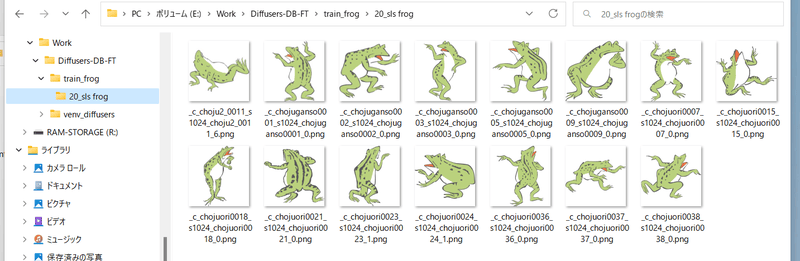
|
||||
|
||||
### 多个类别、多个标识符的学习
|
||||
### 多个类别、多个标识符的训练
|
||||
|
||||
该方法很简单,在用于训练的图像文件夹中,需要准备多个文件夹,每个文件夹都是以“重复次数_<标识符> <类别>”命名的,同样,在正则化图像文件夹中,也需要准备多个文件夹,每个文件夹都是以“重复次数_<类别>”命名的。
|
||||
|
||||
@@ -344,37 +346,37 @@ Stable Diffusion 的 v1 是以 512\*512 的分辨率进行训练的,但同时
|
||||
|
||||
### step 2. 准备正规化图像
|
||||
|
||||
这是使用规则化图像时的过程。
|
||||
这是使用正则化图像时的过程。
|
||||
|
||||
创建一个文件夹来存储规则化的图像。 __此外,__ 创建一个名为``<repeat count>_<class>`` 的目录。
|
||||
创建一个文件夹来存储正则化的图像。 __此外,__ 创建一个名为``<repeat count>_<class>`` 的目录。
|
||||
|
||||
例如,使用提示“frog”并且不重复数据(仅一次):
|
||||

|
||||
|
||||
|
||||
步骤3. 执行学习
|
||||
步骤3. 执行训练
|
||||
|
||||
执行每个学习脚本。使用 `--train_data_dir` 选项指定包含训练数据文件夹的父文件夹(不是包含图像的文件夹),使用 `--reg_data_dir` 选项指定包含正则化图像的父文件夹(不是包含图像的文件夹)。
|
||||
执行每个训练脚本。使用 `--train_data_dir` 选项指定包含训练数据文件夹的父文件夹(不是包含图像的文件夹),使用 `--reg_data_dir` 选项指定包含正则化图像的父文件夹(不是包含图像的文件夹)。
|
||||
|
||||
## DreamBooth,带标题方式
|
||||
## DreamBooth,带文本说明(caption)的方式
|
||||
|
||||
在包含训练图像和正则化图像的文件夹中,将与图像具有相同文件名的文件.caption(可以使用选项进行更改)放置在该文件夹中,然后从该文件中加载标题作为提示进行学习。
|
||||
在包含训练图像和正则化图像的文件夹中,将与图像具有相同文件名的文件.caption(可以使用选项进行更改)放置在该文件夹中,然后从该文件中加载caption所作为提示进行训练。
|
||||
|
||||
※文件夹名称(标识符类)不再用于这些图像的训练。
|
||||
|
||||
默认的标题文件扩展名为.caption。可以使用学习脚本的 `--caption_extension` 选项进行更改。 使用 `--shuffle_caption` 选项,同时对每个逗号分隔的部分进行学习时会对学习时的标题进行混洗。
|
||||
默认的caption文件扩展名为.caption。可以使用训练脚本的 `--caption_extension` 选项进行更改。 使用 `--shuffle_caption` 选项,同时对每个逗号分隔的部分进行训练时会对训练时的caption进行混洗。
|
||||
|
||||
## 微调方式
|
||||
|
||||
创建元数据的方式与使用配置文件相同。 使用 `in_json` 选项指定元数据文件。
|
||||
|
||||
# 学习过程中的样本输出
|
||||
# 训练过程中的样本输出
|
||||
|
||||
通过在训练中使用模型生成图像,可以检查学习进度。将以下选项指定为学习脚本。
|
||||
通过在训练中使用模型生成图像,可以检查训练进度。将以下选项指定为训练脚本。
|
||||
|
||||
- `--sample_every_n_steps` / `--sample_every_n_epochs`
|
||||
|
||||
指定要采样的步数或纪元数。为这些数字中的每一个输出样本。如果两者都指定,则 epoch 数优先。
|
||||
指定要采样的步数或epoch数。为这些数字中的每一个输出样本。如果两者都指定,则 epoch 数优先。
|
||||
- `--sample_prompts`
|
||||
|
||||
指定示例输出的提示文件。
|
||||
@@ -421,11 +423,11 @@ masterpiece, best quality, 1boy, in business suit, standing at street, looking b
|
||||
4. U-Net的结构(CrossAttention的头数等)
|
||||
5. v-parameterization(采样方式好像变了)
|
||||
|
||||
其中碱基使用1-4个,非碱基使用1-5个(768-v)。使用 1-4 进行 v2 选择,使用 5 进行 v_parameterization 选择。
|
||||
-`--pretrained_model_name_or_path`
|
||||
其中base使用1-4,非base使用1-5(768-v)。使用 1-4 进行 v2 选择,使用 5 进行 v_parameterization 选择。
|
||||
- `--pretrained_model_name_or_path`
|
||||
|
||||
指定要从中执行额外训练的模型。您可以指定稳定扩散检查点文件(.ckpt 或 .safetensors)、扩散器本地磁盘上的模型目录或扩散器模型 ID(例如“stabilityai/stable-diffusion-2”)。
|
||||
## 学习设置
|
||||
指定要从中执行额外训练的模型。您可以指定Stable Diffusion检查点文件(.ckpt 或 .safetensors)、diffusers本地磁盘上的模型目录或diffusers模型 ID(例如“stabilityai/stable-diffusion-2”)。
|
||||
## 训练设置
|
||||
|
||||
- `--output_dir`
|
||||
|
||||
@@ -441,7 +443,7 @@ masterpiece, best quality, 1boy, in business suit, standing at street, looking b
|
||||
|
||||
- `--max_train_steps` / `--max_train_epochs`
|
||||
|
||||
指定要学习的步数或纪元数。如果两者都指定,则 epoch 数优先。
|
||||
指定要训练的步数或epoch数。如果两者都指定,则 epoch 数优先。
|
||||
-
|
||||
- `--mixed_precision`
|
||||
|
||||
@@ -450,9 +452,9 @@ masterpiece, best quality, 1boy, in business suit, standing at street, looking b
|
||||
(在RTX30系列以后也可以指定`bf16`,请配合您在搭建环境时做的加速设置)。
|
||||
- `--gradient_checkpointing`
|
||||
|
||||
通过逐步计算权重而不是在训练期间一次计算所有权重来减少训练所需的 GPU 内存量。关闭它不会影响准确性,但打开它允许更大的批量大小,所以那里有影响。
|
||||
通过逐步计算权重而不是在训练期间一次计算所有权重来减少训练所需的 GPU 内存量。关闭它不会影响准确性,但打开它允许更大的批次大小,所以那里有影响。
|
||||
|
||||
另外,打开它通常会减慢速度,但可以增加批量大小,因此总的学习时间实际上可能会更快。
|
||||
另外,打开它通常会减慢速度,但可以增加批次大小,因此总的训练时间实际上可能会更快。
|
||||
|
||||
- `--xformers` / `--mem_eff_attn`
|
||||
|
||||
@@ -463,35 +465,35 @@ masterpiece, best quality, 1boy, in business suit, standing at street, looking b
|
||||
- `--save_every_n_epochs` / `--save_state` / `--resume`
|
||||
为 save_every_n_epochs 选项指定一个数字可以在每个时期的训练期间保存模型。
|
||||
|
||||
如果同时指定save_state选项,学习状态包括优化器的状态等都会一起保存。。保存目的地将是一个文件夹。
|
||||
如果同时指定save_state选项,训练状态包括优化器的状态等都会一起保存。。保存目的地将是一个文件夹。
|
||||
|
||||
学习状态输出到目标文件夹中名为“<output_name>-??????-state”(??????是纪元数)的文件夹中。长时间学习时请使用。
|
||||
训练状态输出到目标文件夹中名为“<output_name>-??????-state”(??????是epoch数)的文件夹中。长时间训练时请使用。
|
||||
|
||||
使用 resume 选项从保存的训练状态恢复训练。指定学习状态文件夹(其中的状态文件夹,而不是 `output_dir`)。
|
||||
使用 resume 选项从保存的训练状态恢复训练。指定训练状态文件夹(其中的状态文件夹,而不是 `output_dir`)。
|
||||
|
||||
请注意,由于 Accelerator 规范,epoch 数和全局步数不会保存,即使恢复时它们也从 1 开始。
|
||||
- `--save_model_as` (DreamBooth, fine tuning 仅有的)
|
||||
|
||||
您可以从 `ckpt, safetensors, diffusers, diffusers_safetensors` 中选择模型保存格式。
|
||||
|
||||
- `--save_model_as=safetensors` 指定喜欢当读取稳定扩散格式(ckpt 或安全张量)并以扩散器格式保存时,缺少的信息通过从 Hugging Face 中删除 v1.5 或 v2.1 信息来补充。
|
||||
- `--save_model_as=safetensors` 指定喜欢当读取Stable Diffusion格式(ckpt 或safetensors)并以diffusers格式保存时,缺少的信息通过从 Hugging Face 中删除 v1.5 或 v2.1 信息来补充。
|
||||
|
||||
- `--clip_skip`
|
||||
|
||||
`2` 如果指定,则使用文本编码器 (CLIP) 的倒数第二层的输出。如果省略 1 或选项,则使用最后一层。
|
||||
|
||||
*SD2.0默认使用倒数第二层,学习SD2.0时请不要指定。
|
||||
*SD2.0默认使用倒数第二层,训练SD2.0时请不要指定。
|
||||
|
||||
如果被训练的模型最初被训练为使用第二层,则 2 是一个很好的值。
|
||||
|
||||
如果您使用的是最后一层,那么整个模型都会根据该假设进行训练。因此,如果再次使用第二层进行训练,可能需要一定数量的teacher数据和更长时间的学习才能得到想要的学习结果。
|
||||
如果您使用的是最后一层,那么整个模型都会根据该假设进行训练。因此,如果再次使用第二层进行训练,可能需要一定数量的teacher数据和更长时间的训练才能得到想要的训练结果。
|
||||
- `--max_token_length`
|
||||
|
||||
默认值为 75。您可以通过指定“150”或“225”来扩展令牌长度来学习。使用长字幕学习时指定。
|
||||
默认值为 75。您可以通过指定“150”或“225”来扩展令牌长度来训练。使用长字幕训练时指定。
|
||||
|
||||
但由于学习时token展开的规范与Automatic1111的web UI(除法等规范)略有不同,如非必要建议用75学习。
|
||||
但由于训练时token展开的规范与Automatic1111的web UI(除法等规范)略有不同,如非必要建议用75训练。
|
||||
|
||||
与clip_skip一样,学习与模型学习状态不同的长度可能需要一定量的teacher数据和更长的学习时间。
|
||||
与clip_skip一样,训练与模型训练状态不同的长度可能需要一定量的teacher数据和更长的学习时间。
|
||||
|
||||
- `--persistent_data_loader_workers`
|
||||
|
||||
@@ -502,7 +504,7 @@ masterpiece, best quality, 1boy, in business suit, standing at street, looking b
|
||||
指定数据加载的进程数。大量的进程会更快地加载数据并更有效地使用 GPU,但会消耗更多的主内存。默认是"`8`或者`CPU并发执行线程数 - 1`,取小者",所以如果主存没有空间或者GPU使用率大概在90%以上,就看那些数字和 `2` 或将其降低到大约 `1`。
|
||||
- `--logging_dir` / `--log_prefix`
|
||||
|
||||
保存学习日志的选项。在 logging_dir 选项中指定日志保存目标文件夹。以 TensorBoard 格式保存日志。
|
||||
保存训练日志的选项。在 logging_dir 选项中指定日志保存目标文件夹。以 TensorBoard 格式保存日志。
|
||||
|
||||
例如,如果您指定 --logging_dir=logs,将在您的工作文件夹中创建一个日志文件夹,并将日志保存在日期/时间文件夹中。
|
||||
此外,如果您指定 --log_prefix 选项,则指定的字符串将添加到日期和时间之前。使用“--logging_dir=logs --log_prefix=db_style1_”进行识别。
|
||||
@@ -518,23 +520,23 @@ masterpiece, best quality, 1boy, in business suit, standing at street, looking b
|
||||
- `--noise_offset`
|
||||
本文的实现:https://www.crosslabs.org//blog/diffusion-with-offset-noise
|
||||
|
||||
看起来它可能会为整体更暗和更亮的图像产生更好的结果。它似乎对 LoRA 学习也有效。指定一个大约 0.1 的值似乎很好。
|
||||
看起来它可能会为整体更暗和更亮的图像产生更好的结果。它似乎对 LoRA 训练也有效。指定一个大约 0.1 的值似乎很好。
|
||||
|
||||
- `--debug_dataset`
|
||||
|
||||
通过添加此选项,您可以在学习之前检查将学习什么样的图像数据和标题。按 Esc 退出并返回命令行。按 `S` 进入下一步(批次),按 `E` 进入下一个纪元。
|
||||
通过添加此选项,您可以在训练之前检查将训练什么样的图像数据和标题。按 Esc 退出并返回命令行。按 `S` 进入下一步(批次),按 `E` 进入下一个epoch。
|
||||
|
||||
*图片在 Linux 环境(包括 Colab)下不显示。
|
||||
|
||||
- `--vae`
|
||||
|
||||
如果您在 vae 选项中指定稳定扩散检查点、VAE 检查点文件、扩散模型或 VAE(两者都可以指定本地或拥抱面模型 ID),则该 VAE 用于学习(缓存时的潜伏)或在学习过程中获得潜伏)。
|
||||
如果您在 vae 选项中指定Stable Diffusion检查点、VAE 检查点文件、扩散模型或 VAE(两者都可以指定本地或拥抱面模型 ID),则该 VAE 用于训练(缓存时的潜伏)或在训练过程中获得潜伏)。
|
||||
|
||||
对于 DreamBooth 和微调,保存的模型将包含此 VAE
|
||||
|
||||
- `--cache_latents`
|
||||
|
||||
在主内存中缓存 VAE 输出以减少 VRAM 使用。除 flip_aug 之外的任何增强都将不可用。此外,整体学习速度略快。
|
||||
在主内存中缓存 VAE 输出以减少 VRAM 使用。除 flip_aug 之外的任何增强都将不可用。此外,整体训练速度略快。
|
||||
- `--min_snr_gamma`
|
||||
|
||||
指定最小 SNR 加权策略。细节是[这里](https://github.com/kohya-ss/sd-scripts/pull/308)请参阅。论文中推荐`5`。
|
||||
@@ -545,19 +547,29 @@ masterpiece, best quality, 1boy, in business suit, standing at street, looking b
|
||||
-- 指定优化器类型。您可以指定
|
||||
- AdamW : [torch.optim.AdamW](https://pytorch.org/docs/stable/generated/torch.optim.AdamW.html)
|
||||
- 与过去版本中未指定选项时相同
|
||||
- AdamW8bit : 同上
|
||||
- AdamW8bit : 参数同上
|
||||
- PagedAdamW8bit : 参数同上
|
||||
- 与过去版本中指定的 --use_8bit_adam 相同
|
||||
- Lion : https://github.com/lucidrains/lion-pytorch
|
||||
- Lion8bit : 参数同上
|
||||
- PagedLion8bit : 参数同上
|
||||
- 与过去版本中指定的 --use_lion_optimizer 相同
|
||||
- SGDNesterov : [torch.optim.SGD](https://pytorch.org/docs/stable/generated/torch.optim.SGD.html), nesterov=True
|
||||
- SGDNesterov8bit : 引数同上
|
||||
- DAdaptation : https://github.com/facebookresearch/dadaptation
|
||||
- SGDNesterov8bit : 参数同上
|
||||
- DAdaptation(DAdaptAdamPreprint) : https://github.com/facebookresearch/dadaptation
|
||||
- DAdaptAdam : 参数同上
|
||||
- DAdaptAdaGrad : 参数同上
|
||||
- DAdaptAdan : 参数同上
|
||||
- DAdaptAdanIP : 参数同上
|
||||
- DAdaptLion : 参数同上
|
||||
- DAdaptSGD : 参数同上
|
||||
- Prodigy : https://github.com/konstmish/prodigy
|
||||
- AdaFactor : [Transformers AdaFactor](https://huggingface.co/docs/transformers/main_classes/optimizer_schedules)
|
||||
- 任何优化器
|
||||
|
||||
- `--learning_rate`
|
||||
|
||||
指定学习率。合适的学习率取决于学习脚本,所以请参考每个解释。
|
||||
指定学习率。合适的学习率取决于训练脚本,所以请参考每个解释。
|
||||
- `--lr_scheduler` / `--lr_warmup_steps` / `--lr_scheduler_num_cycles` / `--lr_scheduler_power`
|
||||
|
||||
学习率的调度程序相关规范。
|
||||
@@ -592,14 +604,14 @@ D-Adaptation 优化器自动调整学习率。学习率选项指定的值不是
|
||||
(内部仅通过 importlib 未确认操作。如果需要,请安装包。)
|
||||
<!--
|
||||
## 使用任意大小的图像进行训练 --resolution
|
||||
你可以在广场外学习。请在分辨率中指定“宽度、高度”,如“448,640”。宽度和高度必须能被 64 整除。匹配训练图像和正则化图像的大小。
|
||||
你可以在广场外训练。请在分辨率中指定“宽度、高度”,如“448,640”。宽度和高度必须能被 64 整除。匹配训练图像和正则化图像的大小。
|
||||
|
||||
就我个人而言,我经常生成垂直长的图像,所以我有时会用“448、640”来学习。
|
||||
就我个人而言,我经常生成垂直长的图像,所以我有时会用“448、640”来训练。
|
||||
|
||||
## 纵横比分桶 --enable_bucket / --min_bucket_reso / --max_bucket_reso
|
||||
它通过指定 enable_bucket 选项来启用。 Stable Diffusion 在 512x512 分辨率下训练,但也在 256x768 和 384x640 等分辨率下训练。
|
||||
|
||||
如果指定此选项,则不需要将训练图像和正则化图像统一为特定分辨率。从多种分辨率(纵横比)中进行选择,并在该分辨率下学习。
|
||||
如果指定此选项,则不需要将训练图像和正则化图像统一为特定分辨率。从多种分辨率(纵横比)中进行选择,并在该分辨率下训练。
|
||||
由于分辨率为 64 像素,纵横比可能与原始图像不完全相同。
|
||||
|
||||
您可以使用 min_bucket_reso 选项指定分辨率的最小大小,使用 max_bucket_reso 指定最大大小。默认值分别为 256 和 1024。
|
||||
@@ -611,13 +623,13 @@ D-Adaptation 优化器自动调整学习率。学习率选项指定的值不是
|
||||
(因为一批中的图像不偏向于训练图像和正则化图像。
|
||||
|
||||
## 扩充 --color_aug / --flip_aug
|
||||
增强是一种通过在学习过程中动态改变数据来提高模型性能的方法。在使用 color_aug 巧妙地改变色调并使用 flip_aug 左右翻转的同时学习。
|
||||
增强是一种通过在训练过程中动态改变数据来提高模型性能的方法。在使用 color_aug 巧妙地改变色调并使用 flip_aug 左右翻转的同时训练。
|
||||
|
||||
由于数据是动态变化的,因此不能与 cache_latents 选项一起指定。
|
||||
|
||||
## 使用 fp16 梯度训练(实验特征)--full_fp16
|
||||
如果指定 full_fp16 选项,梯度从普通 float32 变为 float16 (fp16) 并学习(它似乎是 full fp16 学习而不是混合精度)。
|
||||
结果,似乎 SD1.x 512x512 大小可以在 VRAM 使用量小于 8GB 的情况下学习,而 SD2.x 512x512 大小可以在 VRAM 使用量小于 12GB 的情况下学习。
|
||||
如果指定 full_fp16 选项,梯度从普通 float32 变为 float16 (fp16) 并训练(它似乎是 full fp16 训练而不是混合精度)。
|
||||
结果,似乎 SD1.x 512x512 大小可以在 VRAM 使用量小于 8GB 的情况下训练,而 SD2.x 512x512 大小可以在 VRAM 使用量小于 12GB 的情况下训练。
|
||||
|
||||
预先在加速配置中指定 fp16,并可选择设置 ``mixed_precision="fp16"``(bf16 不起作用)。
|
||||
|
||||
@@ -631,20 +643,20 @@ D-Adaptation 优化器自动调整学习率。学习率选项指定的值不是
|
||||
|
||||
# 创建元数据文件
|
||||
|
||||
## 准备教师资料
|
||||
## 准备训练数据
|
||||
|
||||
如上所述准备好你要学习的图像数据,放在任意文件夹中。
|
||||
如上所述准备好你要训练的图像数据,放在任意文件夹中。
|
||||
|
||||
例如,存储这样的图像:
|
||||
|
||||
|
||||
|
||||
## 自动字幕
|
||||
## 自动captioning
|
||||
|
||||
如果您只想学习没有标题的标签,请跳过。
|
||||
如果您只想训练没有标题的标签,请跳过。
|
||||
|
||||
另外,手动准备字幕时,请准备在与教师数据图像相同的目录下,文件名相同,扩展名.caption等。每个文件应该是只有一行的文本文件。
|
||||
### 使用 BLIP 添加字幕
|
||||
另外,手动准备caption时,请准备在与教师数据图像相同的目录下,文件名相同,扩展名.caption等。每个文件应该是只有一行的文本文件。
|
||||
### 使用 BLIP 添加caption
|
||||
|
||||
最新版本不再需要 BLIP 下载、权重下载和额外的虚拟环境。按原样工作。
|
||||
|
||||
@@ -659,24 +671,24 @@ python finetune\make_captions.py --batch_size <バッチサイズ> <教師デー
|
||||
python finetune\make_captions.py --batch_size 8 ..\train_data
|
||||
```
|
||||
|
||||
字幕文件创建在与教师数据图像相同的目录中,具有相同的文件名和扩展名.caption。
|
||||
caption文件创建在与教师数据图像相同的目录中,具有相同的文件名和扩展名.caption。
|
||||
|
||||
根据 GPU 的 VRAM 容量增加或减少 batch_size。越大越快(我认为 12GB 的 VRAM 可以多一点)。
|
||||
您可以使用 max_length 选项指定标题的最大长度。默认值为 75。如果使用 225 的令牌长度训练模型,它可能会更长。
|
||||
您可以使用 caption_extension 选项更改标题扩展名。默认为 .caption(.txt 与稍后描述的 DeepDanbooru 冲突)。
|
||||
您可以使用 max_length 选项指定caption的最大长度。默认值为 75。如果使用 225 的令牌长度训练模型,它可能会更长。
|
||||
您可以使用 caption_extension 选项更改caption扩展名。默认为 .caption(.txt 与稍后描述的 DeepDanbooru 冲突)。
|
||||
如果有多个教师数据文件夹,则对每个文件夹执行。
|
||||
|
||||
请注意,推理是随机的,因此每次运行时结果都会发生变化。如果要修复它,请使用 --seed 选项指定一个随机数种子,例如 `--seed 42`。
|
||||
|
||||
其他的选项,请参考help with `--help`(好像没有文档说明参数的含义,得看源码)。
|
||||
|
||||
默认情况下,会生成扩展名为 .caption 的字幕文件。
|
||||
默认情况下,会生成扩展名为 .caption 的caption文件。
|
||||
|
||||
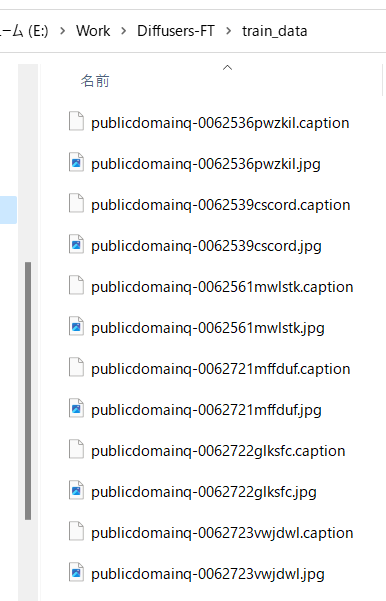
|
||||
|
||||
例如,标题如下:
|
||||
|
||||
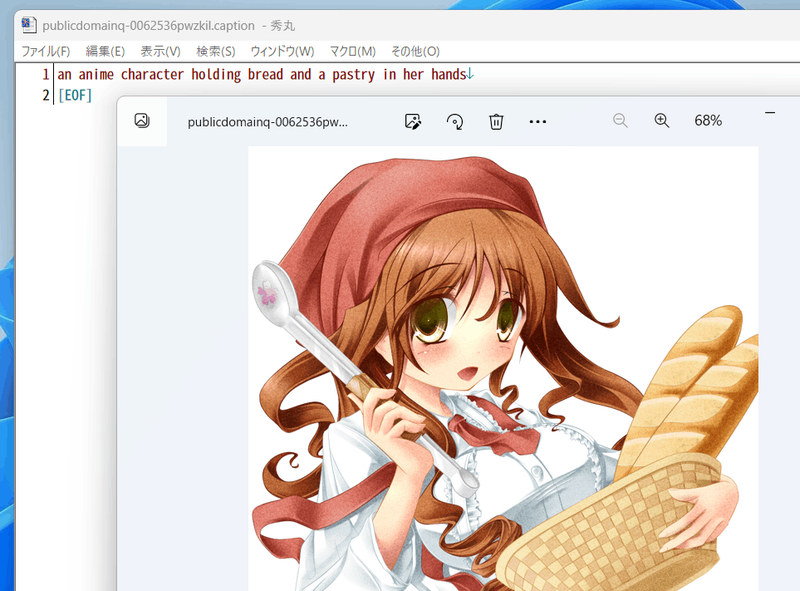
|
||||

|
||||
|
||||
## 由 DeepDanbooru 标记
|
||||
|
||||
@@ -695,7 +707,7 @@ python finetune\make_captions.py --batch_size 8 ..\train_data
|
||||
做一个这样的目录结构
|
||||
|
||||
|
||||
为扩散器环境安装必要的库。进入 DeepDanbooru 文件夹并安装它(我认为它实际上只是添加了 tensorflow-io)。
|
||||
为diffusers环境安装必要的库。进入 DeepDanbooru 文件夹并安装它(我认为它实际上只是添加了 tensorflow-io)。
|
||||
```
|
||||
pip install -r requirements.txt
|
||||
```
|
||||
@@ -768,12 +780,12 @@ python tag_images_by_wd14_tagger.py --batch_size 4 ..\train_data
|
||||
|
||||
如果有多个教师数据文件夹,则对每个文件夹执行。
|
||||
|
||||
## 预处理字幕和标签信息
|
||||
## 预处理caption和标签信息
|
||||
|
||||
将字幕和标签作为元数据合并到一个文件中,以便从脚本中轻松处理。
|
||||
### 字幕预处理
|
||||
将caption和标签作为元数据合并到一个文件中,以便从脚本中轻松处理。
|
||||
### caption预处理
|
||||
|
||||
要将字幕放入元数据,请在您的工作文件夹中运行以下命令(如果您不使用字幕进行学习,则不需要运行它)(它实际上是一行,依此类推)。指定 `--full_path` 选项以将图像文件的完整路径存储在元数据中。如果省略此选项,则会记录相对路径,但 .toml 文件中需要单独的文件夹规范。
|
||||
要将caption放入元数据,请在您的工作文件夹中运行以下命令(如果您不使用caption进行训练,则不需要运行它)(它实际上是一行,依此类推)。指定 `--full_path` 选项以将图像文件的完整路径存储在元数据中。如果省略此选项,则会记录相对路径,但 .toml 文件中需要单独的文件夹规范。
|
||||
```
|
||||
python merge_captions_to_metadata.py --full_path <教师资料夹>
|
||||
--in_json <要读取的元数据文件名> <元数据文件名>
|
||||
@@ -799,7 +811,7 @@ python merge_captions_to_metadata.py --full_path --in_json meta_cap1.json
|
||||
__* 每次重写 in_json 选项和写入目标并写入单独的元数据文件是安全的。 __
|
||||
### 标签预处理
|
||||
|
||||
同样,标签也收集在元数据中(如果标签不用于学习,则无需这样做)。
|
||||
同样,标签也收集在元数据中(如果标签不用于训练,则无需这样做)。
|
||||
```
|
||||
python merge_dd_tags_to_metadata.py --full_path <教师资料夹>
|
||||
--in_json <要读取的元数据文件名> <要写入的元数据文件名>
|
||||
@@ -855,7 +867,7 @@ python clean_captions_and_tags.py meta_cap_dd.json meta_clean.json
|
||||
python prepare_buckets_latents.py --full_path <教师资料夹>
|
||||
<要读取的元数据文件名> <要写入的元数据文件名>
|
||||
<要微调的模型名称或检查点>
|
||||
--batch_size <批量大小>
|
||||
--batch_size <批次大小>
|
||||
--max_resolution <分辨率宽、高>
|
||||
--mixed_precision <准确性>
|
||||
```
|
||||
@@ -875,7 +887,7 @@ python prepare_buckets_latents.py --full_path
|
||||
|
||||
对于翻转的图像,也会获取latents,并保存名为\ *_flip.npz的文件,这是一个简单的实现。在fline_tune.py中不需要特定的选项。如果有带有\_flip的文件,则会随机加载带有和不带有flip的文件。
|
||||
|
||||
即使VRAM为12GB,批量大小也可以稍微增加。分辨率以“宽度,高度”的形式指定,必须是64的倍数。分辨率直接影响fine tuning时的内存大小。在12GB VRAM中,512,512似乎是极限(*)。如果有16GB,则可以将其提高到512,704或512,768。即使分辨率为256,256等,VRAM 8GB也很难承受(因为参数、优化器等与分辨率无关,需要一定的内存)。
|
||||
即使VRAM为12GB,批次大小也可以稍微增加。分辨率以“宽度,高度”的形式指定,必须是64的倍数。分辨率直接影响fine tuning时的内存大小。在12GB VRAM中,512,512似乎是极限(*)。如果有16GB,则可以将其提高到512,704或512,768。即使分辨率为256,256等,VRAM 8GB也很难承受(因为参数、优化器等与分辨率无关,需要一定的内存)。
|
||||
|
||||
*有报道称,在batch size为1的训练中,使用12GB VRAM和640,640的分辨率。
|
||||
|
||||
214
docs/train_lllite_README-ja.md
Normal file
214
docs/train_lllite_README-ja.md
Normal file
@@ -0,0 +1,214 @@
|
||||
# ControlNet-LLLite について
|
||||
|
||||
__きわめて実験的な実装のため、将来的に大きく変更される可能性があります。__
|
||||
|
||||
## 概要
|
||||
ControlNet-LLLite は、[ControlNet](https://github.com/lllyasviel/ControlNet) の軽量版です。LoRA Like Lite という意味で、LoRAからインスピレーションを得た構造を持つ、軽量なControlNetです。現在はSDXLにのみ対応しています。
|
||||
|
||||
## サンプルの重みファイルと推論
|
||||
|
||||
こちらにあります: https://huggingface.co/kohya-ss/controlnet-lllite
|
||||
|
||||
ComfyUIのカスタムノードを用意しています。: https://github.com/kohya-ss/ControlNet-LLLite-ComfyUI
|
||||
|
||||
生成サンプルはこのページの末尾にあります。
|
||||
|
||||
## モデル構造
|
||||
ひとつのLLLiteモジュールは、制御用画像(以下conditioning image)を潜在空間に写像するconditioning image embeddingと、LoRAにちょっと似た構造を持つ小型のネットワークからなります。LLLiteモジュールを、LoRAと同様にU-NetのLinearやConvに追加します。詳しくはソースコードを参照してください。
|
||||
|
||||
推論環境の制限で、現在はCrossAttentionのみ(attn1のq/k/v、attn2のq)に追加されます。
|
||||
|
||||
## モデルの学習
|
||||
|
||||
### データセットの準備
|
||||
通常のdatasetに加え、`conditioning_data_dir` で指定したディレクトリにconditioning imageを格納してください。conditioning imageは学習用画像と同じbasenameを持つ必要があります。また、conditioning imageは学習用画像と同じサイズに自動的にリサイズされます。conditioning imageにはキャプションファイルは不要です。
|
||||
|
||||
たとえば DreamBooth 方式でキャプションファイルを用いる場合の設定ファイルは以下のようになります。
|
||||
|
||||
```toml
|
||||
[[datasets.subsets]]
|
||||
image_dir = "path/to/image/dir"
|
||||
caption_extension = ".txt"
|
||||
conditioning_data_dir = "path/to/conditioning/image/dir"
|
||||
```
|
||||
|
||||
現時点の制約として、random_cropは使用できません。
|
||||
|
||||
学習データとしては、元のモデルで生成した画像を学習用画像として、そこから加工した画像をconditioning imageとした、合成によるデータセットを用いるのがもっとも簡単です(データセットの品質的には問題があるかもしれません)。具体的なデータセットの合成方法については後述します。
|
||||
|
||||
なお、元モデルと異なる画風の画像を学習用画像とすると、制御に加えて、その画風についても学ぶ必要が生じます。ControlNet-LLLiteは容量が少ないため、画風学習には不向きです。このような場合には、後述の次元数を多めにしてください。
|
||||
|
||||
### 学習
|
||||
スクリプトで生成する場合は、`sdxl_train_control_net_lllite.py` を実行してください。`--cond_emb_dim` でconditioning image embeddingの次元数を指定できます。`--network_dim` でLoRA的モジュールのrankを指定できます。その他のオプションは`sdxl_train_network.py`に準じますが、`--network_module`の指定は不要です。
|
||||
|
||||
学習時にはメモリを大量に使用しますので、キャッシュやgradient checkpointingなどの省メモリ化のオプションを有効にしてください。また`--full_bf16` オプションで、BFloat16を使用するのも有効です(RTX 30シリーズ以降のGPUが必要です)。24GB VRAMで動作確認しています。
|
||||
|
||||
conditioning image embeddingの次元数は、サンプルのCannyでは32を指定しています。LoRA的モジュールのrankは同じく64です。対象とするconditioning imageの特徴に合わせて調整してください。
|
||||
|
||||
(サンプルのCannyは恐らくかなり難しいと思われます。depthなどでは半分程度にしてもいいかもしれません。)
|
||||
|
||||
以下は .toml の設定例です。
|
||||
|
||||
```toml
|
||||
pretrained_model_name_or_path = "/path/to/model_trained_on.safetensors"
|
||||
max_train_epochs = 12
|
||||
max_data_loader_n_workers = 4
|
||||
persistent_data_loader_workers = true
|
||||
seed = 42
|
||||
gradient_checkpointing = true
|
||||
mixed_precision = "bf16"
|
||||
save_precision = "bf16"
|
||||
full_bf16 = true
|
||||
optimizer_type = "adamw8bit"
|
||||
learning_rate = 2e-4
|
||||
xformers = true
|
||||
output_dir = "/path/to/output/dir"
|
||||
output_name = "output_name"
|
||||
save_every_n_epochs = 1
|
||||
save_model_as = "safetensors"
|
||||
vae_batch_size = 4
|
||||
cache_latents = true
|
||||
cache_latents_to_disk = true
|
||||
cache_text_encoder_outputs = true
|
||||
cache_text_encoder_outputs_to_disk = true
|
||||
network_dim = 64
|
||||
cond_emb_dim = 32
|
||||
dataset_config = "/path/to/dataset.toml"
|
||||
```
|
||||
|
||||
### 推論
|
||||
|
||||
スクリプトで生成する場合は、`sdxl_gen_img.py` を実行してください。`--control_net_lllite_models` でLLLiteのモデルファイルを指定できます。次元数はモデルファイルから自動取得します。
|
||||
|
||||
`--guide_image_path`で推論に用いるconditioning imageを指定してください。なおpreprocessは行われないため、たとえばCannyならCanny処理を行った画像を指定してください(背景黒に白線)。`--control_net_preps`, `--control_net_weights`, `--control_net_ratios` には未対応です。
|
||||
|
||||
## データセットの合成方法
|
||||
|
||||
### 学習用画像の生成
|
||||
|
||||
学習のベースとなるモデルで画像生成を行います。Web UIやComfyUIなどで生成してください。画像サイズはモデルのデフォルトサイズで良いと思われます(1024x1024など)。bucketingを用いることもできます。その場合は適宜適切な解像度で生成してください。
|
||||
|
||||
生成時のキャプション等は、ControlNet-LLLiteの利用時に生成したい画像にあわせるのが良いと思われます。
|
||||
|
||||
生成した画像を任意のディレクトリに保存してください。このディレクトリをデータセットの設定ファイルで指定します。
|
||||
|
||||
当リポジトリ内の `sdxl_gen_img.py` でも生成できます。例えば以下のように実行します。
|
||||
|
||||
```dos
|
||||
python sdxl_gen_img.py --ckpt path/to/model.safetensors --n_iter 1 --scale 10 --steps 36 --outdir path/to/output/dir --xformers --W 1024 --H 1024 --original_width 2048 --original_height 2048 --bf16 --sampler ddim --batch_size 4 --vae_batch_size 2 --images_per_prompt 512 --max_embeddings_multiples 1 --prompt "{portrait|digital art|anime screen cap|detailed illustration} of 1girl, {standing|sitting|walking|running|dancing} on {classroom|street|town|beach|indoors|outdoors}, {looking at viewer|looking away|looking at another}, {in|wearing} {shirt and skirt|school uniform|casual wear} { |, dynamic pose}, (solo), teen age, {0-1$$smile,|blush,|kind smile,|expression less,|happy,|sadness,} {0-1$$upper body,|full body,|cowboy shot,|face focus,} trending on pixiv, {0-2$$depth of fields,|8k wallpaper,|highly detailed,|pov,} {0-1$$summer, |winter, |spring, |autumn, } beautiful face { |, from below|, from above|, from side|, from behind|, from back} --n nsfw, bad face, lowres, low quality, worst quality, low effort, watermark, signature, ugly, poorly drawn"
|
||||
```
|
||||
|
||||
VRAM 24GBの設定です。VRAMサイズにより`--batch_size` `--vae_batch_size`を調整してください。
|
||||
|
||||
`--prompt`でワイルドカードを利用してランダムに生成しています。適宜調整してください。
|
||||
|
||||
### 画像の加工
|
||||
|
||||
外部のプログラムを用いて、生成した画像を加工します。加工した画像を任意のディレクトリに保存してください。これらがconditioning imageになります。
|
||||
|
||||
加工にはたとえばCannyなら以下のようなスクリプトが使えます。
|
||||
|
||||
```python
|
||||
import glob
|
||||
import os
|
||||
import random
|
||||
import cv2
|
||||
import numpy as np
|
||||
|
||||
IMAGES_DIR = "path/to/generated/images"
|
||||
CANNY_DIR = "path/to/canny/images"
|
||||
|
||||
os.makedirs(CANNY_DIR, exist_ok=True)
|
||||
img_files = glob.glob(IMAGES_DIR + "/*.png")
|
||||
for img_file in img_files:
|
||||
can_file = CANNY_DIR + "/" + os.path.basename(img_file)
|
||||
if os.path.exists(can_file):
|
||||
print("Skip: " + img_file)
|
||||
continue
|
||||
|
||||
print(img_file)
|
||||
|
||||
img = cv2.imread(img_file)
|
||||
|
||||
# random threshold
|
||||
# while True:
|
||||
# threshold1 = random.randint(0, 127)
|
||||
# threshold2 = random.randint(128, 255)
|
||||
# if threshold2 - threshold1 > 80:
|
||||
# break
|
||||
|
||||
# fixed threshold
|
||||
threshold1 = 100
|
||||
threshold2 = 200
|
||||
|
||||
img = cv2.Canny(img, threshold1, threshold2)
|
||||
|
||||
cv2.imwrite(can_file, img)
|
||||
```
|
||||
|
||||
### キャプションファイルの作成
|
||||
|
||||
学習用画像のbasenameと同じ名前で、それぞれの画像に対応したキャプションファイルを作成してください。生成時のプロンプトをそのまま利用すれば良いと思われます。
|
||||
|
||||
`sdxl_gen_img.py` で生成した場合は、画像内のメタデータに生成時のプロンプトが記録されていますので、以下のようなスクリプトで学習用画像と同じディレクトリにキャプションファイルを作成できます(拡張子 `.txt`)。
|
||||
|
||||
```python
|
||||
import glob
|
||||
import os
|
||||
from PIL import Image
|
||||
|
||||
IMAGES_DIR = "path/to/generated/images"
|
||||
|
||||
img_files = glob.glob(IMAGES_DIR + "/*.png")
|
||||
for img_file in img_files:
|
||||
cap_file = img_file.replace(".png", ".txt")
|
||||
if os.path.exists(cap_file):
|
||||
print(f"Skip: {img_file}")
|
||||
continue
|
||||
print(img_file)
|
||||
|
||||
img = Image.open(img_file)
|
||||
prompt = img.text["prompt"] if "prompt" in img.text else ""
|
||||
if prompt == "":
|
||||
print(f"Prompt not found in {img_file}")
|
||||
|
||||
with open(cap_file, "w") as f:
|
||||
f.write(prompt + "\n")
|
||||
```
|
||||
|
||||
### データセットの設定ファイルの作成
|
||||
|
||||
コマンドラインオプションからの指定も可能ですが、`.toml`ファイルを作成する場合は `conditioning_data_dir` に加工した画像を保存したディレクトリを指定します。
|
||||
|
||||
以下は設定ファイルの例です。
|
||||
|
||||
```toml
|
||||
[general]
|
||||
flip_aug = false
|
||||
color_aug = false
|
||||
resolution = [1024,1024]
|
||||
|
||||
[[datasets]]
|
||||
batch_size = 8
|
||||
enable_bucket = false
|
||||
|
||||
[[datasets.subsets]]
|
||||
image_dir = "path/to/generated/image/dir"
|
||||
caption_extension = ".txt"
|
||||
conditioning_data_dir = "path/to/canny/image/dir"
|
||||
```
|
||||
|
||||
## 謝辞
|
||||
|
||||
ControlNetの作者である lllyasviel 氏、実装上のアドバイスとトラブル解決へのご尽力をいただいた furusu 氏、ControlNetデータセットを実装していただいた ddPn08 氏に感謝いたします。
|
||||
|
||||
## サンプル
|
||||
Canny
|
||||

|
||||
|
||||

|
||||
|
||||

|
||||
|
||||

|
||||
|
||||
217
docs/train_lllite_README.md
Normal file
217
docs/train_lllite_README.md
Normal file
@@ -0,0 +1,217 @@
|
||||
# About ControlNet-LLLite
|
||||
|
||||
__This is an extremely experimental implementation and may change significantly in the future.__
|
||||
|
||||
日本語版は[こちら](./train_lllite_README-ja.md)
|
||||
|
||||
## Overview
|
||||
|
||||
ControlNet-LLLite is a lightweight version of [ControlNet](https://github.com/lllyasviel/ControlNet). It is a "LoRA Like Lite" that is inspired by LoRA and has a lightweight structure. Currently, only SDXL is supported.
|
||||
|
||||
## Sample weight file and inference
|
||||
|
||||
Sample weight file is available here: https://huggingface.co/kohya-ss/controlnet-lllite
|
||||
|
||||
A custom node for ComfyUI is available: https://github.com/kohya-ss/ControlNet-LLLite-ComfyUI
|
||||
|
||||
Sample images are at the end of this page.
|
||||
|
||||
## Model structure
|
||||
|
||||
A single LLLite module consists of a conditioning image embedding that maps a conditioning image to a latent space and a small network with a structure similar to LoRA. The LLLite module is added to U-Net's Linear and Conv in the same way as LoRA. Please refer to the source code for details.
|
||||
|
||||
Due to the limitations of the inference environment, only CrossAttention (attn1 q/k/v, attn2 q) is currently added.
|
||||
|
||||
## Model training
|
||||
|
||||
### Preparing the dataset
|
||||
|
||||
In addition to the normal dataset, please store the conditioning image in the directory specified by `conditioning_data_dir`. The conditioning image must have the same basename as the training image. The conditioning image will be automatically resized to the same size as the training image. The conditioning image does not require a caption file.
|
||||
|
||||
```toml
|
||||
[[datasets.subsets]]
|
||||
image_dir = "path/to/image/dir"
|
||||
caption_extension = ".txt"
|
||||
conditioning_data_dir = "path/to/conditioning/image/dir"
|
||||
```
|
||||
|
||||
At the moment, random_crop cannot be used.
|
||||
|
||||
For training data, it is easiest to use a synthetic dataset with the original model-generated images as training images and processed images as conditioning images (the quality of the dataset may be problematic). See below for specific methods of synthesizing datasets.
|
||||
|
||||
Note that if you use an image with a different art style than the original model as a training image, the model will have to learn not only the control but also the art style. ControlNet-LLLite has a small capacity, so it is not suitable for learning art styles. In such cases, increase the number of dimensions as described below.
|
||||
|
||||
### Training
|
||||
|
||||
Run `sdxl_train_control_net_lllite.py`. You can specify the dimension of the conditioning image embedding with `--cond_emb_dim`. You can specify the rank of the LoRA-like module with `--network_dim`. Other options are the same as `sdxl_train_network.py`, but `--network_module` is not required.
|
||||
|
||||
Since a large amount of memory is used during training, please enable memory-saving options such as cache and gradient checkpointing. It is also effective to use BFloat16 with the `--full_bf16` option (requires RTX 30 series or later GPU). It has been confirmed to work with 24GB VRAM.
|
||||
|
||||
For the sample Canny, the dimension of the conditioning image embedding is 32. The rank of the LoRA-like module is also 64. Adjust according to the features of the conditioning image you are targeting.
|
||||
|
||||
(The sample Canny is probably quite difficult. It may be better to reduce it to about half for depth, etc.)
|
||||
|
||||
The following is an example of a .toml configuration.
|
||||
|
||||
```toml
|
||||
pretrained_model_name_or_path = "/path/to/model_trained_on.safetensors"
|
||||
max_train_epochs = 12
|
||||
max_data_loader_n_workers = 4
|
||||
persistent_data_loader_workers = true
|
||||
seed = 42
|
||||
gradient_checkpointing = true
|
||||
mixed_precision = "bf16"
|
||||
save_precision = "bf16"
|
||||
full_bf16 = true
|
||||
optimizer_type = "adamw8bit"
|
||||
learning_rate = 2e-4
|
||||
xformers = true
|
||||
output_dir = "/path/to/output/dir"
|
||||
output_name = "output_name"
|
||||
save_every_n_epochs = 1
|
||||
save_model_as = "safetensors"
|
||||
vae_batch_size = 4
|
||||
cache_latents = true
|
||||
cache_latents_to_disk = true
|
||||
cache_text_encoder_outputs = true
|
||||
cache_text_encoder_outputs_to_disk = true
|
||||
network_dim = 64
|
||||
cond_emb_dim = 32
|
||||
dataset_config = "/path/to/dataset.toml"
|
||||
```
|
||||
|
||||
### Inference
|
||||
|
||||
If you want to generate images with a script, run `sdxl_gen_img.py`. You can specify the LLLite model file with `--control_net_lllite_models`. The dimension is automatically obtained from the model file.
|
||||
|
||||
Specify the conditioning image to be used for inference with `--guide_image_path`. Since preprocess is not performed, if it is Canny, specify an image processed with Canny (white line on black background). `--control_net_preps`, `--control_net_weights`, and `--control_net_ratios` are not supported.
|
||||
|
||||
## How to synthesize a dataset
|
||||
|
||||
### Generating training images
|
||||
|
||||
Generate images with the base model for training. Please generate them with Web UI or ComfyUI etc. The image size should be the default size of the model (1024x1024, etc.). You can also use bucketing. In that case, please generate it at an arbitrary resolution.
|
||||
|
||||
The captions and other settings when generating the images should be the same as when generating the images with the trained ControlNet-LLLite model.
|
||||
|
||||
Save the generated images in an arbitrary directory. Specify this directory in the dataset configuration file.
|
||||
|
||||
|
||||
You can also generate them with `sdxl_gen_img.py` in this repository. For example, run as follows:
|
||||
|
||||
```dos
|
||||
python sdxl_gen_img.py --ckpt path/to/model.safetensors --n_iter 1 --scale 10 --steps 36 --outdir path/to/output/dir --xformers --W 1024 --H 1024 --original_width 2048 --original_height 2048 --bf16 --sampler ddim --batch_size 4 --vae_batch_size 2 --images_per_prompt 512 --max_embeddings_multiples 1 --prompt "{portrait|digital art|anime screen cap|detailed illustration} of 1girl, {standing|sitting|walking|running|dancing} on {classroom|street|town|beach|indoors|outdoors}, {looking at viewer|looking away|looking at another}, {in|wearing} {shirt and skirt|school uniform|casual wear} { |, dynamic pose}, (solo), teen age, {0-1$$smile,|blush,|kind smile,|expression less,|happy,|sadness,} {0-1$$upper body,|full body,|cowboy shot,|face focus,} trending on pixiv, {0-2$$depth of fields,|8k wallpaper,|highly detailed,|pov,} {0-1$$summer, |winter, |spring, |autumn, } beautiful face { |, from below|, from above|, from side|, from behind|, from back} --n nsfw, bad face, lowres, low quality, worst quality, low effort, watermark, signature, ugly, poorly drawn"
|
||||
```
|
||||
|
||||
This is a setting for VRAM 24GB. Adjust `--batch_size` and `--vae_batch_size` according to the VRAM size.
|
||||
|
||||
The images are generated randomly using wildcards in `--prompt`. Adjust as necessary.
|
||||
|
||||
### Processing images
|
||||
|
||||
Use an external program to process the generated images. Save the processed images in an arbitrary directory. These will be the conditioning images.
|
||||
|
||||
For example, you can use the following script to process the images with Canny.
|
||||
|
||||
```python
|
||||
import glob
|
||||
import os
|
||||
import random
|
||||
import cv2
|
||||
import numpy as np
|
||||
|
||||
IMAGES_DIR = "path/to/generated/images"
|
||||
CANNY_DIR = "path/to/canny/images"
|
||||
|
||||
os.makedirs(CANNY_DIR, exist_ok=True)
|
||||
img_files = glob.glob(IMAGES_DIR + "/*.png")
|
||||
for img_file in img_files:
|
||||
can_file = CANNY_DIR + "/" + os.path.basename(img_file)
|
||||
if os.path.exists(can_file):
|
||||
print("Skip: " + img_file)
|
||||
continue
|
||||
|
||||
print(img_file)
|
||||
|
||||
img = cv2.imread(img_file)
|
||||
|
||||
# random threshold
|
||||
# while True:
|
||||
# threshold1 = random.randint(0, 127)
|
||||
# threshold2 = random.randint(128, 255)
|
||||
# if threshold2 - threshold1 > 80:
|
||||
# break
|
||||
|
||||
# fixed threshold
|
||||
threshold1 = 100
|
||||
threshold2 = 200
|
||||
|
||||
img = cv2.Canny(img, threshold1, threshold2)
|
||||
|
||||
cv2.imwrite(can_file, img)
|
||||
```
|
||||
|
||||
### Creating caption files
|
||||
|
||||
Create a caption file for each image with the same basename as the training image. It is fine to use the same caption as the one used when generating the image.
|
||||
|
||||
If you generated the images with `sdxl_gen_img.py`, you can use the following script to create the caption files (`*.txt`) from the metadata in the generated images.
|
||||
|
||||
```python
|
||||
import glob
|
||||
import os
|
||||
from PIL import Image
|
||||
|
||||
IMAGES_DIR = "path/to/generated/images"
|
||||
|
||||
img_files = glob.glob(IMAGES_DIR + "/*.png")
|
||||
for img_file in img_files:
|
||||
cap_file = img_file.replace(".png", ".txt")
|
||||
if os.path.exists(cap_file):
|
||||
print(f"Skip: {img_file}")
|
||||
continue
|
||||
print(img_file)
|
||||
|
||||
img = Image.open(img_file)
|
||||
prompt = img.text["prompt"] if "prompt" in img.text else ""
|
||||
if prompt == "":
|
||||
print(f"Prompt not found in {img_file}")
|
||||
|
||||
with open(cap_file, "w") as f:
|
||||
f.write(prompt + "\n")
|
||||
```
|
||||
|
||||
### Creating a dataset configuration file
|
||||
|
||||
You can use the command line arguments of `sdxl_train_control_net_lllite.py` to specify the conditioning image directory. However, if you want to use a `.toml` file, specify the conditioning image directory in `conditioning_data_dir`.
|
||||
|
||||
```toml
|
||||
[general]
|
||||
flip_aug = false
|
||||
color_aug = false
|
||||
resolution = [1024,1024]
|
||||
|
||||
[[datasets]]
|
||||
batch_size = 8
|
||||
enable_bucket = false
|
||||
|
||||
[[datasets.subsets]]
|
||||
image_dir = "path/to/generated/image/dir"
|
||||
caption_extension = ".txt"
|
||||
conditioning_data_dir = "path/to/canny/image/dir"
|
||||
```
|
||||
|
||||
## Credit
|
||||
|
||||
I would like to thank lllyasviel, the author of ControlNet, furusu, who provided me with advice on implementation and helped me solve problems, and ddPn08, who implemented the ControlNet dataset.
|
||||
|
||||
## Sample
|
||||
|
||||
Canny
|
||||

|
||||
|
||||

|
||||
|
||||

|
||||
|
||||

|
||||
@@ -181,6 +181,8 @@ python networks\extract_lora_from_dylora.py --model "foldername/dylora-model.saf
|
||||
|
||||
詳細は[PR #355](https://github.com/kohya-ss/sd-scripts/pull/355) をご覧ください。
|
||||
|
||||
SDXLは現在サポートしていません。
|
||||
|
||||
フルモデルの25個のブロックの重みを指定できます。最初のブロックに該当するLoRAは存在しませんが、階層別LoRA適用等との互換性のために25個としています。またconv2d3x3に拡張しない場合も一部のブロックにはLoRAが存在しませんが、記述を統一するため常に25個の値を指定してください。
|
||||
|
||||
`--network_args` で以下の引数を指定してください。
|
||||
@@ -246,6 +248,8 @@ network_args = [ "block_dims=2,4,4,4,8,8,8,8,12,12,12,12,16,12,12,12,12,8,8,8,8,
|
||||
|
||||
merge_lora.pyでStable DiffusionのモデルにLoRAの学習結果をマージしたり、複数のLoRAモデルをマージしたりできます。
|
||||
|
||||
SDXL向けにはsdxl_merge_lora.pyを用意しています。オプション等は同一ですので、以下のmerge_lora.pyを読み替えてください。
|
||||
|
||||
### Stable DiffusionのモデルにLoRAのモデルをマージする
|
||||
|
||||
マージ後のモデルは通常のStable Diffusionのckptと同様に扱えます。たとえば以下のようなコマンドラインになります。
|
||||
@@ -276,26 +280,28 @@ python networks\merge_lora.py --sd_model ..\model\model.ckpt
|
||||
|
||||
### 複数のLoRAのモデルをマージする
|
||||
|
||||
複数のLoRAモデルをひとつずつSDモデルに適用する場合と、複数のLoRAモデルをマージしてからSDモデルにマージする場合とは、計算順序の関連で微妙に異なる結果になります。
|
||||
--concatオプションを指定すると、複数のLoRAを単純に結合して新しいLoRAモデルを作成できます。ファイルサイズ(およびdim/rank)は指定したLoRAの合計サイズになります(マージ時にdim (rank)を変更する場合は `svd_merge_lora.py` を使用してください)。
|
||||
|
||||
たとえば以下のようなコマンドラインになります。
|
||||
|
||||
```
|
||||
python networks\merge_lora.py
|
||||
python networks\merge_lora.py --save_precision bf16
|
||||
--save_to ..\lora_train1\model-char1-style1-merged.safetensors
|
||||
--models ..\lora_train1\last.safetensors ..\lora_train2\last.safetensors --ratios 0.6 0.4
|
||||
--models ..\lora_train1\last.safetensors ..\lora_train2\last.safetensors
|
||||
--ratios 1.0 -1.0 --concat --shuffle
|
||||
```
|
||||
|
||||
--sd_modelオプションは指定不要です。
|
||||
--concatオプションを指定します。
|
||||
|
||||
また--shuffleオプションを追加し、重みをシャッフルします。シャッフルしないとマージ後のLoRAから元のLoRAを取り出せるため、コピー機学習などの場合には学習元データが明らかになります。ご注意ください。
|
||||
|
||||
--save_toオプションにマージ後のLoRAモデルの保存先を指定します(.ckptまたは.safetensors、拡張子で自動判定)。
|
||||
|
||||
--modelsに学習したLoRAのモデルファイルを指定します。三つ以上も指定可能です。
|
||||
|
||||
--ratiosにそれぞれのモデルの比率(どのくらい重みを元モデルに反映するか)を0~1.0の数値で指定します。二つのモデルを一対一でマージす場合は、「0.5 0.5」になります。「1.0 1.0」では合計の重みが大きくなりすぎて、恐らく結果はあまり望ましくないものになると思われます。
|
||||
|
||||
v1で学習したLoRAとv2で学習したLoRA、rank(次元数)や``alpha``の異なるLoRAはマージできません。U-NetだけのLoRAとU-Net+Text EncoderのLoRAはマージできるはずですが、結果は未知数です。
|
||||
--ratiosにそれぞれのモデルの比率(どのくらい重みを元モデルに反映するか)を0~1.0の数値で指定します。二つのモデルを一対一でマージする場合は、「0.5 0.5」になります。「1.0 1.0」では合計の重みが大きくなりすぎて、恐らく結果はあまり望ましくないものになると思われます。
|
||||
|
||||
v1で学習したLoRAとv2で学習したLoRA、rank(次元数)の異なるLoRAはマージできません。U-NetだけのLoRAとU-Net+Text EncoderのLoRAはマージできるはずですが、結果は未知数です。
|
||||
|
||||
### その他のオプション
|
||||
|
||||
@@ -304,6 +310,7 @@ v1で学習したLoRAとv2で学習したLoRA、rank(次元数)や``alpha``
|
||||
* save_precision
|
||||
* モデル保存時の精度をfloat、fp16、bf16から指定できます。省略時はprecisionと同じ精度になります。
|
||||
|
||||
他にもいくつかのオプションがありますので、--helpで確認してください。
|
||||
|
||||
## 複数のrankが異なるLoRAのモデルをマージする
|
||||
|
||||
242
fine_tune.py
242
fine_tune.py
@@ -2,18 +2,27 @@
|
||||
# XXX dropped option: hypernetwork training
|
||||
|
||||
import argparse
|
||||
import gc
|
||||
import math
|
||||
import os
|
||||
import toml
|
||||
from multiprocessing import Value
|
||||
import toml
|
||||
|
||||
from tqdm import tqdm
|
||||
|
||||
import torch
|
||||
from library.device_utils import init_ipex, clean_memory_on_device
|
||||
init_ipex()
|
||||
|
||||
from accelerate.utils import set_seed
|
||||
import diffusers
|
||||
from diffusers import DDPMScheduler
|
||||
|
||||
from library.utils import setup_logging, add_logging_arguments
|
||||
|
||||
setup_logging()
|
||||
import logging
|
||||
|
||||
logger = logging.getLogger(__name__)
|
||||
|
||||
import library.train_util as train_util
|
||||
import library.config_util as config_util
|
||||
from library.config_util import (
|
||||
@@ -21,12 +30,19 @@ from library.config_util import (
|
||||
BlueprintGenerator,
|
||||
)
|
||||
import library.custom_train_functions as custom_train_functions
|
||||
from library.custom_train_functions import apply_snr_weight, get_weighted_text_embeddings, pyramid_noise_like
|
||||
from library.custom_train_functions import (
|
||||
apply_snr_weight,
|
||||
get_weighted_text_embeddings,
|
||||
prepare_scheduler_for_custom_training,
|
||||
scale_v_prediction_loss_like_noise_prediction,
|
||||
apply_debiased_estimation,
|
||||
)
|
||||
|
||||
|
||||
def train(args):
|
||||
train_util.verify_training_args(args)
|
||||
train_util.prepare_dataset_args(args, True)
|
||||
setup_logging(args, reset=True)
|
||||
|
||||
cache_latents = args.cache_latents
|
||||
|
||||
@@ -35,44 +51,48 @@ def train(args):
|
||||
|
||||
tokenizer = train_util.load_tokenizer(args)
|
||||
|
||||
blueprint_generator = BlueprintGenerator(ConfigSanitizer(False, True, True))
|
||||
if args.dataset_config is not None:
|
||||
print(f"Load dataset config from {args.dataset_config}")
|
||||
user_config = config_util.load_user_config(args.dataset_config)
|
||||
ignored = ["train_data_dir", "in_json"]
|
||||
if any(getattr(args, attr) is not None for attr in ignored):
|
||||
print(
|
||||
"ignore following options because config file is found: {0} / 設定ファイルが利用されるため以下のオプションは無視されます: {0}".format(
|
||||
", ".join(ignored)
|
||||
# データセットを準備する
|
||||
if args.dataset_class is None:
|
||||
blueprint_generator = BlueprintGenerator(ConfigSanitizer(False, True, False, True))
|
||||
if args.dataset_config is not None:
|
||||
logger.info(f"Load dataset config from {args.dataset_config}")
|
||||
user_config = config_util.load_user_config(args.dataset_config)
|
||||
ignored = ["train_data_dir", "in_json"]
|
||||
if any(getattr(args, attr) is not None for attr in ignored):
|
||||
logger.warning(
|
||||
"ignore following options because config file is found: {0} / 設定ファイルが利用されるため以下のオプションは無視されます: {0}".format(
|
||||
", ".join(ignored)
|
||||
)
|
||||
)
|
||||
)
|
||||
else:
|
||||
user_config = {
|
||||
"datasets": [
|
||||
{
|
||||
"subsets": [
|
||||
{
|
||||
"image_dir": args.train_data_dir,
|
||||
"metadata_file": args.in_json,
|
||||
}
|
||||
]
|
||||
}
|
||||
]
|
||||
}
|
||||
else:
|
||||
user_config = {
|
||||
"datasets": [
|
||||
{
|
||||
"subsets": [
|
||||
{
|
||||
"image_dir": args.train_data_dir,
|
||||
"metadata_file": args.in_json,
|
||||
}
|
||||
]
|
||||
}
|
||||
]
|
||||
}
|
||||
|
||||
blueprint = blueprint_generator.generate(user_config, args, tokenizer=tokenizer)
|
||||
train_dataset_group = config_util.generate_dataset_group_by_blueprint(blueprint.dataset_group)
|
||||
blueprint = blueprint_generator.generate(user_config, args, tokenizer=tokenizer)
|
||||
train_dataset_group = config_util.generate_dataset_group_by_blueprint(blueprint.dataset_group)
|
||||
else:
|
||||
train_dataset_group = train_util.load_arbitrary_dataset(args, tokenizer)
|
||||
|
||||
current_epoch = Value("i", 0)
|
||||
current_step = Value("i", 0)
|
||||
ds_for_collater = train_dataset_group if args.max_data_loader_n_workers == 0 else None
|
||||
collater = train_util.collater_class(current_epoch, current_step, ds_for_collater)
|
||||
ds_for_collator = train_dataset_group if args.max_data_loader_n_workers == 0 else None
|
||||
collator = train_util.collator_class(current_epoch, current_step, ds_for_collator)
|
||||
|
||||
if args.debug_dataset:
|
||||
train_util.debug_dataset(train_dataset_group)
|
||||
return
|
||||
if len(train_dataset_group) == 0:
|
||||
print(
|
||||
logger.error(
|
||||
"No data found. Please verify the metadata file and train_data_dir option. / 画像がありません。メタデータおよびtrain_data_dirオプションを確認してください。"
|
||||
)
|
||||
return
|
||||
@@ -83,8 +103,8 @@ def train(args):
|
||||
), "when caching latents, either color_aug or random_crop cannot be used / latentをキャッシュするときはcolor_augとrandom_cropは使えません"
|
||||
|
||||
# acceleratorを準備する
|
||||
print("prepare accelerator")
|
||||
accelerator, unwrap_model = train_util.prepare_accelerator(args)
|
||||
logger.info("prepare accelerator")
|
||||
accelerator = train_util.prepare_accelerator(args)
|
||||
|
||||
# mixed precisionに対応した型を用意しておき適宜castする
|
||||
weight_dtype, save_dtype = train_util.prepare_dtype(args)
|
||||
@@ -128,13 +148,13 @@ def train(args):
|
||||
|
||||
# モデルに xformers とか memory efficient attention を組み込む
|
||||
if args.diffusers_xformers:
|
||||
print("Use xformers by Diffusers")
|
||||
accelerator.print("Use xformers by Diffusers")
|
||||
set_diffusers_xformers_flag(unet, True)
|
||||
else:
|
||||
# Windows版のxformersはfloatで学習できないのでxformersを使わない設定も可能にしておく必要がある
|
||||
print("Disable Diffusers' xformers")
|
||||
accelerator.print("Disable Diffusers' xformers")
|
||||
set_diffusers_xformers_flag(unet, False)
|
||||
train_util.replace_unet_modules(unet, args.mem_eff_attn, args.xformers)
|
||||
train_util.replace_unet_modules(unet, args.mem_eff_attn, args.xformers, args.sdpa)
|
||||
|
||||
# 学習を準備する
|
||||
if cache_latents:
|
||||
@@ -144,9 +164,7 @@ def train(args):
|
||||
with torch.no_grad():
|
||||
train_dataset_group.cache_latents(vae, args.vae_batch_size, args.cache_latents_to_disk, accelerator.is_main_process)
|
||||
vae.to("cpu")
|
||||
if torch.cuda.is_available():
|
||||
torch.cuda.empty_cache()
|
||||
gc.collect()
|
||||
clean_memory_on_device(accelerator.device)
|
||||
|
||||
accelerator.wait_for_everyone()
|
||||
|
||||
@@ -157,7 +175,7 @@ def train(args):
|
||||
training_models.append(unet)
|
||||
|
||||
if args.train_text_encoder:
|
||||
print("enable text encoder training")
|
||||
accelerator.print("enable text encoder training")
|
||||
if args.gradient_checkpointing:
|
||||
text_encoder.gradient_checkpointing_enable()
|
||||
training_models.append(text_encoder)
|
||||
@@ -177,23 +195,29 @@ def train(args):
|
||||
|
||||
for m in training_models:
|
||||
m.requires_grad_(True)
|
||||
params = []
|
||||
for m in training_models:
|
||||
params.extend(m.parameters())
|
||||
params_to_optimize = params
|
||||
|
||||
trainable_params = []
|
||||
if args.learning_rate_te is None or not args.train_text_encoder:
|
||||
for m in training_models:
|
||||
trainable_params.extend(m.parameters())
|
||||
else:
|
||||
trainable_params = [
|
||||
{"params": list(unet.parameters()), "lr": args.learning_rate},
|
||||
{"params": list(text_encoder.parameters()), "lr": args.learning_rate_te},
|
||||
]
|
||||
|
||||
# 学習に必要なクラスを準備する
|
||||
print("prepare optimizer, data loader etc.")
|
||||
_, _, optimizer = train_util.get_optimizer(args, trainable_params=params_to_optimize)
|
||||
accelerator.print("prepare optimizer, data loader etc.")
|
||||
_, _, optimizer = train_util.get_optimizer(args, trainable_params=trainable_params)
|
||||
|
||||
# dataloaderを準備する
|
||||
# DataLoaderのプロセス数:0はメインプロセスになる
|
||||
n_workers = min(args.max_data_loader_n_workers, os.cpu_count() - 1) # cpu_count-1 ただし最大で指定された数まで
|
||||
# DataLoaderのプロセス数:0 は persistent_workers が使えないので注意
|
||||
n_workers = min(args.max_data_loader_n_workers, os.cpu_count()) # cpu_count or max_data_loader_n_workers
|
||||
train_dataloader = torch.utils.data.DataLoader(
|
||||
train_dataset_group,
|
||||
batch_size=1,
|
||||
shuffle=True,
|
||||
collate_fn=collater,
|
||||
collate_fn=collator,
|
||||
num_workers=n_workers,
|
||||
persistent_workers=args.persistent_data_loader_workers,
|
||||
)
|
||||
@@ -203,7 +227,9 @@ def train(args):
|
||||
args.max_train_steps = args.max_train_epochs * math.ceil(
|
||||
len(train_dataloader) / accelerator.num_processes / args.gradient_accumulation_steps
|
||||
)
|
||||
print(f"override steps. steps for {args.max_train_epochs} epochs is / 指定エポックまでのステップ数: {args.max_train_steps}")
|
||||
accelerator.print(
|
||||
f"override steps. steps for {args.max_train_epochs} epochs is / 指定エポックまでのステップ数: {args.max_train_steps}"
|
||||
)
|
||||
|
||||
# データセット側にも学習ステップを送信
|
||||
train_dataset_group.set_max_train_steps(args.max_train_steps)
|
||||
@@ -216,7 +242,7 @@ def train(args):
|
||||
assert (
|
||||
args.mixed_precision == "fp16"
|
||||
), "full_fp16 requires mixed precision='fp16' / full_fp16を使う場合はmixed_precision='fp16'を指定してください。"
|
||||
print("enable full fp16 training.")
|
||||
accelerator.print("enable full fp16 training.")
|
||||
unet.to(weight_dtype)
|
||||
text_encoder.to(weight_dtype)
|
||||
|
||||
@@ -228,9 +254,6 @@ def train(args):
|
||||
else:
|
||||
unet, optimizer, train_dataloader, lr_scheduler = accelerator.prepare(unet, optimizer, train_dataloader, lr_scheduler)
|
||||
|
||||
# transform DDP after prepare
|
||||
text_encoder, unet = train_util.transform_if_model_is_DDP(text_encoder, unet)
|
||||
|
||||
# 実験的機能:勾配も含めたfp16学習を行う PyTorchにパッチを当ててfp16でのgrad scaleを有効にする
|
||||
if args.full_fp16:
|
||||
train_util.patch_accelerator_for_fp16_training(accelerator)
|
||||
@@ -246,14 +269,16 @@ def train(args):
|
||||
|
||||
# 学習する
|
||||
total_batch_size = args.train_batch_size * accelerator.num_processes * args.gradient_accumulation_steps
|
||||
print("running training / 学習開始")
|
||||
print(f" num examples / サンプル数: {train_dataset_group.num_train_images}")
|
||||
print(f" num batches per epoch / 1epochのバッチ数: {len(train_dataloader)}")
|
||||
print(f" num epochs / epoch数: {num_train_epochs}")
|
||||
print(f" batch size per device / バッチサイズ: {args.train_batch_size}")
|
||||
print(f" total train batch size (with parallel & distributed & accumulation) / 総バッチサイズ(並列学習、勾配合計含む): {total_batch_size}")
|
||||
print(f" gradient accumulation steps / 勾配を合計するステップ数 = {args.gradient_accumulation_steps}")
|
||||
print(f" total optimization steps / 学習ステップ数: {args.max_train_steps}")
|
||||
accelerator.print("running training / 学習開始")
|
||||
accelerator.print(f" num examples / サンプル数: {train_dataset_group.num_train_images}")
|
||||
accelerator.print(f" num batches per epoch / 1epochのバッチ数: {len(train_dataloader)}")
|
||||
accelerator.print(f" num epochs / epoch数: {num_train_epochs}")
|
||||
accelerator.print(f" batch size per device / バッチサイズ: {args.train_batch_size}")
|
||||
accelerator.print(
|
||||
f" total train batch size (with parallel & distributed & accumulation) / 総バッチサイズ(並列学習、勾配合計含む): {total_batch_size}"
|
||||
)
|
||||
accelerator.print(f" gradient accumulation steps / 勾配を合計するステップ数 = {args.gradient_accumulation_steps}")
|
||||
accelerator.print(f" total optimization steps / 学習ステップ数: {args.max_train_steps}")
|
||||
|
||||
progress_bar = tqdm(range(args.max_train_steps), smoothing=0, disable=not accelerator.is_local_main_process, desc="steps")
|
||||
global_step = 0
|
||||
@@ -261,18 +286,29 @@ def train(args):
|
||||
noise_scheduler = DDPMScheduler(
|
||||
beta_start=0.00085, beta_end=0.012, beta_schedule="scaled_linear", num_train_timesteps=1000, clip_sample=False
|
||||
)
|
||||
prepare_scheduler_for_custom_training(noise_scheduler, accelerator.device)
|
||||
if args.zero_terminal_snr:
|
||||
custom_train_functions.fix_noise_scheduler_betas_for_zero_terminal_snr(noise_scheduler)
|
||||
|
||||
if accelerator.is_main_process:
|
||||
accelerator.init_trackers("finetuning" if args.log_tracker_name is None else args.log_tracker_name)
|
||||
init_kwargs = {}
|
||||
if args.wandb_run_name:
|
||||
init_kwargs["wandb"] = {"name": args.wandb_run_name}
|
||||
if args.log_tracker_config is not None:
|
||||
init_kwargs = toml.load(args.log_tracker_config)
|
||||
accelerator.init_trackers("finetuning" if args.log_tracker_name is None else args.log_tracker_name, init_kwargs=init_kwargs)
|
||||
|
||||
# For --sample_at_first
|
||||
train_util.sample_images(accelerator, args, 0, global_step, accelerator.device, vae, tokenizer, text_encoder, unet)
|
||||
|
||||
loss_recorder = train_util.LossRecorder()
|
||||
for epoch in range(num_train_epochs):
|
||||
print(f"epoch {epoch+1}/{num_train_epochs}")
|
||||
accelerator.print(f"\nepoch {epoch+1}/{num_train_epochs}")
|
||||
current_epoch.value = epoch + 1
|
||||
|
||||
for m in training_models:
|
||||
m.train()
|
||||
|
||||
loss_total = 0
|
||||
for step, batch in enumerate(train_dataloader):
|
||||
current_step.value = global_step
|
||||
with accelerator.accumulate(training_models[0]): # 複数モデルに対応していない模様だがとりあえずこうしておく
|
||||
@@ -302,21 +338,9 @@ def train(args):
|
||||
args, input_ids, tokenizer, text_encoder, None if not args.full_fp16 else weight_dtype
|
||||
)
|
||||
|
||||
# Sample noise that we'll add to the latents
|
||||
noise = torch.randn_like(latents, device=latents.device)
|
||||
if args.noise_offset:
|
||||
# https://www.crosslabs.org//blog/diffusion-with-offset-noise
|
||||
noise += args.noise_offset * torch.randn((latents.shape[0], latents.shape[1], 1, 1), device=latents.device)
|
||||
elif args.multires_noise_iterations:
|
||||
noise = pyramid_noise_like(noise, latents.device, args.multires_noise_iterations, args.multires_noise_discount)
|
||||
|
||||
# Sample a random timestep for each image
|
||||
timesteps = torch.randint(0, noise_scheduler.config.num_train_timesteps, (b_size,), device=latents.device)
|
||||
timesteps = timesteps.long()
|
||||
|
||||
# Add noise to the latents according to the noise magnitude at each timestep
|
||||
# (this is the forward diffusion process)
|
||||
noisy_latents = noise_scheduler.add_noise(latents, noise, timesteps)
|
||||
# Sample noise, sample a random timestep for each image, and add noise to the latents,
|
||||
# with noise offset and/or multires noise if specified
|
||||
noise, noisy_latents, timesteps = train_util.get_noise_noisy_latents_and_timesteps(args, noise_scheduler, latents)
|
||||
|
||||
# Predict the noise residual
|
||||
with accelerator.autocast():
|
||||
@@ -328,11 +352,18 @@ def train(args):
|
||||
else:
|
||||
target = noise
|
||||
|
||||
if args.min_snr_gamma:
|
||||
# do not mean over batch dimension for snr weight
|
||||
if args.min_snr_gamma or args.scale_v_pred_loss_like_noise_pred or args.debiased_estimation_loss:
|
||||
# do not mean over batch dimension for snr weight or scale v-pred loss
|
||||
loss = torch.nn.functional.mse_loss(noise_pred.float(), target.float(), reduction="none")
|
||||
loss = loss.mean([1, 2, 3])
|
||||
loss = apply_snr_weight(loss, timesteps, noise_scheduler, args.min_snr_gamma)
|
||||
|
||||
if args.min_snr_gamma:
|
||||
loss = apply_snr_weight(loss, timesteps, noise_scheduler, args.min_snr_gamma, args.v_parameterization)
|
||||
if args.scale_v_pred_loss_like_noise_pred:
|
||||
loss = scale_v_prediction_loss_like_noise_prediction(loss, timesteps, noise_scheduler)
|
||||
if args.debiased_estimation_loss:
|
||||
loss = apply_debiased_estimation(loss, timesteps, noise_scheduler)
|
||||
|
||||
loss = loss.mean() # mean over batch dimension
|
||||
else:
|
||||
loss = torch.nn.functional.mse_loss(noise_pred.float(), target.float(), reduction="mean")
|
||||
@@ -373,31 +404,27 @@ def train(args):
|
||||
epoch,
|
||||
num_train_epochs,
|
||||
global_step,
|
||||
unwrap_model(text_encoder),
|
||||
unwrap_model(unet),
|
||||
accelerator.unwrap_model(text_encoder),
|
||||
accelerator.unwrap_model(unet),
|
||||
vae,
|
||||
)
|
||||
|
||||
current_loss = loss.detach().item() # 平均なのでbatch sizeは関係ないはず
|
||||
if args.logging_dir is not None:
|
||||
logs = {"loss": current_loss, "lr": float(lr_scheduler.get_last_lr()[0])}
|
||||
if args.optimizer_type.lower() == "DAdaptation".lower(): # tracking d*lr value
|
||||
logs["lr/d*lr"] = (
|
||||
lr_scheduler.optimizers[0].param_groups[0]["d"] * lr_scheduler.optimizers[0].param_groups[0]["lr"]
|
||||
)
|
||||
logs = {"loss": current_loss}
|
||||
train_util.append_lr_to_logs(logs, lr_scheduler, args.optimizer_type, including_unet=True)
|
||||
accelerator.log(logs, step=global_step)
|
||||
|
||||
# TODO moving averageにする
|
||||
loss_total += current_loss
|
||||
avr_loss = loss_total / (step + 1)
|
||||
logs = {"loss": avr_loss} # , "lr": lr_scheduler.get_last_lr()[0]}
|
||||
loss_recorder.add(epoch=epoch, step=step, loss=current_loss)
|
||||
avr_loss: float = loss_recorder.moving_average
|
||||
logs = {"avr_loss": avr_loss} # , "lr": lr_scheduler.get_last_lr()[0]}
|
||||
progress_bar.set_postfix(**logs)
|
||||
|
||||
if global_step >= args.max_train_steps:
|
||||
break
|
||||
|
||||
if args.logging_dir is not None:
|
||||
logs = {"loss/epoch": loss_total / len(train_dataloader)}
|
||||
logs = {"loss/epoch": loss_recorder.moving_average}
|
||||
accelerator.log(logs, step=epoch + 1)
|
||||
|
||||
accelerator.wait_for_everyone()
|
||||
@@ -416,8 +443,8 @@ def train(args):
|
||||
epoch,
|
||||
num_train_epochs,
|
||||
global_step,
|
||||
unwrap_model(text_encoder),
|
||||
unwrap_model(unet),
|
||||
accelerator.unwrap_model(text_encoder),
|
||||
accelerator.unwrap_model(unet),
|
||||
vae,
|
||||
)
|
||||
|
||||
@@ -425,12 +452,12 @@ def train(args):
|
||||
|
||||
is_main_process = accelerator.is_main_process
|
||||
if is_main_process:
|
||||
unet = unwrap_model(unet)
|
||||
text_encoder = unwrap_model(text_encoder)
|
||||
unet = accelerator.unwrap_model(unet)
|
||||
text_encoder = accelerator.unwrap_model(text_encoder)
|
||||
|
||||
accelerator.end_training()
|
||||
|
||||
if args.save_state and is_main_process:
|
||||
if is_main_process and (args.save_state or args.save_state_on_train_end):
|
||||
train_util.save_state_on_train_end(args, accelerator)
|
||||
|
||||
del accelerator # この後メモリを使うのでこれは消す
|
||||
@@ -440,12 +467,13 @@ def train(args):
|
||||
train_util.save_sd_model_on_train_end(
|
||||
args, src_path, save_stable_diffusion_format, use_safetensors, save_dtype, epoch, global_step, text_encoder, unet, vae
|
||||
)
|
||||
print("model saved.")
|
||||
logger.info("model saved.")
|
||||
|
||||
|
||||
def setup_parser() -> argparse.ArgumentParser:
|
||||
parser = argparse.ArgumentParser()
|
||||
|
||||
add_logging_arguments(parser)
|
||||
train_util.add_sd_models_arguments(parser)
|
||||
train_util.add_dataset_arguments(parser, False, True, True)
|
||||
train_util.add_training_arguments(parser, False)
|
||||
@@ -454,8 +482,16 @@ def setup_parser() -> argparse.ArgumentParser:
|
||||
config_util.add_config_arguments(parser)
|
||||
custom_train_functions.add_custom_train_arguments(parser)
|
||||
|
||||
parser.add_argument("--diffusers_xformers", action="store_true", help="use xformers by diffusers / Diffusersでxformersを使用する")
|
||||
parser.add_argument(
|
||||
"--diffusers_xformers", action="store_true", help="use xformers by diffusers / Diffusersでxformersを使用する"
|
||||
)
|
||||
parser.add_argument("--train_text_encoder", action="store_true", help="train text encoder / text encoderも学習する")
|
||||
parser.add_argument(
|
||||
"--learning_rate_te",
|
||||
type=float,
|
||||
default=None,
|
||||
help="learning rate for text encoder, default is same as unet / Text Encoderの学習率、デフォルトはunetと同じ",
|
||||
)
|
||||
|
||||
return parser
|
||||
|
||||
|
||||
@@ -21,6 +21,10 @@ import torch.nn.functional as F
|
||||
import os
|
||||
from urllib.parse import urlparse
|
||||
from timm.models.hub import download_cached_file
|
||||
from library.utils import setup_logging
|
||||
setup_logging()
|
||||
import logging
|
||||
logger = logging.getLogger(__name__)
|
||||
|
||||
class BLIP_Base(nn.Module):
|
||||
def __init__(self,
|
||||
@@ -235,6 +239,6 @@ def load_checkpoint(model,url_or_filename):
|
||||
del state_dict[key]
|
||||
|
||||
msg = model.load_state_dict(state_dict,strict=False)
|
||||
print('load checkpoint from %s'%url_or_filename)
|
||||
logger.info('load checkpoint from %s'%url_or_filename)
|
||||
return model,msg
|
||||
|
||||
|
||||
@@ -8,6 +8,10 @@ import json
|
||||
import re
|
||||
|
||||
from tqdm import tqdm
|
||||
from library.utils import setup_logging
|
||||
setup_logging()
|
||||
import logging
|
||||
logger = logging.getLogger(__name__)
|
||||
|
||||
PATTERN_HAIR_LENGTH = re.compile(r', (long|short|medium) hair, ')
|
||||
PATTERN_HAIR_CUT = re.compile(r', (bob|hime) cut, ')
|
||||
@@ -36,13 +40,13 @@ def clean_tags(image_key, tags):
|
||||
tokens = tags.split(", rating")
|
||||
if len(tokens) == 1:
|
||||
# WD14 taggerのときはこちらになるのでメッセージは出さない
|
||||
# print("no rating:")
|
||||
# print(f"{image_key} {tags}")
|
||||
# logger.info("no rating:")
|
||||
# logger.info(f"{image_key} {tags}")
|
||||
pass
|
||||
else:
|
||||
if len(tokens) > 2:
|
||||
print("multiple ratings:")
|
||||
print(f"{image_key} {tags}")
|
||||
logger.info("multiple ratings:")
|
||||
logger.info(f"{image_key} {tags}")
|
||||
tags = tokens[0]
|
||||
|
||||
tags = ", " + tags.replace(", ", ", , ") + ", " # カンマ付きで検索をするための身も蓋もない対策
|
||||
@@ -124,43 +128,43 @@ def clean_caption(caption):
|
||||
|
||||
def main(args):
|
||||
if os.path.exists(args.in_json):
|
||||
print(f"loading existing metadata: {args.in_json}")
|
||||
logger.info(f"loading existing metadata: {args.in_json}")
|
||||
with open(args.in_json, "rt", encoding='utf-8') as f:
|
||||
metadata = json.load(f)
|
||||
else:
|
||||
print("no metadata / メタデータファイルがありません")
|
||||
logger.error("no metadata / メタデータファイルがありません")
|
||||
return
|
||||
|
||||
print("cleaning captions and tags.")
|
||||
logger.info("cleaning captions and tags.")
|
||||
image_keys = list(metadata.keys())
|
||||
for image_key in tqdm(image_keys):
|
||||
tags = metadata[image_key].get('tags')
|
||||
if tags is None:
|
||||
print(f"image does not have tags / メタデータにタグがありません: {image_key}")
|
||||
logger.error(f"image does not have tags / メタデータにタグがありません: {image_key}")
|
||||
else:
|
||||
org = tags
|
||||
tags = clean_tags(image_key, tags)
|
||||
metadata[image_key]['tags'] = tags
|
||||
if args.debug and org != tags:
|
||||
print("FROM: " + org)
|
||||
print("TO: " + tags)
|
||||
logger.info("FROM: " + org)
|
||||
logger.info("TO: " + tags)
|
||||
|
||||
caption = metadata[image_key].get('caption')
|
||||
if caption is None:
|
||||
print(f"image does not have caption / メタデータにキャプションがありません: {image_key}")
|
||||
logger.error(f"image does not have caption / メタデータにキャプションがありません: {image_key}")
|
||||
else:
|
||||
org = caption
|
||||
caption = clean_caption(caption)
|
||||
metadata[image_key]['caption'] = caption
|
||||
if args.debug and org != caption:
|
||||
print("FROM: " + org)
|
||||
print("TO: " + caption)
|
||||
logger.info("FROM: " + org)
|
||||
logger.info("TO: " + caption)
|
||||
|
||||
# metadataを書き出して終わり
|
||||
print(f"writing metadata: {args.out_json}")
|
||||
logger.info(f"writing metadata: {args.out_json}")
|
||||
with open(args.out_json, "wt", encoding='utf-8') as f:
|
||||
json.dump(metadata, f, indent=2)
|
||||
print("done!")
|
||||
logger.info("done!")
|
||||
|
||||
|
||||
def setup_parser() -> argparse.ArgumentParser:
|
||||
@@ -178,10 +182,10 @@ if __name__ == '__main__':
|
||||
|
||||
args, unknown = parser.parse_known_args()
|
||||
if len(unknown) == 1:
|
||||
print("WARNING: train_data_dir argument is removed. This script will not work with three arguments in future. Please specify two arguments: in_json and out_json.")
|
||||
print("All captions and tags in the metadata are processed.")
|
||||
print("警告: train_data_dir引数は不要になりました。将来的には三つの引数を指定すると動かなくなる予定です。読み込み元のメタデータと書き出し先の二つの引数だけ指定してください。")
|
||||
print("メタデータ内のすべてのキャプションとタグが処理されます。")
|
||||
logger.warning("WARNING: train_data_dir argument is removed. This script will not work with three arguments in future. Please specify two arguments: in_json and out_json.")
|
||||
logger.warning("All captions and tags in the metadata are processed.")
|
||||
logger.warning("警告: train_data_dir引数は不要になりました。将来的には三つの引数を指定すると動かなくなる予定です。読み込み元のメタデータと書き出し先の二つの引数だけ指定してください。")
|
||||
logger.warning("メタデータ内のすべてのキャプションとタグが処理されます。")
|
||||
args.in_json = args.out_json
|
||||
args.out_json = unknown[0]
|
||||
elif len(unknown) > 0:
|
||||
|
||||
@@ -3,18 +3,28 @@ import glob
|
||||
import os
|
||||
import json
|
||||
import random
|
||||
import sys
|
||||
|
||||
from pathlib import Path
|
||||
from PIL import Image
|
||||
from tqdm import tqdm
|
||||
import numpy as np
|
||||
|
||||
import torch
|
||||
from library.device_utils import init_ipex, get_preferred_device
|
||||
init_ipex()
|
||||
|
||||
from torchvision import transforms
|
||||
from torchvision.transforms.functional import InterpolationMode
|
||||
from blip.blip import blip_decoder
|
||||
sys.path.append(os.path.dirname(__file__))
|
||||
from blip.blip import blip_decoder, is_url
|
||||
import library.train_util as train_util
|
||||
from library.utils import setup_logging
|
||||
setup_logging()
|
||||
import logging
|
||||
logger = logging.getLogger(__name__)
|
||||
|
||||
DEVICE = torch.device("cuda" if torch.cuda.is_available() else "cpu")
|
||||
DEVICE = get_preferred_device()
|
||||
|
||||
|
||||
IMAGE_SIZE = 384
|
||||
@@ -45,7 +55,7 @@ class ImageLoadingTransformDataset(torch.utils.data.Dataset):
|
||||
# convert to tensor temporarily so dataloader will accept it
|
||||
tensor = IMAGE_TRANSFORM(image)
|
||||
except Exception as e:
|
||||
print(f"Could not load image path / 画像を読み込めません: {img_path}, error: {e}")
|
||||
logger.error(f"Could not load image path / 画像を読み込めません: {img_path}, error: {e}")
|
||||
return None
|
||||
|
||||
return (tensor, img_path)
|
||||
@@ -72,19 +82,21 @@ def main(args):
|
||||
args.train_data_dir = os.path.abspath(args.train_data_dir) # convert to absolute path
|
||||
|
||||
cwd = os.getcwd()
|
||||
print("Current Working Directory is: ", cwd)
|
||||
logger.info(f"Current Working Directory is: {cwd}")
|
||||
os.chdir("finetune")
|
||||
if not is_url(args.caption_weights) and not os.path.isfile(args.caption_weights):
|
||||
args.caption_weights = os.path.join("..", args.caption_weights)
|
||||
|
||||
print(f"load images from {args.train_data_dir}")
|
||||
logger.info(f"load images from {args.train_data_dir}")
|
||||
train_data_dir_path = Path(args.train_data_dir)
|
||||
image_paths = train_util.glob_images_pathlib(train_data_dir_path, args.recursive)
|
||||
print(f"found {len(image_paths)} images.")
|
||||
logger.info(f"found {len(image_paths)} images.")
|
||||
|
||||
print(f"loading BLIP caption: {args.caption_weights}")
|
||||
logger.info(f"loading BLIP caption: {args.caption_weights}")
|
||||
model = blip_decoder(pretrained=args.caption_weights, image_size=IMAGE_SIZE, vit="large", med_config="./blip/med_config.json")
|
||||
model.eval()
|
||||
model = model.to(DEVICE)
|
||||
print("BLIP loaded")
|
||||
logger.info("BLIP loaded")
|
||||
|
||||
# captioningする
|
||||
def run_batch(path_imgs):
|
||||
@@ -104,7 +116,7 @@ def main(args):
|
||||
with open(os.path.splitext(image_path)[0] + args.caption_extension, "wt", encoding="utf-8") as f:
|
||||
f.write(caption + "\n")
|
||||
if args.debug:
|
||||
print(image_path, caption)
|
||||
logger.info(f'{image_path} {caption}')
|
||||
|
||||
# 読み込みの高速化のためにDataLoaderを使うオプション
|
||||
if args.max_data_loader_n_workers is not None:
|
||||
@@ -134,7 +146,7 @@ def main(args):
|
||||
raw_image = raw_image.convert("RGB")
|
||||
img_tensor = IMAGE_TRANSFORM(raw_image)
|
||||
except Exception as e:
|
||||
print(f"Could not load image path / 画像を読み込めません: {image_path}, error: {e}")
|
||||
logger.error(f"Could not load image path / 画像を読み込めません: {image_path}, error: {e}")
|
||||
continue
|
||||
|
||||
b_imgs.append((image_path, img_tensor))
|
||||
@@ -144,7 +156,7 @@ def main(args):
|
||||
if len(b_imgs) > 0:
|
||||
run_batch(b_imgs)
|
||||
|
||||
print("done!")
|
||||
logger.info("done!")
|
||||
|
||||
|
||||
def setup_parser() -> argparse.ArgumentParser:
|
||||
|
||||
@@ -5,12 +5,19 @@ import re
|
||||
from pathlib import Path
|
||||
from PIL import Image
|
||||
from tqdm import tqdm
|
||||
|
||||
import torch
|
||||
from library.device_utils import init_ipex, get_preferred_device
|
||||
init_ipex()
|
||||
|
||||
from transformers import AutoProcessor, AutoModelForCausalLM
|
||||
from transformers.generation.utils import GenerationMixin
|
||||
|
||||
import library.train_util as train_util
|
||||
|
||||
from library.utils import setup_logging
|
||||
setup_logging()
|
||||
import logging
|
||||
logger = logging.getLogger(__name__)
|
||||
|
||||
DEVICE = torch.device("cuda" if torch.cuda.is_available() else "cpu")
|
||||
|
||||
@@ -35,8 +42,8 @@ def remove_words(captions, debug):
|
||||
for pat in PATTERN_REPLACE:
|
||||
cap = pat.sub("", cap)
|
||||
if debug and cap != caption:
|
||||
print(caption)
|
||||
print(cap)
|
||||
logger.info(caption)
|
||||
logger.info(cap)
|
||||
removed_caps.append(cap)
|
||||
return removed_caps
|
||||
|
||||
@@ -52,6 +59,9 @@ def collate_fn_remove_corrupted(batch):
|
||||
|
||||
|
||||
def main(args):
|
||||
r"""
|
||||
transformers 4.30.2で、バッチサイズ>1でも動くようになったので、以下コメントアウト
|
||||
|
||||
# GITにバッチサイズが1より大きくても動くようにパッチを当てる: transformers 4.26.0用
|
||||
org_prepare_input_ids_for_generation = GenerationMixin._prepare_input_ids_for_generation
|
||||
curr_batch_size = [args.batch_size] # ループの最後で件数がbatch_size未満になるので入れ替えられるように
|
||||
@@ -65,23 +75,24 @@ def main(args):
|
||||
return input_ids
|
||||
|
||||
GenerationMixin._prepare_input_ids_for_generation = _prepare_input_ids_for_generation_patch
|
||||
"""
|
||||
|
||||
print(f"load images from {args.train_data_dir}")
|
||||
logger.info(f"load images from {args.train_data_dir}")
|
||||
train_data_dir_path = Path(args.train_data_dir)
|
||||
image_paths = train_util.glob_images_pathlib(train_data_dir_path, args.recursive)
|
||||
print(f"found {len(image_paths)} images.")
|
||||
logger.info(f"found {len(image_paths)} images.")
|
||||
|
||||
# できればcacheに依存せず明示的にダウンロードしたい
|
||||
print(f"loading GIT: {args.model_id}")
|
||||
logger.info(f"loading GIT: {args.model_id}")
|
||||
git_processor = AutoProcessor.from_pretrained(args.model_id)
|
||||
git_model = AutoModelForCausalLM.from_pretrained(args.model_id).to(DEVICE)
|
||||
print("GIT loaded")
|
||||
logger.info("GIT loaded")
|
||||
|
||||
# captioningする
|
||||
def run_batch(path_imgs):
|
||||
imgs = [im for _, im in path_imgs]
|
||||
|
||||
curr_batch_size[0] = len(path_imgs)
|
||||
# curr_batch_size[0] = len(path_imgs)
|
||||
inputs = git_processor(images=imgs, return_tensors="pt").to(DEVICE) # 画像はpil形式
|
||||
generated_ids = git_model.generate(pixel_values=inputs.pixel_values, max_length=args.max_length)
|
||||
captions = git_processor.batch_decode(generated_ids, skip_special_tokens=True)
|
||||
@@ -93,7 +104,7 @@ def main(args):
|
||||
with open(os.path.splitext(image_path)[0] + args.caption_extension, "wt", encoding="utf-8") as f:
|
||||
f.write(caption + "\n")
|
||||
if args.debug:
|
||||
print(image_path, caption)
|
||||
logger.info(f"{image_path} {caption}")
|
||||
|
||||
# 読み込みの高速化のためにDataLoaderを使うオプション
|
||||
if args.max_data_loader_n_workers is not None:
|
||||
@@ -122,7 +133,7 @@ def main(args):
|
||||
if image.mode != "RGB":
|
||||
image = image.convert("RGB")
|
||||
except Exception as e:
|
||||
print(f"Could not load image path / 画像を読み込めません: {image_path}, error: {e}")
|
||||
logger.error(f"Could not load image path / 画像を読み込めません: {image_path}, error: {e}")
|
||||
continue
|
||||
|
||||
b_imgs.append((image_path, image))
|
||||
@@ -133,7 +144,7 @@ def main(args):
|
||||
if len(b_imgs) > 0:
|
||||
run_batch(b_imgs)
|
||||
|
||||
print("done!")
|
||||
logger.info("done!")
|
||||
|
||||
|
||||
def setup_parser() -> argparse.ArgumentParser:
|
||||
|
||||
@@ -5,26 +5,30 @@ from typing import List
|
||||
from tqdm import tqdm
|
||||
import library.train_util as train_util
|
||||
import os
|
||||
from library.utils import setup_logging
|
||||
setup_logging()
|
||||
import logging
|
||||
logger = logging.getLogger(__name__)
|
||||
|
||||
def main(args):
|
||||
assert not args.recursive or (args.recursive and args.full_path), "recursive requires full_path / recursiveはfull_pathと同時に指定してください"
|
||||
|
||||
train_data_dir_path = Path(args.train_data_dir)
|
||||
image_paths: List[Path] = train_util.glob_images_pathlib(train_data_dir_path, args.recursive)
|
||||
print(f"found {len(image_paths)} images.")
|
||||
logger.info(f"found {len(image_paths)} images.")
|
||||
|
||||
if args.in_json is None and Path(args.out_json).is_file():
|
||||
args.in_json = args.out_json
|
||||
|
||||
if args.in_json is not None:
|
||||
print(f"loading existing metadata: {args.in_json}")
|
||||
logger.info(f"loading existing metadata: {args.in_json}")
|
||||
metadata = json.loads(Path(args.in_json).read_text(encoding='utf-8'))
|
||||
print("captions for existing images will be overwritten / 既存の画像のキャプションは上書きされます")
|
||||
logger.warning("captions for existing images will be overwritten / 既存の画像のキャプションは上書きされます")
|
||||
else:
|
||||
print("new metadata will be created / 新しいメタデータファイルが作成されます")
|
||||
logger.info("new metadata will be created / 新しいメタデータファイルが作成されます")
|
||||
metadata = {}
|
||||
|
||||
print("merge caption texts to metadata json.")
|
||||
logger.info("merge caption texts to metadata json.")
|
||||
for image_path in tqdm(image_paths):
|
||||
caption_path = image_path.with_suffix(args.caption_extension)
|
||||
caption = caption_path.read_text(encoding='utf-8').strip()
|
||||
@@ -38,12 +42,12 @@ def main(args):
|
||||
|
||||
metadata[image_key]['caption'] = caption
|
||||
if args.debug:
|
||||
print(image_key, caption)
|
||||
logger.info(f"{image_key} {caption}")
|
||||
|
||||
# metadataを書き出して終わり
|
||||
print(f"writing metadata: {args.out_json}")
|
||||
logger.info(f"writing metadata: {args.out_json}")
|
||||
Path(args.out_json).write_text(json.dumps(metadata, indent=2), encoding='utf-8')
|
||||
print("done!")
|
||||
logger.info("done!")
|
||||
|
||||
|
||||
def setup_parser() -> argparse.ArgumentParser:
|
||||
|
||||
@@ -5,26 +5,30 @@ from typing import List
|
||||
from tqdm import tqdm
|
||||
import library.train_util as train_util
|
||||
import os
|
||||
from library.utils import setup_logging
|
||||
setup_logging()
|
||||
import logging
|
||||
logger = logging.getLogger(__name__)
|
||||
|
||||
def main(args):
|
||||
assert not args.recursive or (args.recursive and args.full_path), "recursive requires full_path / recursiveはfull_pathと同時に指定してください"
|
||||
|
||||
train_data_dir_path = Path(args.train_data_dir)
|
||||
image_paths: List[Path] = train_util.glob_images_pathlib(train_data_dir_path, args.recursive)
|
||||
print(f"found {len(image_paths)} images.")
|
||||
logger.info(f"found {len(image_paths)} images.")
|
||||
|
||||
if args.in_json is None and Path(args.out_json).is_file():
|
||||
args.in_json = args.out_json
|
||||
|
||||
if args.in_json is not None:
|
||||
print(f"loading existing metadata: {args.in_json}")
|
||||
logger.info(f"loading existing metadata: {args.in_json}")
|
||||
metadata = json.loads(Path(args.in_json).read_text(encoding='utf-8'))
|
||||
print("tags data for existing images will be overwritten / 既存の画像のタグは上書きされます")
|
||||
logger.warning("tags data for existing images will be overwritten / 既存の画像のタグは上書きされます")
|
||||
else:
|
||||
print("new metadata will be created / 新しいメタデータファイルが作成されます")
|
||||
logger.info("new metadata will be created / 新しいメタデータファイルが作成されます")
|
||||
metadata = {}
|
||||
|
||||
print("merge tags to metadata json.")
|
||||
logger.info("merge tags to metadata json.")
|
||||
for image_path in tqdm(image_paths):
|
||||
tags_path = image_path.with_suffix(args.caption_extension)
|
||||
tags = tags_path.read_text(encoding='utf-8').strip()
|
||||
@@ -38,13 +42,13 @@ def main(args):
|
||||
|
||||
metadata[image_key]['tags'] = tags
|
||||
if args.debug:
|
||||
print(image_key, tags)
|
||||
logger.info(f"{image_key} {tags}")
|
||||
|
||||
# metadataを書き出して終わり
|
||||
print(f"writing metadata: {args.out_json}")
|
||||
logger.info(f"writing metadata: {args.out_json}")
|
||||
Path(args.out_json).write_text(json.dumps(metadata, indent=2), encoding='utf-8')
|
||||
|
||||
print("done!")
|
||||
logger.info("done!")
|
||||
|
||||
|
||||
def setup_parser() -> argparse.ArgumentParser:
|
||||
|
||||
@@ -8,13 +8,21 @@ from tqdm import tqdm
|
||||
import numpy as np
|
||||
from PIL import Image
|
||||
import cv2
|
||||
|
||||
import torch
|
||||
from library.device_utils import init_ipex, get_preferred_device
|
||||
init_ipex()
|
||||
|
||||
from torchvision import transforms
|
||||
|
||||
import library.model_util as model_util
|
||||
import library.train_util as train_util
|
||||
from library.utils import setup_logging
|
||||
setup_logging()
|
||||
import logging
|
||||
logger = logging.getLogger(__name__)
|
||||
|
||||
DEVICE = torch.device("cuda" if torch.cuda.is_available() else "cpu")
|
||||
DEVICE = get_preferred_device()
|
||||
|
||||
IMAGE_TRANSFORMS = transforms.Compose(
|
||||
[
|
||||
@@ -34,16 +42,7 @@ def collate_fn_remove_corrupted(batch):
|
||||
return batch
|
||||
|
||||
|
||||
def get_latents(vae, images, weight_dtype):
|
||||
img_tensors = [IMAGE_TRANSFORMS(image) for image in images]
|
||||
img_tensors = torch.stack(img_tensors)
|
||||
img_tensors = img_tensors.to(DEVICE, weight_dtype)
|
||||
with torch.no_grad():
|
||||
latents = vae.encode(img_tensors).latent_dist.sample().float().to("cpu").numpy()
|
||||
return latents
|
||||
|
||||
|
||||
def get_npz_filename_wo_ext(data_dir, image_key, is_full_path, flip, recursive):
|
||||
def get_npz_filename(data_dir, image_key, is_full_path, recursive):
|
||||
if is_full_path:
|
||||
base_name = os.path.splitext(os.path.basename(image_key))[0]
|
||||
relative_path = os.path.relpath(os.path.dirname(image_key), data_dir)
|
||||
@@ -51,30 +50,31 @@ def get_npz_filename_wo_ext(data_dir, image_key, is_full_path, flip, recursive):
|
||||
base_name = image_key
|
||||
relative_path = ""
|
||||
|
||||
if flip:
|
||||
base_name += "_flip"
|
||||
|
||||
if recursive and relative_path:
|
||||
return os.path.join(data_dir, relative_path, base_name)
|
||||
return os.path.join(data_dir, relative_path, base_name) + ".npz"
|
||||
else:
|
||||
return os.path.join(data_dir, base_name)
|
||||
return os.path.join(data_dir, base_name) + ".npz"
|
||||
|
||||
|
||||
def main(args):
|
||||
# assert args.bucket_reso_steps % 8 == 0, f"bucket_reso_steps must be divisible by 8 / bucket_reso_stepは8で割り切れる必要があります"
|
||||
if args.bucket_reso_steps % 8 > 0:
|
||||
print(f"resolution of buckets in training time is a multiple of 8 / 学習時の各bucketの解像度は8単位になります")
|
||||
logger.warning(f"resolution of buckets in training time is a multiple of 8 / 学習時の各bucketの解像度は8単位になります")
|
||||
if args.bucket_reso_steps % 32 > 0:
|
||||
logger.warning(
|
||||
f"WARNING: bucket_reso_steps is not divisible by 32. It is not working with SDXL / bucket_reso_stepsが32で割り切れません。SDXLでは動作しません"
|
||||
)
|
||||
|
||||
train_data_dir_path = Path(args.train_data_dir)
|
||||
image_paths: List[str] = [str(p) for p in train_util.glob_images_pathlib(train_data_dir_path, args.recursive)]
|
||||
print(f"found {len(image_paths)} images.")
|
||||
logger.info(f"found {len(image_paths)} images.")
|
||||
|
||||
if os.path.exists(args.in_json):
|
||||
print(f"loading existing metadata: {args.in_json}")
|
||||
logger.info(f"loading existing metadata: {args.in_json}")
|
||||
with open(args.in_json, "rt", encoding="utf-8") as f:
|
||||
metadata = json.load(f)
|
||||
else:
|
||||
print(f"no metadata / メタデータファイルがありません: {args.in_json}")
|
||||
logger.error(f"no metadata / メタデータファイルがありません: {args.in_json}")
|
||||
return
|
||||
|
||||
weight_dtype = torch.float32
|
||||
@@ -97,7 +97,7 @@ def main(args):
|
||||
if not args.bucket_no_upscale:
|
||||
bucket_manager.make_buckets()
|
||||
else:
|
||||
print(
|
||||
logger.warning(
|
||||
"min_bucket_reso and max_bucket_reso are ignored if bucket_no_upscale is set, because bucket reso is defined by image size automatically / bucket_no_upscaleが指定された場合は、bucketの解像度は画像サイズから自動計算されるため、min_bucket_resoとmax_bucket_resoは無視されます"
|
||||
)
|
||||
|
||||
@@ -107,34 +107,7 @@ def main(args):
|
||||
def process_batch(is_last):
|
||||
for bucket in bucket_manager.buckets:
|
||||
if (is_last and len(bucket) > 0) or len(bucket) >= args.batch_size:
|
||||
latents = get_latents(vae, [img for _, img in bucket], weight_dtype)
|
||||
assert (
|
||||
latents.shape[2] == bucket[0][1].shape[0] // 8 and latents.shape[3] == bucket[0][1].shape[1] // 8
|
||||
), f"latent shape {latents.shape}, {bucket[0][1].shape}"
|
||||
|
||||
for (image_key, _), latent in zip(bucket, latents):
|
||||
npz_file_name = get_npz_filename_wo_ext(args.train_data_dir, image_key, args.full_path, False, args.recursive)
|
||||
np.savez(npz_file_name, latent)
|
||||
|
||||
# flip
|
||||
if args.flip_aug:
|
||||
latents = get_latents(vae, [img[:, ::-1].copy() for _, img in bucket], weight_dtype) # copyがないとTensor変換できない
|
||||
|
||||
for (image_key, _), latent in zip(bucket, latents):
|
||||
npz_file_name = get_npz_filename_wo_ext(
|
||||
args.train_data_dir, image_key, args.full_path, True, args.recursive
|
||||
)
|
||||
np.savez(npz_file_name, latent)
|
||||
else:
|
||||
# remove existing flipped npz
|
||||
for image_key, _ in bucket:
|
||||
npz_file_name = (
|
||||
get_npz_filename_wo_ext(args.train_data_dir, image_key, args.full_path, True, args.recursive) + ".npz"
|
||||
)
|
||||
if os.path.isfile(npz_file_name):
|
||||
print(f"remove existing flipped npz / 既存のflipされたnpzファイルを削除します: {npz_file_name}")
|
||||
os.remove(npz_file_name)
|
||||
|
||||
train_util.cache_batch_latents(vae, True, bucket, args.flip_aug, False)
|
||||
bucket.clear()
|
||||
|
||||
# 読み込みの高速化のためにDataLoaderを使うオプション
|
||||
@@ -165,7 +138,7 @@ def main(args):
|
||||
if image.mode != "RGB":
|
||||
image = image.convert("RGB")
|
||||
except Exception as e:
|
||||
print(f"Could not load image path / 画像を読み込めません: {image_path}, error: {e}")
|
||||
logger.error(f"Could not load image path / 画像を読み込めません: {image_path}, error: {e}")
|
||||
continue
|
||||
|
||||
image_key = image_path if args.full_path else os.path.splitext(os.path.basename(image_path))[0]
|
||||
@@ -194,50 +167,19 @@ def main(args):
|
||||
resized_size[0] >= reso[0] and resized_size[1] >= reso[1]
|
||||
), f"internal error resized size is small: {resized_size}, {reso}"
|
||||
|
||||
# 既に存在するファイルがあればshapeを確認して同じならskipする
|
||||
# 既に存在するファイルがあればshape等を確認して同じならskipする
|
||||
npz_file_name = get_npz_filename(args.train_data_dir, image_key, args.full_path, args.recursive)
|
||||
if args.skip_existing:
|
||||
npz_files = [get_npz_filename_wo_ext(args.train_data_dir, image_key, args.full_path, False, args.recursive) + ".npz"]
|
||||
if args.flip_aug:
|
||||
npz_files.append(
|
||||
get_npz_filename_wo_ext(args.train_data_dir, image_key, args.full_path, True, args.recursive) + ".npz"
|
||||
)
|
||||
|
||||
found = True
|
||||
for npz_file in npz_files:
|
||||
if not os.path.exists(npz_file):
|
||||
found = False
|
||||
break
|
||||
|
||||
dat = np.load(npz_file)["arr_0"]
|
||||
if dat.shape[1] != reso[1] // 8 or dat.shape[2] != reso[0] // 8: # latentsのshapeを確認
|
||||
found = False
|
||||
break
|
||||
if found:
|
||||
if train_util.is_disk_cached_latents_is_expected(reso, npz_file_name, args.flip_aug):
|
||||
continue
|
||||
|
||||
# 画像をリサイズしてトリミングする
|
||||
# PILにinter_areaがないのでcv2で……
|
||||
image = np.array(image)
|
||||
if resized_size[0] != image.shape[1] or resized_size[1] != image.shape[0]: # リサイズ処理が必要?
|
||||
image = cv2.resize(image, resized_size, interpolation=cv2.INTER_AREA)
|
||||
|
||||
if resized_size[0] > reso[0]:
|
||||
trim_size = resized_size[0] - reso[0]
|
||||
image = image[:, trim_size // 2 : trim_size // 2 + reso[0]]
|
||||
|
||||
if resized_size[1] > reso[1]:
|
||||
trim_size = resized_size[1] - reso[1]
|
||||
image = image[trim_size // 2 : trim_size // 2 + reso[1]]
|
||||
|
||||
assert (
|
||||
image.shape[0] == reso[1] and image.shape[1] == reso[0]
|
||||
), f"internal error, illegal trimmed size: {image.shape}, {reso}"
|
||||
|
||||
# # debug
|
||||
# cv2.imwrite(f"r:\\test\\img_{len(img_ar_errors)}.jpg", image[:, :, ::-1])
|
||||
|
||||
# バッチへ追加
|
||||
bucket_manager.add_image(reso, (image_key, image))
|
||||
image_info = train_util.ImageInfo(image_key, 1, "", False, image_path)
|
||||
image_info.latents_npz = npz_file_name
|
||||
image_info.bucket_reso = reso
|
||||
image_info.resized_size = resized_size
|
||||
image_info.image = image
|
||||
bucket_manager.add_image(reso, image_info)
|
||||
|
||||
# バッチを推論するか判定して推論する
|
||||
process_batch(False)
|
||||
@@ -249,15 +191,15 @@ def main(args):
|
||||
for i, reso in enumerate(bucket_manager.resos):
|
||||
count = bucket_counts.get(reso, 0)
|
||||
if count > 0:
|
||||
print(f"bucket {i} {reso}: {count}")
|
||||
logger.info(f"bucket {i} {reso}: {count}")
|
||||
img_ar_errors = np.array(img_ar_errors)
|
||||
print(f"mean ar error: {np.mean(img_ar_errors)}")
|
||||
logger.info(f"mean ar error: {np.mean(img_ar_errors)}")
|
||||
|
||||
# metadataを書き出して終わり
|
||||
print(f"writing metadata: {args.out_json}")
|
||||
logger.info(f"writing metadata: {args.out_json}")
|
||||
with open(args.out_json, "wt", encoding="utf-8") as f:
|
||||
json.dump(metadata, f, indent=2)
|
||||
print("done!")
|
||||
logger.info("done!")
|
||||
|
||||
|
||||
def setup_parser() -> argparse.ArgumentParser:
|
||||
@@ -281,7 +223,7 @@ def setup_parser() -> argparse.ArgumentParser:
|
||||
help="max resolution in fine tuning (width,height) / fine tuning時の最大画像サイズ 「幅,高さ」(使用メモリ量に関係します)",
|
||||
)
|
||||
parser.add_argument("--min_bucket_reso", type=int, default=256, help="minimum resolution for buckets / bucketの最小解像度")
|
||||
parser.add_argument("--max_bucket_reso", type=int, default=1024, help="maximum resolution for buckets / bucketの最小解像度")
|
||||
parser.add_argument("--max_bucket_reso", type=int, default=1024, help="maximum resolution for buckets / bucketの最大解像度")
|
||||
parser.add_argument(
|
||||
"--bucket_reso_steps",
|
||||
type=int,
|
||||
|
||||
@@ -1,18 +1,22 @@
|
||||
import argparse
|
||||
import csv
|
||||
import glob
|
||||
import os
|
||||
|
||||
from PIL import Image
|
||||
import cv2
|
||||
from tqdm import tqdm
|
||||
import numpy as np
|
||||
from tensorflow.keras.models import load_model
|
||||
from huggingface_hub import hf_hub_download
|
||||
import torch
|
||||
from pathlib import Path
|
||||
|
||||
import cv2
|
||||
import numpy as np
|
||||
import torch
|
||||
from huggingface_hub import hf_hub_download
|
||||
from PIL import Image
|
||||
from tqdm import tqdm
|
||||
|
||||
import library.train_util as train_util
|
||||
from library.utils import setup_logging
|
||||
|
||||
setup_logging()
|
||||
import logging
|
||||
|
||||
logger = logging.getLogger(__name__)
|
||||
|
||||
# from wd14 tagger
|
||||
IMAGE_SIZE = 448
|
||||
@@ -20,6 +24,7 @@ IMAGE_SIZE = 448
|
||||
# wd-v1-4-swinv2-tagger-v2 / wd-v1-4-vit-tagger / wd-v1-4-vit-tagger-v2/ wd-v1-4-convnext-tagger / wd-v1-4-convnext-tagger-v2
|
||||
DEFAULT_WD14_TAGGER_REPO = "SmilingWolf/wd-v1-4-convnext-tagger-v2"
|
||||
FILES = ["keras_metadata.pb", "saved_model.pb", "selected_tags.csv"]
|
||||
FILES_ONNX = ["model.onnx"]
|
||||
SUB_DIR = "variables"
|
||||
SUB_DIR_FILES = ["variables.data-00000-of-00001", "variables.index"]
|
||||
CSV_FILE = FILES[-1]
|
||||
@@ -59,7 +64,7 @@ class ImageLoadingPrepDataset(torch.utils.data.Dataset):
|
||||
image = preprocess_image(image)
|
||||
tensor = torch.tensor(image)
|
||||
except Exception as e:
|
||||
print(f"Could not load image path / 画像を読み込めません: {img_path}, error: {e}")
|
||||
logger.error(f"Could not load image path / 画像を読み込めません: {img_path}, error: {e}")
|
||||
return None
|
||||
|
||||
return (tensor, img_path)
|
||||
@@ -76,32 +81,82 @@ def collate_fn_remove_corrupted(batch):
|
||||
|
||||
|
||||
def main(args):
|
||||
# model location is model_dir + repo_id
|
||||
# repo id may be like "user/repo" or "user/repo/branch", so we need to remove slash
|
||||
model_location = os.path.join(args.model_dir, args.repo_id.replace("/", "_"))
|
||||
|
||||
# hf_hub_downloadをそのまま使うとsymlink関係で問題があるらしいので、キャッシュディレクトリとforce_filenameを指定してなんとかする
|
||||
# depreacatedの警告が出るけどなくなったらその時
|
||||
# https://github.com/toriato/stable-diffusion-webui-wd14-tagger/issues/22
|
||||
if not os.path.exists(args.model_dir) or args.force_download:
|
||||
print(f"downloading wd14 tagger model from hf_hub. id: {args.repo_id}")
|
||||
for file in FILES:
|
||||
hf_hub_download(args.repo_id, file, cache_dir=args.model_dir, force_download=True, force_filename=file)
|
||||
for file in SUB_DIR_FILES:
|
||||
hf_hub_download(
|
||||
args.repo_id,
|
||||
file,
|
||||
subfolder=SUB_DIR,
|
||||
cache_dir=os.path.join(args.model_dir, SUB_DIR),
|
||||
force_download=True,
|
||||
force_filename=file,
|
||||
)
|
||||
if not os.path.exists(model_location) or args.force_download:
|
||||
os.makedirs(args.model_dir, exist_ok=True)
|
||||
logger.info(f"downloading wd14 tagger model from hf_hub. id: {args.repo_id}")
|
||||
files = FILES
|
||||
if args.onnx:
|
||||
files = ["selected_tags.csv"]
|
||||
files += FILES_ONNX
|
||||
else:
|
||||
for file in SUB_DIR_FILES:
|
||||
hf_hub_download(
|
||||
args.repo_id,
|
||||
file,
|
||||
subfolder=SUB_DIR,
|
||||
cache_dir=os.path.join(model_location, SUB_DIR),
|
||||
force_download=True,
|
||||
force_filename=file,
|
||||
)
|
||||
for file in files:
|
||||
hf_hub_download(args.repo_id, file, cache_dir=model_location, force_download=True, force_filename=file)
|
||||
else:
|
||||
print("using existing wd14 tagger model")
|
||||
logger.info("using existing wd14 tagger model")
|
||||
|
||||
# 画像を読み込む
|
||||
model = load_model(args.model_dir)
|
||||
if args.onnx:
|
||||
import torch
|
||||
import onnx
|
||||
import onnxruntime as ort
|
||||
|
||||
onnx_path = f"{model_location}/model.onnx"
|
||||
logger.info("Running wd14 tagger with onnx")
|
||||
logger.info(f"loading onnx model: {onnx_path}")
|
||||
|
||||
if not os.path.exists(onnx_path):
|
||||
raise Exception(
|
||||
f"onnx model not found: {onnx_path}, please redownload the model with --force_download"
|
||||
+ " / onnxモデルが見つかりませんでした。--force_downloadで再ダウンロードしてください"
|
||||
)
|
||||
|
||||
model = onnx.load(onnx_path)
|
||||
input_name = model.graph.input[0].name
|
||||
try:
|
||||
batch_size = model.graph.input[0].type.tensor_type.shape.dim[0].dim_value
|
||||
except:
|
||||
batch_size = model.graph.input[0].type.tensor_type.shape.dim[0].dim_param
|
||||
|
||||
if args.batch_size != batch_size and type(batch_size) != str and batch_size > 0:
|
||||
# some rebatch model may use 'N' as dynamic axes
|
||||
logger.warning(
|
||||
f"Batch size {args.batch_size} doesn't match onnx model batch size {batch_size}, use model batch size {batch_size}"
|
||||
)
|
||||
args.batch_size = batch_size
|
||||
|
||||
del model
|
||||
|
||||
ort_sess = ort.InferenceSession(
|
||||
onnx_path,
|
||||
providers=(
|
||||
["CUDAExecutionProvider"] if "CUDAExecutionProvider" in ort.get_available_providers() else ["CPUExecutionProvider"]
|
||||
),
|
||||
)
|
||||
else:
|
||||
from tensorflow.keras.models import load_model
|
||||
|
||||
model = load_model(f"{model_location}")
|
||||
|
||||
# label_names = pd.read_csv("2022_0000_0899_6549/selected_tags.csv")
|
||||
# 依存ライブラリを増やしたくないので自力で読むよ
|
||||
|
||||
with open(os.path.join(args.model_dir, CSV_FILE), "r", encoding="utf-8") as f:
|
||||
with open(os.path.join(model_location, CSV_FILE), "r", encoding="utf-8") as f:
|
||||
reader = csv.reader(f)
|
||||
l = [row for row in reader]
|
||||
header = l[0] # tag_id,name,category,count
|
||||
@@ -115,17 +170,25 @@ def main(args):
|
||||
|
||||
train_data_dir_path = Path(args.train_data_dir)
|
||||
image_paths = train_util.glob_images_pathlib(train_data_dir_path, args.recursive)
|
||||
print(f"found {len(image_paths)} images.")
|
||||
logger.info(f"found {len(image_paths)} images.")
|
||||
|
||||
tag_freq = {}
|
||||
|
||||
undesired_tags = set(args.undesired_tags.split(","))
|
||||
caption_separator = args.caption_separator
|
||||
stripped_caption_separator = caption_separator.strip()
|
||||
undesired_tags = set(args.undesired_tags.split(stripped_caption_separator))
|
||||
|
||||
def run_batch(path_imgs):
|
||||
imgs = np.array([im for _, im in path_imgs])
|
||||
|
||||
probs = model(imgs, training=False)
|
||||
probs = probs.numpy()
|
||||
if args.onnx:
|
||||
# if len(imgs) < args.batch_size:
|
||||
# imgs = np.concatenate([imgs, np.zeros((args.batch_size - len(imgs), IMAGE_SIZE, IMAGE_SIZE, 3))], axis=0)
|
||||
probs = ort_sess.run(None, {input_name: imgs})[0] # onnx output numpy
|
||||
probs = probs[: len(path_imgs)]
|
||||
else:
|
||||
probs = model(imgs, training=False)
|
||||
probs = probs.numpy()
|
||||
|
||||
for (image_path, _), prob in zip(path_imgs, probs):
|
||||
# 最初の4つはratingなので無視する
|
||||
@@ -147,7 +210,7 @@ def main(args):
|
||||
|
||||
if tag_name not in undesired_tags:
|
||||
tag_freq[tag_name] = tag_freq.get(tag_name, 0) + 1
|
||||
general_tag_text += ", " + tag_name
|
||||
general_tag_text += caption_separator + tag_name
|
||||
combined_tags.append(tag_name)
|
||||
elif i >= len(general_tags) and p >= args.character_threshold:
|
||||
tag_name = character_tags[i - len(general_tags)]
|
||||
@@ -156,21 +219,42 @@ def main(args):
|
||||
|
||||
if tag_name not in undesired_tags:
|
||||
tag_freq[tag_name] = tag_freq.get(tag_name, 0) + 1
|
||||
character_tag_text += ", " + tag_name
|
||||
character_tag_text += caption_separator + tag_name
|
||||
combined_tags.append(tag_name)
|
||||
|
||||
# 先頭のカンマを取る
|
||||
if len(general_tag_text) > 0:
|
||||
general_tag_text = general_tag_text[2:]
|
||||
general_tag_text = general_tag_text[len(caption_separator) :]
|
||||
if len(character_tag_text) > 0:
|
||||
character_tag_text = character_tag_text[2:]
|
||||
character_tag_text = character_tag_text[len(caption_separator) :]
|
||||
|
||||
tag_text = ", ".join(combined_tags)
|
||||
caption_file = os.path.splitext(image_path)[0] + args.caption_extension
|
||||
|
||||
with open(os.path.splitext(image_path)[0] + args.caption_extension, "wt", encoding="utf-8") as f:
|
||||
tag_text = caption_separator.join(combined_tags)
|
||||
|
||||
if args.append_tags:
|
||||
# Check if file exists
|
||||
if os.path.exists(caption_file):
|
||||
with open(caption_file, "rt", encoding="utf-8") as f:
|
||||
# Read file and remove new lines
|
||||
existing_content = f.read().strip("\n") # Remove newlines
|
||||
|
||||
# Split the content into tags and store them in a list
|
||||
existing_tags = [tag.strip() for tag in existing_content.split(stripped_caption_separator) if tag.strip()]
|
||||
|
||||
# Check and remove repeating tags in tag_text
|
||||
new_tags = [tag for tag in combined_tags if tag not in existing_tags]
|
||||
|
||||
# Create new tag_text
|
||||
tag_text = caption_separator.join(existing_tags + new_tags)
|
||||
|
||||
with open(caption_file, "wt", encoding="utf-8") as f:
|
||||
f.write(tag_text + "\n")
|
||||
if args.debug:
|
||||
print(f"\n{image_path}:\n Character tags: {character_tag_text}\n General tags: {general_tag_text}")
|
||||
logger.info("")
|
||||
logger.info(f"{image_path}:")
|
||||
logger.info(f"\tCharacter tags: {character_tag_text}")
|
||||
logger.info(f"\tGeneral tags: {general_tag_text}")
|
||||
|
||||
# 読み込みの高速化のためにDataLoaderを使うオプション
|
||||
if args.max_data_loader_n_workers is not None:
|
||||
@@ -202,7 +286,7 @@ def main(args):
|
||||
image = image.convert("RGB")
|
||||
image = preprocess_image(image)
|
||||
except Exception as e:
|
||||
print(f"Could not load image path / 画像を読み込めません: {image_path}, error: {e}")
|
||||
logger.error(f"Could not load image path / 画像を読み込めません: {image_path}, error: {e}")
|
||||
continue
|
||||
b_imgs.append((image_path, image))
|
||||
|
||||
@@ -217,11 +301,11 @@ def main(args):
|
||||
|
||||
if args.frequency_tags:
|
||||
sorted_tags = sorted(tag_freq.items(), key=lambda x: x[1], reverse=True)
|
||||
print("\nTag frequencies:")
|
||||
print("Tag frequencies:")
|
||||
for tag, freq in sorted_tags:
|
||||
print(f"{tag}: {freq}")
|
||||
|
||||
print("done!")
|
||||
logger.info("done!")
|
||||
|
||||
|
||||
def setup_parser() -> argparse.ArgumentParser:
|
||||
@@ -240,7 +324,9 @@ def setup_parser() -> argparse.ArgumentParser:
|
||||
help="directory to store wd14 tagger model / wd14 taggerのモデルを格納するディレクトリ",
|
||||
)
|
||||
parser.add_argument(
|
||||
"--force_download", action="store_true", help="force downloading wd14 tagger models / wd14 taggerのモデルを再ダウンロードします"
|
||||
"--force_download",
|
||||
action="store_true",
|
||||
help="force downloading wd14 tagger models / wd14 taggerのモデルを再ダウンロードします",
|
||||
)
|
||||
parser.add_argument("--batch_size", type=int, default=1, help="batch size in inference / 推論時のバッチサイズ")
|
||||
parser.add_argument(
|
||||
@@ -255,8 +341,12 @@ def setup_parser() -> argparse.ArgumentParser:
|
||||
default=None,
|
||||
help="extension of caption file (for backward compatibility) / 出力されるキャプションファイルの拡張子(スペルミスしていたのを残してあります)",
|
||||
)
|
||||
parser.add_argument("--caption_extension", type=str, default=".txt", help="extension of caption file / 出力されるキャプションファイルの拡張子")
|
||||
parser.add_argument("--thresh", type=float, default=0.35, help="threshold of confidence to add a tag / タグを追加するか判定する閾値")
|
||||
parser.add_argument(
|
||||
"--caption_extension", type=str, default=".txt", help="extension of caption file / 出力されるキャプションファイルの拡張子"
|
||||
)
|
||||
parser.add_argument(
|
||||
"--thresh", type=float, default=0.35, help="threshold of confidence to add a tag / タグを追加するか判定する閾値"
|
||||
)
|
||||
parser.add_argument(
|
||||
"--general_threshold",
|
||||
type=float,
|
||||
@@ -269,7 +359,9 @@ def setup_parser() -> argparse.ArgumentParser:
|
||||
default=None,
|
||||
help="threshold of confidence to add a tag for character category, same as --thres if omitted / characterカテゴリのタグを追加するための確信度の閾値、省略時は --thresh と同じ",
|
||||
)
|
||||
parser.add_argument("--recursive", action="store_true", help="search for images in subfolders recursively / サブフォルダを再帰的に検索する")
|
||||
parser.add_argument(
|
||||
"--recursive", action="store_true", help="search for images in subfolders recursively / サブフォルダを再帰的に検索する"
|
||||
)
|
||||
parser.add_argument(
|
||||
"--remove_underscore",
|
||||
action="store_true",
|
||||
@@ -282,13 +374,26 @@ def setup_parser() -> argparse.ArgumentParser:
|
||||
default="",
|
||||
help="comma-separated list of undesired tags to remove from the output / 出力から除外したいタグのカンマ区切りのリスト",
|
||||
)
|
||||
parser.add_argument("--frequency_tags", action="store_true", help="Show frequency of tags for images / 画像ごとのタグの出現頻度を表示する")
|
||||
parser.add_argument(
|
||||
"--frequency_tags", action="store_true", help="Show frequency of tags for images / 画像ごとのタグの出現頻度を表示する"
|
||||
)
|
||||
parser.add_argument("--onnx", action="store_true", help="use onnx model for inference / onnxモデルを推論に使用する")
|
||||
parser.add_argument(
|
||||
"--append_tags", action="store_true", help="Append captions instead of overwriting / 上書きではなくキャプションを追記する"
|
||||
)
|
||||
parser.add_argument(
|
||||
"--caption_separator",
|
||||
type=str,
|
||||
default=", ",
|
||||
help="Separator for captions, include space if needed / キャプションの区切り文字、必要ならスペースを含めてください",
|
||||
)
|
||||
|
||||
return parser
|
||||
|
||||
|
||||
if __name__ == "__main__":
|
||||
parser = setup_parser()
|
||||
|
||||
|
||||
args = parser.parse_args()
|
||||
|
||||
# スペルミスしていたオプションを復元する
|
||||
|
||||
3334
gen_img.py
Normal file
3334
gen_img.py
Normal file
File diff suppressed because it is too large
Load Diff
1469
gen_img_diffusers.py
1469
gen_img_diffusers.py
File diff suppressed because it is too large
Load Diff
227
library/attention_processors.py
Normal file
227
library/attention_processors.py
Normal file
@@ -0,0 +1,227 @@
|
||||
import math
|
||||
from typing import Any
|
||||
from einops import rearrange
|
||||
import torch
|
||||
from diffusers.models.attention_processor import Attention
|
||||
|
||||
|
||||
# flash attention forwards and backwards
|
||||
|
||||
# https://arxiv.org/abs/2205.14135
|
||||
|
||||
EPSILON = 1e-6
|
||||
|
||||
|
||||
class FlashAttentionFunction(torch.autograd.function.Function):
|
||||
@staticmethod
|
||||
@torch.no_grad()
|
||||
def forward(ctx, q, k, v, mask, causal, q_bucket_size, k_bucket_size):
|
||||
"""Algorithm 2 in the paper"""
|
||||
|
||||
device = q.device
|
||||
dtype = q.dtype
|
||||
max_neg_value = -torch.finfo(q.dtype).max
|
||||
qk_len_diff = max(k.shape[-2] - q.shape[-2], 0)
|
||||
|
||||
o = torch.zeros_like(q)
|
||||
all_row_sums = torch.zeros((*q.shape[:-1], 1), dtype=dtype, device=device)
|
||||
all_row_maxes = torch.full(
|
||||
(*q.shape[:-1], 1), max_neg_value, dtype=dtype, device=device
|
||||
)
|
||||
|
||||
scale = q.shape[-1] ** -0.5
|
||||
|
||||
if mask is None:
|
||||
mask = (None,) * math.ceil(q.shape[-2] / q_bucket_size)
|
||||
else:
|
||||
mask = rearrange(mask, "b n -> b 1 1 n")
|
||||
mask = mask.split(q_bucket_size, dim=-1)
|
||||
|
||||
row_splits = zip(
|
||||
q.split(q_bucket_size, dim=-2),
|
||||
o.split(q_bucket_size, dim=-2),
|
||||
mask,
|
||||
all_row_sums.split(q_bucket_size, dim=-2),
|
||||
all_row_maxes.split(q_bucket_size, dim=-2),
|
||||
)
|
||||
|
||||
for ind, (qc, oc, row_mask, row_sums, row_maxes) in enumerate(row_splits):
|
||||
q_start_index = ind * q_bucket_size - qk_len_diff
|
||||
|
||||
col_splits = zip(
|
||||
k.split(k_bucket_size, dim=-2),
|
||||
v.split(k_bucket_size, dim=-2),
|
||||
)
|
||||
|
||||
for k_ind, (kc, vc) in enumerate(col_splits):
|
||||
k_start_index = k_ind * k_bucket_size
|
||||
|
||||
attn_weights = (
|
||||
torch.einsum("... i d, ... j d -> ... i j", qc, kc) * scale
|
||||
)
|
||||
|
||||
if row_mask is not None:
|
||||
attn_weights.masked_fill_(~row_mask, max_neg_value)
|
||||
|
||||
if causal and q_start_index < (k_start_index + k_bucket_size - 1):
|
||||
causal_mask = torch.ones(
|
||||
(qc.shape[-2], kc.shape[-2]), dtype=torch.bool, device=device
|
||||
).triu(q_start_index - k_start_index + 1)
|
||||
attn_weights.masked_fill_(causal_mask, max_neg_value)
|
||||
|
||||
block_row_maxes = attn_weights.amax(dim=-1, keepdims=True)
|
||||
attn_weights -= block_row_maxes
|
||||
exp_weights = torch.exp(attn_weights)
|
||||
|
||||
if row_mask is not None:
|
||||
exp_weights.masked_fill_(~row_mask, 0.0)
|
||||
|
||||
block_row_sums = exp_weights.sum(dim=-1, keepdims=True).clamp(
|
||||
min=EPSILON
|
||||
)
|
||||
|
||||
new_row_maxes = torch.maximum(block_row_maxes, row_maxes)
|
||||
|
||||
exp_values = torch.einsum(
|
||||
"... i j, ... j d -> ... i d", exp_weights, vc
|
||||
)
|
||||
|
||||
exp_row_max_diff = torch.exp(row_maxes - new_row_maxes)
|
||||
exp_block_row_max_diff = torch.exp(block_row_maxes - new_row_maxes)
|
||||
|
||||
new_row_sums = (
|
||||
exp_row_max_diff * row_sums
|
||||
+ exp_block_row_max_diff * block_row_sums
|
||||
)
|
||||
|
||||
oc.mul_((row_sums / new_row_sums) * exp_row_max_diff).add_(
|
||||
(exp_block_row_max_diff / new_row_sums) * exp_values
|
||||
)
|
||||
|
||||
row_maxes.copy_(new_row_maxes)
|
||||
row_sums.copy_(new_row_sums)
|
||||
|
||||
ctx.args = (causal, scale, mask, q_bucket_size, k_bucket_size)
|
||||
ctx.save_for_backward(q, k, v, o, all_row_sums, all_row_maxes)
|
||||
|
||||
return o
|
||||
|
||||
@staticmethod
|
||||
@torch.no_grad()
|
||||
def backward(ctx, do):
|
||||
"""Algorithm 4 in the paper"""
|
||||
|
||||
causal, scale, mask, q_bucket_size, k_bucket_size = ctx.args
|
||||
q, k, v, o, l, m = ctx.saved_tensors
|
||||
|
||||
device = q.device
|
||||
|
||||
max_neg_value = -torch.finfo(q.dtype).max
|
||||
qk_len_diff = max(k.shape[-2] - q.shape[-2], 0)
|
||||
|
||||
dq = torch.zeros_like(q)
|
||||
dk = torch.zeros_like(k)
|
||||
dv = torch.zeros_like(v)
|
||||
|
||||
row_splits = zip(
|
||||
q.split(q_bucket_size, dim=-2),
|
||||
o.split(q_bucket_size, dim=-2),
|
||||
do.split(q_bucket_size, dim=-2),
|
||||
mask,
|
||||
l.split(q_bucket_size, dim=-2),
|
||||
m.split(q_bucket_size, dim=-2),
|
||||
dq.split(q_bucket_size, dim=-2),
|
||||
)
|
||||
|
||||
for ind, (qc, oc, doc, row_mask, lc, mc, dqc) in enumerate(row_splits):
|
||||
q_start_index = ind * q_bucket_size - qk_len_diff
|
||||
|
||||
col_splits = zip(
|
||||
k.split(k_bucket_size, dim=-2),
|
||||
v.split(k_bucket_size, dim=-2),
|
||||
dk.split(k_bucket_size, dim=-2),
|
||||
dv.split(k_bucket_size, dim=-2),
|
||||
)
|
||||
|
||||
for k_ind, (kc, vc, dkc, dvc) in enumerate(col_splits):
|
||||
k_start_index = k_ind * k_bucket_size
|
||||
|
||||
attn_weights = (
|
||||
torch.einsum("... i d, ... j d -> ... i j", qc, kc) * scale
|
||||
)
|
||||
|
||||
if causal and q_start_index < (k_start_index + k_bucket_size - 1):
|
||||
causal_mask = torch.ones(
|
||||
(qc.shape[-2], kc.shape[-2]), dtype=torch.bool, device=device
|
||||
).triu(q_start_index - k_start_index + 1)
|
||||
attn_weights.masked_fill_(causal_mask, max_neg_value)
|
||||
|
||||
exp_attn_weights = torch.exp(attn_weights - mc)
|
||||
|
||||
if row_mask is not None:
|
||||
exp_attn_weights.masked_fill_(~row_mask, 0.0)
|
||||
|
||||
p = exp_attn_weights / lc
|
||||
|
||||
dv_chunk = torch.einsum("... i j, ... i d -> ... j d", p, doc)
|
||||
dp = torch.einsum("... i d, ... j d -> ... i j", doc, vc)
|
||||
|
||||
D = (doc * oc).sum(dim=-1, keepdims=True)
|
||||
ds = p * scale * (dp - D)
|
||||
|
||||
dq_chunk = torch.einsum("... i j, ... j d -> ... i d", ds, kc)
|
||||
dk_chunk = torch.einsum("... i j, ... i d -> ... j d", ds, qc)
|
||||
|
||||
dqc.add_(dq_chunk)
|
||||
dkc.add_(dk_chunk)
|
||||
dvc.add_(dv_chunk)
|
||||
|
||||
return dq, dk, dv, None, None, None, None
|
||||
|
||||
|
||||
class FlashAttnProcessor:
|
||||
def __call__(
|
||||
self,
|
||||
attn: Attention,
|
||||
hidden_states,
|
||||
encoder_hidden_states=None,
|
||||
attention_mask=None,
|
||||
) -> Any:
|
||||
q_bucket_size = 512
|
||||
k_bucket_size = 1024
|
||||
|
||||
h = attn.heads
|
||||
q = attn.to_q(hidden_states)
|
||||
|
||||
encoder_hidden_states = (
|
||||
encoder_hidden_states
|
||||
if encoder_hidden_states is not None
|
||||
else hidden_states
|
||||
)
|
||||
encoder_hidden_states = encoder_hidden_states.to(hidden_states.dtype)
|
||||
|
||||
if hasattr(attn, "hypernetwork") and attn.hypernetwork is not None:
|
||||
context_k, context_v = attn.hypernetwork.forward(
|
||||
hidden_states, encoder_hidden_states
|
||||
)
|
||||
context_k = context_k.to(hidden_states.dtype)
|
||||
context_v = context_v.to(hidden_states.dtype)
|
||||
else:
|
||||
context_k = encoder_hidden_states
|
||||
context_v = encoder_hidden_states
|
||||
|
||||
k = attn.to_k(context_k)
|
||||
v = attn.to_v(context_v)
|
||||
del encoder_hidden_states, hidden_states
|
||||
|
||||
q, k, v = map(lambda t: rearrange(t, "b n (h d) -> b h n d", h=h), (q, k, v))
|
||||
|
||||
out = FlashAttentionFunction.apply(
|
||||
q, k, v, attention_mask, False, q_bucket_size, k_bucket_size
|
||||
)
|
||||
|
||||
out = rearrange(out, "b h n d -> b n (h d)")
|
||||
|
||||
out = attn.to_out[0](out)
|
||||
out = attn.to_out[1](out)
|
||||
return out
|
||||
File diff suppressed because it is too large
Load Diff
@@ -3,22 +3,105 @@ import argparse
|
||||
import random
|
||||
import re
|
||||
from typing import List, Optional, Union
|
||||
from .utils import setup_logging
|
||||
setup_logging()
|
||||
import logging
|
||||
logger = logging.getLogger(__name__)
|
||||
|
||||
def prepare_scheduler_for_custom_training(noise_scheduler, device):
|
||||
if hasattr(noise_scheduler, "all_snr"):
|
||||
return
|
||||
|
||||
def apply_snr_weight(loss, timesteps, noise_scheduler, gamma):
|
||||
alphas_cumprod = noise_scheduler.alphas_cumprod
|
||||
sqrt_alphas_cumprod = torch.sqrt(alphas_cumprod)
|
||||
sqrt_one_minus_alphas_cumprod = torch.sqrt(1.0 - alphas_cumprod)
|
||||
alpha = sqrt_alphas_cumprod
|
||||
sigma = sqrt_one_minus_alphas_cumprod
|
||||
all_snr = (alpha / sigma) ** 2
|
||||
snr = torch.stack([all_snr[t] for t in timesteps])
|
||||
gamma_over_snr = torch.div(torch.ones_like(snr) * gamma, snr)
|
||||
snr_weight = torch.minimum(gamma_over_snr, torch.ones_like(gamma_over_snr)).float() # from paper
|
||||
|
||||
noise_scheduler.all_snr = all_snr.to(device)
|
||||
|
||||
|
||||
def fix_noise_scheduler_betas_for_zero_terminal_snr(noise_scheduler):
|
||||
# fix beta: zero terminal SNR
|
||||
logger.info(f"fix noise scheduler betas: https://arxiv.org/abs/2305.08891")
|
||||
|
||||
def enforce_zero_terminal_snr(betas):
|
||||
# Convert betas to alphas_bar_sqrt
|
||||
alphas = 1 - betas
|
||||
alphas_bar = alphas.cumprod(0)
|
||||
alphas_bar_sqrt = alphas_bar.sqrt()
|
||||
|
||||
# Store old values.
|
||||
alphas_bar_sqrt_0 = alphas_bar_sqrt[0].clone()
|
||||
alphas_bar_sqrt_T = alphas_bar_sqrt[-1].clone()
|
||||
# Shift so last timestep is zero.
|
||||
alphas_bar_sqrt -= alphas_bar_sqrt_T
|
||||
# Scale so first timestep is back to old value.
|
||||
alphas_bar_sqrt *= alphas_bar_sqrt_0 / (alphas_bar_sqrt_0 - alphas_bar_sqrt_T)
|
||||
|
||||
# Convert alphas_bar_sqrt to betas
|
||||
alphas_bar = alphas_bar_sqrt**2
|
||||
alphas = alphas_bar[1:] / alphas_bar[:-1]
|
||||
alphas = torch.cat([alphas_bar[0:1], alphas])
|
||||
betas = 1 - alphas
|
||||
return betas
|
||||
|
||||
betas = noise_scheduler.betas
|
||||
betas = enforce_zero_terminal_snr(betas)
|
||||
alphas = 1.0 - betas
|
||||
alphas_cumprod = torch.cumprod(alphas, dim=0)
|
||||
|
||||
# logger.info(f"original: {noise_scheduler.betas}")
|
||||
# logger.info(f"fixed: {betas}")
|
||||
|
||||
noise_scheduler.betas = betas
|
||||
noise_scheduler.alphas = alphas
|
||||
noise_scheduler.alphas_cumprod = alphas_cumprod
|
||||
|
||||
|
||||
def apply_snr_weight(loss, timesteps, noise_scheduler, gamma, v_prediction=False):
|
||||
snr = torch.stack([noise_scheduler.all_snr[t] for t in timesteps])
|
||||
min_snr_gamma = torch.minimum(snr, torch.full_like(snr, gamma))
|
||||
if v_prediction:
|
||||
snr_weight = torch.div(min_snr_gamma, snr+1).float().to(loss.device)
|
||||
else:
|
||||
snr_weight = torch.div(min_snr_gamma, snr).float().to(loss.device)
|
||||
loss = loss * snr_weight
|
||||
return loss
|
||||
|
||||
|
||||
def scale_v_prediction_loss_like_noise_prediction(loss, timesteps, noise_scheduler):
|
||||
scale = get_snr_scale(timesteps, noise_scheduler)
|
||||
loss = loss * scale
|
||||
return loss
|
||||
|
||||
|
||||
def get_snr_scale(timesteps, noise_scheduler):
|
||||
snr_t = torch.stack([noise_scheduler.all_snr[t] for t in timesteps]) # batch_size
|
||||
snr_t = torch.minimum(snr_t, torch.ones_like(snr_t) * 1000) # if timestep is 0, snr_t is inf, so limit it to 1000
|
||||
scale = snr_t / (snr_t + 1)
|
||||
# # show debug info
|
||||
# logger.info(f"timesteps: {timesteps}, snr_t: {snr_t}, scale: {scale}")
|
||||
return scale
|
||||
|
||||
|
||||
def add_v_prediction_like_loss(loss, timesteps, noise_scheduler, v_pred_like_loss):
|
||||
scale = get_snr_scale(timesteps, noise_scheduler)
|
||||
# logger.info(f"add v-prediction like loss: {v_pred_like_loss}, scale: {scale}, loss: {loss}, time: {timesteps}")
|
||||
loss = loss + loss / scale * v_pred_like_loss
|
||||
return loss
|
||||
|
||||
def apply_debiased_estimation(loss, timesteps, noise_scheduler):
|
||||
snr_t = torch.stack([noise_scheduler.all_snr[t] for t in timesteps]) # batch_size
|
||||
snr_t = torch.minimum(snr_t, torch.ones_like(snr_t) * 1000) # if timestep is 0, snr_t is inf, so limit it to 1000
|
||||
weight = 1/torch.sqrt(snr_t)
|
||||
loss = weight * loss
|
||||
return loss
|
||||
|
||||
# TODO train_utilと分散しているのでどちらかに寄せる
|
||||
|
||||
|
||||
def add_custom_train_arguments(parser: argparse.ArgumentParser, support_weighted_captions: bool = True):
|
||||
parser.add_argument(
|
||||
"--min_snr_gamma",
|
||||
@@ -26,6 +109,22 @@ def add_custom_train_arguments(parser: argparse.ArgumentParser, support_weighted
|
||||
default=None,
|
||||
help="gamma for reducing the weight of high loss timesteps. Lower numbers have stronger effect. 5 is recommended by paper. / 低いタイムステップでの高いlossに対して重みを減らすためのgamma値、低いほど効果が強く、論文では5が推奨",
|
||||
)
|
||||
parser.add_argument(
|
||||
"--scale_v_pred_loss_like_noise_pred",
|
||||
action="store_true",
|
||||
help="scale v-prediction loss like noise prediction loss / v-prediction lossをnoise prediction lossと同じようにスケーリングする",
|
||||
)
|
||||
parser.add_argument(
|
||||
"--v_pred_like_loss",
|
||||
type=float,
|
||||
default=None,
|
||||
help="add v-prediction like loss multiplied by this value / v-prediction lossをこの値をかけたものをlossに加算する",
|
||||
)
|
||||
parser.add_argument(
|
||||
"--debiased_estimation_loss",
|
||||
action="store_true",
|
||||
help="debiased estimation loss / debiased estimation loss",
|
||||
)
|
||||
if support_weighted_captions:
|
||||
parser.add_argument(
|
||||
"--weighted_captions",
|
||||
@@ -172,7 +271,7 @@ def get_prompts_with_weights(tokenizer, prompt: List[str], max_length: int):
|
||||
tokens.append(text_token)
|
||||
weights.append(text_weight)
|
||||
if truncated:
|
||||
print("Prompt was truncated. Try to shorten the prompt or increase max_embeddings_multiples")
|
||||
logger.warning("Prompt was truncated. Try to shorten the prompt or increase max_embeddings_multiples")
|
||||
return tokens, weights
|
||||
|
||||
|
||||
@@ -240,11 +339,6 @@ def get_unweighted_text_embeddings(
|
||||
text_embedding = enc_out["hidden_states"][-clip_skip]
|
||||
text_embedding = text_encoder.text_model.final_layer_norm(text_embedding)
|
||||
|
||||
# cover the head and the tail by the starting and the ending tokens
|
||||
text_input_chunk[:, 0] = text_input[0, 0]
|
||||
text_input_chunk[:, -1] = text_input[0, -1]
|
||||
text_embedding = text_encoder(text_input_chunk, attention_mask=None)[0]
|
||||
|
||||
if no_boseos_middle:
|
||||
if i == 0:
|
||||
# discard the ending token
|
||||
@@ -259,7 +353,12 @@ def get_unweighted_text_embeddings(
|
||||
text_embeddings.append(text_embedding)
|
||||
text_embeddings = torch.concat(text_embeddings, axis=1)
|
||||
else:
|
||||
text_embeddings = text_encoder(text_input)[0]
|
||||
if clip_skip is None or clip_skip == 1:
|
||||
text_embeddings = text_encoder(text_input)[0]
|
||||
else:
|
||||
enc_out = text_encoder(text_input, output_hidden_states=True, return_dict=True)
|
||||
text_embeddings = enc_out["hidden_states"][-clip_skip]
|
||||
text_embeddings = text_encoder.text_model.final_layer_norm(text_embeddings)
|
||||
return text_embeddings
|
||||
|
||||
|
||||
@@ -346,12 +445,88 @@ def get_weighted_text_embeddings(
|
||||
|
||||
|
||||
# https://wandb.ai/johnowhitaker/multires_noise/reports/Multi-Resolution-Noise-for-Diffusion-Model-Training--VmlldzozNjYyOTU2
|
||||
def pyramid_noise_like(noise, device, iterations=6, discount=0.3):
|
||||
b, c, w, h = noise.shape
|
||||
u = torch.nn.Upsample(size=(w, h), mode='bilinear').to(device)
|
||||
def pyramid_noise_like(noise, device, iterations=6, discount=0.4):
|
||||
b, c, w, h = noise.shape # EDIT: w and h get over-written, rename for a different variant!
|
||||
u = torch.nn.Upsample(size=(w, h), mode="bilinear").to(device)
|
||||
for i in range(iterations):
|
||||
r = random.random()*2+2 # Rather than always going 2x,
|
||||
w, h = max(1, int(w/(r**i))), max(1, int(h/(r**i)))
|
||||
noise += u(torch.randn(b, c, w, h).to(device)) * discount**i
|
||||
if w==1 or h==1: break # Lowest resolution is 1x1
|
||||
return noise/noise.std() # Scaled back to roughly unit variance
|
||||
r = random.random() * 2 + 2 # Rather than always going 2x,
|
||||
wn, hn = max(1, int(w / (r**i))), max(1, int(h / (r**i)))
|
||||
noise += u(torch.randn(b, c, wn, hn).to(device)) * discount**i
|
||||
if wn == 1 or hn == 1:
|
||||
break # Lowest resolution is 1x1
|
||||
return noise / noise.std() # Scaled back to roughly unit variance
|
||||
|
||||
|
||||
# https://www.crosslabs.org//blog/diffusion-with-offset-noise
|
||||
def apply_noise_offset(latents, noise, noise_offset, adaptive_noise_scale):
|
||||
if noise_offset is None:
|
||||
return noise
|
||||
if adaptive_noise_scale is not None:
|
||||
# latent shape: (batch_size, channels, height, width)
|
||||
# abs mean value for each channel
|
||||
latent_mean = torch.abs(latents.mean(dim=(2, 3), keepdim=True))
|
||||
|
||||
# multiply adaptive noise scale to the mean value and add it to the noise offset
|
||||
noise_offset = noise_offset + adaptive_noise_scale * latent_mean
|
||||
noise_offset = torch.clamp(noise_offset, 0.0, None) # in case of adaptive noise scale is negative
|
||||
|
||||
noise = noise + noise_offset * torch.randn((latents.shape[0], latents.shape[1], 1, 1), device=latents.device)
|
||||
return noise
|
||||
|
||||
|
||||
"""
|
||||
##########################################
|
||||
# Perlin Noise
|
||||
def rand_perlin_2d(device, shape, res, fade=lambda t: 6 * t**5 - 15 * t**4 + 10 * t**3):
|
||||
delta = (res[0] / shape[0], res[1] / shape[1])
|
||||
d = (shape[0] // res[0], shape[1] // res[1])
|
||||
|
||||
grid = (
|
||||
torch.stack(
|
||||
torch.meshgrid(torch.arange(0, res[0], delta[0], device=device), torch.arange(0, res[1], delta[1], device=device)),
|
||||
dim=-1,
|
||||
)
|
||||
% 1
|
||||
)
|
||||
angles = 2 * torch.pi * torch.rand(res[0] + 1, res[1] + 1, device=device)
|
||||
gradients = torch.stack((torch.cos(angles), torch.sin(angles)), dim=-1)
|
||||
|
||||
tile_grads = (
|
||||
lambda slice1, slice2: gradients[slice1[0] : slice1[1], slice2[0] : slice2[1]]
|
||||
.repeat_interleave(d[0], 0)
|
||||
.repeat_interleave(d[1], 1)
|
||||
)
|
||||
dot = lambda grad, shift: (
|
||||
torch.stack((grid[: shape[0], : shape[1], 0] + shift[0], grid[: shape[0], : shape[1], 1] + shift[1]), dim=-1)
|
||||
* grad[: shape[0], : shape[1]]
|
||||
).sum(dim=-1)
|
||||
|
||||
n00 = dot(tile_grads([0, -1], [0, -1]), [0, 0])
|
||||
n10 = dot(tile_grads([1, None], [0, -1]), [-1, 0])
|
||||
n01 = dot(tile_grads([0, -1], [1, None]), [0, -1])
|
||||
n11 = dot(tile_grads([1, None], [1, None]), [-1, -1])
|
||||
t = fade(grid[: shape[0], : shape[1]])
|
||||
return 1.414 * torch.lerp(torch.lerp(n00, n10, t[..., 0]), torch.lerp(n01, n11, t[..., 0]), t[..., 1])
|
||||
|
||||
|
||||
def rand_perlin_2d_octaves(device, shape, res, octaves=1, persistence=0.5):
|
||||
noise = torch.zeros(shape, device=device)
|
||||
frequency = 1
|
||||
amplitude = 1
|
||||
for _ in range(octaves):
|
||||
noise += amplitude * rand_perlin_2d(device, shape, (frequency * res[0], frequency * res[1]))
|
||||
frequency *= 2
|
||||
amplitude *= persistence
|
||||
return noise
|
||||
|
||||
|
||||
def perlin_noise(noise, device, octaves):
|
||||
_, c, w, h = noise.shape
|
||||
perlin = lambda: rand_perlin_2d_octaves(device, (w, h), (4, 4), octaves)
|
||||
noise_perlin = []
|
||||
for _ in range(c):
|
||||
noise_perlin.append(perlin())
|
||||
noise_perlin = torch.stack(noise_perlin).unsqueeze(0) # (1, c, w, h)
|
||||
noise += noise_perlin # broadcast for each batch
|
||||
return noise / noise.std() # Scaled back to roughly unit variance
|
||||
"""
|
||||
|
||||
84
library/device_utils.py
Normal file
84
library/device_utils.py
Normal file
@@ -0,0 +1,84 @@
|
||||
import functools
|
||||
import gc
|
||||
|
||||
import torch
|
||||
|
||||
try:
|
||||
HAS_CUDA = torch.cuda.is_available()
|
||||
except Exception:
|
||||
HAS_CUDA = False
|
||||
|
||||
try:
|
||||
HAS_MPS = torch.backends.mps.is_available()
|
||||
except Exception:
|
||||
HAS_MPS = False
|
||||
|
||||
try:
|
||||
import intel_extension_for_pytorch as ipex # noqa
|
||||
|
||||
HAS_XPU = torch.xpu.is_available()
|
||||
except Exception:
|
||||
HAS_XPU = False
|
||||
|
||||
|
||||
def clean_memory():
|
||||
gc.collect()
|
||||
if HAS_CUDA:
|
||||
torch.cuda.empty_cache()
|
||||
if HAS_XPU:
|
||||
torch.xpu.empty_cache()
|
||||
if HAS_MPS:
|
||||
torch.mps.empty_cache()
|
||||
|
||||
|
||||
def clean_memory_on_device(device: torch.device):
|
||||
r"""
|
||||
Clean memory on the specified device, will be called from training scripts.
|
||||
"""
|
||||
gc.collect()
|
||||
|
||||
# device may "cuda" or "cuda:0", so we need to check the type of device
|
||||
if device.type == "cuda":
|
||||
torch.cuda.empty_cache()
|
||||
if device.type == "xpu":
|
||||
torch.xpu.empty_cache()
|
||||
if device.type == "mps":
|
||||
torch.mps.empty_cache()
|
||||
|
||||
|
||||
@functools.lru_cache(maxsize=None)
|
||||
def get_preferred_device() -> torch.device:
|
||||
r"""
|
||||
Do not call this function from training scripts. Use accelerator.device instead.
|
||||
"""
|
||||
if HAS_CUDA:
|
||||
device = torch.device("cuda")
|
||||
elif HAS_XPU:
|
||||
device = torch.device("xpu")
|
||||
elif HAS_MPS:
|
||||
device = torch.device("mps")
|
||||
else:
|
||||
device = torch.device("cpu")
|
||||
print(f"get_preferred_device() -> {device}")
|
||||
return device
|
||||
|
||||
|
||||
def init_ipex():
|
||||
"""
|
||||
Apply IPEX to CUDA hijacks using `library.ipex.ipex_init`.
|
||||
|
||||
This function should run right after importing torch and before doing anything else.
|
||||
|
||||
If IPEX is not available, this function does nothing.
|
||||
"""
|
||||
try:
|
||||
if HAS_XPU:
|
||||
from library.ipex import ipex_init
|
||||
|
||||
is_initialized, error_message = ipex_init()
|
||||
if not is_initialized:
|
||||
print("failed to initialize ipex:", error_message)
|
||||
else:
|
||||
return
|
||||
except Exception as e:
|
||||
print("failed to initialize ipex:", e)
|
||||
@@ -4,11 +4,15 @@ from pathlib import Path
|
||||
import argparse
|
||||
import os
|
||||
from library.utils import fire_in_thread
|
||||
from library.utils import setup_logging
|
||||
|
||||
setup_logging()
|
||||
import logging
|
||||
|
||||
logger = logging.getLogger(__name__)
|
||||
|
||||
|
||||
def exists_repo(
|
||||
repo_id: str, repo_type: str, revision: str = "main", token: str = None
|
||||
):
|
||||
def exists_repo(repo_id: str, repo_type: str, revision: str = "main", token: str = None):
|
||||
api = HfApi(
|
||||
token=token,
|
||||
)
|
||||
@@ -28,31 +32,34 @@ def upload(
|
||||
repo_id = args.huggingface_repo_id
|
||||
repo_type = args.huggingface_repo_type
|
||||
token = args.huggingface_token
|
||||
path_in_repo = args.huggingface_path_in_repo + dest_suffix
|
||||
path_in_repo = args.huggingface_path_in_repo + dest_suffix if args.huggingface_path_in_repo is not None else None
|
||||
private = args.huggingface_repo_visibility is None or args.huggingface_repo_visibility != "public"
|
||||
api = HfApi(token=token)
|
||||
if not exists_repo(repo_id=repo_id, repo_type=repo_type, token=token):
|
||||
api.create_repo(repo_id=repo_id, repo_type=repo_type, private=private)
|
||||
try:
|
||||
api.create_repo(repo_id=repo_id, repo_type=repo_type, private=private)
|
||||
except Exception as e: # とりあえずRepositoryNotFoundErrorは確認したが他にあると困るので
|
||||
logger.error("===========================================")
|
||||
logger.error(f"failed to create HuggingFace repo / HuggingFaceのリポジトリの作成に失敗しました : {e}")
|
||||
logger.error("===========================================")
|
||||
|
||||
is_folder = (type(src) == str and os.path.isdir(src)) or (
|
||||
isinstance(src, Path) and src.is_dir()
|
||||
)
|
||||
is_folder = (type(src) == str and os.path.isdir(src)) or (isinstance(src, Path) and src.is_dir())
|
||||
|
||||
def uploader():
|
||||
if is_folder:
|
||||
api.upload_folder(
|
||||
repo_id=repo_id,
|
||||
repo_type=repo_type,
|
||||
folder_path=src,
|
||||
path_in_repo=path_in_repo,
|
||||
)
|
||||
else:
|
||||
api.upload_file(
|
||||
repo_id=repo_id,
|
||||
repo_type=repo_type,
|
||||
path_or_fileobj=src,
|
||||
path_in_repo=path_in_repo,
|
||||
)
|
||||
try:
|
||||
# 自前でスレッド化しているので run_as_future は明示的に False にする(Hub APIのバグかもしれない)
|
||||
if is_folder:
|
||||
api.upload_folder(
|
||||
repo_id=repo_id, repo_type=repo_type, folder_path=src, path_in_repo=path_in_repo, run_as_future=False
|
||||
)
|
||||
else:
|
||||
api.upload_file(
|
||||
repo_id=repo_id, repo_type=repo_type, path_or_fileobj=src, path_in_repo=path_in_repo, run_as_future=False
|
||||
)
|
||||
except Exception as e: # RuntimeErrorを確認済みだが他にあると困るので
|
||||
logger.error("===========================================")
|
||||
logger.error(f"failed to upload to HuggingFace / HuggingFaceへのアップロードに失敗しました : {e}")
|
||||
logger.error("===========================================")
|
||||
|
||||
if args.async_upload and not force_sync_upload:
|
||||
fire_in_thread(uploader)
|
||||
@@ -71,7 +78,5 @@ def list_dir(
|
||||
token=token,
|
||||
)
|
||||
repo_info = api.repo_info(repo_id=repo_id, revision=revision, repo_type=repo_type)
|
||||
file_list = [
|
||||
file for file in repo_info.siblings if file.rfilename.startswith(subfolder)
|
||||
]
|
||||
file_list = [file for file in repo_info.siblings if file.rfilename.startswith(subfolder)]
|
||||
return file_list
|
||||
|
||||
223
library/hypernetwork.py
Normal file
223
library/hypernetwork.py
Normal file
@@ -0,0 +1,223 @@
|
||||
import torch
|
||||
import torch.nn.functional as F
|
||||
from diffusers.models.attention_processor import (
|
||||
Attention,
|
||||
AttnProcessor2_0,
|
||||
SlicedAttnProcessor,
|
||||
XFormersAttnProcessor
|
||||
)
|
||||
|
||||
try:
|
||||
import xformers.ops
|
||||
except:
|
||||
xformers = None
|
||||
|
||||
|
||||
loaded_networks = []
|
||||
|
||||
|
||||
def apply_single_hypernetwork(
|
||||
hypernetwork, hidden_states, encoder_hidden_states
|
||||
):
|
||||
context_k, context_v = hypernetwork.forward(hidden_states, encoder_hidden_states)
|
||||
return context_k, context_v
|
||||
|
||||
|
||||
def apply_hypernetworks(context_k, context_v, layer=None):
|
||||
if len(loaded_networks) == 0:
|
||||
return context_v, context_v
|
||||
for hypernetwork in loaded_networks:
|
||||
context_k, context_v = hypernetwork.forward(context_k, context_v)
|
||||
|
||||
context_k = context_k.to(dtype=context_k.dtype)
|
||||
context_v = context_v.to(dtype=context_k.dtype)
|
||||
|
||||
return context_k, context_v
|
||||
|
||||
|
||||
|
||||
def xformers_forward(
|
||||
self: XFormersAttnProcessor,
|
||||
attn: Attention,
|
||||
hidden_states: torch.Tensor,
|
||||
encoder_hidden_states: torch.Tensor = None,
|
||||
attention_mask: torch.Tensor = None,
|
||||
):
|
||||
batch_size, sequence_length, _ = (
|
||||
hidden_states.shape
|
||||
if encoder_hidden_states is None
|
||||
else encoder_hidden_states.shape
|
||||
)
|
||||
|
||||
attention_mask = attn.prepare_attention_mask(
|
||||
attention_mask, sequence_length, batch_size
|
||||
)
|
||||
|
||||
query = attn.to_q(hidden_states)
|
||||
|
||||
if encoder_hidden_states is None:
|
||||
encoder_hidden_states = hidden_states
|
||||
elif attn.norm_cross:
|
||||
encoder_hidden_states = attn.norm_encoder_hidden_states(encoder_hidden_states)
|
||||
|
||||
context_k, context_v = apply_hypernetworks(hidden_states, encoder_hidden_states)
|
||||
|
||||
key = attn.to_k(context_k)
|
||||
value = attn.to_v(context_v)
|
||||
|
||||
query = attn.head_to_batch_dim(query).contiguous()
|
||||
key = attn.head_to_batch_dim(key).contiguous()
|
||||
value = attn.head_to_batch_dim(value).contiguous()
|
||||
|
||||
hidden_states = xformers.ops.memory_efficient_attention(
|
||||
query,
|
||||
key,
|
||||
value,
|
||||
attn_bias=attention_mask,
|
||||
op=self.attention_op,
|
||||
scale=attn.scale,
|
||||
)
|
||||
hidden_states = hidden_states.to(query.dtype)
|
||||
hidden_states = attn.batch_to_head_dim(hidden_states)
|
||||
|
||||
# linear proj
|
||||
hidden_states = attn.to_out[0](hidden_states)
|
||||
# dropout
|
||||
hidden_states = attn.to_out[1](hidden_states)
|
||||
return hidden_states
|
||||
|
||||
|
||||
def sliced_attn_forward(
|
||||
self: SlicedAttnProcessor,
|
||||
attn: Attention,
|
||||
hidden_states: torch.Tensor,
|
||||
encoder_hidden_states: torch.Tensor = None,
|
||||
attention_mask: torch.Tensor = None,
|
||||
):
|
||||
batch_size, sequence_length, _ = (
|
||||
hidden_states.shape
|
||||
if encoder_hidden_states is None
|
||||
else encoder_hidden_states.shape
|
||||
)
|
||||
attention_mask = attn.prepare_attention_mask(
|
||||
attention_mask, sequence_length, batch_size
|
||||
)
|
||||
|
||||
query = attn.to_q(hidden_states)
|
||||
dim = query.shape[-1]
|
||||
query = attn.head_to_batch_dim(query)
|
||||
|
||||
if encoder_hidden_states is None:
|
||||
encoder_hidden_states = hidden_states
|
||||
elif attn.norm_cross:
|
||||
encoder_hidden_states = attn.norm_encoder_hidden_states(encoder_hidden_states)
|
||||
|
||||
context_k, context_v = apply_hypernetworks(hidden_states, encoder_hidden_states)
|
||||
|
||||
key = attn.to_k(context_k)
|
||||
value = attn.to_v(context_v)
|
||||
key = attn.head_to_batch_dim(key)
|
||||
value = attn.head_to_batch_dim(value)
|
||||
|
||||
batch_size_attention, query_tokens, _ = query.shape
|
||||
hidden_states = torch.zeros(
|
||||
(batch_size_attention, query_tokens, dim // attn.heads),
|
||||
device=query.device,
|
||||
dtype=query.dtype,
|
||||
)
|
||||
|
||||
for i in range(batch_size_attention // self.slice_size):
|
||||
start_idx = i * self.slice_size
|
||||
end_idx = (i + 1) * self.slice_size
|
||||
|
||||
query_slice = query[start_idx:end_idx]
|
||||
key_slice = key[start_idx:end_idx]
|
||||
attn_mask_slice = (
|
||||
attention_mask[start_idx:end_idx] if attention_mask is not None else None
|
||||
)
|
||||
|
||||
attn_slice = attn.get_attention_scores(query_slice, key_slice, attn_mask_slice)
|
||||
|
||||
attn_slice = torch.bmm(attn_slice, value[start_idx:end_idx])
|
||||
|
||||
hidden_states[start_idx:end_idx] = attn_slice
|
||||
|
||||
hidden_states = attn.batch_to_head_dim(hidden_states)
|
||||
|
||||
# linear proj
|
||||
hidden_states = attn.to_out[0](hidden_states)
|
||||
# dropout
|
||||
hidden_states = attn.to_out[1](hidden_states)
|
||||
|
||||
return hidden_states
|
||||
|
||||
|
||||
def v2_0_forward(
|
||||
self: AttnProcessor2_0,
|
||||
attn: Attention,
|
||||
hidden_states,
|
||||
encoder_hidden_states=None,
|
||||
attention_mask=None,
|
||||
):
|
||||
batch_size, sequence_length, _ = (
|
||||
hidden_states.shape
|
||||
if encoder_hidden_states is None
|
||||
else encoder_hidden_states.shape
|
||||
)
|
||||
inner_dim = hidden_states.shape[-1]
|
||||
|
||||
if attention_mask is not None:
|
||||
attention_mask = attn.prepare_attention_mask(
|
||||
attention_mask, sequence_length, batch_size
|
||||
)
|
||||
# scaled_dot_product_attention expects attention_mask shape to be
|
||||
# (batch, heads, source_length, target_length)
|
||||
attention_mask = attention_mask.view(
|
||||
batch_size, attn.heads, -1, attention_mask.shape[-1]
|
||||
)
|
||||
|
||||
query = attn.to_q(hidden_states)
|
||||
|
||||
if encoder_hidden_states is None:
|
||||
encoder_hidden_states = hidden_states
|
||||
elif attn.norm_cross:
|
||||
encoder_hidden_states = attn.norm_encoder_hidden_states(encoder_hidden_states)
|
||||
|
||||
context_k, context_v = apply_hypernetworks(hidden_states, encoder_hidden_states)
|
||||
|
||||
key = attn.to_k(context_k)
|
||||
value = attn.to_v(context_v)
|
||||
|
||||
head_dim = inner_dim // attn.heads
|
||||
query = query.view(batch_size, -1, attn.heads, head_dim).transpose(1, 2)
|
||||
key = key.view(batch_size, -1, attn.heads, head_dim).transpose(1, 2)
|
||||
value = value.view(batch_size, -1, attn.heads, head_dim).transpose(1, 2)
|
||||
|
||||
# the output of sdp = (batch, num_heads, seq_len, head_dim)
|
||||
# TODO: add support for attn.scale when we move to Torch 2.1
|
||||
hidden_states = F.scaled_dot_product_attention(
|
||||
query, key, value, attn_mask=attention_mask, dropout_p=0.0, is_causal=False
|
||||
)
|
||||
|
||||
hidden_states = hidden_states.transpose(1, 2).reshape(
|
||||
batch_size, -1, attn.heads * head_dim
|
||||
)
|
||||
hidden_states = hidden_states.to(query.dtype)
|
||||
|
||||
# linear proj
|
||||
hidden_states = attn.to_out[0](hidden_states)
|
||||
# dropout
|
||||
hidden_states = attn.to_out[1](hidden_states)
|
||||
return hidden_states
|
||||
|
||||
|
||||
def replace_attentions_for_hypernetwork():
|
||||
import diffusers.models.attention_processor
|
||||
|
||||
diffusers.models.attention_processor.XFormersAttnProcessor.__call__ = (
|
||||
xformers_forward
|
||||
)
|
||||
diffusers.models.attention_processor.SlicedAttnProcessor.__call__ = (
|
||||
sliced_attn_forward
|
||||
)
|
||||
diffusers.models.attention_processor.AttnProcessor2_0.__call__ = v2_0_forward
|
||||
179
library/ipex/__init__.py
Normal file
179
library/ipex/__init__.py
Normal file
@@ -0,0 +1,179 @@
|
||||
import os
|
||||
import sys
|
||||
import contextlib
|
||||
import torch
|
||||
import intel_extension_for_pytorch as ipex # pylint: disable=import-error, unused-import
|
||||
from .hijacks import ipex_hijacks
|
||||
|
||||
# pylint: disable=protected-access, missing-function-docstring, line-too-long
|
||||
|
||||
def ipex_init(): # pylint: disable=too-many-statements
|
||||
try:
|
||||
if hasattr(torch, "cuda") and hasattr(torch.cuda, "is_xpu_hijacked") and torch.cuda.is_xpu_hijacked:
|
||||
return True, "Skipping IPEX hijack"
|
||||
else:
|
||||
# Replace cuda with xpu:
|
||||
torch.cuda.current_device = torch.xpu.current_device
|
||||
torch.cuda.current_stream = torch.xpu.current_stream
|
||||
torch.cuda.device = torch.xpu.device
|
||||
torch.cuda.device_count = torch.xpu.device_count
|
||||
torch.cuda.device_of = torch.xpu.device_of
|
||||
torch.cuda.get_device_name = torch.xpu.get_device_name
|
||||
torch.cuda.get_device_properties = torch.xpu.get_device_properties
|
||||
torch.cuda.init = torch.xpu.init
|
||||
torch.cuda.is_available = torch.xpu.is_available
|
||||
torch.cuda.is_initialized = torch.xpu.is_initialized
|
||||
torch.cuda.is_current_stream_capturing = lambda: False
|
||||
torch.cuda.set_device = torch.xpu.set_device
|
||||
torch.cuda.stream = torch.xpu.stream
|
||||
torch.cuda.synchronize = torch.xpu.synchronize
|
||||
torch.cuda.Event = torch.xpu.Event
|
||||
torch.cuda.Stream = torch.xpu.Stream
|
||||
torch.cuda.FloatTensor = torch.xpu.FloatTensor
|
||||
torch.Tensor.cuda = torch.Tensor.xpu
|
||||
torch.Tensor.is_cuda = torch.Tensor.is_xpu
|
||||
torch.UntypedStorage.cuda = torch.UntypedStorage.xpu
|
||||
torch.cuda._initialization_lock = torch.xpu.lazy_init._initialization_lock
|
||||
torch.cuda._initialized = torch.xpu.lazy_init._initialized
|
||||
torch.cuda._lazy_seed_tracker = torch.xpu.lazy_init._lazy_seed_tracker
|
||||
torch.cuda._queued_calls = torch.xpu.lazy_init._queued_calls
|
||||
torch.cuda._tls = torch.xpu.lazy_init._tls
|
||||
torch.cuda.threading = torch.xpu.lazy_init.threading
|
||||
torch.cuda.traceback = torch.xpu.lazy_init.traceback
|
||||
torch.cuda.Optional = torch.xpu.Optional
|
||||
torch.cuda.__cached__ = torch.xpu.__cached__
|
||||
torch.cuda.__loader__ = torch.xpu.__loader__
|
||||
torch.cuda.ComplexFloatStorage = torch.xpu.ComplexFloatStorage
|
||||
torch.cuda.Tuple = torch.xpu.Tuple
|
||||
torch.cuda.streams = torch.xpu.streams
|
||||
torch.cuda._lazy_new = torch.xpu._lazy_new
|
||||
torch.cuda.FloatStorage = torch.xpu.FloatStorage
|
||||
torch.cuda.Any = torch.xpu.Any
|
||||
torch.cuda.__doc__ = torch.xpu.__doc__
|
||||
torch.cuda.default_generators = torch.xpu.default_generators
|
||||
torch.cuda.HalfTensor = torch.xpu.HalfTensor
|
||||
torch.cuda._get_device_index = torch.xpu._get_device_index
|
||||
torch.cuda.__path__ = torch.xpu.__path__
|
||||
torch.cuda.Device = torch.xpu.Device
|
||||
torch.cuda.IntTensor = torch.xpu.IntTensor
|
||||
torch.cuda.ByteStorage = torch.xpu.ByteStorage
|
||||
torch.cuda.set_stream = torch.xpu.set_stream
|
||||
torch.cuda.BoolStorage = torch.xpu.BoolStorage
|
||||
torch.cuda.os = torch.xpu.os
|
||||
torch.cuda.torch = torch.xpu.torch
|
||||
torch.cuda.BFloat16Storage = torch.xpu.BFloat16Storage
|
||||
torch.cuda.Union = torch.xpu.Union
|
||||
torch.cuda.DoubleTensor = torch.xpu.DoubleTensor
|
||||
torch.cuda.ShortTensor = torch.xpu.ShortTensor
|
||||
torch.cuda.LongTensor = torch.xpu.LongTensor
|
||||
torch.cuda.IntStorage = torch.xpu.IntStorage
|
||||
torch.cuda.LongStorage = torch.xpu.LongStorage
|
||||
torch.cuda.__annotations__ = torch.xpu.__annotations__
|
||||
torch.cuda.__package__ = torch.xpu.__package__
|
||||
torch.cuda.__builtins__ = torch.xpu.__builtins__
|
||||
torch.cuda.CharTensor = torch.xpu.CharTensor
|
||||
torch.cuda.List = torch.xpu.List
|
||||
torch.cuda._lazy_init = torch.xpu._lazy_init
|
||||
torch.cuda.BFloat16Tensor = torch.xpu.BFloat16Tensor
|
||||
torch.cuda.DoubleStorage = torch.xpu.DoubleStorage
|
||||
torch.cuda.ByteTensor = torch.xpu.ByteTensor
|
||||
torch.cuda.StreamContext = torch.xpu.StreamContext
|
||||
torch.cuda.ComplexDoubleStorage = torch.xpu.ComplexDoubleStorage
|
||||
torch.cuda.ShortStorage = torch.xpu.ShortStorage
|
||||
torch.cuda._lazy_call = torch.xpu._lazy_call
|
||||
torch.cuda.HalfStorage = torch.xpu.HalfStorage
|
||||
torch.cuda.random = torch.xpu.random
|
||||
torch.cuda._device = torch.xpu._device
|
||||
torch.cuda.classproperty = torch.xpu.classproperty
|
||||
torch.cuda.__name__ = torch.xpu.__name__
|
||||
torch.cuda._device_t = torch.xpu._device_t
|
||||
torch.cuda.warnings = torch.xpu.warnings
|
||||
torch.cuda.__spec__ = torch.xpu.__spec__
|
||||
torch.cuda.BoolTensor = torch.xpu.BoolTensor
|
||||
torch.cuda.CharStorage = torch.xpu.CharStorage
|
||||
torch.cuda.__file__ = torch.xpu.__file__
|
||||
torch.cuda._is_in_bad_fork = torch.xpu.lazy_init._is_in_bad_fork
|
||||
# torch.cuda.is_current_stream_capturing = torch.xpu.is_current_stream_capturing
|
||||
|
||||
# Memory:
|
||||
torch.cuda.memory = torch.xpu.memory
|
||||
if 'linux' in sys.platform and "WSL2" in os.popen("uname -a").read():
|
||||
torch.xpu.empty_cache = lambda: None
|
||||
torch.cuda.empty_cache = torch.xpu.empty_cache
|
||||
torch.cuda.memory_stats = torch.xpu.memory_stats
|
||||
torch.cuda.memory_summary = torch.xpu.memory_summary
|
||||
torch.cuda.memory_snapshot = torch.xpu.memory_snapshot
|
||||
torch.cuda.memory_allocated = torch.xpu.memory_allocated
|
||||
torch.cuda.max_memory_allocated = torch.xpu.max_memory_allocated
|
||||
torch.cuda.memory_reserved = torch.xpu.memory_reserved
|
||||
torch.cuda.memory_cached = torch.xpu.memory_reserved
|
||||
torch.cuda.max_memory_reserved = torch.xpu.max_memory_reserved
|
||||
torch.cuda.max_memory_cached = torch.xpu.max_memory_reserved
|
||||
torch.cuda.reset_peak_memory_stats = torch.xpu.reset_peak_memory_stats
|
||||
torch.cuda.reset_max_memory_cached = torch.xpu.reset_peak_memory_stats
|
||||
torch.cuda.reset_max_memory_allocated = torch.xpu.reset_peak_memory_stats
|
||||
torch.cuda.memory_stats_as_nested_dict = torch.xpu.memory_stats_as_nested_dict
|
||||
torch.cuda.reset_accumulated_memory_stats = torch.xpu.reset_accumulated_memory_stats
|
||||
|
||||
# RNG:
|
||||
torch.cuda.get_rng_state = torch.xpu.get_rng_state
|
||||
torch.cuda.get_rng_state_all = torch.xpu.get_rng_state_all
|
||||
torch.cuda.set_rng_state = torch.xpu.set_rng_state
|
||||
torch.cuda.set_rng_state_all = torch.xpu.set_rng_state_all
|
||||
torch.cuda.manual_seed = torch.xpu.manual_seed
|
||||
torch.cuda.manual_seed_all = torch.xpu.manual_seed_all
|
||||
torch.cuda.seed = torch.xpu.seed
|
||||
torch.cuda.seed_all = torch.xpu.seed_all
|
||||
torch.cuda.initial_seed = torch.xpu.initial_seed
|
||||
|
||||
# AMP:
|
||||
torch.cuda.amp = torch.xpu.amp
|
||||
torch.is_autocast_enabled = torch.xpu.is_autocast_xpu_enabled
|
||||
torch.get_autocast_gpu_dtype = torch.xpu.get_autocast_xpu_dtype
|
||||
|
||||
if not hasattr(torch.cuda.amp, "common"):
|
||||
torch.cuda.amp.common = contextlib.nullcontext()
|
||||
torch.cuda.amp.common.amp_definitely_not_available = lambda: False
|
||||
|
||||
try:
|
||||
torch.cuda.amp.GradScaler = torch.xpu.amp.GradScaler
|
||||
except Exception: # pylint: disable=broad-exception-caught
|
||||
try:
|
||||
from .gradscaler import gradscaler_init # pylint: disable=import-outside-toplevel, import-error
|
||||
gradscaler_init()
|
||||
torch.cuda.amp.GradScaler = torch.xpu.amp.GradScaler
|
||||
except Exception: # pylint: disable=broad-exception-caught
|
||||
torch.cuda.amp.GradScaler = ipex.cpu.autocast._grad_scaler.GradScaler
|
||||
|
||||
# C
|
||||
torch._C._cuda_getCurrentRawStream = ipex._C._getCurrentStream
|
||||
ipex._C._DeviceProperties.multi_processor_count = ipex._C._DeviceProperties.gpu_eu_count
|
||||
ipex._C._DeviceProperties.major = 2023
|
||||
ipex._C._DeviceProperties.minor = 2
|
||||
|
||||
# Fix functions with ipex:
|
||||
torch.cuda.mem_get_info = lambda device=None: [(torch.xpu.get_device_properties(device).total_memory - torch.xpu.memory_reserved(device)), torch.xpu.get_device_properties(device).total_memory]
|
||||
torch._utils._get_available_device_type = lambda: "xpu"
|
||||
torch.has_cuda = True
|
||||
torch.cuda.has_half = True
|
||||
torch.cuda.is_bf16_supported = lambda *args, **kwargs: True
|
||||
torch.cuda.is_fp16_supported = lambda *args, **kwargs: True
|
||||
torch.backends.cuda.is_built = lambda *args, **kwargs: True
|
||||
torch.version.cuda = "12.1"
|
||||
torch.cuda.get_device_capability = lambda *args, **kwargs: [12,1]
|
||||
torch.cuda.get_device_properties.major = 12
|
||||
torch.cuda.get_device_properties.minor = 1
|
||||
torch.cuda.ipc_collect = lambda *args, **kwargs: None
|
||||
torch.cuda.utilization = lambda *args, **kwargs: 0
|
||||
|
||||
ipex_hijacks()
|
||||
if not torch.xpu.has_fp64_dtype() or os.environ.get('IPEX_FORCE_ATTENTION_SLICE', None) is not None:
|
||||
try:
|
||||
from .diffusers import ipex_diffusers
|
||||
ipex_diffusers()
|
||||
except Exception: # pylint: disable=broad-exception-caught
|
||||
pass
|
||||
torch.cuda.is_xpu_hijacked = True
|
||||
except Exception as e:
|
||||
return False, e
|
||||
return True, None
|
||||
177
library/ipex/attention.py
Normal file
177
library/ipex/attention.py
Normal file
@@ -0,0 +1,177 @@
|
||||
import os
|
||||
import torch
|
||||
import intel_extension_for_pytorch as ipex # pylint: disable=import-error, unused-import
|
||||
from functools import cache
|
||||
|
||||
# pylint: disable=protected-access, missing-function-docstring, line-too-long
|
||||
|
||||
# ARC GPUs can't allocate more than 4GB to a single block so we slice the attetion layers
|
||||
|
||||
sdpa_slice_trigger_rate = float(os.environ.get('IPEX_SDPA_SLICE_TRIGGER_RATE', 4))
|
||||
attention_slice_rate = float(os.environ.get('IPEX_ATTENTION_SLICE_RATE', 4))
|
||||
|
||||
# Find something divisible with the input_tokens
|
||||
@cache
|
||||
def find_slice_size(slice_size, slice_block_size):
|
||||
while (slice_size * slice_block_size) > attention_slice_rate:
|
||||
slice_size = slice_size // 2
|
||||
if slice_size <= 1:
|
||||
slice_size = 1
|
||||
break
|
||||
return slice_size
|
||||
|
||||
# Find slice sizes for SDPA
|
||||
@cache
|
||||
def find_sdpa_slice_sizes(query_shape, query_element_size):
|
||||
if len(query_shape) == 3:
|
||||
batch_size_attention, query_tokens, shape_three = query_shape
|
||||
shape_four = 1
|
||||
else:
|
||||
batch_size_attention, query_tokens, shape_three, shape_four = query_shape
|
||||
|
||||
slice_block_size = query_tokens * shape_three * shape_four / 1024 / 1024 * query_element_size
|
||||
block_size = batch_size_attention * slice_block_size
|
||||
|
||||
split_slice_size = batch_size_attention
|
||||
split_2_slice_size = query_tokens
|
||||
split_3_slice_size = shape_three
|
||||
|
||||
do_split = False
|
||||
do_split_2 = False
|
||||
do_split_3 = False
|
||||
|
||||
if block_size > sdpa_slice_trigger_rate:
|
||||
do_split = True
|
||||
split_slice_size = find_slice_size(split_slice_size, slice_block_size)
|
||||
if split_slice_size * slice_block_size > attention_slice_rate:
|
||||
slice_2_block_size = split_slice_size * shape_three * shape_four / 1024 / 1024 * query_element_size
|
||||
do_split_2 = True
|
||||
split_2_slice_size = find_slice_size(split_2_slice_size, slice_2_block_size)
|
||||
if split_2_slice_size * slice_2_block_size > attention_slice_rate:
|
||||
slice_3_block_size = split_slice_size * split_2_slice_size * shape_four / 1024 / 1024 * query_element_size
|
||||
do_split_3 = True
|
||||
split_3_slice_size = find_slice_size(split_3_slice_size, slice_3_block_size)
|
||||
|
||||
return do_split, do_split_2, do_split_3, split_slice_size, split_2_slice_size, split_3_slice_size
|
||||
|
||||
# Find slice sizes for BMM
|
||||
@cache
|
||||
def find_bmm_slice_sizes(input_shape, input_element_size, mat2_shape):
|
||||
batch_size_attention, input_tokens, mat2_atten_shape = input_shape[0], input_shape[1], mat2_shape[2]
|
||||
slice_block_size = input_tokens * mat2_atten_shape / 1024 / 1024 * input_element_size
|
||||
block_size = batch_size_attention * slice_block_size
|
||||
|
||||
split_slice_size = batch_size_attention
|
||||
split_2_slice_size = input_tokens
|
||||
split_3_slice_size = mat2_atten_shape
|
||||
|
||||
do_split = False
|
||||
do_split_2 = False
|
||||
do_split_3 = False
|
||||
|
||||
if block_size > attention_slice_rate:
|
||||
do_split = True
|
||||
split_slice_size = find_slice_size(split_slice_size, slice_block_size)
|
||||
if split_slice_size * slice_block_size > attention_slice_rate:
|
||||
slice_2_block_size = split_slice_size * mat2_atten_shape / 1024 / 1024 * input_element_size
|
||||
do_split_2 = True
|
||||
split_2_slice_size = find_slice_size(split_2_slice_size, slice_2_block_size)
|
||||
if split_2_slice_size * slice_2_block_size > attention_slice_rate:
|
||||
slice_3_block_size = split_slice_size * split_2_slice_size / 1024 / 1024 * input_element_size
|
||||
do_split_3 = True
|
||||
split_3_slice_size = find_slice_size(split_3_slice_size, slice_3_block_size)
|
||||
|
||||
return do_split, do_split_2, do_split_3, split_slice_size, split_2_slice_size, split_3_slice_size
|
||||
|
||||
|
||||
original_torch_bmm = torch.bmm
|
||||
def torch_bmm_32_bit(input, mat2, *, out=None):
|
||||
if input.device.type != "xpu":
|
||||
return original_torch_bmm(input, mat2, out=out)
|
||||
do_split, do_split_2, do_split_3, split_slice_size, split_2_slice_size, split_3_slice_size = find_bmm_slice_sizes(input.shape, input.element_size(), mat2.shape)
|
||||
|
||||
# Slice BMM
|
||||
if do_split:
|
||||
batch_size_attention, input_tokens, mat2_atten_shape = input.shape[0], input.shape[1], mat2.shape[2]
|
||||
hidden_states = torch.zeros(input.shape[0], input.shape[1], mat2.shape[2], device=input.device, dtype=input.dtype)
|
||||
for i in range(batch_size_attention // split_slice_size):
|
||||
start_idx = i * split_slice_size
|
||||
end_idx = (i + 1) * split_slice_size
|
||||
if do_split_2:
|
||||
for i2 in range(input_tokens // split_2_slice_size): # pylint: disable=invalid-name
|
||||
start_idx_2 = i2 * split_2_slice_size
|
||||
end_idx_2 = (i2 + 1) * split_2_slice_size
|
||||
if do_split_3:
|
||||
for i3 in range(mat2_atten_shape // split_3_slice_size): # pylint: disable=invalid-name
|
||||
start_idx_3 = i3 * split_3_slice_size
|
||||
end_idx_3 = (i3 + 1) * split_3_slice_size
|
||||
hidden_states[start_idx:end_idx, start_idx_2:end_idx_2, start_idx_3:end_idx_3] = original_torch_bmm(
|
||||
input[start_idx:end_idx, start_idx_2:end_idx_2, start_idx_3:end_idx_3],
|
||||
mat2[start_idx:end_idx, start_idx_2:end_idx_2, start_idx_3:end_idx_3],
|
||||
out=out
|
||||
)
|
||||
else:
|
||||
hidden_states[start_idx:end_idx, start_idx_2:end_idx_2] = original_torch_bmm(
|
||||
input[start_idx:end_idx, start_idx_2:end_idx_2],
|
||||
mat2[start_idx:end_idx, start_idx_2:end_idx_2],
|
||||
out=out
|
||||
)
|
||||
else:
|
||||
hidden_states[start_idx:end_idx] = original_torch_bmm(
|
||||
input[start_idx:end_idx],
|
||||
mat2[start_idx:end_idx],
|
||||
out=out
|
||||
)
|
||||
else:
|
||||
return original_torch_bmm(input, mat2, out=out)
|
||||
torch.xpu.synchronize(input.device)
|
||||
return hidden_states
|
||||
|
||||
original_scaled_dot_product_attention = torch.nn.functional.scaled_dot_product_attention
|
||||
def scaled_dot_product_attention_32_bit(query, key, value, attn_mask=None, dropout_p=0.0, is_causal=False):
|
||||
if query.device.type != "xpu":
|
||||
return original_scaled_dot_product_attention(query, key, value, attn_mask=attn_mask, dropout_p=dropout_p, is_causal=is_causal)
|
||||
do_split, do_split_2, do_split_3, split_slice_size, split_2_slice_size, split_3_slice_size = find_sdpa_slice_sizes(query.shape, query.element_size())
|
||||
|
||||
# Slice SDPA
|
||||
if do_split:
|
||||
batch_size_attention, query_tokens, shape_three = query.shape[0], query.shape[1], query.shape[2]
|
||||
hidden_states = torch.zeros(query.shape, device=query.device, dtype=query.dtype)
|
||||
for i in range(batch_size_attention // split_slice_size):
|
||||
start_idx = i * split_slice_size
|
||||
end_idx = (i + 1) * split_slice_size
|
||||
if do_split_2:
|
||||
for i2 in range(query_tokens // split_2_slice_size): # pylint: disable=invalid-name
|
||||
start_idx_2 = i2 * split_2_slice_size
|
||||
end_idx_2 = (i2 + 1) * split_2_slice_size
|
||||
if do_split_3:
|
||||
for i3 in range(shape_three // split_3_slice_size): # pylint: disable=invalid-name
|
||||
start_idx_3 = i3 * split_3_slice_size
|
||||
end_idx_3 = (i3 + 1) * split_3_slice_size
|
||||
hidden_states[start_idx:end_idx, start_idx_2:end_idx_2, start_idx_3:end_idx_3] = original_scaled_dot_product_attention(
|
||||
query[start_idx:end_idx, start_idx_2:end_idx_2, start_idx_3:end_idx_3],
|
||||
key[start_idx:end_idx, start_idx_2:end_idx_2, start_idx_3:end_idx_3],
|
||||
value[start_idx:end_idx, start_idx_2:end_idx_2, start_idx_3:end_idx_3],
|
||||
attn_mask=attn_mask[start_idx:end_idx, start_idx_2:end_idx_2, start_idx_3:end_idx_3] if attn_mask is not None else attn_mask,
|
||||
dropout_p=dropout_p, is_causal=is_causal
|
||||
)
|
||||
else:
|
||||
hidden_states[start_idx:end_idx, start_idx_2:end_idx_2] = original_scaled_dot_product_attention(
|
||||
query[start_idx:end_idx, start_idx_2:end_idx_2],
|
||||
key[start_idx:end_idx, start_idx_2:end_idx_2],
|
||||
value[start_idx:end_idx, start_idx_2:end_idx_2],
|
||||
attn_mask=attn_mask[start_idx:end_idx, start_idx_2:end_idx_2] if attn_mask is not None else attn_mask,
|
||||
dropout_p=dropout_p, is_causal=is_causal
|
||||
)
|
||||
else:
|
||||
hidden_states[start_idx:end_idx] = original_scaled_dot_product_attention(
|
||||
query[start_idx:end_idx],
|
||||
key[start_idx:end_idx],
|
||||
value[start_idx:end_idx],
|
||||
attn_mask=attn_mask[start_idx:end_idx] if attn_mask is not None else attn_mask,
|
||||
dropout_p=dropout_p, is_causal=is_causal
|
||||
)
|
||||
else:
|
||||
return original_scaled_dot_product_attention(query, key, value, attn_mask=attn_mask, dropout_p=dropout_p, is_causal=is_causal)
|
||||
torch.xpu.synchronize(query.device)
|
||||
return hidden_states
|
||||
312
library/ipex/diffusers.py
Normal file
312
library/ipex/diffusers.py
Normal file
@@ -0,0 +1,312 @@
|
||||
import os
|
||||
import torch
|
||||
import intel_extension_for_pytorch as ipex # pylint: disable=import-error, unused-import
|
||||
import diffusers #0.24.0 # pylint: disable=import-error
|
||||
from diffusers.models.attention_processor import Attention
|
||||
from diffusers.utils import USE_PEFT_BACKEND
|
||||
from functools import cache
|
||||
|
||||
# pylint: disable=protected-access, missing-function-docstring, line-too-long
|
||||
|
||||
attention_slice_rate = float(os.environ.get('IPEX_ATTENTION_SLICE_RATE', 4))
|
||||
|
||||
@cache
|
||||
def find_slice_size(slice_size, slice_block_size):
|
||||
while (slice_size * slice_block_size) > attention_slice_rate:
|
||||
slice_size = slice_size // 2
|
||||
if slice_size <= 1:
|
||||
slice_size = 1
|
||||
break
|
||||
return slice_size
|
||||
|
||||
@cache
|
||||
def find_attention_slice_sizes(query_shape, query_element_size, query_device_type, slice_size=None):
|
||||
if len(query_shape) == 3:
|
||||
batch_size_attention, query_tokens, shape_three = query_shape
|
||||
shape_four = 1
|
||||
else:
|
||||
batch_size_attention, query_tokens, shape_three, shape_four = query_shape
|
||||
if slice_size is not None:
|
||||
batch_size_attention = slice_size
|
||||
|
||||
slice_block_size = query_tokens * shape_three * shape_four / 1024 / 1024 * query_element_size
|
||||
block_size = batch_size_attention * slice_block_size
|
||||
|
||||
split_slice_size = batch_size_attention
|
||||
split_2_slice_size = query_tokens
|
||||
split_3_slice_size = shape_three
|
||||
|
||||
do_split = False
|
||||
do_split_2 = False
|
||||
do_split_3 = False
|
||||
|
||||
if query_device_type != "xpu":
|
||||
return do_split, do_split_2, do_split_3, split_slice_size, split_2_slice_size, split_3_slice_size
|
||||
|
||||
if block_size > attention_slice_rate:
|
||||
do_split = True
|
||||
split_slice_size = find_slice_size(split_slice_size, slice_block_size)
|
||||
if split_slice_size * slice_block_size > attention_slice_rate:
|
||||
slice_2_block_size = split_slice_size * shape_three * shape_four / 1024 / 1024 * query_element_size
|
||||
do_split_2 = True
|
||||
split_2_slice_size = find_slice_size(split_2_slice_size, slice_2_block_size)
|
||||
if split_2_slice_size * slice_2_block_size > attention_slice_rate:
|
||||
slice_3_block_size = split_slice_size * split_2_slice_size * shape_four / 1024 / 1024 * query_element_size
|
||||
do_split_3 = True
|
||||
split_3_slice_size = find_slice_size(split_3_slice_size, slice_3_block_size)
|
||||
|
||||
return do_split, do_split_2, do_split_3, split_slice_size, split_2_slice_size, split_3_slice_size
|
||||
|
||||
class SlicedAttnProcessor: # pylint: disable=too-few-public-methods
|
||||
r"""
|
||||
Processor for implementing sliced attention.
|
||||
|
||||
Args:
|
||||
slice_size (`int`, *optional*):
|
||||
The number of steps to compute attention. Uses as many slices as `attention_head_dim // slice_size`, and
|
||||
`attention_head_dim` must be a multiple of the `slice_size`.
|
||||
"""
|
||||
|
||||
def __init__(self, slice_size):
|
||||
self.slice_size = slice_size
|
||||
|
||||
def __call__(self, attn: Attention, hidden_states: torch.FloatTensor,
|
||||
encoder_hidden_states=None, attention_mask=None) -> torch.FloatTensor: # pylint: disable=too-many-statements, too-many-locals, too-many-branches
|
||||
|
||||
residual = hidden_states
|
||||
|
||||
input_ndim = hidden_states.ndim
|
||||
|
||||
if input_ndim == 4:
|
||||
batch_size, channel, height, width = hidden_states.shape
|
||||
hidden_states = hidden_states.view(batch_size, channel, height * width).transpose(1, 2)
|
||||
|
||||
batch_size, sequence_length, _ = (
|
||||
hidden_states.shape if encoder_hidden_states is None else encoder_hidden_states.shape
|
||||
)
|
||||
attention_mask = attn.prepare_attention_mask(attention_mask, sequence_length, batch_size)
|
||||
|
||||
if attn.group_norm is not None:
|
||||
hidden_states = attn.group_norm(hidden_states.transpose(1, 2)).transpose(1, 2)
|
||||
|
||||
query = attn.to_q(hidden_states)
|
||||
dim = query.shape[-1]
|
||||
query = attn.head_to_batch_dim(query)
|
||||
|
||||
if encoder_hidden_states is None:
|
||||
encoder_hidden_states = hidden_states
|
||||
elif attn.norm_cross:
|
||||
encoder_hidden_states = attn.norm_encoder_hidden_states(encoder_hidden_states)
|
||||
|
||||
key = attn.to_k(encoder_hidden_states)
|
||||
value = attn.to_v(encoder_hidden_states)
|
||||
key = attn.head_to_batch_dim(key)
|
||||
value = attn.head_to_batch_dim(value)
|
||||
|
||||
batch_size_attention, query_tokens, shape_three = query.shape
|
||||
hidden_states = torch.zeros(
|
||||
(batch_size_attention, query_tokens, dim // attn.heads), device=query.device, dtype=query.dtype
|
||||
)
|
||||
|
||||
####################################################################
|
||||
# ARC GPUs can't allocate more than 4GB to a single block, Slice it:
|
||||
_, do_split_2, do_split_3, split_slice_size, split_2_slice_size, split_3_slice_size = find_attention_slice_sizes(query.shape, query.element_size(), query.device.type, slice_size=self.slice_size)
|
||||
|
||||
for i in range(batch_size_attention // split_slice_size):
|
||||
start_idx = i * split_slice_size
|
||||
end_idx = (i + 1) * split_slice_size
|
||||
if do_split_2:
|
||||
for i2 in range(query_tokens // split_2_slice_size): # pylint: disable=invalid-name
|
||||
start_idx_2 = i2 * split_2_slice_size
|
||||
end_idx_2 = (i2 + 1) * split_2_slice_size
|
||||
if do_split_3:
|
||||
for i3 in range(shape_three // split_3_slice_size): # pylint: disable=invalid-name
|
||||
start_idx_3 = i3 * split_3_slice_size
|
||||
end_idx_3 = (i3 + 1) * split_3_slice_size
|
||||
|
||||
query_slice = query[start_idx:end_idx, start_idx_2:end_idx_2, start_idx_3:end_idx_3]
|
||||
key_slice = key[start_idx:end_idx, start_idx_2:end_idx_2, start_idx_3:end_idx_3]
|
||||
attn_mask_slice = attention_mask[start_idx:end_idx, start_idx_2:end_idx_2, start_idx_3:end_idx_3] if attention_mask is not None else None
|
||||
|
||||
attn_slice = attn.get_attention_scores(query_slice, key_slice, attn_mask_slice)
|
||||
del query_slice
|
||||
del key_slice
|
||||
del attn_mask_slice
|
||||
attn_slice = torch.bmm(attn_slice, value[start_idx:end_idx, start_idx_2:end_idx_2, start_idx_3:end_idx_3])
|
||||
|
||||
hidden_states[start_idx:end_idx, start_idx_2:end_idx_2, start_idx_3:end_idx_3] = attn_slice
|
||||
del attn_slice
|
||||
else:
|
||||
query_slice = query[start_idx:end_idx, start_idx_2:end_idx_2]
|
||||
key_slice = key[start_idx:end_idx, start_idx_2:end_idx_2]
|
||||
attn_mask_slice = attention_mask[start_idx:end_idx, start_idx_2:end_idx_2] if attention_mask is not None else None
|
||||
|
||||
attn_slice = attn.get_attention_scores(query_slice, key_slice, attn_mask_slice)
|
||||
del query_slice
|
||||
del key_slice
|
||||
del attn_mask_slice
|
||||
attn_slice = torch.bmm(attn_slice, value[start_idx:end_idx, start_idx_2:end_idx_2])
|
||||
|
||||
hidden_states[start_idx:end_idx, start_idx_2:end_idx_2] = attn_slice
|
||||
del attn_slice
|
||||
torch.xpu.synchronize(query.device)
|
||||
else:
|
||||
query_slice = query[start_idx:end_idx]
|
||||
key_slice = key[start_idx:end_idx]
|
||||
attn_mask_slice = attention_mask[start_idx:end_idx] if attention_mask is not None else None
|
||||
|
||||
attn_slice = attn.get_attention_scores(query_slice, key_slice, attn_mask_slice)
|
||||
del query_slice
|
||||
del key_slice
|
||||
del attn_mask_slice
|
||||
attn_slice = torch.bmm(attn_slice, value[start_idx:end_idx])
|
||||
|
||||
hidden_states[start_idx:end_idx] = attn_slice
|
||||
del attn_slice
|
||||
####################################################################
|
||||
|
||||
hidden_states = attn.batch_to_head_dim(hidden_states)
|
||||
|
||||
# linear proj
|
||||
hidden_states = attn.to_out[0](hidden_states)
|
||||
# dropout
|
||||
hidden_states = attn.to_out[1](hidden_states)
|
||||
|
||||
if input_ndim == 4:
|
||||
hidden_states = hidden_states.transpose(-1, -2).reshape(batch_size, channel, height, width)
|
||||
|
||||
if attn.residual_connection:
|
||||
hidden_states = hidden_states + residual
|
||||
|
||||
hidden_states = hidden_states / attn.rescale_output_factor
|
||||
|
||||
return hidden_states
|
||||
|
||||
|
||||
class AttnProcessor:
|
||||
r"""
|
||||
Default processor for performing attention-related computations.
|
||||
"""
|
||||
|
||||
def __call__(self, attn: Attention, hidden_states: torch.FloatTensor,
|
||||
encoder_hidden_states=None, attention_mask=None,
|
||||
temb=None, scale: float = 1.0) -> torch.Tensor: # pylint: disable=too-many-statements, too-many-locals, too-many-branches
|
||||
|
||||
residual = hidden_states
|
||||
|
||||
args = () if USE_PEFT_BACKEND else (scale,)
|
||||
|
||||
if attn.spatial_norm is not None:
|
||||
hidden_states = attn.spatial_norm(hidden_states, temb)
|
||||
|
||||
input_ndim = hidden_states.ndim
|
||||
|
||||
if input_ndim == 4:
|
||||
batch_size, channel, height, width = hidden_states.shape
|
||||
hidden_states = hidden_states.view(batch_size, channel, height * width).transpose(1, 2)
|
||||
|
||||
batch_size, sequence_length, _ = (
|
||||
hidden_states.shape if encoder_hidden_states is None else encoder_hidden_states.shape
|
||||
)
|
||||
attention_mask = attn.prepare_attention_mask(attention_mask, sequence_length, batch_size)
|
||||
|
||||
if attn.group_norm is not None:
|
||||
hidden_states = attn.group_norm(hidden_states.transpose(1, 2)).transpose(1, 2)
|
||||
|
||||
query = attn.to_q(hidden_states, *args)
|
||||
|
||||
if encoder_hidden_states is None:
|
||||
encoder_hidden_states = hidden_states
|
||||
elif attn.norm_cross:
|
||||
encoder_hidden_states = attn.norm_encoder_hidden_states(encoder_hidden_states)
|
||||
|
||||
key = attn.to_k(encoder_hidden_states, *args)
|
||||
value = attn.to_v(encoder_hidden_states, *args)
|
||||
|
||||
query = attn.head_to_batch_dim(query)
|
||||
key = attn.head_to_batch_dim(key)
|
||||
value = attn.head_to_batch_dim(value)
|
||||
|
||||
####################################################################
|
||||
# ARC GPUs can't allocate more than 4GB to a single block, Slice it:
|
||||
batch_size_attention, query_tokens, shape_three = query.shape[0], query.shape[1], query.shape[2]
|
||||
hidden_states = torch.zeros(query.shape, device=query.device, dtype=query.dtype)
|
||||
do_split, do_split_2, do_split_3, split_slice_size, split_2_slice_size, split_3_slice_size = find_attention_slice_sizes(query.shape, query.element_size(), query.device.type)
|
||||
|
||||
if do_split:
|
||||
for i in range(batch_size_attention // split_slice_size):
|
||||
start_idx = i * split_slice_size
|
||||
end_idx = (i + 1) * split_slice_size
|
||||
if do_split_2:
|
||||
for i2 in range(query_tokens // split_2_slice_size): # pylint: disable=invalid-name
|
||||
start_idx_2 = i2 * split_2_slice_size
|
||||
end_idx_2 = (i2 + 1) * split_2_slice_size
|
||||
if do_split_3:
|
||||
for i3 in range(shape_three // split_3_slice_size): # pylint: disable=invalid-name
|
||||
start_idx_3 = i3 * split_3_slice_size
|
||||
end_idx_3 = (i3 + 1) * split_3_slice_size
|
||||
|
||||
query_slice = query[start_idx:end_idx, start_idx_2:end_idx_2, start_idx_3:end_idx_3]
|
||||
key_slice = key[start_idx:end_idx, start_idx_2:end_idx_2, start_idx_3:end_idx_3]
|
||||
attn_mask_slice = attention_mask[start_idx:end_idx, start_idx_2:end_idx_2, start_idx_3:end_idx_3] if attention_mask is not None else None
|
||||
|
||||
attn_slice = attn.get_attention_scores(query_slice, key_slice, attn_mask_slice)
|
||||
del query_slice
|
||||
del key_slice
|
||||
del attn_mask_slice
|
||||
attn_slice = torch.bmm(attn_slice, value[start_idx:end_idx, start_idx_2:end_idx_2, start_idx_3:end_idx_3])
|
||||
|
||||
hidden_states[start_idx:end_idx, start_idx_2:end_idx_2, start_idx_3:end_idx_3] = attn_slice
|
||||
del attn_slice
|
||||
else:
|
||||
query_slice = query[start_idx:end_idx, start_idx_2:end_idx_2]
|
||||
key_slice = key[start_idx:end_idx, start_idx_2:end_idx_2]
|
||||
attn_mask_slice = attention_mask[start_idx:end_idx, start_idx_2:end_idx_2] if attention_mask is not None else None
|
||||
|
||||
attn_slice = attn.get_attention_scores(query_slice, key_slice, attn_mask_slice)
|
||||
del query_slice
|
||||
del key_slice
|
||||
del attn_mask_slice
|
||||
attn_slice = torch.bmm(attn_slice, value[start_idx:end_idx, start_idx_2:end_idx_2])
|
||||
|
||||
hidden_states[start_idx:end_idx, start_idx_2:end_idx_2] = attn_slice
|
||||
del attn_slice
|
||||
else:
|
||||
query_slice = query[start_idx:end_idx]
|
||||
key_slice = key[start_idx:end_idx]
|
||||
attn_mask_slice = attention_mask[start_idx:end_idx] if attention_mask is not None else None
|
||||
|
||||
attn_slice = attn.get_attention_scores(query_slice, key_slice, attn_mask_slice)
|
||||
del query_slice
|
||||
del key_slice
|
||||
del attn_mask_slice
|
||||
attn_slice = torch.bmm(attn_slice, value[start_idx:end_idx])
|
||||
|
||||
hidden_states[start_idx:end_idx] = attn_slice
|
||||
del attn_slice
|
||||
torch.xpu.synchronize(query.device)
|
||||
else:
|
||||
attention_probs = attn.get_attention_scores(query, key, attention_mask)
|
||||
hidden_states = torch.bmm(attention_probs, value)
|
||||
####################################################################
|
||||
hidden_states = attn.batch_to_head_dim(hidden_states)
|
||||
|
||||
# linear proj
|
||||
hidden_states = attn.to_out[0](hidden_states, *args)
|
||||
# dropout
|
||||
hidden_states = attn.to_out[1](hidden_states)
|
||||
|
||||
if input_ndim == 4:
|
||||
hidden_states = hidden_states.transpose(-1, -2).reshape(batch_size, channel, height, width)
|
||||
|
||||
if attn.residual_connection:
|
||||
hidden_states = hidden_states + residual
|
||||
|
||||
hidden_states = hidden_states / attn.rescale_output_factor
|
||||
|
||||
return hidden_states
|
||||
|
||||
def ipex_diffusers():
|
||||
#ARC GPUs can't allocate more than 4GB to a single block:
|
||||
diffusers.models.attention_processor.SlicedAttnProcessor = SlicedAttnProcessor
|
||||
diffusers.models.attention_processor.AttnProcessor = AttnProcessor
|
||||
183
library/ipex/gradscaler.py
Normal file
183
library/ipex/gradscaler.py
Normal file
@@ -0,0 +1,183 @@
|
||||
from collections import defaultdict
|
||||
import torch
|
||||
import intel_extension_for_pytorch as ipex # pylint: disable=import-error, unused-import
|
||||
import intel_extension_for_pytorch._C as core # pylint: disable=import-error, unused-import
|
||||
|
||||
# pylint: disable=protected-access, missing-function-docstring, line-too-long
|
||||
|
||||
device_supports_fp64 = torch.xpu.has_fp64_dtype()
|
||||
OptState = ipex.cpu.autocast._grad_scaler.OptState
|
||||
_MultiDeviceReplicator = ipex.cpu.autocast._grad_scaler._MultiDeviceReplicator
|
||||
_refresh_per_optimizer_state = ipex.cpu.autocast._grad_scaler._refresh_per_optimizer_state
|
||||
|
||||
def _unscale_grads_(self, optimizer, inv_scale, found_inf, allow_fp16): # pylint: disable=unused-argument
|
||||
per_device_inv_scale = _MultiDeviceReplicator(inv_scale)
|
||||
per_device_found_inf = _MultiDeviceReplicator(found_inf)
|
||||
|
||||
# To set up _amp_foreach_non_finite_check_and_unscale_, split grads by device and dtype.
|
||||
# There could be hundreds of grads, so we'd like to iterate through them just once.
|
||||
# However, we don't know their devices or dtypes in advance.
|
||||
|
||||
# https://stackoverflow.com/questions/5029934/defaultdict-of-defaultdict
|
||||
# Google says mypy struggles with defaultdicts type annotations.
|
||||
per_device_and_dtype_grads = defaultdict(lambda: defaultdict(list)) # type: ignore[var-annotated]
|
||||
# sync grad to master weight
|
||||
if hasattr(optimizer, "sync_grad"):
|
||||
optimizer.sync_grad()
|
||||
with torch.no_grad():
|
||||
for group in optimizer.param_groups:
|
||||
for param in group["params"]:
|
||||
if param.grad is None:
|
||||
continue
|
||||
if (not allow_fp16) and param.grad.dtype == torch.float16:
|
||||
raise ValueError("Attempting to unscale FP16 gradients.")
|
||||
if param.grad.is_sparse:
|
||||
# is_coalesced() == False means the sparse grad has values with duplicate indices.
|
||||
# coalesce() deduplicates indices and adds all values that have the same index.
|
||||
# For scaled fp16 values, there's a good chance coalescing will cause overflow,
|
||||
# so we should check the coalesced _values().
|
||||
if param.grad.dtype is torch.float16:
|
||||
param.grad = param.grad.coalesce()
|
||||
to_unscale = param.grad._values()
|
||||
else:
|
||||
to_unscale = param.grad
|
||||
|
||||
# -: is there a way to split by device and dtype without appending in the inner loop?
|
||||
to_unscale = to_unscale.to("cpu")
|
||||
per_device_and_dtype_grads[to_unscale.device][
|
||||
to_unscale.dtype
|
||||
].append(to_unscale)
|
||||
|
||||
for _, per_dtype_grads in per_device_and_dtype_grads.items():
|
||||
for grads in per_dtype_grads.values():
|
||||
core._amp_foreach_non_finite_check_and_unscale_(
|
||||
grads,
|
||||
per_device_found_inf.get("cpu"),
|
||||
per_device_inv_scale.get("cpu"),
|
||||
)
|
||||
|
||||
return per_device_found_inf._per_device_tensors
|
||||
|
||||
def unscale_(self, optimizer):
|
||||
"""
|
||||
Divides ("unscales") the optimizer's gradient tensors by the scale factor.
|
||||
:meth:`unscale_` is optional, serving cases where you need to
|
||||
:ref:`modify or inspect gradients<working-with-unscaled-gradients>`
|
||||
between the backward pass(es) and :meth:`step`.
|
||||
If :meth:`unscale_` is not called explicitly, gradients will be unscaled automatically during :meth:`step`.
|
||||
Simple example, using :meth:`unscale_` to enable clipping of unscaled gradients::
|
||||
...
|
||||
scaler.scale(loss).backward()
|
||||
scaler.unscale_(optimizer)
|
||||
torch.nn.utils.clip_grad_norm_(model.parameters(), max_norm)
|
||||
scaler.step(optimizer)
|
||||
scaler.update()
|
||||
Args:
|
||||
optimizer (torch.optim.Optimizer): Optimizer that owns the gradients to be unscaled.
|
||||
.. warning::
|
||||
:meth:`unscale_` should only be called once per optimizer per :meth:`step` call,
|
||||
and only after all gradients for that optimizer's assigned parameters have been accumulated.
|
||||
Calling :meth:`unscale_` twice for a given optimizer between each :meth:`step` triggers a RuntimeError.
|
||||
.. warning::
|
||||
:meth:`unscale_` may unscale sparse gradients out of place, replacing the ``.grad`` attribute.
|
||||
"""
|
||||
if not self._enabled:
|
||||
return
|
||||
|
||||
self._check_scale_growth_tracker("unscale_")
|
||||
|
||||
optimizer_state = self._per_optimizer_states[id(optimizer)]
|
||||
|
||||
if optimizer_state["stage"] is OptState.UNSCALED: # pylint: disable=no-else-raise
|
||||
raise RuntimeError(
|
||||
"unscale_() has already been called on this optimizer since the last update()."
|
||||
)
|
||||
elif optimizer_state["stage"] is OptState.STEPPED:
|
||||
raise RuntimeError("unscale_() is being called after step().")
|
||||
|
||||
# FP32 division can be imprecise for certain compile options, so we carry out the reciprocal in FP64.
|
||||
assert self._scale is not None
|
||||
if device_supports_fp64:
|
||||
inv_scale = self._scale.double().reciprocal().float()
|
||||
else:
|
||||
inv_scale = self._scale.to("cpu").double().reciprocal().float().to(self._scale.device)
|
||||
found_inf = torch.full(
|
||||
(1,), 0.0, dtype=torch.float32, device=self._scale.device
|
||||
)
|
||||
|
||||
optimizer_state["found_inf_per_device"] = self._unscale_grads_(
|
||||
optimizer, inv_scale, found_inf, False
|
||||
)
|
||||
optimizer_state["stage"] = OptState.UNSCALED
|
||||
|
||||
def update(self, new_scale=None):
|
||||
"""
|
||||
Updates the scale factor.
|
||||
If any optimizer steps were skipped the scale is multiplied by ``backoff_factor``
|
||||
to reduce it. If ``growth_interval`` unskipped iterations occurred consecutively,
|
||||
the scale is multiplied by ``growth_factor`` to increase it.
|
||||
Passing ``new_scale`` sets the new scale value manually. (``new_scale`` is not
|
||||
used directly, it's used to fill GradScaler's internal scale tensor. So if
|
||||
``new_scale`` was a tensor, later in-place changes to that tensor will not further
|
||||
affect the scale GradScaler uses internally.)
|
||||
Args:
|
||||
new_scale (float or :class:`torch.FloatTensor`, optional, default=None): New scale factor.
|
||||
.. warning::
|
||||
:meth:`update` should only be called at the end of the iteration, after ``scaler.step(optimizer)`` has
|
||||
been invoked for all optimizers used this iteration.
|
||||
"""
|
||||
if not self._enabled:
|
||||
return
|
||||
|
||||
_scale, _growth_tracker = self._check_scale_growth_tracker("update")
|
||||
|
||||
if new_scale is not None:
|
||||
# Accept a new user-defined scale.
|
||||
if isinstance(new_scale, float):
|
||||
self._scale.fill_(new_scale) # type: ignore[union-attr]
|
||||
else:
|
||||
reason = "new_scale should be a float or a 1-element torch.FloatTensor with requires_grad=False."
|
||||
assert isinstance(new_scale, torch.FloatTensor), reason # type: ignore[attr-defined]
|
||||
assert new_scale.numel() == 1, reason
|
||||
assert new_scale.requires_grad is False, reason
|
||||
self._scale.copy_(new_scale) # type: ignore[union-attr]
|
||||
else:
|
||||
# Consume shared inf/nan data collected from optimizers to update the scale.
|
||||
# If all found_inf tensors are on the same device as self._scale, this operation is asynchronous.
|
||||
found_infs = [
|
||||
found_inf.to(device="cpu", non_blocking=True)
|
||||
for state in self._per_optimizer_states.values()
|
||||
for found_inf in state["found_inf_per_device"].values()
|
||||
]
|
||||
|
||||
assert len(found_infs) > 0, "No inf checks were recorded prior to update."
|
||||
|
||||
found_inf_combined = found_infs[0]
|
||||
if len(found_infs) > 1:
|
||||
for i in range(1, len(found_infs)):
|
||||
found_inf_combined += found_infs[i]
|
||||
|
||||
to_device = _scale.device
|
||||
_scale = _scale.to("cpu")
|
||||
_growth_tracker = _growth_tracker.to("cpu")
|
||||
|
||||
core._amp_update_scale_(
|
||||
_scale,
|
||||
_growth_tracker,
|
||||
found_inf_combined,
|
||||
self._growth_factor,
|
||||
self._backoff_factor,
|
||||
self._growth_interval,
|
||||
)
|
||||
|
||||
_scale = _scale.to(to_device)
|
||||
_growth_tracker = _growth_tracker.to(to_device)
|
||||
# To prepare for next iteration, clear the data collected from optimizers this iteration.
|
||||
self._per_optimizer_states = defaultdict(_refresh_per_optimizer_state)
|
||||
|
||||
def gradscaler_init():
|
||||
torch.xpu.amp.GradScaler = ipex.cpu.autocast._grad_scaler.GradScaler
|
||||
torch.xpu.amp.GradScaler._unscale_grads_ = _unscale_grads_
|
||||
torch.xpu.amp.GradScaler.unscale_ = unscale_
|
||||
torch.xpu.amp.GradScaler.update = update
|
||||
return torch.xpu.amp.GradScaler
|
||||
298
library/ipex/hijacks.py
Normal file
298
library/ipex/hijacks.py
Normal file
@@ -0,0 +1,298 @@
|
||||
import os
|
||||
from functools import wraps
|
||||
from contextlib import nullcontext
|
||||
import torch
|
||||
import intel_extension_for_pytorch as ipex # pylint: disable=import-error, unused-import
|
||||
import numpy as np
|
||||
|
||||
device_supports_fp64 = torch.xpu.has_fp64_dtype()
|
||||
|
||||
# pylint: disable=protected-access, missing-function-docstring, line-too-long, unnecessary-lambda, no-else-return
|
||||
|
||||
class DummyDataParallel(torch.nn.Module): # pylint: disable=missing-class-docstring, unused-argument, too-few-public-methods
|
||||
def __new__(cls, module, device_ids=None, output_device=None, dim=0): # pylint: disable=unused-argument
|
||||
if isinstance(device_ids, list) and len(device_ids) > 1:
|
||||
logger.error("IPEX backend doesn't support DataParallel on multiple XPU devices")
|
||||
return module.to("xpu")
|
||||
|
||||
def return_null_context(*args, **kwargs): # pylint: disable=unused-argument
|
||||
return nullcontext()
|
||||
|
||||
@property
|
||||
def is_cuda(self):
|
||||
return self.device.type == 'xpu' or self.device.type == 'cuda'
|
||||
|
||||
def check_device(device):
|
||||
return bool((isinstance(device, torch.device) and device.type == "cuda") or (isinstance(device, str) and "cuda" in device) or isinstance(device, int))
|
||||
|
||||
def return_xpu(device):
|
||||
return f"xpu:{device.split(':')[-1]}" if isinstance(device, str) and ":" in device else f"xpu:{device}" if isinstance(device, int) else torch.device("xpu") if isinstance(device, torch.device) else "xpu"
|
||||
|
||||
|
||||
# Autocast
|
||||
original_autocast_init = torch.amp.autocast_mode.autocast.__init__
|
||||
@wraps(torch.amp.autocast_mode.autocast.__init__)
|
||||
def autocast_init(self, device_type, dtype=None, enabled=True, cache_enabled=None):
|
||||
if device_type == "cuda":
|
||||
return original_autocast_init(self, device_type="xpu", dtype=dtype, enabled=enabled, cache_enabled=cache_enabled)
|
||||
else:
|
||||
return original_autocast_init(self, device_type=device_type, dtype=dtype, enabled=enabled, cache_enabled=cache_enabled)
|
||||
|
||||
# Latent Antialias CPU Offload:
|
||||
original_interpolate = torch.nn.functional.interpolate
|
||||
@wraps(torch.nn.functional.interpolate)
|
||||
def interpolate(tensor, size=None, scale_factor=None, mode='nearest', align_corners=None, recompute_scale_factor=None, antialias=False): # pylint: disable=too-many-arguments
|
||||
if antialias or align_corners is not None:
|
||||
return_device = tensor.device
|
||||
return_dtype = tensor.dtype
|
||||
return original_interpolate(tensor.to("cpu", dtype=torch.float32), size=size, scale_factor=scale_factor, mode=mode,
|
||||
align_corners=align_corners, recompute_scale_factor=recompute_scale_factor, antialias=antialias).to(return_device, dtype=return_dtype)
|
||||
else:
|
||||
return original_interpolate(tensor, size=size, scale_factor=scale_factor, mode=mode,
|
||||
align_corners=align_corners, recompute_scale_factor=recompute_scale_factor, antialias=antialias)
|
||||
|
||||
|
||||
# Diffusers Float64 (Alchemist GPUs doesn't support 64 bit):
|
||||
original_from_numpy = torch.from_numpy
|
||||
@wraps(torch.from_numpy)
|
||||
def from_numpy(ndarray):
|
||||
if ndarray.dtype == float:
|
||||
return original_from_numpy(ndarray.astype('float32'))
|
||||
else:
|
||||
return original_from_numpy(ndarray)
|
||||
|
||||
original_as_tensor = torch.as_tensor
|
||||
@wraps(torch.as_tensor)
|
||||
def as_tensor(data, dtype=None, device=None):
|
||||
if check_device(device):
|
||||
device = return_xpu(device)
|
||||
if isinstance(data, np.ndarray) and data.dtype == float and not (
|
||||
(isinstance(device, torch.device) and device.type == "cpu") or (isinstance(device, str) and "cpu" in device)):
|
||||
return original_as_tensor(data, dtype=torch.float32, device=device)
|
||||
else:
|
||||
return original_as_tensor(data, dtype=dtype, device=device)
|
||||
|
||||
|
||||
if device_supports_fp64 and os.environ.get('IPEX_FORCE_ATTENTION_SLICE', None) is None:
|
||||
original_torch_bmm = torch.bmm
|
||||
original_scaled_dot_product_attention = torch.nn.functional.scaled_dot_product_attention
|
||||
else:
|
||||
# 32 bit attention workarounds for Alchemist:
|
||||
try:
|
||||
from .attention import torch_bmm_32_bit as original_torch_bmm
|
||||
from .attention import scaled_dot_product_attention_32_bit as original_scaled_dot_product_attention
|
||||
except Exception: # pylint: disable=broad-exception-caught
|
||||
original_torch_bmm = torch.bmm
|
||||
original_scaled_dot_product_attention = torch.nn.functional.scaled_dot_product_attention
|
||||
|
||||
|
||||
# Data Type Errors:
|
||||
@wraps(torch.bmm)
|
||||
def torch_bmm(input, mat2, *, out=None):
|
||||
if input.dtype != mat2.dtype:
|
||||
mat2 = mat2.to(input.dtype)
|
||||
return original_torch_bmm(input, mat2, out=out)
|
||||
|
||||
@wraps(torch.nn.functional.scaled_dot_product_attention)
|
||||
def scaled_dot_product_attention(query, key, value, attn_mask=None, dropout_p=0.0, is_causal=False):
|
||||
if query.dtype != key.dtype:
|
||||
key = key.to(dtype=query.dtype)
|
||||
if query.dtype != value.dtype:
|
||||
value = value.to(dtype=query.dtype)
|
||||
if attn_mask is not None and query.dtype != attn_mask.dtype:
|
||||
attn_mask = attn_mask.to(dtype=query.dtype)
|
||||
return original_scaled_dot_product_attention(query, key, value, attn_mask=attn_mask, dropout_p=dropout_p, is_causal=is_causal)
|
||||
|
||||
# A1111 FP16
|
||||
original_functional_group_norm = torch.nn.functional.group_norm
|
||||
@wraps(torch.nn.functional.group_norm)
|
||||
def functional_group_norm(input, num_groups, weight=None, bias=None, eps=1e-05):
|
||||
if weight is not None and input.dtype != weight.data.dtype:
|
||||
input = input.to(dtype=weight.data.dtype)
|
||||
if bias is not None and weight is not None and bias.data.dtype != weight.data.dtype:
|
||||
bias.data = bias.data.to(dtype=weight.data.dtype)
|
||||
return original_functional_group_norm(input, num_groups, weight=weight, bias=bias, eps=eps)
|
||||
|
||||
# A1111 BF16
|
||||
original_functional_layer_norm = torch.nn.functional.layer_norm
|
||||
@wraps(torch.nn.functional.layer_norm)
|
||||
def functional_layer_norm(input, normalized_shape, weight=None, bias=None, eps=1e-05):
|
||||
if weight is not None and input.dtype != weight.data.dtype:
|
||||
input = input.to(dtype=weight.data.dtype)
|
||||
if bias is not None and weight is not None and bias.data.dtype != weight.data.dtype:
|
||||
bias.data = bias.data.to(dtype=weight.data.dtype)
|
||||
return original_functional_layer_norm(input, normalized_shape, weight=weight, bias=bias, eps=eps)
|
||||
|
||||
# Training
|
||||
original_functional_linear = torch.nn.functional.linear
|
||||
@wraps(torch.nn.functional.linear)
|
||||
def functional_linear(input, weight, bias=None):
|
||||
if input.dtype != weight.data.dtype:
|
||||
input = input.to(dtype=weight.data.dtype)
|
||||
if bias is not None and bias.data.dtype != weight.data.dtype:
|
||||
bias.data = bias.data.to(dtype=weight.data.dtype)
|
||||
return original_functional_linear(input, weight, bias=bias)
|
||||
|
||||
original_functional_conv2d = torch.nn.functional.conv2d
|
||||
@wraps(torch.nn.functional.conv2d)
|
||||
def functional_conv2d(input, weight, bias=None, stride=1, padding=0, dilation=1, groups=1):
|
||||
if input.dtype != weight.data.dtype:
|
||||
input = input.to(dtype=weight.data.dtype)
|
||||
if bias is not None and bias.data.dtype != weight.data.dtype:
|
||||
bias.data = bias.data.to(dtype=weight.data.dtype)
|
||||
return original_functional_conv2d(input, weight, bias=bias, stride=stride, padding=padding, dilation=dilation, groups=groups)
|
||||
|
||||
# A1111 Embedding BF16
|
||||
original_torch_cat = torch.cat
|
||||
@wraps(torch.cat)
|
||||
def torch_cat(tensor, *args, **kwargs):
|
||||
if len(tensor) == 3 and (tensor[0].dtype != tensor[1].dtype or tensor[2].dtype != tensor[1].dtype):
|
||||
return original_torch_cat([tensor[0].to(tensor[1].dtype), tensor[1], tensor[2].to(tensor[1].dtype)], *args, **kwargs)
|
||||
else:
|
||||
return original_torch_cat(tensor, *args, **kwargs)
|
||||
|
||||
# SwinIR BF16:
|
||||
original_functional_pad = torch.nn.functional.pad
|
||||
@wraps(torch.nn.functional.pad)
|
||||
def functional_pad(input, pad, mode='constant', value=None):
|
||||
if mode == 'reflect' and input.dtype == torch.bfloat16:
|
||||
return original_functional_pad(input.to(torch.float32), pad, mode=mode, value=value).to(dtype=torch.bfloat16)
|
||||
else:
|
||||
return original_functional_pad(input, pad, mode=mode, value=value)
|
||||
|
||||
|
||||
original_torch_tensor = torch.tensor
|
||||
@wraps(torch.tensor)
|
||||
def torch_tensor(data, *args, dtype=None, device=None, **kwargs):
|
||||
if check_device(device):
|
||||
device = return_xpu(device)
|
||||
if not device_supports_fp64:
|
||||
if (isinstance(device, torch.device) and device.type == "xpu") or (isinstance(device, str) and "xpu" in device):
|
||||
if dtype == torch.float64:
|
||||
dtype = torch.float32
|
||||
elif dtype is None and (hasattr(data, "dtype") and (data.dtype == torch.float64 or data.dtype == float)):
|
||||
dtype = torch.float32
|
||||
return original_torch_tensor(data, *args, dtype=dtype, device=device, **kwargs)
|
||||
|
||||
original_Tensor_to = torch.Tensor.to
|
||||
@wraps(torch.Tensor.to)
|
||||
def Tensor_to(self, device=None, *args, **kwargs):
|
||||
if check_device(device):
|
||||
return original_Tensor_to(self, return_xpu(device), *args, **kwargs)
|
||||
else:
|
||||
return original_Tensor_to(self, device, *args, **kwargs)
|
||||
|
||||
original_Tensor_cuda = torch.Tensor.cuda
|
||||
@wraps(torch.Tensor.cuda)
|
||||
def Tensor_cuda(self, device=None, *args, **kwargs):
|
||||
if check_device(device):
|
||||
return original_Tensor_cuda(self, return_xpu(device), *args, **kwargs)
|
||||
else:
|
||||
return original_Tensor_cuda(self, device, *args, **kwargs)
|
||||
|
||||
original_UntypedStorage_init = torch.UntypedStorage.__init__
|
||||
@wraps(torch.UntypedStorage.__init__)
|
||||
def UntypedStorage_init(*args, device=None, **kwargs):
|
||||
if check_device(device):
|
||||
return original_UntypedStorage_init(*args, device=return_xpu(device), **kwargs)
|
||||
else:
|
||||
return original_UntypedStorage_init(*args, device=device, **kwargs)
|
||||
|
||||
original_UntypedStorage_cuda = torch.UntypedStorage.cuda
|
||||
@wraps(torch.UntypedStorage.cuda)
|
||||
def UntypedStorage_cuda(self, device=None, *args, **kwargs):
|
||||
if check_device(device):
|
||||
return original_UntypedStorage_cuda(self, return_xpu(device), *args, **kwargs)
|
||||
else:
|
||||
return original_UntypedStorage_cuda(self, device, *args, **kwargs)
|
||||
|
||||
original_torch_empty = torch.empty
|
||||
@wraps(torch.empty)
|
||||
def torch_empty(*args, device=None, **kwargs):
|
||||
if check_device(device):
|
||||
return original_torch_empty(*args, device=return_xpu(device), **kwargs)
|
||||
else:
|
||||
return original_torch_empty(*args, device=device, **kwargs)
|
||||
|
||||
original_torch_randn = torch.randn
|
||||
@wraps(torch.randn)
|
||||
def torch_randn(*args, device=None, **kwargs):
|
||||
if check_device(device):
|
||||
return original_torch_randn(*args, device=return_xpu(device), **kwargs)
|
||||
else:
|
||||
return original_torch_randn(*args, device=device, **kwargs)
|
||||
|
||||
original_torch_ones = torch.ones
|
||||
@wraps(torch.ones)
|
||||
def torch_ones(*args, device=None, **kwargs):
|
||||
if check_device(device):
|
||||
return original_torch_ones(*args, device=return_xpu(device), **kwargs)
|
||||
else:
|
||||
return original_torch_ones(*args, device=device, **kwargs)
|
||||
|
||||
original_torch_zeros = torch.zeros
|
||||
@wraps(torch.zeros)
|
||||
def torch_zeros(*args, device=None, **kwargs):
|
||||
if check_device(device):
|
||||
return original_torch_zeros(*args, device=return_xpu(device), **kwargs)
|
||||
else:
|
||||
return original_torch_zeros(*args, device=device, **kwargs)
|
||||
|
||||
original_torch_linspace = torch.linspace
|
||||
@wraps(torch.linspace)
|
||||
def torch_linspace(*args, device=None, **kwargs):
|
||||
if check_device(device):
|
||||
return original_torch_linspace(*args, device=return_xpu(device), **kwargs)
|
||||
else:
|
||||
return original_torch_linspace(*args, device=device, **kwargs)
|
||||
|
||||
original_torch_Generator = torch.Generator
|
||||
@wraps(torch.Generator)
|
||||
def torch_Generator(device=None):
|
||||
if check_device(device):
|
||||
return original_torch_Generator(return_xpu(device))
|
||||
else:
|
||||
return original_torch_Generator(device)
|
||||
|
||||
original_torch_load = torch.load
|
||||
@wraps(torch.load)
|
||||
def torch_load(f, map_location=None, pickle_module=None, *, weights_only=False, mmap=None, **kwargs):
|
||||
if check_device(map_location):
|
||||
return original_torch_load(f, map_location=return_xpu(map_location), pickle_module=pickle_module, weights_only=weights_only, mmap=mmap, **kwargs)
|
||||
else:
|
||||
return original_torch_load(f, map_location=map_location, pickle_module=pickle_module, weights_only=weights_only, mmap=mmap, **kwargs)
|
||||
|
||||
|
||||
# Hijack Functions:
|
||||
def ipex_hijacks():
|
||||
torch.tensor = torch_tensor
|
||||
torch.Tensor.to = Tensor_to
|
||||
torch.Tensor.cuda = Tensor_cuda
|
||||
torch.UntypedStorage.__init__ = UntypedStorage_init
|
||||
torch.UntypedStorage.cuda = UntypedStorage_cuda
|
||||
torch.empty = torch_empty
|
||||
torch.randn = torch_randn
|
||||
torch.ones = torch_ones
|
||||
torch.zeros = torch_zeros
|
||||
torch.linspace = torch_linspace
|
||||
torch.Generator = torch_Generator
|
||||
torch.load = torch_load
|
||||
|
||||
torch.backends.cuda.sdp_kernel = return_null_context
|
||||
torch.nn.DataParallel = DummyDataParallel
|
||||
torch.UntypedStorage.is_cuda = is_cuda
|
||||
torch.amp.autocast_mode.autocast.__init__ = autocast_init
|
||||
|
||||
torch.nn.functional.scaled_dot_product_attention = scaled_dot_product_attention
|
||||
torch.nn.functional.group_norm = functional_group_norm
|
||||
torch.nn.functional.layer_norm = functional_layer_norm
|
||||
torch.nn.functional.linear = functional_linear
|
||||
torch.nn.functional.conv2d = functional_conv2d
|
||||
torch.nn.functional.interpolate = interpolate
|
||||
torch.nn.functional.pad = functional_pad
|
||||
|
||||
torch.bmm = torch_bmm
|
||||
torch.cat = torch_cat
|
||||
if not device_supports_fp64:
|
||||
torch.from_numpy = from_numpy
|
||||
torch.as_tensor = as_tensor
|
||||
@@ -6,10 +6,10 @@ import re
|
||||
from typing import Callable, List, Optional, Union
|
||||
|
||||
import numpy as np
|
||||
import PIL
|
||||
import PIL.Image
|
||||
import torch
|
||||
from packaging import version
|
||||
from transformers import CLIPFeatureExtractor, CLIPTextModel, CLIPTokenizer
|
||||
from transformers import CLIPFeatureExtractor, CLIPTextModel, CLIPTokenizer, CLIPVisionModelWithProjection
|
||||
|
||||
import diffusers
|
||||
from diffusers import SchedulerMixin, StableDiffusionPipeline
|
||||
@@ -17,7 +17,6 @@ from diffusers.models import AutoencoderKL, UNet2DConditionModel
|
||||
from diffusers.pipelines.stable_diffusion import StableDiffusionPipelineOutput, StableDiffusionSafetyChecker
|
||||
from diffusers.utils import logging
|
||||
|
||||
|
||||
try:
|
||||
from diffusers.utils import PIL_INTERPOLATION
|
||||
except ImportError:
|
||||
@@ -245,11 +244,6 @@ def get_unweighted_text_embeddings(
|
||||
text_embedding = enc_out["hidden_states"][-clip_skip]
|
||||
text_embedding = pipe.text_encoder.text_model.final_layer_norm(text_embedding)
|
||||
|
||||
# cover the head and the tail by the starting and the ending tokens
|
||||
text_input_chunk[:, 0] = text_input[0, 0]
|
||||
text_input_chunk[:, -1] = text_input[0, -1]
|
||||
text_embedding = pipe.text_encoder(text_input_chunk, attention_mask=None)[0]
|
||||
|
||||
if no_boseos_middle:
|
||||
if i == 0:
|
||||
# discard the ending token
|
||||
@@ -264,7 +258,12 @@ def get_unweighted_text_embeddings(
|
||||
text_embeddings.append(text_embedding)
|
||||
text_embeddings = torch.concat(text_embeddings, axis=1)
|
||||
else:
|
||||
text_embeddings = pipe.text_encoder(text_input)[0]
|
||||
if clip_skip is None or clip_skip == 1:
|
||||
text_embeddings = pipe.text_encoder(text_input)[0]
|
||||
else:
|
||||
enc_out = pipe.text_encoder(text_input, output_hidden_states=True, return_dict=True)
|
||||
text_embeddings = enc_out["hidden_states"][-clip_skip]
|
||||
text_embeddings = pipe.text_encoder.text_model.final_layer_norm(text_embeddings)
|
||||
return text_embeddings
|
||||
|
||||
|
||||
@@ -426,6 +425,58 @@ def preprocess_mask(mask, scale_factor=8):
|
||||
return mask
|
||||
|
||||
|
||||
def prepare_controlnet_image(
|
||||
image: PIL.Image.Image,
|
||||
width: int,
|
||||
height: int,
|
||||
batch_size: int,
|
||||
num_images_per_prompt: int,
|
||||
device: torch.device,
|
||||
dtype: torch.dtype,
|
||||
do_classifier_free_guidance: bool = False,
|
||||
guess_mode: bool = False,
|
||||
):
|
||||
if not isinstance(image, torch.Tensor):
|
||||
if isinstance(image, PIL.Image.Image):
|
||||
image = [image]
|
||||
|
||||
if isinstance(image[0], PIL.Image.Image):
|
||||
images = []
|
||||
|
||||
for image_ in image:
|
||||
image_ = image_.convert("RGB")
|
||||
image_ = image_.resize((width, height), resample=PIL_INTERPOLATION["lanczos"])
|
||||
image_ = np.array(image_)
|
||||
image_ = image_[None, :]
|
||||
images.append(image_)
|
||||
|
||||
image = images
|
||||
|
||||
image = np.concatenate(image, axis=0)
|
||||
image = np.array(image).astype(np.float32) / 255.0
|
||||
image = image.transpose(0, 3, 1, 2)
|
||||
image = torch.from_numpy(image)
|
||||
elif isinstance(image[0], torch.Tensor):
|
||||
image = torch.cat(image, dim=0)
|
||||
|
||||
image_batch_size = image.shape[0]
|
||||
|
||||
if image_batch_size == 1:
|
||||
repeat_by = batch_size
|
||||
else:
|
||||
# image batch size is the same as prompt batch size
|
||||
repeat_by = num_images_per_prompt
|
||||
|
||||
image = image.repeat_interleave(repeat_by, dim=0)
|
||||
|
||||
image = image.to(device=device, dtype=dtype)
|
||||
|
||||
if do_classifier_free_guidance and not guess_mode:
|
||||
image = torch.cat([image] * 2)
|
||||
|
||||
return image
|
||||
|
||||
|
||||
class StableDiffusionLongPromptWeightingPipeline(StableDiffusionPipeline):
|
||||
r"""
|
||||
Pipeline for text-to-image generation using Stable Diffusion without tokens length limit, and support parsing
|
||||
@@ -464,10 +515,12 @@ class StableDiffusionLongPromptWeightingPipeline(StableDiffusionPipeline):
|
||||
tokenizer: CLIPTokenizer,
|
||||
unet: UNet2DConditionModel,
|
||||
scheduler: SchedulerMixin,
|
||||
clip_skip: int,
|
||||
# clip_skip: int,
|
||||
safety_checker: StableDiffusionSafetyChecker,
|
||||
feature_extractor: CLIPFeatureExtractor,
|
||||
requires_safety_checker: bool = True,
|
||||
image_encoder: CLIPVisionModelWithProjection = None,
|
||||
clip_skip: int = 1,
|
||||
):
|
||||
super().__init__(
|
||||
vae=vae,
|
||||
@@ -478,32 +531,11 @@ class StableDiffusionLongPromptWeightingPipeline(StableDiffusionPipeline):
|
||||
safety_checker=safety_checker,
|
||||
feature_extractor=feature_extractor,
|
||||
requires_safety_checker=requires_safety_checker,
|
||||
image_encoder=image_encoder,
|
||||
)
|
||||
self.clip_skip = clip_skip
|
||||
self.custom_clip_skip = clip_skip
|
||||
self.__init__additional__()
|
||||
|
||||
# else:
|
||||
# def __init__(
|
||||
# self,
|
||||
# vae: AutoencoderKL,
|
||||
# text_encoder: CLIPTextModel,
|
||||
# tokenizer: CLIPTokenizer,
|
||||
# unet: UNet2DConditionModel,
|
||||
# scheduler: SchedulerMixin,
|
||||
# safety_checker: StableDiffusionSafetyChecker,
|
||||
# feature_extractor: CLIPFeatureExtractor,
|
||||
# ):
|
||||
# super().__init__(
|
||||
# vae=vae,
|
||||
# text_encoder=text_encoder,
|
||||
# tokenizer=tokenizer,
|
||||
# unet=unet,
|
||||
# scheduler=scheduler,
|
||||
# safety_checker=safety_checker,
|
||||
# feature_extractor=feature_extractor,
|
||||
# )
|
||||
# self.__init__additional__()
|
||||
|
||||
def __init__additional__(self):
|
||||
if not hasattr(self, "vae_scale_factor"):
|
||||
setattr(self, "vae_scale_factor", 2 ** (len(self.vae.config.block_out_channels) - 1))
|
||||
@@ -571,7 +603,7 @@ class StableDiffusionLongPromptWeightingPipeline(StableDiffusionPipeline):
|
||||
prompt=prompt,
|
||||
uncond_prompt=negative_prompt if do_classifier_free_guidance else None,
|
||||
max_embeddings_multiples=max_embeddings_multiples,
|
||||
clip_skip=self.clip_skip,
|
||||
clip_skip=self.custom_clip_skip,
|
||||
)
|
||||
bs_embed, seq_len, _ = text_embeddings.shape
|
||||
text_embeddings = text_embeddings.repeat(1, num_images_per_prompt, 1)
|
||||
@@ -593,7 +625,7 @@ class StableDiffusionLongPromptWeightingPipeline(StableDiffusionPipeline):
|
||||
raise ValueError(f"The value of strength should in [0.0, 1.0] but is {strength}")
|
||||
|
||||
if height % 8 != 0 or width % 8 != 0:
|
||||
print(height, width)
|
||||
logger.info(f'{height} {width}')
|
||||
raise ValueError(f"`height` and `width` have to be divisible by 8 but are {height} and {width}.")
|
||||
|
||||
if (callback_steps is None) or (
|
||||
@@ -707,6 +739,8 @@ class StableDiffusionLongPromptWeightingPipeline(StableDiffusionPipeline):
|
||||
max_embeddings_multiples: Optional[int] = 3,
|
||||
output_type: Optional[str] = "pil",
|
||||
return_dict: bool = True,
|
||||
controlnet=None,
|
||||
controlnet_image=None,
|
||||
callback: Optional[Callable[[int, int, torch.FloatTensor], None]] = None,
|
||||
is_cancelled_callback: Optional[Callable[[], bool]] = None,
|
||||
callback_steps: int = 1,
|
||||
@@ -767,6 +801,11 @@ class StableDiffusionLongPromptWeightingPipeline(StableDiffusionPipeline):
|
||||
return_dict (`bool`, *optional*, defaults to `True`):
|
||||
Whether or not to return a [`~pipelines.stable_diffusion.StableDiffusionPipelineOutput`] instead of a
|
||||
plain tuple.
|
||||
controlnet (`diffusers.ControlNetModel`, *optional*):
|
||||
A controlnet model to be used for the inference. If not provided, controlnet will be disabled.
|
||||
controlnet_image (`torch.FloatTensor` or `PIL.Image.Image`, *optional*):
|
||||
`Image`, or tensor representing an image batch, to be used as the starting point for the controlnet
|
||||
inference.
|
||||
callback (`Callable`, *optional*):
|
||||
A function that will be called every `callback_steps` steps during inference. The function will be
|
||||
called with the following arguments: `callback(step: int, timestep: int, latents: torch.FloatTensor)`.
|
||||
@@ -785,6 +824,9 @@ class StableDiffusionLongPromptWeightingPipeline(StableDiffusionPipeline):
|
||||
list of `bool`s denoting whether the corresponding generated image likely represents "not-safe-for-work"
|
||||
(nsfw) content, according to the `safety_checker`.
|
||||
"""
|
||||
if controlnet is not None and controlnet_image is None:
|
||||
raise ValueError("controlnet_image must be provided if controlnet is not None.")
|
||||
|
||||
# 0. Default height and width to unet
|
||||
height = height or self.unet.config.sample_size * self.vae_scale_factor
|
||||
width = width or self.unet.config.sample_size * self.vae_scale_factor
|
||||
@@ -824,6 +866,11 @@ class StableDiffusionLongPromptWeightingPipeline(StableDiffusionPipeline):
|
||||
else:
|
||||
mask = None
|
||||
|
||||
if controlnet_image is not None:
|
||||
controlnet_image = prepare_controlnet_image(
|
||||
controlnet_image, width, height, batch_size, 1, self.device, controlnet.dtype, do_classifier_free_guidance, False
|
||||
)
|
||||
|
||||
# 5. set timesteps
|
||||
self.scheduler.set_timesteps(num_inference_steps, device=device)
|
||||
timesteps, num_inference_steps = self.get_timesteps(num_inference_steps, strength, device, image is None)
|
||||
@@ -851,8 +898,22 @@ class StableDiffusionLongPromptWeightingPipeline(StableDiffusionPipeline):
|
||||
latent_model_input = torch.cat([latents] * 2) if do_classifier_free_guidance else latents
|
||||
latent_model_input = self.scheduler.scale_model_input(latent_model_input, t)
|
||||
|
||||
unet_additional_args = {}
|
||||
if controlnet is not None:
|
||||
down_block_res_samples, mid_block_res_sample = controlnet(
|
||||
latent_model_input,
|
||||
t,
|
||||
encoder_hidden_states=text_embeddings,
|
||||
controlnet_cond=controlnet_image,
|
||||
conditioning_scale=1.0,
|
||||
guess_mode=False,
|
||||
return_dict=False,
|
||||
)
|
||||
unet_additional_args["down_block_additional_residuals"] = down_block_res_samples
|
||||
unet_additional_args["mid_block_additional_residual"] = mid_block_res_sample
|
||||
|
||||
# predict the noise residual
|
||||
noise_pred = self.unet(latent_model_input, t, encoder_hidden_states=text_embeddings).sample
|
||||
noise_pred = self.unet(latent_model_input, t, encoder_hidden_states=text_embeddings, **unet_additional_args).sample
|
||||
|
||||
# perform guidance
|
||||
if do_classifier_free_guidance:
|
||||
@@ -874,20 +935,13 @@ class StableDiffusionLongPromptWeightingPipeline(StableDiffusionPipeline):
|
||||
if is_cancelled_callback is not None and is_cancelled_callback():
|
||||
return None
|
||||
|
||||
return latents
|
||||
|
||||
def latents_to_image(self, latents):
|
||||
# 9. Post-processing
|
||||
image = self.decode_latents(latents)
|
||||
|
||||
# 10. Run safety checker
|
||||
image, has_nsfw_concept = self.run_safety_checker(image, device, text_embeddings.dtype)
|
||||
|
||||
# 11. Convert to PIL
|
||||
if output_type == "pil":
|
||||
image = self.numpy_to_pil(image)
|
||||
|
||||
if not return_dict:
|
||||
return image, has_nsfw_concept
|
||||
|
||||
return StableDiffusionPipelineOutput(images=image, nsfw_content_detected=has_nsfw_concept)
|
||||
image = self.decode_latents(latents.to(self.vae.dtype))
|
||||
image = self.numpy_to_pil(image)
|
||||
return image
|
||||
|
||||
def text2img(
|
||||
self,
|
||||
|
||||
@@ -3,10 +3,20 @@
|
||||
|
||||
import math
|
||||
import os
|
||||
|
||||
import torch
|
||||
from library.device_utils import init_ipex
|
||||
init_ipex()
|
||||
|
||||
import diffusers
|
||||
from transformers import CLIPTextModel, CLIPTokenizer, CLIPTextConfig, logging
|
||||
from diffusers import AutoencoderKL, DDIMScheduler, StableDiffusionPipeline, UNet2DConditionModel
|
||||
from diffusers import AutoencoderKL, DDIMScheduler, StableDiffusionPipeline # , UNet2DConditionModel
|
||||
from safetensors.torch import load_file, save_file
|
||||
from library.original_unet import UNet2DConditionModel
|
||||
from library.utils import setup_logging
|
||||
setup_logging()
|
||||
import logging
|
||||
logger = logging.getLogger(__name__)
|
||||
|
||||
# DiffUsers版StableDiffusionのモデルパラメータ
|
||||
NUM_TRAIN_TIMESTEPS = 1000
|
||||
@@ -126,17 +136,30 @@ def renew_vae_attention_paths(old_list, n_shave_prefix_segments=0):
|
||||
new_item = new_item.replace("norm.weight", "group_norm.weight")
|
||||
new_item = new_item.replace("norm.bias", "group_norm.bias")
|
||||
|
||||
new_item = new_item.replace("q.weight", "query.weight")
|
||||
new_item = new_item.replace("q.bias", "query.bias")
|
||||
if diffusers.__version__ < "0.17.0":
|
||||
new_item = new_item.replace("q.weight", "query.weight")
|
||||
new_item = new_item.replace("q.bias", "query.bias")
|
||||
|
||||
new_item = new_item.replace("k.weight", "key.weight")
|
||||
new_item = new_item.replace("k.bias", "key.bias")
|
||||
new_item = new_item.replace("k.weight", "key.weight")
|
||||
new_item = new_item.replace("k.bias", "key.bias")
|
||||
|
||||
new_item = new_item.replace("v.weight", "value.weight")
|
||||
new_item = new_item.replace("v.bias", "value.bias")
|
||||
new_item = new_item.replace("v.weight", "value.weight")
|
||||
new_item = new_item.replace("v.bias", "value.bias")
|
||||
|
||||
new_item = new_item.replace("proj_out.weight", "proj_attn.weight")
|
||||
new_item = new_item.replace("proj_out.bias", "proj_attn.bias")
|
||||
new_item = new_item.replace("proj_out.weight", "proj_attn.weight")
|
||||
new_item = new_item.replace("proj_out.bias", "proj_attn.bias")
|
||||
else:
|
||||
new_item = new_item.replace("q.weight", "to_q.weight")
|
||||
new_item = new_item.replace("q.bias", "to_q.bias")
|
||||
|
||||
new_item = new_item.replace("k.weight", "to_k.weight")
|
||||
new_item = new_item.replace("k.bias", "to_k.bias")
|
||||
|
||||
new_item = new_item.replace("v.weight", "to_v.weight")
|
||||
new_item = new_item.replace("v.bias", "to_v.bias")
|
||||
|
||||
new_item = new_item.replace("proj_out.weight", "to_out.0.weight")
|
||||
new_item = new_item.replace("proj_out.bias", "to_out.0.bias")
|
||||
|
||||
new_item = shave_segments(new_item, n_shave_prefix_segments=n_shave_prefix_segments)
|
||||
|
||||
@@ -191,8 +214,16 @@ def assign_to_checkpoint(
|
||||
new_path = new_path.replace(replacement["old"], replacement["new"])
|
||||
|
||||
# proj_attn.weight has to be converted from conv 1D to linear
|
||||
if "proj_attn.weight" in new_path:
|
||||
checkpoint[new_path] = old_checkpoint[path["old"]][:, :, 0]
|
||||
reshaping = False
|
||||
if diffusers.__version__ < "0.17.0":
|
||||
if "proj_attn.weight" in new_path:
|
||||
reshaping = True
|
||||
else:
|
||||
if ".attentions." in new_path and ".0.to_" in new_path and old_checkpoint[path["old"]].ndim > 2:
|
||||
reshaping = True
|
||||
|
||||
if reshaping:
|
||||
checkpoint[new_path] = old_checkpoint[path["old"]][:, :, 0, 0]
|
||||
else:
|
||||
checkpoint[new_path] = old_checkpoint[path["old"]]
|
||||
|
||||
@@ -361,7 +392,7 @@ def convert_ldm_unet_checkpoint(v2, checkpoint, config):
|
||||
|
||||
# SDのv2では1*1のconv2dがlinearに変わっている
|
||||
# 誤って Diffusers 側を conv2d のままにしてしまったので、変換必要
|
||||
if v2 and not config.get('use_linear_projection', False):
|
||||
if v2 and not config.get("use_linear_projection", False):
|
||||
linear_transformer_to_conv(new_checkpoint)
|
||||
|
||||
return new_checkpoint
|
||||
@@ -540,6 +571,11 @@ def convert_ldm_clip_checkpoint_v1(checkpoint):
|
||||
for key in keys:
|
||||
if key.startswith("cond_stage_model.transformer"):
|
||||
text_model_dict[key[len("cond_stage_model.transformer.") :]] = checkpoint[key]
|
||||
|
||||
# remove position_ids for newer transformer, which causes error :(
|
||||
if "text_model.embeddings.position_ids" in text_model_dict:
|
||||
text_model_dict.pop("text_model.embeddings.position_ids")
|
||||
|
||||
return text_model_dict
|
||||
|
||||
|
||||
@@ -732,6 +768,105 @@ def convert_unet_state_dict_to_sd(v2, unet_state_dict):
|
||||
return new_state_dict
|
||||
|
||||
|
||||
def controlnet_conversion_map():
|
||||
unet_conversion_map = [
|
||||
("time_embed.0.weight", "time_embedding.linear_1.weight"),
|
||||
("time_embed.0.bias", "time_embedding.linear_1.bias"),
|
||||
("time_embed.2.weight", "time_embedding.linear_2.weight"),
|
||||
("time_embed.2.bias", "time_embedding.linear_2.bias"),
|
||||
("input_blocks.0.0.weight", "conv_in.weight"),
|
||||
("input_blocks.0.0.bias", "conv_in.bias"),
|
||||
("middle_block_out.0.weight", "controlnet_mid_block.weight"),
|
||||
("middle_block_out.0.bias", "controlnet_mid_block.bias"),
|
||||
]
|
||||
|
||||
unet_conversion_map_resnet = [
|
||||
("in_layers.0", "norm1"),
|
||||
("in_layers.2", "conv1"),
|
||||
("out_layers.0", "norm2"),
|
||||
("out_layers.3", "conv2"),
|
||||
("emb_layers.1", "time_emb_proj"),
|
||||
("skip_connection", "conv_shortcut"),
|
||||
]
|
||||
|
||||
unet_conversion_map_layer = []
|
||||
for i in range(4):
|
||||
for j in range(2):
|
||||
hf_down_res_prefix = f"down_blocks.{i}.resnets.{j}."
|
||||
sd_down_res_prefix = f"input_blocks.{3*i + j + 1}.0."
|
||||
unet_conversion_map_layer.append((sd_down_res_prefix, hf_down_res_prefix))
|
||||
|
||||
if i < 3:
|
||||
hf_down_atn_prefix = f"down_blocks.{i}.attentions.{j}."
|
||||
sd_down_atn_prefix = f"input_blocks.{3*i + j + 1}.1."
|
||||
unet_conversion_map_layer.append((sd_down_atn_prefix, hf_down_atn_prefix))
|
||||
|
||||
if i < 3:
|
||||
hf_downsample_prefix = f"down_blocks.{i}.downsamplers.0.conv."
|
||||
sd_downsample_prefix = f"input_blocks.{3*(i+1)}.0.op."
|
||||
unet_conversion_map_layer.append((sd_downsample_prefix, hf_downsample_prefix))
|
||||
|
||||
hf_mid_atn_prefix = "mid_block.attentions.0."
|
||||
sd_mid_atn_prefix = "middle_block.1."
|
||||
unet_conversion_map_layer.append((sd_mid_atn_prefix, hf_mid_atn_prefix))
|
||||
|
||||
for j in range(2):
|
||||
hf_mid_res_prefix = f"mid_block.resnets.{j}."
|
||||
sd_mid_res_prefix = f"middle_block.{2*j}."
|
||||
unet_conversion_map_layer.append((sd_mid_res_prefix, hf_mid_res_prefix))
|
||||
|
||||
controlnet_cond_embedding_names = ["conv_in"] + [f"blocks.{i}" for i in range(6)] + ["conv_out"]
|
||||
for i, hf_prefix in enumerate(controlnet_cond_embedding_names):
|
||||
hf_prefix = f"controlnet_cond_embedding.{hf_prefix}."
|
||||
sd_prefix = f"input_hint_block.{i*2}."
|
||||
unet_conversion_map_layer.append((sd_prefix, hf_prefix))
|
||||
|
||||
for i in range(12):
|
||||
hf_prefix = f"controlnet_down_blocks.{i}."
|
||||
sd_prefix = f"zero_convs.{i}.0."
|
||||
unet_conversion_map_layer.append((sd_prefix, hf_prefix))
|
||||
|
||||
return unet_conversion_map, unet_conversion_map_resnet, unet_conversion_map_layer
|
||||
|
||||
|
||||
def convert_controlnet_state_dict_to_sd(controlnet_state_dict):
|
||||
unet_conversion_map, unet_conversion_map_resnet, unet_conversion_map_layer = controlnet_conversion_map()
|
||||
|
||||
mapping = {k: k for k in controlnet_state_dict.keys()}
|
||||
for sd_name, diffusers_name in unet_conversion_map:
|
||||
mapping[diffusers_name] = sd_name
|
||||
for k, v in mapping.items():
|
||||
if "resnets" in k:
|
||||
for sd_part, diffusers_part in unet_conversion_map_resnet:
|
||||
v = v.replace(diffusers_part, sd_part)
|
||||
mapping[k] = v
|
||||
for k, v in mapping.items():
|
||||
for sd_part, diffusers_part in unet_conversion_map_layer:
|
||||
v = v.replace(diffusers_part, sd_part)
|
||||
mapping[k] = v
|
||||
new_state_dict = {v: controlnet_state_dict[k] for k, v in mapping.items()}
|
||||
return new_state_dict
|
||||
|
||||
|
||||
def convert_controlnet_state_dict_to_diffusers(controlnet_state_dict):
|
||||
unet_conversion_map, unet_conversion_map_resnet, unet_conversion_map_layer = controlnet_conversion_map()
|
||||
|
||||
mapping = {k: k for k in controlnet_state_dict.keys()}
|
||||
for sd_name, diffusers_name in unet_conversion_map:
|
||||
mapping[sd_name] = diffusers_name
|
||||
for k, v in mapping.items():
|
||||
for sd_part, diffusers_part in unet_conversion_map_layer:
|
||||
v = v.replace(sd_part, diffusers_part)
|
||||
mapping[k] = v
|
||||
for k, v in mapping.items():
|
||||
if "resnets" in v:
|
||||
for sd_part, diffusers_part in unet_conversion_map_resnet:
|
||||
v = v.replace(sd_part, diffusers_part)
|
||||
mapping[k] = v
|
||||
new_state_dict = {v: controlnet_state_dict[k] for k, v in mapping.items()}
|
||||
return new_state_dict
|
||||
|
||||
|
||||
# ================#
|
||||
# VAE Conversion #
|
||||
# ================#
|
||||
@@ -779,14 +914,24 @@ def convert_vae_state_dict(vae_state_dict):
|
||||
sd_mid_res_prefix = f"mid.block_{i+1}."
|
||||
vae_conversion_map.append((sd_mid_res_prefix, hf_mid_res_prefix))
|
||||
|
||||
vae_conversion_map_attn = [
|
||||
# (stable-diffusion, HF Diffusers)
|
||||
("norm.", "group_norm."),
|
||||
("q.", "query."),
|
||||
("k.", "key."),
|
||||
("v.", "value."),
|
||||
("proj_out.", "proj_attn."),
|
||||
]
|
||||
if diffusers.__version__ < "0.17.0":
|
||||
vae_conversion_map_attn = [
|
||||
# (stable-diffusion, HF Diffusers)
|
||||
("norm.", "group_norm."),
|
||||
("q.", "query."),
|
||||
("k.", "key."),
|
||||
("v.", "value."),
|
||||
("proj_out.", "proj_attn."),
|
||||
]
|
||||
else:
|
||||
vae_conversion_map_attn = [
|
||||
# (stable-diffusion, HF Diffusers)
|
||||
("norm.", "group_norm."),
|
||||
("q.", "to_q."),
|
||||
("k.", "to_k."),
|
||||
("v.", "to_v."),
|
||||
("proj_out.", "to_out.0."),
|
||||
]
|
||||
|
||||
mapping = {k: k for k in vae_state_dict.keys()}
|
||||
for k, v in mapping.items():
|
||||
@@ -803,7 +948,7 @@ def convert_vae_state_dict(vae_state_dict):
|
||||
for k, v in new_state_dict.items():
|
||||
for weight_name in weights_to_convert:
|
||||
if f"mid.attn_1.{weight_name}.weight" in k:
|
||||
# print(f"Reshaping {k} for SD format")
|
||||
# logger.info(f"Reshaping {k} for SD format: shape {v.shape} -> {v.shape} x 1 x 1")
|
||||
new_state_dict[k] = reshape_weight_for_sd(v)
|
||||
|
||||
return new_state_dict
|
||||
@@ -852,7 +997,7 @@ def load_checkpoint_with_text_encoder_conversion(ckpt_path, device="cpu"):
|
||||
|
||||
|
||||
# TODO dtype指定の動作が怪しいので確認する text_encoderを指定形式で作れるか未確認
|
||||
def load_models_from_stable_diffusion_checkpoint(v2, ckpt_path, device="cpu", dtype=None, unet_use_linear_projection_in_v2=False):
|
||||
def load_models_from_stable_diffusion_checkpoint(v2, ckpt_path, device="cpu", dtype=None, unet_use_linear_projection_in_v2=True):
|
||||
_, state_dict = load_checkpoint_with_text_encoder_conversion(ckpt_path, device)
|
||||
|
||||
# Convert the UNet2DConditionModel model.
|
||||
@@ -861,7 +1006,7 @@ def load_models_from_stable_diffusion_checkpoint(v2, ckpt_path, device="cpu", dt
|
||||
|
||||
unet = UNet2DConditionModel(**unet_config).to(device)
|
||||
info = unet.load_state_dict(converted_unet_checkpoint)
|
||||
print("loading u-net:", info)
|
||||
logger.info(f"loading u-net: {info}")
|
||||
|
||||
# Convert the VAE model.
|
||||
vae_config = create_vae_diffusers_config()
|
||||
@@ -869,7 +1014,7 @@ def load_models_from_stable_diffusion_checkpoint(v2, ckpt_path, device="cpu", dt
|
||||
|
||||
vae = AutoencoderKL(**vae_config).to(device)
|
||||
info = vae.load_state_dict(converted_vae_checkpoint)
|
||||
print("loading vae:", info)
|
||||
logger.info(f"loading vae: {info}")
|
||||
|
||||
# convert text_model
|
||||
if v2:
|
||||
@@ -900,16 +1045,49 @@ def load_models_from_stable_diffusion_checkpoint(v2, ckpt_path, device="cpu", dt
|
||||
else:
|
||||
converted_text_encoder_checkpoint = convert_ldm_clip_checkpoint_v1(state_dict)
|
||||
|
||||
logging.set_verbosity_error() # don't show annoying warning
|
||||
text_model = CLIPTextModel.from_pretrained("openai/clip-vit-large-patch14").to(device)
|
||||
logging.set_verbosity_warning()
|
||||
|
||||
# logging.set_verbosity_error() # don't show annoying warning
|
||||
# text_model = CLIPTextModel.from_pretrained("openai/clip-vit-large-patch14").to(device)
|
||||
# logging.set_verbosity_warning()
|
||||
# logger.info(f"config: {text_model.config}")
|
||||
cfg = CLIPTextConfig(
|
||||
vocab_size=49408,
|
||||
hidden_size=768,
|
||||
intermediate_size=3072,
|
||||
num_hidden_layers=12,
|
||||
num_attention_heads=12,
|
||||
max_position_embeddings=77,
|
||||
hidden_act="quick_gelu",
|
||||
layer_norm_eps=1e-05,
|
||||
dropout=0.0,
|
||||
attention_dropout=0.0,
|
||||
initializer_range=0.02,
|
||||
initializer_factor=1.0,
|
||||
pad_token_id=1,
|
||||
bos_token_id=0,
|
||||
eos_token_id=2,
|
||||
model_type="clip_text_model",
|
||||
projection_dim=768,
|
||||
torch_dtype="float32",
|
||||
)
|
||||
text_model = CLIPTextModel._from_config(cfg)
|
||||
info = text_model.load_state_dict(converted_text_encoder_checkpoint)
|
||||
print("loading text encoder:", info)
|
||||
logger.info(f"loading text encoder: {info}")
|
||||
|
||||
return text_model, vae, unet
|
||||
|
||||
|
||||
def get_model_version_str_for_sd1_sd2(v2, v_parameterization):
|
||||
# only for reference
|
||||
version_str = "sd"
|
||||
if v2:
|
||||
version_str += "_v2"
|
||||
else:
|
||||
version_str += "_v1"
|
||||
if v_parameterization:
|
||||
version_str += "_v"
|
||||
return version_str
|
||||
|
||||
|
||||
def convert_text_encoder_state_dict_to_sd_v2(checkpoint, make_dummy_weights=False):
|
||||
def convert_key(key):
|
||||
# position_idsの除去
|
||||
@@ -968,7 +1146,7 @@ def convert_text_encoder_state_dict_to_sd_v2(checkpoint, make_dummy_weights=Fals
|
||||
|
||||
# 最後の層などを捏造するか
|
||||
if make_dummy_weights:
|
||||
print("make dummy weights for resblock.23, text_projection and logit scale.")
|
||||
logger.info("make dummy weights for resblock.23, text_projection and logit scale.")
|
||||
keys = list(new_sd.keys())
|
||||
for key in keys:
|
||||
if key.startswith("transformer.resblocks.22."):
|
||||
@@ -981,7 +1159,9 @@ def convert_text_encoder_state_dict_to_sd_v2(checkpoint, make_dummy_weights=Fals
|
||||
return new_sd
|
||||
|
||||
|
||||
def save_stable_diffusion_checkpoint(v2, output_file, text_encoder, unet, ckpt_path, epochs, steps, save_dtype=None, vae=None):
|
||||
def save_stable_diffusion_checkpoint(
|
||||
v2, output_file, text_encoder, unet, ckpt_path, epochs, steps, metadata, save_dtype=None, vae=None
|
||||
):
|
||||
if ckpt_path is not None:
|
||||
# epoch/stepを参照する。またVAEがメモリ上にないときなど、もう一度VAEを含めて読み込む
|
||||
checkpoint, state_dict = load_checkpoint_with_text_encoder_conversion(ckpt_path)
|
||||
@@ -1043,7 +1223,7 @@ def save_stable_diffusion_checkpoint(v2, output_file, text_encoder, unet, ckpt_p
|
||||
|
||||
if is_safetensors(output_file):
|
||||
# TODO Tensor以外のdictの値を削除したほうがいいか
|
||||
save_file(state_dict, output_file)
|
||||
save_file(state_dict, output_file, metadata)
|
||||
else:
|
||||
torch.save(new_ckpt, output_file)
|
||||
|
||||
@@ -1063,8 +1243,13 @@ def save_diffusers_checkpoint(v2, output_dir, text_encoder, unet, pretrained_mod
|
||||
if vae is None:
|
||||
vae = AutoencoderKL.from_pretrained(pretrained_model_name_or_path, subfolder="vae")
|
||||
|
||||
# original U-Net cannot be saved, so we need to convert it to the Diffusers version
|
||||
# TODO this consumes a lot of memory
|
||||
diffusers_unet = diffusers.UNet2DConditionModel.from_pretrained(pretrained_model_name_or_path, subfolder="unet")
|
||||
diffusers_unet.load_state_dict(unet.state_dict())
|
||||
|
||||
pipeline = StableDiffusionPipeline(
|
||||
unet=unet,
|
||||
unet=diffusers_unet,
|
||||
text_encoder=text_encoder,
|
||||
vae=vae,
|
||||
scheduler=scheduler,
|
||||
@@ -1080,14 +1265,14 @@ VAE_PREFIX = "first_stage_model."
|
||||
|
||||
|
||||
def load_vae(vae_id, dtype):
|
||||
print(f"load VAE: {vae_id}")
|
||||
logger.info(f"load VAE: {vae_id}")
|
||||
if os.path.isdir(vae_id) or not os.path.isfile(vae_id):
|
||||
# Diffusers local/remote
|
||||
try:
|
||||
vae = AutoencoderKL.from_pretrained(vae_id, subfolder=None, torch_dtype=dtype)
|
||||
except EnvironmentError as e:
|
||||
print(f"exception occurs in loading vae: {e}")
|
||||
print("retry with subfolder='vae'")
|
||||
logger.error(f"exception occurs in loading vae: {e}")
|
||||
logger.error("retry with subfolder='vae'")
|
||||
vae = AutoencoderKL.from_pretrained(vae_id, subfolder="vae", torch_dtype=dtype)
|
||||
return vae
|
||||
|
||||
@@ -1128,19 +1313,19 @@ def load_vae(vae_id, dtype):
|
||||
|
||||
def make_bucket_resolutions(max_reso, min_size=256, max_size=1024, divisible=64):
|
||||
max_width, max_height = max_reso
|
||||
max_area = (max_width // divisible) * (max_height // divisible)
|
||||
max_area = max_width * max_height
|
||||
|
||||
resos = set()
|
||||
|
||||
size = int(math.sqrt(max_area)) * divisible
|
||||
resos.add((size, size))
|
||||
width = int(math.sqrt(max_area) // divisible) * divisible
|
||||
resos.add((width, width))
|
||||
|
||||
size = min_size
|
||||
while size <= max_size:
|
||||
width = size
|
||||
height = min(max_size, (max_area // (width // divisible)) * divisible)
|
||||
resos.add((width, height))
|
||||
resos.add((height, width))
|
||||
width = min_size
|
||||
while width <= max_size:
|
||||
height = min(max_size, int((max_area // width) // divisible) * divisible)
|
||||
if height >= min_size:
|
||||
resos.add((width, height))
|
||||
resos.add((height, width))
|
||||
|
||||
# # make additional resos
|
||||
# if width >= height and width - divisible >= min_size:
|
||||
@@ -1150,7 +1335,7 @@ def make_bucket_resolutions(max_reso, min_size=256, max_size=1024, divisible=64)
|
||||
# resos.add((width, height - divisible))
|
||||
# resos.add((height - divisible, width))
|
||||
|
||||
size += divisible
|
||||
width += divisible
|
||||
|
||||
resos = list(resos)
|
||||
resos.sort()
|
||||
@@ -1159,13 +1344,13 @@ def make_bucket_resolutions(max_reso, min_size=256, max_size=1024, divisible=64)
|
||||
|
||||
if __name__ == "__main__":
|
||||
resos = make_bucket_resolutions((512, 768))
|
||||
print(len(resos))
|
||||
print(resos)
|
||||
logger.info(f"{len(resos)}")
|
||||
logger.info(f"{resos}")
|
||||
aspect_ratios = [w / h for w, h in resos]
|
||||
print(aspect_ratios)
|
||||
logger.info(f"{aspect_ratios}")
|
||||
|
||||
ars = set()
|
||||
for ar in aspect_ratios:
|
||||
if ar in ars:
|
||||
print("error! duplicate ar:", ar)
|
||||
logger.error(f"error! duplicate ar: {ar}")
|
||||
ars.add(ar)
|
||||
|
||||
1919
library/original_unet.py
Normal file
1919
library/original_unet.py
Normal file
File diff suppressed because it is too large
Load Diff
309
library/sai_model_spec.py
Normal file
309
library/sai_model_spec.py
Normal file
@@ -0,0 +1,309 @@
|
||||
# based on https://github.com/Stability-AI/ModelSpec
|
||||
import datetime
|
||||
import hashlib
|
||||
from io import BytesIO
|
||||
import os
|
||||
from typing import List, Optional, Tuple, Union
|
||||
import safetensors
|
||||
from library.utils import setup_logging
|
||||
setup_logging()
|
||||
import logging
|
||||
logger = logging.getLogger(__name__)
|
||||
|
||||
r"""
|
||||
# Metadata Example
|
||||
metadata = {
|
||||
# === Must ===
|
||||
"modelspec.sai_model_spec": "1.0.0", # Required version ID for the spec
|
||||
"modelspec.architecture": "stable-diffusion-xl-v1-base", # Architecture, reference the ID of the original model of the arch to match the ID
|
||||
"modelspec.implementation": "sgm",
|
||||
"modelspec.title": "Example Model Version 1.0", # Clean, human-readable title. May use your own phrasing/language/etc
|
||||
# === Should ===
|
||||
"modelspec.author": "Example Corp", # Your name or company name
|
||||
"modelspec.description": "This is my example model to show you how to do it!", # Describe the model in your own words/language/etc. Focus on what users need to know
|
||||
"modelspec.date": "2023-07-20", # ISO-8601 compliant date of when the model was created
|
||||
# === Can ===
|
||||
"modelspec.license": "ExampleLicense-1.0", # eg CreativeML Open RAIL, etc.
|
||||
"modelspec.usage_hint": "Use keyword 'example'" # In your own language, very short hints about how the user should use the model
|
||||
}
|
||||
"""
|
||||
|
||||
BASE_METADATA = {
|
||||
# === Must ===
|
||||
"modelspec.sai_model_spec": "1.0.0", # Required version ID for the spec
|
||||
"modelspec.architecture": None,
|
||||
"modelspec.implementation": None,
|
||||
"modelspec.title": None,
|
||||
"modelspec.resolution": None,
|
||||
# === Should ===
|
||||
"modelspec.description": None,
|
||||
"modelspec.author": None,
|
||||
"modelspec.date": None,
|
||||
# === Can ===
|
||||
"modelspec.license": None,
|
||||
"modelspec.tags": None,
|
||||
"modelspec.merged_from": None,
|
||||
"modelspec.prediction_type": None,
|
||||
"modelspec.timestep_range": None,
|
||||
"modelspec.encoder_layer": None,
|
||||
}
|
||||
|
||||
# 別に使うやつだけ定義
|
||||
MODELSPEC_TITLE = "modelspec.title"
|
||||
|
||||
ARCH_SD_V1 = "stable-diffusion-v1"
|
||||
ARCH_SD_V2_512 = "stable-diffusion-v2-512"
|
||||
ARCH_SD_V2_768_V = "stable-diffusion-v2-768-v"
|
||||
ARCH_SD_XL_V1_BASE = "stable-diffusion-xl-v1-base"
|
||||
|
||||
ADAPTER_LORA = "lora"
|
||||
ADAPTER_TEXTUAL_INVERSION = "textual-inversion"
|
||||
|
||||
IMPL_STABILITY_AI = "https://github.com/Stability-AI/generative-models"
|
||||
IMPL_DIFFUSERS = "diffusers"
|
||||
|
||||
PRED_TYPE_EPSILON = "epsilon"
|
||||
PRED_TYPE_V = "v"
|
||||
|
||||
|
||||
def load_bytes_in_safetensors(tensors):
|
||||
bytes = safetensors.torch.save(tensors)
|
||||
b = BytesIO(bytes)
|
||||
|
||||
b.seek(0)
|
||||
header = b.read(8)
|
||||
n = int.from_bytes(header, "little")
|
||||
|
||||
offset = n + 8
|
||||
b.seek(offset)
|
||||
|
||||
return b.read()
|
||||
|
||||
|
||||
def precalculate_safetensors_hashes(state_dict):
|
||||
# calculate each tensor one by one to reduce memory usage
|
||||
hash_sha256 = hashlib.sha256()
|
||||
for tensor in state_dict.values():
|
||||
single_tensor_sd = {"tensor": tensor}
|
||||
bytes_for_tensor = load_bytes_in_safetensors(single_tensor_sd)
|
||||
hash_sha256.update(bytes_for_tensor)
|
||||
|
||||
return f"0x{hash_sha256.hexdigest()}"
|
||||
|
||||
|
||||
def update_hash_sha256(metadata: dict, state_dict: dict):
|
||||
raise NotImplementedError
|
||||
|
||||
|
||||
def build_metadata(
|
||||
state_dict: Optional[dict],
|
||||
v2: bool,
|
||||
v_parameterization: bool,
|
||||
sdxl: bool,
|
||||
lora: bool,
|
||||
textual_inversion: bool,
|
||||
timestamp: float,
|
||||
title: Optional[str] = None,
|
||||
reso: Optional[Union[int, Tuple[int, int]]] = None,
|
||||
is_stable_diffusion_ckpt: Optional[bool] = None,
|
||||
author: Optional[str] = None,
|
||||
description: Optional[str] = None,
|
||||
license: Optional[str] = None,
|
||||
tags: Optional[str] = None,
|
||||
merged_from: Optional[str] = None,
|
||||
timesteps: Optional[Tuple[int, int]] = None,
|
||||
clip_skip: Optional[int] = None,
|
||||
):
|
||||
# if state_dict is None, hash is not calculated
|
||||
|
||||
metadata = {}
|
||||
metadata.update(BASE_METADATA)
|
||||
|
||||
# TODO メモリを消費せずかつ正しいハッシュ計算の方法がわかったら実装する
|
||||
# if state_dict is not None:
|
||||
# hash = precalculate_safetensors_hashes(state_dict)
|
||||
# metadata["modelspec.hash_sha256"] = hash
|
||||
|
||||
if sdxl:
|
||||
arch = ARCH_SD_XL_V1_BASE
|
||||
elif v2:
|
||||
if v_parameterization:
|
||||
arch = ARCH_SD_V2_768_V
|
||||
else:
|
||||
arch = ARCH_SD_V2_512
|
||||
else:
|
||||
arch = ARCH_SD_V1
|
||||
|
||||
if lora:
|
||||
arch += f"/{ADAPTER_LORA}"
|
||||
elif textual_inversion:
|
||||
arch += f"/{ADAPTER_TEXTUAL_INVERSION}"
|
||||
|
||||
metadata["modelspec.architecture"] = arch
|
||||
|
||||
if not lora and not textual_inversion and is_stable_diffusion_ckpt is None:
|
||||
is_stable_diffusion_ckpt = True # default is stable diffusion ckpt if not lora and not textual_inversion
|
||||
|
||||
if (lora and sdxl) or textual_inversion or is_stable_diffusion_ckpt:
|
||||
# Stable Diffusion ckpt, TI, SDXL LoRA
|
||||
impl = IMPL_STABILITY_AI
|
||||
else:
|
||||
# v1/v2 LoRA or Diffusers
|
||||
impl = IMPL_DIFFUSERS
|
||||
metadata["modelspec.implementation"] = impl
|
||||
|
||||
if title is None:
|
||||
if lora:
|
||||
title = "LoRA"
|
||||
elif textual_inversion:
|
||||
title = "TextualInversion"
|
||||
else:
|
||||
title = "Checkpoint"
|
||||
title += f"@{timestamp}"
|
||||
metadata[MODELSPEC_TITLE] = title
|
||||
|
||||
if author is not None:
|
||||
metadata["modelspec.author"] = author
|
||||
else:
|
||||
del metadata["modelspec.author"]
|
||||
|
||||
if description is not None:
|
||||
metadata["modelspec.description"] = description
|
||||
else:
|
||||
del metadata["modelspec.description"]
|
||||
|
||||
if merged_from is not None:
|
||||
metadata["modelspec.merged_from"] = merged_from
|
||||
else:
|
||||
del metadata["modelspec.merged_from"]
|
||||
|
||||
if license is not None:
|
||||
metadata["modelspec.license"] = license
|
||||
else:
|
||||
del metadata["modelspec.license"]
|
||||
|
||||
if tags is not None:
|
||||
metadata["modelspec.tags"] = tags
|
||||
else:
|
||||
del metadata["modelspec.tags"]
|
||||
|
||||
# remove microsecond from time
|
||||
int_ts = int(timestamp)
|
||||
|
||||
# time to iso-8601 compliant date
|
||||
date = datetime.datetime.fromtimestamp(int_ts).isoformat()
|
||||
metadata["modelspec.date"] = date
|
||||
|
||||
if reso is not None:
|
||||
# comma separated to tuple
|
||||
if isinstance(reso, str):
|
||||
reso = tuple(map(int, reso.split(",")))
|
||||
if len(reso) == 1:
|
||||
reso = (reso[0], reso[0])
|
||||
else:
|
||||
# resolution is defined in dataset, so use default
|
||||
if sdxl:
|
||||
reso = 1024
|
||||
elif v2 and v_parameterization:
|
||||
reso = 768
|
||||
else:
|
||||
reso = 512
|
||||
if isinstance(reso, int):
|
||||
reso = (reso, reso)
|
||||
|
||||
metadata["modelspec.resolution"] = f"{reso[0]}x{reso[1]}"
|
||||
|
||||
if v_parameterization:
|
||||
metadata["modelspec.prediction_type"] = PRED_TYPE_V
|
||||
else:
|
||||
metadata["modelspec.prediction_type"] = PRED_TYPE_EPSILON
|
||||
|
||||
if timesteps is not None:
|
||||
if isinstance(timesteps, str) or isinstance(timesteps, int):
|
||||
timesteps = (timesteps, timesteps)
|
||||
if len(timesteps) == 1:
|
||||
timesteps = (timesteps[0], timesteps[0])
|
||||
metadata["modelspec.timestep_range"] = f"{timesteps[0]},{timesteps[1]}"
|
||||
else:
|
||||
del metadata["modelspec.timestep_range"]
|
||||
|
||||
if clip_skip is not None:
|
||||
metadata["modelspec.encoder_layer"] = f"{clip_skip}"
|
||||
else:
|
||||
del metadata["modelspec.encoder_layer"]
|
||||
|
||||
# # assert all values are filled
|
||||
# assert all([v is not None for v in metadata.values()]), metadata
|
||||
if not all([v is not None for v in metadata.values()]):
|
||||
logger.error(f"Internal error: some metadata values are None: {metadata}")
|
||||
|
||||
return metadata
|
||||
|
||||
|
||||
# region utils
|
||||
|
||||
|
||||
def get_title(metadata: dict) -> Optional[str]:
|
||||
return metadata.get(MODELSPEC_TITLE, None)
|
||||
|
||||
|
||||
def load_metadata_from_safetensors(model: str) -> dict:
|
||||
if not model.endswith(".safetensors"):
|
||||
return {}
|
||||
|
||||
with safetensors.safe_open(model, framework="pt") as f:
|
||||
metadata = f.metadata()
|
||||
if metadata is None:
|
||||
metadata = {}
|
||||
return metadata
|
||||
|
||||
|
||||
def build_merged_from(models: List[str]) -> str:
|
||||
def get_title(model: str):
|
||||
metadata = load_metadata_from_safetensors(model)
|
||||
title = metadata.get(MODELSPEC_TITLE, None)
|
||||
if title is None:
|
||||
title = os.path.splitext(os.path.basename(model))[0] # use filename
|
||||
return title
|
||||
|
||||
titles = [get_title(model) for model in models]
|
||||
return ", ".join(titles)
|
||||
|
||||
|
||||
# endregion
|
||||
|
||||
|
||||
r"""
|
||||
if __name__ == "__main__":
|
||||
import argparse
|
||||
import torch
|
||||
from safetensors.torch import load_file
|
||||
from library import train_util
|
||||
|
||||
parser = argparse.ArgumentParser()
|
||||
parser.add_argument("--ckpt", type=str, required=True)
|
||||
args = parser.parse_args()
|
||||
|
||||
print(f"Loading {args.ckpt}")
|
||||
state_dict = load_file(args.ckpt)
|
||||
|
||||
print(f"Calculating metadata")
|
||||
metadata = get(state_dict, False, False, False, False, "sgm", False, False, "title", "date", 256, 1000, 0)
|
||||
print(metadata)
|
||||
del state_dict
|
||||
|
||||
# by reference implementation
|
||||
with open(args.ckpt, mode="rb") as file_data:
|
||||
file_hash = hashlib.sha256()
|
||||
head_len = struct.unpack("Q", file_data.read(8)) # int64 header length prefix
|
||||
header = json.loads(file_data.read(head_len[0])) # header itself, json string
|
||||
content = (
|
||||
file_data.read()
|
||||
) # All other content is tightly packed tensors. Copy to RAM for simplicity, but you can avoid this read with a more careful FS-dependent impl.
|
||||
file_hash.update(content)
|
||||
# ===== Update the hash for modelspec =====
|
||||
by_ref = f"0x{file_hash.hexdigest()}"
|
||||
print(by_ref)
|
||||
print("is same?", by_ref == metadata["modelspec.hash_sha256"])
|
||||
|
||||
"""
|
||||
1347
library/sdxl_lpw_stable_diffusion.py
Normal file
1347
library/sdxl_lpw_stable_diffusion.py
Normal file
File diff suppressed because it is too large
Load Diff
577
library/sdxl_model_util.py
Normal file
577
library/sdxl_model_util.py
Normal file
@@ -0,0 +1,577 @@
|
||||
import torch
|
||||
from accelerate import init_empty_weights
|
||||
from accelerate.utils.modeling import set_module_tensor_to_device
|
||||
from safetensors.torch import load_file, save_file
|
||||
from transformers import CLIPTextModel, CLIPTextConfig, CLIPTextModelWithProjection, CLIPTokenizer
|
||||
from typing import List
|
||||
from diffusers import AutoencoderKL, EulerDiscreteScheduler, UNet2DConditionModel
|
||||
from library import model_util
|
||||
from library import sdxl_original_unet
|
||||
from .utils import setup_logging
|
||||
setup_logging()
|
||||
import logging
|
||||
logger = logging.getLogger(__name__)
|
||||
|
||||
VAE_SCALE_FACTOR = 0.13025
|
||||
MODEL_VERSION_SDXL_BASE_V1_0 = "sdxl_base_v1-0"
|
||||
|
||||
# Diffusersの設定を読み込むための参照モデル
|
||||
DIFFUSERS_REF_MODEL_ID_SDXL = "stabilityai/stable-diffusion-xl-base-1.0"
|
||||
|
||||
DIFFUSERS_SDXL_UNET_CONFIG = {
|
||||
"act_fn": "silu",
|
||||
"addition_embed_type": "text_time",
|
||||
"addition_embed_type_num_heads": 64,
|
||||
"addition_time_embed_dim": 256,
|
||||
"attention_head_dim": [5, 10, 20],
|
||||
"block_out_channels": [320, 640, 1280],
|
||||
"center_input_sample": False,
|
||||
"class_embed_type": None,
|
||||
"class_embeddings_concat": False,
|
||||
"conv_in_kernel": 3,
|
||||
"conv_out_kernel": 3,
|
||||
"cross_attention_dim": 2048,
|
||||
"cross_attention_norm": None,
|
||||
"down_block_types": ["DownBlock2D", "CrossAttnDownBlock2D", "CrossAttnDownBlock2D"],
|
||||
"downsample_padding": 1,
|
||||
"dual_cross_attention": False,
|
||||
"encoder_hid_dim": None,
|
||||
"encoder_hid_dim_type": None,
|
||||
"flip_sin_to_cos": True,
|
||||
"freq_shift": 0,
|
||||
"in_channels": 4,
|
||||
"layers_per_block": 2,
|
||||
"mid_block_only_cross_attention": None,
|
||||
"mid_block_scale_factor": 1,
|
||||
"mid_block_type": "UNetMidBlock2DCrossAttn",
|
||||
"norm_eps": 1e-05,
|
||||
"norm_num_groups": 32,
|
||||
"num_attention_heads": None,
|
||||
"num_class_embeds": None,
|
||||
"only_cross_attention": False,
|
||||
"out_channels": 4,
|
||||
"projection_class_embeddings_input_dim": 2816,
|
||||
"resnet_out_scale_factor": 1.0,
|
||||
"resnet_skip_time_act": False,
|
||||
"resnet_time_scale_shift": "default",
|
||||
"sample_size": 128,
|
||||
"time_cond_proj_dim": None,
|
||||
"time_embedding_act_fn": None,
|
||||
"time_embedding_dim": None,
|
||||
"time_embedding_type": "positional",
|
||||
"timestep_post_act": None,
|
||||
"transformer_layers_per_block": [1, 2, 10],
|
||||
"up_block_types": ["CrossAttnUpBlock2D", "CrossAttnUpBlock2D", "UpBlock2D"],
|
||||
"upcast_attention": False,
|
||||
"use_linear_projection": True,
|
||||
}
|
||||
|
||||
|
||||
def convert_sdxl_text_encoder_2_checkpoint(checkpoint, max_length):
|
||||
SDXL_KEY_PREFIX = "conditioner.embedders.1.model."
|
||||
|
||||
# SD2のと、基本的には同じ。logit_scaleを後で使うので、それを追加で返す
|
||||
# logit_scaleはcheckpointの保存時に使用する
|
||||
def convert_key(key):
|
||||
# common conversion
|
||||
key = key.replace(SDXL_KEY_PREFIX + "transformer.", "text_model.encoder.")
|
||||
key = key.replace(SDXL_KEY_PREFIX, "text_model.")
|
||||
|
||||
if "resblocks" in key:
|
||||
# resblocks conversion
|
||||
key = key.replace(".resblocks.", ".layers.")
|
||||
if ".ln_" in key:
|
||||
key = key.replace(".ln_", ".layer_norm")
|
||||
elif ".mlp." in key:
|
||||
key = key.replace(".c_fc.", ".fc1.")
|
||||
key = key.replace(".c_proj.", ".fc2.")
|
||||
elif ".attn.out_proj" in key:
|
||||
key = key.replace(".attn.out_proj.", ".self_attn.out_proj.")
|
||||
elif ".attn.in_proj" in key:
|
||||
key = None # 特殊なので後で処理する
|
||||
else:
|
||||
raise ValueError(f"unexpected key in SD: {key}")
|
||||
elif ".positional_embedding" in key:
|
||||
key = key.replace(".positional_embedding", ".embeddings.position_embedding.weight")
|
||||
elif ".text_projection" in key:
|
||||
key = key.replace("text_model.text_projection", "text_projection.weight")
|
||||
elif ".logit_scale" in key:
|
||||
key = None # 後で処理する
|
||||
elif ".token_embedding" in key:
|
||||
key = key.replace(".token_embedding.weight", ".embeddings.token_embedding.weight")
|
||||
elif ".ln_final" in key:
|
||||
key = key.replace(".ln_final", ".final_layer_norm")
|
||||
# ckpt from comfy has this key: text_model.encoder.text_model.embeddings.position_ids
|
||||
elif ".embeddings.position_ids" in key:
|
||||
key = None # remove this key: position_ids is not used in newer transformers
|
||||
return key
|
||||
|
||||
keys = list(checkpoint.keys())
|
||||
new_sd = {}
|
||||
for key in keys:
|
||||
new_key = convert_key(key)
|
||||
if new_key is None:
|
||||
continue
|
||||
new_sd[new_key] = checkpoint[key]
|
||||
|
||||
# attnの変換
|
||||
for key in keys:
|
||||
if ".resblocks" in key and ".attn.in_proj_" in key:
|
||||
# 三つに分割
|
||||
values = torch.chunk(checkpoint[key], 3)
|
||||
|
||||
key_suffix = ".weight" if "weight" in key else ".bias"
|
||||
key_pfx = key.replace(SDXL_KEY_PREFIX + "transformer.resblocks.", "text_model.encoder.layers.")
|
||||
key_pfx = key_pfx.replace("_weight", "")
|
||||
key_pfx = key_pfx.replace("_bias", "")
|
||||
key_pfx = key_pfx.replace(".attn.in_proj", ".self_attn.")
|
||||
new_sd[key_pfx + "q_proj" + key_suffix] = values[0]
|
||||
new_sd[key_pfx + "k_proj" + key_suffix] = values[1]
|
||||
new_sd[key_pfx + "v_proj" + key_suffix] = values[2]
|
||||
|
||||
# logit_scale はDiffusersには含まれないが、保存時に戻したいので別途返す
|
||||
logit_scale = checkpoint.get(SDXL_KEY_PREFIX + "logit_scale", None)
|
||||
|
||||
# temporary workaround for text_projection.weight.weight for Playground-v2
|
||||
if "text_projection.weight.weight" in new_sd:
|
||||
logger.info("convert_sdxl_text_encoder_2_checkpoint: convert text_projection.weight.weight to text_projection.weight")
|
||||
new_sd["text_projection.weight"] = new_sd["text_projection.weight.weight"]
|
||||
del new_sd["text_projection.weight.weight"]
|
||||
|
||||
return new_sd, logit_scale
|
||||
|
||||
|
||||
# load state_dict without allocating new tensors
|
||||
def _load_state_dict_on_device(model, state_dict, device, dtype=None):
|
||||
# dtype will use fp32 as default
|
||||
missing_keys = list(model.state_dict().keys() - state_dict.keys())
|
||||
unexpected_keys = list(state_dict.keys() - model.state_dict().keys())
|
||||
|
||||
# similar to model.load_state_dict()
|
||||
if not missing_keys and not unexpected_keys:
|
||||
for k in list(state_dict.keys()):
|
||||
set_module_tensor_to_device(model, k, device, value=state_dict.pop(k), dtype=dtype)
|
||||
return "<All keys matched successfully>"
|
||||
|
||||
# error_msgs
|
||||
error_msgs: List[str] = []
|
||||
if missing_keys:
|
||||
error_msgs.insert(0, "Missing key(s) in state_dict: {}. ".format(", ".join('"{}"'.format(k) for k in missing_keys)))
|
||||
if unexpected_keys:
|
||||
error_msgs.insert(0, "Unexpected key(s) in state_dict: {}. ".format(", ".join('"{}"'.format(k) for k in unexpected_keys)))
|
||||
|
||||
raise RuntimeError("Error(s) in loading state_dict for {}:\n\t{}".format(model.__class__.__name__, "\n\t".join(error_msgs)))
|
||||
|
||||
|
||||
def load_models_from_sdxl_checkpoint(model_version, ckpt_path, map_location, dtype=None):
|
||||
# model_version is reserved for future use
|
||||
# dtype is used for full_fp16/bf16 integration. Text Encoder will remain fp32, because it runs on CPU when caching
|
||||
|
||||
# Load the state dict
|
||||
if model_util.is_safetensors(ckpt_path):
|
||||
checkpoint = None
|
||||
try:
|
||||
state_dict = load_file(ckpt_path, device=map_location)
|
||||
except:
|
||||
state_dict = load_file(ckpt_path) # prevent device invalid Error
|
||||
epoch = None
|
||||
global_step = None
|
||||
else:
|
||||
checkpoint = torch.load(ckpt_path, map_location=map_location)
|
||||
if "state_dict" in checkpoint:
|
||||
state_dict = checkpoint["state_dict"]
|
||||
epoch = checkpoint.get("epoch", 0)
|
||||
global_step = checkpoint.get("global_step", 0)
|
||||
else:
|
||||
state_dict = checkpoint
|
||||
epoch = 0
|
||||
global_step = 0
|
||||
checkpoint = None
|
||||
|
||||
# U-Net
|
||||
logger.info("building U-Net")
|
||||
with init_empty_weights():
|
||||
unet = sdxl_original_unet.SdxlUNet2DConditionModel()
|
||||
|
||||
logger.info("loading U-Net from checkpoint")
|
||||
unet_sd = {}
|
||||
for k in list(state_dict.keys()):
|
||||
if k.startswith("model.diffusion_model."):
|
||||
unet_sd[k.replace("model.diffusion_model.", "")] = state_dict.pop(k)
|
||||
info = _load_state_dict_on_device(unet, unet_sd, device=map_location, dtype=dtype)
|
||||
logger.info(f"U-Net: {info}")
|
||||
|
||||
# Text Encoders
|
||||
logger.info("building text encoders")
|
||||
|
||||
# Text Encoder 1 is same to Stability AI's SDXL
|
||||
text_model1_cfg = CLIPTextConfig(
|
||||
vocab_size=49408,
|
||||
hidden_size=768,
|
||||
intermediate_size=3072,
|
||||
num_hidden_layers=12,
|
||||
num_attention_heads=12,
|
||||
max_position_embeddings=77,
|
||||
hidden_act="quick_gelu",
|
||||
layer_norm_eps=1e-05,
|
||||
dropout=0.0,
|
||||
attention_dropout=0.0,
|
||||
initializer_range=0.02,
|
||||
initializer_factor=1.0,
|
||||
pad_token_id=1,
|
||||
bos_token_id=0,
|
||||
eos_token_id=2,
|
||||
model_type="clip_text_model",
|
||||
projection_dim=768,
|
||||
# torch_dtype="float32",
|
||||
# transformers_version="4.25.0.dev0",
|
||||
)
|
||||
with init_empty_weights():
|
||||
text_model1 = CLIPTextModel._from_config(text_model1_cfg)
|
||||
|
||||
# Text Encoder 2 is different from Stability AI's SDXL. SDXL uses open clip, but we use the model from HuggingFace.
|
||||
# Note: Tokenizer from HuggingFace is different from SDXL. We must use open clip's tokenizer.
|
||||
text_model2_cfg = CLIPTextConfig(
|
||||
vocab_size=49408,
|
||||
hidden_size=1280,
|
||||
intermediate_size=5120,
|
||||
num_hidden_layers=32,
|
||||
num_attention_heads=20,
|
||||
max_position_embeddings=77,
|
||||
hidden_act="gelu",
|
||||
layer_norm_eps=1e-05,
|
||||
dropout=0.0,
|
||||
attention_dropout=0.0,
|
||||
initializer_range=0.02,
|
||||
initializer_factor=1.0,
|
||||
pad_token_id=1,
|
||||
bos_token_id=0,
|
||||
eos_token_id=2,
|
||||
model_type="clip_text_model",
|
||||
projection_dim=1280,
|
||||
# torch_dtype="float32",
|
||||
# transformers_version="4.25.0.dev0",
|
||||
)
|
||||
with init_empty_weights():
|
||||
text_model2 = CLIPTextModelWithProjection(text_model2_cfg)
|
||||
|
||||
logger.info("loading text encoders from checkpoint")
|
||||
te1_sd = {}
|
||||
te2_sd = {}
|
||||
for k in list(state_dict.keys()):
|
||||
if k.startswith("conditioner.embedders.0.transformer."):
|
||||
te1_sd[k.replace("conditioner.embedders.0.transformer.", "")] = state_dict.pop(k)
|
||||
elif k.startswith("conditioner.embedders.1.model."):
|
||||
te2_sd[k] = state_dict.pop(k)
|
||||
|
||||
# 最新の transformers では position_ids を含むとエラーになるので削除 / remove position_ids for latest transformers
|
||||
if "text_model.embeddings.position_ids" in te1_sd:
|
||||
te1_sd.pop("text_model.embeddings.position_ids")
|
||||
|
||||
info1 = _load_state_dict_on_device(text_model1, te1_sd, device=map_location) # remain fp32
|
||||
logger.info(f"text encoder 1: {info1}")
|
||||
|
||||
converted_sd, logit_scale = convert_sdxl_text_encoder_2_checkpoint(te2_sd, max_length=77)
|
||||
info2 = _load_state_dict_on_device(text_model2, converted_sd, device=map_location) # remain fp32
|
||||
logger.info(f"text encoder 2: {info2}")
|
||||
|
||||
# prepare vae
|
||||
logger.info("building VAE")
|
||||
vae_config = model_util.create_vae_diffusers_config()
|
||||
with init_empty_weights():
|
||||
vae = AutoencoderKL(**vae_config)
|
||||
|
||||
logger.info("loading VAE from checkpoint")
|
||||
converted_vae_checkpoint = model_util.convert_ldm_vae_checkpoint(state_dict, vae_config)
|
||||
info = _load_state_dict_on_device(vae, converted_vae_checkpoint, device=map_location, dtype=dtype)
|
||||
logger.info(f"VAE: {info}")
|
||||
|
||||
ckpt_info = (epoch, global_step) if epoch is not None else None
|
||||
return text_model1, text_model2, vae, unet, logit_scale, ckpt_info
|
||||
|
||||
|
||||
def make_unet_conversion_map():
|
||||
unet_conversion_map_layer = []
|
||||
|
||||
for i in range(3): # num_blocks is 3 in sdxl
|
||||
# loop over downblocks/upblocks
|
||||
for j in range(2):
|
||||
# loop over resnets/attentions for downblocks
|
||||
hf_down_res_prefix = f"down_blocks.{i}.resnets.{j}."
|
||||
sd_down_res_prefix = f"input_blocks.{3*i + j + 1}.0."
|
||||
unet_conversion_map_layer.append((sd_down_res_prefix, hf_down_res_prefix))
|
||||
|
||||
if i < 3:
|
||||
# no attention layers in down_blocks.3
|
||||
hf_down_atn_prefix = f"down_blocks.{i}.attentions.{j}."
|
||||
sd_down_atn_prefix = f"input_blocks.{3*i + j + 1}.1."
|
||||
unet_conversion_map_layer.append((sd_down_atn_prefix, hf_down_atn_prefix))
|
||||
|
||||
for j in range(3):
|
||||
# loop over resnets/attentions for upblocks
|
||||
hf_up_res_prefix = f"up_blocks.{i}.resnets.{j}."
|
||||
sd_up_res_prefix = f"output_blocks.{3*i + j}.0."
|
||||
unet_conversion_map_layer.append((sd_up_res_prefix, hf_up_res_prefix))
|
||||
|
||||
# if i > 0: commentout for sdxl
|
||||
# no attention layers in up_blocks.0
|
||||
hf_up_atn_prefix = f"up_blocks.{i}.attentions.{j}."
|
||||
sd_up_atn_prefix = f"output_blocks.{3*i + j}.1."
|
||||
unet_conversion_map_layer.append((sd_up_atn_prefix, hf_up_atn_prefix))
|
||||
|
||||
if i < 3:
|
||||
# no downsample in down_blocks.3
|
||||
hf_downsample_prefix = f"down_blocks.{i}.downsamplers.0.conv."
|
||||
sd_downsample_prefix = f"input_blocks.{3*(i+1)}.0.op."
|
||||
unet_conversion_map_layer.append((sd_downsample_prefix, hf_downsample_prefix))
|
||||
|
||||
# no upsample in up_blocks.3
|
||||
hf_upsample_prefix = f"up_blocks.{i}.upsamplers.0."
|
||||
sd_upsample_prefix = f"output_blocks.{3*i + 2}.{2}." # change for sdxl
|
||||
unet_conversion_map_layer.append((sd_upsample_prefix, hf_upsample_prefix))
|
||||
|
||||
hf_mid_atn_prefix = "mid_block.attentions.0."
|
||||
sd_mid_atn_prefix = "middle_block.1."
|
||||
unet_conversion_map_layer.append((sd_mid_atn_prefix, hf_mid_atn_prefix))
|
||||
|
||||
for j in range(2):
|
||||
hf_mid_res_prefix = f"mid_block.resnets.{j}."
|
||||
sd_mid_res_prefix = f"middle_block.{2*j}."
|
||||
unet_conversion_map_layer.append((sd_mid_res_prefix, hf_mid_res_prefix))
|
||||
|
||||
unet_conversion_map_resnet = [
|
||||
# (stable-diffusion, HF Diffusers)
|
||||
("in_layers.0.", "norm1."),
|
||||
("in_layers.2.", "conv1."),
|
||||
("out_layers.0.", "norm2."),
|
||||
("out_layers.3.", "conv2."),
|
||||
("emb_layers.1.", "time_emb_proj."),
|
||||
("skip_connection.", "conv_shortcut."),
|
||||
]
|
||||
|
||||
unet_conversion_map = []
|
||||
for sd, hf in unet_conversion_map_layer:
|
||||
if "resnets" in hf:
|
||||
for sd_res, hf_res in unet_conversion_map_resnet:
|
||||
unet_conversion_map.append((sd + sd_res, hf + hf_res))
|
||||
else:
|
||||
unet_conversion_map.append((sd, hf))
|
||||
|
||||
for j in range(2):
|
||||
hf_time_embed_prefix = f"time_embedding.linear_{j+1}."
|
||||
sd_time_embed_prefix = f"time_embed.{j*2}."
|
||||
unet_conversion_map.append((sd_time_embed_prefix, hf_time_embed_prefix))
|
||||
|
||||
for j in range(2):
|
||||
hf_label_embed_prefix = f"add_embedding.linear_{j+1}."
|
||||
sd_label_embed_prefix = f"label_emb.0.{j*2}."
|
||||
unet_conversion_map.append((sd_label_embed_prefix, hf_label_embed_prefix))
|
||||
|
||||
unet_conversion_map.append(("input_blocks.0.0.", "conv_in."))
|
||||
unet_conversion_map.append(("out.0.", "conv_norm_out."))
|
||||
unet_conversion_map.append(("out.2.", "conv_out."))
|
||||
|
||||
return unet_conversion_map
|
||||
|
||||
|
||||
def convert_diffusers_unet_state_dict_to_sdxl(du_sd):
|
||||
unet_conversion_map = make_unet_conversion_map()
|
||||
|
||||
conversion_map = {hf: sd for sd, hf in unet_conversion_map}
|
||||
return convert_unet_state_dict(du_sd, conversion_map)
|
||||
|
||||
|
||||
def convert_unet_state_dict(src_sd, conversion_map):
|
||||
converted_sd = {}
|
||||
for src_key, value in src_sd.items():
|
||||
# さすがに全部回すのは時間がかかるので右から要素を削りつつprefixを探す
|
||||
src_key_fragments = src_key.split(".")[:-1] # remove weight/bias
|
||||
while len(src_key_fragments) > 0:
|
||||
src_key_prefix = ".".join(src_key_fragments) + "."
|
||||
if src_key_prefix in conversion_map:
|
||||
converted_prefix = conversion_map[src_key_prefix]
|
||||
converted_key = converted_prefix + src_key[len(src_key_prefix) :]
|
||||
converted_sd[converted_key] = value
|
||||
break
|
||||
src_key_fragments.pop(-1)
|
||||
assert len(src_key_fragments) > 0, f"key {src_key} not found in conversion map"
|
||||
|
||||
return converted_sd
|
||||
|
||||
|
||||
def convert_sdxl_unet_state_dict_to_diffusers(sd):
|
||||
unet_conversion_map = make_unet_conversion_map()
|
||||
|
||||
conversion_dict = {sd: hf for sd, hf in unet_conversion_map}
|
||||
return convert_unet_state_dict(sd, conversion_dict)
|
||||
|
||||
|
||||
def convert_text_encoder_2_state_dict_to_sdxl(checkpoint, logit_scale):
|
||||
def convert_key(key):
|
||||
# position_idsの除去
|
||||
if ".position_ids" in key:
|
||||
return None
|
||||
|
||||
# common
|
||||
key = key.replace("text_model.encoder.", "transformer.")
|
||||
key = key.replace("text_model.", "")
|
||||
if "layers" in key:
|
||||
# resblocks conversion
|
||||
key = key.replace(".layers.", ".resblocks.")
|
||||
if ".layer_norm" in key:
|
||||
key = key.replace(".layer_norm", ".ln_")
|
||||
elif ".mlp." in key:
|
||||
key = key.replace(".fc1.", ".c_fc.")
|
||||
key = key.replace(".fc2.", ".c_proj.")
|
||||
elif ".self_attn.out_proj" in key:
|
||||
key = key.replace(".self_attn.out_proj.", ".attn.out_proj.")
|
||||
elif ".self_attn." in key:
|
||||
key = None # 特殊なので後で処理する
|
||||
else:
|
||||
raise ValueError(f"unexpected key in DiffUsers model: {key}")
|
||||
elif ".position_embedding" in key:
|
||||
key = key.replace("embeddings.position_embedding.weight", "positional_embedding")
|
||||
elif ".token_embedding" in key:
|
||||
key = key.replace("embeddings.token_embedding.weight", "token_embedding.weight")
|
||||
elif "text_projection" in key: # no dot in key
|
||||
key = key.replace("text_projection.weight", "text_projection")
|
||||
elif "final_layer_norm" in key:
|
||||
key = key.replace("final_layer_norm", "ln_final")
|
||||
return key
|
||||
|
||||
keys = list(checkpoint.keys())
|
||||
new_sd = {}
|
||||
for key in keys:
|
||||
new_key = convert_key(key)
|
||||
if new_key is None:
|
||||
continue
|
||||
new_sd[new_key] = checkpoint[key]
|
||||
|
||||
# attnの変換
|
||||
for key in keys:
|
||||
if "layers" in key and "q_proj" in key:
|
||||
# 三つを結合
|
||||
key_q = key
|
||||
key_k = key.replace("q_proj", "k_proj")
|
||||
key_v = key.replace("q_proj", "v_proj")
|
||||
|
||||
value_q = checkpoint[key_q]
|
||||
value_k = checkpoint[key_k]
|
||||
value_v = checkpoint[key_v]
|
||||
value = torch.cat([value_q, value_k, value_v])
|
||||
|
||||
new_key = key.replace("text_model.encoder.layers.", "transformer.resblocks.")
|
||||
new_key = new_key.replace(".self_attn.q_proj.", ".attn.in_proj_")
|
||||
new_sd[new_key] = value
|
||||
|
||||
if logit_scale is not None:
|
||||
new_sd["logit_scale"] = logit_scale
|
||||
|
||||
return new_sd
|
||||
|
||||
|
||||
def save_stable_diffusion_checkpoint(
|
||||
output_file,
|
||||
text_encoder1,
|
||||
text_encoder2,
|
||||
unet,
|
||||
epochs,
|
||||
steps,
|
||||
ckpt_info,
|
||||
vae,
|
||||
logit_scale,
|
||||
metadata,
|
||||
save_dtype=None,
|
||||
):
|
||||
state_dict = {}
|
||||
|
||||
def update_sd(prefix, sd):
|
||||
for k, v in sd.items():
|
||||
key = prefix + k
|
||||
if save_dtype is not None:
|
||||
v = v.detach().clone().to("cpu").to(save_dtype)
|
||||
state_dict[key] = v
|
||||
|
||||
# Convert the UNet model
|
||||
update_sd("model.diffusion_model.", unet.state_dict())
|
||||
|
||||
# Convert the text encoders
|
||||
update_sd("conditioner.embedders.0.transformer.", text_encoder1.state_dict())
|
||||
|
||||
text_enc2_dict = convert_text_encoder_2_state_dict_to_sdxl(text_encoder2.state_dict(), logit_scale)
|
||||
update_sd("conditioner.embedders.1.model.", text_enc2_dict)
|
||||
|
||||
# Convert the VAE
|
||||
vae_dict = model_util.convert_vae_state_dict(vae.state_dict())
|
||||
update_sd("first_stage_model.", vae_dict)
|
||||
|
||||
# Put together new checkpoint
|
||||
key_count = len(state_dict.keys())
|
||||
new_ckpt = {"state_dict": state_dict}
|
||||
|
||||
# epoch and global_step are sometimes not int
|
||||
if ckpt_info is not None:
|
||||
epochs += ckpt_info[0]
|
||||
steps += ckpt_info[1]
|
||||
|
||||
new_ckpt["epoch"] = epochs
|
||||
new_ckpt["global_step"] = steps
|
||||
|
||||
if model_util.is_safetensors(output_file):
|
||||
save_file(state_dict, output_file, metadata)
|
||||
else:
|
||||
torch.save(new_ckpt, output_file)
|
||||
|
||||
return key_count
|
||||
|
||||
|
||||
def save_diffusers_checkpoint(
|
||||
output_dir, text_encoder1, text_encoder2, unet, pretrained_model_name_or_path, vae=None, use_safetensors=False, save_dtype=None
|
||||
):
|
||||
from diffusers import StableDiffusionXLPipeline
|
||||
|
||||
# convert U-Net
|
||||
unet_sd = unet.state_dict()
|
||||
du_unet_sd = convert_sdxl_unet_state_dict_to_diffusers(unet_sd)
|
||||
|
||||
diffusers_unet = UNet2DConditionModel(**DIFFUSERS_SDXL_UNET_CONFIG)
|
||||
if save_dtype is not None:
|
||||
diffusers_unet.to(save_dtype)
|
||||
diffusers_unet.load_state_dict(du_unet_sd)
|
||||
|
||||
# create pipeline to save
|
||||
if pretrained_model_name_or_path is None:
|
||||
pretrained_model_name_or_path = DIFFUSERS_REF_MODEL_ID_SDXL
|
||||
|
||||
scheduler = EulerDiscreteScheduler.from_pretrained(pretrained_model_name_or_path, subfolder="scheduler")
|
||||
tokenizer1 = CLIPTokenizer.from_pretrained(pretrained_model_name_or_path, subfolder="tokenizer")
|
||||
tokenizer2 = CLIPTokenizer.from_pretrained(pretrained_model_name_or_path, subfolder="tokenizer_2")
|
||||
if vae is None:
|
||||
vae = AutoencoderKL.from_pretrained(pretrained_model_name_or_path, subfolder="vae")
|
||||
|
||||
# prevent local path from being saved
|
||||
def remove_name_or_path(model):
|
||||
if hasattr(model, "config"):
|
||||
model.config._name_or_path = None
|
||||
model.config._name_or_path = None
|
||||
|
||||
remove_name_or_path(diffusers_unet)
|
||||
remove_name_or_path(text_encoder1)
|
||||
remove_name_or_path(text_encoder2)
|
||||
remove_name_or_path(scheduler)
|
||||
remove_name_or_path(tokenizer1)
|
||||
remove_name_or_path(tokenizer2)
|
||||
remove_name_or_path(vae)
|
||||
|
||||
pipeline = StableDiffusionXLPipeline(
|
||||
unet=diffusers_unet,
|
||||
text_encoder=text_encoder1,
|
||||
text_encoder_2=text_encoder2,
|
||||
vae=vae,
|
||||
scheduler=scheduler,
|
||||
tokenizer=tokenizer1,
|
||||
tokenizer_2=tokenizer2,
|
||||
)
|
||||
if save_dtype is not None:
|
||||
pipeline.to(None, save_dtype)
|
||||
pipeline.save_pretrained(output_dir, safe_serialization=use_safetensors)
|
||||
1286
library/sdxl_original_unet.py
Normal file
1286
library/sdxl_original_unet.py
Normal file
File diff suppressed because it is too large
Load Diff
373
library/sdxl_train_util.py
Normal file
373
library/sdxl_train_util.py
Normal file
@@ -0,0 +1,373 @@
|
||||
import argparse
|
||||
import math
|
||||
import os
|
||||
from typing import Optional
|
||||
|
||||
import torch
|
||||
from library.device_utils import init_ipex, clean_memory_on_device
|
||||
init_ipex()
|
||||
|
||||
from accelerate import init_empty_weights
|
||||
from tqdm import tqdm
|
||||
from transformers import CLIPTokenizer
|
||||
from library import model_util, sdxl_model_util, train_util, sdxl_original_unet
|
||||
from library.sdxl_lpw_stable_diffusion import SdxlStableDiffusionLongPromptWeightingPipeline
|
||||
from .utils import setup_logging
|
||||
setup_logging()
|
||||
import logging
|
||||
logger = logging.getLogger(__name__)
|
||||
|
||||
TOKENIZER1_PATH = "openai/clip-vit-large-patch14"
|
||||
TOKENIZER2_PATH = "laion/CLIP-ViT-bigG-14-laion2B-39B-b160k"
|
||||
|
||||
# DEFAULT_NOISE_OFFSET = 0.0357
|
||||
|
||||
|
||||
def load_target_model(args, accelerator, model_version: str, weight_dtype):
|
||||
# load models for each process
|
||||
model_dtype = match_mixed_precision(args, weight_dtype) # prepare fp16/bf16
|
||||
for pi in range(accelerator.state.num_processes):
|
||||
if pi == accelerator.state.local_process_index:
|
||||
logger.info(f"loading model for process {accelerator.state.local_process_index}/{accelerator.state.num_processes}")
|
||||
|
||||
(
|
||||
load_stable_diffusion_format,
|
||||
text_encoder1,
|
||||
text_encoder2,
|
||||
vae,
|
||||
unet,
|
||||
logit_scale,
|
||||
ckpt_info,
|
||||
) = _load_target_model(
|
||||
args.pretrained_model_name_or_path,
|
||||
args.vae,
|
||||
model_version,
|
||||
weight_dtype,
|
||||
accelerator.device if args.lowram else "cpu",
|
||||
model_dtype,
|
||||
)
|
||||
|
||||
# work on low-ram device
|
||||
if args.lowram:
|
||||
text_encoder1.to(accelerator.device)
|
||||
text_encoder2.to(accelerator.device)
|
||||
unet.to(accelerator.device)
|
||||
vae.to(accelerator.device)
|
||||
|
||||
clean_memory_on_device(accelerator.device)
|
||||
accelerator.wait_for_everyone()
|
||||
|
||||
return load_stable_diffusion_format, text_encoder1, text_encoder2, vae, unet, logit_scale, ckpt_info
|
||||
|
||||
|
||||
def _load_target_model(
|
||||
name_or_path: str, vae_path: Optional[str], model_version: str, weight_dtype, device="cpu", model_dtype=None
|
||||
):
|
||||
# model_dtype only work with full fp16/bf16
|
||||
name_or_path = os.readlink(name_or_path) if os.path.islink(name_or_path) else name_or_path
|
||||
load_stable_diffusion_format = os.path.isfile(name_or_path) # determine SD or Diffusers
|
||||
|
||||
if load_stable_diffusion_format:
|
||||
logger.info(f"load StableDiffusion checkpoint: {name_or_path}")
|
||||
(
|
||||
text_encoder1,
|
||||
text_encoder2,
|
||||
vae,
|
||||
unet,
|
||||
logit_scale,
|
||||
ckpt_info,
|
||||
) = sdxl_model_util.load_models_from_sdxl_checkpoint(model_version, name_or_path, device, model_dtype)
|
||||
else:
|
||||
# Diffusers model is loaded to CPU
|
||||
from diffusers import StableDiffusionXLPipeline
|
||||
|
||||
variant = "fp16" if weight_dtype == torch.float16 else None
|
||||
logger.info(f"load Diffusers pretrained models: {name_or_path}, variant={variant}")
|
||||
try:
|
||||
try:
|
||||
pipe = StableDiffusionXLPipeline.from_pretrained(
|
||||
name_or_path, torch_dtype=model_dtype, variant=variant, tokenizer=None
|
||||
)
|
||||
except EnvironmentError as ex:
|
||||
if variant is not None:
|
||||
logger.info("try to load fp32 model")
|
||||
pipe = StableDiffusionXLPipeline.from_pretrained(name_or_path, variant=None, tokenizer=None)
|
||||
else:
|
||||
raise ex
|
||||
except EnvironmentError as ex:
|
||||
logger.error(
|
||||
f"model is not found as a file or in Hugging Face, perhaps file name is wrong? / 指定したモデル名のファイル、またはHugging Faceのモデルが見つかりません。ファイル名が誤っているかもしれません: {name_or_path}"
|
||||
)
|
||||
raise ex
|
||||
|
||||
text_encoder1 = pipe.text_encoder
|
||||
text_encoder2 = pipe.text_encoder_2
|
||||
|
||||
# convert to fp32 for cache text_encoders outputs
|
||||
if text_encoder1.dtype != torch.float32:
|
||||
text_encoder1 = text_encoder1.to(dtype=torch.float32)
|
||||
if text_encoder2.dtype != torch.float32:
|
||||
text_encoder2 = text_encoder2.to(dtype=torch.float32)
|
||||
|
||||
vae = pipe.vae
|
||||
unet = pipe.unet
|
||||
del pipe
|
||||
|
||||
# Diffusers U-Net to original U-Net
|
||||
state_dict = sdxl_model_util.convert_diffusers_unet_state_dict_to_sdxl(unet.state_dict())
|
||||
with init_empty_weights():
|
||||
unet = sdxl_original_unet.SdxlUNet2DConditionModel() # overwrite unet
|
||||
sdxl_model_util._load_state_dict_on_device(unet, state_dict, device=device, dtype=model_dtype)
|
||||
logger.info("U-Net converted to original U-Net")
|
||||
|
||||
logit_scale = None
|
||||
ckpt_info = None
|
||||
|
||||
# VAEを読み込む
|
||||
if vae_path is not None:
|
||||
vae = model_util.load_vae(vae_path, weight_dtype)
|
||||
logger.info("additional VAE loaded")
|
||||
|
||||
return load_stable_diffusion_format, text_encoder1, text_encoder2, vae, unet, logit_scale, ckpt_info
|
||||
|
||||
|
||||
def load_tokenizers(args: argparse.Namespace):
|
||||
logger.info("prepare tokenizers")
|
||||
|
||||
original_paths = [TOKENIZER1_PATH, TOKENIZER2_PATH]
|
||||
tokeniers = []
|
||||
for i, original_path in enumerate(original_paths):
|
||||
tokenizer: CLIPTokenizer = None
|
||||
if args.tokenizer_cache_dir:
|
||||
local_tokenizer_path = os.path.join(args.tokenizer_cache_dir, original_path.replace("/", "_"))
|
||||
if os.path.exists(local_tokenizer_path):
|
||||
logger.info(f"load tokenizer from cache: {local_tokenizer_path}")
|
||||
tokenizer = CLIPTokenizer.from_pretrained(local_tokenizer_path)
|
||||
|
||||
if tokenizer is None:
|
||||
tokenizer = CLIPTokenizer.from_pretrained(original_path)
|
||||
|
||||
if args.tokenizer_cache_dir and not os.path.exists(local_tokenizer_path):
|
||||
logger.info(f"save Tokenizer to cache: {local_tokenizer_path}")
|
||||
tokenizer.save_pretrained(local_tokenizer_path)
|
||||
|
||||
if i == 1:
|
||||
tokenizer.pad_token_id = 0 # fix pad token id to make same as open clip tokenizer
|
||||
|
||||
tokeniers.append(tokenizer)
|
||||
|
||||
if hasattr(args, "max_token_length") and args.max_token_length is not None:
|
||||
logger.info(f"update token length: {args.max_token_length}")
|
||||
|
||||
return tokeniers
|
||||
|
||||
|
||||
def match_mixed_precision(args, weight_dtype):
|
||||
if args.full_fp16:
|
||||
assert (
|
||||
weight_dtype == torch.float16
|
||||
), "full_fp16 requires mixed precision='fp16' / full_fp16を使う場合はmixed_precision='fp16'を指定してください。"
|
||||
return weight_dtype
|
||||
elif args.full_bf16:
|
||||
assert (
|
||||
weight_dtype == torch.bfloat16
|
||||
), "full_bf16 requires mixed precision='bf16' / full_bf16を使う場合はmixed_precision='bf16'を指定してください。"
|
||||
return weight_dtype
|
||||
else:
|
||||
return None
|
||||
|
||||
|
||||
def timestep_embedding(timesteps, dim, max_period=10000):
|
||||
"""
|
||||
Create sinusoidal timestep embeddings.
|
||||
:param timesteps: a 1-D Tensor of N indices, one per batch element.
|
||||
These may be fractional.
|
||||
:param dim: the dimension of the output.
|
||||
:param max_period: controls the minimum frequency of the embeddings.
|
||||
:return: an [N x dim] Tensor of positional embeddings.
|
||||
"""
|
||||
half = dim // 2
|
||||
freqs = torch.exp(-math.log(max_period) * torch.arange(start=0, end=half, dtype=torch.float32) / half).to(
|
||||
device=timesteps.device
|
||||
)
|
||||
args = timesteps[:, None].float() * freqs[None]
|
||||
embedding = torch.cat([torch.cos(args), torch.sin(args)], dim=-1)
|
||||
if dim % 2:
|
||||
embedding = torch.cat([embedding, torch.zeros_like(embedding[:, :1])], dim=-1)
|
||||
return embedding
|
||||
|
||||
|
||||
def get_timestep_embedding(x, outdim):
|
||||
assert len(x.shape) == 2
|
||||
b, dims = x.shape[0], x.shape[1]
|
||||
x = torch.flatten(x)
|
||||
emb = timestep_embedding(x, outdim)
|
||||
emb = torch.reshape(emb, (b, dims * outdim))
|
||||
return emb
|
||||
|
||||
|
||||
def get_size_embeddings(orig_size, crop_size, target_size, device):
|
||||
emb1 = get_timestep_embedding(orig_size, 256)
|
||||
emb2 = get_timestep_embedding(crop_size, 256)
|
||||
emb3 = get_timestep_embedding(target_size, 256)
|
||||
vector = torch.cat([emb1, emb2, emb3], dim=1).to(device)
|
||||
return vector
|
||||
|
||||
|
||||
def save_sd_model_on_train_end(
|
||||
args: argparse.Namespace,
|
||||
src_path: str,
|
||||
save_stable_diffusion_format: bool,
|
||||
use_safetensors: bool,
|
||||
save_dtype: torch.dtype,
|
||||
epoch: int,
|
||||
global_step: int,
|
||||
text_encoder1,
|
||||
text_encoder2,
|
||||
unet,
|
||||
vae,
|
||||
logit_scale,
|
||||
ckpt_info,
|
||||
):
|
||||
def sd_saver(ckpt_file, epoch_no, global_step):
|
||||
sai_metadata = train_util.get_sai_model_spec(None, args, True, False, False, is_stable_diffusion_ckpt=True)
|
||||
sdxl_model_util.save_stable_diffusion_checkpoint(
|
||||
ckpt_file,
|
||||
text_encoder1,
|
||||
text_encoder2,
|
||||
unet,
|
||||
epoch_no,
|
||||
global_step,
|
||||
ckpt_info,
|
||||
vae,
|
||||
logit_scale,
|
||||
sai_metadata,
|
||||
save_dtype,
|
||||
)
|
||||
|
||||
def diffusers_saver(out_dir):
|
||||
sdxl_model_util.save_diffusers_checkpoint(
|
||||
out_dir,
|
||||
text_encoder1,
|
||||
text_encoder2,
|
||||
unet,
|
||||
src_path,
|
||||
vae,
|
||||
use_safetensors=use_safetensors,
|
||||
save_dtype=save_dtype,
|
||||
)
|
||||
|
||||
train_util.save_sd_model_on_train_end_common(
|
||||
args, save_stable_diffusion_format, use_safetensors, epoch, global_step, sd_saver, diffusers_saver
|
||||
)
|
||||
|
||||
|
||||
# epochとstepの保存、メタデータにepoch/stepが含まれ引数が同じになるため、統合している
|
||||
# on_epoch_end: Trueならepoch終了時、Falseならstep経過時
|
||||
def save_sd_model_on_epoch_end_or_stepwise(
|
||||
args: argparse.Namespace,
|
||||
on_epoch_end: bool,
|
||||
accelerator,
|
||||
src_path,
|
||||
save_stable_diffusion_format: bool,
|
||||
use_safetensors: bool,
|
||||
save_dtype: torch.dtype,
|
||||
epoch: int,
|
||||
num_train_epochs: int,
|
||||
global_step: int,
|
||||
text_encoder1,
|
||||
text_encoder2,
|
||||
unet,
|
||||
vae,
|
||||
logit_scale,
|
||||
ckpt_info,
|
||||
):
|
||||
def sd_saver(ckpt_file, epoch_no, global_step):
|
||||
sai_metadata = train_util.get_sai_model_spec(None, args, True, False, False, is_stable_diffusion_ckpt=True)
|
||||
sdxl_model_util.save_stable_diffusion_checkpoint(
|
||||
ckpt_file,
|
||||
text_encoder1,
|
||||
text_encoder2,
|
||||
unet,
|
||||
epoch_no,
|
||||
global_step,
|
||||
ckpt_info,
|
||||
vae,
|
||||
logit_scale,
|
||||
sai_metadata,
|
||||
save_dtype,
|
||||
)
|
||||
|
||||
def diffusers_saver(out_dir):
|
||||
sdxl_model_util.save_diffusers_checkpoint(
|
||||
out_dir,
|
||||
text_encoder1,
|
||||
text_encoder2,
|
||||
unet,
|
||||
src_path,
|
||||
vae,
|
||||
use_safetensors=use_safetensors,
|
||||
save_dtype=save_dtype,
|
||||
)
|
||||
|
||||
train_util.save_sd_model_on_epoch_end_or_stepwise_common(
|
||||
args,
|
||||
on_epoch_end,
|
||||
accelerator,
|
||||
save_stable_diffusion_format,
|
||||
use_safetensors,
|
||||
epoch,
|
||||
num_train_epochs,
|
||||
global_step,
|
||||
sd_saver,
|
||||
diffusers_saver,
|
||||
)
|
||||
|
||||
|
||||
def add_sdxl_training_arguments(parser: argparse.ArgumentParser):
|
||||
parser.add_argument(
|
||||
"--cache_text_encoder_outputs", action="store_true", help="cache text encoder outputs / text encoderの出力をキャッシュする"
|
||||
)
|
||||
parser.add_argument(
|
||||
"--cache_text_encoder_outputs_to_disk",
|
||||
action="store_true",
|
||||
help="cache text encoder outputs to disk / text encoderの出力をディスクにキャッシュする",
|
||||
)
|
||||
|
||||
|
||||
def verify_sdxl_training_args(args: argparse.Namespace, supportTextEncoderCaching: bool = True):
|
||||
assert not args.v2, "v2 cannot be enabled in SDXL training / SDXL学習ではv2を有効にすることはできません"
|
||||
if args.v_parameterization:
|
||||
logger.warning("v_parameterization will be unexpected / SDXL学習ではv_parameterizationは想定外の動作になります")
|
||||
|
||||
if args.clip_skip is not None:
|
||||
logger.warning("clip_skip will be unexpected / SDXL学習ではclip_skipは動作しません")
|
||||
|
||||
# if args.multires_noise_iterations:
|
||||
# logger.info(
|
||||
# f"Warning: SDXL has been trained with noise_offset={DEFAULT_NOISE_OFFSET}, but noise_offset is disabled due to multires_noise_iterations / SDXLはnoise_offset={DEFAULT_NOISE_OFFSET}で学習されていますが、multires_noise_iterationsが有効になっているためnoise_offsetは無効になります"
|
||||
# )
|
||||
# else:
|
||||
# if args.noise_offset is None:
|
||||
# args.noise_offset = DEFAULT_NOISE_OFFSET
|
||||
# elif args.noise_offset != DEFAULT_NOISE_OFFSET:
|
||||
# logger.info(
|
||||
# f"Warning: SDXL has been trained with noise_offset={DEFAULT_NOISE_OFFSET} / SDXLはnoise_offset={DEFAULT_NOISE_OFFSET}で学習されています"
|
||||
# )
|
||||
# logger.info(f"noise_offset is set to {args.noise_offset} / noise_offsetが{args.noise_offset}に設定されました")
|
||||
|
||||
assert (
|
||||
not hasattr(args, "weighted_captions") or not args.weighted_captions
|
||||
), "weighted_captions cannot be enabled in SDXL training currently / SDXL学習では今のところweighted_captionsを有効にすることはできません"
|
||||
|
||||
if supportTextEncoderCaching:
|
||||
if args.cache_text_encoder_outputs_to_disk and not args.cache_text_encoder_outputs:
|
||||
args.cache_text_encoder_outputs = True
|
||||
logger.warning(
|
||||
"cache_text_encoder_outputs is enabled because cache_text_encoder_outputs_to_disk is enabled / "
|
||||
+ "cache_text_encoder_outputs_to_diskが有効になっているためcache_text_encoder_outputsが有効になりました"
|
||||
)
|
||||
|
||||
|
||||
def sample_images(*args, **kwargs):
|
||||
return train_util.sample_images_common(SdxlStableDiffusionLongPromptWeightingPipeline, *args, **kwargs)
|
||||
682
library/slicing_vae.py
Normal file
682
library/slicing_vae.py
Normal file
@@ -0,0 +1,682 @@
|
||||
# Modified from Diffusers to reduce VRAM usage
|
||||
|
||||
# Copyright 2022 The HuggingFace Team. All rights reserved.
|
||||
#
|
||||
# Licensed under the Apache License, Version 2.0 (the "License");
|
||||
# you may not use this file except in compliance with the License.
|
||||
# You may obtain a copy of the License at
|
||||
#
|
||||
# http://www.apache.org/licenses/LICENSE-2.0
|
||||
#
|
||||
# Unless required by applicable law or agreed to in writing, software
|
||||
# distributed under the License is distributed on an "AS IS" BASIS,
|
||||
# WITHOUT WARRANTIES OR CONDITIONS OF ANY KIND, either express or implied.
|
||||
# See the License for the specific language governing permissions and
|
||||
# limitations under the License.
|
||||
from dataclasses import dataclass
|
||||
from typing import Optional, Tuple, Union
|
||||
|
||||
import numpy as np
|
||||
import torch
|
||||
import torch.nn as nn
|
||||
|
||||
|
||||
from diffusers.configuration_utils import ConfigMixin, register_to_config
|
||||
from diffusers.models.modeling_utils import ModelMixin
|
||||
from diffusers.models.unet_2d_blocks import UNetMidBlock2D, get_down_block, get_up_block
|
||||
from diffusers.models.vae import DecoderOutput, DiagonalGaussianDistribution
|
||||
from diffusers.models.autoencoder_kl import AutoencoderKLOutput
|
||||
from .utils import setup_logging
|
||||
setup_logging()
|
||||
import logging
|
||||
logger = logging.getLogger(__name__)
|
||||
|
||||
def slice_h(x, num_slices):
|
||||
# slice with pad 1 both sides: to eliminate side effect of padding of conv2d
|
||||
# Conv2dのpaddingの副作用を排除するために、両側にpad 1しながらHをスライスする
|
||||
# NCHWでもNHWCでもどちらでも動く
|
||||
size = (x.shape[2] + num_slices - 1) // num_slices
|
||||
sliced = []
|
||||
for i in range(num_slices):
|
||||
if i == 0:
|
||||
sliced.append(x[:, :, : size + 1, :])
|
||||
else:
|
||||
end = size * (i + 1) + 1
|
||||
if x.shape[2] - end < 3: # if the last slice is too small, use the rest of the tensor 最後が細すぎるとconv2dできないので全部使う
|
||||
end = x.shape[2]
|
||||
sliced.append(x[:, :, size * i - 1 : end, :])
|
||||
if end >= x.shape[2]:
|
||||
break
|
||||
return sliced
|
||||
|
||||
|
||||
def cat_h(sliced):
|
||||
# padding分を除いて結合する
|
||||
cat = []
|
||||
for i, x in enumerate(sliced):
|
||||
if i == 0:
|
||||
cat.append(x[:, :, :-1, :])
|
||||
elif i == len(sliced) - 1:
|
||||
cat.append(x[:, :, 1:, :])
|
||||
else:
|
||||
cat.append(x[:, :, 1:-1, :])
|
||||
del x
|
||||
x = torch.cat(cat, dim=2)
|
||||
return x
|
||||
|
||||
|
||||
def resblock_forward(_self, num_slices, input_tensor, temb, **kwargs):
|
||||
assert _self.upsample is None and _self.downsample is None
|
||||
assert _self.norm1.num_groups == _self.norm2.num_groups
|
||||
assert temb is None
|
||||
|
||||
# make sure norms are on cpu
|
||||
org_device = input_tensor.device
|
||||
cpu_device = torch.device("cpu")
|
||||
_self.norm1.to(cpu_device)
|
||||
_self.norm2.to(cpu_device)
|
||||
|
||||
# GroupNormがCPUでfp16で動かない対策
|
||||
org_dtype = input_tensor.dtype
|
||||
if org_dtype == torch.float16:
|
||||
_self.norm1.to(torch.float32)
|
||||
_self.norm2.to(torch.float32)
|
||||
|
||||
# すべてのテンソルをCPUに移動する
|
||||
input_tensor = input_tensor.to(cpu_device)
|
||||
hidden_states = input_tensor
|
||||
|
||||
# どうもこれは結果が異なるようだ……
|
||||
# def sliced_norm1(norm, x):
|
||||
# num_div = 4 if up_block_idx <= 2 else x.shape[1] // norm.num_groups
|
||||
# sliced_tensor = torch.chunk(x, num_div, dim=1)
|
||||
# sliced_weight = torch.chunk(norm.weight, num_div, dim=0)
|
||||
# sliced_bias = torch.chunk(norm.bias, num_div, dim=0)
|
||||
# logger.info(sliced_tensor[0].shape, num_div, sliced_weight[0].shape, sliced_bias[0].shape)
|
||||
# normed_tensor = []
|
||||
# for i in range(num_div):
|
||||
# n = torch.group_norm(sliced_tensor[i], norm.num_groups, sliced_weight[i], sliced_bias[i], norm.eps)
|
||||
# normed_tensor.append(n)
|
||||
# del n
|
||||
# x = torch.cat(normed_tensor, dim=1)
|
||||
# return num_div, x
|
||||
|
||||
# normを分割すると結果が変わるので、ここだけは分割しない。GPUで計算するとVRAMが足りなくなるので、CPUで計算する。幸いCPUでもそこまで遅くない
|
||||
if org_dtype == torch.float16:
|
||||
hidden_states = hidden_states.to(torch.float32)
|
||||
hidden_states = _self.norm1(hidden_states) # run on cpu
|
||||
if org_dtype == torch.float16:
|
||||
hidden_states = hidden_states.to(torch.float16)
|
||||
|
||||
sliced = slice_h(hidden_states, num_slices)
|
||||
del hidden_states
|
||||
|
||||
for i in range(len(sliced)):
|
||||
x = sliced[i]
|
||||
sliced[i] = None
|
||||
|
||||
# 計算する部分だけGPUに移動する、以下同様
|
||||
x = x.to(org_device)
|
||||
x = _self.nonlinearity(x)
|
||||
x = _self.conv1(x)
|
||||
x = x.to(cpu_device)
|
||||
sliced[i] = x
|
||||
del x
|
||||
|
||||
hidden_states = cat_h(sliced)
|
||||
del sliced
|
||||
|
||||
if org_dtype == torch.float16:
|
||||
hidden_states = hidden_states.to(torch.float32)
|
||||
hidden_states = _self.norm2(hidden_states) # run on cpu
|
||||
if org_dtype == torch.float16:
|
||||
hidden_states = hidden_states.to(torch.float16)
|
||||
|
||||
sliced = slice_h(hidden_states, num_slices)
|
||||
del hidden_states
|
||||
|
||||
for i in range(len(sliced)):
|
||||
x = sliced[i]
|
||||
sliced[i] = None
|
||||
|
||||
x = x.to(org_device)
|
||||
x = _self.nonlinearity(x)
|
||||
x = _self.dropout(x)
|
||||
x = _self.conv2(x)
|
||||
x = x.to(cpu_device)
|
||||
sliced[i] = x
|
||||
del x
|
||||
|
||||
hidden_states = cat_h(sliced)
|
||||
del sliced
|
||||
|
||||
# make shortcut
|
||||
if _self.conv_shortcut is not None:
|
||||
sliced = list(torch.chunk(input_tensor, num_slices, dim=2)) # no padding in conv_shortcut パディングがないので普通にスライスする
|
||||
del input_tensor
|
||||
|
||||
for i in range(len(sliced)):
|
||||
x = sliced[i]
|
||||
sliced[i] = None
|
||||
|
||||
x = x.to(org_device)
|
||||
x = _self.conv_shortcut(x)
|
||||
x = x.to(cpu_device)
|
||||
sliced[i] = x
|
||||
del x
|
||||
|
||||
input_tensor = torch.cat(sliced, dim=2)
|
||||
del sliced
|
||||
|
||||
output_tensor = (input_tensor + hidden_states) / _self.output_scale_factor
|
||||
|
||||
output_tensor = output_tensor.to(org_device) # 次のレイヤーがGPUで計算する
|
||||
return output_tensor
|
||||
|
||||
|
||||
class SlicingEncoder(nn.Module):
|
||||
def __init__(
|
||||
self,
|
||||
in_channels=3,
|
||||
out_channels=3,
|
||||
down_block_types=("DownEncoderBlock2D",),
|
||||
block_out_channels=(64,),
|
||||
layers_per_block=2,
|
||||
norm_num_groups=32,
|
||||
act_fn="silu",
|
||||
double_z=True,
|
||||
num_slices=2,
|
||||
):
|
||||
super().__init__()
|
||||
self.layers_per_block = layers_per_block
|
||||
|
||||
self.conv_in = torch.nn.Conv2d(in_channels, block_out_channels[0], kernel_size=3, stride=1, padding=1)
|
||||
|
||||
self.mid_block = None
|
||||
self.down_blocks = nn.ModuleList([])
|
||||
|
||||
# down
|
||||
output_channel = block_out_channels[0]
|
||||
for i, down_block_type in enumerate(down_block_types):
|
||||
input_channel = output_channel
|
||||
output_channel = block_out_channels[i]
|
||||
is_final_block = i == len(block_out_channels) - 1
|
||||
|
||||
down_block = get_down_block(
|
||||
down_block_type,
|
||||
num_layers=self.layers_per_block,
|
||||
in_channels=input_channel,
|
||||
out_channels=output_channel,
|
||||
add_downsample=not is_final_block,
|
||||
resnet_eps=1e-6,
|
||||
downsample_padding=0,
|
||||
resnet_act_fn=act_fn,
|
||||
resnet_groups=norm_num_groups,
|
||||
attention_head_dim=output_channel,
|
||||
temb_channels=None,
|
||||
)
|
||||
self.down_blocks.append(down_block)
|
||||
|
||||
# mid
|
||||
self.mid_block = UNetMidBlock2D(
|
||||
in_channels=block_out_channels[-1],
|
||||
resnet_eps=1e-6,
|
||||
resnet_act_fn=act_fn,
|
||||
output_scale_factor=1,
|
||||
resnet_time_scale_shift="default",
|
||||
attention_head_dim=block_out_channels[-1],
|
||||
resnet_groups=norm_num_groups,
|
||||
temb_channels=None,
|
||||
)
|
||||
self.mid_block.attentions[0].set_use_memory_efficient_attention_xformers(True) # とりあえずDiffusersのxformersを使う
|
||||
|
||||
# out
|
||||
self.conv_norm_out = nn.GroupNorm(num_channels=block_out_channels[-1], num_groups=norm_num_groups, eps=1e-6)
|
||||
self.conv_act = nn.SiLU()
|
||||
|
||||
conv_out_channels = 2 * out_channels if double_z else out_channels
|
||||
self.conv_out = nn.Conv2d(block_out_channels[-1], conv_out_channels, 3, padding=1)
|
||||
|
||||
# replace forward of ResBlocks
|
||||
def wrapper(func, module, num_slices):
|
||||
def forward(*args, **kwargs):
|
||||
return func(module, num_slices, *args, **kwargs)
|
||||
|
||||
return forward
|
||||
|
||||
self.num_slices = num_slices
|
||||
div = num_slices / (2 ** (len(self.down_blocks) - 1)) # 深い層はそこまで分割しなくていいので適宜減らす
|
||||
# logger.info(f"initial divisor: {div}")
|
||||
if div >= 2:
|
||||
div = int(div)
|
||||
for resnet in self.mid_block.resnets:
|
||||
resnet.forward = wrapper(resblock_forward, resnet, div)
|
||||
# midblock doesn't have downsample
|
||||
|
||||
for i, down_block in enumerate(self.down_blocks[::-1]):
|
||||
if div >= 2:
|
||||
div = int(div)
|
||||
# logger.info(f"down block: {i} divisor: {div}")
|
||||
for resnet in down_block.resnets:
|
||||
resnet.forward = wrapper(resblock_forward, resnet, div)
|
||||
if down_block.downsamplers is not None:
|
||||
# logger.info("has downsample")
|
||||
for downsample in down_block.downsamplers:
|
||||
downsample.forward = wrapper(self.downsample_forward, downsample, div * 2)
|
||||
div *= 2
|
||||
|
||||
def forward(self, x):
|
||||
sample = x
|
||||
del x
|
||||
|
||||
org_device = sample.device
|
||||
cpu_device = torch.device("cpu")
|
||||
|
||||
# sample = self.conv_in(sample)
|
||||
sample = sample.to(cpu_device)
|
||||
sliced = slice_h(sample, self.num_slices)
|
||||
del sample
|
||||
|
||||
for i in range(len(sliced)):
|
||||
x = sliced[i]
|
||||
sliced[i] = None
|
||||
|
||||
x = x.to(org_device)
|
||||
x = self.conv_in(x)
|
||||
x = x.to(cpu_device)
|
||||
sliced[i] = x
|
||||
del x
|
||||
|
||||
sample = cat_h(sliced)
|
||||
del sliced
|
||||
|
||||
sample = sample.to(org_device)
|
||||
|
||||
# down
|
||||
for down_block in self.down_blocks:
|
||||
sample = down_block(sample)
|
||||
|
||||
# middle
|
||||
sample = self.mid_block(sample)
|
||||
|
||||
# post-process
|
||||
# ここも省メモリ化したいが、恐らくそこまでメモリを食わないので省略
|
||||
sample = self.conv_norm_out(sample)
|
||||
sample = self.conv_act(sample)
|
||||
sample = self.conv_out(sample)
|
||||
|
||||
return sample
|
||||
|
||||
def downsample_forward(self, _self, num_slices, hidden_states):
|
||||
assert hidden_states.shape[1] == _self.channels
|
||||
assert _self.use_conv and _self.padding == 0
|
||||
logger.info(f"downsample forward {num_slices} {hidden_states.shape}")
|
||||
|
||||
org_device = hidden_states.device
|
||||
cpu_device = torch.device("cpu")
|
||||
|
||||
hidden_states = hidden_states.to(cpu_device)
|
||||
pad = (0, 1, 0, 1)
|
||||
hidden_states = torch.nn.functional.pad(hidden_states, pad, mode="constant", value=0)
|
||||
|
||||
# slice with even number because of stride 2
|
||||
# strideが2なので偶数でスライスする
|
||||
# slice with pad 1 both sides: to eliminate side effect of padding of conv2d
|
||||
size = (hidden_states.shape[2] + num_slices - 1) // num_slices
|
||||
size = size + 1 if size % 2 == 1 else size
|
||||
|
||||
sliced = []
|
||||
for i in range(num_slices):
|
||||
if i == 0:
|
||||
sliced.append(hidden_states[:, :, : size + 1, :])
|
||||
else:
|
||||
end = size * (i + 1) + 1
|
||||
if hidden_states.shape[2] - end < 4: # if the last slice is too small, use the rest of the tensor
|
||||
end = hidden_states.shape[2]
|
||||
sliced.append(hidden_states[:, :, size * i - 1 : end, :])
|
||||
if end >= hidden_states.shape[2]:
|
||||
break
|
||||
del hidden_states
|
||||
|
||||
for i in range(len(sliced)):
|
||||
x = sliced[i]
|
||||
sliced[i] = None
|
||||
|
||||
x = x.to(org_device)
|
||||
x = _self.conv(x)
|
||||
x = x.to(cpu_device)
|
||||
|
||||
# ここだけ雰囲気が違うのはCopilotのせい
|
||||
if i == 0:
|
||||
hidden_states = x
|
||||
else:
|
||||
hidden_states = torch.cat([hidden_states, x], dim=2)
|
||||
|
||||
hidden_states = hidden_states.to(org_device)
|
||||
# logger.info(f"downsample forward done {hidden_states.shape}")
|
||||
return hidden_states
|
||||
|
||||
|
||||
class SlicingDecoder(nn.Module):
|
||||
def __init__(
|
||||
self,
|
||||
in_channels=3,
|
||||
out_channels=3,
|
||||
up_block_types=("UpDecoderBlock2D",),
|
||||
block_out_channels=(64,),
|
||||
layers_per_block=2,
|
||||
norm_num_groups=32,
|
||||
act_fn="silu",
|
||||
num_slices=2,
|
||||
):
|
||||
super().__init__()
|
||||
self.layers_per_block = layers_per_block
|
||||
|
||||
self.conv_in = nn.Conv2d(in_channels, block_out_channels[-1], kernel_size=3, stride=1, padding=1)
|
||||
|
||||
self.mid_block = None
|
||||
self.up_blocks = nn.ModuleList([])
|
||||
|
||||
# mid
|
||||
self.mid_block = UNetMidBlock2D(
|
||||
in_channels=block_out_channels[-1],
|
||||
resnet_eps=1e-6,
|
||||
resnet_act_fn=act_fn,
|
||||
output_scale_factor=1,
|
||||
resnet_time_scale_shift="default",
|
||||
attention_head_dim=block_out_channels[-1],
|
||||
resnet_groups=norm_num_groups,
|
||||
temb_channels=None,
|
||||
)
|
||||
self.mid_block.attentions[0].set_use_memory_efficient_attention_xformers(True) # とりあえずDiffusersのxformersを使う
|
||||
|
||||
# up
|
||||
reversed_block_out_channels = list(reversed(block_out_channels))
|
||||
output_channel = reversed_block_out_channels[0]
|
||||
for i, up_block_type in enumerate(up_block_types):
|
||||
prev_output_channel = output_channel
|
||||
output_channel = reversed_block_out_channels[i]
|
||||
|
||||
is_final_block = i == len(block_out_channels) - 1
|
||||
|
||||
up_block = get_up_block(
|
||||
up_block_type,
|
||||
num_layers=self.layers_per_block + 1,
|
||||
in_channels=prev_output_channel,
|
||||
out_channels=output_channel,
|
||||
prev_output_channel=None,
|
||||
add_upsample=not is_final_block,
|
||||
resnet_eps=1e-6,
|
||||
resnet_act_fn=act_fn,
|
||||
resnet_groups=norm_num_groups,
|
||||
attention_head_dim=output_channel,
|
||||
temb_channels=None,
|
||||
)
|
||||
self.up_blocks.append(up_block)
|
||||
prev_output_channel = output_channel
|
||||
|
||||
# out
|
||||
self.conv_norm_out = nn.GroupNorm(num_channels=block_out_channels[0], num_groups=norm_num_groups, eps=1e-6)
|
||||
self.conv_act = nn.SiLU()
|
||||
self.conv_out = nn.Conv2d(block_out_channels[0], out_channels, 3, padding=1)
|
||||
|
||||
# replace forward of ResBlocks
|
||||
def wrapper(func, module, num_slices):
|
||||
def forward(*args, **kwargs):
|
||||
return func(module, num_slices, *args, **kwargs)
|
||||
|
||||
return forward
|
||||
|
||||
self.num_slices = num_slices
|
||||
div = num_slices / (2 ** (len(self.up_blocks) - 1))
|
||||
logger.info(f"initial divisor: {div}")
|
||||
if div >= 2:
|
||||
div = int(div)
|
||||
for resnet in self.mid_block.resnets:
|
||||
resnet.forward = wrapper(resblock_forward, resnet, div)
|
||||
# midblock doesn't have upsample
|
||||
|
||||
for i, up_block in enumerate(self.up_blocks):
|
||||
if div >= 2:
|
||||
div = int(div)
|
||||
# logger.info(f"up block: {i} divisor: {div}")
|
||||
for resnet in up_block.resnets:
|
||||
resnet.forward = wrapper(resblock_forward, resnet, div)
|
||||
if up_block.upsamplers is not None:
|
||||
# logger.info("has upsample")
|
||||
for upsample in up_block.upsamplers:
|
||||
upsample.forward = wrapper(self.upsample_forward, upsample, div * 2)
|
||||
div *= 2
|
||||
|
||||
def forward(self, z):
|
||||
sample = z
|
||||
del z
|
||||
sample = self.conv_in(sample)
|
||||
|
||||
# middle
|
||||
sample = self.mid_block(sample)
|
||||
|
||||
# up
|
||||
for i, up_block in enumerate(self.up_blocks):
|
||||
sample = up_block(sample)
|
||||
|
||||
# post-process
|
||||
sample = self.conv_norm_out(sample)
|
||||
sample = self.conv_act(sample)
|
||||
|
||||
# conv_out with slicing because of VRAM usage
|
||||
# conv_outはとてもVRAM使うのでスライスして対応
|
||||
org_device = sample.device
|
||||
cpu_device = torch.device("cpu")
|
||||
sample = sample.to(cpu_device)
|
||||
|
||||
sliced = slice_h(sample, self.num_slices)
|
||||
del sample
|
||||
for i in range(len(sliced)):
|
||||
x = sliced[i]
|
||||
sliced[i] = None
|
||||
|
||||
x = x.to(org_device)
|
||||
x = self.conv_out(x)
|
||||
x = x.to(cpu_device)
|
||||
sliced[i] = x
|
||||
sample = cat_h(sliced)
|
||||
del sliced
|
||||
|
||||
sample = sample.to(org_device)
|
||||
return sample
|
||||
|
||||
def upsample_forward(self, _self, num_slices, hidden_states, output_size=None):
|
||||
assert hidden_states.shape[1] == _self.channels
|
||||
assert _self.use_conv_transpose == False and _self.use_conv
|
||||
|
||||
org_dtype = hidden_states.dtype
|
||||
org_device = hidden_states.device
|
||||
cpu_device = torch.device("cpu")
|
||||
|
||||
hidden_states = hidden_states.to(cpu_device)
|
||||
sliced = slice_h(hidden_states, num_slices)
|
||||
del hidden_states
|
||||
|
||||
for i in range(len(sliced)):
|
||||
x = sliced[i]
|
||||
sliced[i] = None
|
||||
|
||||
x = x.to(org_device)
|
||||
|
||||
# Cast to float32 to as 'upsample_nearest2d_out_frame' op does not support bfloat16
|
||||
# TODO(Suraj): Remove this cast once the issue is fixed in PyTorch
|
||||
# https://github.com/pytorch/pytorch/issues/86679
|
||||
# PyTorch 2で直らないかね……
|
||||
if org_dtype == torch.bfloat16:
|
||||
x = x.to(torch.float32)
|
||||
|
||||
x = torch.nn.functional.interpolate(x, scale_factor=2.0, mode="nearest")
|
||||
|
||||
if org_dtype == torch.bfloat16:
|
||||
x = x.to(org_dtype)
|
||||
|
||||
x = _self.conv(x)
|
||||
|
||||
# upsampleされてるのでpadは2になる
|
||||
if i == 0:
|
||||
x = x[:, :, :-2, :]
|
||||
elif i == num_slices - 1:
|
||||
x = x[:, :, 2:, :]
|
||||
else:
|
||||
x = x[:, :, 2:-2, :]
|
||||
|
||||
x = x.to(cpu_device)
|
||||
sliced[i] = x
|
||||
del x
|
||||
|
||||
hidden_states = torch.cat(sliced, dim=2)
|
||||
# logger.info(f"us hidden_states {hidden_states.shape}")
|
||||
del sliced
|
||||
|
||||
hidden_states = hidden_states.to(org_device)
|
||||
return hidden_states
|
||||
|
||||
|
||||
class SlicingAutoencoderKL(ModelMixin, ConfigMixin):
|
||||
r"""Variational Autoencoder (VAE) model with KL loss from the paper Auto-Encoding Variational Bayes by Diederik P. Kingma
|
||||
and Max Welling.
|
||||
|
||||
This model inherits from [`ModelMixin`]. Check the superclass documentation for the generic methods the library
|
||||
implements for all the model (such as downloading or saving, etc.)
|
||||
|
||||
Parameters:
|
||||
in_channels (int, *optional*, defaults to 3): Number of channels in the input image.
|
||||
out_channels (int, *optional*, defaults to 3): Number of channels in the output.
|
||||
down_block_types (`Tuple[str]`, *optional*, defaults to :
|
||||
obj:`("DownEncoderBlock2D",)`): Tuple of downsample block types.
|
||||
up_block_types (`Tuple[str]`, *optional*, defaults to :
|
||||
obj:`("UpDecoderBlock2D",)`): Tuple of upsample block types.
|
||||
block_out_channels (`Tuple[int]`, *optional*, defaults to :
|
||||
obj:`(64,)`): Tuple of block output channels.
|
||||
act_fn (`str`, *optional*, defaults to `"silu"`): The activation function to use.
|
||||
latent_channels (`int`, *optional*, defaults to `4`): Number of channels in the latent space.
|
||||
sample_size (`int`, *optional*, defaults to `32`): TODO
|
||||
"""
|
||||
|
||||
@register_to_config
|
||||
def __init__(
|
||||
self,
|
||||
in_channels: int = 3,
|
||||
out_channels: int = 3,
|
||||
down_block_types: Tuple[str] = ("DownEncoderBlock2D",),
|
||||
up_block_types: Tuple[str] = ("UpDecoderBlock2D",),
|
||||
block_out_channels: Tuple[int] = (64,),
|
||||
layers_per_block: int = 1,
|
||||
act_fn: str = "silu",
|
||||
latent_channels: int = 4,
|
||||
norm_num_groups: int = 32,
|
||||
sample_size: int = 32,
|
||||
num_slices: int = 16,
|
||||
):
|
||||
super().__init__()
|
||||
|
||||
# pass init params to Encoder
|
||||
self.encoder = SlicingEncoder(
|
||||
in_channels=in_channels,
|
||||
out_channels=latent_channels,
|
||||
down_block_types=down_block_types,
|
||||
block_out_channels=block_out_channels,
|
||||
layers_per_block=layers_per_block,
|
||||
act_fn=act_fn,
|
||||
norm_num_groups=norm_num_groups,
|
||||
double_z=True,
|
||||
num_slices=num_slices,
|
||||
)
|
||||
|
||||
# pass init params to Decoder
|
||||
self.decoder = SlicingDecoder(
|
||||
in_channels=latent_channels,
|
||||
out_channels=out_channels,
|
||||
up_block_types=up_block_types,
|
||||
block_out_channels=block_out_channels,
|
||||
layers_per_block=layers_per_block,
|
||||
norm_num_groups=norm_num_groups,
|
||||
act_fn=act_fn,
|
||||
num_slices=num_slices,
|
||||
)
|
||||
|
||||
self.quant_conv = torch.nn.Conv2d(2 * latent_channels, 2 * latent_channels, 1)
|
||||
self.post_quant_conv = torch.nn.Conv2d(latent_channels, latent_channels, 1)
|
||||
self.use_slicing = False
|
||||
|
||||
def encode(self, x: torch.FloatTensor, return_dict: bool = True) -> AutoencoderKLOutput:
|
||||
h = self.encoder(x)
|
||||
moments = self.quant_conv(h)
|
||||
posterior = DiagonalGaussianDistribution(moments)
|
||||
|
||||
if not return_dict:
|
||||
return (posterior,)
|
||||
|
||||
return AutoencoderKLOutput(latent_dist=posterior)
|
||||
|
||||
def _decode(self, z: torch.FloatTensor, return_dict: bool = True) -> Union[DecoderOutput, torch.FloatTensor]:
|
||||
z = self.post_quant_conv(z)
|
||||
dec = self.decoder(z)
|
||||
|
||||
if not return_dict:
|
||||
return (dec,)
|
||||
|
||||
return DecoderOutput(sample=dec)
|
||||
|
||||
# これはバッチ方向のスライシング 紛らわしい
|
||||
def enable_slicing(self):
|
||||
r"""
|
||||
Enable sliced VAE decoding.
|
||||
|
||||
When this option is enabled, the VAE will split the input tensor in slices to compute decoding in several
|
||||
steps. This is useful to save some memory and allow larger batch sizes.
|
||||
"""
|
||||
self.use_slicing = True
|
||||
|
||||
def disable_slicing(self):
|
||||
r"""
|
||||
Disable sliced VAE decoding. If `enable_slicing` was previously invoked, this method will go back to computing
|
||||
decoding in one step.
|
||||
"""
|
||||
self.use_slicing = False
|
||||
|
||||
def decode(self, z: torch.FloatTensor, return_dict: bool = True) -> Union[DecoderOutput, torch.FloatTensor]:
|
||||
if self.use_slicing and z.shape[0] > 1:
|
||||
decoded_slices = [self._decode(z_slice).sample for z_slice in z.split(1)]
|
||||
decoded = torch.cat(decoded_slices)
|
||||
else:
|
||||
decoded = self._decode(z).sample
|
||||
|
||||
if not return_dict:
|
||||
return (decoded,)
|
||||
|
||||
return DecoderOutput(sample=decoded)
|
||||
|
||||
def forward(
|
||||
self,
|
||||
sample: torch.FloatTensor,
|
||||
sample_posterior: bool = False,
|
||||
return_dict: bool = True,
|
||||
generator: Optional[torch.Generator] = None,
|
||||
) -> Union[DecoderOutput, torch.FloatTensor]:
|
||||
r"""
|
||||
Args:
|
||||
sample (`torch.FloatTensor`): Input sample.
|
||||
sample_posterior (`bool`, *optional*, defaults to `False`):
|
||||
Whether to sample from the posterior.
|
||||
return_dict (`bool`, *optional*, defaults to `True`):
|
||||
Whether or not to return a [`DecoderOutput`] instead of a plain tuple.
|
||||
"""
|
||||
x = sample
|
||||
posterior = self.encode(x).latent_dist
|
||||
if sample_posterior:
|
||||
z = posterior.sample(generator=generator)
|
||||
else:
|
||||
z = posterior.mode()
|
||||
dec = self.decode(z).sample
|
||||
|
||||
if not return_dict:
|
||||
return (dec,)
|
||||
|
||||
return DecoderOutput(sample=dec)
|
||||
File diff suppressed because it is too large
Load Diff
262
library/utils.py
262
library/utils.py
@@ -1,6 +1,266 @@
|
||||
import logging
|
||||
import sys
|
||||
import threading
|
||||
import torch
|
||||
from torchvision import transforms
|
||||
from typing import *
|
||||
from diffusers import EulerAncestralDiscreteScheduler
|
||||
import diffusers.schedulers.scheduling_euler_ancestral_discrete
|
||||
from diffusers.schedulers.scheduling_euler_ancestral_discrete import EulerAncestralDiscreteSchedulerOutput
|
||||
|
||||
|
||||
def fire_in_thread(f, *args, **kwargs):
|
||||
threading.Thread(target=f, args=args, kwargs=kwargs).start()
|
||||
threading.Thread(target=f, args=args, kwargs=kwargs).start()
|
||||
|
||||
|
||||
def add_logging_arguments(parser):
|
||||
parser.add_argument(
|
||||
"--console_log_level",
|
||||
type=str,
|
||||
default=None,
|
||||
choices=["DEBUG", "INFO", "WARNING", "ERROR", "CRITICAL"],
|
||||
help="Set the logging level, default is INFO / ログレベルを設定する。デフォルトはINFO",
|
||||
)
|
||||
parser.add_argument(
|
||||
"--console_log_file",
|
||||
type=str,
|
||||
default=None,
|
||||
help="Log to a file instead of stderr / 標準エラー出力ではなくファイルにログを出力する",
|
||||
)
|
||||
parser.add_argument("--console_log_simple", action="store_true", help="Simple log output / シンプルなログ出力")
|
||||
|
||||
|
||||
def setup_logging(args=None, log_level=None, reset=False):
|
||||
if logging.root.handlers:
|
||||
if reset:
|
||||
# remove all handlers
|
||||
for handler in logging.root.handlers[:]:
|
||||
logging.root.removeHandler(handler)
|
||||
else:
|
||||
return
|
||||
|
||||
# log_level can be set by the caller or by the args, the caller has priority. If not set, use INFO
|
||||
if log_level is None and args is not None:
|
||||
log_level = args.console_log_level
|
||||
if log_level is None:
|
||||
log_level = "INFO"
|
||||
log_level = getattr(logging, log_level)
|
||||
|
||||
msg_init = None
|
||||
if args is not None and args.console_log_file:
|
||||
handler = logging.FileHandler(args.console_log_file, mode="w")
|
||||
else:
|
||||
handler = None
|
||||
if not args or not args.console_log_simple:
|
||||
try:
|
||||
from rich.logging import RichHandler
|
||||
from rich.console import Console
|
||||
from rich.logging import RichHandler
|
||||
|
||||
handler = RichHandler(console=Console(stderr=True))
|
||||
except ImportError:
|
||||
# print("rich is not installed, using basic logging")
|
||||
msg_init = "rich is not installed, using basic logging"
|
||||
|
||||
if handler is None:
|
||||
handler = logging.StreamHandler(sys.stdout) # same as print
|
||||
handler.propagate = False
|
||||
|
||||
formatter = logging.Formatter(
|
||||
fmt="%(message)s",
|
||||
datefmt="%Y-%m-%d %H:%M:%S",
|
||||
)
|
||||
handler.setFormatter(formatter)
|
||||
logging.root.setLevel(log_level)
|
||||
logging.root.addHandler(handler)
|
||||
|
||||
if msg_init is not None:
|
||||
logger = logging.getLogger(__name__)
|
||||
logger.info(msg_init)
|
||||
|
||||
|
||||
|
||||
# TODO make inf_utils.py
|
||||
|
||||
|
||||
# region Gradual Latent hires fix
|
||||
|
||||
|
||||
class GradualLatent:
|
||||
def __init__(
|
||||
self,
|
||||
ratio,
|
||||
start_timesteps,
|
||||
every_n_steps,
|
||||
ratio_step,
|
||||
s_noise=1.0,
|
||||
gaussian_blur_ksize=None,
|
||||
gaussian_blur_sigma=0.5,
|
||||
gaussian_blur_strength=0.5,
|
||||
unsharp_target_x=True,
|
||||
):
|
||||
self.ratio = ratio
|
||||
self.start_timesteps = start_timesteps
|
||||
self.every_n_steps = every_n_steps
|
||||
self.ratio_step = ratio_step
|
||||
self.s_noise = s_noise
|
||||
self.gaussian_blur_ksize = gaussian_blur_ksize
|
||||
self.gaussian_blur_sigma = gaussian_blur_sigma
|
||||
self.gaussian_blur_strength = gaussian_blur_strength
|
||||
self.unsharp_target_x = unsharp_target_x
|
||||
|
||||
def __str__(self) -> str:
|
||||
return (
|
||||
f"GradualLatent(ratio={self.ratio}, start_timesteps={self.start_timesteps}, "
|
||||
+ f"every_n_steps={self.every_n_steps}, ratio_step={self.ratio_step}, s_noise={self.s_noise}, "
|
||||
+ f"gaussian_blur_ksize={self.gaussian_blur_ksize}, gaussian_blur_sigma={self.gaussian_blur_sigma}, gaussian_blur_strength={self.gaussian_blur_strength}, "
|
||||
+ f"unsharp_target_x={self.unsharp_target_x})"
|
||||
)
|
||||
|
||||
def apply_unshark_mask(self, x: torch.Tensor):
|
||||
if self.gaussian_blur_ksize is None:
|
||||
return x
|
||||
blurred = transforms.functional.gaussian_blur(x, self.gaussian_blur_ksize, self.gaussian_blur_sigma)
|
||||
# mask = torch.sigmoid((x - blurred) * self.gaussian_blur_strength)
|
||||
mask = (x - blurred) * self.gaussian_blur_strength
|
||||
sharpened = x + mask
|
||||
return sharpened
|
||||
|
||||
def interpolate(self, x: torch.Tensor, resized_size, unsharp=True):
|
||||
org_dtype = x.dtype
|
||||
if org_dtype == torch.bfloat16:
|
||||
x = x.float()
|
||||
|
||||
x = torch.nn.functional.interpolate(x, size=resized_size, mode="bicubic", align_corners=False).to(dtype=org_dtype)
|
||||
|
||||
# apply unsharp mask / アンシャープマスクを適用する
|
||||
if unsharp and self.gaussian_blur_ksize:
|
||||
x = self.apply_unshark_mask(x)
|
||||
|
||||
return x
|
||||
|
||||
|
||||
class EulerAncestralDiscreteSchedulerGL(EulerAncestralDiscreteScheduler):
|
||||
def __init__(self, *args, **kwargs):
|
||||
super().__init__(*args, **kwargs)
|
||||
self.resized_size = None
|
||||
self.gradual_latent = None
|
||||
|
||||
def set_gradual_latent_params(self, size, gradual_latent: GradualLatent):
|
||||
self.resized_size = size
|
||||
self.gradual_latent = gradual_latent
|
||||
|
||||
def step(
|
||||
self,
|
||||
model_output: torch.FloatTensor,
|
||||
timestep: Union[float, torch.FloatTensor],
|
||||
sample: torch.FloatTensor,
|
||||
generator: Optional[torch.Generator] = None,
|
||||
return_dict: bool = True,
|
||||
) -> Union[EulerAncestralDiscreteSchedulerOutput, Tuple]:
|
||||
"""
|
||||
Predict the sample from the previous timestep by reversing the SDE. This function propagates the diffusion
|
||||
process from the learned model outputs (most often the predicted noise).
|
||||
|
||||
Args:
|
||||
model_output (`torch.FloatTensor`):
|
||||
The direct output from learned diffusion model.
|
||||
timestep (`float`):
|
||||
The current discrete timestep in the diffusion chain.
|
||||
sample (`torch.FloatTensor`):
|
||||
A current instance of a sample created by the diffusion process.
|
||||
generator (`torch.Generator`, *optional*):
|
||||
A random number generator.
|
||||
return_dict (`bool`):
|
||||
Whether or not to return a
|
||||
[`~schedulers.scheduling_euler_ancestral_discrete.EulerAncestralDiscreteSchedulerOutput`] or tuple.
|
||||
|
||||
Returns:
|
||||
[`~schedulers.scheduling_euler_ancestral_discrete.EulerAncestralDiscreteSchedulerOutput`] or `tuple`:
|
||||
If return_dict is `True`,
|
||||
[`~schedulers.scheduling_euler_ancestral_discrete.EulerAncestralDiscreteSchedulerOutput`] is returned,
|
||||
otherwise a tuple is returned where the first element is the sample tensor.
|
||||
|
||||
"""
|
||||
|
||||
if isinstance(timestep, int) or isinstance(timestep, torch.IntTensor) or isinstance(timestep, torch.LongTensor):
|
||||
raise ValueError(
|
||||
(
|
||||
"Passing integer indices (e.g. from `enumerate(timesteps)`) as timesteps to"
|
||||
" `EulerDiscreteScheduler.step()` is not supported. Make sure to pass"
|
||||
" one of the `scheduler.timesteps` as a timestep."
|
||||
),
|
||||
)
|
||||
|
||||
if not self.is_scale_input_called:
|
||||
# logger.warning(
|
||||
print(
|
||||
"The `scale_model_input` function should be called before `step` to ensure correct denoising. "
|
||||
"See `StableDiffusionPipeline` for a usage example."
|
||||
)
|
||||
|
||||
if self.step_index is None:
|
||||
self._init_step_index(timestep)
|
||||
|
||||
sigma = self.sigmas[self.step_index]
|
||||
|
||||
# 1. compute predicted original sample (x_0) from sigma-scaled predicted noise
|
||||
if self.config.prediction_type == "epsilon":
|
||||
pred_original_sample = sample - sigma * model_output
|
||||
elif self.config.prediction_type == "v_prediction":
|
||||
# * c_out + input * c_skip
|
||||
pred_original_sample = model_output * (-sigma / (sigma**2 + 1) ** 0.5) + (sample / (sigma**2 + 1))
|
||||
elif self.config.prediction_type == "sample":
|
||||
raise NotImplementedError("prediction_type not implemented yet: sample")
|
||||
else:
|
||||
raise ValueError(f"prediction_type given as {self.config.prediction_type} must be one of `epsilon`, or `v_prediction`")
|
||||
|
||||
sigma_from = self.sigmas[self.step_index]
|
||||
sigma_to = self.sigmas[self.step_index + 1]
|
||||
sigma_up = (sigma_to**2 * (sigma_from**2 - sigma_to**2) / sigma_from**2) ** 0.5
|
||||
sigma_down = (sigma_to**2 - sigma_up**2) ** 0.5
|
||||
|
||||
# 2. Convert to an ODE derivative
|
||||
derivative = (sample - pred_original_sample) / sigma
|
||||
|
||||
dt = sigma_down - sigma
|
||||
|
||||
device = model_output.device
|
||||
if self.resized_size is None:
|
||||
prev_sample = sample + derivative * dt
|
||||
|
||||
noise = diffusers.schedulers.scheduling_euler_ancestral_discrete.randn_tensor(
|
||||
model_output.shape, dtype=model_output.dtype, device=device, generator=generator
|
||||
)
|
||||
s_noise = 1.0
|
||||
else:
|
||||
print("resized_size", self.resized_size, "model_output.shape", model_output.shape, "sample.shape", sample.shape)
|
||||
s_noise = self.gradual_latent.s_noise
|
||||
|
||||
if self.gradual_latent.unsharp_target_x:
|
||||
prev_sample = sample + derivative * dt
|
||||
prev_sample = self.gradual_latent.interpolate(prev_sample, self.resized_size)
|
||||
else:
|
||||
sample = self.gradual_latent.interpolate(sample, self.resized_size)
|
||||
derivative = self.gradual_latent.interpolate(derivative, self.resized_size, unsharp=False)
|
||||
prev_sample = sample + derivative * dt
|
||||
|
||||
noise = diffusers.schedulers.scheduling_euler_ancestral_discrete.randn_tensor(
|
||||
(model_output.shape[0], model_output.shape[1], self.resized_size[0], self.resized_size[1]),
|
||||
dtype=model_output.dtype,
|
||||
device=device,
|
||||
generator=generator,
|
||||
)
|
||||
|
||||
prev_sample = prev_sample + noise * sigma_up * s_noise
|
||||
|
||||
# upon completion increase step index by one
|
||||
self._step_index += 1
|
||||
|
||||
if not return_dict:
|
||||
return (prev_sample,)
|
||||
|
||||
return EulerAncestralDiscreteSchedulerOutput(prev_sample=prev_sample, pred_original_sample=pred_original_sample)
|
||||
|
||||
|
||||
# endregion
|
||||
|
||||
@@ -2,38 +2,47 @@ import argparse
|
||||
import os
|
||||
import torch
|
||||
from safetensors.torch import load_file
|
||||
|
||||
from library.utils import setup_logging
|
||||
setup_logging()
|
||||
import logging
|
||||
logger = logging.getLogger(__name__)
|
||||
|
||||
def main(file):
|
||||
print(f"loading: {file}")
|
||||
if os.path.splitext(file)[1] == '.safetensors':
|
||||
sd = load_file(file)
|
||||
else:
|
||||
sd = torch.load(file, map_location='cpu')
|
||||
logger.info(f"loading: {file}")
|
||||
if os.path.splitext(file)[1] == ".safetensors":
|
||||
sd = load_file(file)
|
||||
else:
|
||||
sd = torch.load(file, map_location="cpu")
|
||||
|
||||
values = []
|
||||
values = []
|
||||
|
||||
keys = list(sd.keys())
|
||||
for key in keys:
|
||||
if 'lora_up' in key or 'lora_down' in key:
|
||||
values.append((key, sd[key]))
|
||||
print(f"number of LoRA modules: {len(values)}")
|
||||
keys = list(sd.keys())
|
||||
for key in keys:
|
||||
if "lora_up" in key or "lora_down" in key:
|
||||
values.append((key, sd[key]))
|
||||
print(f"number of LoRA modules: {len(values)}")
|
||||
|
||||
for key, value in values:
|
||||
value = value.to(torch.float32)
|
||||
print(f"{key},{str(tuple(value.size())).replace(', ', '-')},{torch.mean(torch.abs(value))},{torch.min(torch.abs(value))}")
|
||||
if args.show_all_keys:
|
||||
for key in [k for k in keys if k not in values]:
|
||||
values.append((key, sd[key]))
|
||||
print(f"number of all modules: {len(values)}")
|
||||
|
||||
for key, value in values:
|
||||
value = value.to(torch.float32)
|
||||
print(f"{key},{str(tuple(value.size())).replace(', ', '-')},{torch.mean(torch.abs(value))},{torch.min(torch.abs(value))}")
|
||||
|
||||
|
||||
def setup_parser() -> argparse.ArgumentParser:
|
||||
parser = argparse.ArgumentParser()
|
||||
parser.add_argument("file", type=str, help="model file to check / 重みを確認するモデルファイル")
|
||||
parser = argparse.ArgumentParser()
|
||||
parser.add_argument("file", type=str, help="model file to check / 重みを確認するモデルファイル")
|
||||
parser.add_argument("-s", "--show_all_keys", action="store_true", help="show all keys / 全てのキーを表示する")
|
||||
|
||||
return parser
|
||||
return parser
|
||||
|
||||
|
||||
if __name__ == '__main__':
|
||||
parser = setup_parser()
|
||||
if __name__ == "__main__":
|
||||
parser = setup_parser()
|
||||
|
||||
args = parser.parse_args()
|
||||
args = parser.parse_args()
|
||||
|
||||
main(args.file)
|
||||
main(args.file)
|
||||
|
||||
449
networks/control_net_lllite.py
Normal file
449
networks/control_net_lllite.py
Normal file
@@ -0,0 +1,449 @@
|
||||
import os
|
||||
from typing import Optional, List, Type
|
||||
import torch
|
||||
from library import sdxl_original_unet
|
||||
from library.utils import setup_logging
|
||||
setup_logging()
|
||||
import logging
|
||||
logger = logging.getLogger(__name__)
|
||||
|
||||
# input_blocksに適用するかどうか / if True, input_blocks are not applied
|
||||
SKIP_INPUT_BLOCKS = False
|
||||
|
||||
# output_blocksに適用するかどうか / if True, output_blocks are not applied
|
||||
SKIP_OUTPUT_BLOCKS = True
|
||||
|
||||
# conv2dに適用するかどうか / if True, conv2d are not applied
|
||||
SKIP_CONV2D = False
|
||||
|
||||
# transformer_blocksのみに適用するかどうか。Trueの場合、ResBlockには適用されない
|
||||
# if True, only transformer_blocks are applied, and ResBlocks are not applied
|
||||
TRANSFORMER_ONLY = True # if True, SKIP_CONV2D is ignored because conv2d is not used in transformer_blocks
|
||||
|
||||
# Trueならattn1とattn2にのみ適用し、ffなどには適用しない / if True, apply only to attn1 and attn2, not to ff etc.
|
||||
ATTN1_2_ONLY = True
|
||||
|
||||
# Trueならattn1のQKV、attn2のQにのみ適用する、ATTN1_2_ONLY指定時のみ有効 / if True, apply only to attn1 QKV and attn2 Q, only valid when ATTN1_2_ONLY is specified
|
||||
ATTN_QKV_ONLY = True
|
||||
|
||||
# Trueならattn1やffなどにのみ適用し、attn2などには適用しない / if True, apply only to attn1 and ff, not to attn2
|
||||
# ATTN1_2_ONLYと同時にTrueにできない / cannot be True at the same time as ATTN1_2_ONLY
|
||||
ATTN1_ETC_ONLY = False # True
|
||||
|
||||
# transformer_blocksの最大インデックス。Noneなら全てのtransformer_blocksに適用
|
||||
# max index of transformer_blocks. if None, apply to all transformer_blocks
|
||||
TRANSFORMER_MAX_BLOCK_INDEX = None
|
||||
|
||||
|
||||
class LLLiteModule(torch.nn.Module):
|
||||
def __init__(self, depth, cond_emb_dim, name, org_module, mlp_dim, dropout=None, multiplier=1.0):
|
||||
super().__init__()
|
||||
|
||||
self.is_conv2d = org_module.__class__.__name__ == "Conv2d"
|
||||
self.lllite_name = name
|
||||
self.cond_emb_dim = cond_emb_dim
|
||||
self.org_module = [org_module]
|
||||
self.dropout = dropout
|
||||
self.multiplier = multiplier
|
||||
|
||||
if self.is_conv2d:
|
||||
in_dim = org_module.in_channels
|
||||
else:
|
||||
in_dim = org_module.in_features
|
||||
|
||||
# conditioning1はconditioning imageを embedding する。timestepごとに呼ばれない
|
||||
# conditioning1 embeds conditioning image. it is not called for each timestep
|
||||
modules = []
|
||||
modules.append(torch.nn.Conv2d(3, cond_emb_dim // 2, kernel_size=4, stride=4, padding=0)) # to latent (from VAE) size
|
||||
if depth == 1:
|
||||
modules.append(torch.nn.ReLU(inplace=True))
|
||||
modules.append(torch.nn.Conv2d(cond_emb_dim // 2, cond_emb_dim, kernel_size=2, stride=2, padding=0))
|
||||
elif depth == 2:
|
||||
modules.append(torch.nn.ReLU(inplace=True))
|
||||
modules.append(torch.nn.Conv2d(cond_emb_dim // 2, cond_emb_dim, kernel_size=4, stride=4, padding=0))
|
||||
elif depth == 3:
|
||||
# kernel size 8は大きすぎるので、4にする / kernel size 8 is too large, so set it to 4
|
||||
modules.append(torch.nn.ReLU(inplace=True))
|
||||
modules.append(torch.nn.Conv2d(cond_emb_dim // 2, cond_emb_dim // 2, kernel_size=4, stride=4, padding=0))
|
||||
modules.append(torch.nn.ReLU(inplace=True))
|
||||
modules.append(torch.nn.Conv2d(cond_emb_dim // 2, cond_emb_dim, kernel_size=2, stride=2, padding=0))
|
||||
|
||||
self.conditioning1 = torch.nn.Sequential(*modules)
|
||||
|
||||
# downで入力の次元数を削減する。LoRAにヒントを得ていることにする
|
||||
# midでconditioning image embeddingと入力を結合する
|
||||
# upで元の次元数に戻す
|
||||
# これらはtimestepごとに呼ばれる
|
||||
# reduce the number of input dimensions with down. inspired by LoRA
|
||||
# combine conditioning image embedding and input with mid
|
||||
# restore to the original dimension with up
|
||||
# these are called for each timestep
|
||||
|
||||
if self.is_conv2d:
|
||||
self.down = torch.nn.Sequential(
|
||||
torch.nn.Conv2d(in_dim, mlp_dim, kernel_size=1, stride=1, padding=0),
|
||||
torch.nn.ReLU(inplace=True),
|
||||
)
|
||||
self.mid = torch.nn.Sequential(
|
||||
torch.nn.Conv2d(mlp_dim + cond_emb_dim, mlp_dim, kernel_size=1, stride=1, padding=0),
|
||||
torch.nn.ReLU(inplace=True),
|
||||
)
|
||||
self.up = torch.nn.Sequential(
|
||||
torch.nn.Conv2d(mlp_dim, in_dim, kernel_size=1, stride=1, padding=0),
|
||||
)
|
||||
else:
|
||||
# midの前にconditioningをreshapeすること / reshape conditioning before mid
|
||||
self.down = torch.nn.Sequential(
|
||||
torch.nn.Linear(in_dim, mlp_dim),
|
||||
torch.nn.ReLU(inplace=True),
|
||||
)
|
||||
self.mid = torch.nn.Sequential(
|
||||
torch.nn.Linear(mlp_dim + cond_emb_dim, mlp_dim),
|
||||
torch.nn.ReLU(inplace=True),
|
||||
)
|
||||
self.up = torch.nn.Sequential(
|
||||
torch.nn.Linear(mlp_dim, in_dim),
|
||||
)
|
||||
|
||||
# Zero-Convにする / set to Zero-Conv
|
||||
torch.nn.init.zeros_(self.up[0].weight) # zero conv
|
||||
|
||||
self.depth = depth # 1~3
|
||||
self.cond_emb = None
|
||||
self.batch_cond_only = False # Trueなら推論時のcondにのみ適用する / if True, apply only to cond at inference
|
||||
self.use_zeros_for_batch_uncond = False # Trueならuncondのconditioningを0にする / if True, set uncond conditioning to 0
|
||||
|
||||
# batch_cond_onlyとuse_zeros_for_batch_uncondはどちらも適用すると生成画像の色味がおかしくなるので実際には使えそうにない
|
||||
# Controlの種類によっては使えるかも
|
||||
# both batch_cond_only and use_zeros_for_batch_uncond make the color of the generated image strange, so it doesn't seem to be usable in practice
|
||||
# it may be available depending on the type of Control
|
||||
|
||||
def set_cond_image(self, cond_image):
|
||||
r"""
|
||||
中でモデルを呼び出すので必要ならwith torch.no_grad()で囲む
|
||||
/ call the model inside, so if necessary, surround it with torch.no_grad()
|
||||
"""
|
||||
if cond_image is None:
|
||||
self.cond_emb = None
|
||||
return
|
||||
|
||||
# timestepごとに呼ばれないので、あらかじめ計算しておく / it is not called for each timestep, so calculate it in advance
|
||||
# logger.info(f"C {self.lllite_name}, cond_image.shape={cond_image.shape}")
|
||||
cx = self.conditioning1(cond_image)
|
||||
if not self.is_conv2d:
|
||||
# reshape / b,c,h,w -> b,h*w,c
|
||||
n, c, h, w = cx.shape
|
||||
cx = cx.view(n, c, h * w).permute(0, 2, 1)
|
||||
self.cond_emb = cx
|
||||
|
||||
def set_batch_cond_only(self, cond_only, zeros):
|
||||
self.batch_cond_only = cond_only
|
||||
self.use_zeros_for_batch_uncond = zeros
|
||||
|
||||
def apply_to(self):
|
||||
self.org_forward = self.org_module[0].forward
|
||||
self.org_module[0].forward = self.forward
|
||||
|
||||
def forward(self, x):
|
||||
r"""
|
||||
学習用の便利forward。元のモジュールのforwardを呼び出す
|
||||
/ convenient forward for training. call the forward of the original module
|
||||
"""
|
||||
if self.multiplier == 0.0 or self.cond_emb is None:
|
||||
return self.org_forward(x)
|
||||
|
||||
cx = self.cond_emb
|
||||
|
||||
if not self.batch_cond_only and x.shape[0] // 2 == cx.shape[0]: # inference only
|
||||
cx = cx.repeat(2, 1, 1, 1) if self.is_conv2d else cx.repeat(2, 1, 1)
|
||||
if self.use_zeros_for_batch_uncond:
|
||||
cx[0::2] = 0.0 # uncond is zero
|
||||
# logger.info(f"C {self.lllite_name}, x.shape={x.shape}, cx.shape={cx.shape}")
|
||||
|
||||
# downで入力の次元数を削減し、conditioning image embeddingと結合する
|
||||
# 加算ではなくchannel方向に結合することで、うまいこと混ぜてくれることを期待している
|
||||
# down reduces the number of input dimensions and combines it with conditioning image embedding
|
||||
# we expect that it will mix well by combining in the channel direction instead of adding
|
||||
|
||||
cx = torch.cat([cx, self.down(x if not self.batch_cond_only else x[1::2])], dim=1 if self.is_conv2d else 2)
|
||||
cx = self.mid(cx)
|
||||
|
||||
if self.dropout is not None and self.training:
|
||||
cx = torch.nn.functional.dropout(cx, p=self.dropout)
|
||||
|
||||
cx = self.up(cx) * self.multiplier
|
||||
|
||||
# residual (x) を加算して元のforwardを呼び出す / add residual (x) and call the original forward
|
||||
if self.batch_cond_only:
|
||||
zx = torch.zeros_like(x)
|
||||
zx[1::2] += cx
|
||||
cx = zx
|
||||
|
||||
x = self.org_forward(x + cx) # ここで元のモジュールを呼び出す / call the original module here
|
||||
return x
|
||||
|
||||
|
||||
class ControlNetLLLite(torch.nn.Module):
|
||||
UNET_TARGET_REPLACE_MODULE = ["Transformer2DModel"]
|
||||
UNET_TARGET_REPLACE_MODULE_CONV2D_3X3 = ["ResnetBlock2D", "Downsample2D", "Upsample2D"]
|
||||
|
||||
def __init__(
|
||||
self,
|
||||
unet: sdxl_original_unet.SdxlUNet2DConditionModel,
|
||||
cond_emb_dim: int = 16,
|
||||
mlp_dim: int = 16,
|
||||
dropout: Optional[float] = None,
|
||||
varbose: Optional[bool] = False,
|
||||
multiplier: Optional[float] = 1.0,
|
||||
) -> None:
|
||||
super().__init__()
|
||||
# self.unets = [unet]
|
||||
|
||||
def create_modules(
|
||||
root_module: torch.nn.Module,
|
||||
target_replace_modules: List[torch.nn.Module],
|
||||
module_class: Type[object],
|
||||
) -> List[torch.nn.Module]:
|
||||
prefix = "lllite_unet"
|
||||
|
||||
modules = []
|
||||
for name, module in root_module.named_modules():
|
||||
if module.__class__.__name__ in target_replace_modules:
|
||||
for child_name, child_module in module.named_modules():
|
||||
is_linear = child_module.__class__.__name__ == "Linear"
|
||||
is_conv2d = child_module.__class__.__name__ == "Conv2d"
|
||||
|
||||
if is_linear or (is_conv2d and not SKIP_CONV2D):
|
||||
# block indexからdepthを計算: depthはconditioningのサイズやチャネルを計算するのに使う
|
||||
# block index to depth: depth is using to calculate conditioning size and channels
|
||||
block_name, index1, index2 = (name + "." + child_name).split(".")[:3]
|
||||
index1 = int(index1)
|
||||
if block_name == "input_blocks":
|
||||
if SKIP_INPUT_BLOCKS:
|
||||
continue
|
||||
depth = 1 if index1 <= 2 else (2 if index1 <= 5 else 3)
|
||||
elif block_name == "middle_block":
|
||||
depth = 3
|
||||
elif block_name == "output_blocks":
|
||||
if SKIP_OUTPUT_BLOCKS:
|
||||
continue
|
||||
depth = 3 if index1 <= 2 else (2 if index1 <= 5 else 1)
|
||||
if int(index2) >= 2:
|
||||
depth -= 1
|
||||
else:
|
||||
raise NotImplementedError()
|
||||
|
||||
lllite_name = prefix + "." + name + "." + child_name
|
||||
lllite_name = lllite_name.replace(".", "_")
|
||||
|
||||
if TRANSFORMER_MAX_BLOCK_INDEX is not None:
|
||||
p = lllite_name.find("transformer_blocks")
|
||||
if p >= 0:
|
||||
tf_index = int(lllite_name[p:].split("_")[2])
|
||||
if tf_index > TRANSFORMER_MAX_BLOCK_INDEX:
|
||||
continue
|
||||
|
||||
# time embは適用外とする
|
||||
# attn2のconditioning (CLIPからの入力) はshapeが違うので適用できない
|
||||
# time emb is not applied
|
||||
# attn2 conditioning (input from CLIP) cannot be applied because the shape is different
|
||||
if "emb_layers" in lllite_name or (
|
||||
"attn2" in lllite_name and ("to_k" in lllite_name or "to_v" in lllite_name)
|
||||
):
|
||||
continue
|
||||
|
||||
if ATTN1_2_ONLY:
|
||||
if not ("attn1" in lllite_name or "attn2" in lllite_name):
|
||||
continue
|
||||
if ATTN_QKV_ONLY:
|
||||
if "to_out" in lllite_name:
|
||||
continue
|
||||
|
||||
if ATTN1_ETC_ONLY:
|
||||
if "proj_out" in lllite_name:
|
||||
pass
|
||||
elif "attn1" in lllite_name and (
|
||||
"to_k" in lllite_name or "to_v" in lllite_name or "to_out" in lllite_name
|
||||
):
|
||||
pass
|
||||
elif "ff_net_2" in lllite_name:
|
||||
pass
|
||||
else:
|
||||
continue
|
||||
|
||||
module = module_class(
|
||||
depth,
|
||||
cond_emb_dim,
|
||||
lllite_name,
|
||||
child_module,
|
||||
mlp_dim,
|
||||
dropout=dropout,
|
||||
multiplier=multiplier,
|
||||
)
|
||||
modules.append(module)
|
||||
return modules
|
||||
|
||||
target_modules = ControlNetLLLite.UNET_TARGET_REPLACE_MODULE
|
||||
if not TRANSFORMER_ONLY:
|
||||
target_modules = target_modules + ControlNetLLLite.UNET_TARGET_REPLACE_MODULE_CONV2D_3X3
|
||||
|
||||
# create module instances
|
||||
self.unet_modules: List[LLLiteModule] = create_modules(unet, target_modules, LLLiteModule)
|
||||
logger.info(f"create ControlNet LLLite for U-Net: {len(self.unet_modules)} modules.")
|
||||
|
||||
def forward(self, x):
|
||||
return x # dummy
|
||||
|
||||
def set_cond_image(self, cond_image):
|
||||
r"""
|
||||
中でモデルを呼び出すので必要ならwith torch.no_grad()で囲む
|
||||
/ call the model inside, so if necessary, surround it with torch.no_grad()
|
||||
"""
|
||||
for module in self.unet_modules:
|
||||
module.set_cond_image(cond_image)
|
||||
|
||||
def set_batch_cond_only(self, cond_only, zeros):
|
||||
for module in self.unet_modules:
|
||||
module.set_batch_cond_only(cond_only, zeros)
|
||||
|
||||
def set_multiplier(self, multiplier):
|
||||
for module in self.unet_modules:
|
||||
module.multiplier = multiplier
|
||||
|
||||
def load_weights(self, file):
|
||||
if os.path.splitext(file)[1] == ".safetensors":
|
||||
from safetensors.torch import load_file
|
||||
|
||||
weights_sd = load_file(file)
|
||||
else:
|
||||
weights_sd = torch.load(file, map_location="cpu")
|
||||
|
||||
info = self.load_state_dict(weights_sd, False)
|
||||
return info
|
||||
|
||||
def apply_to(self):
|
||||
logger.info("applying LLLite for U-Net...")
|
||||
for module in self.unet_modules:
|
||||
module.apply_to()
|
||||
self.add_module(module.lllite_name, module)
|
||||
|
||||
# マージできるかどうかを返す
|
||||
def is_mergeable(self):
|
||||
return False
|
||||
|
||||
def merge_to(self, text_encoder, unet, weights_sd, dtype, device):
|
||||
raise NotImplementedError()
|
||||
|
||||
def enable_gradient_checkpointing(self):
|
||||
# not supported
|
||||
pass
|
||||
|
||||
def prepare_optimizer_params(self):
|
||||
self.requires_grad_(True)
|
||||
return self.parameters()
|
||||
|
||||
def prepare_grad_etc(self):
|
||||
self.requires_grad_(True)
|
||||
|
||||
def on_epoch_start(self):
|
||||
self.train()
|
||||
|
||||
def get_trainable_params(self):
|
||||
return self.parameters()
|
||||
|
||||
def save_weights(self, file, dtype, metadata):
|
||||
if metadata is not None and len(metadata) == 0:
|
||||
metadata = None
|
||||
|
||||
state_dict = self.state_dict()
|
||||
|
||||
if dtype is not None:
|
||||
for key in list(state_dict.keys()):
|
||||
v = state_dict[key]
|
||||
v = v.detach().clone().to("cpu").to(dtype)
|
||||
state_dict[key] = v
|
||||
|
||||
if os.path.splitext(file)[1] == ".safetensors":
|
||||
from safetensors.torch import save_file
|
||||
|
||||
save_file(state_dict, file, metadata)
|
||||
else:
|
||||
torch.save(state_dict, file)
|
||||
|
||||
|
||||
if __name__ == "__main__":
|
||||
# デバッグ用 / for debug
|
||||
|
||||
# sdxl_original_unet.USE_REENTRANT = False
|
||||
|
||||
# test shape etc
|
||||
logger.info("create unet")
|
||||
unet = sdxl_original_unet.SdxlUNet2DConditionModel()
|
||||
unet.to("cuda").to(torch.float16)
|
||||
|
||||
logger.info("create ControlNet-LLLite")
|
||||
control_net = ControlNetLLLite(unet, 32, 64)
|
||||
control_net.apply_to()
|
||||
control_net.to("cuda")
|
||||
|
||||
logger.info(control_net)
|
||||
|
||||
# logger.info number of parameters
|
||||
logger.info(f"number of parameters {sum(p.numel() for p in control_net.parameters() if p.requires_grad)}")
|
||||
|
||||
input()
|
||||
|
||||
unet.set_use_memory_efficient_attention(True, False)
|
||||
unet.set_gradient_checkpointing(True)
|
||||
unet.train() # for gradient checkpointing
|
||||
|
||||
control_net.train()
|
||||
|
||||
# # visualize
|
||||
# import torchviz
|
||||
# logger.info("run visualize")
|
||||
# controlnet.set_control(conditioning_image)
|
||||
# output = unet(x, t, ctx, y)
|
||||
# logger.info("make_dot")
|
||||
# image = torchviz.make_dot(output, params=dict(controlnet.named_parameters()))
|
||||
# logger.info("render")
|
||||
# image.format = "svg" # "png"
|
||||
# image.render("NeuralNet") # すごく時間がかかるので注意 / be careful because it takes a long time
|
||||
# input()
|
||||
|
||||
import bitsandbytes
|
||||
|
||||
optimizer = bitsandbytes.adam.Adam8bit(control_net.prepare_optimizer_params(), 1e-3)
|
||||
|
||||
scaler = torch.cuda.amp.GradScaler(enabled=True)
|
||||
|
||||
logger.info("start training")
|
||||
steps = 10
|
||||
|
||||
sample_param = [p for p in control_net.named_parameters() if "up" in p[0]][0]
|
||||
for step in range(steps):
|
||||
logger.info(f"step {step}")
|
||||
|
||||
batch_size = 1
|
||||
conditioning_image = torch.rand(batch_size, 3, 1024, 1024).cuda() * 2.0 - 1.0
|
||||
x = torch.randn(batch_size, 4, 128, 128).cuda()
|
||||
t = torch.randint(low=0, high=10, size=(batch_size,)).cuda()
|
||||
ctx = torch.randn(batch_size, 77, 2048).cuda()
|
||||
y = torch.randn(batch_size, sdxl_original_unet.ADM_IN_CHANNELS).cuda()
|
||||
|
||||
with torch.cuda.amp.autocast(enabled=True):
|
||||
control_net.set_cond_image(conditioning_image)
|
||||
|
||||
output = unet(x, t, ctx, y)
|
||||
target = torch.randn_like(output)
|
||||
loss = torch.nn.functional.mse_loss(output, target)
|
||||
|
||||
scaler.scale(loss).backward()
|
||||
scaler.step(optimizer)
|
||||
scaler.update()
|
||||
optimizer.zero_grad(set_to_none=True)
|
||||
logger.info(f"{sample_param}")
|
||||
|
||||
# from safetensors.torch import save_file
|
||||
|
||||
# save_file(control_net.state_dict(), "logs/control_net.safetensors")
|
||||
505
networks/control_net_lllite_for_train.py
Normal file
505
networks/control_net_lllite_for_train.py
Normal file
@@ -0,0 +1,505 @@
|
||||
# cond_imageをU-Netのforwardで渡すバージョンのControlNet-LLLite検証用実装
|
||||
# ControlNet-LLLite implementation for verification with cond_image passed in U-Net's forward
|
||||
|
||||
import os
|
||||
import re
|
||||
from typing import Optional, List, Type
|
||||
import torch
|
||||
from library import sdxl_original_unet
|
||||
from library.utils import setup_logging
|
||||
setup_logging()
|
||||
import logging
|
||||
logger = logging.getLogger(__name__)
|
||||
|
||||
# input_blocksに適用するかどうか / if True, input_blocks are not applied
|
||||
SKIP_INPUT_BLOCKS = False
|
||||
|
||||
# output_blocksに適用するかどうか / if True, output_blocks are not applied
|
||||
SKIP_OUTPUT_BLOCKS = True
|
||||
|
||||
# conv2dに適用するかどうか / if True, conv2d are not applied
|
||||
SKIP_CONV2D = False
|
||||
|
||||
# transformer_blocksのみに適用するかどうか。Trueの場合、ResBlockには適用されない
|
||||
# if True, only transformer_blocks are applied, and ResBlocks are not applied
|
||||
TRANSFORMER_ONLY = True # if True, SKIP_CONV2D is ignored because conv2d is not used in transformer_blocks
|
||||
|
||||
# Trueならattn1とattn2にのみ適用し、ffなどには適用しない / if True, apply only to attn1 and attn2, not to ff etc.
|
||||
ATTN1_2_ONLY = True
|
||||
|
||||
# Trueならattn1のQKV、attn2のQにのみ適用する、ATTN1_2_ONLY指定時のみ有効 / if True, apply only to attn1 QKV and attn2 Q, only valid when ATTN1_2_ONLY is specified
|
||||
ATTN_QKV_ONLY = True
|
||||
|
||||
# Trueならattn1やffなどにのみ適用し、attn2などには適用しない / if True, apply only to attn1 and ff, not to attn2
|
||||
# ATTN1_2_ONLYと同時にTrueにできない / cannot be True at the same time as ATTN1_2_ONLY
|
||||
ATTN1_ETC_ONLY = False # True
|
||||
|
||||
# transformer_blocksの最大インデックス。Noneなら全てのtransformer_blocksに適用
|
||||
# max index of transformer_blocks. if None, apply to all transformer_blocks
|
||||
TRANSFORMER_MAX_BLOCK_INDEX = None
|
||||
|
||||
ORIGINAL_LINEAR = torch.nn.Linear
|
||||
ORIGINAL_CONV2D = torch.nn.Conv2d
|
||||
|
||||
|
||||
def add_lllite_modules(module: torch.nn.Module, in_dim: int, depth, cond_emb_dim, mlp_dim) -> None:
|
||||
# conditioning1はconditioning imageを embedding する。timestepごとに呼ばれない
|
||||
# conditioning1 embeds conditioning image. it is not called for each timestep
|
||||
modules = []
|
||||
modules.append(ORIGINAL_CONV2D(3, cond_emb_dim // 2, kernel_size=4, stride=4, padding=0)) # to latent (from VAE) size
|
||||
if depth == 1:
|
||||
modules.append(torch.nn.ReLU(inplace=True))
|
||||
modules.append(ORIGINAL_CONV2D(cond_emb_dim // 2, cond_emb_dim, kernel_size=2, stride=2, padding=0))
|
||||
elif depth == 2:
|
||||
modules.append(torch.nn.ReLU(inplace=True))
|
||||
modules.append(ORIGINAL_CONV2D(cond_emb_dim // 2, cond_emb_dim, kernel_size=4, stride=4, padding=0))
|
||||
elif depth == 3:
|
||||
# kernel size 8は大きすぎるので、4にする / kernel size 8 is too large, so set it to 4
|
||||
modules.append(torch.nn.ReLU(inplace=True))
|
||||
modules.append(ORIGINAL_CONV2D(cond_emb_dim // 2, cond_emb_dim // 2, kernel_size=4, stride=4, padding=0))
|
||||
modules.append(torch.nn.ReLU(inplace=True))
|
||||
modules.append(ORIGINAL_CONV2D(cond_emb_dim // 2, cond_emb_dim, kernel_size=2, stride=2, padding=0))
|
||||
|
||||
module.lllite_conditioning1 = torch.nn.Sequential(*modules)
|
||||
|
||||
# downで入力の次元数を削減する。LoRAにヒントを得ていることにする
|
||||
# midでconditioning image embeddingと入力を結合する
|
||||
# upで元の次元数に戻す
|
||||
# これらはtimestepごとに呼ばれる
|
||||
# reduce the number of input dimensions with down. inspired by LoRA
|
||||
# combine conditioning image embedding and input with mid
|
||||
# restore to the original dimension with up
|
||||
# these are called for each timestep
|
||||
|
||||
module.lllite_down = torch.nn.Sequential(
|
||||
ORIGINAL_LINEAR(in_dim, mlp_dim),
|
||||
torch.nn.ReLU(inplace=True),
|
||||
)
|
||||
module.lllite_mid = torch.nn.Sequential(
|
||||
ORIGINAL_LINEAR(mlp_dim + cond_emb_dim, mlp_dim),
|
||||
torch.nn.ReLU(inplace=True),
|
||||
)
|
||||
module.lllite_up = torch.nn.Sequential(
|
||||
ORIGINAL_LINEAR(mlp_dim, in_dim),
|
||||
)
|
||||
|
||||
# Zero-Convにする / set to Zero-Conv
|
||||
torch.nn.init.zeros_(module.lllite_up[0].weight) # zero conv
|
||||
|
||||
|
||||
class LLLiteLinear(ORIGINAL_LINEAR):
|
||||
def __init__(self, in_features: int, out_features: int, **kwargs):
|
||||
super().__init__(in_features, out_features, **kwargs)
|
||||
self.enabled = False
|
||||
|
||||
def set_lllite(self, depth, cond_emb_dim, name, mlp_dim, dropout=None, multiplier=1.0):
|
||||
self.enabled = True
|
||||
self.lllite_name = name
|
||||
self.cond_emb_dim = cond_emb_dim
|
||||
self.dropout = dropout
|
||||
self.multiplier = multiplier # ignored
|
||||
|
||||
in_dim = self.in_features
|
||||
add_lllite_modules(self, in_dim, depth, cond_emb_dim, mlp_dim)
|
||||
|
||||
self.cond_image = None
|
||||
self.cond_emb = None
|
||||
|
||||
def set_cond_image(self, cond_image):
|
||||
self.cond_image = cond_image
|
||||
self.cond_emb = None
|
||||
|
||||
def forward(self, x):
|
||||
if not self.enabled:
|
||||
return super().forward(x)
|
||||
|
||||
if self.cond_emb is None:
|
||||
self.cond_emb = self.lllite_conditioning1(self.cond_image)
|
||||
cx = self.cond_emb
|
||||
|
||||
# reshape / b,c,h,w -> b,h*w,c
|
||||
n, c, h, w = cx.shape
|
||||
cx = cx.view(n, c, h * w).permute(0, 2, 1)
|
||||
|
||||
cx = torch.cat([cx, self.lllite_down(x)], dim=2)
|
||||
cx = self.lllite_mid(cx)
|
||||
|
||||
if self.dropout is not None and self.training:
|
||||
cx = torch.nn.functional.dropout(cx, p=self.dropout)
|
||||
|
||||
cx = self.lllite_up(cx) * self.multiplier
|
||||
|
||||
x = super().forward(x + cx) # ここで元のモジュールを呼び出す / call the original module here
|
||||
return x
|
||||
|
||||
|
||||
class LLLiteConv2d(ORIGINAL_CONV2D):
|
||||
def __init__(self, in_channels: int, out_channels: int, kernel_size, **kwargs):
|
||||
super().__init__(in_channels, out_channels, kernel_size, **kwargs)
|
||||
self.enabled = False
|
||||
|
||||
def set_lllite(self, depth, cond_emb_dim, name, mlp_dim, dropout=None, multiplier=1.0):
|
||||
self.enabled = True
|
||||
self.lllite_name = name
|
||||
self.cond_emb_dim = cond_emb_dim
|
||||
self.dropout = dropout
|
||||
self.multiplier = multiplier # ignored
|
||||
|
||||
in_dim = self.in_channels
|
||||
add_lllite_modules(self, in_dim, depth, cond_emb_dim, mlp_dim)
|
||||
|
||||
self.cond_image = None
|
||||
self.cond_emb = None
|
||||
|
||||
def set_cond_image(self, cond_image):
|
||||
self.cond_image = cond_image
|
||||
self.cond_emb = None
|
||||
|
||||
def forward(self, x): # , cond_image=None):
|
||||
if not self.enabled:
|
||||
return super().forward(x)
|
||||
|
||||
if self.cond_emb is None:
|
||||
self.cond_emb = self.lllite_conditioning1(self.cond_image)
|
||||
cx = self.cond_emb
|
||||
|
||||
cx = torch.cat([cx, self.down(x)], dim=1)
|
||||
cx = self.mid(cx)
|
||||
|
||||
if self.dropout is not None and self.training:
|
||||
cx = torch.nn.functional.dropout(cx, p=self.dropout)
|
||||
|
||||
cx = self.up(cx) * self.multiplier
|
||||
|
||||
x = super().forward(x + cx) # ここで元のモジュールを呼び出す / call the original module here
|
||||
return x
|
||||
|
||||
|
||||
class SdxlUNet2DConditionModelControlNetLLLite(sdxl_original_unet.SdxlUNet2DConditionModel):
|
||||
UNET_TARGET_REPLACE_MODULE = ["Transformer2DModel"]
|
||||
UNET_TARGET_REPLACE_MODULE_CONV2D_3X3 = ["ResnetBlock2D", "Downsample2D", "Upsample2D"]
|
||||
LLLITE_PREFIX = "lllite_unet"
|
||||
|
||||
def __init__(self, **kwargs):
|
||||
super().__init__(**kwargs)
|
||||
|
||||
def apply_lllite(
|
||||
self,
|
||||
cond_emb_dim: int = 16,
|
||||
mlp_dim: int = 16,
|
||||
dropout: Optional[float] = None,
|
||||
varbose: Optional[bool] = False,
|
||||
multiplier: Optional[float] = 1.0,
|
||||
) -> None:
|
||||
def apply_to_modules(
|
||||
root_module: torch.nn.Module,
|
||||
target_replace_modules: List[torch.nn.Module],
|
||||
) -> List[torch.nn.Module]:
|
||||
prefix = "lllite_unet"
|
||||
|
||||
modules = []
|
||||
for name, module in root_module.named_modules():
|
||||
if module.__class__.__name__ in target_replace_modules:
|
||||
for child_name, child_module in module.named_modules():
|
||||
is_linear = child_module.__class__.__name__ == "LLLiteLinear"
|
||||
is_conv2d = child_module.__class__.__name__ == "LLLiteConv2d"
|
||||
|
||||
if is_linear or (is_conv2d and not SKIP_CONV2D):
|
||||
# block indexからdepthを計算: depthはconditioningのサイズやチャネルを計算するのに使う
|
||||
# block index to depth: depth is using to calculate conditioning size and channels
|
||||
block_name, index1, index2 = (name + "." + child_name).split(".")[:3]
|
||||
index1 = int(index1)
|
||||
if block_name == "input_blocks":
|
||||
if SKIP_INPUT_BLOCKS:
|
||||
continue
|
||||
depth = 1 if index1 <= 2 else (2 if index1 <= 5 else 3)
|
||||
elif block_name == "middle_block":
|
||||
depth = 3
|
||||
elif block_name == "output_blocks":
|
||||
if SKIP_OUTPUT_BLOCKS:
|
||||
continue
|
||||
depth = 3 if index1 <= 2 else (2 if index1 <= 5 else 1)
|
||||
if int(index2) >= 2:
|
||||
depth -= 1
|
||||
else:
|
||||
raise NotImplementedError()
|
||||
|
||||
lllite_name = prefix + "." + name + "." + child_name
|
||||
lllite_name = lllite_name.replace(".", "_")
|
||||
|
||||
if TRANSFORMER_MAX_BLOCK_INDEX is not None:
|
||||
p = lllite_name.find("transformer_blocks")
|
||||
if p >= 0:
|
||||
tf_index = int(lllite_name[p:].split("_")[2])
|
||||
if tf_index > TRANSFORMER_MAX_BLOCK_INDEX:
|
||||
continue
|
||||
|
||||
# time embは適用外とする
|
||||
# attn2のconditioning (CLIPからの入力) はshapeが違うので適用できない
|
||||
# time emb is not applied
|
||||
# attn2 conditioning (input from CLIP) cannot be applied because the shape is different
|
||||
if "emb_layers" in lllite_name or (
|
||||
"attn2" in lllite_name and ("to_k" in lllite_name or "to_v" in lllite_name)
|
||||
):
|
||||
continue
|
||||
|
||||
if ATTN1_2_ONLY:
|
||||
if not ("attn1" in lllite_name or "attn2" in lllite_name):
|
||||
continue
|
||||
if ATTN_QKV_ONLY:
|
||||
if "to_out" in lllite_name:
|
||||
continue
|
||||
|
||||
if ATTN1_ETC_ONLY:
|
||||
if "proj_out" in lllite_name:
|
||||
pass
|
||||
elif "attn1" in lllite_name and (
|
||||
"to_k" in lllite_name or "to_v" in lllite_name or "to_out" in lllite_name
|
||||
):
|
||||
pass
|
||||
elif "ff_net_2" in lllite_name:
|
||||
pass
|
||||
else:
|
||||
continue
|
||||
|
||||
child_module.set_lllite(depth, cond_emb_dim, lllite_name, mlp_dim, dropout, multiplier)
|
||||
modules.append(child_module)
|
||||
|
||||
return modules
|
||||
|
||||
target_modules = SdxlUNet2DConditionModelControlNetLLLite.UNET_TARGET_REPLACE_MODULE
|
||||
if not TRANSFORMER_ONLY:
|
||||
target_modules = target_modules + SdxlUNet2DConditionModelControlNetLLLite.UNET_TARGET_REPLACE_MODULE_CONV2D_3X3
|
||||
|
||||
# create module instances
|
||||
self.lllite_modules = apply_to_modules(self, target_modules)
|
||||
logger.info(f"enable ControlNet LLLite for U-Net: {len(self.lllite_modules)} modules.")
|
||||
|
||||
# def prepare_optimizer_params(self):
|
||||
def prepare_params(self):
|
||||
train_params = []
|
||||
non_train_params = []
|
||||
for name, p in self.named_parameters():
|
||||
if "lllite" in name:
|
||||
train_params.append(p)
|
||||
else:
|
||||
non_train_params.append(p)
|
||||
logger.info(f"count of trainable parameters: {len(train_params)}")
|
||||
logger.info(f"count of non-trainable parameters: {len(non_train_params)}")
|
||||
|
||||
for p in non_train_params:
|
||||
p.requires_grad_(False)
|
||||
|
||||
# without this, an error occurs in the optimizer
|
||||
# RuntimeError: element 0 of tensors does not require grad and does not have a grad_fn
|
||||
non_train_params[0].requires_grad_(True)
|
||||
|
||||
for p in train_params:
|
||||
p.requires_grad_(True)
|
||||
|
||||
return train_params
|
||||
|
||||
# def prepare_grad_etc(self):
|
||||
# self.requires_grad_(True)
|
||||
|
||||
# def on_epoch_start(self):
|
||||
# self.train()
|
||||
|
||||
def get_trainable_params(self):
|
||||
return [p[1] for p in self.named_parameters() if "lllite" in p[0]]
|
||||
|
||||
def save_lllite_weights(self, file, dtype, metadata):
|
||||
if metadata is not None and len(metadata) == 0:
|
||||
metadata = None
|
||||
|
||||
org_state_dict = self.state_dict()
|
||||
|
||||
# copy LLLite keys from org_state_dict to state_dict with key conversion
|
||||
state_dict = {}
|
||||
for key in org_state_dict.keys():
|
||||
# split with ".lllite"
|
||||
pos = key.find(".lllite")
|
||||
if pos < 0:
|
||||
continue
|
||||
lllite_key = SdxlUNet2DConditionModelControlNetLLLite.LLLITE_PREFIX + "." + key[:pos]
|
||||
lllite_key = lllite_key.replace(".", "_") + key[pos:]
|
||||
lllite_key = lllite_key.replace(".lllite_", ".")
|
||||
state_dict[lllite_key] = org_state_dict[key]
|
||||
|
||||
if dtype is not None:
|
||||
for key in list(state_dict.keys()):
|
||||
v = state_dict[key]
|
||||
v = v.detach().clone().to("cpu").to(dtype)
|
||||
state_dict[key] = v
|
||||
|
||||
if os.path.splitext(file)[1] == ".safetensors":
|
||||
from safetensors.torch import save_file
|
||||
|
||||
save_file(state_dict, file, metadata)
|
||||
else:
|
||||
torch.save(state_dict, file)
|
||||
|
||||
def load_lllite_weights(self, file, non_lllite_unet_sd=None):
|
||||
r"""
|
||||
LLLiteの重みを読み込まない(initされた値を使う)場合はfileにNoneを指定する。
|
||||
この場合、non_lllite_unet_sdにはU-Netのstate_dictを指定する。
|
||||
|
||||
If you do not want to load LLLite weights (use initialized values), specify None for file.
|
||||
In this case, specify the state_dict of U-Net for non_lllite_unet_sd.
|
||||
"""
|
||||
if not file:
|
||||
state_dict = self.state_dict()
|
||||
for key in non_lllite_unet_sd:
|
||||
if key in state_dict:
|
||||
state_dict[key] = non_lllite_unet_sd[key]
|
||||
info = self.load_state_dict(state_dict, False)
|
||||
return info
|
||||
|
||||
if os.path.splitext(file)[1] == ".safetensors":
|
||||
from safetensors.torch import load_file
|
||||
|
||||
weights_sd = load_file(file)
|
||||
else:
|
||||
weights_sd = torch.load(file, map_location="cpu")
|
||||
|
||||
# module_name = module_name.replace("_block", "@blocks")
|
||||
# module_name = module_name.replace("_layer", "@layer")
|
||||
# module_name = module_name.replace("to_", "to@")
|
||||
# module_name = module_name.replace("time_embed", "time@embed")
|
||||
# module_name = module_name.replace("label_emb", "label@emb")
|
||||
# module_name = module_name.replace("skip_connection", "skip@connection")
|
||||
# module_name = module_name.replace("proj_in", "proj@in")
|
||||
# module_name = module_name.replace("proj_out", "proj@out")
|
||||
pattern = re.compile(r"(_block|_layer|to_|time_embed|label_emb|skip_connection|proj_in|proj_out)")
|
||||
|
||||
# convert to lllite with U-Net state dict
|
||||
state_dict = non_lllite_unet_sd.copy() if non_lllite_unet_sd is not None else {}
|
||||
for key in weights_sd.keys():
|
||||
# split with "."
|
||||
pos = key.find(".")
|
||||
if pos < 0:
|
||||
continue
|
||||
|
||||
module_name = key[:pos]
|
||||
weight_name = key[pos + 1 :] # exclude "."
|
||||
module_name = module_name.replace(SdxlUNet2DConditionModelControlNetLLLite.LLLITE_PREFIX + "_", "")
|
||||
|
||||
# これはうまくいかない。逆変換を考えなかった設計が悪い / this does not work well. bad design because I didn't think about inverse conversion
|
||||
# module_name = module_name.replace("_", ".")
|
||||
|
||||
# ださいけどSDXLのU-Netの "_" を "@" に変換する / ugly but convert "_" of SDXL U-Net to "@"
|
||||
matches = pattern.findall(module_name)
|
||||
if matches is not None:
|
||||
for m in matches:
|
||||
logger.info(f"{module_name} {m}")
|
||||
module_name = module_name.replace(m, m.replace("_", "@"))
|
||||
module_name = module_name.replace("_", ".")
|
||||
module_name = module_name.replace("@", "_")
|
||||
|
||||
lllite_key = module_name + ".lllite_" + weight_name
|
||||
|
||||
state_dict[lllite_key] = weights_sd[key]
|
||||
|
||||
info = self.load_state_dict(state_dict, False)
|
||||
return info
|
||||
|
||||
def forward(self, x, timesteps=None, context=None, y=None, cond_image=None, **kwargs):
|
||||
for m in self.lllite_modules:
|
||||
m.set_cond_image(cond_image)
|
||||
return super().forward(x, timesteps, context, y, **kwargs)
|
||||
|
||||
|
||||
def replace_unet_linear_and_conv2d():
|
||||
logger.info("replace torch.nn.Linear and torch.nn.Conv2d to LLLiteLinear and LLLiteConv2d in U-Net")
|
||||
sdxl_original_unet.torch.nn.Linear = LLLiteLinear
|
||||
sdxl_original_unet.torch.nn.Conv2d = LLLiteConv2d
|
||||
|
||||
|
||||
if __name__ == "__main__":
|
||||
# デバッグ用 / for debug
|
||||
|
||||
# sdxl_original_unet.USE_REENTRANT = False
|
||||
replace_unet_linear_and_conv2d()
|
||||
|
||||
# test shape etc
|
||||
logger.info("create unet")
|
||||
unet = SdxlUNet2DConditionModelControlNetLLLite()
|
||||
|
||||
logger.info("enable ControlNet-LLLite")
|
||||
unet.apply_lllite(32, 64, None, False, 1.0)
|
||||
unet.to("cuda") # .to(torch.float16)
|
||||
|
||||
# from safetensors.torch import load_file
|
||||
|
||||
# model_sd = load_file(r"E:\Work\SD\Models\sdxl\sd_xl_base_1.0_0.9vae.safetensors")
|
||||
# unet_sd = {}
|
||||
|
||||
# # copy U-Net keys from unet_state_dict to state_dict
|
||||
# prefix = "model.diffusion_model."
|
||||
# for key in model_sd.keys():
|
||||
# if key.startswith(prefix):
|
||||
# converted_key = key[len(prefix) :]
|
||||
# unet_sd[converted_key] = model_sd[key]
|
||||
|
||||
# info = unet.load_lllite_weights("r:/lllite_from_unet.safetensors", unet_sd)
|
||||
# logger.info(info)
|
||||
|
||||
# logger.info(unet)
|
||||
|
||||
# logger.info number of parameters
|
||||
params = unet.prepare_params()
|
||||
logger.info(f"number of parameters {sum(p.numel() for p in params)}")
|
||||
# logger.info("type any key to continue")
|
||||
# input()
|
||||
|
||||
unet.set_use_memory_efficient_attention(True, False)
|
||||
unet.set_gradient_checkpointing(True)
|
||||
unet.train() # for gradient checkpointing
|
||||
|
||||
# # visualize
|
||||
# import torchviz
|
||||
# logger.info("run visualize")
|
||||
# controlnet.set_control(conditioning_image)
|
||||
# output = unet(x, t, ctx, y)
|
||||
# logger.info("make_dot")
|
||||
# image = torchviz.make_dot(output, params=dict(controlnet.named_parameters()))
|
||||
# logger.info("render")
|
||||
# image.format = "svg" # "png"
|
||||
# image.render("NeuralNet") # すごく時間がかかるので注意 / be careful because it takes a long time
|
||||
# input()
|
||||
|
||||
import bitsandbytes
|
||||
|
||||
optimizer = bitsandbytes.adam.Adam8bit(params, 1e-3)
|
||||
|
||||
scaler = torch.cuda.amp.GradScaler(enabled=True)
|
||||
|
||||
logger.info("start training")
|
||||
steps = 10
|
||||
batch_size = 1
|
||||
|
||||
sample_param = [p for p in unet.named_parameters() if ".lllite_up." in p[0]][0]
|
||||
for step in range(steps):
|
||||
logger.info(f"step {step}")
|
||||
|
||||
conditioning_image = torch.rand(batch_size, 3, 1024, 1024).cuda() * 2.0 - 1.0
|
||||
x = torch.randn(batch_size, 4, 128, 128).cuda()
|
||||
t = torch.randint(low=0, high=10, size=(batch_size,)).cuda()
|
||||
ctx = torch.randn(batch_size, 77, 2048).cuda()
|
||||
y = torch.randn(batch_size, sdxl_original_unet.ADM_IN_CHANNELS).cuda()
|
||||
|
||||
with torch.cuda.amp.autocast(enabled=True, dtype=torch.bfloat16):
|
||||
output = unet(x, t, ctx, y, conditioning_image)
|
||||
target = torch.randn_like(output)
|
||||
loss = torch.nn.functional.mse_loss(output, target)
|
||||
|
||||
scaler.scale(loss).backward()
|
||||
scaler.step(optimizer)
|
||||
scaler.update()
|
||||
optimizer.zero_grad(set_to_none=True)
|
||||
logger.info(sample_param)
|
||||
|
||||
# from safetensors.torch import save_file
|
||||
|
||||
# logger.info("save weights")
|
||||
# unet.save_lllite_weights("r:/lllite_from_unet.safetensors", torch.float16, None)
|
||||
@@ -12,10 +12,15 @@
|
||||
import math
|
||||
import os
|
||||
import random
|
||||
from typing import List, Tuple, Union
|
||||
from typing import Dict, List, Optional, Tuple, Type, Union
|
||||
from diffusers import AutoencoderKL
|
||||
from transformers import CLIPTextModel
|
||||
import torch
|
||||
from torch import nn
|
||||
|
||||
from library.utils import setup_logging
|
||||
setup_logging()
|
||||
import logging
|
||||
logger = logging.getLogger(__name__)
|
||||
|
||||
class DyLoRAModule(torch.nn.Module):
|
||||
"""
|
||||
@@ -165,7 +170,15 @@ class DyLoRAModule(torch.nn.Module):
|
||||
super()._load_from_state_dict(state_dict, prefix, local_metadata, strict, missing_keys, unexpected_keys, error_msgs)
|
||||
|
||||
|
||||
def create_network(multiplier, network_dim, network_alpha, vae, text_encoder, unet, **kwargs):
|
||||
def create_network(
|
||||
multiplier: float,
|
||||
network_dim: Optional[int],
|
||||
network_alpha: Optional[float],
|
||||
vae: AutoencoderKL,
|
||||
text_encoder: Union[CLIPTextModel, List[CLIPTextModel]],
|
||||
unet,
|
||||
**kwargs,
|
||||
):
|
||||
if network_dim is None:
|
||||
network_dim = 4 # default
|
||||
if network_alpha is None:
|
||||
@@ -182,6 +195,7 @@ def create_network(multiplier, network_dim, network_alpha, vae, text_encoder, un
|
||||
conv_alpha = 1.0
|
||||
else:
|
||||
conv_alpha = float(conv_alpha)
|
||||
|
||||
if unit is not None:
|
||||
unit = int(unit)
|
||||
else:
|
||||
@@ -223,7 +237,7 @@ def create_network_from_weights(multiplier, file, vae, text_encoder, unet, weigh
|
||||
elif "lora_down" in key:
|
||||
dim = value.size()[0]
|
||||
modules_dim[lora_name] = dim
|
||||
# print(lora_name, value.size(), dim)
|
||||
# logger.info(f"{lora_name} {value.size()} {dim}")
|
||||
|
||||
# support old LoRA without alpha
|
||||
for key in modules_dim.keys():
|
||||
@@ -239,7 +253,7 @@ def create_network_from_weights(multiplier, file, vae, text_encoder, unet, weigh
|
||||
|
||||
|
||||
class DyLoRANetwork(torch.nn.Module):
|
||||
UNET_TARGET_REPLACE_MODULE = ["Transformer2DModel", "Attention"]
|
||||
UNET_TARGET_REPLACE_MODULE = ["Transformer2DModel"]
|
||||
UNET_TARGET_REPLACE_MODULE_CONV2D_3X3 = ["ResnetBlock2D", "Downsample2D", "Upsample2D"]
|
||||
TEXT_ENCODER_TARGET_REPLACE_MODULE = ["CLIPAttention", "CLIPMLP"]
|
||||
LORA_PREFIX_UNET = "lora_unet"
|
||||
@@ -267,11 +281,11 @@ class DyLoRANetwork(torch.nn.Module):
|
||||
self.apply_to_conv = apply_to_conv
|
||||
|
||||
if modules_dim is not None:
|
||||
print(f"create LoRA network from weights")
|
||||
logger.info("create LoRA network from weights")
|
||||
else:
|
||||
print(f"create LoRA network. base dim (rank): {lora_dim}, alpha: {alpha}, unit: {unit}")
|
||||
logger.info(f"create LoRA network. base dim (rank): {lora_dim}, alpha: {alpha}, unit: {unit}")
|
||||
if self.apply_to_conv:
|
||||
print(f"apply LoRA to Conv2d with kernel size (3,3).")
|
||||
logger.info("apply LoRA to Conv2d with kernel size (3,3).")
|
||||
|
||||
# create module instances
|
||||
def create_modules(is_unet, root_module: torch.nn.Module, target_replace_modules) -> List[DyLoRAModule]:
|
||||
@@ -306,9 +320,23 @@ class DyLoRANetwork(torch.nn.Module):
|
||||
lora = module_class(lora_name, child_module, self.multiplier, dim, alpha, unit)
|
||||
loras.append(lora)
|
||||
return loras
|
||||
|
||||
text_encoders = text_encoder if type(text_encoder) == list else [text_encoder]
|
||||
|
||||
self.text_encoder_loras = []
|
||||
for i, text_encoder in enumerate(text_encoders):
|
||||
if len(text_encoders) > 1:
|
||||
index = i + 1
|
||||
logger.info(f"create LoRA for Text Encoder {index}")
|
||||
else:
|
||||
index = None
|
||||
logger.info("create LoRA for Text Encoder")
|
||||
|
||||
text_encoder_loras = create_modules(False, text_encoder, DyLoRANetwork.TEXT_ENCODER_TARGET_REPLACE_MODULE)
|
||||
self.text_encoder_loras.extend(text_encoder_loras)
|
||||
|
||||
self.text_encoder_loras = create_modules(False, text_encoder, DyLoRANetwork.TEXT_ENCODER_TARGET_REPLACE_MODULE)
|
||||
print(f"create LoRA for Text Encoder: {len(self.text_encoder_loras)} modules.")
|
||||
# self.text_encoder_loras = create_modules(False, text_encoder, DyLoRANetwork.TEXT_ENCODER_TARGET_REPLACE_MODULE)
|
||||
logger.info(f"create LoRA for Text Encoder: {len(self.text_encoder_loras)} modules.")
|
||||
|
||||
# extend U-Net target modules if conv2d 3x3 is enabled, or load from weights
|
||||
target_modules = DyLoRANetwork.UNET_TARGET_REPLACE_MODULE
|
||||
@@ -316,7 +344,7 @@ class DyLoRANetwork(torch.nn.Module):
|
||||
target_modules += DyLoRANetwork.UNET_TARGET_REPLACE_MODULE_CONV2D_3X3
|
||||
|
||||
self.unet_loras = create_modules(True, unet, target_modules)
|
||||
print(f"create LoRA for U-Net: {len(self.unet_loras)} modules.")
|
||||
logger.info(f"create LoRA for U-Net: {len(self.unet_loras)} modules.")
|
||||
|
||||
def set_multiplier(self, multiplier):
|
||||
self.multiplier = multiplier
|
||||
@@ -336,12 +364,12 @@ class DyLoRANetwork(torch.nn.Module):
|
||||
|
||||
def apply_to(self, text_encoder, unet, apply_text_encoder=True, apply_unet=True):
|
||||
if apply_text_encoder:
|
||||
print("enable LoRA for text encoder")
|
||||
logger.info("enable LoRA for text encoder")
|
||||
else:
|
||||
self.text_encoder_loras = []
|
||||
|
||||
if apply_unet:
|
||||
print("enable LoRA for U-Net")
|
||||
logger.info("enable LoRA for U-Net")
|
||||
else:
|
||||
self.unet_loras = []
|
||||
|
||||
@@ -359,12 +387,12 @@ class DyLoRANetwork(torch.nn.Module):
|
||||
apply_unet = True
|
||||
|
||||
if apply_text_encoder:
|
||||
print("enable LoRA for text encoder")
|
||||
logger.info("enable LoRA for text encoder")
|
||||
else:
|
||||
self.text_encoder_loras = []
|
||||
|
||||
if apply_unet:
|
||||
print("enable LoRA for U-Net")
|
||||
logger.info("enable LoRA for U-Net")
|
||||
else:
|
||||
self.unet_loras = []
|
||||
|
||||
@@ -375,7 +403,7 @@ class DyLoRANetwork(torch.nn.Module):
|
||||
sd_for_lora[key[len(lora.lora_name) + 1 :]] = weights_sd[key]
|
||||
lora.merge_to(sd_for_lora, dtype, device)
|
||||
|
||||
print(f"weights are merged")
|
||||
logger.info(f"weights are merged")
|
||||
"""
|
||||
|
||||
def prepare_optimizer_params(self, text_encoder_lr, unet_lr, default_lr):
|
||||
|
||||
@@ -10,7 +10,10 @@ from safetensors.torch import load_file, save_file, safe_open
|
||||
from tqdm import tqdm
|
||||
from library import train_util, model_util
|
||||
import numpy as np
|
||||
|
||||
from library.utils import setup_logging
|
||||
setup_logging()
|
||||
import logging
|
||||
logger = logging.getLogger(__name__)
|
||||
|
||||
def load_state_dict(file_name):
|
||||
if model_util.is_safetensors(file_name):
|
||||
@@ -40,13 +43,13 @@ def split_lora_model(lora_sd, unit):
|
||||
rank = value.size()[0]
|
||||
if rank > max_rank:
|
||||
max_rank = rank
|
||||
print(f"Max rank: {max_rank}")
|
||||
logger.info(f"Max rank: {max_rank}")
|
||||
|
||||
rank = unit
|
||||
split_models = []
|
||||
new_alpha = None
|
||||
while rank < max_rank:
|
||||
print(f"Splitting rank {rank}")
|
||||
logger.info(f"Splitting rank {rank}")
|
||||
new_sd = {}
|
||||
for key, value in lora_sd.items():
|
||||
if "lora_down" in key:
|
||||
@@ -57,7 +60,7 @@ def split_lora_model(lora_sd, unit):
|
||||
# なぜかscaleするとおかしくなる……
|
||||
# this_rank = lora_sd[key.replace("alpha", "lora_down.weight")].size()[0]
|
||||
# scale = math.sqrt(this_rank / rank) # rank is > unit
|
||||
# print(key, value.size(), this_rank, rank, value, scale)
|
||||
# logger.info(key, value.size(), this_rank, rank, value, scale)
|
||||
# new_alpha = value * scale # always same
|
||||
# new_sd[key] = new_alpha
|
||||
new_sd[key] = value
|
||||
@@ -69,10 +72,10 @@ def split_lora_model(lora_sd, unit):
|
||||
|
||||
|
||||
def split(args):
|
||||
print("loading Model...")
|
||||
logger.info("loading Model...")
|
||||
lora_sd, metadata = load_state_dict(args.model)
|
||||
|
||||
print("Splitting Model...")
|
||||
logger.info("Splitting Model...")
|
||||
original_rank, split_models = split_lora_model(lora_sd, args.unit)
|
||||
|
||||
comment = metadata.get("ss_training_comment", "")
|
||||
@@ -94,7 +97,7 @@ def split(args):
|
||||
filename, ext = os.path.splitext(args.save_to)
|
||||
model_file_name = filename + f"-{new_rank:04d}{ext}"
|
||||
|
||||
print(f"saving model to: {model_file_name}")
|
||||
logger.info(f"saving model to: {model_file_name}")
|
||||
save_to_file(model_file_name, state_dict, new_metadata)
|
||||
|
||||
|
||||
|
||||
@@ -3,187 +3,358 @@
|
||||
# Thanks to cloneofsimo!
|
||||
|
||||
import argparse
|
||||
import json
|
||||
import os
|
||||
import time
|
||||
import torch
|
||||
from safetensors.torch import load_file, save_file
|
||||
from tqdm import tqdm
|
||||
import library.model_util as model_util
|
||||
from library import sai_model_spec, model_util, sdxl_model_util
|
||||
import lora
|
||||
from library.utils import setup_logging
|
||||
setup_logging()
|
||||
import logging
|
||||
logger = logging.getLogger(__name__)
|
||||
|
||||
|
||||
CLAMP_QUANTILE = 0.99
|
||||
MIN_DIFF = 1e-6
|
||||
# CLAMP_QUANTILE = 0.99
|
||||
# MIN_DIFF = 1e-1
|
||||
|
||||
|
||||
def save_to_file(file_name, model, state_dict, dtype):
|
||||
if dtype is not None:
|
||||
for key in list(state_dict.keys()):
|
||||
if type(state_dict[key]) == torch.Tensor:
|
||||
state_dict[key] = state_dict[key].to(dtype)
|
||||
if dtype is not None:
|
||||
for key in list(state_dict.keys()):
|
||||
if type(state_dict[key]) == torch.Tensor:
|
||||
state_dict[key] = state_dict[key].to(dtype)
|
||||
|
||||
if os.path.splitext(file_name)[1] == '.safetensors':
|
||||
save_file(model, file_name)
|
||||
else:
|
||||
torch.save(model, file_name)
|
||||
if os.path.splitext(file_name)[1] == ".safetensors":
|
||||
save_file(model, file_name)
|
||||
else:
|
||||
torch.save(model, file_name)
|
||||
|
||||
|
||||
def svd(args):
|
||||
def str_to_dtype(p):
|
||||
if p == 'float':
|
||||
return torch.float
|
||||
if p == 'fp16':
|
||||
return torch.float16
|
||||
if p == 'bf16':
|
||||
return torch.bfloat16
|
||||
return None
|
||||
def svd(
|
||||
model_org=None,
|
||||
model_tuned=None,
|
||||
save_to=None,
|
||||
dim=4,
|
||||
v2=None,
|
||||
sdxl=None,
|
||||
conv_dim=None,
|
||||
v_parameterization=None,
|
||||
device=None,
|
||||
save_precision=None,
|
||||
clamp_quantile=0.99,
|
||||
min_diff=0.01,
|
||||
no_metadata=False,
|
||||
load_precision=None,
|
||||
load_original_model_to=None,
|
||||
load_tuned_model_to=None,
|
||||
):
|
||||
def str_to_dtype(p):
|
||||
if p == "float":
|
||||
return torch.float
|
||||
if p == "fp16":
|
||||
return torch.float16
|
||||
if p == "bf16":
|
||||
return torch.bfloat16
|
||||
return None
|
||||
|
||||
save_dtype = str_to_dtype(args.save_precision)
|
||||
assert v2 != sdxl or (not v2 and not sdxl), "v2 and sdxl cannot be specified at the same time / v2とsdxlは同時に指定できません"
|
||||
if v_parameterization is None:
|
||||
v_parameterization = v2
|
||||
|
||||
print(f"loading SD model : {args.model_org}")
|
||||
text_encoder_o, _, unet_o = model_util.load_models_from_stable_diffusion_checkpoint(args.v2, args.model_org)
|
||||
print(f"loading SD model : {args.model_tuned}")
|
||||
text_encoder_t, _, unet_t = model_util.load_models_from_stable_diffusion_checkpoint(args.v2, args.model_tuned)
|
||||
load_dtype = str_to_dtype(load_precision) if load_precision else None
|
||||
save_dtype = str_to_dtype(save_precision)
|
||||
work_device = "cpu"
|
||||
|
||||
# create LoRA network to extract weights: Use dim (rank) as alpha
|
||||
if args.conv_dim is None:
|
||||
kwargs = {}
|
||||
else:
|
||||
kwargs = {"conv_dim": args.conv_dim, "conv_alpha": args.conv_dim}
|
||||
# load models
|
||||
if not sdxl:
|
||||
logger.info(f"loading original SD model : {model_org}")
|
||||
text_encoder_o, _, unet_o = model_util.load_models_from_stable_diffusion_checkpoint(v2, model_org)
|
||||
text_encoders_o = [text_encoder_o]
|
||||
if load_dtype is not None:
|
||||
text_encoder_o = text_encoder_o.to(load_dtype)
|
||||
unet_o = unet_o.to(load_dtype)
|
||||
|
||||
lora_network_o = lora.create_network(1.0, args.dim, args.dim, None, text_encoder_o, unet_o, **kwargs)
|
||||
lora_network_t = lora.create_network(1.0, args.dim, args.dim, None, text_encoder_t, unet_t, **kwargs)
|
||||
assert len(lora_network_o.text_encoder_loras) == len(
|
||||
lora_network_t.text_encoder_loras), f"model version is different (SD1.x vs SD2.x) / それぞれのモデルのバージョンが違います(SD1.xベースとSD2.xベース) "
|
||||
logger.info(f"loading tuned SD model : {model_tuned}")
|
||||
text_encoder_t, _, unet_t = model_util.load_models_from_stable_diffusion_checkpoint(v2, model_tuned)
|
||||
text_encoders_t = [text_encoder_t]
|
||||
if load_dtype is not None:
|
||||
text_encoder_t = text_encoder_t.to(load_dtype)
|
||||
unet_t = unet_t.to(load_dtype)
|
||||
|
||||
# get diffs
|
||||
diffs = {}
|
||||
text_encoder_different = False
|
||||
for i, (lora_o, lora_t) in enumerate(zip(lora_network_o.text_encoder_loras, lora_network_t.text_encoder_loras)):
|
||||
lora_name = lora_o.lora_name
|
||||
module_o = lora_o.org_module
|
||||
module_t = lora_t.org_module
|
||||
diff = module_t.weight - module_o.weight
|
||||
model_version = model_util.get_model_version_str_for_sd1_sd2(v2, v_parameterization)
|
||||
else:
|
||||
device_org = load_original_model_to if load_original_model_to else "cpu"
|
||||
device_tuned = load_tuned_model_to if load_tuned_model_to else "cpu"
|
||||
|
||||
# Text Encoder might be same
|
||||
if torch.max(torch.abs(diff)) > MIN_DIFF:
|
||||
text_encoder_different = True
|
||||
logger.info(f"loading original SDXL model : {model_org}")
|
||||
text_encoder_o1, text_encoder_o2, _, unet_o, _, _ = sdxl_model_util.load_models_from_sdxl_checkpoint(
|
||||
sdxl_model_util.MODEL_VERSION_SDXL_BASE_V1_0, model_org, device_org
|
||||
)
|
||||
text_encoders_o = [text_encoder_o1, text_encoder_o2]
|
||||
if load_dtype is not None:
|
||||
text_encoder_o1 = text_encoder_o1.to(load_dtype)
|
||||
text_encoder_o2 = text_encoder_o2.to(load_dtype)
|
||||
unet_o = unet_o.to(load_dtype)
|
||||
|
||||
diff = diff.float()
|
||||
diffs[lora_name] = diff
|
||||
logger.info(f"loading original SDXL model : {model_tuned}")
|
||||
text_encoder_t1, text_encoder_t2, _, unet_t, _, _ = sdxl_model_util.load_models_from_sdxl_checkpoint(
|
||||
sdxl_model_util.MODEL_VERSION_SDXL_BASE_V1_0, model_tuned, device_tuned
|
||||
)
|
||||
text_encoders_t = [text_encoder_t1, text_encoder_t2]
|
||||
if load_dtype is not None:
|
||||
text_encoder_t1 = text_encoder_t1.to(load_dtype)
|
||||
text_encoder_t2 = text_encoder_t2.to(load_dtype)
|
||||
unet_t = unet_t.to(load_dtype)
|
||||
|
||||
if not text_encoder_different:
|
||||
print("Text encoder is same. Extract U-Net only.")
|
||||
lora_network_o.text_encoder_loras = []
|
||||
model_version = sdxl_model_util.MODEL_VERSION_SDXL_BASE_V1_0
|
||||
|
||||
# create LoRA network to extract weights: Use dim (rank) as alpha
|
||||
if conv_dim is None:
|
||||
kwargs = {}
|
||||
else:
|
||||
kwargs = {"conv_dim": conv_dim, "conv_alpha": conv_dim}
|
||||
|
||||
lora_network_o = lora.create_network(1.0, dim, dim, None, text_encoders_o, unet_o, **kwargs)
|
||||
lora_network_t = lora.create_network(1.0, dim, dim, None, text_encoders_t, unet_t, **kwargs)
|
||||
assert len(lora_network_o.text_encoder_loras) == len(
|
||||
lora_network_t.text_encoder_loras
|
||||
), f"model version is different (SD1.x vs SD2.x) / それぞれのモデルのバージョンが違います(SD1.xベースとSD2.xベース) "
|
||||
|
||||
# get diffs
|
||||
diffs = {}
|
||||
text_encoder_different = False
|
||||
for i, (lora_o, lora_t) in enumerate(zip(lora_network_o.text_encoder_loras, lora_network_t.text_encoder_loras)):
|
||||
lora_name = lora_o.lora_name
|
||||
module_o = lora_o.org_module
|
||||
module_t = lora_t.org_module
|
||||
diff = module_t.weight.to(work_device) - module_o.weight.to(work_device)
|
||||
|
||||
for i, (lora_o, lora_t) in enumerate(zip(lora_network_o.unet_loras, lora_network_t.unet_loras)):
|
||||
lora_name = lora_o.lora_name
|
||||
module_o = lora_o.org_module
|
||||
module_t = lora_t.org_module
|
||||
diff = module_t.weight - module_o.weight
|
||||
diff = diff.float()
|
||||
# clear weight to save memory
|
||||
module_o.weight = None
|
||||
module_t.weight = None
|
||||
|
||||
if args.device:
|
||||
diff = diff.to(args.device)
|
||||
# Text Encoder might be same
|
||||
if not text_encoder_different and torch.max(torch.abs(diff)) > min_diff:
|
||||
text_encoder_different = True
|
||||
logger.info(f"Text encoder is different. {torch.max(torch.abs(diff))} > {min_diff}")
|
||||
|
||||
diffs[lora_name] = diff
|
||||
diffs[lora_name] = diff
|
||||
|
||||
# make LoRA with svd
|
||||
print("calculating by svd")
|
||||
lora_weights = {}
|
||||
with torch.no_grad():
|
||||
for lora_name, mat in tqdm(list(diffs.items())):
|
||||
# if args.conv_dim is None, diffs do not include LoRAs for conv2d-3x3
|
||||
conv2d = (len(mat.size()) == 4)
|
||||
kernel_size = None if not conv2d else mat.size()[2:4]
|
||||
conv2d_3x3 = conv2d and kernel_size != (1, 1)
|
||||
# clear target Text Encoder to save memory
|
||||
for text_encoder in text_encoders_t:
|
||||
del text_encoder
|
||||
|
||||
rank = args.dim if not conv2d_3x3 or args.conv_dim is None else args.conv_dim
|
||||
out_dim, in_dim = mat.size()[0:2]
|
||||
if not text_encoder_different:
|
||||
logger.warning("Text encoder is same. Extract U-Net only.")
|
||||
lora_network_o.text_encoder_loras = []
|
||||
diffs = {} # clear diffs
|
||||
|
||||
if args.device:
|
||||
mat = mat.to(args.device)
|
||||
for i, (lora_o, lora_t) in enumerate(zip(lora_network_o.unet_loras, lora_network_t.unet_loras)):
|
||||
lora_name = lora_o.lora_name
|
||||
module_o = lora_o.org_module
|
||||
module_t = lora_t.org_module
|
||||
diff = module_t.weight.to(work_device) - module_o.weight.to(work_device)
|
||||
|
||||
# print(lora_name, mat.size(), mat.device, rank, in_dim, out_dim)
|
||||
rank = min(rank, in_dim, out_dim) # LoRA rank cannot exceed the original dim
|
||||
# clear weight to save memory
|
||||
module_o.weight = None
|
||||
module_t.weight = None
|
||||
|
||||
if conv2d:
|
||||
if conv2d_3x3:
|
||||
mat = mat.flatten(start_dim=1)
|
||||
else:
|
||||
mat = mat.squeeze()
|
||||
diffs[lora_name] = diff
|
||||
|
||||
U, S, Vh = torch.linalg.svd(mat)
|
||||
# clear LoRA network, target U-Net to save memory
|
||||
del lora_network_o
|
||||
del lora_network_t
|
||||
del unet_t
|
||||
|
||||
U = U[:, :rank]
|
||||
S = S[:rank]
|
||||
U = U @ torch.diag(S)
|
||||
# make LoRA with svd
|
||||
logger.info("calculating by svd")
|
||||
lora_weights = {}
|
||||
with torch.no_grad():
|
||||
for lora_name, mat in tqdm(list(diffs.items())):
|
||||
if args.device:
|
||||
mat = mat.to(args.device)
|
||||
mat = mat.to(torch.float) # calc by float
|
||||
|
||||
Vh = Vh[:rank, :]
|
||||
# if conv_dim is None, diffs do not include LoRAs for conv2d-3x3
|
||||
conv2d = len(mat.size()) == 4
|
||||
kernel_size = None if not conv2d else mat.size()[2:4]
|
||||
conv2d_3x3 = conv2d and kernel_size != (1, 1)
|
||||
|
||||
dist = torch.cat([U.flatten(), Vh.flatten()])
|
||||
hi_val = torch.quantile(dist, CLAMP_QUANTILE)
|
||||
low_val = -hi_val
|
||||
rank = dim if not conv2d_3x3 or conv_dim is None else conv_dim
|
||||
out_dim, in_dim = mat.size()[0:2]
|
||||
|
||||
U = U.clamp(low_val, hi_val)
|
||||
Vh = Vh.clamp(low_val, hi_val)
|
||||
if device:
|
||||
mat = mat.to(device)
|
||||
|
||||
if conv2d:
|
||||
U = U.reshape(out_dim, rank, 1, 1)
|
||||
Vh = Vh.reshape(rank, in_dim, kernel_size[0], kernel_size[1])
|
||||
# logger.info(lora_name, mat.size(), mat.device, rank, in_dim, out_dim)
|
||||
rank = min(rank, in_dim, out_dim) # LoRA rank cannot exceed the original dim
|
||||
|
||||
U = U.to("cpu").contiguous()
|
||||
Vh = Vh.to("cpu").contiguous()
|
||||
if conv2d:
|
||||
if conv2d_3x3:
|
||||
mat = mat.flatten(start_dim=1)
|
||||
else:
|
||||
mat = mat.squeeze()
|
||||
|
||||
lora_weights[lora_name] = (U, Vh)
|
||||
U, S, Vh = torch.linalg.svd(mat)
|
||||
|
||||
# make state dict for LoRA
|
||||
lora_sd = {}
|
||||
for lora_name, (up_weight, down_weight) in lora_weights.items():
|
||||
lora_sd[lora_name + '.lora_up.weight'] = up_weight
|
||||
lora_sd[lora_name + '.lora_down.weight'] = down_weight
|
||||
lora_sd[lora_name + '.alpha'] = torch.tensor(down_weight.size()[0])
|
||||
U = U[:, :rank]
|
||||
S = S[:rank]
|
||||
U = U @ torch.diag(S)
|
||||
|
||||
# load state dict to LoRA and save it
|
||||
lora_network_save, lora_sd = lora.create_network_from_weights(1.0, None, None, text_encoder_o, unet_o, weights_sd=lora_sd)
|
||||
lora_network_save.apply_to(text_encoder_o, unet_o) # create internal module references for state_dict
|
||||
Vh = Vh[:rank, :]
|
||||
|
||||
info = lora_network_save.load_state_dict(lora_sd)
|
||||
print(f"Loading extracted LoRA weights: {info}")
|
||||
dist = torch.cat([U.flatten(), Vh.flatten()])
|
||||
hi_val = torch.quantile(dist, clamp_quantile)
|
||||
low_val = -hi_val
|
||||
|
||||
dir_name = os.path.dirname(args.save_to)
|
||||
if dir_name and not os.path.exists(dir_name):
|
||||
os.makedirs(dir_name, exist_ok=True)
|
||||
U = U.clamp(low_val, hi_val)
|
||||
Vh = Vh.clamp(low_val, hi_val)
|
||||
|
||||
# minimum metadata
|
||||
metadata = {"ss_network_module": "networks.lora", "ss_network_dim": str(args.dim), "ss_network_alpha": str(args.dim)}
|
||||
if conv2d:
|
||||
U = U.reshape(out_dim, rank, 1, 1)
|
||||
Vh = Vh.reshape(rank, in_dim, kernel_size[0], kernel_size[1])
|
||||
|
||||
lora_network_save.save_weights(args.save_to, save_dtype, metadata)
|
||||
print(f"LoRA weights are saved to: {args.save_to}")
|
||||
U = U.to(work_device, dtype=save_dtype).contiguous()
|
||||
Vh = Vh.to(work_device, dtype=save_dtype).contiguous()
|
||||
|
||||
lora_weights[lora_name] = (U, Vh)
|
||||
|
||||
# make state dict for LoRA
|
||||
lora_sd = {}
|
||||
for lora_name, (up_weight, down_weight) in lora_weights.items():
|
||||
lora_sd[lora_name + ".lora_up.weight"] = up_weight
|
||||
lora_sd[lora_name + ".lora_down.weight"] = down_weight
|
||||
lora_sd[lora_name + ".alpha"] = torch.tensor(down_weight.size()[0])
|
||||
|
||||
# load state dict to LoRA and save it
|
||||
lora_network_save, lora_sd = lora.create_network_from_weights(1.0, None, None, text_encoders_o, unet_o, weights_sd=lora_sd)
|
||||
lora_network_save.apply_to(text_encoders_o, unet_o) # create internal module references for state_dict
|
||||
|
||||
info = lora_network_save.load_state_dict(lora_sd)
|
||||
logger.info(f"Loading extracted LoRA weights: {info}")
|
||||
|
||||
dir_name = os.path.dirname(save_to)
|
||||
if dir_name and not os.path.exists(dir_name):
|
||||
os.makedirs(dir_name, exist_ok=True)
|
||||
|
||||
# minimum metadata
|
||||
net_kwargs = {}
|
||||
if conv_dim is not None:
|
||||
net_kwargs["conv_dim"] = str(conv_dim)
|
||||
net_kwargs["conv_alpha"] = str(float(conv_dim))
|
||||
|
||||
metadata = {
|
||||
"ss_v2": str(v2),
|
||||
"ss_base_model_version": model_version,
|
||||
"ss_network_module": "networks.lora",
|
||||
"ss_network_dim": str(dim),
|
||||
"ss_network_alpha": str(float(dim)),
|
||||
"ss_network_args": json.dumps(net_kwargs),
|
||||
}
|
||||
|
||||
if not no_metadata:
|
||||
title = os.path.splitext(os.path.basename(save_to))[0]
|
||||
sai_metadata = sai_model_spec.build_metadata(None, v2, v_parameterization, sdxl, True, False, time.time(), title=title)
|
||||
metadata.update(sai_metadata)
|
||||
|
||||
lora_network_save.save_weights(save_to, save_dtype, metadata)
|
||||
logger.info(f"LoRA weights are saved to: {save_to}")
|
||||
|
||||
|
||||
def setup_parser() -> argparse.ArgumentParser:
|
||||
parser = argparse.ArgumentParser()
|
||||
parser.add_argument("--v2", action='store_true',
|
||||
help='load Stable Diffusion v2.x model / Stable Diffusion 2.xのモデルを読み込む')
|
||||
parser.add_argument("--save_precision", type=str, default=None,
|
||||
choices=[None, "float", "fp16", "bf16"], help="precision in saving, same to merging if omitted / 保存時に精度を変更して保存する、省略時はfloat")
|
||||
parser.add_argument("--model_org", type=str, default=None,
|
||||
help="Stable Diffusion original model: ckpt or safetensors file / 元モデル、ckptまたはsafetensors")
|
||||
parser.add_argument("--model_tuned", type=str, default=None,
|
||||
help="Stable Diffusion tuned model, LoRA is difference of `original to tuned`: ckpt or safetensors file / 派生モデル(生成されるLoRAは元→派生の差分になります)、ckptまたはsafetensors")
|
||||
parser.add_argument("--save_to", type=str, default=None,
|
||||
help="destination file name: ckpt or safetensors file / 保存先のファイル名、ckptまたはsafetensors")
|
||||
parser.add_argument("--dim", type=int, default=4, help="dimension (rank) of LoRA (default 4) / LoRAの次元数(rank)(デフォルト4)")
|
||||
parser.add_argument("--conv_dim", type=int, default=None,
|
||||
help="dimension (rank) of LoRA for Conv2d-3x3 (default None, disabled) / LoRAのConv2d-3x3の次元数(rank)(デフォルトNone、適用なし)")
|
||||
parser.add_argument("--device", type=str, default=None, help="device to use, cuda for GPU / 計算を行うデバイス、cuda でGPUを使う")
|
||||
parser = argparse.ArgumentParser()
|
||||
parser.add_argument("--v2", action="store_true", help="load Stable Diffusion v2.x model / Stable Diffusion 2.xのモデルを読み込む")
|
||||
parser.add_argument(
|
||||
"--v_parameterization",
|
||||
action="store_true",
|
||||
default=None,
|
||||
help="make LoRA metadata for v-parameterization (default is same to v2) / 作成するLoRAのメタデータにv-parameterization用と設定する(省略時はv2と同じ)",
|
||||
)
|
||||
parser.add_argument(
|
||||
"--sdxl", action="store_true", help="load Stable Diffusion SDXL base model / Stable Diffusion SDXL baseのモデルを読み込む"
|
||||
)
|
||||
parser.add_argument(
|
||||
"--load_precision",
|
||||
type=str,
|
||||
default=None,
|
||||
choices=[None, "float", "fp16", "bf16"],
|
||||
help="precision in loading, model default if omitted / 読み込み時に精度を変更して読み込む、省略時はモデルファイルによる"
|
||||
)
|
||||
parser.add_argument(
|
||||
"--save_precision",
|
||||
type=str,
|
||||
default=None,
|
||||
choices=[None, "float", "fp16", "bf16"],
|
||||
help="precision in saving, same to merging if omitted / 保存時に精度を変更して保存する、省略時はfloat",
|
||||
)
|
||||
parser.add_argument(
|
||||
"--model_org",
|
||||
type=str,
|
||||
default=None,
|
||||
required=True,
|
||||
help="Stable Diffusion original model: ckpt or safetensors file / 元モデル、ckptまたはsafetensors",
|
||||
)
|
||||
parser.add_argument(
|
||||
"--model_tuned",
|
||||
type=str,
|
||||
default=None,
|
||||
required=True,
|
||||
help="Stable Diffusion tuned model, LoRA is difference of `original to tuned`: ckpt or safetensors file / 派生モデル(生成されるLoRAは元→派生の差分になります)、ckptまたはsafetensors",
|
||||
)
|
||||
parser.add_argument(
|
||||
"--save_to",
|
||||
type=str,
|
||||
default=None,
|
||||
required=True,
|
||||
help="destination file name: ckpt or safetensors file / 保存先のファイル名、ckptまたはsafetensors",
|
||||
)
|
||||
parser.add_argument("--dim", type=int, default=4, help="dimension (rank) of LoRA (default 4) / LoRAの次元数(rank)(デフォルト4)")
|
||||
parser.add_argument(
|
||||
"--conv_dim",
|
||||
type=int,
|
||||
default=None,
|
||||
help="dimension (rank) of LoRA for Conv2d-3x3 (default None, disabled) / LoRAのConv2d-3x3の次元数(rank)(デフォルトNone、適用なし)",
|
||||
)
|
||||
parser.add_argument("--device", type=str, default=None, help="device to use, cuda for GPU / 計算を行うデバイス、cuda でGPUを使う")
|
||||
parser.add_argument(
|
||||
"--clamp_quantile",
|
||||
type=float,
|
||||
default=0.99,
|
||||
help="Quantile clamping value, float, (0-1). Default = 0.99 / 値をクランプするための分位点、float、(0-1)。デフォルトは0.99",
|
||||
)
|
||||
parser.add_argument(
|
||||
"--min_diff",
|
||||
type=float,
|
||||
default=0.01,
|
||||
help="Minimum difference between finetuned model and base to consider them different enough to extract, float, (0-1). Default = 0.01 /"
|
||||
+ "LoRAを抽出するために元モデルと派生モデルの差分の最小値、float、(0-1)。デフォルトは0.01",
|
||||
)
|
||||
parser.add_argument(
|
||||
"--no_metadata",
|
||||
action="store_true",
|
||||
help="do not save sai modelspec metadata (minimum ss_metadata for LoRA is saved) / "
|
||||
+ "sai modelspecのメタデータを保存しない(LoRAの最低限のss_metadataは保存される)",
|
||||
)
|
||||
parser.add_argument(
|
||||
"--load_original_model_to",
|
||||
type=str,
|
||||
default=None,
|
||||
help="location to load original model, cpu or cuda, cuda:0, etc, default is cpu, only for SDXL / 元モデル読み込み先、cpuまたはcuda、cuda:0など、省略時はcpu、SDXLのみ有効",
|
||||
)
|
||||
parser.add_argument(
|
||||
"--load_tuned_model_to",
|
||||
type=str,
|
||||
default=None,
|
||||
help="location to load tuned model, cpu or cuda, cuda:0, etc, default is cpu, only for SDXL / 派生モデル読み込み先、cpuまたはcuda、cuda:0など、省略時はcpu、SDXLのみ有効",
|
||||
)
|
||||
|
||||
return parser
|
||||
return parser
|
||||
|
||||
|
||||
if __name__ == '__main__':
|
||||
parser = setup_parser()
|
||||
if __name__ == "__main__":
|
||||
parser = setup_parser()
|
||||
|
||||
args = parser.parse_args()
|
||||
svd(args)
|
||||
args = parser.parse_args()
|
||||
svd(**vars(args))
|
||||
|
||||
545
networks/lora.py
545
networks/lora.py
@@ -5,11 +5,18 @@
|
||||
|
||||
import math
|
||||
import os
|
||||
from typing import List, Tuple, Union
|
||||
from typing import Dict, List, Optional, Tuple, Type, Union
|
||||
from diffusers import AutoencoderKL
|
||||
from transformers import CLIPTextModel
|
||||
import numpy as np
|
||||
import torch
|
||||
import re
|
||||
from library.utils import setup_logging
|
||||
|
||||
setup_logging()
|
||||
import logging
|
||||
|
||||
logger = logging.getLogger(__name__)
|
||||
|
||||
RE_UPDOWN = re.compile(r"(up|down)_blocks_(\d+)_(resnets|upsamplers|downsamplers|attentions)_(\d+)_")
|
||||
|
||||
@@ -19,7 +26,17 @@ class LoRAModule(torch.nn.Module):
|
||||
replaces forward method of the original Linear, instead of replacing the original Linear module.
|
||||
"""
|
||||
|
||||
def __init__(self, lora_name, org_module: torch.nn.Module, multiplier=1.0, lora_dim=4, alpha=1):
|
||||
def __init__(
|
||||
self,
|
||||
lora_name,
|
||||
org_module: torch.nn.Module,
|
||||
multiplier=1.0,
|
||||
lora_dim=4,
|
||||
alpha=1,
|
||||
dropout=None,
|
||||
rank_dropout=None,
|
||||
module_dropout=None,
|
||||
):
|
||||
"""if alpha == 0 or None, alpha is rank (no scaling)."""
|
||||
super().__init__()
|
||||
self.lora_name = lora_name
|
||||
@@ -34,7 +51,7 @@ class LoRAModule(torch.nn.Module):
|
||||
# if limit_rank:
|
||||
# self.lora_dim = min(lora_dim, in_dim, out_dim)
|
||||
# if self.lora_dim != lora_dim:
|
||||
# print(f"{lora_name} dim (rank) is changed to: {self.lora_dim}")
|
||||
# logger.info(f"{lora_name} dim (rank) is changed to: {self.lora_dim}")
|
||||
# else:
|
||||
self.lora_dim = lora_dim
|
||||
|
||||
@@ -60,12 +77,87 @@ class LoRAModule(torch.nn.Module):
|
||||
|
||||
self.multiplier = multiplier
|
||||
self.org_module = org_module # remove in applying
|
||||
self.dropout = dropout
|
||||
self.rank_dropout = rank_dropout
|
||||
self.module_dropout = module_dropout
|
||||
|
||||
def apply_to(self):
|
||||
self.org_forward = self.org_module.forward
|
||||
self.org_module.forward = self.forward
|
||||
del self.org_module
|
||||
|
||||
def forward(self, x):
|
||||
org_forwarded = self.org_forward(x)
|
||||
|
||||
# module dropout
|
||||
if self.module_dropout is not None and self.training:
|
||||
if torch.rand(1) < self.module_dropout:
|
||||
return org_forwarded
|
||||
|
||||
lx = self.lora_down(x)
|
||||
|
||||
# normal dropout
|
||||
if self.dropout is not None and self.training:
|
||||
lx = torch.nn.functional.dropout(lx, p=self.dropout)
|
||||
|
||||
# rank dropout
|
||||
if self.rank_dropout is not None and self.training:
|
||||
mask = torch.rand((lx.size(0), self.lora_dim), device=lx.device) > self.rank_dropout
|
||||
if len(lx.size()) == 3:
|
||||
mask = mask.unsqueeze(1) # for Text Encoder
|
||||
elif len(lx.size()) == 4:
|
||||
mask = mask.unsqueeze(-1).unsqueeze(-1) # for Conv2d
|
||||
lx = lx * mask
|
||||
|
||||
# scaling for rank dropout: treat as if the rank is changed
|
||||
# maskから計算することも考えられるが、augmentation的な効果を期待してrank_dropoutを用いる
|
||||
scale = self.scale * (1.0 / (1.0 - self.rank_dropout)) # redundant for readability
|
||||
else:
|
||||
scale = self.scale
|
||||
|
||||
lx = self.lora_up(lx)
|
||||
|
||||
return org_forwarded + lx * self.multiplier * scale
|
||||
|
||||
|
||||
class LoRAInfModule(LoRAModule):
|
||||
def __init__(
|
||||
self,
|
||||
lora_name,
|
||||
org_module: torch.nn.Module,
|
||||
multiplier=1.0,
|
||||
lora_dim=4,
|
||||
alpha=1,
|
||||
**kwargs,
|
||||
):
|
||||
# no dropout for inference
|
||||
super().__init__(lora_name, org_module, multiplier, lora_dim, alpha)
|
||||
|
||||
self.org_module_ref = [org_module] # 後から参照できるように
|
||||
self.enabled = True
|
||||
|
||||
# check regional or not by lora_name
|
||||
self.text_encoder = False
|
||||
if lora_name.startswith("lora_te_"):
|
||||
self.regional = False
|
||||
self.use_sub_prompt = True
|
||||
self.text_encoder = True
|
||||
elif "attn2_to_k" in lora_name or "attn2_to_v" in lora_name:
|
||||
self.regional = False
|
||||
self.use_sub_prompt = True
|
||||
elif "time_emb" in lora_name:
|
||||
self.regional = False
|
||||
self.use_sub_prompt = False
|
||||
else:
|
||||
self.regional = True
|
||||
self.use_sub_prompt = False
|
||||
|
||||
self.network: LoRANetwork = None
|
||||
|
||||
def set_network(self, network):
|
||||
self.network = network
|
||||
|
||||
# freezeしてマージする
|
||||
def merge_to(self, sd, dtype, device):
|
||||
# get up/down weight
|
||||
up_weight = sd["lora_up.weight"].to(torch.float).to(device)
|
||||
@@ -90,51 +182,52 @@ class LoRAModule(torch.nn.Module):
|
||||
else:
|
||||
# conv2d 3x3
|
||||
conved = torch.nn.functional.conv2d(down_weight.permute(1, 0, 2, 3), up_weight).permute(1, 0, 2, 3)
|
||||
# print(conved.size(), weight.size(), module.stride, module.padding)
|
||||
# logger.info(conved.size(), weight.size(), module.stride, module.padding)
|
||||
weight = weight + self.multiplier * conved * self.scale
|
||||
|
||||
# set weight to org_module
|
||||
org_sd["weight"] = weight.to(dtype)
|
||||
self.org_module.load_state_dict(org_sd)
|
||||
|
||||
# 復元できるマージのため、このモジュールのweightを返す
|
||||
def get_weight(self, multiplier=None):
|
||||
if multiplier is None:
|
||||
multiplier = self.multiplier
|
||||
|
||||
# get up/down weight from module
|
||||
up_weight = self.lora_up.weight.to(torch.float)
|
||||
down_weight = self.lora_down.weight.to(torch.float)
|
||||
|
||||
# pre-calculated weight
|
||||
if len(down_weight.size()) == 2:
|
||||
# linear
|
||||
weight = self.multiplier * (up_weight @ down_weight) * self.scale
|
||||
elif down_weight.size()[2:4] == (1, 1):
|
||||
# conv2d 1x1
|
||||
weight = (
|
||||
self.multiplier
|
||||
* (up_weight.squeeze(3).squeeze(2) @ down_weight.squeeze(3).squeeze(2)).unsqueeze(2).unsqueeze(3)
|
||||
* self.scale
|
||||
)
|
||||
else:
|
||||
# conv2d 3x3
|
||||
conved = torch.nn.functional.conv2d(down_weight.permute(1, 0, 2, 3), up_weight).permute(1, 0, 2, 3)
|
||||
weight = self.multiplier * conved * self.scale
|
||||
|
||||
return weight
|
||||
|
||||
def set_region(self, region):
|
||||
self.region = region
|
||||
self.region_mask = None
|
||||
|
||||
def forward(self, x):
|
||||
return self.org_forward(x) + self.lora_up(self.lora_down(x)) * self.multiplier * self.scale
|
||||
|
||||
|
||||
class LoRAInfModule(LoRAModule):
|
||||
def __init__(self, lora_name, org_module: torch.nn.Module, multiplier=1.0, lora_dim=4, alpha=1):
|
||||
super().__init__(lora_name, org_module, multiplier, lora_dim, alpha)
|
||||
|
||||
# check regional or not by lora_name
|
||||
self.text_encoder = False
|
||||
if lora_name.startswith("lora_te_"):
|
||||
self.regional = False
|
||||
self.use_sub_prompt = True
|
||||
self.text_encoder = True
|
||||
elif "attn2_to_k" in lora_name or "attn2_to_v" in lora_name:
|
||||
self.regional = False
|
||||
self.use_sub_prompt = True
|
||||
elif "time_emb" in lora_name:
|
||||
self.regional = False
|
||||
self.use_sub_prompt = False
|
||||
else:
|
||||
self.regional = True
|
||||
self.use_sub_prompt = False
|
||||
|
||||
self.network: LoRANetwork = None
|
||||
|
||||
def set_network(self, network):
|
||||
self.network = network
|
||||
|
||||
def default_forward(self, x):
|
||||
# print("default_forward", self.lora_name, x.size())
|
||||
# logger.info(f"default_forward {self.lora_name} {x.size()}")
|
||||
return self.org_forward(x) + self.lora_up(self.lora_down(x)) * self.multiplier * self.scale
|
||||
|
||||
def forward(self, x):
|
||||
if not self.enabled:
|
||||
return self.org_forward(x)
|
||||
|
||||
if self.network is None or self.network.sub_prompt_index is None:
|
||||
return self.default_forward(x)
|
||||
if not self.regional and not self.use_sub_prompt:
|
||||
@@ -153,9 +246,14 @@ class LoRAInfModule(LoRAModule):
|
||||
else:
|
||||
area = x.size()[1]
|
||||
|
||||
mask = self.network.mask_dic[area]
|
||||
mask = self.network.mask_dic.get(area, None)
|
||||
if mask is None:
|
||||
raise ValueError(f"mask is None for resolution {area}")
|
||||
# raise ValueError(f"mask is None for resolution {area}")
|
||||
# emb_layers in SDXL doesn't have mask
|
||||
# if "emb" not in self.lora_name:
|
||||
# print(f"mask is None for resolution {self.lora_name}, {area}, {x.size()}")
|
||||
mask_size = (1, x.size()[1]) if len(x.size()) == 2 else (1, *x.size()[1:-1], 1)
|
||||
return torch.ones(mask_size, dtype=x.dtype, device=x.device) / self.network.num_sub_prompts
|
||||
if len(x.size()) != 4:
|
||||
mask = torch.reshape(mask, (1, -1, 1))
|
||||
return mask
|
||||
@@ -171,6 +269,8 @@ class LoRAInfModule(LoRAModule):
|
||||
lx = self.lora_up(self.lora_down(x)) * self.multiplier * self.scale
|
||||
mask = self.get_mask_for_x(lx)
|
||||
# print("regional", self.lora_name, self.network.sub_prompt_index, lx.size(), mask.size())
|
||||
# if mask.ndim > lx.ndim: # in some resolution, lx is 2d and mask is 3d (the reason is not checked)
|
||||
# mask = mask.squeeze(-1)
|
||||
lx = lx * mask
|
||||
|
||||
x = self.org_forward(x)
|
||||
@@ -199,7 +299,7 @@ class LoRAInfModule(LoRAModule):
|
||||
if has_real_uncond:
|
||||
query[-self.network.batch_size :] = x[-self.network.batch_size :]
|
||||
|
||||
# print("postp_to_q", self.lora_name, x.size(), query.size(), self.network.num_sub_prompts)
|
||||
# logger.info(f"postp_to_q {self.lora_name} {x.size()} {query.size()} {self.network.num_sub_prompts}")
|
||||
return query
|
||||
|
||||
def sub_prompt_forward(self, x):
|
||||
@@ -214,7 +314,7 @@ class LoRAInfModule(LoRAModule):
|
||||
lx = x[emb_idx :: self.network.num_sub_prompts]
|
||||
lx = self.lora_up(self.lora_down(lx)) * self.multiplier * self.scale
|
||||
|
||||
# print("sub_prompt_forward", self.lora_name, x.size(), lx.size(), emb_idx)
|
||||
# logger.info(f"sub_prompt_forward {self.lora_name} {x.size()} {lx.size()} {emb_idx}")
|
||||
|
||||
x = self.org_forward(x)
|
||||
x[emb_idx :: self.network.num_sub_prompts] += lx
|
||||
@@ -222,7 +322,7 @@ class LoRAInfModule(LoRAModule):
|
||||
return x
|
||||
|
||||
def to_out_forward(self, x):
|
||||
# print("to_out_forward", self.lora_name, x.size(), self.network.is_last_network)
|
||||
# logger.info(f"to_out_forward {self.lora_name} {x.size()} {self.network.is_last_network}")
|
||||
|
||||
if self.network.is_last_network:
|
||||
masks = [None] * self.network.num_sub_prompts
|
||||
@@ -240,7 +340,7 @@ class LoRAInfModule(LoRAModule):
|
||||
)
|
||||
self.network.shared[self.lora_name] = (lx, masks)
|
||||
|
||||
# print("to_out_forward", lx.size(), lx1.size(), self.network.sub_prompt_index, self.network.num_sub_prompts)
|
||||
# logger.info(f"to_out_forward {lx.size()} {lx1.size()} {self.network.sub_prompt_index} {self.network.num_sub_prompts}")
|
||||
lx[self.network.sub_prompt_index :: self.network.num_sub_prompts] += lx1
|
||||
masks[self.network.sub_prompt_index] = self.get_mask_for_x(lx1)
|
||||
|
||||
@@ -259,10 +359,11 @@ class LoRAInfModule(LoRAModule):
|
||||
if has_real_uncond:
|
||||
out[-self.network.batch_size :] = x[-self.network.batch_size :] # real_uncond
|
||||
|
||||
# print("to_out_forward", self.lora_name, self.network.sub_prompt_index, self.network.num_sub_prompts)
|
||||
# for i in range(len(masks)):
|
||||
# if masks[i] is None:
|
||||
# masks[i] = torch.zeros_like(masks[-1])
|
||||
# logger.info(f"to_out_forward {self.lora_name} {self.network.sub_prompt_index} {self.network.num_sub_prompts}")
|
||||
# if num_sub_prompts > num of LoRAs, fill with zero
|
||||
for i in range(len(masks)):
|
||||
if masks[i] is None:
|
||||
masks[i] = torch.zeros_like(masks[0])
|
||||
|
||||
mask = torch.cat(masks)
|
||||
mask_sum = torch.sum(mask, dim=0) + 1e-4
|
||||
@@ -281,11 +382,49 @@ class LoRAInfModule(LoRAModule):
|
||||
x1 = x1 + lx1
|
||||
out[self.network.batch_size + i] = x1
|
||||
|
||||
# print("to_out_forward", x.size(), out.size(), has_real_uncond)
|
||||
# logger.info(f"to_out_forward {x.size()} {out.size()} {has_real_uncond}")
|
||||
return out
|
||||
|
||||
|
||||
def create_network(multiplier, network_dim, network_alpha, vae, text_encoder, unet, **kwargs):
|
||||
def parse_block_lr_kwargs(nw_kwargs):
|
||||
down_lr_weight = nw_kwargs.get("down_lr_weight", None)
|
||||
mid_lr_weight = nw_kwargs.get("mid_lr_weight", None)
|
||||
up_lr_weight = nw_kwargs.get("up_lr_weight", None)
|
||||
|
||||
# 以上のいずれにも設定がない場合は無効としてNoneを返す
|
||||
if down_lr_weight is None and mid_lr_weight is None and up_lr_weight is None:
|
||||
return None, None, None
|
||||
|
||||
# extract learning rate weight for each block
|
||||
if down_lr_weight is not None:
|
||||
# if some parameters are not set, use zero
|
||||
if "," in down_lr_weight:
|
||||
down_lr_weight = [(float(s) if s else 0.0) for s in down_lr_weight.split(",")]
|
||||
|
||||
if mid_lr_weight is not None:
|
||||
mid_lr_weight = float(mid_lr_weight)
|
||||
|
||||
if up_lr_weight is not None:
|
||||
if "," in up_lr_weight:
|
||||
up_lr_weight = [(float(s) if s else 0.0) for s in up_lr_weight.split(",")]
|
||||
|
||||
down_lr_weight, mid_lr_weight, up_lr_weight = get_block_lr_weight(
|
||||
down_lr_weight, mid_lr_weight, up_lr_weight, float(nw_kwargs.get("block_lr_zero_threshold", 0.0))
|
||||
)
|
||||
|
||||
return down_lr_weight, mid_lr_weight, up_lr_weight
|
||||
|
||||
|
||||
def create_network(
|
||||
multiplier: float,
|
||||
network_dim: Optional[int],
|
||||
network_alpha: Optional[float],
|
||||
vae: AutoencoderKL,
|
||||
text_encoder: Union[CLIPTextModel, List[CLIPTextModel]],
|
||||
unet,
|
||||
neuron_dropout: Optional[float] = None,
|
||||
**kwargs,
|
||||
):
|
||||
if network_dim is None:
|
||||
network_dim = 4 # default
|
||||
if network_alpha is None:
|
||||
@@ -303,9 +442,7 @@ def create_network(multiplier, network_dim, network_alpha, vae, text_encoder, un
|
||||
|
||||
# block dim/alpha/lr
|
||||
block_dims = kwargs.get("block_dims", None)
|
||||
down_lr_weight = kwargs.get("down_lr_weight", None)
|
||||
mid_lr_weight = kwargs.get("mid_lr_weight", None)
|
||||
up_lr_weight = kwargs.get("up_lr_weight", None)
|
||||
down_lr_weight, mid_lr_weight, up_lr_weight = parse_block_lr_kwargs(kwargs)
|
||||
|
||||
# 以上のいずれかに指定があればblockごとのdim(rank)を有効にする
|
||||
if block_dims is not None or down_lr_weight is not None or mid_lr_weight is not None or up_lr_weight is not None:
|
||||
@@ -317,23 +454,6 @@ def create_network(multiplier, network_dim, network_alpha, vae, text_encoder, un
|
||||
block_dims, block_alphas, network_dim, network_alpha, conv_block_dims, conv_block_alphas, conv_dim, conv_alpha
|
||||
)
|
||||
|
||||
# extract learning rate weight for each block
|
||||
if down_lr_weight is not None:
|
||||
# if some parameters are not set, use zero
|
||||
if "," in down_lr_weight:
|
||||
down_lr_weight = [(float(s) if s else 0.0) for s in down_lr_weight.split(",")]
|
||||
|
||||
if mid_lr_weight is not None:
|
||||
mid_lr_weight = float(mid_lr_weight)
|
||||
|
||||
if up_lr_weight is not None:
|
||||
if "," in up_lr_weight:
|
||||
up_lr_weight = [(float(s) if s else 0.0) for s in up_lr_weight.split(",")]
|
||||
|
||||
down_lr_weight, mid_lr_weight, up_lr_weight = get_block_lr_weight(
|
||||
down_lr_weight, mid_lr_weight, up_lr_weight, float(kwargs.get("block_lr_zero_threshold", 0.0))
|
||||
)
|
||||
|
||||
# remove block dim/alpha without learning rate
|
||||
block_dims, block_alphas, conv_block_dims, conv_block_alphas = remove_block_dims_and_alphas(
|
||||
block_dims, block_alphas, conv_block_dims, conv_block_alphas, down_lr_weight, mid_lr_weight, up_lr_weight
|
||||
@@ -344,6 +464,14 @@ def create_network(multiplier, network_dim, network_alpha, vae, text_encoder, un
|
||||
conv_block_dims = None
|
||||
conv_block_alphas = None
|
||||
|
||||
# rank/module dropout
|
||||
rank_dropout = kwargs.get("rank_dropout", None)
|
||||
if rank_dropout is not None:
|
||||
rank_dropout = float(rank_dropout)
|
||||
module_dropout = kwargs.get("module_dropout", None)
|
||||
if module_dropout is not None:
|
||||
module_dropout = float(module_dropout)
|
||||
|
||||
# すごく引数が多いな ( ^ω^)・・・
|
||||
network = LoRANetwork(
|
||||
text_encoder,
|
||||
@@ -351,6 +479,9 @@ def create_network(multiplier, network_dim, network_alpha, vae, text_encoder, un
|
||||
multiplier=multiplier,
|
||||
lora_dim=network_dim,
|
||||
alpha=network_alpha,
|
||||
dropout=neuron_dropout,
|
||||
rank_dropout=rank_dropout,
|
||||
module_dropout=module_dropout,
|
||||
conv_lora_dim=conv_dim,
|
||||
conv_alpha=conv_alpha,
|
||||
block_dims=block_dims,
|
||||
@@ -388,7 +519,9 @@ def get_block_dims_and_alphas(
|
||||
len(block_dims) == num_total_blocks
|
||||
), f"block_dims must have {num_total_blocks} elements / block_dimsは{num_total_blocks}個指定してください"
|
||||
else:
|
||||
print(f"block_dims is not specified. all dims are set to {network_dim} / block_dimsが指定されていません。すべてのdimは{network_dim}になります")
|
||||
logger.warning(
|
||||
f"block_dims is not specified. all dims are set to {network_dim} / block_dimsが指定されていません。すべてのdimは{network_dim}になります"
|
||||
)
|
||||
block_dims = [network_dim] * num_total_blocks
|
||||
|
||||
if block_alphas is not None:
|
||||
@@ -397,7 +530,7 @@ def get_block_dims_and_alphas(
|
||||
len(block_alphas) == num_total_blocks
|
||||
), f"block_alphas must have {num_total_blocks} elements / block_alphasは{num_total_blocks}個指定してください"
|
||||
else:
|
||||
print(
|
||||
logger.warning(
|
||||
f"block_alphas is not specified. all alphas are set to {network_alpha} / block_alphasが指定されていません。すべてのalphaは{network_alpha}になります"
|
||||
)
|
||||
block_alphas = [network_alpha] * num_total_blocks
|
||||
@@ -417,13 +550,13 @@ def get_block_dims_and_alphas(
|
||||
else:
|
||||
if conv_alpha is None:
|
||||
conv_alpha = 1.0
|
||||
print(
|
||||
logger.warning(
|
||||
f"conv_block_alphas is not specified. all alphas are set to {conv_alpha} / conv_block_alphasが指定されていません。すべてのalphaは{conv_alpha}になります"
|
||||
)
|
||||
conv_block_alphas = [conv_alpha] * num_total_blocks
|
||||
else:
|
||||
if conv_dim is not None:
|
||||
print(
|
||||
logger.warning(
|
||||
f"conv_dim/alpha for all blocks are set to {conv_dim} and {conv_alpha} / すべてのブロックのconv_dimとalphaは{conv_dim}および{conv_alpha}になります"
|
||||
)
|
||||
conv_block_dims = [conv_dim] * num_total_blocks
|
||||
@@ -463,7 +596,7 @@ def get_block_lr_weight(
|
||||
elif name == "zeros":
|
||||
return [0.0 + base_lr] * max_len
|
||||
else:
|
||||
print(
|
||||
logger.error(
|
||||
"Unknown lr_weight argument %s is used. Valid arguments: / 不明なlr_weightの引数 %s が使われました。有効な引数:\n\tcosine, sine, linear, reverse_linear, zeros"
|
||||
% (name)
|
||||
)
|
||||
@@ -475,14 +608,14 @@ def get_block_lr_weight(
|
||||
up_lr_weight = get_list(up_lr_weight)
|
||||
|
||||
if (up_lr_weight != None and len(up_lr_weight) > max_len) or (down_lr_weight != None and len(down_lr_weight) > max_len):
|
||||
print("down_weight or up_weight is too long. Parameters after %d-th are ignored." % max_len)
|
||||
print("down_weightもしくはup_weightが長すぎます。%d個目以降のパラメータは無視されます。" % max_len)
|
||||
logger.warning("down_weight or up_weight is too long. Parameters after %d-th are ignored." % max_len)
|
||||
logger.warning("down_weightもしくはup_weightが長すぎます。%d個目以降のパラメータは無視されます。" % max_len)
|
||||
up_lr_weight = up_lr_weight[:max_len]
|
||||
down_lr_weight = down_lr_weight[:max_len]
|
||||
|
||||
if (up_lr_weight != None and len(up_lr_weight) < max_len) or (down_lr_weight != None and len(down_lr_weight) < max_len):
|
||||
print("down_weight or up_weight is too short. Parameters after %d-th are filled with 1." % max_len)
|
||||
print("down_weightもしくはup_weightが短すぎます。%d個目までの不足したパラメータは1で補われます。" % max_len)
|
||||
logger.warning("down_weight or up_weight is too short. Parameters after %d-th are filled with 1." % max_len)
|
||||
logger.warning("down_weightもしくはup_weightが短すぎます。%d個目までの不足したパラメータは1で補われます。" % max_len)
|
||||
|
||||
if down_lr_weight != None and len(down_lr_weight) < max_len:
|
||||
down_lr_weight = down_lr_weight + [1.0] * (max_len - len(down_lr_weight))
|
||||
@@ -490,24 +623,24 @@ def get_block_lr_weight(
|
||||
up_lr_weight = up_lr_weight + [1.0] * (max_len - len(up_lr_weight))
|
||||
|
||||
if (up_lr_weight != None) or (mid_lr_weight != None) or (down_lr_weight != None):
|
||||
print("apply block learning rate / 階層別学習率を適用します。")
|
||||
logger.info("apply block learning rate / 階層別学習率を適用します。")
|
||||
if down_lr_weight != None:
|
||||
down_lr_weight = [w if w > zero_threshold else 0 for w in down_lr_weight]
|
||||
print("down_lr_weight (shallower -> deeper, 浅い層->深い層):", down_lr_weight)
|
||||
logger.info(f"down_lr_weight (shallower -> deeper, 浅い層->深い層): {down_lr_weight}")
|
||||
else:
|
||||
print("down_lr_weight: all 1.0, すべて1.0")
|
||||
logger.info("down_lr_weight: all 1.0, すべて1.0")
|
||||
|
||||
if mid_lr_weight != None:
|
||||
mid_lr_weight = mid_lr_weight if mid_lr_weight > zero_threshold else 0
|
||||
print("mid_lr_weight:", mid_lr_weight)
|
||||
logger.info(f"mid_lr_weight: {mid_lr_weight}")
|
||||
else:
|
||||
print("mid_lr_weight: 1.0")
|
||||
logger.info("mid_lr_weight: 1.0")
|
||||
|
||||
if up_lr_weight != None:
|
||||
up_lr_weight = [w if w > zero_threshold else 0 for w in up_lr_weight]
|
||||
print("up_lr_weight (deeper -> shallower, 深い層->浅い層):", up_lr_weight)
|
||||
logger.info(f"up_lr_weight (deeper -> shallower, 深い層->浅い層): {up_lr_weight}")
|
||||
else:
|
||||
print("up_lr_weight: all 1.0, すべて1.0")
|
||||
logger.info("up_lr_weight: all 1.0, すべて1.0")
|
||||
|
||||
return down_lr_weight, mid_lr_weight, up_lr_weight
|
||||
|
||||
@@ -588,48 +721,60 @@ def create_network_from_weights(multiplier, file, vae, text_encoder, unet, weigh
|
||||
elif "lora_down" in key:
|
||||
dim = value.size()[0]
|
||||
modules_dim[lora_name] = dim
|
||||
# print(lora_name, value.size(), dim)
|
||||
# logger.info(lora_name, value.size(), dim)
|
||||
|
||||
# support old LoRA without alpha
|
||||
for key in modules_dim.keys():
|
||||
if key not in modules_alpha:
|
||||
modules_alpha = modules_dim[key]
|
||||
modules_alpha[key] = modules_dim[key]
|
||||
|
||||
module_class = LoRAInfModule if for_inference else LoRAModule
|
||||
|
||||
network = LoRANetwork(
|
||||
text_encoder, unet, multiplier=multiplier, modules_dim=modules_dim, modules_alpha=modules_alpha, module_class=module_class
|
||||
)
|
||||
|
||||
# block lr
|
||||
down_lr_weight, mid_lr_weight, up_lr_weight = parse_block_lr_kwargs(kwargs)
|
||||
if up_lr_weight is not None or mid_lr_weight is not None or down_lr_weight is not None:
|
||||
network.set_block_lr_weight(up_lr_weight, mid_lr_weight, down_lr_weight)
|
||||
|
||||
return network, weights_sd
|
||||
|
||||
|
||||
class LoRANetwork(torch.nn.Module):
|
||||
NUM_OF_BLOCKS = 12 # フルモデル相当でのup,downの層の数
|
||||
|
||||
# is it possible to apply conv_in and conv_out? -> yes, newer LoCon supports it (^^;)
|
||||
UNET_TARGET_REPLACE_MODULE = ["Transformer2DModel", "Attention"]
|
||||
UNET_TARGET_REPLACE_MODULE = ["Transformer2DModel"]
|
||||
UNET_TARGET_REPLACE_MODULE_CONV2D_3X3 = ["ResnetBlock2D", "Downsample2D", "Upsample2D"]
|
||||
TEXT_ENCODER_TARGET_REPLACE_MODULE = ["CLIPAttention", "CLIPMLP"]
|
||||
LORA_PREFIX_UNET = "lora_unet"
|
||||
LORA_PREFIX_TEXT_ENCODER = "lora_te"
|
||||
|
||||
# SDXL: must starts with LORA_PREFIX_TEXT_ENCODER
|
||||
LORA_PREFIX_TEXT_ENCODER1 = "lora_te1"
|
||||
LORA_PREFIX_TEXT_ENCODER2 = "lora_te2"
|
||||
|
||||
def __init__(
|
||||
self,
|
||||
text_encoder,
|
||||
text_encoder: Union[List[CLIPTextModel], CLIPTextModel],
|
||||
unet,
|
||||
multiplier=1.0,
|
||||
lora_dim=4,
|
||||
alpha=1,
|
||||
conv_lora_dim=None,
|
||||
conv_alpha=None,
|
||||
block_dims=None,
|
||||
block_alphas=None,
|
||||
conv_block_dims=None,
|
||||
conv_block_alphas=None,
|
||||
modules_dim=None,
|
||||
modules_alpha=None,
|
||||
module_class=LoRAModule,
|
||||
varbose=False,
|
||||
multiplier: float = 1.0,
|
||||
lora_dim: int = 4,
|
||||
alpha: float = 1,
|
||||
dropout: Optional[float] = None,
|
||||
rank_dropout: Optional[float] = None,
|
||||
module_dropout: Optional[float] = None,
|
||||
conv_lora_dim: Optional[int] = None,
|
||||
conv_alpha: Optional[float] = None,
|
||||
block_dims: Optional[List[int]] = None,
|
||||
block_alphas: Optional[List[float]] = None,
|
||||
conv_block_dims: Optional[List[int]] = None,
|
||||
conv_block_alphas: Optional[List[float]] = None,
|
||||
modules_dim: Optional[Dict[str, int]] = None,
|
||||
modules_alpha: Optional[Dict[str, int]] = None,
|
||||
module_class: Type[object] = LoRAModule,
|
||||
varbose: Optional[bool] = False,
|
||||
) -> None:
|
||||
"""
|
||||
LoRA network: すごく引数が多いが、パターンは以下の通り
|
||||
@@ -646,24 +791,48 @@ class LoRANetwork(torch.nn.Module):
|
||||
self.alpha = alpha
|
||||
self.conv_lora_dim = conv_lora_dim
|
||||
self.conv_alpha = conv_alpha
|
||||
self.dropout = dropout
|
||||
self.rank_dropout = rank_dropout
|
||||
self.module_dropout = module_dropout
|
||||
|
||||
if modules_dim is not None:
|
||||
print(f"create LoRA network from weights")
|
||||
logger.info(f"create LoRA network from weights")
|
||||
elif block_dims is not None:
|
||||
print(f"create LoRA network from block_dims")
|
||||
print(f"block_dims: {block_dims}")
|
||||
print(f"block_alphas: {block_alphas}")
|
||||
logger.info(f"create LoRA network from block_dims")
|
||||
logger.info(
|
||||
f"neuron dropout: p={self.dropout}, rank dropout: p={self.rank_dropout}, module dropout: p={self.module_dropout}"
|
||||
)
|
||||
logger.info(f"block_dims: {block_dims}")
|
||||
logger.info(f"block_alphas: {block_alphas}")
|
||||
if conv_block_dims is not None:
|
||||
print(f"conv_block_dims: {conv_block_dims}")
|
||||
print(f"conv_block_alphas: {conv_block_alphas}")
|
||||
logger.info(f"conv_block_dims: {conv_block_dims}")
|
||||
logger.info(f"conv_block_alphas: {conv_block_alphas}")
|
||||
else:
|
||||
print(f"create LoRA network. base dim (rank): {lora_dim}, alpha: {alpha}")
|
||||
logger.info(f"create LoRA network. base dim (rank): {lora_dim}, alpha: {alpha}")
|
||||
logger.info(
|
||||
f"neuron dropout: p={self.dropout}, rank dropout: p={self.rank_dropout}, module dropout: p={self.module_dropout}"
|
||||
)
|
||||
if self.conv_lora_dim is not None:
|
||||
print(f"apply LoRA to Conv2d with kernel size (3,3). dim (rank): {self.conv_lora_dim}, alpha: {self.conv_alpha}")
|
||||
logger.info(
|
||||
f"apply LoRA to Conv2d with kernel size (3,3). dim (rank): {self.conv_lora_dim}, alpha: {self.conv_alpha}"
|
||||
)
|
||||
|
||||
# create module instances
|
||||
def create_modules(is_unet, root_module: torch.nn.Module, target_replace_modules) -> List[LoRAModule]:
|
||||
prefix = LoRANetwork.LORA_PREFIX_UNET if is_unet else LoRANetwork.LORA_PREFIX_TEXT_ENCODER
|
||||
def create_modules(
|
||||
is_unet: bool,
|
||||
text_encoder_idx: Optional[int], # None, 1, 2
|
||||
root_module: torch.nn.Module,
|
||||
target_replace_modules: List[torch.nn.Module],
|
||||
) -> List[LoRAModule]:
|
||||
prefix = (
|
||||
self.LORA_PREFIX_UNET
|
||||
if is_unet
|
||||
else (
|
||||
self.LORA_PREFIX_TEXT_ENCODER
|
||||
if text_encoder_idx is None
|
||||
else (self.LORA_PREFIX_TEXT_ENCODER1 if text_encoder_idx == 1 else self.LORA_PREFIX_TEXT_ENCODER2)
|
||||
)
|
||||
)
|
||||
loras = []
|
||||
skipped = []
|
||||
for name, module in root_module.named_modules():
|
||||
@@ -679,11 +848,14 @@ class LoRANetwork(torch.nn.Module):
|
||||
|
||||
dim = None
|
||||
alpha = None
|
||||
|
||||
if modules_dim is not None:
|
||||
# モジュール指定あり
|
||||
if lora_name in modules_dim:
|
||||
dim = modules_dim[lora_name]
|
||||
alpha = modules_alpha[lora_name]
|
||||
elif is_unet and block_dims is not None:
|
||||
# U-Netでblock_dims指定あり
|
||||
block_idx = get_block_index(lora_name)
|
||||
if is_linear or is_conv2d_1x1:
|
||||
dim = block_dims[block_idx]
|
||||
@@ -692,6 +864,7 @@ class LoRANetwork(torch.nn.Module):
|
||||
dim = conv_block_dims[block_idx]
|
||||
alpha = conv_block_alphas[block_idx]
|
||||
else:
|
||||
# 通常、すべて対象とする
|
||||
if is_linear or is_conv2d_1x1:
|
||||
dim = self.lora_dim
|
||||
alpha = self.alpha
|
||||
@@ -700,32 +873,58 @@ class LoRANetwork(torch.nn.Module):
|
||||
alpha = self.conv_alpha
|
||||
|
||||
if dim is None or dim == 0:
|
||||
# skipした情報を出力
|
||||
if is_linear or is_conv2d_1x1 or (self.conv_lora_dim is not None or conv_block_dims is not None):
|
||||
skipped.append(lora_name)
|
||||
continue
|
||||
|
||||
lora = module_class(lora_name, child_module, self.multiplier, dim, alpha)
|
||||
lora = module_class(
|
||||
lora_name,
|
||||
child_module,
|
||||
self.multiplier,
|
||||
dim,
|
||||
alpha,
|
||||
dropout=dropout,
|
||||
rank_dropout=rank_dropout,
|
||||
module_dropout=module_dropout,
|
||||
)
|
||||
loras.append(lora)
|
||||
return loras, skipped
|
||||
|
||||
self.text_encoder_loras, skipped_te = create_modules(False, text_encoder, LoRANetwork.TEXT_ENCODER_TARGET_REPLACE_MODULE)
|
||||
print(f"create LoRA for Text Encoder: {len(self.text_encoder_loras)} modules.")
|
||||
text_encoders = text_encoder if type(text_encoder) == list else [text_encoder]
|
||||
|
||||
# create LoRA for text encoder
|
||||
# 毎回すべてのモジュールを作るのは無駄なので要検討
|
||||
self.text_encoder_loras = []
|
||||
skipped_te = []
|
||||
for i, text_encoder in enumerate(text_encoders):
|
||||
if len(text_encoders) > 1:
|
||||
index = i + 1
|
||||
logger.info(f"create LoRA for Text Encoder {index}:")
|
||||
else:
|
||||
index = None
|
||||
logger.info(f"create LoRA for Text Encoder:")
|
||||
|
||||
text_encoder_loras, skipped = create_modules(False, index, text_encoder, LoRANetwork.TEXT_ENCODER_TARGET_REPLACE_MODULE)
|
||||
self.text_encoder_loras.extend(text_encoder_loras)
|
||||
skipped_te += skipped
|
||||
logger.info(f"create LoRA for Text Encoder: {len(self.text_encoder_loras)} modules.")
|
||||
|
||||
# extend U-Net target modules if conv2d 3x3 is enabled, or load from weights
|
||||
target_modules = LoRANetwork.UNET_TARGET_REPLACE_MODULE
|
||||
if modules_dim is not None or self.conv_lora_dim is not None or conv_block_dims is not None:
|
||||
target_modules += LoRANetwork.UNET_TARGET_REPLACE_MODULE_CONV2D_3X3
|
||||
|
||||
self.unet_loras, skipped_un = create_modules(True, unet, target_modules)
|
||||
print(f"create LoRA for U-Net: {len(self.unet_loras)} modules.")
|
||||
self.unet_loras, skipped_un = create_modules(True, None, unet, target_modules)
|
||||
logger.info(f"create LoRA for U-Net: {len(self.unet_loras)} modules.")
|
||||
|
||||
skipped = skipped_te + skipped_un
|
||||
if varbose and len(skipped) > 0:
|
||||
print(
|
||||
logger.warning(
|
||||
f"because block_lr_weight is 0 or dim (rank) is 0, {len(skipped)} LoRA modules are skipped / block_lr_weightまたはdim (rank)が0の為、次の{len(skipped)}個のLoRAモジュールはスキップされます:"
|
||||
)
|
||||
for name in skipped:
|
||||
print(f"\t{name}")
|
||||
logger.info(f"\t{name}")
|
||||
|
||||
self.up_lr_weight: List[float] = None
|
||||
self.down_lr_weight: List[float] = None
|
||||
@@ -743,6 +942,10 @@ class LoRANetwork(torch.nn.Module):
|
||||
for lora in self.text_encoder_loras + self.unet_loras:
|
||||
lora.multiplier = self.multiplier
|
||||
|
||||
def set_enabled(self, is_enabled):
|
||||
for lora in self.text_encoder_loras + self.unet_loras:
|
||||
lora.enabled = is_enabled
|
||||
|
||||
def load_weights(self, file):
|
||||
if os.path.splitext(file)[1] == ".safetensors":
|
||||
from safetensors.torch import load_file
|
||||
@@ -756,12 +959,12 @@ class LoRANetwork(torch.nn.Module):
|
||||
|
||||
def apply_to(self, text_encoder, unet, apply_text_encoder=True, apply_unet=True):
|
||||
if apply_text_encoder:
|
||||
print("enable LoRA for text encoder")
|
||||
logger.info("enable LoRA for text encoder")
|
||||
else:
|
||||
self.text_encoder_loras = []
|
||||
|
||||
if apply_unet:
|
||||
print("enable LoRA for U-Net")
|
||||
logger.info("enable LoRA for U-Net")
|
||||
else:
|
||||
self.unet_loras = []
|
||||
|
||||
@@ -769,6 +972,10 @@ class LoRANetwork(torch.nn.Module):
|
||||
lora.apply_to()
|
||||
self.add_module(lora.lora_name, lora)
|
||||
|
||||
# マージできるかどうかを返す
|
||||
def is_mergeable(self):
|
||||
return True
|
||||
|
||||
# TODO refactor to common function with apply_to
|
||||
def merge_to(self, text_encoder, unet, weights_sd, dtype, device):
|
||||
apply_text_encoder = apply_unet = False
|
||||
@@ -779,12 +986,12 @@ class LoRANetwork(torch.nn.Module):
|
||||
apply_unet = True
|
||||
|
||||
if apply_text_encoder:
|
||||
print("enable LoRA for text encoder")
|
||||
logger.info("enable LoRA for text encoder")
|
||||
else:
|
||||
self.text_encoder_loras = []
|
||||
|
||||
if apply_unet:
|
||||
print("enable LoRA for U-Net")
|
||||
logger.info("enable LoRA for U-Net")
|
||||
else:
|
||||
self.unet_loras = []
|
||||
|
||||
@@ -795,9 +1002,9 @@ class LoRANetwork(torch.nn.Module):
|
||||
sd_for_lora[key[len(lora.lora_name) + 1 :]] = weights_sd[key]
|
||||
lora.merge_to(sd_for_lora, dtype, device)
|
||||
|
||||
print(f"weights are merged")
|
||||
logger.info(f"weights are merged")
|
||||
|
||||
# 層別学習率用に層ごとの学習率に対する倍率を定義する
|
||||
# 層別学習率用に層ごとの学習率に対する倍率を定義する 引数の順番が逆だがとりあえず気にしない
|
||||
def set_block_lr_weight(
|
||||
self,
|
||||
up_lr_weight: List[float] = None,
|
||||
@@ -827,6 +1034,7 @@ class LoRANetwork(torch.nn.Module):
|
||||
|
||||
return lr_weight
|
||||
|
||||
# 二つのText Encoderに別々の学習率を設定できるようにするといいかも
|
||||
def prepare_optimizer_params(self, text_encoder_lr, unet_lr, default_lr):
|
||||
self.requires_grad_(True)
|
||||
all_params = []
|
||||
@@ -925,7 +1133,7 @@ class LoRANetwork(torch.nn.Module):
|
||||
for lora in self.text_encoder_loras + self.unet_loras:
|
||||
lora.set_network(self)
|
||||
|
||||
def set_current_generation(self, batch_size, num_sub_prompts, width, height, shared):
|
||||
def set_current_generation(self, batch_size, num_sub_prompts, width, height, shared, ds_ratio=None):
|
||||
self.batch_size = batch_size
|
||||
self.num_sub_prompts = num_sub_prompts
|
||||
self.current_size = (height, width)
|
||||
@@ -940,7 +1148,7 @@ class LoRANetwork(torch.nn.Module):
|
||||
device = ref_weight.device
|
||||
|
||||
def resize_add(mh, mw):
|
||||
# print(mh, mw, mh * mw)
|
||||
# logger.info(mh, mw, mh * mw)
|
||||
m = torch.nn.functional.interpolate(mask, (mh, mw), mode="bilinear") # doesn't work in bf16
|
||||
m = m.to(device, dtype=dtype)
|
||||
mask_dic[mh * mw] = m
|
||||
@@ -951,7 +1159,94 @@ class LoRANetwork(torch.nn.Module):
|
||||
resize_add(h, w)
|
||||
if h % 2 == 1 or w % 2 == 1: # add extra shape if h/w is not divisible by 2
|
||||
resize_add(h + h % 2, w + w % 2)
|
||||
|
||||
# deep shrink
|
||||
if ds_ratio is not None:
|
||||
hd = int(h * ds_ratio)
|
||||
wd = int(w * ds_ratio)
|
||||
resize_add(hd, wd)
|
||||
|
||||
h = (h + 1) // 2
|
||||
w = (w + 1) // 2
|
||||
|
||||
self.mask_dic = mask_dic
|
||||
|
||||
def backup_weights(self):
|
||||
# 重みのバックアップを行う
|
||||
loras: List[LoRAInfModule] = self.text_encoder_loras + self.unet_loras
|
||||
for lora in loras:
|
||||
org_module = lora.org_module_ref[0]
|
||||
if not hasattr(org_module, "_lora_org_weight"):
|
||||
sd = org_module.state_dict()
|
||||
org_module._lora_org_weight = sd["weight"].detach().clone()
|
||||
org_module._lora_restored = True
|
||||
|
||||
def restore_weights(self):
|
||||
# 重みのリストアを行う
|
||||
loras: List[LoRAInfModule] = self.text_encoder_loras + self.unet_loras
|
||||
for lora in loras:
|
||||
org_module = lora.org_module_ref[0]
|
||||
if not org_module._lora_restored:
|
||||
sd = org_module.state_dict()
|
||||
sd["weight"] = org_module._lora_org_weight
|
||||
org_module.load_state_dict(sd)
|
||||
org_module._lora_restored = True
|
||||
|
||||
def pre_calculation(self):
|
||||
# 事前計算を行う
|
||||
loras: List[LoRAInfModule] = self.text_encoder_loras + self.unet_loras
|
||||
for lora in loras:
|
||||
org_module = lora.org_module_ref[0]
|
||||
sd = org_module.state_dict()
|
||||
|
||||
org_weight = sd["weight"]
|
||||
lora_weight = lora.get_weight().to(org_weight.device, dtype=org_weight.dtype)
|
||||
sd["weight"] = org_weight + lora_weight
|
||||
assert sd["weight"].shape == org_weight.shape
|
||||
org_module.load_state_dict(sd)
|
||||
|
||||
org_module._lora_restored = False
|
||||
lora.enabled = False
|
||||
|
||||
def apply_max_norm_regularization(self, max_norm_value, device):
|
||||
downkeys = []
|
||||
upkeys = []
|
||||
alphakeys = []
|
||||
norms = []
|
||||
keys_scaled = 0
|
||||
|
||||
state_dict = self.state_dict()
|
||||
for key in state_dict.keys():
|
||||
if "lora_down" in key and "weight" in key:
|
||||
downkeys.append(key)
|
||||
upkeys.append(key.replace("lora_down", "lora_up"))
|
||||
alphakeys.append(key.replace("lora_down.weight", "alpha"))
|
||||
|
||||
for i in range(len(downkeys)):
|
||||
down = state_dict[downkeys[i]].to(device)
|
||||
up = state_dict[upkeys[i]].to(device)
|
||||
alpha = state_dict[alphakeys[i]].to(device)
|
||||
dim = down.shape[0]
|
||||
scale = alpha / dim
|
||||
|
||||
if up.shape[2:] == (1, 1) and down.shape[2:] == (1, 1):
|
||||
updown = (up.squeeze(2).squeeze(2) @ down.squeeze(2).squeeze(2)).unsqueeze(2).unsqueeze(3)
|
||||
elif up.shape[2:] == (3, 3) or down.shape[2:] == (3, 3):
|
||||
updown = torch.nn.functional.conv2d(down.permute(1, 0, 2, 3), up).permute(1, 0, 2, 3)
|
||||
else:
|
||||
updown = up @ down
|
||||
|
||||
updown *= scale
|
||||
|
||||
norm = updown.norm().clamp(min=max_norm_value / 2)
|
||||
desired = torch.clamp(norm, max=max_norm_value)
|
||||
ratio = desired.cpu() / norm.cpu()
|
||||
sqrt_ratio = ratio**0.5
|
||||
if ratio != 1:
|
||||
keys_scaled += 1
|
||||
state_dict[upkeys[i]] *= sqrt_ratio
|
||||
state_dict[downkeys[i]] *= sqrt_ratio
|
||||
scalednorm = updown.norm() * ratio
|
||||
norms.append(scalednorm.item())
|
||||
|
||||
return keys_scaled, sum(norms) / len(norms), max(norms)
|
||||
|
||||
616
networks/lora_diffusers.py
Normal file
616
networks/lora_diffusers.py
Normal file
@@ -0,0 +1,616 @@
|
||||
# Diffusersで動くLoRA。このファイル単独で完結する。
|
||||
# LoRA module for Diffusers. This file works independently.
|
||||
|
||||
import bisect
|
||||
import math
|
||||
import random
|
||||
from typing import Any, Dict, List, Mapping, Optional, Union
|
||||
from diffusers import UNet2DConditionModel
|
||||
import numpy as np
|
||||
from tqdm import tqdm
|
||||
from transformers import CLIPTextModel
|
||||
|
||||
import torch
|
||||
from library.device_utils import init_ipex, get_preferred_device
|
||||
init_ipex()
|
||||
|
||||
from library.utils import setup_logging
|
||||
setup_logging()
|
||||
import logging
|
||||
logger = logging.getLogger(__name__)
|
||||
|
||||
def make_unet_conversion_map() -> Dict[str, str]:
|
||||
unet_conversion_map_layer = []
|
||||
|
||||
for i in range(3): # num_blocks is 3 in sdxl
|
||||
# loop over downblocks/upblocks
|
||||
for j in range(2):
|
||||
# loop over resnets/attentions for downblocks
|
||||
hf_down_res_prefix = f"down_blocks.{i}.resnets.{j}."
|
||||
sd_down_res_prefix = f"input_blocks.{3*i + j + 1}.0."
|
||||
unet_conversion_map_layer.append((sd_down_res_prefix, hf_down_res_prefix))
|
||||
|
||||
if i < 3:
|
||||
# no attention layers in down_blocks.3
|
||||
hf_down_atn_prefix = f"down_blocks.{i}.attentions.{j}."
|
||||
sd_down_atn_prefix = f"input_blocks.{3*i + j + 1}.1."
|
||||
unet_conversion_map_layer.append((sd_down_atn_prefix, hf_down_atn_prefix))
|
||||
|
||||
for j in range(3):
|
||||
# loop over resnets/attentions for upblocks
|
||||
hf_up_res_prefix = f"up_blocks.{i}.resnets.{j}."
|
||||
sd_up_res_prefix = f"output_blocks.{3*i + j}.0."
|
||||
unet_conversion_map_layer.append((sd_up_res_prefix, hf_up_res_prefix))
|
||||
|
||||
# if i > 0: commentout for sdxl
|
||||
# no attention layers in up_blocks.0
|
||||
hf_up_atn_prefix = f"up_blocks.{i}.attentions.{j}."
|
||||
sd_up_atn_prefix = f"output_blocks.{3*i + j}.1."
|
||||
unet_conversion_map_layer.append((sd_up_atn_prefix, hf_up_atn_prefix))
|
||||
|
||||
if i < 3:
|
||||
# no downsample in down_blocks.3
|
||||
hf_downsample_prefix = f"down_blocks.{i}.downsamplers.0.conv."
|
||||
sd_downsample_prefix = f"input_blocks.{3*(i+1)}.0.op."
|
||||
unet_conversion_map_layer.append((sd_downsample_prefix, hf_downsample_prefix))
|
||||
|
||||
# no upsample in up_blocks.3
|
||||
hf_upsample_prefix = f"up_blocks.{i}.upsamplers.0."
|
||||
sd_upsample_prefix = f"output_blocks.{3*i + 2}.{2}." # change for sdxl
|
||||
unet_conversion_map_layer.append((sd_upsample_prefix, hf_upsample_prefix))
|
||||
|
||||
hf_mid_atn_prefix = "mid_block.attentions.0."
|
||||
sd_mid_atn_prefix = "middle_block.1."
|
||||
unet_conversion_map_layer.append((sd_mid_atn_prefix, hf_mid_atn_prefix))
|
||||
|
||||
for j in range(2):
|
||||
hf_mid_res_prefix = f"mid_block.resnets.{j}."
|
||||
sd_mid_res_prefix = f"middle_block.{2*j}."
|
||||
unet_conversion_map_layer.append((sd_mid_res_prefix, hf_mid_res_prefix))
|
||||
|
||||
unet_conversion_map_resnet = [
|
||||
# (stable-diffusion, HF Diffusers)
|
||||
("in_layers.0.", "norm1."),
|
||||
("in_layers.2.", "conv1."),
|
||||
("out_layers.0.", "norm2."),
|
||||
("out_layers.3.", "conv2."),
|
||||
("emb_layers.1.", "time_emb_proj."),
|
||||
("skip_connection.", "conv_shortcut."),
|
||||
]
|
||||
|
||||
unet_conversion_map = []
|
||||
for sd, hf in unet_conversion_map_layer:
|
||||
if "resnets" in hf:
|
||||
for sd_res, hf_res in unet_conversion_map_resnet:
|
||||
unet_conversion_map.append((sd + sd_res, hf + hf_res))
|
||||
else:
|
||||
unet_conversion_map.append((sd, hf))
|
||||
|
||||
for j in range(2):
|
||||
hf_time_embed_prefix = f"time_embedding.linear_{j+1}."
|
||||
sd_time_embed_prefix = f"time_embed.{j*2}."
|
||||
unet_conversion_map.append((sd_time_embed_prefix, hf_time_embed_prefix))
|
||||
|
||||
for j in range(2):
|
||||
hf_label_embed_prefix = f"add_embedding.linear_{j+1}."
|
||||
sd_label_embed_prefix = f"label_emb.0.{j*2}."
|
||||
unet_conversion_map.append((sd_label_embed_prefix, hf_label_embed_prefix))
|
||||
|
||||
unet_conversion_map.append(("input_blocks.0.0.", "conv_in."))
|
||||
unet_conversion_map.append(("out.0.", "conv_norm_out."))
|
||||
unet_conversion_map.append(("out.2.", "conv_out."))
|
||||
|
||||
sd_hf_conversion_map = {sd.replace(".", "_")[:-1]: hf.replace(".", "_")[:-1] for sd, hf in unet_conversion_map}
|
||||
return sd_hf_conversion_map
|
||||
|
||||
|
||||
UNET_CONVERSION_MAP = make_unet_conversion_map()
|
||||
|
||||
|
||||
class LoRAModule(torch.nn.Module):
|
||||
"""
|
||||
replaces forward method of the original Linear, instead of replacing the original Linear module.
|
||||
"""
|
||||
|
||||
def __init__(
|
||||
self,
|
||||
lora_name,
|
||||
org_module: torch.nn.Module,
|
||||
multiplier=1.0,
|
||||
lora_dim=4,
|
||||
alpha=1,
|
||||
):
|
||||
"""if alpha == 0 or None, alpha is rank (no scaling)."""
|
||||
super().__init__()
|
||||
self.lora_name = lora_name
|
||||
|
||||
if org_module.__class__.__name__ == "Conv2d" or org_module.__class__.__name__ == "LoRACompatibleConv":
|
||||
in_dim = org_module.in_channels
|
||||
out_dim = org_module.out_channels
|
||||
else:
|
||||
in_dim = org_module.in_features
|
||||
out_dim = org_module.out_features
|
||||
|
||||
self.lora_dim = lora_dim
|
||||
|
||||
if org_module.__class__.__name__ == "Conv2d" or org_module.__class__.__name__ == "LoRACompatibleConv":
|
||||
kernel_size = org_module.kernel_size
|
||||
stride = org_module.stride
|
||||
padding = org_module.padding
|
||||
self.lora_down = torch.nn.Conv2d(in_dim, self.lora_dim, kernel_size, stride, padding, bias=False)
|
||||
self.lora_up = torch.nn.Conv2d(self.lora_dim, out_dim, (1, 1), (1, 1), bias=False)
|
||||
else:
|
||||
self.lora_down = torch.nn.Linear(in_dim, self.lora_dim, bias=False)
|
||||
self.lora_up = torch.nn.Linear(self.lora_dim, out_dim, bias=False)
|
||||
|
||||
if type(alpha) == torch.Tensor:
|
||||
alpha = alpha.detach().float().numpy() # without casting, bf16 causes error
|
||||
alpha = self.lora_dim if alpha is None or alpha == 0 else alpha
|
||||
self.scale = alpha / self.lora_dim
|
||||
self.register_buffer("alpha", torch.tensor(alpha)) # 勾配計算に含めない / not included in gradient calculation
|
||||
|
||||
# same as microsoft's
|
||||
torch.nn.init.kaiming_uniform_(self.lora_down.weight, a=math.sqrt(5))
|
||||
torch.nn.init.zeros_(self.lora_up.weight)
|
||||
|
||||
self.multiplier = multiplier
|
||||
self.org_module = [org_module]
|
||||
self.enabled = True
|
||||
self.network: LoRANetwork = None
|
||||
self.org_forward = None
|
||||
|
||||
# override org_module's forward method
|
||||
def apply_to(self, multiplier=None):
|
||||
if multiplier is not None:
|
||||
self.multiplier = multiplier
|
||||
if self.org_forward is None:
|
||||
self.org_forward = self.org_module[0].forward
|
||||
self.org_module[0].forward = self.forward
|
||||
|
||||
# restore org_module's forward method
|
||||
def unapply_to(self):
|
||||
if self.org_forward is not None:
|
||||
self.org_module[0].forward = self.org_forward
|
||||
|
||||
# forward with lora
|
||||
# scale is used LoRACompatibleConv, but we ignore it because we have multiplier
|
||||
def forward(self, x, scale=1.0):
|
||||
if not self.enabled:
|
||||
return self.org_forward(x)
|
||||
return self.org_forward(x) + self.lora_up(self.lora_down(x)) * self.multiplier * self.scale
|
||||
|
||||
def set_network(self, network):
|
||||
self.network = network
|
||||
|
||||
# merge lora weight to org weight
|
||||
def merge_to(self, multiplier=1.0):
|
||||
# get lora weight
|
||||
lora_weight = self.get_weight(multiplier)
|
||||
|
||||
# get org weight
|
||||
org_sd = self.org_module[0].state_dict()
|
||||
org_weight = org_sd["weight"]
|
||||
weight = org_weight + lora_weight.to(org_weight.device, dtype=org_weight.dtype)
|
||||
|
||||
# set weight to org_module
|
||||
org_sd["weight"] = weight
|
||||
self.org_module[0].load_state_dict(org_sd)
|
||||
|
||||
# restore org weight from lora weight
|
||||
def restore_from(self, multiplier=1.0):
|
||||
# get lora weight
|
||||
lora_weight = self.get_weight(multiplier)
|
||||
|
||||
# get org weight
|
||||
org_sd = self.org_module[0].state_dict()
|
||||
org_weight = org_sd["weight"]
|
||||
weight = org_weight - lora_weight.to(org_weight.device, dtype=org_weight.dtype)
|
||||
|
||||
# set weight to org_module
|
||||
org_sd["weight"] = weight
|
||||
self.org_module[0].load_state_dict(org_sd)
|
||||
|
||||
# return lora weight
|
||||
def get_weight(self, multiplier=None):
|
||||
if multiplier is None:
|
||||
multiplier = self.multiplier
|
||||
|
||||
# get up/down weight from module
|
||||
up_weight = self.lora_up.weight.to(torch.float)
|
||||
down_weight = self.lora_down.weight.to(torch.float)
|
||||
|
||||
# pre-calculated weight
|
||||
if len(down_weight.size()) == 2:
|
||||
# linear
|
||||
weight = self.multiplier * (up_weight @ down_weight) * self.scale
|
||||
elif down_weight.size()[2:4] == (1, 1):
|
||||
# conv2d 1x1
|
||||
weight = (
|
||||
self.multiplier
|
||||
* (up_weight.squeeze(3).squeeze(2) @ down_weight.squeeze(3).squeeze(2)).unsqueeze(2).unsqueeze(3)
|
||||
* self.scale
|
||||
)
|
||||
else:
|
||||
# conv2d 3x3
|
||||
conved = torch.nn.functional.conv2d(down_weight.permute(1, 0, 2, 3), up_weight).permute(1, 0, 2, 3)
|
||||
weight = self.multiplier * conved * self.scale
|
||||
|
||||
return weight
|
||||
|
||||
|
||||
# Create network from weights for inference, weights are not loaded here
|
||||
def create_network_from_weights(
|
||||
text_encoder: Union[CLIPTextModel, List[CLIPTextModel]], unet: UNet2DConditionModel, weights_sd: Dict, multiplier: float = 1.0
|
||||
):
|
||||
# get dim/alpha mapping
|
||||
modules_dim = {}
|
||||
modules_alpha = {}
|
||||
for key, value in weights_sd.items():
|
||||
if "." not in key:
|
||||
continue
|
||||
|
||||
lora_name = key.split(".")[0]
|
||||
if "alpha" in key:
|
||||
modules_alpha[lora_name] = value
|
||||
elif "lora_down" in key:
|
||||
dim = value.size()[0]
|
||||
modules_dim[lora_name] = dim
|
||||
# logger.info(f"{lora_name} {value.size()} {dim}")
|
||||
|
||||
# support old LoRA without alpha
|
||||
for key in modules_dim.keys():
|
||||
if key not in modules_alpha:
|
||||
modules_alpha[key] = modules_dim[key]
|
||||
|
||||
return LoRANetwork(text_encoder, unet, multiplier=multiplier, modules_dim=modules_dim, modules_alpha=modules_alpha)
|
||||
|
||||
|
||||
def merge_lora_weights(pipe, weights_sd: Dict, multiplier: float = 1.0):
|
||||
text_encoders = [pipe.text_encoder, pipe.text_encoder_2] if hasattr(pipe, "text_encoder_2") else [pipe.text_encoder]
|
||||
unet = pipe.unet
|
||||
|
||||
lora_network = create_network_from_weights(text_encoders, unet, weights_sd, multiplier=multiplier)
|
||||
lora_network.load_state_dict(weights_sd)
|
||||
lora_network.merge_to(multiplier=multiplier)
|
||||
|
||||
|
||||
# block weightや学習に対応しない簡易版 / simple version without block weight and training
|
||||
class LoRANetwork(torch.nn.Module):
|
||||
UNET_TARGET_REPLACE_MODULE = ["Transformer2DModel"]
|
||||
UNET_TARGET_REPLACE_MODULE_CONV2D_3X3 = ["ResnetBlock2D", "Downsample2D", "Upsample2D"]
|
||||
TEXT_ENCODER_TARGET_REPLACE_MODULE = ["CLIPAttention", "CLIPMLP"]
|
||||
LORA_PREFIX_UNET = "lora_unet"
|
||||
LORA_PREFIX_TEXT_ENCODER = "lora_te"
|
||||
|
||||
# SDXL: must starts with LORA_PREFIX_TEXT_ENCODER
|
||||
LORA_PREFIX_TEXT_ENCODER1 = "lora_te1"
|
||||
LORA_PREFIX_TEXT_ENCODER2 = "lora_te2"
|
||||
|
||||
def __init__(
|
||||
self,
|
||||
text_encoder: Union[List[CLIPTextModel], CLIPTextModel],
|
||||
unet: UNet2DConditionModel,
|
||||
multiplier: float = 1.0,
|
||||
modules_dim: Optional[Dict[str, int]] = None,
|
||||
modules_alpha: Optional[Dict[str, int]] = None,
|
||||
varbose: Optional[bool] = False,
|
||||
) -> None:
|
||||
super().__init__()
|
||||
self.multiplier = multiplier
|
||||
|
||||
logger.info("create LoRA network from weights")
|
||||
|
||||
# convert SDXL Stability AI's U-Net modules to Diffusers
|
||||
converted = self.convert_unet_modules(modules_dim, modules_alpha)
|
||||
if converted:
|
||||
logger.info(f"converted {converted} Stability AI's U-Net LoRA modules to Diffusers (SDXL)")
|
||||
|
||||
# create module instances
|
||||
def create_modules(
|
||||
is_unet: bool,
|
||||
text_encoder_idx: Optional[int], # None, 1, 2
|
||||
root_module: torch.nn.Module,
|
||||
target_replace_modules: List[torch.nn.Module],
|
||||
) -> List[LoRAModule]:
|
||||
prefix = (
|
||||
self.LORA_PREFIX_UNET
|
||||
if is_unet
|
||||
else (
|
||||
self.LORA_PREFIX_TEXT_ENCODER
|
||||
if text_encoder_idx is None
|
||||
else (self.LORA_PREFIX_TEXT_ENCODER1 if text_encoder_idx == 1 else self.LORA_PREFIX_TEXT_ENCODER2)
|
||||
)
|
||||
)
|
||||
loras = []
|
||||
skipped = []
|
||||
for name, module in root_module.named_modules():
|
||||
if module.__class__.__name__ in target_replace_modules:
|
||||
for child_name, child_module in module.named_modules():
|
||||
is_linear = (
|
||||
child_module.__class__.__name__ == "Linear" or child_module.__class__.__name__ == "LoRACompatibleLinear"
|
||||
)
|
||||
is_conv2d = (
|
||||
child_module.__class__.__name__ == "Conv2d" or child_module.__class__.__name__ == "LoRACompatibleConv"
|
||||
)
|
||||
|
||||
if is_linear or is_conv2d:
|
||||
lora_name = prefix + "." + name + "." + child_name
|
||||
lora_name = lora_name.replace(".", "_")
|
||||
|
||||
if lora_name not in modules_dim:
|
||||
# logger.info(f"skipped {lora_name} (not found in modules_dim)")
|
||||
skipped.append(lora_name)
|
||||
continue
|
||||
|
||||
dim = modules_dim[lora_name]
|
||||
alpha = modules_alpha[lora_name]
|
||||
lora = LoRAModule(
|
||||
lora_name,
|
||||
child_module,
|
||||
self.multiplier,
|
||||
dim,
|
||||
alpha,
|
||||
)
|
||||
loras.append(lora)
|
||||
return loras, skipped
|
||||
|
||||
text_encoders = text_encoder if type(text_encoder) == list else [text_encoder]
|
||||
|
||||
# create LoRA for text encoder
|
||||
# 毎回すべてのモジュールを作るのは無駄なので要検討 / it is wasteful to create all modules every time, need to consider
|
||||
self.text_encoder_loras: List[LoRAModule] = []
|
||||
skipped_te = []
|
||||
for i, text_encoder in enumerate(text_encoders):
|
||||
if len(text_encoders) > 1:
|
||||
index = i + 1
|
||||
else:
|
||||
index = None
|
||||
|
||||
text_encoder_loras, skipped = create_modules(False, index, text_encoder, LoRANetwork.TEXT_ENCODER_TARGET_REPLACE_MODULE)
|
||||
self.text_encoder_loras.extend(text_encoder_loras)
|
||||
skipped_te += skipped
|
||||
logger.info(f"create LoRA for Text Encoder: {len(self.text_encoder_loras)} modules.")
|
||||
if len(skipped_te) > 0:
|
||||
logger.warning(f"skipped {len(skipped_te)} modules because of missing weight for text encoder.")
|
||||
|
||||
# extend U-Net target modules to include Conv2d 3x3
|
||||
target_modules = LoRANetwork.UNET_TARGET_REPLACE_MODULE + LoRANetwork.UNET_TARGET_REPLACE_MODULE_CONV2D_3X3
|
||||
|
||||
self.unet_loras: List[LoRAModule]
|
||||
self.unet_loras, skipped_un = create_modules(True, None, unet, target_modules)
|
||||
logger.info(f"create LoRA for U-Net: {len(self.unet_loras)} modules.")
|
||||
if len(skipped_un) > 0:
|
||||
logger.warning(f"skipped {len(skipped_un)} modules because of missing weight for U-Net.")
|
||||
|
||||
# assertion
|
||||
names = set()
|
||||
for lora in self.text_encoder_loras + self.unet_loras:
|
||||
names.add(lora.lora_name)
|
||||
for lora_name in modules_dim.keys():
|
||||
assert lora_name in names, f"{lora_name} is not found in created LoRA modules."
|
||||
|
||||
# make to work load_state_dict
|
||||
for lora in self.text_encoder_loras + self.unet_loras:
|
||||
self.add_module(lora.lora_name, lora)
|
||||
|
||||
# SDXL: convert SDXL Stability AI's U-Net modules to Diffusers
|
||||
def convert_unet_modules(self, modules_dim, modules_alpha):
|
||||
converted_count = 0
|
||||
not_converted_count = 0
|
||||
|
||||
map_keys = list(UNET_CONVERSION_MAP.keys())
|
||||
map_keys.sort()
|
||||
|
||||
for key in list(modules_dim.keys()):
|
||||
if key.startswith(LoRANetwork.LORA_PREFIX_UNET + "_"):
|
||||
search_key = key.replace(LoRANetwork.LORA_PREFIX_UNET + "_", "")
|
||||
position = bisect.bisect_right(map_keys, search_key)
|
||||
map_key = map_keys[position - 1]
|
||||
if search_key.startswith(map_key):
|
||||
new_key = key.replace(map_key, UNET_CONVERSION_MAP[map_key])
|
||||
modules_dim[new_key] = modules_dim[key]
|
||||
modules_alpha[new_key] = modules_alpha[key]
|
||||
del modules_dim[key]
|
||||
del modules_alpha[key]
|
||||
converted_count += 1
|
||||
else:
|
||||
not_converted_count += 1
|
||||
assert (
|
||||
converted_count == 0 or not_converted_count == 0
|
||||
), f"some modules are not converted: {converted_count} converted, {not_converted_count} not converted"
|
||||
return converted_count
|
||||
|
||||
def set_multiplier(self, multiplier):
|
||||
self.multiplier = multiplier
|
||||
for lora in self.text_encoder_loras + self.unet_loras:
|
||||
lora.multiplier = self.multiplier
|
||||
|
||||
def apply_to(self, multiplier=1.0, apply_text_encoder=True, apply_unet=True):
|
||||
if apply_text_encoder:
|
||||
logger.info("enable LoRA for text encoder")
|
||||
for lora in self.text_encoder_loras:
|
||||
lora.apply_to(multiplier)
|
||||
if apply_unet:
|
||||
logger.info("enable LoRA for U-Net")
|
||||
for lora in self.unet_loras:
|
||||
lora.apply_to(multiplier)
|
||||
|
||||
def unapply_to(self):
|
||||
for lora in self.text_encoder_loras + self.unet_loras:
|
||||
lora.unapply_to()
|
||||
|
||||
def merge_to(self, multiplier=1.0):
|
||||
logger.info("merge LoRA weights to original weights")
|
||||
for lora in tqdm(self.text_encoder_loras + self.unet_loras):
|
||||
lora.merge_to(multiplier)
|
||||
logger.info(f"weights are merged")
|
||||
|
||||
def restore_from(self, multiplier=1.0):
|
||||
logger.info("restore LoRA weights from original weights")
|
||||
for lora in tqdm(self.text_encoder_loras + self.unet_loras):
|
||||
lora.restore_from(multiplier)
|
||||
logger.info(f"weights are restored")
|
||||
|
||||
def load_state_dict(self, state_dict: Mapping[str, Any], strict: bool = True):
|
||||
# convert SDXL Stability AI's state dict to Diffusers' based state dict
|
||||
map_keys = list(UNET_CONVERSION_MAP.keys()) # prefix of U-Net modules
|
||||
map_keys.sort()
|
||||
for key in list(state_dict.keys()):
|
||||
if key.startswith(LoRANetwork.LORA_PREFIX_UNET + "_"):
|
||||
search_key = key.replace(LoRANetwork.LORA_PREFIX_UNET + "_", "")
|
||||
position = bisect.bisect_right(map_keys, search_key)
|
||||
map_key = map_keys[position - 1]
|
||||
if search_key.startswith(map_key):
|
||||
new_key = key.replace(map_key, UNET_CONVERSION_MAP[map_key])
|
||||
state_dict[new_key] = state_dict[key]
|
||||
del state_dict[key]
|
||||
|
||||
# in case of V2, some weights have different shape, so we need to convert them
|
||||
# because V2 LoRA is based on U-Net created by use_linear_projection=False
|
||||
my_state_dict = self.state_dict()
|
||||
for key in state_dict.keys():
|
||||
if state_dict[key].size() != my_state_dict[key].size():
|
||||
# logger.info(f"convert {key} from {state_dict[key].size()} to {my_state_dict[key].size()}")
|
||||
state_dict[key] = state_dict[key].view(my_state_dict[key].size())
|
||||
|
||||
return super().load_state_dict(state_dict, strict)
|
||||
|
||||
|
||||
if __name__ == "__main__":
|
||||
# sample code to use LoRANetwork
|
||||
import os
|
||||
import argparse
|
||||
from diffusers import StableDiffusionPipeline, StableDiffusionXLPipeline
|
||||
import torch
|
||||
|
||||
device = get_preferred_device()
|
||||
|
||||
parser = argparse.ArgumentParser()
|
||||
parser.add_argument("--model_id", type=str, default=None, help="model id for huggingface")
|
||||
parser.add_argument("--lora_weights", type=str, default=None, help="path to LoRA weights")
|
||||
parser.add_argument("--sdxl", action="store_true", help="use SDXL model")
|
||||
parser.add_argument("--prompt", type=str, default="A photo of cat", help="prompt text")
|
||||
parser.add_argument("--negative_prompt", type=str, default="", help="negative prompt text")
|
||||
parser.add_argument("--seed", type=int, default=0, help="random seed")
|
||||
args = parser.parse_args()
|
||||
|
||||
image_prefix = args.model_id.replace("/", "_") + "_"
|
||||
|
||||
# load Diffusers model
|
||||
logger.info(f"load model from {args.model_id}")
|
||||
pipe: Union[StableDiffusionPipeline, StableDiffusionXLPipeline]
|
||||
if args.sdxl:
|
||||
# use_safetensors=True does not work with 0.18.2
|
||||
pipe = StableDiffusionXLPipeline.from_pretrained(args.model_id, variant="fp16", torch_dtype=torch.float16)
|
||||
else:
|
||||
pipe = StableDiffusionPipeline.from_pretrained(args.model_id, variant="fp16", torch_dtype=torch.float16)
|
||||
pipe.to(device)
|
||||
pipe.set_use_memory_efficient_attention_xformers(True)
|
||||
|
||||
text_encoders = [pipe.text_encoder, pipe.text_encoder_2] if args.sdxl else [pipe.text_encoder]
|
||||
|
||||
# load LoRA weights
|
||||
logger.info(f"load LoRA weights from {args.lora_weights}")
|
||||
if os.path.splitext(args.lora_weights)[1] == ".safetensors":
|
||||
from safetensors.torch import load_file
|
||||
|
||||
lora_sd = load_file(args.lora_weights)
|
||||
else:
|
||||
lora_sd = torch.load(args.lora_weights)
|
||||
|
||||
# create by LoRA weights and load weights
|
||||
logger.info(f"create LoRA network")
|
||||
lora_network: LoRANetwork = create_network_from_weights(text_encoders, pipe.unet, lora_sd, multiplier=1.0)
|
||||
|
||||
logger.info(f"load LoRA network weights")
|
||||
lora_network.load_state_dict(lora_sd)
|
||||
|
||||
lora_network.to(device, dtype=pipe.unet.dtype) # required to apply_to. merge_to works without this
|
||||
|
||||
# 必要があれば、元のモデルの重みをバックアップしておく
|
||||
# back-up unet/text encoder weights if necessary
|
||||
def detach_and_move_to_cpu(state_dict):
|
||||
for k, v in state_dict.items():
|
||||
state_dict[k] = v.detach().cpu()
|
||||
return state_dict
|
||||
|
||||
org_unet_sd = pipe.unet.state_dict()
|
||||
detach_and_move_to_cpu(org_unet_sd)
|
||||
|
||||
org_text_encoder_sd = pipe.text_encoder.state_dict()
|
||||
detach_and_move_to_cpu(org_text_encoder_sd)
|
||||
|
||||
if args.sdxl:
|
||||
org_text_encoder_2_sd = pipe.text_encoder_2.state_dict()
|
||||
detach_and_move_to_cpu(org_text_encoder_2_sd)
|
||||
|
||||
def seed_everything(seed):
|
||||
torch.manual_seed(seed)
|
||||
torch.cuda.manual_seed_all(seed)
|
||||
np.random.seed(seed)
|
||||
random.seed(seed)
|
||||
|
||||
# create image with original weights
|
||||
logger.info(f"create image with original weights")
|
||||
seed_everything(args.seed)
|
||||
image = pipe(args.prompt, negative_prompt=args.negative_prompt).images[0]
|
||||
image.save(image_prefix + "original.png")
|
||||
|
||||
# apply LoRA network to the model: slower than merge_to, but can be reverted easily
|
||||
logger.info(f"apply LoRA network to the model")
|
||||
lora_network.apply_to(multiplier=1.0)
|
||||
|
||||
logger.info(f"create image with applied LoRA")
|
||||
seed_everything(args.seed)
|
||||
image = pipe(args.prompt, negative_prompt=args.negative_prompt).images[0]
|
||||
image.save(image_prefix + "applied_lora.png")
|
||||
|
||||
# unapply LoRA network to the model
|
||||
logger.info(f"unapply LoRA network to the model")
|
||||
lora_network.unapply_to()
|
||||
|
||||
logger.info(f"create image with unapplied LoRA")
|
||||
seed_everything(args.seed)
|
||||
image = pipe(args.prompt, negative_prompt=args.negative_prompt).images[0]
|
||||
image.save(image_prefix + "unapplied_lora.png")
|
||||
|
||||
# merge LoRA network to the model: faster than apply_to, but requires back-up of original weights (or unmerge_to)
|
||||
logger.info(f"merge LoRA network to the model")
|
||||
lora_network.merge_to(multiplier=1.0)
|
||||
|
||||
logger.info(f"create image with LoRA")
|
||||
seed_everything(args.seed)
|
||||
image = pipe(args.prompt, negative_prompt=args.negative_prompt).images[0]
|
||||
image.save(image_prefix + "merged_lora.png")
|
||||
|
||||
# restore (unmerge) LoRA weights: numerically unstable
|
||||
# マージされた重みを元に戻す。計算誤差のため、元の重みと完全に一致しないことがあるかもしれない
|
||||
# 保存したstate_dictから元の重みを復元するのが確実
|
||||
logger.info(f"restore (unmerge) LoRA weights")
|
||||
lora_network.restore_from(multiplier=1.0)
|
||||
|
||||
logger.info(f"create image without LoRA")
|
||||
seed_everything(args.seed)
|
||||
image = pipe(args.prompt, negative_prompt=args.negative_prompt).images[0]
|
||||
image.save(image_prefix + "unmerged_lora.png")
|
||||
|
||||
# restore original weights
|
||||
logger.info(f"restore original weights")
|
||||
pipe.unet.load_state_dict(org_unet_sd)
|
||||
pipe.text_encoder.load_state_dict(org_text_encoder_sd)
|
||||
if args.sdxl:
|
||||
pipe.text_encoder_2.load_state_dict(org_text_encoder_2_sd)
|
||||
|
||||
logger.info(f"create image with restored original weights")
|
||||
seed_everything(args.seed)
|
||||
image = pipe(args.prompt, negative_prompt=args.negative_prompt).images[0]
|
||||
image.save(image_prefix + "restore_original.png")
|
||||
|
||||
# use convenience function to merge LoRA weights
|
||||
logger.info(f"merge LoRA weights with convenience function")
|
||||
merge_lora_weights(pipe, lora_sd, multiplier=1.0)
|
||||
|
||||
logger.info(f"create image with merged LoRA weights")
|
||||
seed_everything(args.seed)
|
||||
image = pipe(args.prompt, negative_prompt=args.negative_prompt).images[0]
|
||||
image.save(image_prefix + "convenience_merged_lora.png")
|
||||
1244
networks/lora_fa.py
Normal file
1244
networks/lora_fa.py
Normal file
File diff suppressed because it is too large
Load Diff
@@ -5,27 +5,34 @@ from library import model_util
|
||||
import library.train_util as train_util
|
||||
import argparse
|
||||
from transformers import CLIPTokenizer
|
||||
|
||||
import torch
|
||||
from library.device_utils import init_ipex, get_preferred_device
|
||||
init_ipex()
|
||||
|
||||
import library.model_util as model_util
|
||||
import lora
|
||||
from library.utils import setup_logging
|
||||
setup_logging()
|
||||
import logging
|
||||
logger = logging.getLogger(__name__)
|
||||
|
||||
TOKENIZER_PATH = "openai/clip-vit-large-patch14"
|
||||
V2_STABLE_DIFFUSION_PATH = "stabilityai/stable-diffusion-2" # ここからtokenizerだけ使う
|
||||
|
||||
DEVICE = torch.device('cuda' if torch.cuda.is_available() else 'cpu')
|
||||
DEVICE = get_preferred_device()
|
||||
|
||||
|
||||
def interrogate(args):
|
||||
weights_dtype = torch.float16
|
||||
|
||||
# いろいろ準備する
|
||||
print(f"loading SD model: {args.sd_model}")
|
||||
logger.info(f"loading SD model: {args.sd_model}")
|
||||
args.pretrained_model_name_or_path = args.sd_model
|
||||
args.vae = None
|
||||
text_encoder, vae, unet, _ = train_util._load_target_model(args,weights_dtype, DEVICE)
|
||||
|
||||
print(f"loading LoRA: {args.model}")
|
||||
logger.info(f"loading LoRA: {args.model}")
|
||||
network, weights_sd = lora.create_network_from_weights(1.0, args.model, vae, text_encoder, unet)
|
||||
|
||||
# text encoder向けの重みがあるかチェックする:本当はlora側でやるのがいい
|
||||
@@ -35,11 +42,11 @@ def interrogate(args):
|
||||
has_te_weight = True
|
||||
break
|
||||
if not has_te_weight:
|
||||
print("This LoRA does not have modules for Text Encoder, cannot interrogate / このLoRAはText Encoder向けのモジュールがないため調査できません")
|
||||
logger.error("This LoRA does not have modules for Text Encoder, cannot interrogate / このLoRAはText Encoder向けのモジュールがないため調査できません")
|
||||
return
|
||||
del vae
|
||||
|
||||
print("loading tokenizer")
|
||||
logger.info("loading tokenizer")
|
||||
if args.v2:
|
||||
tokenizer: CLIPTokenizer = CLIPTokenizer.from_pretrained(V2_STABLE_DIFFUSION_PATH, subfolder="tokenizer")
|
||||
else:
|
||||
@@ -53,7 +60,7 @@ def interrogate(args):
|
||||
# トークンをひとつひとつ当たっていく
|
||||
token_id_start = 0
|
||||
token_id_end = max(tokenizer.all_special_ids)
|
||||
print(f"interrogate tokens are: {token_id_start} to {token_id_end}")
|
||||
logger.info(f"interrogate tokens are: {token_id_start} to {token_id_end}")
|
||||
|
||||
def get_all_embeddings(text_encoder):
|
||||
embs = []
|
||||
@@ -79,24 +86,24 @@ def interrogate(args):
|
||||
embs.extend(encoder_hidden_states)
|
||||
return torch.stack(embs)
|
||||
|
||||
print("get original text encoder embeddings.")
|
||||
logger.info("get original text encoder embeddings.")
|
||||
orig_embs = get_all_embeddings(text_encoder)
|
||||
|
||||
network.apply_to(text_encoder, unet, True, len(network.unet_loras) > 0)
|
||||
info = network.load_state_dict(weights_sd, strict=False)
|
||||
print(f"Loading LoRA weights: {info}")
|
||||
logger.info(f"Loading LoRA weights: {info}")
|
||||
|
||||
network.to(DEVICE, dtype=weights_dtype)
|
||||
network.eval()
|
||||
|
||||
del unet
|
||||
|
||||
print("You can ignore warning messages start with '_IncompatibleKeys' (LoRA model does not have alpha because trained by older script) / '_IncompatibleKeys'の警告は無視して構いません(以前のスクリプトで学習されたLoRAモデルのためalphaの定義がありません)")
|
||||
print("get text encoder embeddings with lora.")
|
||||
logger.info("You can ignore warning messages start with '_IncompatibleKeys' (LoRA model does not have alpha because trained by older script) / '_IncompatibleKeys'の警告は無視して構いません(以前のスクリプトで学習されたLoRAモデルのためalphaの定義がありません)")
|
||||
logger.info("get text encoder embeddings with lora.")
|
||||
lora_embs = get_all_embeddings(text_encoder)
|
||||
|
||||
# 比べる:とりあえず単純に差分の絶対値で
|
||||
print("comparing...")
|
||||
logger.info("comparing...")
|
||||
diffs = {}
|
||||
for i, (orig_emb, lora_emb) in enumerate(zip(orig_embs, tqdm(lora_embs))):
|
||||
diff = torch.mean(torch.abs(orig_emb - lora_emb))
|
||||
|
||||
@@ -1,31 +1,40 @@
|
||||
import math
|
||||
import argparse
|
||||
import os
|
||||
import time
|
||||
import torch
|
||||
from safetensors.torch import load_file, save_file
|
||||
from library import sai_model_spec, train_util
|
||||
import library.model_util as model_util
|
||||
import lora
|
||||
|
||||
from library.utils import setup_logging
|
||||
setup_logging()
|
||||
import logging
|
||||
logger = logging.getLogger(__name__)
|
||||
|
||||
def load_state_dict(file_name, dtype):
|
||||
if os.path.splitext(file_name)[1] == ".safetensors":
|
||||
sd = load_file(file_name)
|
||||
metadata = train_util.load_metadata_from_safetensors(file_name)
|
||||
else:
|
||||
sd = torch.load(file_name, map_location="cpu")
|
||||
metadata = {}
|
||||
|
||||
for key in list(sd.keys()):
|
||||
if type(sd[key]) == torch.Tensor:
|
||||
sd[key] = sd[key].to(dtype)
|
||||
return sd
|
||||
|
||||
return sd, metadata
|
||||
|
||||
|
||||
def save_to_file(file_name, model, state_dict, dtype):
|
||||
def save_to_file(file_name, model, state_dict, dtype, metadata):
|
||||
if dtype is not None:
|
||||
for key in list(state_dict.keys()):
|
||||
if type(state_dict[key]) == torch.Tensor:
|
||||
state_dict[key] = state_dict[key].to(dtype)
|
||||
|
||||
if os.path.splitext(file_name)[1] == ".safetensors":
|
||||
save_file(model, file_name)
|
||||
save_file(model, file_name, metadata=metadata)
|
||||
else:
|
||||
torch.save(model, file_name)
|
||||
|
||||
@@ -55,10 +64,10 @@ def merge_to_sd_model(text_encoder, unet, models, ratios, merge_dtype):
|
||||
name_to_module[lora_name] = child_module
|
||||
|
||||
for model, ratio in zip(models, ratios):
|
||||
print(f"loading: {model}")
|
||||
lora_sd = load_state_dict(model, merge_dtype)
|
||||
logger.info(f"loading: {model}")
|
||||
lora_sd, _ = load_state_dict(model, merge_dtype)
|
||||
|
||||
print(f"merging...")
|
||||
logger.info(f"merging...")
|
||||
for key in lora_sd.keys():
|
||||
if "lora_down" in key:
|
||||
up_key = key.replace("lora_down", "lora_up")
|
||||
@@ -67,10 +76,10 @@ def merge_to_sd_model(text_encoder, unet, models, ratios, merge_dtype):
|
||||
# find original module for this lora
|
||||
module_name = ".".join(key.split(".")[:-2]) # remove trailing ".lora_down.weight"
|
||||
if module_name not in name_to_module:
|
||||
print(f"no module found for LoRA weight: {key}")
|
||||
logger.info(f"no module found for LoRA weight: {key}")
|
||||
continue
|
||||
module = name_to_module[module_name]
|
||||
# print(f"apply {key} to {module}")
|
||||
# logger.info(f"apply {key} to {module}")
|
||||
|
||||
down_weight = lora_sd[key]
|
||||
up_weight = lora_sd[up_key]
|
||||
@@ -81,9 +90,11 @@ def merge_to_sd_model(text_encoder, unet, models, ratios, merge_dtype):
|
||||
|
||||
# W <- W + U * D
|
||||
weight = module.weight
|
||||
# print(module_name, down_weight.size(), up_weight.size())
|
||||
if len(weight.size()) == 2:
|
||||
# linear
|
||||
if len(up_weight.size()) == 4: # use linear projection mismatch
|
||||
up_weight = up_weight.squeeze(3).squeeze(2)
|
||||
down_weight = down_weight.squeeze(3).squeeze(2)
|
||||
weight = weight + ratio * (up_weight @ down_weight) * scale
|
||||
elif down_weight.size()[2:4] == (1, 1):
|
||||
# conv2d 1x1
|
||||
@@ -96,20 +107,28 @@ def merge_to_sd_model(text_encoder, unet, models, ratios, merge_dtype):
|
||||
else:
|
||||
# conv2d 3x3
|
||||
conved = torch.nn.functional.conv2d(down_weight.permute(1, 0, 2, 3), up_weight).permute(1, 0, 2, 3)
|
||||
# print(conved.size(), weight.size(), module.stride, module.padding)
|
||||
# logger.info(conved.size(), weight.size(), module.stride, module.padding)
|
||||
weight = weight + ratio * conved * scale
|
||||
|
||||
module.weight = torch.nn.Parameter(weight)
|
||||
|
||||
|
||||
def merge_lora_models(models, ratios, merge_dtype):
|
||||
def merge_lora_models(models, ratios, merge_dtype, concat=False, shuffle=False):
|
||||
base_alphas = {} # alpha for merged model
|
||||
base_dims = {}
|
||||
|
||||
merged_sd = {}
|
||||
v2 = None
|
||||
base_model = None
|
||||
for model, ratio in zip(models, ratios):
|
||||
print(f"loading: {model}")
|
||||
lora_sd = load_state_dict(model, merge_dtype)
|
||||
logger.info(f"loading: {model}")
|
||||
lora_sd, lora_metadata = load_state_dict(model, merge_dtype)
|
||||
|
||||
if lora_metadata is not None:
|
||||
if v2 is None:
|
||||
v2 = lora_metadata.get(train_util.SS_METADATA_KEY_V2, None) # return string
|
||||
if base_model is None:
|
||||
base_model = lora_metadata.get(train_util.SS_METADATA_KEY_BASE_MODEL_VERSION, None)
|
||||
|
||||
# get alpha and dim
|
||||
alphas = {} # alpha for current model
|
||||
@@ -135,13 +154,19 @@ def merge_lora_models(models, ratios, merge_dtype):
|
||||
if lora_module_name not in base_alphas:
|
||||
base_alphas[lora_module_name] = alpha
|
||||
|
||||
print(f"dim: {list(set(dims.values()))}, alpha: {list(set(alphas.values()))}")
|
||||
logger.info(f"dim: {list(set(dims.values()))}, alpha: {list(set(alphas.values()))}")
|
||||
|
||||
# merge
|
||||
print(f"merging...")
|
||||
logger.info(f"merging...")
|
||||
for key in lora_sd.keys():
|
||||
if "alpha" in key:
|
||||
continue
|
||||
if "lora_up" in key and concat:
|
||||
concat_dim = 1
|
||||
elif "lora_down" in key and concat:
|
||||
concat_dim = 0
|
||||
else:
|
||||
concat_dim = None
|
||||
|
||||
lora_module_name = key[: key.rfind(".lora_")]
|
||||
|
||||
@@ -149,12 +174,16 @@ def merge_lora_models(models, ratios, merge_dtype):
|
||||
alpha = alphas[lora_module_name]
|
||||
|
||||
scale = math.sqrt(alpha / base_alpha) * ratio
|
||||
scale = abs(scale) if "lora_up" in key else scale # マイナスの重みに対応する。
|
||||
|
||||
if key in merged_sd:
|
||||
assert (
|
||||
merged_sd[key].size() == lora_sd[key].size()
|
||||
merged_sd[key].size() == lora_sd[key].size() or concat_dim is not None
|
||||
), f"weights shape mismatch merging v1 and v2, different dims? / 重みのサイズが合いません。v1とv2、または次元数の異なるモデルはマージできません"
|
||||
merged_sd[key] = merged_sd[key] + lora_sd[key] * scale
|
||||
if concat_dim is not None:
|
||||
merged_sd[key] = torch.cat([merged_sd[key], lora_sd[key] * scale], dim=concat_dim)
|
||||
else:
|
||||
merged_sd[key] = merged_sd[key] + lora_sd[key] * scale
|
||||
else:
|
||||
merged_sd[key] = lora_sd[key] * scale
|
||||
|
||||
@@ -162,11 +191,37 @@ def merge_lora_models(models, ratios, merge_dtype):
|
||||
for lora_module_name, alpha in base_alphas.items():
|
||||
key = lora_module_name + ".alpha"
|
||||
merged_sd[key] = torch.tensor(alpha)
|
||||
if shuffle:
|
||||
key_down = lora_module_name + ".lora_down.weight"
|
||||
key_up = lora_module_name + ".lora_up.weight"
|
||||
dim = merged_sd[key_down].shape[0]
|
||||
perm = torch.randperm(dim)
|
||||
merged_sd[key_down] = merged_sd[key_down][perm]
|
||||
merged_sd[key_up] = merged_sd[key_up][:,perm]
|
||||
|
||||
print("merged model")
|
||||
print(f"dim: {list(set(base_dims.values()))}, alpha: {list(set(base_alphas.values()))}")
|
||||
logger.info("merged model")
|
||||
logger.info(f"dim: {list(set(base_dims.values()))}, alpha: {list(set(base_alphas.values()))}")
|
||||
|
||||
return merged_sd
|
||||
# check all dims are same
|
||||
dims_list = list(set(base_dims.values()))
|
||||
alphas_list = list(set(base_alphas.values()))
|
||||
all_same_dims = True
|
||||
all_same_alphas = True
|
||||
for dims in dims_list:
|
||||
if dims != dims_list[0]:
|
||||
all_same_dims = False
|
||||
break
|
||||
for alphas in alphas_list:
|
||||
if alphas != alphas_list[0]:
|
||||
all_same_alphas = False
|
||||
break
|
||||
|
||||
# build minimum metadata
|
||||
dims = f"{dims_list[0]}" if all_same_dims else "Dynamic"
|
||||
alphas = f"{alphas_list[0]}" if all_same_alphas else "Dynamic"
|
||||
metadata = train_util.build_minimum_network_metadata(v2, base_model, "networks.lora", dims, alphas, None)
|
||||
|
||||
return merged_sd, metadata, v2 == "True"
|
||||
|
||||
|
||||
def merge(args):
|
||||
@@ -187,19 +242,63 @@ def merge(args):
|
||||
save_dtype = merge_dtype
|
||||
|
||||
if args.sd_model is not None:
|
||||
print(f"loading SD model: {args.sd_model}")
|
||||
logger.info(f"loading SD model: {args.sd_model}")
|
||||
|
||||
text_encoder, vae, unet = model_util.load_models_from_stable_diffusion_checkpoint(args.v2, args.sd_model)
|
||||
|
||||
merge_to_sd_model(text_encoder, unet, args.models, args.ratios, merge_dtype)
|
||||
|
||||
print(f"saving SD model to: {args.save_to}")
|
||||
model_util.save_stable_diffusion_checkpoint(args.v2, args.save_to, text_encoder, unet, args.sd_model, 0, 0, save_dtype, vae)
|
||||
else:
|
||||
state_dict = merge_lora_models(args.models, args.ratios, merge_dtype)
|
||||
if args.no_metadata:
|
||||
sai_metadata = None
|
||||
else:
|
||||
merged_from = sai_model_spec.build_merged_from([args.sd_model] + args.models)
|
||||
title = os.path.splitext(os.path.basename(args.save_to))[0]
|
||||
sai_metadata = sai_model_spec.build_metadata(
|
||||
None,
|
||||
args.v2,
|
||||
args.v2,
|
||||
False,
|
||||
False,
|
||||
False,
|
||||
time.time(),
|
||||
title=title,
|
||||
merged_from=merged_from,
|
||||
is_stable_diffusion_ckpt=True,
|
||||
)
|
||||
if args.v2:
|
||||
# TODO read sai modelspec
|
||||
logger.warning(
|
||||
"Cannot determine if model is for v-prediction, so save metadata as v-prediction / modelがv-prediction用か否か不明なため、仮にv-prediction用としてmetadataを保存します"
|
||||
)
|
||||
|
||||
print(f"saving model to: {args.save_to}")
|
||||
save_to_file(args.save_to, state_dict, state_dict, save_dtype)
|
||||
logger.info(f"saving SD model to: {args.save_to}")
|
||||
model_util.save_stable_diffusion_checkpoint(
|
||||
args.v2, args.save_to, text_encoder, unet, args.sd_model, 0, 0, sai_metadata, save_dtype, vae
|
||||
)
|
||||
else:
|
||||
state_dict, metadata, v2 = merge_lora_models(args.models, args.ratios, merge_dtype, args.concat, args.shuffle)
|
||||
|
||||
logger.info(f"calculating hashes and creating metadata...")
|
||||
|
||||
model_hash, legacy_hash = train_util.precalculate_safetensors_hashes(state_dict, metadata)
|
||||
metadata["sshs_model_hash"] = model_hash
|
||||
metadata["sshs_legacy_hash"] = legacy_hash
|
||||
|
||||
if not args.no_metadata:
|
||||
merged_from = sai_model_spec.build_merged_from(args.models)
|
||||
title = os.path.splitext(os.path.basename(args.save_to))[0]
|
||||
sai_metadata = sai_model_spec.build_metadata(
|
||||
state_dict, v2, v2, False, True, False, time.time(), title=title, merged_from=merged_from
|
||||
)
|
||||
if v2:
|
||||
# TODO read sai modelspec
|
||||
logger.warning(
|
||||
"Cannot determine if LoRA is for v-prediction, so save metadata as v-prediction / LoRAがv-prediction用か否か不明なため、仮にv-prediction用としてmetadataを保存します"
|
||||
)
|
||||
metadata.update(sai_metadata)
|
||||
|
||||
logger.info(f"saving model to: {args.save_to}")
|
||||
save_to_file(args.save_to, state_dict, state_dict, save_dtype, metadata)
|
||||
|
||||
|
||||
def setup_parser() -> argparse.ArgumentParser:
|
||||
@@ -232,7 +331,25 @@ def setup_parser() -> argparse.ArgumentParser:
|
||||
"--models", type=str, nargs="*", help="LoRA models to merge: ckpt or safetensors file / マージするLoRAモデル、ckptまたはsafetensors"
|
||||
)
|
||||
parser.add_argument("--ratios", type=float, nargs="*", help="ratios for each model / それぞれのLoRAモデルの比率")
|
||||
|
||||
parser.add_argument(
|
||||
"--no_metadata",
|
||||
action="store_true",
|
||||
help="do not save sai modelspec metadata (minimum ss_metadata for LoRA is saved) / "
|
||||
+ "sai modelspecのメタデータを保存しない(LoRAの最低限のss_metadataは保存される)",
|
||||
)
|
||||
parser.add_argument(
|
||||
"--concat",
|
||||
action="store_true",
|
||||
help="concat lora instead of merge (The dim(rank) of the output LoRA is the sum of the input dims) / "
|
||||
+ "マージの代わりに結合する(LoRAのdim(rank)は入力dimの合計になる)",
|
||||
)
|
||||
parser.add_argument(
|
||||
"--shuffle",
|
||||
action="store_true",
|
||||
help="shuffle lora weight./ "
|
||||
+ "LoRAの重みをシャッフルする",
|
||||
)
|
||||
|
||||
return parser
|
||||
|
||||
|
||||
|
||||
@@ -6,7 +6,10 @@ import torch
|
||||
from safetensors.torch import load_file, save_file
|
||||
import library.model_util as model_util
|
||||
import lora
|
||||
|
||||
from library.utils import setup_logging
|
||||
setup_logging()
|
||||
import logging
|
||||
logger = logging.getLogger(__name__)
|
||||
|
||||
def load_state_dict(file_name, dtype):
|
||||
if os.path.splitext(file_name)[1] == '.safetensors':
|
||||
@@ -54,10 +57,10 @@ def merge_to_sd_model(text_encoder, unet, models, ratios, merge_dtype):
|
||||
name_to_module[lora_name] = child_module
|
||||
|
||||
for model, ratio in zip(models, ratios):
|
||||
print(f"loading: {model}")
|
||||
logger.info(f"loading: {model}")
|
||||
lora_sd = load_state_dict(model, merge_dtype)
|
||||
|
||||
print(f"merging...")
|
||||
logger.info(f"merging...")
|
||||
for key in lora_sd.keys():
|
||||
if "lora_down" in key:
|
||||
up_key = key.replace("lora_down", "lora_up")
|
||||
@@ -66,10 +69,10 @@ def merge_to_sd_model(text_encoder, unet, models, ratios, merge_dtype):
|
||||
# find original module for this lora
|
||||
module_name = '.'.join(key.split('.')[:-2]) # remove trailing ".lora_down.weight"
|
||||
if module_name not in name_to_module:
|
||||
print(f"no module found for LoRA weight: {key}")
|
||||
logger.info(f"no module found for LoRA weight: {key}")
|
||||
continue
|
||||
module = name_to_module[module_name]
|
||||
# print(f"apply {key} to {module}")
|
||||
# logger.info(f"apply {key} to {module}")
|
||||
|
||||
down_weight = lora_sd[key]
|
||||
up_weight = lora_sd[up_key]
|
||||
@@ -96,10 +99,10 @@ def merge_lora_models(models, ratios, merge_dtype):
|
||||
alpha = None
|
||||
dim = None
|
||||
for model, ratio in zip(models, ratios):
|
||||
print(f"loading: {model}")
|
||||
logger.info(f"loading: {model}")
|
||||
lora_sd = load_state_dict(model, merge_dtype)
|
||||
|
||||
print(f"merging...")
|
||||
logger.info(f"merging...")
|
||||
for key in lora_sd.keys():
|
||||
if 'alpha' in key:
|
||||
if key in merged_sd:
|
||||
@@ -117,7 +120,7 @@ def merge_lora_models(models, ratios, merge_dtype):
|
||||
dim = lora_sd[key].size()[0]
|
||||
merged_sd[key] = lora_sd[key] * ratio
|
||||
|
||||
print(f"dim (rank): {dim}, alpha: {alpha}")
|
||||
logger.info(f"dim (rank): {dim}, alpha: {alpha}")
|
||||
if alpha is None:
|
||||
alpha = dim
|
||||
|
||||
@@ -142,19 +145,21 @@ def merge(args):
|
||||
save_dtype = merge_dtype
|
||||
|
||||
if args.sd_model is not None:
|
||||
print(f"loading SD model: {args.sd_model}")
|
||||
logger.info(f"loading SD model: {args.sd_model}")
|
||||
|
||||
text_encoder, vae, unet = model_util.load_models_from_stable_diffusion_checkpoint(args.v2, args.sd_model)
|
||||
|
||||
merge_to_sd_model(text_encoder, unet, args.models, args.ratios, merge_dtype)
|
||||
|
||||
print(f"saving SD model to: {args.save_to}")
|
||||
logger.info("")
|
||||
logger.info(f"saving SD model to: {args.save_to}")
|
||||
model_util.save_stable_diffusion_checkpoint(args.v2, args.save_to, text_encoder, unet,
|
||||
args.sd_model, 0, 0, save_dtype, vae)
|
||||
else:
|
||||
state_dict, _, _ = merge_lora_models(args.models, args.ratios, merge_dtype)
|
||||
|
||||
print(f"saving model to: {args.save_to}")
|
||||
logger.info(f"")
|
||||
logger.info(f"saving model to: {args.save_to}")
|
||||
save_to_file(args.save_to, state_dict, state_dict, save_dtype)
|
||||
|
||||
|
||||
|
||||
433
networks/oft.py
Normal file
433
networks/oft.py
Normal file
@@ -0,0 +1,433 @@
|
||||
# OFT network module
|
||||
|
||||
import math
|
||||
import os
|
||||
from typing import Dict, List, Optional, Tuple, Type, Union
|
||||
from diffusers import AutoencoderKL
|
||||
from transformers import CLIPTextModel
|
||||
import numpy as np
|
||||
import torch
|
||||
import re
|
||||
from library.utils import setup_logging
|
||||
setup_logging()
|
||||
import logging
|
||||
logger = logging.getLogger(__name__)
|
||||
|
||||
RE_UPDOWN = re.compile(r"(up|down)_blocks_(\d+)_(resnets|upsamplers|downsamplers|attentions)_(\d+)_")
|
||||
|
||||
|
||||
class OFTModule(torch.nn.Module):
|
||||
"""
|
||||
replaces forward method of the original Linear, instead of replacing the original Linear module.
|
||||
"""
|
||||
|
||||
def __init__(
|
||||
self,
|
||||
oft_name,
|
||||
org_module: torch.nn.Module,
|
||||
multiplier=1.0,
|
||||
dim=4,
|
||||
alpha=1,
|
||||
):
|
||||
"""
|
||||
dim -> num blocks
|
||||
alpha -> constraint
|
||||
"""
|
||||
super().__init__()
|
||||
self.oft_name = oft_name
|
||||
|
||||
self.num_blocks = dim
|
||||
|
||||
if "Linear" in org_module.__class__.__name__:
|
||||
out_dim = org_module.out_features
|
||||
elif "Conv" in org_module.__class__.__name__:
|
||||
out_dim = org_module.out_channels
|
||||
|
||||
if type(alpha) == torch.Tensor:
|
||||
alpha = alpha.detach().numpy()
|
||||
self.constraint = alpha * out_dim
|
||||
self.register_buffer("alpha", torch.tensor(alpha))
|
||||
|
||||
self.block_size = out_dim // self.num_blocks
|
||||
self.oft_blocks = torch.nn.Parameter(torch.zeros(self.num_blocks, self.block_size, self.block_size))
|
||||
|
||||
self.out_dim = out_dim
|
||||
self.shape = org_module.weight.shape
|
||||
|
||||
self.multiplier = multiplier
|
||||
self.org_module = [org_module] # moduleにならないようにlistに入れる
|
||||
|
||||
def apply_to(self):
|
||||
self.org_forward = self.org_module[0].forward
|
||||
self.org_module[0].forward = self.forward
|
||||
|
||||
def get_weight(self, multiplier=None):
|
||||
if multiplier is None:
|
||||
multiplier = self.multiplier
|
||||
|
||||
block_Q = self.oft_blocks - self.oft_blocks.transpose(1, 2)
|
||||
norm_Q = torch.norm(block_Q.flatten())
|
||||
new_norm_Q = torch.clamp(norm_Q, max=self.constraint)
|
||||
block_Q = block_Q * ((new_norm_Q + 1e-8) / (norm_Q + 1e-8))
|
||||
I = torch.eye(self.block_size, device=self.oft_blocks.device).unsqueeze(0).repeat(self.num_blocks, 1, 1)
|
||||
block_R = torch.matmul(I + block_Q, (I - block_Q).inverse())
|
||||
|
||||
block_R_weighted = self.multiplier * block_R + (1 - self.multiplier) * I
|
||||
R = torch.block_diag(*block_R_weighted)
|
||||
|
||||
return R
|
||||
|
||||
def forward(self, x, scale=None):
|
||||
x = self.org_forward(x)
|
||||
if self.multiplier == 0.0:
|
||||
return x
|
||||
|
||||
R = self.get_weight().to(x.device, dtype=x.dtype)
|
||||
if x.dim() == 4:
|
||||
x = x.permute(0, 2, 3, 1)
|
||||
x = torch.matmul(x, R)
|
||||
x = x.permute(0, 3, 1, 2)
|
||||
else:
|
||||
x = torch.matmul(x, R)
|
||||
return x
|
||||
|
||||
|
||||
class OFTInfModule(OFTModule):
|
||||
def __init__(
|
||||
self,
|
||||
oft_name,
|
||||
org_module: torch.nn.Module,
|
||||
multiplier=1.0,
|
||||
dim=4,
|
||||
alpha=1,
|
||||
**kwargs,
|
||||
):
|
||||
# no dropout for inference
|
||||
super().__init__(oft_name, org_module, multiplier, dim, alpha)
|
||||
self.enabled = True
|
||||
self.network: OFTNetwork = None
|
||||
|
||||
def set_network(self, network):
|
||||
self.network = network
|
||||
|
||||
def forward(self, x, scale=None):
|
||||
if not self.enabled:
|
||||
return self.org_forward(x)
|
||||
return super().forward(x, scale)
|
||||
|
||||
def merge_to(self, multiplier=None, sign=1):
|
||||
R = self.get_weight(multiplier) * sign
|
||||
|
||||
# get org weight
|
||||
org_sd = self.org_module[0].state_dict()
|
||||
org_weight = org_sd["weight"]
|
||||
R = R.to(org_weight.device, dtype=org_weight.dtype)
|
||||
|
||||
if org_weight.dim() == 4:
|
||||
weight = torch.einsum("oihw, op -> pihw", org_weight, R)
|
||||
else:
|
||||
weight = torch.einsum("oi, op -> pi", org_weight, R)
|
||||
|
||||
# set weight to org_module
|
||||
org_sd["weight"] = weight
|
||||
self.org_module[0].load_state_dict(org_sd)
|
||||
|
||||
|
||||
def create_network(
|
||||
multiplier: float,
|
||||
network_dim: Optional[int],
|
||||
network_alpha: Optional[float],
|
||||
vae: AutoencoderKL,
|
||||
text_encoder: Union[CLIPTextModel, List[CLIPTextModel]],
|
||||
unet,
|
||||
neuron_dropout: Optional[float] = None,
|
||||
**kwargs,
|
||||
):
|
||||
if network_dim is None:
|
||||
network_dim = 4 # default
|
||||
if network_alpha is None:
|
||||
network_alpha = 1.0
|
||||
|
||||
enable_all_linear = kwargs.get("enable_all_linear", None)
|
||||
enable_conv = kwargs.get("enable_conv", None)
|
||||
if enable_all_linear is not None:
|
||||
enable_all_linear = bool(enable_all_linear)
|
||||
if enable_conv is not None:
|
||||
enable_conv = bool(enable_conv)
|
||||
|
||||
network = OFTNetwork(
|
||||
text_encoder,
|
||||
unet,
|
||||
multiplier=multiplier,
|
||||
dim=network_dim,
|
||||
alpha=network_alpha,
|
||||
enable_all_linear=enable_all_linear,
|
||||
enable_conv=enable_conv,
|
||||
varbose=True,
|
||||
)
|
||||
return network
|
||||
|
||||
|
||||
# Create network from weights for inference, weights are not loaded here (because can be merged)
|
||||
def create_network_from_weights(multiplier, file, vae, text_encoder, unet, weights_sd=None, for_inference=False, **kwargs):
|
||||
if weights_sd is None:
|
||||
if os.path.splitext(file)[1] == ".safetensors":
|
||||
from safetensors.torch import load_file, safe_open
|
||||
|
||||
weights_sd = load_file(file)
|
||||
else:
|
||||
weights_sd = torch.load(file, map_location="cpu")
|
||||
|
||||
# check dim, alpha and if weights have for conv2d
|
||||
dim = None
|
||||
alpha = None
|
||||
has_conv2d = None
|
||||
all_linear = None
|
||||
for name, param in weights_sd.items():
|
||||
if name.endswith(".alpha"):
|
||||
if alpha is None:
|
||||
alpha = param.item()
|
||||
else:
|
||||
if dim is None:
|
||||
dim = param.size()[0]
|
||||
if has_conv2d is None and param.dim() == 4:
|
||||
has_conv2d = True
|
||||
if all_linear is None:
|
||||
if param.dim() == 3 and "attn" not in name:
|
||||
all_linear = True
|
||||
if dim is not None and alpha is not None and has_conv2d is not None:
|
||||
break
|
||||
if has_conv2d is None:
|
||||
has_conv2d = False
|
||||
if all_linear is None:
|
||||
all_linear = False
|
||||
|
||||
module_class = OFTInfModule if for_inference else OFTModule
|
||||
network = OFTNetwork(
|
||||
text_encoder,
|
||||
unet,
|
||||
multiplier=multiplier,
|
||||
dim=dim,
|
||||
alpha=alpha,
|
||||
enable_all_linear=all_linear,
|
||||
enable_conv=has_conv2d,
|
||||
module_class=module_class,
|
||||
)
|
||||
return network, weights_sd
|
||||
|
||||
|
||||
class OFTNetwork(torch.nn.Module):
|
||||
UNET_TARGET_REPLACE_MODULE_ATTN_ONLY = ["CrossAttention"]
|
||||
UNET_TARGET_REPLACE_MODULE_ALL_LINEAR = ["Transformer2DModel"]
|
||||
UNET_TARGET_REPLACE_MODULE_CONV2D_3X3 = ["ResnetBlock2D", "Downsample2D", "Upsample2D"]
|
||||
OFT_PREFIX_UNET = "oft_unet" # これ変えないほうがいいかな
|
||||
|
||||
def __init__(
|
||||
self,
|
||||
text_encoder: Union[List[CLIPTextModel], CLIPTextModel],
|
||||
unet,
|
||||
multiplier: float = 1.0,
|
||||
dim: int = 4,
|
||||
alpha: float = 1,
|
||||
enable_all_linear: Optional[bool] = False,
|
||||
enable_conv: Optional[bool] = False,
|
||||
module_class: Type[object] = OFTModule,
|
||||
varbose: Optional[bool] = False,
|
||||
) -> None:
|
||||
super().__init__()
|
||||
self.multiplier = multiplier
|
||||
|
||||
self.dim = dim
|
||||
self.alpha = alpha
|
||||
|
||||
logger.info(
|
||||
f"create OFT network. num blocks: {self.dim}, constraint: {self.alpha}, multiplier: {self.multiplier}, enable_conv: {enable_conv}"
|
||||
)
|
||||
|
||||
# create module instances
|
||||
def create_modules(
|
||||
root_module: torch.nn.Module,
|
||||
target_replace_modules: List[torch.nn.Module],
|
||||
) -> List[OFTModule]:
|
||||
prefix = self.OFT_PREFIX_UNET
|
||||
ofts = []
|
||||
for name, module in root_module.named_modules():
|
||||
if module.__class__.__name__ in target_replace_modules:
|
||||
for child_name, child_module in module.named_modules():
|
||||
is_linear = "Linear" in child_module.__class__.__name__
|
||||
is_conv2d = "Conv2d" in child_module.__class__.__name__
|
||||
is_conv2d_1x1 = is_conv2d and child_module.kernel_size == (1, 1)
|
||||
|
||||
if is_linear or is_conv2d_1x1 or (is_conv2d and enable_conv):
|
||||
oft_name = prefix + "." + name + "." + child_name
|
||||
oft_name = oft_name.replace(".", "_")
|
||||
# logger.info(oft_name)
|
||||
|
||||
oft = module_class(
|
||||
oft_name,
|
||||
child_module,
|
||||
self.multiplier,
|
||||
dim,
|
||||
alpha,
|
||||
)
|
||||
ofts.append(oft)
|
||||
return ofts
|
||||
|
||||
# extend U-Net target modules if conv2d 3x3 is enabled, or load from weights
|
||||
if enable_all_linear:
|
||||
target_modules = OFTNetwork.UNET_TARGET_REPLACE_MODULE_ALL_LINEAR
|
||||
else:
|
||||
target_modules = OFTNetwork.UNET_TARGET_REPLACE_MODULE_ATTN_ONLY
|
||||
if enable_conv:
|
||||
target_modules += OFTNetwork.UNET_TARGET_REPLACE_MODULE_CONV2D_3X3
|
||||
|
||||
self.unet_ofts: List[OFTModule] = create_modules(unet, target_modules)
|
||||
logger.info(f"create OFT for U-Net: {len(self.unet_ofts)} modules.")
|
||||
|
||||
# assertion
|
||||
names = set()
|
||||
for oft in self.unet_ofts:
|
||||
assert oft.oft_name not in names, f"duplicated oft name: {oft.oft_name}"
|
||||
names.add(oft.oft_name)
|
||||
|
||||
def set_multiplier(self, multiplier):
|
||||
self.multiplier = multiplier
|
||||
for oft in self.unet_ofts:
|
||||
oft.multiplier = self.multiplier
|
||||
|
||||
def load_weights(self, file):
|
||||
if os.path.splitext(file)[1] == ".safetensors":
|
||||
from safetensors.torch import load_file
|
||||
|
||||
weights_sd = load_file(file)
|
||||
else:
|
||||
weights_sd = torch.load(file, map_location="cpu")
|
||||
|
||||
info = self.load_state_dict(weights_sd, False)
|
||||
return info
|
||||
|
||||
def apply_to(self, text_encoder, unet, apply_text_encoder=True, apply_unet=True):
|
||||
assert apply_unet, "apply_unet must be True"
|
||||
|
||||
for oft in self.unet_ofts:
|
||||
oft.apply_to()
|
||||
self.add_module(oft.oft_name, oft)
|
||||
|
||||
# マージできるかどうかを返す
|
||||
def is_mergeable(self):
|
||||
return True
|
||||
|
||||
# TODO refactor to common function with apply_to
|
||||
def merge_to(self, text_encoder, unet, weights_sd, dtype, device):
|
||||
logger.info("enable OFT for U-Net")
|
||||
|
||||
for oft in self.unet_ofts:
|
||||
sd_for_lora = {}
|
||||
for key in weights_sd.keys():
|
||||
if key.startswith(oft.oft_name):
|
||||
sd_for_lora[key[len(oft.oft_name) + 1 :]] = weights_sd[key]
|
||||
oft.load_state_dict(sd_for_lora, False)
|
||||
oft.merge_to()
|
||||
|
||||
logger.info(f"weights are merged")
|
||||
|
||||
# 二つのText Encoderに別々の学習率を設定できるようにするといいかも
|
||||
def prepare_optimizer_params(self, text_encoder_lr, unet_lr, default_lr):
|
||||
self.requires_grad_(True)
|
||||
all_params = []
|
||||
|
||||
def enumerate_params(ofts):
|
||||
params = []
|
||||
for oft in ofts:
|
||||
params.extend(oft.parameters())
|
||||
|
||||
# logger.info num of params
|
||||
num_params = 0
|
||||
for p in params:
|
||||
num_params += p.numel()
|
||||
logger.info(f"OFT params: {num_params}")
|
||||
return params
|
||||
|
||||
param_data = {"params": enumerate_params(self.unet_ofts)}
|
||||
if unet_lr is not None:
|
||||
param_data["lr"] = unet_lr
|
||||
all_params.append(param_data)
|
||||
|
||||
return all_params
|
||||
|
||||
def enable_gradient_checkpointing(self):
|
||||
# not supported
|
||||
pass
|
||||
|
||||
def prepare_grad_etc(self, text_encoder, unet):
|
||||
self.requires_grad_(True)
|
||||
|
||||
def on_epoch_start(self, text_encoder, unet):
|
||||
self.train()
|
||||
|
||||
def get_trainable_params(self):
|
||||
return self.parameters()
|
||||
|
||||
def save_weights(self, file, dtype, metadata):
|
||||
if metadata is not None and len(metadata) == 0:
|
||||
metadata = None
|
||||
|
||||
state_dict = self.state_dict()
|
||||
|
||||
if dtype is not None:
|
||||
for key in list(state_dict.keys()):
|
||||
v = state_dict[key]
|
||||
v = v.detach().clone().to("cpu").to(dtype)
|
||||
state_dict[key] = v
|
||||
|
||||
if os.path.splitext(file)[1] == ".safetensors":
|
||||
from safetensors.torch import save_file
|
||||
from library import train_util
|
||||
|
||||
# Precalculate model hashes to save time on indexing
|
||||
if metadata is None:
|
||||
metadata = {}
|
||||
model_hash, legacy_hash = train_util.precalculate_safetensors_hashes(state_dict, metadata)
|
||||
metadata["sshs_model_hash"] = model_hash
|
||||
metadata["sshs_legacy_hash"] = legacy_hash
|
||||
|
||||
save_file(state_dict, file, metadata)
|
||||
else:
|
||||
torch.save(state_dict, file)
|
||||
|
||||
def backup_weights(self):
|
||||
# 重みのバックアップを行う
|
||||
ofts: List[OFTInfModule] = self.unet_ofts
|
||||
for oft in ofts:
|
||||
org_module = oft.org_module[0]
|
||||
if not hasattr(org_module, "_lora_org_weight"):
|
||||
sd = org_module.state_dict()
|
||||
org_module._lora_org_weight = sd["weight"].detach().clone()
|
||||
org_module._lora_restored = True
|
||||
|
||||
def restore_weights(self):
|
||||
# 重みのリストアを行う
|
||||
ofts: List[OFTInfModule] = self.unet_ofts
|
||||
for oft in ofts:
|
||||
org_module = oft.org_module[0]
|
||||
if not org_module._lora_restored:
|
||||
sd = org_module.state_dict()
|
||||
sd["weight"] = org_module._lora_org_weight
|
||||
org_module.load_state_dict(sd)
|
||||
org_module._lora_restored = True
|
||||
|
||||
def pre_calculation(self):
|
||||
# 事前計算を行う
|
||||
ofts: List[OFTInfModule] = self.unet_ofts
|
||||
for oft in ofts:
|
||||
org_module = oft.org_module[0]
|
||||
oft.merge_to()
|
||||
# sd = org_module.state_dict()
|
||||
# org_weight = sd["weight"]
|
||||
# lora_weight = oft.get_weight().to(org_weight.device, dtype=org_weight.dtype)
|
||||
# sd["weight"] = org_weight + lora_weight
|
||||
# assert sd["weight"].shape == org_weight.shape
|
||||
# org_module.load_state_dict(sd)
|
||||
|
||||
org_module._lora_restored = False
|
||||
oft.enabled = False
|
||||
@@ -2,80 +2,91 @@
|
||||
# This code is based off the extract_lora_from_models.py file which is based on https://github.com/cloneofsimo/lora/blob/develop/lora_diffusion/cli_svd.py
|
||||
# Thanks to cloneofsimo
|
||||
|
||||
import os
|
||||
import argparse
|
||||
import torch
|
||||
from safetensors.torch import load_file, save_file, safe_open
|
||||
from tqdm import tqdm
|
||||
from library import train_util, model_util
|
||||
import numpy as np
|
||||
|
||||
from library import train_util
|
||||
from library import model_util
|
||||
from library.utils import setup_logging
|
||||
|
||||
setup_logging()
|
||||
import logging
|
||||
|
||||
logger = logging.getLogger(__name__)
|
||||
|
||||
MIN_SV = 1e-6
|
||||
|
||||
# Model save and load functions
|
||||
|
||||
|
||||
def load_state_dict(file_name, dtype):
|
||||
if model_util.is_safetensors(file_name):
|
||||
sd = load_file(file_name)
|
||||
with safe_open(file_name, framework="pt") as f:
|
||||
metadata = f.metadata()
|
||||
else:
|
||||
sd = torch.load(file_name, map_location='cpu')
|
||||
metadata = None
|
||||
if model_util.is_safetensors(file_name):
|
||||
sd = load_file(file_name)
|
||||
with safe_open(file_name, framework="pt") as f:
|
||||
metadata = f.metadata()
|
||||
else:
|
||||
sd = torch.load(file_name, map_location="cpu")
|
||||
metadata = None
|
||||
|
||||
for key in list(sd.keys()):
|
||||
if type(sd[key]) == torch.Tensor:
|
||||
sd[key] = sd[key].to(dtype)
|
||||
for key in list(sd.keys()):
|
||||
if type(sd[key]) == torch.Tensor:
|
||||
sd[key] = sd[key].to(dtype)
|
||||
|
||||
return sd, metadata
|
||||
return sd, metadata
|
||||
|
||||
|
||||
def save_to_file(file_name, model, state_dict, dtype, metadata):
|
||||
if dtype is not None:
|
||||
for key in list(state_dict.keys()):
|
||||
if type(state_dict[key]) == torch.Tensor:
|
||||
state_dict[key] = state_dict[key].to(dtype)
|
||||
def save_to_file(file_name, state_dict, dtype, metadata):
|
||||
if dtype is not None:
|
||||
for key in list(state_dict.keys()):
|
||||
if type(state_dict[key]) == torch.Tensor:
|
||||
state_dict[key] = state_dict[key].to(dtype)
|
||||
|
||||
if model_util.is_safetensors(file_name):
|
||||
save_file(model, file_name, metadata)
|
||||
else:
|
||||
torch.save(model, file_name)
|
||||
if model_util.is_safetensors(file_name):
|
||||
save_file(state_dict, file_name, metadata)
|
||||
else:
|
||||
torch.save(state_dict, file_name)
|
||||
|
||||
|
||||
# Indexing functions
|
||||
|
||||
def index_sv_cumulative(S, target):
|
||||
original_sum = float(torch.sum(S))
|
||||
cumulative_sums = torch.cumsum(S, dim=0)/original_sum
|
||||
index = int(torch.searchsorted(cumulative_sums, target)) + 1
|
||||
index = max(1, min(index, len(S)-1))
|
||||
|
||||
return index
|
||||
def index_sv_cumulative(S, target):
|
||||
original_sum = float(torch.sum(S))
|
||||
cumulative_sums = torch.cumsum(S, dim=0) / original_sum
|
||||
index = int(torch.searchsorted(cumulative_sums, target)) + 1
|
||||
index = max(1, min(index, len(S) - 1))
|
||||
|
||||
return index
|
||||
|
||||
|
||||
def index_sv_fro(S, target):
|
||||
S_squared = S.pow(2)
|
||||
s_fro_sq = float(torch.sum(S_squared))
|
||||
sum_S_squared = torch.cumsum(S_squared, dim=0)/s_fro_sq
|
||||
index = int(torch.searchsorted(sum_S_squared, target**2)) + 1
|
||||
index = max(1, min(index, len(S)-1))
|
||||
S_squared = S.pow(2)
|
||||
S_fro_sq = float(torch.sum(S_squared))
|
||||
sum_S_squared = torch.cumsum(S_squared, dim=0) / S_fro_sq
|
||||
index = int(torch.searchsorted(sum_S_squared, target**2)) + 1
|
||||
index = max(1, min(index, len(S) - 1))
|
||||
|
||||
return index
|
||||
return index
|
||||
|
||||
|
||||
def index_sv_ratio(S, target):
|
||||
max_sv = S[0]
|
||||
min_sv = max_sv/target
|
||||
index = int(torch.sum(S > min_sv).item())
|
||||
index = max(1, min(index, len(S)-1))
|
||||
max_sv = S[0]
|
||||
min_sv = max_sv / target
|
||||
index = int(torch.sum(S > min_sv).item())
|
||||
index = max(1, min(index, len(S) - 1))
|
||||
|
||||
return index
|
||||
return index
|
||||
|
||||
|
||||
# Modified from Kohaku-blueleaf's extract/merge functions
|
||||
def extract_conv(weight, lora_rank, dynamic_method, dynamic_param, device, scale=1):
|
||||
out_size, in_size, kernel_size, _ = weight.size()
|
||||
U, S, Vh = torch.linalg.svd(weight.reshape(out_size, -1).to(device))
|
||||
|
||||
|
||||
param_dict = rank_resize(S, lora_rank, dynamic_method, dynamic_param, scale)
|
||||
lora_rank = param_dict["new_rank"]
|
||||
|
||||
@@ -92,17 +103,17 @@ def extract_conv(weight, lora_rank, dynamic_method, dynamic_param, device, scale
|
||||
|
||||
def extract_linear(weight, lora_rank, dynamic_method, dynamic_param, device, scale=1):
|
||||
out_size, in_size = weight.size()
|
||||
|
||||
|
||||
U, S, Vh = torch.linalg.svd(weight.to(device))
|
||||
|
||||
|
||||
param_dict = rank_resize(S, lora_rank, dynamic_method, dynamic_param, scale)
|
||||
lora_rank = param_dict["new_rank"]
|
||||
|
||||
|
||||
U = U[:, :lora_rank]
|
||||
S = S[:lora_rank]
|
||||
U = U @ torch.diag(S)
|
||||
Vh = Vh[:lora_rank, :]
|
||||
|
||||
|
||||
param_dict["lora_down"] = Vh.reshape(lora_rank, in_size).cpu()
|
||||
param_dict["lora_up"] = U.reshape(out_size, lora_rank).cpu()
|
||||
del U, S, Vh, weight
|
||||
@@ -113,7 +124,7 @@ def merge_conv(lora_down, lora_up, device):
|
||||
in_rank, in_size, kernel_size, k_ = lora_down.shape
|
||||
out_size, out_rank, _, _ = lora_up.shape
|
||||
assert in_rank == out_rank and kernel_size == k_, f"rank {in_rank} {out_rank} or kernel {kernel_size} {k_} mismatch"
|
||||
|
||||
|
||||
lora_down = lora_down.to(device)
|
||||
lora_up = lora_up.to(device)
|
||||
|
||||
@@ -127,233 +138,274 @@ def merge_linear(lora_down, lora_up, device):
|
||||
in_rank, in_size = lora_down.shape
|
||||
out_size, out_rank = lora_up.shape
|
||||
assert in_rank == out_rank, f"rank {in_rank} {out_rank} mismatch"
|
||||
|
||||
|
||||
lora_down = lora_down.to(device)
|
||||
lora_up = lora_up.to(device)
|
||||
|
||||
|
||||
weight = lora_up @ lora_down
|
||||
del lora_up, lora_down
|
||||
return weight
|
||||
|
||||
|
||||
|
||||
# Calculate new rank
|
||||
|
||||
|
||||
def rank_resize(S, rank, dynamic_method, dynamic_param, scale=1):
|
||||
param_dict = {}
|
||||
|
||||
if dynamic_method=="sv_ratio":
|
||||
if dynamic_method == "sv_ratio":
|
||||
# Calculate new dim and alpha based off ratio
|
||||
new_rank = index_sv_ratio(S, dynamic_param) + 1
|
||||
new_alpha = float(scale*new_rank)
|
||||
new_alpha = float(scale * new_rank)
|
||||
|
||||
elif dynamic_method=="sv_cumulative":
|
||||
elif dynamic_method == "sv_cumulative":
|
||||
# Calculate new dim and alpha based off cumulative sum
|
||||
new_rank = index_sv_cumulative(S, dynamic_param) + 1
|
||||
new_alpha = float(scale*new_rank)
|
||||
new_alpha = float(scale * new_rank)
|
||||
|
||||
elif dynamic_method=="sv_fro":
|
||||
elif dynamic_method == "sv_fro":
|
||||
# Calculate new dim and alpha based off sqrt sum of squares
|
||||
new_rank = index_sv_fro(S, dynamic_param) + 1
|
||||
new_alpha = float(scale*new_rank)
|
||||
new_alpha = float(scale * new_rank)
|
||||
else:
|
||||
new_rank = rank
|
||||
new_alpha = float(scale*new_rank)
|
||||
new_alpha = float(scale * new_rank)
|
||||
|
||||
|
||||
if S[0] <= MIN_SV: # Zero matrix, set dim to 1
|
||||
if S[0] <= MIN_SV: # Zero matrix, set dim to 1
|
||||
new_rank = 1
|
||||
new_alpha = float(scale*new_rank)
|
||||
elif new_rank > rank: # cap max rank at rank
|
||||
new_alpha = float(scale * new_rank)
|
||||
elif new_rank > rank: # cap max rank at rank
|
||||
new_rank = rank
|
||||
new_alpha = float(scale*new_rank)
|
||||
|
||||
new_alpha = float(scale * new_rank)
|
||||
|
||||
# Calculate resize info
|
||||
s_sum = torch.sum(torch.abs(S))
|
||||
s_rank = torch.sum(torch.abs(S[:new_rank]))
|
||||
|
||||
|
||||
S_squared = S.pow(2)
|
||||
s_fro = torch.sqrt(torch.sum(S_squared))
|
||||
s_red_fro = torch.sqrt(torch.sum(S_squared[:new_rank]))
|
||||
fro_percent = float(s_red_fro/s_fro)
|
||||
fro_percent = float(s_red_fro / s_fro)
|
||||
|
||||
param_dict["new_rank"] = new_rank
|
||||
param_dict["new_alpha"] = new_alpha
|
||||
param_dict["sum_retained"] = (s_rank)/s_sum
|
||||
param_dict["sum_retained"] = (s_rank) / s_sum
|
||||
param_dict["fro_retained"] = fro_percent
|
||||
param_dict["max_ratio"] = S[0]/S[new_rank - 1]
|
||||
param_dict["max_ratio"] = S[0] / S[new_rank - 1]
|
||||
|
||||
return param_dict
|
||||
|
||||
|
||||
def resize_lora_model(lora_sd, new_rank, save_dtype, device, dynamic_method, dynamic_param, verbose):
|
||||
network_alpha = None
|
||||
network_dim = None
|
||||
verbose_str = "\n"
|
||||
fro_list = []
|
||||
def resize_lora_model(lora_sd, new_rank, new_conv_rank, save_dtype, device, dynamic_method, dynamic_param, verbose):
|
||||
network_alpha = None
|
||||
network_dim = None
|
||||
verbose_str = "\n"
|
||||
fro_list = []
|
||||
|
||||
# Extract loaded lora dim and alpha
|
||||
for key, value in lora_sd.items():
|
||||
if network_alpha is None and 'alpha' in key:
|
||||
network_alpha = value
|
||||
if network_dim is None and 'lora_down' in key and len(value.size()) == 2:
|
||||
network_dim = value.size()[0]
|
||||
if network_alpha is not None and network_dim is not None:
|
||||
break
|
||||
if network_alpha is None:
|
||||
network_alpha = network_dim
|
||||
# Extract loaded lora dim and alpha
|
||||
for key, value in lora_sd.items():
|
||||
if network_alpha is None and "alpha" in key:
|
||||
network_alpha = value
|
||||
if network_dim is None and "lora_down" in key and len(value.size()) == 2:
|
||||
network_dim = value.size()[0]
|
||||
if network_alpha is not None and network_dim is not None:
|
||||
break
|
||||
if network_alpha is None:
|
||||
network_alpha = network_dim
|
||||
|
||||
scale = network_alpha/network_dim
|
||||
scale = network_alpha / network_dim
|
||||
|
||||
if dynamic_method:
|
||||
print(f"Dynamically determining new alphas and dims based off {dynamic_method}: {dynamic_param}, max rank is {new_rank}")
|
||||
if dynamic_method:
|
||||
logger.info(
|
||||
f"Dynamically determining new alphas and dims based off {dynamic_method}: {dynamic_param}, max rank is {new_rank}"
|
||||
)
|
||||
|
||||
lora_down_weight = None
|
||||
lora_up_weight = None
|
||||
lora_down_weight = None
|
||||
lora_up_weight = None
|
||||
|
||||
o_lora_sd = lora_sd.copy()
|
||||
block_down_name = None
|
||||
block_up_name = None
|
||||
o_lora_sd = lora_sd.copy()
|
||||
block_down_name = None
|
||||
block_up_name = None
|
||||
|
||||
with torch.no_grad():
|
||||
for key, value in tqdm(lora_sd.items()):
|
||||
weight_name = None
|
||||
if 'lora_down' in key:
|
||||
block_down_name = key.split(".")[0]
|
||||
weight_name = key.split(".")[-1]
|
||||
lora_down_weight = value
|
||||
else:
|
||||
continue
|
||||
with torch.no_grad():
|
||||
for key, value in tqdm(lora_sd.items()):
|
||||
weight_name = None
|
||||
if "lora_down" in key:
|
||||
block_down_name = key.rsplit(".lora_down", 1)[0]
|
||||
weight_name = key.rsplit(".", 1)[-1]
|
||||
lora_down_weight = value
|
||||
else:
|
||||
continue
|
||||
|
||||
# find corresponding lora_up and alpha
|
||||
block_up_name = block_down_name
|
||||
lora_up_weight = lora_sd.get(block_up_name + '.lora_up.' + weight_name, None)
|
||||
lora_alpha = lora_sd.get(block_down_name + '.alpha', None)
|
||||
# find corresponding lora_up and alpha
|
||||
block_up_name = block_down_name
|
||||
lora_up_weight = lora_sd.get(block_up_name + ".lora_up." + weight_name, None)
|
||||
lora_alpha = lora_sd.get(block_down_name + ".alpha", None)
|
||||
|
||||
weights_loaded = (lora_down_weight is not None and lora_up_weight is not None)
|
||||
weights_loaded = lora_down_weight is not None and lora_up_weight is not None
|
||||
|
||||
if weights_loaded:
|
||||
if weights_loaded:
|
||||
|
||||
conv2d = (len(lora_down_weight.size()) == 4)
|
||||
if lora_alpha is None:
|
||||
scale = 1.0
|
||||
else:
|
||||
scale = lora_alpha/lora_down_weight.size()[0]
|
||||
conv2d = len(lora_down_weight.size()) == 4
|
||||
if lora_alpha is None:
|
||||
scale = 1.0
|
||||
else:
|
||||
scale = lora_alpha / lora_down_weight.size()[0]
|
||||
|
||||
if conv2d:
|
||||
full_weight_matrix = merge_conv(lora_down_weight, lora_up_weight, device)
|
||||
param_dict = extract_conv(full_weight_matrix, new_rank, dynamic_method, dynamic_param, device, scale)
|
||||
else:
|
||||
full_weight_matrix = merge_linear(lora_down_weight, lora_up_weight, device)
|
||||
param_dict = extract_linear(full_weight_matrix, new_rank, dynamic_method, dynamic_param, device, scale)
|
||||
if conv2d:
|
||||
full_weight_matrix = merge_conv(lora_down_weight, lora_up_weight, device)
|
||||
param_dict = extract_conv(full_weight_matrix, new_conv_rank, dynamic_method, dynamic_param, device, scale)
|
||||
else:
|
||||
full_weight_matrix = merge_linear(lora_down_weight, lora_up_weight, device)
|
||||
param_dict = extract_linear(full_weight_matrix, new_rank, dynamic_method, dynamic_param, device, scale)
|
||||
|
||||
if verbose:
|
||||
max_ratio = param_dict['max_ratio']
|
||||
sum_retained = param_dict['sum_retained']
|
||||
fro_retained = param_dict['fro_retained']
|
||||
if not np.isnan(fro_retained):
|
||||
fro_list.append(float(fro_retained))
|
||||
if verbose:
|
||||
max_ratio = param_dict["max_ratio"]
|
||||
sum_retained = param_dict["sum_retained"]
|
||||
fro_retained = param_dict["fro_retained"]
|
||||
if not np.isnan(fro_retained):
|
||||
fro_list.append(float(fro_retained))
|
||||
|
||||
verbose_str+=f"{block_down_name:75} | "
|
||||
verbose_str+=f"sum(S) retained: {sum_retained:.1%}, fro retained: {fro_retained:.1%}, max(S) ratio: {max_ratio:0.1f}"
|
||||
verbose_str += f"{block_down_name:75} | "
|
||||
verbose_str += (
|
||||
f"sum(S) retained: {sum_retained:.1%}, fro retained: {fro_retained:.1%}, max(S) ratio: {max_ratio:0.1f}"
|
||||
)
|
||||
|
||||
if verbose and dynamic_method:
|
||||
verbose_str+=f", dynamic | dim: {param_dict['new_rank']}, alpha: {param_dict['new_alpha']}\n"
|
||||
else:
|
||||
verbose_str+=f"\n"
|
||||
if verbose and dynamic_method:
|
||||
verbose_str += f", dynamic | dim: {param_dict['new_rank']}, alpha: {param_dict['new_alpha']}\n"
|
||||
else:
|
||||
verbose_str += "\n"
|
||||
|
||||
new_alpha = param_dict['new_alpha']
|
||||
o_lora_sd[block_down_name + "." + "lora_down.weight"] = param_dict["lora_down"].to(save_dtype).contiguous()
|
||||
o_lora_sd[block_up_name + "." + "lora_up.weight"] = param_dict["lora_up"].to(save_dtype).contiguous()
|
||||
o_lora_sd[block_up_name + "." "alpha"] = torch.tensor(param_dict['new_alpha']).to(save_dtype)
|
||||
new_alpha = param_dict["new_alpha"]
|
||||
o_lora_sd[block_down_name + "." + "lora_down.weight"] = param_dict["lora_down"].to(save_dtype).contiguous()
|
||||
o_lora_sd[block_up_name + "." + "lora_up.weight"] = param_dict["lora_up"].to(save_dtype).contiguous()
|
||||
o_lora_sd[block_up_name + "." "alpha"] = torch.tensor(param_dict["new_alpha"]).to(save_dtype)
|
||||
|
||||
block_down_name = None
|
||||
block_up_name = None
|
||||
lora_down_weight = None
|
||||
lora_up_weight = None
|
||||
weights_loaded = False
|
||||
del param_dict
|
||||
block_down_name = None
|
||||
block_up_name = None
|
||||
lora_down_weight = None
|
||||
lora_up_weight = None
|
||||
weights_loaded = False
|
||||
del param_dict
|
||||
|
||||
if verbose:
|
||||
print(verbose_str)
|
||||
|
||||
print(f"Average Frobenius norm retention: {np.mean(fro_list):.2%} | std: {np.std(fro_list):0.3f}")
|
||||
print("resizing complete")
|
||||
return o_lora_sd, network_dim, new_alpha
|
||||
if verbose:
|
||||
print(verbose_str)
|
||||
print(f"Average Frobenius norm retention: {np.mean(fro_list):.2%} | std: {np.std(fro_list):0.3f}")
|
||||
logger.info("resizing complete")
|
||||
return o_lora_sd, network_dim, new_alpha
|
||||
|
||||
|
||||
def resize(args):
|
||||
if args.save_to is None or not (
|
||||
args.save_to.endswith(".ckpt")
|
||||
or args.save_to.endswith(".pt")
|
||||
or args.save_to.endswith(".pth")
|
||||
or args.save_to.endswith(".safetensors")
|
||||
):
|
||||
raise Exception("The --save_to argument must be specified and must be a .ckpt , .pt, .pth or .safetensors file.")
|
||||
|
||||
def str_to_dtype(p):
|
||||
if p == 'float':
|
||||
return torch.float
|
||||
if p == 'fp16':
|
||||
return torch.float16
|
||||
if p == 'bf16':
|
||||
return torch.bfloat16
|
||||
return None
|
||||
args.new_conv_rank = args.new_conv_rank if args.new_conv_rank is not None else args.new_rank
|
||||
|
||||
if args.dynamic_method and not args.dynamic_param:
|
||||
raise Exception("If using dynamic_method, then dynamic_param is required")
|
||||
def str_to_dtype(p):
|
||||
if p == "float":
|
||||
return torch.float
|
||||
if p == "fp16":
|
||||
return torch.float16
|
||||
if p == "bf16":
|
||||
return torch.bfloat16
|
||||
return None
|
||||
|
||||
merge_dtype = str_to_dtype('float') # matmul method above only seems to work in float32
|
||||
save_dtype = str_to_dtype(args.save_precision)
|
||||
if save_dtype is None:
|
||||
save_dtype = merge_dtype
|
||||
if args.dynamic_method and not args.dynamic_param:
|
||||
raise Exception("If using dynamic_method, then dynamic_param is required")
|
||||
|
||||
print("loading Model...")
|
||||
lora_sd, metadata = load_state_dict(args.model, merge_dtype)
|
||||
merge_dtype = str_to_dtype("float") # matmul method above only seems to work in float32
|
||||
save_dtype = str_to_dtype(args.save_precision)
|
||||
if save_dtype is None:
|
||||
save_dtype = merge_dtype
|
||||
|
||||
print("Resizing Lora...")
|
||||
state_dict, old_dim, new_alpha = resize_lora_model(lora_sd, args.new_rank, save_dtype, args.device, args.dynamic_method, args.dynamic_param, args.verbose)
|
||||
logger.info("loading Model...")
|
||||
lora_sd, metadata = load_state_dict(args.model, merge_dtype)
|
||||
|
||||
# update metadata
|
||||
if metadata is None:
|
||||
metadata = {}
|
||||
logger.info("Resizing Lora...")
|
||||
state_dict, old_dim, new_alpha = resize_lora_model(
|
||||
lora_sd, args.new_rank, args.new_conv_rank, save_dtype, args.device, args.dynamic_method, args.dynamic_param, args.verbose
|
||||
)
|
||||
|
||||
comment = metadata.get("ss_training_comment", "")
|
||||
# update metadata
|
||||
if metadata is None:
|
||||
metadata = {}
|
||||
|
||||
if not args.dynamic_method:
|
||||
metadata["ss_training_comment"] = f"dimension is resized from {old_dim} to {args.new_rank}; {comment}"
|
||||
metadata["ss_network_dim"] = str(args.new_rank)
|
||||
metadata["ss_network_alpha"] = str(new_alpha)
|
||||
else:
|
||||
metadata["ss_training_comment"] = f"Dynamic resize with {args.dynamic_method}: {args.dynamic_param} from {old_dim}; {comment}"
|
||||
metadata["ss_network_dim"] = 'Dynamic'
|
||||
metadata["ss_network_alpha"] = 'Dynamic'
|
||||
comment = metadata.get("ss_training_comment", "")
|
||||
|
||||
model_hash, legacy_hash = train_util.precalculate_safetensors_hashes(state_dict, metadata)
|
||||
metadata["sshs_model_hash"] = model_hash
|
||||
metadata["sshs_legacy_hash"] = legacy_hash
|
||||
if not args.dynamic_method:
|
||||
conv_desc = "" if args.new_rank == args.new_conv_rank else f" (conv: {args.new_conv_rank})"
|
||||
metadata["ss_training_comment"] = f"dimension is resized from {old_dim} to {args.new_rank}{conv_desc}; {comment}"
|
||||
metadata["ss_network_dim"] = str(args.new_rank)
|
||||
metadata["ss_network_alpha"] = str(new_alpha)
|
||||
else:
|
||||
metadata["ss_training_comment"] = (
|
||||
f"Dynamic resize with {args.dynamic_method}: {args.dynamic_param} from {old_dim}; {comment}"
|
||||
)
|
||||
metadata["ss_network_dim"] = "Dynamic"
|
||||
metadata["ss_network_alpha"] = "Dynamic"
|
||||
|
||||
print(f"saving model to: {args.save_to}")
|
||||
save_to_file(args.save_to, state_dict, state_dict, save_dtype, metadata)
|
||||
model_hash, legacy_hash = train_util.precalculate_safetensors_hashes(state_dict, metadata)
|
||||
metadata["sshs_model_hash"] = model_hash
|
||||
metadata["sshs_legacy_hash"] = legacy_hash
|
||||
|
||||
logger.info(f"saving model to: {args.save_to}")
|
||||
save_to_file(args.save_to, state_dict, save_dtype, metadata)
|
||||
|
||||
|
||||
def setup_parser() -> argparse.ArgumentParser:
|
||||
parser = argparse.ArgumentParser()
|
||||
parser = argparse.ArgumentParser()
|
||||
|
||||
parser.add_argument("--save_precision", type=str, default=None,
|
||||
choices=[None, "float", "fp16", "bf16"], help="precision in saving, float if omitted / 保存時の精度、未指定時はfloat")
|
||||
parser.add_argument("--new_rank", type=int, default=4,
|
||||
help="Specify rank of output LoRA / 出力するLoRAのrank (dim)")
|
||||
parser.add_argument("--save_to", type=str, default=None,
|
||||
help="destination file name: ckpt or safetensors file / 保存先のファイル名、ckptまたはsafetensors")
|
||||
parser.add_argument("--model", type=str, default=None,
|
||||
help="LoRA model to resize at to new rank: ckpt or safetensors file / 読み込むLoRAモデル、ckptまたはsafetensors")
|
||||
parser.add_argument("--device", type=str, default=None, help="device to use, cuda for GPU / 計算を行うデバイス、cuda でGPUを使う")
|
||||
parser.add_argument("--verbose", action="store_true",
|
||||
help="Display verbose resizing information / rank変更時の詳細情報を出力する")
|
||||
parser.add_argument("--dynamic_method", type=str, default=None, choices=[None, "sv_ratio", "sv_fro", "sv_cumulative"],
|
||||
help="Specify dynamic resizing method, --new_rank is used as a hard limit for max rank")
|
||||
parser.add_argument("--dynamic_param", type=float, default=None,
|
||||
help="Specify target for dynamic reduction")
|
||||
|
||||
return parser
|
||||
parser.add_argument(
|
||||
"--save_precision",
|
||||
type=str,
|
||||
default=None,
|
||||
choices=[None, "float", "fp16", "bf16"],
|
||||
help="precision in saving, float if omitted / 保存時の精度、未指定時はfloat",
|
||||
)
|
||||
parser.add_argument("--new_rank", type=int, default=4, help="Specify rank of output LoRA / 出力するLoRAのrank (dim)")
|
||||
parser.add_argument(
|
||||
"--new_conv_rank",
|
||||
type=int,
|
||||
default=None,
|
||||
help="Specify rank of output LoRA for Conv2d 3x3, None for same as new_rank / 出力するConv2D 3x3 LoRAのrank (dim)、Noneでnew_rankと同じ",
|
||||
)
|
||||
parser.add_argument(
|
||||
"--save_to",
|
||||
type=str,
|
||||
default=None,
|
||||
help="destination file name: ckpt or safetensors file / 保存先のファイル名、ckptまたはsafetensors",
|
||||
)
|
||||
parser.add_argument(
|
||||
"--model",
|
||||
type=str,
|
||||
default=None,
|
||||
help="LoRA model to resize at to new rank: ckpt or safetensors file / 読み込むLoRAモデル、ckptまたはsafetensors",
|
||||
)
|
||||
parser.add_argument(
|
||||
"--device", type=str, default=None, help="device to use, cuda for GPU / 計算を行うデバイス、cuda でGPUを使う"
|
||||
)
|
||||
parser.add_argument(
|
||||
"--verbose", action="store_true", help="Display verbose resizing information / rank変更時の詳細情報を出力する"
|
||||
)
|
||||
parser.add_argument(
|
||||
"--dynamic_method",
|
||||
type=str,
|
||||
default=None,
|
||||
choices=[None, "sv_ratio", "sv_fro", "sv_cumulative"],
|
||||
help="Specify dynamic resizing method, --new_rank is used as a hard limit for max rank",
|
||||
)
|
||||
parser.add_argument("--dynamic_param", type=float, default=None, help="Specify target for dynamic reduction")
|
||||
|
||||
return parser
|
||||
|
||||
|
||||
if __name__ == '__main__':
|
||||
parser = setup_parser()
|
||||
if __name__ == "__main__":
|
||||
parser = setup_parser()
|
||||
|
||||
args = parser.parse_args()
|
||||
resize(args)
|
||||
args = parser.parse_args()
|
||||
resize(args)
|
||||
|
||||
351
networks/sdxl_merge_lora.py
Normal file
351
networks/sdxl_merge_lora.py
Normal file
@@ -0,0 +1,351 @@
|
||||
import math
|
||||
import argparse
|
||||
import os
|
||||
import time
|
||||
import torch
|
||||
from safetensors.torch import load_file, save_file
|
||||
from tqdm import tqdm
|
||||
from library import sai_model_spec, sdxl_model_util, train_util
|
||||
import library.model_util as model_util
|
||||
import lora
|
||||
from library.utils import setup_logging
|
||||
setup_logging()
|
||||
import logging
|
||||
logger = logging.getLogger(__name__)
|
||||
|
||||
def load_state_dict(file_name, dtype):
|
||||
if os.path.splitext(file_name)[1] == ".safetensors":
|
||||
sd = load_file(file_name)
|
||||
metadata = train_util.load_metadata_from_safetensors(file_name)
|
||||
else:
|
||||
sd = torch.load(file_name, map_location="cpu")
|
||||
metadata = {}
|
||||
|
||||
for key in list(sd.keys()):
|
||||
if type(sd[key]) == torch.Tensor:
|
||||
sd[key] = sd[key].to(dtype)
|
||||
|
||||
return sd, metadata
|
||||
|
||||
|
||||
def save_to_file(file_name, model, state_dict, dtype, metadata):
|
||||
if dtype is not None:
|
||||
for key in list(state_dict.keys()):
|
||||
if type(state_dict[key]) == torch.Tensor:
|
||||
state_dict[key] = state_dict[key].to(dtype)
|
||||
|
||||
if os.path.splitext(file_name)[1] == ".safetensors":
|
||||
save_file(model, file_name, metadata=metadata)
|
||||
else:
|
||||
torch.save(model, file_name)
|
||||
|
||||
|
||||
def merge_to_sd_model(text_encoder1, text_encoder2, unet, models, ratios, merge_dtype):
|
||||
text_encoder1.to(merge_dtype)
|
||||
text_encoder1.to(merge_dtype)
|
||||
unet.to(merge_dtype)
|
||||
|
||||
# create module map
|
||||
name_to_module = {}
|
||||
for i, root_module in enumerate([text_encoder1, text_encoder2, unet]):
|
||||
if i <= 1:
|
||||
if i == 0:
|
||||
prefix = lora.LoRANetwork.LORA_PREFIX_TEXT_ENCODER1
|
||||
else:
|
||||
prefix = lora.LoRANetwork.LORA_PREFIX_TEXT_ENCODER2
|
||||
target_replace_modules = lora.LoRANetwork.TEXT_ENCODER_TARGET_REPLACE_MODULE
|
||||
else:
|
||||
prefix = lora.LoRANetwork.LORA_PREFIX_UNET
|
||||
target_replace_modules = (
|
||||
lora.LoRANetwork.UNET_TARGET_REPLACE_MODULE + lora.LoRANetwork.UNET_TARGET_REPLACE_MODULE_CONV2D_3X3
|
||||
)
|
||||
|
||||
for name, module in root_module.named_modules():
|
||||
if module.__class__.__name__ in target_replace_modules:
|
||||
for child_name, child_module in module.named_modules():
|
||||
if child_module.__class__.__name__ == "Linear" or child_module.__class__.__name__ == "Conv2d":
|
||||
lora_name = prefix + "." + name + "." + child_name
|
||||
lora_name = lora_name.replace(".", "_")
|
||||
name_to_module[lora_name] = child_module
|
||||
|
||||
for model, ratio in zip(models, ratios):
|
||||
logger.info(f"loading: {model}")
|
||||
lora_sd, _ = load_state_dict(model, merge_dtype)
|
||||
|
||||
logger.info(f"merging...")
|
||||
for key in tqdm(lora_sd.keys()):
|
||||
if "lora_down" in key:
|
||||
up_key = key.replace("lora_down", "lora_up")
|
||||
alpha_key = key[: key.index("lora_down")] + "alpha"
|
||||
|
||||
# find original module for this lora
|
||||
module_name = ".".join(key.split(".")[:-2]) # remove trailing ".lora_down.weight"
|
||||
if module_name not in name_to_module:
|
||||
logger.info(f"no module found for LoRA weight: {key}")
|
||||
continue
|
||||
module = name_to_module[module_name]
|
||||
# logger.info(f"apply {key} to {module}")
|
||||
|
||||
down_weight = lora_sd[key]
|
||||
up_weight = lora_sd[up_key]
|
||||
|
||||
dim = down_weight.size()[0]
|
||||
alpha = lora_sd.get(alpha_key, dim)
|
||||
scale = alpha / dim
|
||||
|
||||
# W <- W + U * D
|
||||
weight = module.weight
|
||||
# logger.info(module_name, down_weight.size(), up_weight.size())
|
||||
if len(weight.size()) == 2:
|
||||
# linear
|
||||
weight = weight + ratio * (up_weight @ down_weight) * scale
|
||||
elif down_weight.size()[2:4] == (1, 1):
|
||||
# conv2d 1x1
|
||||
weight = (
|
||||
weight
|
||||
+ ratio
|
||||
* (up_weight.squeeze(3).squeeze(2) @ down_weight.squeeze(3).squeeze(2)).unsqueeze(2).unsqueeze(3)
|
||||
* scale
|
||||
)
|
||||
else:
|
||||
# conv2d 3x3
|
||||
conved = torch.nn.functional.conv2d(down_weight.permute(1, 0, 2, 3), up_weight).permute(1, 0, 2, 3)
|
||||
# logger.info(conved.size(), weight.size(), module.stride, module.padding)
|
||||
weight = weight + ratio * conved * scale
|
||||
|
||||
module.weight = torch.nn.Parameter(weight)
|
||||
|
||||
|
||||
def merge_lora_models(models, ratios, merge_dtype, concat=False, shuffle=False):
|
||||
base_alphas = {} # alpha for merged model
|
||||
base_dims = {}
|
||||
|
||||
merged_sd = {}
|
||||
v2 = None
|
||||
base_model = None
|
||||
for model, ratio in zip(models, ratios):
|
||||
logger.info(f"loading: {model}")
|
||||
lora_sd, lora_metadata = load_state_dict(model, merge_dtype)
|
||||
|
||||
if lora_metadata is not None:
|
||||
if v2 is None:
|
||||
v2 = lora_metadata.get(train_util.SS_METADATA_KEY_V2, None) # returns string, SDXLはv2がないのでFalseのはず
|
||||
if base_model is None:
|
||||
base_model = lora_metadata.get(train_util.SS_METADATA_KEY_BASE_MODEL_VERSION, None)
|
||||
|
||||
# get alpha and dim
|
||||
alphas = {} # alpha for current model
|
||||
dims = {} # dims for current model
|
||||
for key in lora_sd.keys():
|
||||
if "alpha" in key:
|
||||
lora_module_name = key[: key.rfind(".alpha")]
|
||||
alpha = float(lora_sd[key].detach().numpy())
|
||||
alphas[lora_module_name] = alpha
|
||||
if lora_module_name not in base_alphas:
|
||||
base_alphas[lora_module_name] = alpha
|
||||
elif "lora_down" in key:
|
||||
lora_module_name = key[: key.rfind(".lora_down")]
|
||||
dim = lora_sd[key].size()[0]
|
||||
dims[lora_module_name] = dim
|
||||
if lora_module_name not in base_dims:
|
||||
base_dims[lora_module_name] = dim
|
||||
|
||||
for lora_module_name in dims.keys():
|
||||
if lora_module_name not in alphas:
|
||||
alpha = dims[lora_module_name]
|
||||
alphas[lora_module_name] = alpha
|
||||
if lora_module_name not in base_alphas:
|
||||
base_alphas[lora_module_name] = alpha
|
||||
|
||||
logger.info(f"dim: {list(set(dims.values()))}, alpha: {list(set(alphas.values()))}")
|
||||
|
||||
# merge
|
||||
logger.info(f"merging...")
|
||||
for key in tqdm(lora_sd.keys()):
|
||||
if "alpha" in key:
|
||||
continue
|
||||
|
||||
if "lora_up" in key and concat:
|
||||
concat_dim = 1
|
||||
elif "lora_down" in key and concat:
|
||||
concat_dim = 0
|
||||
else:
|
||||
concat_dim = None
|
||||
|
||||
lora_module_name = key[: key.rfind(".lora_")]
|
||||
|
||||
base_alpha = base_alphas[lora_module_name]
|
||||
alpha = alphas[lora_module_name]
|
||||
|
||||
scale = math.sqrt(alpha / base_alpha) * ratio
|
||||
scale = abs(scale) if "lora_up" in key else scale # マイナスの重みに対応する。
|
||||
|
||||
if key in merged_sd:
|
||||
assert (
|
||||
merged_sd[key].size() == lora_sd[key].size() or concat_dim is not None
|
||||
), f"weights shape mismatch merging v1 and v2, different dims? / 重みのサイズが合いません。v1とv2、または次元数の異なるモデルはマージできません"
|
||||
if concat_dim is not None:
|
||||
merged_sd[key] = torch.cat([merged_sd[key], lora_sd[key] * scale], dim=concat_dim)
|
||||
else:
|
||||
merged_sd[key] = merged_sd[key] + lora_sd[key] * scale
|
||||
else:
|
||||
merged_sd[key] = lora_sd[key] * scale
|
||||
|
||||
# set alpha to sd
|
||||
for lora_module_name, alpha in base_alphas.items():
|
||||
key = lora_module_name + ".alpha"
|
||||
merged_sd[key] = torch.tensor(alpha)
|
||||
if shuffle:
|
||||
key_down = lora_module_name + ".lora_down.weight"
|
||||
key_up = lora_module_name + ".lora_up.weight"
|
||||
dim = merged_sd[key_down].shape[0]
|
||||
perm = torch.randperm(dim)
|
||||
merged_sd[key_down] = merged_sd[key_down][perm]
|
||||
merged_sd[key_up] = merged_sd[key_up][:,perm]
|
||||
|
||||
logger.info("merged model")
|
||||
logger.info(f"dim: {list(set(base_dims.values()))}, alpha: {list(set(base_alphas.values()))}")
|
||||
|
||||
# check all dims are same
|
||||
dims_list = list(set(base_dims.values()))
|
||||
alphas_list = list(set(base_alphas.values()))
|
||||
all_same_dims = True
|
||||
all_same_alphas = True
|
||||
for dims in dims_list:
|
||||
if dims != dims_list[0]:
|
||||
all_same_dims = False
|
||||
break
|
||||
for alphas in alphas_list:
|
||||
if alphas != alphas_list[0]:
|
||||
all_same_alphas = False
|
||||
break
|
||||
|
||||
# build minimum metadata
|
||||
dims = f"{dims_list[0]}" if all_same_dims else "Dynamic"
|
||||
alphas = f"{alphas_list[0]}" if all_same_alphas else "Dynamic"
|
||||
metadata = train_util.build_minimum_network_metadata(v2, base_model, "networks.lora", dims, alphas, None)
|
||||
|
||||
return merged_sd, metadata
|
||||
|
||||
|
||||
def merge(args):
|
||||
assert len(args.models) == len(args.ratios), f"number of models must be equal to number of ratios / モデルの数と重みの数は合わせてください"
|
||||
|
||||
def str_to_dtype(p):
|
||||
if p == "float":
|
||||
return torch.float
|
||||
if p == "fp16":
|
||||
return torch.float16
|
||||
if p == "bf16":
|
||||
return torch.bfloat16
|
||||
return None
|
||||
|
||||
merge_dtype = str_to_dtype(args.precision)
|
||||
save_dtype = str_to_dtype(args.save_precision)
|
||||
if save_dtype is None:
|
||||
save_dtype = merge_dtype
|
||||
|
||||
if args.sd_model is not None:
|
||||
logger.info(f"loading SD model: {args.sd_model}")
|
||||
|
||||
(
|
||||
text_model1,
|
||||
text_model2,
|
||||
vae,
|
||||
unet,
|
||||
logit_scale,
|
||||
ckpt_info,
|
||||
) = sdxl_model_util.load_models_from_sdxl_checkpoint(sdxl_model_util.MODEL_VERSION_SDXL_BASE_V1_0, args.sd_model, "cpu")
|
||||
|
||||
merge_to_sd_model(text_model1, text_model2, unet, args.models, args.ratios, merge_dtype)
|
||||
|
||||
if args.no_metadata:
|
||||
sai_metadata = None
|
||||
else:
|
||||
merged_from = sai_model_spec.build_merged_from([args.sd_model] + args.models)
|
||||
title = os.path.splitext(os.path.basename(args.save_to))[0]
|
||||
sai_metadata = sai_model_spec.build_metadata(
|
||||
None, False, False, True, False, False, time.time(), title=title, merged_from=merged_from
|
||||
)
|
||||
|
||||
logger.info(f"saving SD model to: {args.save_to}")
|
||||
sdxl_model_util.save_stable_diffusion_checkpoint(
|
||||
args.save_to, text_model1, text_model2, unet, 0, 0, ckpt_info, vae, logit_scale, sai_metadata, save_dtype
|
||||
)
|
||||
else:
|
||||
state_dict, metadata = merge_lora_models(args.models, args.ratios, merge_dtype, args.concat, args.shuffle)
|
||||
|
||||
logger.info(f"calculating hashes and creating metadata...")
|
||||
|
||||
model_hash, legacy_hash = train_util.precalculate_safetensors_hashes(state_dict, metadata)
|
||||
metadata["sshs_model_hash"] = model_hash
|
||||
metadata["sshs_legacy_hash"] = legacy_hash
|
||||
|
||||
if not args.no_metadata:
|
||||
merged_from = sai_model_spec.build_merged_from(args.models)
|
||||
title = os.path.splitext(os.path.basename(args.save_to))[0]
|
||||
sai_metadata = sai_model_spec.build_metadata(
|
||||
state_dict, False, False, True, True, False, time.time(), title=title, merged_from=merged_from
|
||||
)
|
||||
metadata.update(sai_metadata)
|
||||
|
||||
logger.info(f"saving model to: {args.save_to}")
|
||||
save_to_file(args.save_to, state_dict, state_dict, save_dtype, metadata)
|
||||
|
||||
|
||||
def setup_parser() -> argparse.ArgumentParser:
|
||||
parser = argparse.ArgumentParser()
|
||||
parser.add_argument(
|
||||
"--save_precision",
|
||||
type=str,
|
||||
default=None,
|
||||
choices=[None, "float", "fp16", "bf16"],
|
||||
help="precision in saving, same to merging if omitted / 保存時に精度を変更して保存する、省略時はマージ時の精度と同じ",
|
||||
)
|
||||
parser.add_argument(
|
||||
"--precision",
|
||||
type=str,
|
||||
default="float",
|
||||
choices=["float", "fp16", "bf16"],
|
||||
help="precision in merging (float is recommended) / マージの計算時の精度(floatを推奨)",
|
||||
)
|
||||
parser.add_argument(
|
||||
"--sd_model",
|
||||
type=str,
|
||||
default=None,
|
||||
help="Stable Diffusion model to load: ckpt or safetensors file, merge LoRA models if omitted / 読み込むモデル、ckptまたはsafetensors。省略時はLoRAモデル同士をマージする",
|
||||
)
|
||||
parser.add_argument(
|
||||
"--save_to", type=str, default=None, help="destination file name: ckpt or safetensors file / 保存先のファイル名、ckptまたはsafetensors"
|
||||
)
|
||||
parser.add_argument(
|
||||
"--models", type=str, nargs="*", help="LoRA models to merge: ckpt or safetensors file / マージするLoRAモデル、ckptまたはsafetensors"
|
||||
)
|
||||
parser.add_argument("--ratios", type=float, nargs="*", help="ratios for each model / それぞれのLoRAモデルの比率")
|
||||
parser.add_argument(
|
||||
"--no_metadata",
|
||||
action="store_true",
|
||||
help="do not save sai modelspec metadata (minimum ss_metadata for LoRA is saved) / "
|
||||
+ "sai modelspecのメタデータを保存しない(LoRAの最低限のss_metadataは保存される)",
|
||||
)
|
||||
parser.add_argument(
|
||||
"--concat",
|
||||
action="store_true",
|
||||
help="concat lora instead of merge (The dim(rank) of the output LoRA is the sum of the input dims) / "
|
||||
+ "マージの代わりに結合する(LoRAのdim(rank)は入力dimの合計になる)",
|
||||
)
|
||||
parser.add_argument(
|
||||
"--shuffle",
|
||||
action="store_true",
|
||||
help="shuffle lora weight./ "
|
||||
+ "LoRAの重みをシャッフルする",
|
||||
)
|
||||
|
||||
return parser
|
||||
|
||||
|
||||
if __name__ == "__main__":
|
||||
parser = setup_parser()
|
||||
|
||||
args = parser.parse_args()
|
||||
merge(args)
|
||||
@@ -1,192 +1,262 @@
|
||||
|
||||
import math
|
||||
import argparse
|
||||
import os
|
||||
import time
|
||||
import torch
|
||||
from safetensors.torch import load_file, save_file
|
||||
from tqdm import tqdm
|
||||
from library import sai_model_spec, train_util
|
||||
import library.model_util as model_util
|
||||
import lora
|
||||
|
||||
from library.utils import setup_logging
|
||||
setup_logging()
|
||||
import logging
|
||||
logger = logging.getLogger(__name__)
|
||||
|
||||
CLAMP_QUANTILE = 0.99
|
||||
|
||||
|
||||
def load_state_dict(file_name, dtype):
|
||||
if os.path.splitext(file_name)[1] == '.safetensors':
|
||||
sd = load_file(file_name)
|
||||
else:
|
||||
sd = torch.load(file_name, map_location='cpu')
|
||||
for key in list(sd.keys()):
|
||||
if type(sd[key]) == torch.Tensor:
|
||||
sd[key] = sd[key].to(dtype)
|
||||
return sd
|
||||
if os.path.splitext(file_name)[1] == ".safetensors":
|
||||
sd = load_file(file_name)
|
||||
metadata = train_util.load_metadata_from_safetensors(file_name)
|
||||
else:
|
||||
sd = torch.load(file_name, map_location="cpu")
|
||||
metadata = {}
|
||||
|
||||
for key in list(sd.keys()):
|
||||
if type(sd[key]) == torch.Tensor:
|
||||
sd[key] = sd[key].to(dtype)
|
||||
|
||||
return sd, metadata
|
||||
|
||||
|
||||
def save_to_file(file_name, state_dict, dtype):
|
||||
if dtype is not None:
|
||||
for key in list(state_dict.keys()):
|
||||
if type(state_dict[key]) == torch.Tensor:
|
||||
state_dict[key] = state_dict[key].to(dtype)
|
||||
def save_to_file(file_name, state_dict, dtype, metadata):
|
||||
if dtype is not None:
|
||||
for key in list(state_dict.keys()):
|
||||
if type(state_dict[key]) == torch.Tensor:
|
||||
state_dict[key] = state_dict[key].to(dtype)
|
||||
|
||||
if os.path.splitext(file_name)[1] == '.safetensors':
|
||||
save_file(state_dict, file_name)
|
||||
else:
|
||||
torch.save(state_dict, file_name)
|
||||
if os.path.splitext(file_name)[1] == ".safetensors":
|
||||
save_file(state_dict, file_name, metadata=metadata)
|
||||
else:
|
||||
torch.save(state_dict, file_name)
|
||||
|
||||
|
||||
def merge_lora_models(models, ratios, new_rank, new_conv_rank, device, merge_dtype):
|
||||
print(f"new rank: {new_rank}, new conv rank: {new_conv_rank}")
|
||||
merged_sd = {}
|
||||
for model, ratio in zip(models, ratios):
|
||||
print(f"loading: {model}")
|
||||
lora_sd = load_state_dict(model, merge_dtype)
|
||||
logger.info(f"new rank: {new_rank}, new conv rank: {new_conv_rank}")
|
||||
merged_sd = {}
|
||||
v2 = None
|
||||
base_model = None
|
||||
for model, ratio in zip(models, ratios):
|
||||
logger.info(f"loading: {model}")
|
||||
lora_sd, lora_metadata = load_state_dict(model, merge_dtype)
|
||||
|
||||
# merge
|
||||
print(f"merging...")
|
||||
for key in tqdm(list(lora_sd.keys())):
|
||||
if 'lora_down' not in key:
|
||||
continue
|
||||
if lora_metadata is not None:
|
||||
if v2 is None:
|
||||
v2 = lora_metadata.get(train_util.SS_METADATA_KEY_V2, None) # return string
|
||||
if base_model is None:
|
||||
base_model = lora_metadata.get(train_util.SS_METADATA_KEY_BASE_MODEL_VERSION, None)
|
||||
|
||||
lora_module_name = key[:key.rfind(".lora_down")]
|
||||
# merge
|
||||
logger.info(f"merging...")
|
||||
for key in tqdm(list(lora_sd.keys())):
|
||||
if "lora_down" not in key:
|
||||
continue
|
||||
|
||||
down_weight = lora_sd[key]
|
||||
network_dim = down_weight.size()[0]
|
||||
lora_module_name = key[: key.rfind(".lora_down")]
|
||||
|
||||
up_weight = lora_sd[lora_module_name + '.lora_up.weight']
|
||||
alpha = lora_sd.get(lora_module_name + '.alpha', network_dim)
|
||||
down_weight = lora_sd[key]
|
||||
network_dim = down_weight.size()[0]
|
||||
|
||||
in_dim = down_weight.size()[1]
|
||||
out_dim = up_weight.size()[0]
|
||||
conv2d = len(down_weight.size()) == 4
|
||||
kernel_size = None if not conv2d else down_weight.size()[2:4]
|
||||
# print(lora_module_name, network_dim, alpha, in_dim, out_dim, kernel_size)
|
||||
up_weight = lora_sd[lora_module_name + ".lora_up.weight"]
|
||||
alpha = lora_sd.get(lora_module_name + ".alpha", network_dim)
|
||||
|
||||
# make original weight if not exist
|
||||
if lora_module_name not in merged_sd:
|
||||
weight = torch.zeros((out_dim, in_dim, *kernel_size) if conv2d else (out_dim, in_dim), dtype=merge_dtype)
|
||||
if device:
|
||||
weight = weight.to(device)
|
||||
else:
|
||||
weight = merged_sd[lora_module_name]
|
||||
in_dim = down_weight.size()[1]
|
||||
out_dim = up_weight.size()[0]
|
||||
conv2d = len(down_weight.size()) == 4
|
||||
kernel_size = None if not conv2d else down_weight.size()[2:4]
|
||||
# logger.info(lora_module_name, network_dim, alpha, in_dim, out_dim, kernel_size)
|
||||
|
||||
# merge to weight
|
||||
if device:
|
||||
up_weight = up_weight.to(device)
|
||||
down_weight = down_weight.to(device)
|
||||
# make original weight if not exist
|
||||
if lora_module_name not in merged_sd:
|
||||
weight = torch.zeros((out_dim, in_dim, *kernel_size) if conv2d else (out_dim, in_dim), dtype=merge_dtype)
|
||||
if device:
|
||||
weight = weight.to(device)
|
||||
else:
|
||||
weight = merged_sd[lora_module_name]
|
||||
|
||||
# W <- W + U * D
|
||||
scale = (alpha / network_dim)
|
||||
# merge to weight
|
||||
if device:
|
||||
up_weight = up_weight.to(device)
|
||||
down_weight = down_weight.to(device)
|
||||
|
||||
if device: # and isinstance(scale, torch.Tensor):
|
||||
scale = scale.to(device)
|
||||
# W <- W + U * D
|
||||
scale = alpha / network_dim
|
||||
|
||||
if not conv2d: # linear
|
||||
weight = weight + ratio * (up_weight @ down_weight) * scale
|
||||
elif kernel_size == (1, 1):
|
||||
weight = weight + ratio * (up_weight.squeeze(3).squeeze(2) @ down_weight.squeeze(3).squeeze(2)
|
||||
).unsqueeze(2).unsqueeze(3) * scale
|
||||
else:
|
||||
conved = torch.nn.functional.conv2d(down_weight.permute(1, 0, 2, 3), up_weight).permute(1, 0, 2, 3)
|
||||
weight = weight + ratio * conved * scale
|
||||
if device: # and isinstance(scale, torch.Tensor):
|
||||
scale = scale.to(device)
|
||||
|
||||
merged_sd[lora_module_name] = weight
|
||||
if not conv2d: # linear
|
||||
weight = weight + ratio * (up_weight @ down_weight) * scale
|
||||
elif kernel_size == (1, 1):
|
||||
weight = (
|
||||
weight
|
||||
+ ratio
|
||||
* (up_weight.squeeze(3).squeeze(2) @ down_weight.squeeze(3).squeeze(2)).unsqueeze(2).unsqueeze(3)
|
||||
* scale
|
||||
)
|
||||
else:
|
||||
conved = torch.nn.functional.conv2d(down_weight.permute(1, 0, 2, 3), up_weight).permute(1, 0, 2, 3)
|
||||
weight = weight + ratio * conved * scale
|
||||
|
||||
# extract from merged weights
|
||||
print("extract new lora...")
|
||||
merged_lora_sd = {}
|
||||
with torch.no_grad():
|
||||
for lora_module_name, mat in tqdm(list(merged_sd.items())):
|
||||
conv2d = (len(mat.size()) == 4)
|
||||
kernel_size = None if not conv2d else mat.size()[2:4]
|
||||
conv2d_3x3 = conv2d and kernel_size != (1, 1)
|
||||
out_dim, in_dim = mat.size()[0:2]
|
||||
merged_sd[lora_module_name] = weight
|
||||
|
||||
if conv2d:
|
||||
if conv2d_3x3:
|
||||
mat = mat.flatten(start_dim=1)
|
||||
else:
|
||||
mat = mat.squeeze()
|
||||
# extract from merged weights
|
||||
logger.info("extract new lora...")
|
||||
merged_lora_sd = {}
|
||||
with torch.no_grad():
|
||||
for lora_module_name, mat in tqdm(list(merged_sd.items())):
|
||||
conv2d = len(mat.size()) == 4
|
||||
kernel_size = None if not conv2d else mat.size()[2:4]
|
||||
conv2d_3x3 = conv2d and kernel_size != (1, 1)
|
||||
out_dim, in_dim = mat.size()[0:2]
|
||||
|
||||
module_new_rank = new_conv_rank if conv2d_3x3 else new_rank
|
||||
module_new_rank = min(module_new_rank, in_dim, out_dim) # LoRA rank cannot exceed the original dim
|
||||
if conv2d:
|
||||
if conv2d_3x3:
|
||||
mat = mat.flatten(start_dim=1)
|
||||
else:
|
||||
mat = mat.squeeze()
|
||||
|
||||
U, S, Vh = torch.linalg.svd(mat)
|
||||
module_new_rank = new_conv_rank if conv2d_3x3 else new_rank
|
||||
module_new_rank = min(module_new_rank, in_dim, out_dim) # LoRA rank cannot exceed the original dim
|
||||
|
||||
U = U[:, :module_new_rank]
|
||||
S = S[:module_new_rank]
|
||||
U = U @ torch.diag(S)
|
||||
U, S, Vh = torch.linalg.svd(mat)
|
||||
|
||||
Vh = Vh[:module_new_rank, :]
|
||||
U = U[:, :module_new_rank]
|
||||
S = S[:module_new_rank]
|
||||
U = U @ torch.diag(S)
|
||||
|
||||
dist = torch.cat([U.flatten(), Vh.flatten()])
|
||||
hi_val = torch.quantile(dist, CLAMP_QUANTILE)
|
||||
low_val = -hi_val
|
||||
Vh = Vh[:module_new_rank, :]
|
||||
|
||||
U = U.clamp(low_val, hi_val)
|
||||
Vh = Vh.clamp(low_val, hi_val)
|
||||
dist = torch.cat([U.flatten(), Vh.flatten()])
|
||||
hi_val = torch.quantile(dist, CLAMP_QUANTILE)
|
||||
low_val = -hi_val
|
||||
|
||||
if conv2d:
|
||||
U = U.reshape(out_dim, module_new_rank, 1, 1)
|
||||
Vh = Vh.reshape(module_new_rank, in_dim, kernel_size[0], kernel_size[1])
|
||||
U = U.clamp(low_val, hi_val)
|
||||
Vh = Vh.clamp(low_val, hi_val)
|
||||
|
||||
up_weight = U
|
||||
down_weight = Vh
|
||||
if conv2d:
|
||||
U = U.reshape(out_dim, module_new_rank, 1, 1)
|
||||
Vh = Vh.reshape(module_new_rank, in_dim, kernel_size[0], kernel_size[1])
|
||||
|
||||
merged_lora_sd[lora_module_name + '.lora_up.weight'] = up_weight.to("cpu").contiguous()
|
||||
merged_lora_sd[lora_module_name + '.lora_down.weight'] = down_weight.to("cpu").contiguous()
|
||||
merged_lora_sd[lora_module_name + '.alpha'] = torch.tensor(module_new_rank)
|
||||
up_weight = U
|
||||
down_weight = Vh
|
||||
|
||||
return merged_lora_sd
|
||||
merged_lora_sd[lora_module_name + ".lora_up.weight"] = up_weight.to("cpu").contiguous()
|
||||
merged_lora_sd[lora_module_name + ".lora_down.weight"] = down_weight.to("cpu").contiguous()
|
||||
merged_lora_sd[lora_module_name + ".alpha"] = torch.tensor(module_new_rank)
|
||||
|
||||
# build minimum metadata
|
||||
dims = f"{new_rank}"
|
||||
alphas = f"{new_rank}"
|
||||
if new_conv_rank is not None:
|
||||
network_args = {"conv_dim": new_conv_rank, "conv_alpha": new_conv_rank}
|
||||
else:
|
||||
network_args = None
|
||||
metadata = train_util.build_minimum_network_metadata(v2, base_model, "networks.lora", dims, alphas, network_args)
|
||||
|
||||
return merged_lora_sd, metadata, v2 == "True", base_model
|
||||
|
||||
|
||||
def merge(args):
|
||||
assert len(args.models) == len(args.ratios), f"number of models must be equal to number of ratios / モデルの数と重みの数は合わせてください"
|
||||
assert len(args.models) == len(args.ratios), f"number of models must be equal to number of ratios / モデルの数と重みの数は合わせてください"
|
||||
|
||||
def str_to_dtype(p):
|
||||
if p == 'float':
|
||||
return torch.float
|
||||
if p == 'fp16':
|
||||
return torch.float16
|
||||
if p == 'bf16':
|
||||
return torch.bfloat16
|
||||
return None
|
||||
def str_to_dtype(p):
|
||||
if p == "float":
|
||||
return torch.float
|
||||
if p == "fp16":
|
||||
return torch.float16
|
||||
if p == "bf16":
|
||||
return torch.bfloat16
|
||||
return None
|
||||
|
||||
merge_dtype = str_to_dtype(args.precision)
|
||||
save_dtype = str_to_dtype(args.save_precision)
|
||||
if save_dtype is None:
|
||||
save_dtype = merge_dtype
|
||||
merge_dtype = str_to_dtype(args.precision)
|
||||
save_dtype = str_to_dtype(args.save_precision)
|
||||
if save_dtype is None:
|
||||
save_dtype = merge_dtype
|
||||
|
||||
new_conv_rank = args.new_conv_rank if args.new_conv_rank is not None else args.new_rank
|
||||
state_dict = merge_lora_models(args.models, args.ratios, args.new_rank, new_conv_rank, args.device, merge_dtype)
|
||||
new_conv_rank = args.new_conv_rank if args.new_conv_rank is not None else args.new_rank
|
||||
state_dict, metadata, v2, base_model = merge_lora_models(
|
||||
args.models, args.ratios, args.new_rank, new_conv_rank, args.device, merge_dtype
|
||||
)
|
||||
|
||||
print(f"saving model to: {args.save_to}")
|
||||
save_to_file(args.save_to, state_dict, save_dtype)
|
||||
logger.info(f"calculating hashes and creating metadata...")
|
||||
|
||||
model_hash, legacy_hash = train_util.precalculate_safetensors_hashes(state_dict, metadata)
|
||||
metadata["sshs_model_hash"] = model_hash
|
||||
metadata["sshs_legacy_hash"] = legacy_hash
|
||||
|
||||
if not args.no_metadata:
|
||||
is_sdxl = base_model is not None and base_model.lower().startswith("sdxl")
|
||||
merged_from = sai_model_spec.build_merged_from(args.models)
|
||||
title = os.path.splitext(os.path.basename(args.save_to))[0]
|
||||
sai_metadata = sai_model_spec.build_metadata(
|
||||
state_dict, v2, v2, is_sdxl, True, False, time.time(), title=title, merged_from=merged_from
|
||||
)
|
||||
if v2:
|
||||
# TODO read sai modelspec
|
||||
logger.warning(
|
||||
"Cannot determine if LoRA is for v-prediction, so save metadata as v-prediction / LoRAがv-prediction用か否か不明なため、仮にv-prediction用としてmetadataを保存します"
|
||||
)
|
||||
metadata.update(sai_metadata)
|
||||
|
||||
logger.info(f"saving model to: {args.save_to}")
|
||||
save_to_file(args.save_to, state_dict, save_dtype, metadata)
|
||||
|
||||
|
||||
def setup_parser() -> argparse.ArgumentParser:
|
||||
parser = argparse.ArgumentParser()
|
||||
parser.add_argument("--save_precision", type=str, default=None,
|
||||
choices=[None, "float", "fp16", "bf16"], help="precision in saving, same to merging if omitted / 保存時に精度を変更して保存する、省略時はマージ時の精度と同じ")
|
||||
parser.add_argument("--precision", type=str, default="float",
|
||||
choices=["float", "fp16", "bf16"], help="precision in merging (float is recommended) / マージの計算時の精度(floatを推奨)")
|
||||
parser.add_argument("--save_to", type=str, default=None,
|
||||
help="destination file name: ckpt or safetensors file / 保存先のファイル名、ckptまたはsafetensors")
|
||||
parser.add_argument("--models", type=str, nargs='*',
|
||||
help="LoRA models to merge: ckpt or safetensors file / マージするLoRAモデル、ckptまたはsafetensors")
|
||||
parser.add_argument("--ratios", type=float, nargs='*',
|
||||
help="ratios for each model / それぞれのLoRAモデルの比率")
|
||||
parser.add_argument("--new_rank", type=int, default=4,
|
||||
help="Specify rank of output LoRA / 出力するLoRAのrank (dim)")
|
||||
parser.add_argument("--new_conv_rank", type=int, default=None,
|
||||
help="Specify rank of output LoRA for Conv2d 3x3, None for same as new_rank / 出力するConv2D 3x3 LoRAのrank (dim)、Noneでnew_rankと同じ")
|
||||
parser.add_argument("--device", type=str, default=None, help="device to use, cuda for GPU / 計算を行うデバイス、cuda でGPUを使う")
|
||||
parser = argparse.ArgumentParser()
|
||||
parser.add_argument(
|
||||
"--save_precision",
|
||||
type=str,
|
||||
default=None,
|
||||
choices=[None, "float", "fp16", "bf16"],
|
||||
help="precision in saving, same to merging if omitted / 保存時に精度を変更して保存する、省略時はマージ時の精度と同じ",
|
||||
)
|
||||
parser.add_argument(
|
||||
"--precision",
|
||||
type=str,
|
||||
default="float",
|
||||
choices=["float", "fp16", "bf16"],
|
||||
help="precision in merging (float is recommended) / マージの計算時の精度(floatを推奨)",
|
||||
)
|
||||
parser.add_argument(
|
||||
"--save_to", type=str, default=None, help="destination file name: ckpt or safetensors file / 保存先のファイル名、ckptまたはsafetensors"
|
||||
)
|
||||
parser.add_argument(
|
||||
"--models", type=str, nargs="*", help="LoRA models to merge: ckpt or safetensors file / マージするLoRAモデル、ckptまたはsafetensors"
|
||||
)
|
||||
parser.add_argument("--ratios", type=float, nargs="*", help="ratios for each model / それぞれのLoRAモデルの比率")
|
||||
parser.add_argument("--new_rank", type=int, default=4, help="Specify rank of output LoRA / 出力するLoRAのrank (dim)")
|
||||
parser.add_argument(
|
||||
"--new_conv_rank",
|
||||
type=int,
|
||||
default=None,
|
||||
help="Specify rank of output LoRA for Conv2d 3x3, None for same as new_rank / 出力するConv2D 3x3 LoRAのrank (dim)、Noneでnew_rankと同じ",
|
||||
)
|
||||
parser.add_argument("--device", type=str, default=None, help="device to use, cuda for GPU / 計算を行うデバイス、cuda でGPUを使う")
|
||||
parser.add_argument(
|
||||
"--no_metadata",
|
||||
action="store_true",
|
||||
help="do not save sai modelspec metadata (minimum ss_metadata for LoRA is saved) / "
|
||||
+ "sai modelspecのメタデータを保存しない(LoRAの最低限のss_metadataは保存される)",
|
||||
)
|
||||
|
||||
return parser
|
||||
return parser
|
||||
|
||||
|
||||
if __name__ == '__main__':
|
||||
parser = setup_parser()
|
||||
if __name__ == "__main__":
|
||||
parser = setup_parser()
|
||||
|
||||
args = parser.parse_args()
|
||||
merge(args)
|
||||
args = parser.parse_args()
|
||||
merge(args)
|
||||
|
||||
@@ -1,26 +1,38 @@
|
||||
accelerate==0.15.0
|
||||
transformers==4.26.0
|
||||
accelerate==0.25.0
|
||||
transformers==4.36.2
|
||||
diffusers[torch]==0.25.0
|
||||
ftfy==6.1.1
|
||||
albumentations==1.3.0
|
||||
# albumentations==1.3.0
|
||||
opencv-python==4.7.0.68
|
||||
einops==0.6.0
|
||||
diffusers[torch]==0.10.2
|
||||
einops==0.7.0
|
||||
pytorch-lightning==1.9.0
|
||||
bitsandbytes==0.35.0
|
||||
# bitsandbytes==0.39.1
|
||||
tensorboard==2.10.1
|
||||
safetensors==0.2.6
|
||||
gradio==3.16.2
|
||||
safetensors==0.4.2
|
||||
# gradio==3.16.2
|
||||
altair==4.2.2
|
||||
easygui==0.98.3
|
||||
toml==0.10.2
|
||||
voluptuous==0.13.1
|
||||
huggingface-hub==0.20.1
|
||||
# for BLIP captioning
|
||||
requests==2.28.2
|
||||
timm==0.6.12
|
||||
fairscale==0.4.13
|
||||
# for WD14 captioning
|
||||
# tensorflow<2.11
|
||||
tensorflow==2.10.1
|
||||
huggingface-hub==0.13.3
|
||||
# requests==2.28.2
|
||||
# timm==0.6.12
|
||||
# fairscale==0.4.13
|
||||
# for WD14 captioning (tensorflow)
|
||||
# tensorflow==2.10.1
|
||||
# for WD14 captioning (onnx)
|
||||
# onnx==1.15.0
|
||||
# onnxruntime-gpu==1.17.1
|
||||
# onnxruntime==1.17.1
|
||||
# for cuda 12.1(default 11.8)
|
||||
# onnxruntime-gpu --extra-index-url https://aiinfra.pkgs.visualstudio.com/PublicPackages/_packaging/onnxruntime-cuda-12/pypi/simple/
|
||||
|
||||
# this is for onnx:
|
||||
# protobuf==3.20.3
|
||||
# open clip for SDXL
|
||||
open-clip-torch==2.20.0
|
||||
# For logging
|
||||
rich==13.7.0
|
||||
# for kohya_ss library
|
||||
.
|
||||
-e .
|
||||
|
||||
3210
sdxl_gen_img.py
Executable file
3210
sdxl_gen_img.py
Executable file
File diff suppressed because it is too large
Load Diff
329
sdxl_minimal_inference.py
Normal file
329
sdxl_minimal_inference.py
Normal file
@@ -0,0 +1,329 @@
|
||||
# 手元で推論を行うための最低限のコード。HuggingFace/DiffusersのCLIP、schedulerとVAEを使う
|
||||
# Minimal code for performing inference at local. Use HuggingFace/Diffusers CLIP, scheduler and VAE
|
||||
|
||||
import argparse
|
||||
import datetime
|
||||
import math
|
||||
import os
|
||||
import random
|
||||
from einops import repeat
|
||||
import numpy as np
|
||||
|
||||
import torch
|
||||
from library.device_utils import init_ipex, get_preferred_device
|
||||
init_ipex()
|
||||
|
||||
from tqdm import tqdm
|
||||
from transformers import CLIPTokenizer
|
||||
from diffusers import EulerDiscreteScheduler
|
||||
from PIL import Image
|
||||
import open_clip
|
||||
from safetensors.torch import load_file
|
||||
|
||||
from library import model_util, sdxl_model_util
|
||||
import networks.lora as lora
|
||||
from library.utils import setup_logging
|
||||
setup_logging()
|
||||
import logging
|
||||
logger = logging.getLogger(__name__)
|
||||
|
||||
# scheduler: このあたりの設定はSD1/2と同じでいいらしい
|
||||
# scheduler: The settings around here seem to be the same as SD1/2
|
||||
SCHEDULER_LINEAR_START = 0.00085
|
||||
SCHEDULER_LINEAR_END = 0.0120
|
||||
SCHEDULER_TIMESTEPS = 1000
|
||||
SCHEDLER_SCHEDULE = "scaled_linear"
|
||||
|
||||
|
||||
# Time EmbeddingはDiffusersからのコピー
|
||||
# Time Embedding is copied from Diffusers
|
||||
|
||||
|
||||
def timestep_embedding(timesteps, dim, max_period=10000, repeat_only=False):
|
||||
"""
|
||||
Create sinusoidal timestep embeddings.
|
||||
:param timesteps: a 1-D Tensor of N indices, one per batch element.
|
||||
These may be fractional.
|
||||
:param dim: the dimension of the output.
|
||||
:param max_period: controls the minimum frequency of the embeddings.
|
||||
:return: an [N x dim] Tensor of positional embeddings.
|
||||
"""
|
||||
if not repeat_only:
|
||||
half = dim // 2
|
||||
freqs = torch.exp(-math.log(max_period) * torch.arange(start=0, end=half, dtype=torch.float32) / half).to(
|
||||
device=timesteps.device
|
||||
)
|
||||
args = timesteps[:, None].float() * freqs[None]
|
||||
embedding = torch.cat([torch.cos(args), torch.sin(args)], dim=-1)
|
||||
if dim % 2:
|
||||
embedding = torch.cat([embedding, torch.zeros_like(embedding[:, :1])], dim=-1)
|
||||
else:
|
||||
embedding = repeat(timesteps, "b -> b d", d=dim)
|
||||
return embedding
|
||||
|
||||
|
||||
def get_timestep_embedding(x, outdim):
|
||||
assert len(x.shape) == 2
|
||||
b, dims = x.shape[0], x.shape[1]
|
||||
# x = rearrange(x, "b d -> (b d)")
|
||||
x = torch.flatten(x)
|
||||
emb = timestep_embedding(x, outdim)
|
||||
# emb = rearrange(emb, "(b d) d2 -> b (d d2)", b=b, d=dims, d2=outdim)
|
||||
emb = torch.reshape(emb, (b, dims * outdim))
|
||||
return emb
|
||||
|
||||
|
||||
if __name__ == "__main__":
|
||||
# 画像生成条件を変更する場合はここを変更 / change here to change image generation conditions
|
||||
|
||||
# SDXLの追加のvector embeddingへ渡す値 / Values to pass to additional vector embedding of SDXL
|
||||
target_height = 1024
|
||||
target_width = 1024
|
||||
original_height = target_height
|
||||
original_width = target_width
|
||||
crop_top = 0
|
||||
crop_left = 0
|
||||
|
||||
steps = 50
|
||||
guidance_scale = 7
|
||||
seed = None # 1
|
||||
|
||||
DEVICE = get_preferred_device()
|
||||
DTYPE = torch.float16 # bfloat16 may work
|
||||
|
||||
parser = argparse.ArgumentParser()
|
||||
parser.add_argument("--ckpt_path", type=str, required=True)
|
||||
parser.add_argument("--prompt", type=str, default="A photo of a cat")
|
||||
parser.add_argument("--prompt2", type=str, default=None)
|
||||
parser.add_argument("--negative_prompt", type=str, default="")
|
||||
parser.add_argument("--output_dir", type=str, default=".")
|
||||
parser.add_argument(
|
||||
"--lora_weights",
|
||||
type=str,
|
||||
nargs="*",
|
||||
default=[],
|
||||
help="LoRA weights, only supports networks.lora, each argument is a `path;multiplier` (semi-colon separated)",
|
||||
)
|
||||
parser.add_argument("--interactive", action="store_true")
|
||||
args = parser.parse_args()
|
||||
|
||||
if args.prompt2 is None:
|
||||
args.prompt2 = args.prompt
|
||||
|
||||
# HuggingFaceのmodel id
|
||||
text_encoder_1_name = "openai/clip-vit-large-patch14"
|
||||
text_encoder_2_name = "laion/CLIP-ViT-bigG-14-laion2B-39B-b160k"
|
||||
|
||||
# checkpointを読み込む。モデル変換についてはそちらの関数を参照
|
||||
# Load checkpoint. For model conversion, see this function
|
||||
|
||||
# 本体RAMが少ない場合はGPUにロードするといいかも
|
||||
# If the main RAM is small, it may be better to load it on the GPU
|
||||
text_model1, text_model2, vae, unet, _, _ = sdxl_model_util.load_models_from_sdxl_checkpoint(
|
||||
sdxl_model_util.MODEL_VERSION_SDXL_BASE_V1_0, args.ckpt_path, "cpu"
|
||||
)
|
||||
|
||||
# Text Encoder 1はSDXL本体でもHuggingFaceのものを使っている
|
||||
# In SDXL, Text Encoder 1 is also using HuggingFace's
|
||||
|
||||
# Text Encoder 2はSDXL本体ではopen_clipを使っている
|
||||
# それを使ってもいいが、SD2のDiffusers版に合わせる形で、HuggingFaceのものを使う
|
||||
# 重みの変換コードはSD2とほぼ同じ
|
||||
# In SDXL, Text Encoder 2 is using open_clip
|
||||
# It's okay to use it, but to match the Diffusers version of SD2, use HuggingFace's
|
||||
# The weight conversion code is almost the same as SD2
|
||||
|
||||
# VAEの構造はSDXLもSD1/2と同じだが、重みは異なるようだ。何より謎のscale値が違う
|
||||
# fp16でNaNが出やすいようだ
|
||||
# The structure of VAE is the same as SD1/2, but the weights seem to be different. Above all, the mysterious scale value is different.
|
||||
# NaN seems to be more likely to occur in fp16
|
||||
|
||||
unet.to(DEVICE, dtype=DTYPE)
|
||||
unet.eval()
|
||||
|
||||
vae_dtype = DTYPE
|
||||
if DTYPE == torch.float16:
|
||||
logger.info("use float32 for vae")
|
||||
vae_dtype = torch.float32
|
||||
vae.to(DEVICE, dtype=vae_dtype)
|
||||
vae.eval()
|
||||
|
||||
text_model1.to(DEVICE, dtype=DTYPE)
|
||||
text_model1.eval()
|
||||
text_model2.to(DEVICE, dtype=DTYPE)
|
||||
text_model2.eval()
|
||||
|
||||
unet.set_use_memory_efficient_attention(True, False)
|
||||
if torch.__version__ >= "2.0.0": # PyTorch 2.0.0 以上対応のxformersなら以下が使える
|
||||
vae.set_use_memory_efficient_attention_xformers(True)
|
||||
|
||||
# Tokenizers
|
||||
tokenizer1 = CLIPTokenizer.from_pretrained(text_encoder_1_name)
|
||||
tokenizer2 = lambda x: open_clip.tokenize(x, context_length=77)
|
||||
|
||||
# LoRA
|
||||
for weights_file in args.lora_weights:
|
||||
if ";" in weights_file:
|
||||
weights_file, multiplier = weights_file.split(";")
|
||||
multiplier = float(multiplier)
|
||||
else:
|
||||
multiplier = 1.0
|
||||
|
||||
lora_model, weights_sd = lora.create_network_from_weights(
|
||||
multiplier, weights_file, vae, [text_model1, text_model2], unet, None, True
|
||||
)
|
||||
lora_model.merge_to([text_model1, text_model2], unet, weights_sd, DTYPE, DEVICE)
|
||||
|
||||
# scheduler
|
||||
scheduler = EulerDiscreteScheduler(
|
||||
num_train_timesteps=SCHEDULER_TIMESTEPS,
|
||||
beta_start=SCHEDULER_LINEAR_START,
|
||||
beta_end=SCHEDULER_LINEAR_END,
|
||||
beta_schedule=SCHEDLER_SCHEDULE,
|
||||
)
|
||||
|
||||
def generate_image(prompt, prompt2, negative_prompt, seed=None):
|
||||
# 将来的にサイズ情報も変えられるようにする / Make it possible to change the size information in the future
|
||||
# prepare embedding
|
||||
with torch.no_grad():
|
||||
# vector
|
||||
emb1 = get_timestep_embedding(torch.FloatTensor([original_height, original_width]).unsqueeze(0), 256)
|
||||
emb2 = get_timestep_embedding(torch.FloatTensor([crop_top, crop_left]).unsqueeze(0), 256)
|
||||
emb3 = get_timestep_embedding(torch.FloatTensor([target_height, target_width]).unsqueeze(0), 256)
|
||||
# logger.info("emb1", emb1.shape)
|
||||
c_vector = torch.cat([emb1, emb2, emb3], dim=1).to(DEVICE, dtype=DTYPE)
|
||||
uc_vector = c_vector.clone().to(DEVICE, dtype=DTYPE) # ちょっとここ正しいかどうかわからない I'm not sure if this is right
|
||||
|
||||
# crossattn
|
||||
|
||||
# Text Encoderを二つ呼ぶ関数 Function to call two Text Encoders
|
||||
def call_text_encoder(text, text2):
|
||||
# text encoder 1
|
||||
batch_encoding = tokenizer1(
|
||||
text,
|
||||
truncation=True,
|
||||
return_length=True,
|
||||
return_overflowing_tokens=False,
|
||||
padding="max_length",
|
||||
return_tensors="pt",
|
||||
)
|
||||
tokens = batch_encoding["input_ids"].to(DEVICE)
|
||||
|
||||
with torch.no_grad():
|
||||
enc_out = text_model1(tokens, output_hidden_states=True, return_dict=True)
|
||||
text_embedding1 = enc_out["hidden_states"][11]
|
||||
# text_embedding = pipe.text_encoder.text_model.final_layer_norm(text_embedding) # layer normは通さないらしい
|
||||
|
||||
# text encoder 2
|
||||
with torch.no_grad():
|
||||
tokens = tokenizer2(text2).to(DEVICE)
|
||||
|
||||
enc_out = text_model2(tokens, output_hidden_states=True, return_dict=True)
|
||||
text_embedding2_penu = enc_out["hidden_states"][-2]
|
||||
# logger.info("hidden_states2", text_embedding2_penu.shape)
|
||||
text_embedding2_pool = enc_out["text_embeds"] # do not support Textual Inversion
|
||||
|
||||
# 連結して終了 concat and finish
|
||||
text_embedding = torch.cat([text_embedding1, text_embedding2_penu], dim=2)
|
||||
return text_embedding, text_embedding2_pool
|
||||
|
||||
# cond
|
||||
c_ctx, c_ctx_pool = call_text_encoder(prompt, prompt2)
|
||||
# logger.info(c_ctx.shape, c_ctx_p.shape, c_vector.shape)
|
||||
c_vector = torch.cat([c_ctx_pool, c_vector], dim=1)
|
||||
|
||||
# uncond
|
||||
uc_ctx, uc_ctx_pool = call_text_encoder(negative_prompt, negative_prompt)
|
||||
uc_vector = torch.cat([uc_ctx_pool, uc_vector], dim=1)
|
||||
|
||||
text_embeddings = torch.cat([uc_ctx, c_ctx])
|
||||
vector_embeddings = torch.cat([uc_vector, c_vector])
|
||||
|
||||
# メモリ使用量を減らすにはここでText Encoderを削除するかCPUへ移動する
|
||||
|
||||
if seed is not None:
|
||||
random.seed(seed)
|
||||
np.random.seed(seed)
|
||||
torch.manual_seed(seed)
|
||||
torch.cuda.manual_seed_all(seed)
|
||||
|
||||
# # random generator for initial noise
|
||||
# generator = torch.Generator(device="cuda").manual_seed(seed)
|
||||
generator = None
|
||||
else:
|
||||
generator = None
|
||||
|
||||
# get the initial random noise unless the user supplied it
|
||||
# SDXLはCPUでlatentsを作成しているので一応合わせておく、Diffusersはtarget deviceでlatentsを作成している
|
||||
# SDXL creates latents in CPU, Diffusers creates latents in target device
|
||||
latents_shape = (1, 4, target_height // 8, target_width // 8)
|
||||
latents = torch.randn(
|
||||
latents_shape,
|
||||
generator=generator,
|
||||
device="cpu",
|
||||
dtype=torch.float32,
|
||||
).to(DEVICE, dtype=DTYPE)
|
||||
|
||||
# scale the initial noise by the standard deviation required by the scheduler
|
||||
latents = latents * scheduler.init_noise_sigma
|
||||
|
||||
# set timesteps
|
||||
scheduler.set_timesteps(steps, DEVICE)
|
||||
|
||||
# このへんはDiffusersからのコピペ
|
||||
# Copy from Diffusers
|
||||
timesteps = scheduler.timesteps.to(DEVICE) # .to(DTYPE)
|
||||
num_latent_input = 2
|
||||
with torch.no_grad():
|
||||
for i, t in enumerate(tqdm(timesteps)):
|
||||
# expand the latents if we are doing classifier free guidance
|
||||
latent_model_input = latents.repeat((num_latent_input, 1, 1, 1))
|
||||
latent_model_input = scheduler.scale_model_input(latent_model_input, t)
|
||||
|
||||
noise_pred = unet(latent_model_input, t, text_embeddings, vector_embeddings)
|
||||
|
||||
noise_pred_uncond, noise_pred_text = noise_pred.chunk(num_latent_input) # uncond by negative prompt
|
||||
noise_pred = noise_pred_uncond + guidance_scale * (noise_pred_text - noise_pred_uncond)
|
||||
|
||||
# compute the previous noisy sample x_t -> x_t-1
|
||||
# latents = scheduler.step(noise_pred, t, latents, **extra_step_kwargs).prev_sample
|
||||
latents = scheduler.step(noise_pred, t, latents).prev_sample
|
||||
|
||||
# latents = 1 / 0.18215 * latents
|
||||
latents = 1 / sdxl_model_util.VAE_SCALE_FACTOR * latents
|
||||
latents = latents.to(vae_dtype)
|
||||
image = vae.decode(latents).sample
|
||||
image = (image / 2 + 0.5).clamp(0, 1)
|
||||
|
||||
# we always cast to float32 as this does not cause significant overhead and is compatible with bfloa16
|
||||
image = image.cpu().permute(0, 2, 3, 1).float().numpy()
|
||||
|
||||
# image = self.numpy_to_pil(image)
|
||||
image = (image * 255).round().astype("uint8")
|
||||
image = [Image.fromarray(im) for im in image]
|
||||
|
||||
# 保存して終了 save and finish
|
||||
timestamp = datetime.datetime.now().strftime("%Y%m%d-%H%M%S")
|
||||
for i, img in enumerate(image):
|
||||
img.save(os.path.join(args.output_dir, f"image_{timestamp}_{i:03d}.png"))
|
||||
|
||||
if not args.interactive:
|
||||
generate_image(args.prompt, args.prompt2, args.negative_prompt, seed)
|
||||
else:
|
||||
# loop for interactive
|
||||
while True:
|
||||
prompt = input("prompt: ")
|
||||
if prompt == "":
|
||||
break
|
||||
prompt2 = input("prompt2: ")
|
||||
if prompt2 == "":
|
||||
prompt2 = prompt
|
||||
negative_prompt = input("negative prompt: ")
|
||||
seed = input("seed: ")
|
||||
if seed == "":
|
||||
seed = None
|
||||
else:
|
||||
seed = int(seed)
|
||||
generate_image(prompt, prompt2, negative_prompt, seed)
|
||||
|
||||
logger.info("Done!")
|
||||
792
sdxl_train.py
Normal file
792
sdxl_train.py
Normal file
@@ -0,0 +1,792 @@
|
||||
# training with captions
|
||||
|
||||
import argparse
|
||||
import math
|
||||
import os
|
||||
from multiprocessing import Value
|
||||
from typing import List
|
||||
import toml
|
||||
|
||||
from tqdm import tqdm
|
||||
|
||||
import torch
|
||||
from library.device_utils import init_ipex, clean_memory_on_device
|
||||
init_ipex()
|
||||
|
||||
from accelerate.utils import set_seed
|
||||
from diffusers import DDPMScheduler
|
||||
from library import sdxl_model_util
|
||||
|
||||
import library.train_util as train_util
|
||||
|
||||
from library.utils import setup_logging, add_logging_arguments
|
||||
|
||||
setup_logging()
|
||||
import logging
|
||||
|
||||
logger = logging.getLogger(__name__)
|
||||
|
||||
import library.config_util as config_util
|
||||
import library.sdxl_train_util as sdxl_train_util
|
||||
from library.config_util import (
|
||||
ConfigSanitizer,
|
||||
BlueprintGenerator,
|
||||
)
|
||||
import library.custom_train_functions as custom_train_functions
|
||||
from library.custom_train_functions import (
|
||||
apply_snr_weight,
|
||||
prepare_scheduler_for_custom_training,
|
||||
scale_v_prediction_loss_like_noise_prediction,
|
||||
add_v_prediction_like_loss,
|
||||
apply_debiased_estimation,
|
||||
)
|
||||
from library.sdxl_original_unet import SdxlUNet2DConditionModel
|
||||
|
||||
|
||||
UNET_NUM_BLOCKS_FOR_BLOCK_LR = 23
|
||||
|
||||
|
||||
def get_block_params_to_optimize(unet: SdxlUNet2DConditionModel, block_lrs: List[float]) -> List[dict]:
|
||||
block_params = [[] for _ in range(len(block_lrs))]
|
||||
|
||||
for i, (name, param) in enumerate(unet.named_parameters()):
|
||||
if name.startswith("time_embed.") or name.startswith("label_emb."):
|
||||
block_index = 0 # 0
|
||||
elif name.startswith("input_blocks."): # 1-9
|
||||
block_index = 1 + int(name.split(".")[1])
|
||||
elif name.startswith("middle_block."): # 10-12
|
||||
block_index = 10 + int(name.split(".")[1])
|
||||
elif name.startswith("output_blocks."): # 13-21
|
||||
block_index = 13 + int(name.split(".")[1])
|
||||
elif name.startswith("out."): # 22
|
||||
block_index = 22
|
||||
else:
|
||||
raise ValueError(f"unexpected parameter name: {name}")
|
||||
|
||||
block_params[block_index].append(param)
|
||||
|
||||
params_to_optimize = []
|
||||
for i, params in enumerate(block_params):
|
||||
if block_lrs[i] == 0: # 0のときは学習しない do not optimize when lr is 0
|
||||
continue
|
||||
params_to_optimize.append({"params": params, "lr": block_lrs[i]})
|
||||
|
||||
return params_to_optimize
|
||||
|
||||
|
||||
def append_block_lr_to_logs(block_lrs, logs, lr_scheduler, optimizer_type):
|
||||
names = []
|
||||
block_index = 0
|
||||
while block_index < UNET_NUM_BLOCKS_FOR_BLOCK_LR + 2:
|
||||
if block_index < UNET_NUM_BLOCKS_FOR_BLOCK_LR:
|
||||
if block_lrs[block_index] == 0:
|
||||
block_index += 1
|
||||
continue
|
||||
names.append(f"block{block_index}")
|
||||
elif block_index == UNET_NUM_BLOCKS_FOR_BLOCK_LR:
|
||||
names.append("text_encoder1")
|
||||
elif block_index == UNET_NUM_BLOCKS_FOR_BLOCK_LR + 1:
|
||||
names.append("text_encoder2")
|
||||
|
||||
block_index += 1
|
||||
|
||||
train_util.append_lr_to_logs_with_names(logs, lr_scheduler, optimizer_type, names)
|
||||
|
||||
|
||||
def train(args):
|
||||
train_util.verify_training_args(args)
|
||||
train_util.prepare_dataset_args(args, True)
|
||||
sdxl_train_util.verify_sdxl_training_args(args)
|
||||
setup_logging(args, reset=True)
|
||||
|
||||
assert (
|
||||
not args.weighted_captions
|
||||
), "weighted_captions is not supported currently / weighted_captionsは現在サポートされていません"
|
||||
assert (
|
||||
not args.train_text_encoder or not args.cache_text_encoder_outputs
|
||||
), "cache_text_encoder_outputs is not supported when training text encoder / text encoderを学習するときはcache_text_encoder_outputsはサポートされていません"
|
||||
|
||||
if args.block_lr:
|
||||
block_lrs = [float(lr) for lr in args.block_lr.split(",")]
|
||||
assert (
|
||||
len(block_lrs) == UNET_NUM_BLOCKS_FOR_BLOCK_LR
|
||||
), f"block_lr must have {UNET_NUM_BLOCKS_FOR_BLOCK_LR} values / block_lrは{UNET_NUM_BLOCKS_FOR_BLOCK_LR}個の値を指定してください"
|
||||
else:
|
||||
block_lrs = None
|
||||
|
||||
cache_latents = args.cache_latents
|
||||
use_dreambooth_method = args.in_json is None
|
||||
|
||||
if args.seed is not None:
|
||||
set_seed(args.seed) # 乱数系列を初期化する
|
||||
|
||||
tokenizer1, tokenizer2 = sdxl_train_util.load_tokenizers(args)
|
||||
|
||||
# データセットを準備する
|
||||
if args.dataset_class is None:
|
||||
blueprint_generator = BlueprintGenerator(ConfigSanitizer(True, True, False, True))
|
||||
if args.dataset_config is not None:
|
||||
logger.info(f"Load dataset config from {args.dataset_config}")
|
||||
user_config = config_util.load_user_config(args.dataset_config)
|
||||
ignored = ["train_data_dir", "in_json"]
|
||||
if any(getattr(args, attr) is not None for attr in ignored):
|
||||
logger.warning(
|
||||
"ignore following options because config file is found: {0} / 設定ファイルが利用されるため以下のオプションは無視されます: {0}".format(
|
||||
", ".join(ignored)
|
||||
)
|
||||
)
|
||||
else:
|
||||
if use_dreambooth_method:
|
||||
logger.info("Using DreamBooth method.")
|
||||
user_config = {
|
||||
"datasets": [
|
||||
{
|
||||
"subsets": config_util.generate_dreambooth_subsets_config_by_subdirs(
|
||||
args.train_data_dir, args.reg_data_dir
|
||||
)
|
||||
}
|
||||
]
|
||||
}
|
||||
else:
|
||||
logger.info("Training with captions.")
|
||||
user_config = {
|
||||
"datasets": [
|
||||
{
|
||||
"subsets": [
|
||||
{
|
||||
"image_dir": args.train_data_dir,
|
||||
"metadata_file": args.in_json,
|
||||
}
|
||||
]
|
||||
}
|
||||
]
|
||||
}
|
||||
|
||||
blueprint = blueprint_generator.generate(user_config, args, tokenizer=[tokenizer1, tokenizer2])
|
||||
train_dataset_group = config_util.generate_dataset_group_by_blueprint(blueprint.dataset_group)
|
||||
else:
|
||||
train_dataset_group = train_util.load_arbitrary_dataset(args, [tokenizer1, tokenizer2])
|
||||
|
||||
current_epoch = Value("i", 0)
|
||||
current_step = Value("i", 0)
|
||||
ds_for_collator = train_dataset_group if args.max_data_loader_n_workers == 0 else None
|
||||
collator = train_util.collator_class(current_epoch, current_step, ds_for_collator)
|
||||
|
||||
train_dataset_group.verify_bucket_reso_steps(32)
|
||||
|
||||
if args.debug_dataset:
|
||||
train_util.debug_dataset(train_dataset_group, True)
|
||||
return
|
||||
if len(train_dataset_group) == 0:
|
||||
logger.error(
|
||||
"No data found. Please verify the metadata file and train_data_dir option. / 画像がありません。メタデータおよびtrain_data_dirオプションを確認してください。"
|
||||
)
|
||||
return
|
||||
|
||||
if cache_latents:
|
||||
assert (
|
||||
train_dataset_group.is_latent_cacheable()
|
||||
), "when caching latents, either color_aug or random_crop cannot be used / latentをキャッシュするときはcolor_augとrandom_cropは使えません"
|
||||
|
||||
if args.cache_text_encoder_outputs:
|
||||
assert (
|
||||
train_dataset_group.is_text_encoder_output_cacheable()
|
||||
), "when caching text encoder output, either caption_dropout_rate, shuffle_caption, token_warmup_step or caption_tag_dropout_rate cannot be used / text encoderの出力をキャッシュするときはcaption_dropout_rate, shuffle_caption, token_warmup_step, caption_tag_dropout_rateは使えません"
|
||||
|
||||
# acceleratorを準備する
|
||||
logger.info("prepare accelerator")
|
||||
accelerator = train_util.prepare_accelerator(args)
|
||||
|
||||
# mixed precisionに対応した型を用意しておき適宜castする
|
||||
weight_dtype, save_dtype = train_util.prepare_dtype(args)
|
||||
vae_dtype = torch.float32 if args.no_half_vae else weight_dtype
|
||||
|
||||
# モデルを読み込む
|
||||
(
|
||||
load_stable_diffusion_format,
|
||||
text_encoder1,
|
||||
text_encoder2,
|
||||
vae,
|
||||
unet,
|
||||
logit_scale,
|
||||
ckpt_info,
|
||||
) = sdxl_train_util.load_target_model(args, accelerator, "sdxl", weight_dtype)
|
||||
# logit_scale = logit_scale.to(accelerator.device, dtype=weight_dtype)
|
||||
|
||||
# verify load/save model formats
|
||||
if load_stable_diffusion_format:
|
||||
src_stable_diffusion_ckpt = args.pretrained_model_name_or_path
|
||||
src_diffusers_model_path = None
|
||||
else:
|
||||
src_stable_diffusion_ckpt = None
|
||||
src_diffusers_model_path = args.pretrained_model_name_or_path
|
||||
|
||||
if args.save_model_as is None:
|
||||
save_stable_diffusion_format = load_stable_diffusion_format
|
||||
use_safetensors = args.use_safetensors
|
||||
else:
|
||||
save_stable_diffusion_format = args.save_model_as.lower() == "ckpt" or args.save_model_as.lower() == "safetensors"
|
||||
use_safetensors = args.use_safetensors or ("safetensors" in args.save_model_as.lower())
|
||||
# assert save_stable_diffusion_format, "save_model_as must be ckpt or safetensors / save_model_asはckptかsafetensorsである必要があります"
|
||||
|
||||
# Diffusers版のxformers使用フラグを設定する関数
|
||||
def set_diffusers_xformers_flag(model, valid):
|
||||
def fn_recursive_set_mem_eff(module: torch.nn.Module):
|
||||
if hasattr(module, "set_use_memory_efficient_attention_xformers"):
|
||||
module.set_use_memory_efficient_attention_xformers(valid)
|
||||
|
||||
for child in module.children():
|
||||
fn_recursive_set_mem_eff(child)
|
||||
|
||||
fn_recursive_set_mem_eff(model)
|
||||
|
||||
# モデルに xformers とか memory efficient attention を組み込む
|
||||
if args.diffusers_xformers:
|
||||
# もうU-Netを独自にしたので動かないけどVAEのxformersは動くはず
|
||||
accelerator.print("Use xformers by Diffusers")
|
||||
# set_diffusers_xformers_flag(unet, True)
|
||||
set_diffusers_xformers_flag(vae, True)
|
||||
else:
|
||||
# Windows版のxformersはfloatで学習できなかったりするのでxformersを使わない設定も可能にしておく必要がある
|
||||
accelerator.print("Disable Diffusers' xformers")
|
||||
train_util.replace_unet_modules(unet, args.mem_eff_attn, args.xformers, args.sdpa)
|
||||
if torch.__version__ >= "2.0.0": # PyTorch 2.0.0 以上対応のxformersなら以下が使える
|
||||
vae.set_use_memory_efficient_attention_xformers(args.xformers)
|
||||
|
||||
# 学習を準備する
|
||||
if cache_latents:
|
||||
vae.to(accelerator.device, dtype=vae_dtype)
|
||||
vae.requires_grad_(False)
|
||||
vae.eval()
|
||||
with torch.no_grad():
|
||||
train_dataset_group.cache_latents(vae, args.vae_batch_size, args.cache_latents_to_disk, accelerator.is_main_process)
|
||||
vae.to("cpu")
|
||||
clean_memory_on_device(accelerator.device)
|
||||
|
||||
accelerator.wait_for_everyone()
|
||||
|
||||
# 学習を準備する:モデルを適切な状態にする
|
||||
if args.gradient_checkpointing:
|
||||
unet.enable_gradient_checkpointing()
|
||||
train_unet = args.learning_rate > 0
|
||||
train_text_encoder1 = False
|
||||
train_text_encoder2 = False
|
||||
|
||||
if args.train_text_encoder:
|
||||
# TODO each option for two text encoders?
|
||||
accelerator.print("enable text encoder training")
|
||||
if args.gradient_checkpointing:
|
||||
text_encoder1.gradient_checkpointing_enable()
|
||||
text_encoder2.gradient_checkpointing_enable()
|
||||
lr_te1 = args.learning_rate_te1 if args.learning_rate_te1 is not None else args.learning_rate # 0 means not train
|
||||
lr_te2 = args.learning_rate_te2 if args.learning_rate_te2 is not None else args.learning_rate # 0 means not train
|
||||
train_text_encoder1 = lr_te1 > 0
|
||||
train_text_encoder2 = lr_te2 > 0
|
||||
|
||||
# caching one text encoder output is not supported
|
||||
if not train_text_encoder1:
|
||||
text_encoder1.to(weight_dtype)
|
||||
if not train_text_encoder2:
|
||||
text_encoder2.to(weight_dtype)
|
||||
text_encoder1.requires_grad_(train_text_encoder1)
|
||||
text_encoder2.requires_grad_(train_text_encoder2)
|
||||
text_encoder1.train(train_text_encoder1)
|
||||
text_encoder2.train(train_text_encoder2)
|
||||
else:
|
||||
text_encoder1.to(weight_dtype)
|
||||
text_encoder2.to(weight_dtype)
|
||||
text_encoder1.requires_grad_(False)
|
||||
text_encoder2.requires_grad_(False)
|
||||
text_encoder1.eval()
|
||||
text_encoder2.eval()
|
||||
|
||||
# TextEncoderの出力をキャッシュする
|
||||
if args.cache_text_encoder_outputs:
|
||||
# Text Encodes are eval and no grad
|
||||
with torch.no_grad(), accelerator.autocast():
|
||||
train_dataset_group.cache_text_encoder_outputs(
|
||||
(tokenizer1, tokenizer2),
|
||||
(text_encoder1, text_encoder2),
|
||||
accelerator.device,
|
||||
None,
|
||||
args.cache_text_encoder_outputs_to_disk,
|
||||
accelerator.is_main_process,
|
||||
)
|
||||
accelerator.wait_for_everyone()
|
||||
|
||||
if not cache_latents:
|
||||
vae.requires_grad_(False)
|
||||
vae.eval()
|
||||
vae.to(accelerator.device, dtype=vae_dtype)
|
||||
|
||||
unet.requires_grad_(train_unet)
|
||||
if not train_unet:
|
||||
unet.to(accelerator.device, dtype=weight_dtype) # because of unet is not prepared
|
||||
|
||||
training_models = []
|
||||
params_to_optimize = []
|
||||
if train_unet:
|
||||
training_models.append(unet)
|
||||
if block_lrs is None:
|
||||
params_to_optimize.append({"params": list(unet.parameters()), "lr": args.learning_rate})
|
||||
else:
|
||||
params_to_optimize.extend(get_block_params_to_optimize(unet, block_lrs))
|
||||
|
||||
if train_text_encoder1:
|
||||
training_models.append(text_encoder1)
|
||||
params_to_optimize.append({"params": list(text_encoder1.parameters()), "lr": args.learning_rate_te1 or args.learning_rate})
|
||||
if train_text_encoder2:
|
||||
training_models.append(text_encoder2)
|
||||
params_to_optimize.append({"params": list(text_encoder2.parameters()), "lr": args.learning_rate_te2 or args.learning_rate})
|
||||
|
||||
# calculate number of trainable parameters
|
||||
n_params = 0
|
||||
for params in params_to_optimize:
|
||||
for p in params["params"]:
|
||||
n_params += p.numel()
|
||||
|
||||
accelerator.print(f"train unet: {train_unet}, text_encoder1: {train_text_encoder1}, text_encoder2: {train_text_encoder2}")
|
||||
accelerator.print(f"number of models: {len(training_models)}")
|
||||
accelerator.print(f"number of trainable parameters: {n_params}")
|
||||
|
||||
# 学習に必要なクラスを準備する
|
||||
accelerator.print("prepare optimizer, data loader etc.")
|
||||
_, _, optimizer = train_util.get_optimizer(args, trainable_params=params_to_optimize)
|
||||
|
||||
# dataloaderを準備する
|
||||
# DataLoaderのプロセス数:0 は persistent_workers が使えないので注意
|
||||
n_workers = min(args.max_data_loader_n_workers, os.cpu_count()) # cpu_count or max_data_loader_n_workers
|
||||
train_dataloader = torch.utils.data.DataLoader(
|
||||
train_dataset_group,
|
||||
batch_size=1,
|
||||
shuffle=True,
|
||||
collate_fn=collator,
|
||||
num_workers=n_workers,
|
||||
persistent_workers=args.persistent_data_loader_workers,
|
||||
)
|
||||
|
||||
# 学習ステップ数を計算する
|
||||
if args.max_train_epochs is not None:
|
||||
args.max_train_steps = args.max_train_epochs * math.ceil(
|
||||
len(train_dataloader) / accelerator.num_processes / args.gradient_accumulation_steps
|
||||
)
|
||||
accelerator.print(
|
||||
f"override steps. steps for {args.max_train_epochs} epochs is / 指定エポックまでのステップ数: {args.max_train_steps}"
|
||||
)
|
||||
|
||||
# データセット側にも学習ステップを送信
|
||||
train_dataset_group.set_max_train_steps(args.max_train_steps)
|
||||
|
||||
# lr schedulerを用意する
|
||||
lr_scheduler = train_util.get_scheduler_fix(args, optimizer, accelerator.num_processes)
|
||||
|
||||
# 実験的機能:勾配も含めたfp16/bf16学習を行う モデル全体をfp16/bf16にする
|
||||
if args.full_fp16:
|
||||
assert (
|
||||
args.mixed_precision == "fp16"
|
||||
), "full_fp16 requires mixed precision='fp16' / full_fp16を使う場合はmixed_precision='fp16'を指定してください。"
|
||||
accelerator.print("enable full fp16 training.")
|
||||
unet.to(weight_dtype)
|
||||
text_encoder1.to(weight_dtype)
|
||||
text_encoder2.to(weight_dtype)
|
||||
elif args.full_bf16:
|
||||
assert (
|
||||
args.mixed_precision == "bf16"
|
||||
), "full_bf16 requires mixed precision='bf16' / full_bf16を使う場合はmixed_precision='bf16'を指定してください。"
|
||||
accelerator.print("enable full bf16 training.")
|
||||
unet.to(weight_dtype)
|
||||
text_encoder1.to(weight_dtype)
|
||||
text_encoder2.to(weight_dtype)
|
||||
|
||||
# acceleratorがなんかよろしくやってくれるらしい
|
||||
if train_unet:
|
||||
unet = accelerator.prepare(unet)
|
||||
if train_text_encoder1:
|
||||
# freeze last layer and final_layer_norm in te1 since we use the output of the penultimate layer
|
||||
text_encoder1.text_model.encoder.layers[-1].requires_grad_(False)
|
||||
text_encoder1.text_model.final_layer_norm.requires_grad_(False)
|
||||
text_encoder1 = accelerator.prepare(text_encoder1)
|
||||
if train_text_encoder2:
|
||||
text_encoder2 = accelerator.prepare(text_encoder2)
|
||||
|
||||
optimizer, train_dataloader, lr_scheduler = accelerator.prepare(optimizer, train_dataloader, lr_scheduler)
|
||||
|
||||
# TextEncoderの出力をキャッシュするときにはCPUへ移動する
|
||||
if args.cache_text_encoder_outputs:
|
||||
# move Text Encoders for sampling images. Text Encoder doesn't work on CPU with fp16
|
||||
text_encoder1.to("cpu", dtype=torch.float32)
|
||||
text_encoder2.to("cpu", dtype=torch.float32)
|
||||
clean_memory_on_device(accelerator.device)
|
||||
else:
|
||||
# make sure Text Encoders are on GPU
|
||||
text_encoder1.to(accelerator.device)
|
||||
text_encoder2.to(accelerator.device)
|
||||
|
||||
# 実験的機能:勾配も含めたfp16学習を行う PyTorchにパッチを当ててfp16でのgrad scaleを有効にする
|
||||
if args.full_fp16:
|
||||
train_util.patch_accelerator_for_fp16_training(accelerator)
|
||||
|
||||
# resumeする
|
||||
train_util.resume_from_local_or_hf_if_specified(accelerator, args)
|
||||
|
||||
# epoch数を計算する
|
||||
num_update_steps_per_epoch = math.ceil(len(train_dataloader) / args.gradient_accumulation_steps)
|
||||
num_train_epochs = math.ceil(args.max_train_steps / num_update_steps_per_epoch)
|
||||
if (args.save_n_epoch_ratio is not None) and (args.save_n_epoch_ratio > 0):
|
||||
args.save_every_n_epochs = math.floor(num_train_epochs / args.save_n_epoch_ratio) or 1
|
||||
|
||||
# 学習する
|
||||
# total_batch_size = args.train_batch_size * accelerator.num_processes * args.gradient_accumulation_steps
|
||||
accelerator.print("running training / 学習開始")
|
||||
accelerator.print(f" num examples / サンプル数: {train_dataset_group.num_train_images}")
|
||||
accelerator.print(f" num batches per epoch / 1epochのバッチ数: {len(train_dataloader)}")
|
||||
accelerator.print(f" num epochs / epoch数: {num_train_epochs}")
|
||||
accelerator.print(
|
||||
f" batch size per device / バッチサイズ: {', '.join([str(d.batch_size) for d in train_dataset_group.datasets])}"
|
||||
)
|
||||
# accelerator.print(
|
||||
# f" total train batch size (with parallel & distributed & accumulation) / 総バッチサイズ(並列学習、勾配合計含む): {total_batch_size}"
|
||||
# )
|
||||
accelerator.print(f" gradient accumulation steps / 勾配を合計するステップ数 = {args.gradient_accumulation_steps}")
|
||||
accelerator.print(f" total optimization steps / 学習ステップ数: {args.max_train_steps}")
|
||||
|
||||
progress_bar = tqdm(range(args.max_train_steps), smoothing=0, disable=not accelerator.is_local_main_process, desc="steps")
|
||||
global_step = 0
|
||||
|
||||
noise_scheduler = DDPMScheduler(
|
||||
beta_start=0.00085, beta_end=0.012, beta_schedule="scaled_linear", num_train_timesteps=1000, clip_sample=False
|
||||
)
|
||||
prepare_scheduler_for_custom_training(noise_scheduler, accelerator.device)
|
||||
if args.zero_terminal_snr:
|
||||
custom_train_functions.fix_noise_scheduler_betas_for_zero_terminal_snr(noise_scheduler)
|
||||
|
||||
if accelerator.is_main_process:
|
||||
init_kwargs = {}
|
||||
if args.wandb_run_name:
|
||||
init_kwargs["wandb"] = {"name": args.wandb_run_name}
|
||||
if args.log_tracker_config is not None:
|
||||
init_kwargs = toml.load(args.log_tracker_config)
|
||||
accelerator.init_trackers("finetuning" if args.log_tracker_name is None else args.log_tracker_name, init_kwargs=init_kwargs)
|
||||
|
||||
# For --sample_at_first
|
||||
sdxl_train_util.sample_images(
|
||||
accelerator, args, 0, global_step, accelerator.device, vae, [tokenizer1, tokenizer2], [text_encoder1, text_encoder2], unet
|
||||
)
|
||||
|
||||
loss_recorder = train_util.LossRecorder()
|
||||
for epoch in range(num_train_epochs):
|
||||
accelerator.print(f"\nepoch {epoch+1}/{num_train_epochs}")
|
||||
current_epoch.value = epoch + 1
|
||||
|
||||
for m in training_models:
|
||||
m.train()
|
||||
|
||||
for step, batch in enumerate(train_dataloader):
|
||||
current_step.value = global_step
|
||||
with accelerator.accumulate(*training_models):
|
||||
if "latents" in batch and batch["latents"] is not None:
|
||||
latents = batch["latents"].to(accelerator.device).to(dtype=weight_dtype)
|
||||
else:
|
||||
with torch.no_grad():
|
||||
# latentに変換
|
||||
latents = vae.encode(batch["images"].to(vae_dtype)).latent_dist.sample().to(weight_dtype)
|
||||
|
||||
# NaNが含まれていれば警告を表示し0に置き換える
|
||||
if torch.any(torch.isnan(latents)):
|
||||
accelerator.print("NaN found in latents, replacing with zeros")
|
||||
latents = torch.nan_to_num(latents, 0, out=latents)
|
||||
latents = latents * sdxl_model_util.VAE_SCALE_FACTOR
|
||||
|
||||
if "text_encoder_outputs1_list" not in batch or batch["text_encoder_outputs1_list"] is None:
|
||||
input_ids1 = batch["input_ids"]
|
||||
input_ids2 = batch["input_ids2"]
|
||||
with torch.set_grad_enabled(args.train_text_encoder):
|
||||
# Get the text embedding for conditioning
|
||||
# TODO support weighted captions
|
||||
# if args.weighted_captions:
|
||||
# encoder_hidden_states = get_weighted_text_embeddings(
|
||||
# tokenizer,
|
||||
# text_encoder,
|
||||
# batch["captions"],
|
||||
# accelerator.device,
|
||||
# args.max_token_length // 75 if args.max_token_length else 1,
|
||||
# clip_skip=args.clip_skip,
|
||||
# )
|
||||
# else:
|
||||
input_ids1 = input_ids1.to(accelerator.device)
|
||||
input_ids2 = input_ids2.to(accelerator.device)
|
||||
# unwrap_model is fine for models not wrapped by accelerator
|
||||
encoder_hidden_states1, encoder_hidden_states2, pool2 = train_util.get_hidden_states_sdxl(
|
||||
args.max_token_length,
|
||||
input_ids1,
|
||||
input_ids2,
|
||||
tokenizer1,
|
||||
tokenizer2,
|
||||
text_encoder1,
|
||||
text_encoder2,
|
||||
None if not args.full_fp16 else weight_dtype,
|
||||
accelerator=accelerator,
|
||||
)
|
||||
else:
|
||||
encoder_hidden_states1 = batch["text_encoder_outputs1_list"].to(accelerator.device).to(weight_dtype)
|
||||
encoder_hidden_states2 = batch["text_encoder_outputs2_list"].to(accelerator.device).to(weight_dtype)
|
||||
pool2 = batch["text_encoder_pool2_list"].to(accelerator.device).to(weight_dtype)
|
||||
|
||||
# # verify that the text encoder outputs are correct
|
||||
# ehs1, ehs2, p2 = train_util.get_hidden_states_sdxl(
|
||||
# args.max_token_length,
|
||||
# batch["input_ids"].to(text_encoder1.device),
|
||||
# batch["input_ids2"].to(text_encoder1.device),
|
||||
# tokenizer1,
|
||||
# tokenizer2,
|
||||
# text_encoder1,
|
||||
# text_encoder2,
|
||||
# None if not args.full_fp16 else weight_dtype,
|
||||
# )
|
||||
# b_size = encoder_hidden_states1.shape[0]
|
||||
# assert ((encoder_hidden_states1.to("cpu") - ehs1.to(dtype=weight_dtype)).abs().max() > 1e-2).sum() <= b_size * 2
|
||||
# assert ((encoder_hidden_states2.to("cpu") - ehs2.to(dtype=weight_dtype)).abs().max() > 1e-2).sum() <= b_size * 2
|
||||
# assert ((pool2.to("cpu") - p2.to(dtype=weight_dtype)).abs().max() > 1e-2).sum() <= b_size * 2
|
||||
# logger.info("text encoder outputs verified")
|
||||
|
||||
# get size embeddings
|
||||
orig_size = batch["original_sizes_hw"]
|
||||
crop_size = batch["crop_top_lefts"]
|
||||
target_size = batch["target_sizes_hw"]
|
||||
embs = sdxl_train_util.get_size_embeddings(orig_size, crop_size, target_size, accelerator.device).to(weight_dtype)
|
||||
|
||||
# concat embeddings
|
||||
vector_embedding = torch.cat([pool2, embs], dim=1).to(weight_dtype)
|
||||
text_embedding = torch.cat([encoder_hidden_states1, encoder_hidden_states2], dim=2).to(weight_dtype)
|
||||
|
||||
# Sample noise, sample a random timestep for each image, and add noise to the latents,
|
||||
# with noise offset and/or multires noise if specified
|
||||
noise, noisy_latents, timesteps = train_util.get_noise_noisy_latents_and_timesteps(args, noise_scheduler, latents)
|
||||
|
||||
noisy_latents = noisy_latents.to(weight_dtype) # TODO check why noisy_latents is not weight_dtype
|
||||
|
||||
# Predict the noise residual
|
||||
with accelerator.autocast():
|
||||
noise_pred = unet(noisy_latents, timesteps, text_embedding, vector_embedding)
|
||||
|
||||
target = noise
|
||||
|
||||
if (
|
||||
args.min_snr_gamma
|
||||
or args.scale_v_pred_loss_like_noise_pred
|
||||
or args.v_pred_like_loss
|
||||
or args.debiased_estimation_loss
|
||||
):
|
||||
# do not mean over batch dimension for snr weight or scale v-pred loss
|
||||
loss = torch.nn.functional.mse_loss(noise_pred.float(), target.float(), reduction="none")
|
||||
loss = loss.mean([1, 2, 3])
|
||||
|
||||
if args.min_snr_gamma:
|
||||
loss = apply_snr_weight(loss, timesteps, noise_scheduler, args.min_snr_gamma)
|
||||
if args.scale_v_pred_loss_like_noise_pred:
|
||||
loss = scale_v_prediction_loss_like_noise_prediction(loss, timesteps, noise_scheduler)
|
||||
if args.v_pred_like_loss:
|
||||
loss = add_v_prediction_like_loss(loss, timesteps, noise_scheduler, args.v_pred_like_loss)
|
||||
if args.debiased_estimation_loss:
|
||||
loss = apply_debiased_estimation(loss, timesteps, noise_scheduler)
|
||||
|
||||
loss = loss.mean() # mean over batch dimension
|
||||
else:
|
||||
loss = torch.nn.functional.mse_loss(noise_pred.float(), target.float(), reduction="mean")
|
||||
|
||||
accelerator.backward(loss)
|
||||
if accelerator.sync_gradients and args.max_grad_norm != 0.0:
|
||||
params_to_clip = []
|
||||
for m in training_models:
|
||||
params_to_clip.extend(m.parameters())
|
||||
accelerator.clip_grad_norm_(params_to_clip, args.max_grad_norm)
|
||||
|
||||
optimizer.step()
|
||||
lr_scheduler.step()
|
||||
optimizer.zero_grad(set_to_none=True)
|
||||
|
||||
# Checks if the accelerator has performed an optimization step behind the scenes
|
||||
if accelerator.sync_gradients:
|
||||
progress_bar.update(1)
|
||||
global_step += 1
|
||||
|
||||
sdxl_train_util.sample_images(
|
||||
accelerator,
|
||||
args,
|
||||
None,
|
||||
global_step,
|
||||
accelerator.device,
|
||||
vae,
|
||||
[tokenizer1, tokenizer2],
|
||||
[text_encoder1, text_encoder2],
|
||||
unet,
|
||||
)
|
||||
|
||||
# 指定ステップごとにモデルを保存
|
||||
if args.save_every_n_steps is not None and global_step % args.save_every_n_steps == 0:
|
||||
accelerator.wait_for_everyone()
|
||||
if accelerator.is_main_process:
|
||||
src_path = src_stable_diffusion_ckpt if save_stable_diffusion_format else src_diffusers_model_path
|
||||
sdxl_train_util.save_sd_model_on_epoch_end_or_stepwise(
|
||||
args,
|
||||
False,
|
||||
accelerator,
|
||||
src_path,
|
||||
save_stable_diffusion_format,
|
||||
use_safetensors,
|
||||
save_dtype,
|
||||
epoch,
|
||||
num_train_epochs,
|
||||
global_step,
|
||||
accelerator.unwrap_model(text_encoder1),
|
||||
accelerator.unwrap_model(text_encoder2),
|
||||
accelerator.unwrap_model(unet),
|
||||
vae,
|
||||
logit_scale,
|
||||
ckpt_info,
|
||||
)
|
||||
|
||||
current_loss = loss.detach().item() # 平均なのでbatch sizeは関係ないはず
|
||||
if args.logging_dir is not None:
|
||||
logs = {"loss": current_loss}
|
||||
if block_lrs is None:
|
||||
train_util.append_lr_to_logs(logs, lr_scheduler, args.optimizer_type, including_unet=train_unet)
|
||||
else:
|
||||
append_block_lr_to_logs(block_lrs, logs, lr_scheduler, args.optimizer_type) # U-Net is included in block_lrs
|
||||
|
||||
accelerator.log(logs, step=global_step)
|
||||
|
||||
loss_recorder.add(epoch=epoch, step=step, loss=current_loss)
|
||||
avr_loss: float = loss_recorder.moving_average
|
||||
logs = {"avr_loss": avr_loss} # , "lr": lr_scheduler.get_last_lr()[0]}
|
||||
progress_bar.set_postfix(**logs)
|
||||
|
||||
if global_step >= args.max_train_steps:
|
||||
break
|
||||
|
||||
if args.logging_dir is not None:
|
||||
logs = {"loss/epoch": loss_recorder.moving_average}
|
||||
accelerator.log(logs, step=epoch + 1)
|
||||
|
||||
accelerator.wait_for_everyone()
|
||||
|
||||
if args.save_every_n_epochs is not None:
|
||||
if accelerator.is_main_process:
|
||||
src_path = src_stable_diffusion_ckpt if save_stable_diffusion_format else src_diffusers_model_path
|
||||
sdxl_train_util.save_sd_model_on_epoch_end_or_stepwise(
|
||||
args,
|
||||
True,
|
||||
accelerator,
|
||||
src_path,
|
||||
save_stable_diffusion_format,
|
||||
use_safetensors,
|
||||
save_dtype,
|
||||
epoch,
|
||||
num_train_epochs,
|
||||
global_step,
|
||||
accelerator.unwrap_model(text_encoder1),
|
||||
accelerator.unwrap_model(text_encoder2),
|
||||
accelerator.unwrap_model(unet),
|
||||
vae,
|
||||
logit_scale,
|
||||
ckpt_info,
|
||||
)
|
||||
|
||||
sdxl_train_util.sample_images(
|
||||
accelerator,
|
||||
args,
|
||||
epoch + 1,
|
||||
global_step,
|
||||
accelerator.device,
|
||||
vae,
|
||||
[tokenizer1, tokenizer2],
|
||||
[text_encoder1, text_encoder2],
|
||||
unet,
|
||||
)
|
||||
|
||||
is_main_process = accelerator.is_main_process
|
||||
# if is_main_process:
|
||||
unet = accelerator.unwrap_model(unet)
|
||||
text_encoder1 = accelerator.unwrap_model(text_encoder1)
|
||||
text_encoder2 = accelerator.unwrap_model(text_encoder2)
|
||||
|
||||
accelerator.end_training()
|
||||
|
||||
if args.save_state or args.save_state_on_train_end:
|
||||
train_util.save_state_on_train_end(args, accelerator)
|
||||
|
||||
del accelerator # この後メモリを使うのでこれは消す
|
||||
|
||||
if is_main_process:
|
||||
src_path = src_stable_diffusion_ckpt if save_stable_diffusion_format else src_diffusers_model_path
|
||||
sdxl_train_util.save_sd_model_on_train_end(
|
||||
args,
|
||||
src_path,
|
||||
save_stable_diffusion_format,
|
||||
use_safetensors,
|
||||
save_dtype,
|
||||
epoch,
|
||||
global_step,
|
||||
text_encoder1,
|
||||
text_encoder2,
|
||||
unet,
|
||||
vae,
|
||||
logit_scale,
|
||||
ckpt_info,
|
||||
)
|
||||
logger.info("model saved.")
|
||||
|
||||
|
||||
def setup_parser() -> argparse.ArgumentParser:
|
||||
parser = argparse.ArgumentParser()
|
||||
|
||||
add_logging_arguments(parser)
|
||||
train_util.add_sd_models_arguments(parser)
|
||||
train_util.add_dataset_arguments(parser, True, True, True)
|
||||
train_util.add_training_arguments(parser, False)
|
||||
train_util.add_sd_saving_arguments(parser)
|
||||
train_util.add_optimizer_arguments(parser)
|
||||
config_util.add_config_arguments(parser)
|
||||
custom_train_functions.add_custom_train_arguments(parser)
|
||||
sdxl_train_util.add_sdxl_training_arguments(parser)
|
||||
|
||||
parser.add_argument(
|
||||
"--learning_rate_te1",
|
||||
type=float,
|
||||
default=None,
|
||||
help="learning rate for text encoder 1 (ViT-L) / text encoder 1 (ViT-L)の学習率",
|
||||
)
|
||||
parser.add_argument(
|
||||
"--learning_rate_te2",
|
||||
type=float,
|
||||
default=None,
|
||||
help="learning rate for text encoder 2 (BiG-G) / text encoder 2 (BiG-G)の学習率",
|
||||
)
|
||||
|
||||
parser.add_argument(
|
||||
"--diffusers_xformers", action="store_true", help="use xformers by diffusers / Diffusersでxformersを使用する"
|
||||
)
|
||||
parser.add_argument("--train_text_encoder", action="store_true", help="train text encoder / text encoderも学習する")
|
||||
parser.add_argument(
|
||||
"--no_half_vae",
|
||||
action="store_true",
|
||||
help="do not use fp16/bf16 VAE in mixed precision (use float VAE) / mixed precisionでも fp16/bf16 VAEを使わずfloat VAEを使う",
|
||||
)
|
||||
parser.add_argument(
|
||||
"--block_lr",
|
||||
type=str,
|
||||
default=None,
|
||||
help=f"learning rates for each block of U-Net, comma-separated, {UNET_NUM_BLOCKS_FOR_BLOCK_LR} values / "
|
||||
+ f"U-Netの各ブロックの学習率、カンマ区切り、{UNET_NUM_BLOCKS_FOR_BLOCK_LR}個の値",
|
||||
)
|
||||
|
||||
return parser
|
||||
|
||||
|
||||
if __name__ == "__main__":
|
||||
parser = setup_parser()
|
||||
|
||||
args = parser.parse_args()
|
||||
args = train_util.read_config_from_file(args, parser)
|
||||
|
||||
train(args)
|
||||
616
sdxl_train_control_net_lllite.py
Normal file
616
sdxl_train_control_net_lllite.py
Normal file
@@ -0,0 +1,616 @@
|
||||
# cond_imageをU-Netのforwardで渡すバージョンのControlNet-LLLite検証用学習コード
|
||||
# training code for ControlNet-LLLite with passing cond_image to U-Net's forward
|
||||
|
||||
import argparse
|
||||
import json
|
||||
import math
|
||||
import os
|
||||
import random
|
||||
import time
|
||||
from multiprocessing import Value
|
||||
from types import SimpleNamespace
|
||||
import toml
|
||||
|
||||
from tqdm import tqdm
|
||||
|
||||
import torch
|
||||
from library.device_utils import init_ipex, clean_memory_on_device
|
||||
init_ipex()
|
||||
|
||||
from torch.nn.parallel import DistributedDataParallel as DDP
|
||||
from accelerate.utils import set_seed
|
||||
import accelerate
|
||||
from diffusers import DDPMScheduler, ControlNetModel
|
||||
from safetensors.torch import load_file
|
||||
from library import sai_model_spec, sdxl_model_util, sdxl_original_unet, sdxl_train_util
|
||||
|
||||
import library.model_util as model_util
|
||||
import library.train_util as train_util
|
||||
import library.config_util as config_util
|
||||
from library.config_util import (
|
||||
ConfigSanitizer,
|
||||
BlueprintGenerator,
|
||||
)
|
||||
import library.huggingface_util as huggingface_util
|
||||
import library.custom_train_functions as custom_train_functions
|
||||
from library.custom_train_functions import (
|
||||
add_v_prediction_like_loss,
|
||||
apply_snr_weight,
|
||||
prepare_scheduler_for_custom_training,
|
||||
pyramid_noise_like,
|
||||
apply_noise_offset,
|
||||
scale_v_prediction_loss_like_noise_prediction,
|
||||
apply_debiased_estimation,
|
||||
)
|
||||
import networks.control_net_lllite_for_train as control_net_lllite_for_train
|
||||
from library.utils import setup_logging, add_logging_arguments
|
||||
|
||||
setup_logging()
|
||||
import logging
|
||||
|
||||
logger = logging.getLogger(__name__)
|
||||
|
||||
|
||||
# TODO 他のスクリプトと共通化する
|
||||
def generate_step_logs(args: argparse.Namespace, current_loss, avr_loss, lr_scheduler):
|
||||
logs = {
|
||||
"loss/current": current_loss,
|
||||
"loss/average": avr_loss,
|
||||
"lr": lr_scheduler.get_last_lr()[0],
|
||||
}
|
||||
|
||||
if args.optimizer_type.lower().startswith("DAdapt".lower()):
|
||||
logs["lr/d*lr"] = lr_scheduler.optimizers[-1].param_groups[0]["d"] * lr_scheduler.optimizers[-1].param_groups[0]["lr"]
|
||||
|
||||
return logs
|
||||
|
||||
|
||||
def train(args):
|
||||
train_util.verify_training_args(args)
|
||||
train_util.prepare_dataset_args(args, True)
|
||||
sdxl_train_util.verify_sdxl_training_args(args)
|
||||
setup_logging(args, reset=True)
|
||||
|
||||
cache_latents = args.cache_latents
|
||||
use_user_config = args.dataset_config is not None
|
||||
|
||||
if args.seed is None:
|
||||
args.seed = random.randint(0, 2**32)
|
||||
set_seed(args.seed)
|
||||
|
||||
tokenizer1, tokenizer2 = sdxl_train_util.load_tokenizers(args)
|
||||
|
||||
# データセットを準備する
|
||||
blueprint_generator = BlueprintGenerator(ConfigSanitizer(False, False, True, True))
|
||||
if use_user_config:
|
||||
logger.info(f"Load dataset config from {args.dataset_config}")
|
||||
user_config = config_util.load_user_config(args.dataset_config)
|
||||
ignored = ["train_data_dir", "conditioning_data_dir"]
|
||||
if any(getattr(args, attr) is not None for attr in ignored):
|
||||
logger.warning(
|
||||
"ignore following options because config file is found: {0} / 設定ファイルが利用されるため以下のオプションは無視されます: {0}".format(
|
||||
", ".join(ignored)
|
||||
)
|
||||
)
|
||||
else:
|
||||
user_config = {
|
||||
"datasets": [
|
||||
{
|
||||
"subsets": config_util.generate_controlnet_subsets_config_by_subdirs(
|
||||
args.train_data_dir,
|
||||
args.conditioning_data_dir,
|
||||
args.caption_extension,
|
||||
)
|
||||
}
|
||||
]
|
||||
}
|
||||
|
||||
blueprint = blueprint_generator.generate(user_config, args, tokenizer=[tokenizer1, tokenizer2])
|
||||
train_dataset_group = config_util.generate_dataset_group_by_blueprint(blueprint.dataset_group)
|
||||
|
||||
current_epoch = Value("i", 0)
|
||||
current_step = Value("i", 0)
|
||||
ds_for_collator = train_dataset_group if args.max_data_loader_n_workers == 0 else None
|
||||
collator = train_util.collator_class(current_epoch, current_step, ds_for_collator)
|
||||
|
||||
train_dataset_group.verify_bucket_reso_steps(32)
|
||||
|
||||
if args.debug_dataset:
|
||||
train_util.debug_dataset(train_dataset_group)
|
||||
return
|
||||
if len(train_dataset_group) == 0:
|
||||
logger.error(
|
||||
"No data found. Please verify arguments (train_data_dir must be the parent of folders with images) / 画像がありません。引数指定を確認してください(train_data_dirには画像があるフォルダではなく、画像があるフォルダの親フォルダを指定する必要があります)"
|
||||
)
|
||||
return
|
||||
|
||||
if cache_latents:
|
||||
assert (
|
||||
train_dataset_group.is_latent_cacheable()
|
||||
), "when caching latents, either color_aug or random_crop cannot be used / latentをキャッシュするときはcolor_augとrandom_cropは使えません"
|
||||
else:
|
||||
logger.warning(
|
||||
"WARNING: random_crop is not supported yet for ControlNet training / ControlNetの学習ではrandom_cropはまだサポートされていません"
|
||||
)
|
||||
|
||||
if args.cache_text_encoder_outputs:
|
||||
assert (
|
||||
train_dataset_group.is_text_encoder_output_cacheable()
|
||||
), "when caching Text Encoder output, either caption_dropout_rate, shuffle_caption, token_warmup_step or caption_tag_dropout_rate cannot be used / Text Encoderの出力をキャッシュするときはcaption_dropout_rate, shuffle_caption, token_warmup_step, caption_tag_dropout_rateは使えません"
|
||||
|
||||
# acceleratorを準備する
|
||||
logger.info("prepare accelerator")
|
||||
accelerator = train_util.prepare_accelerator(args)
|
||||
is_main_process = accelerator.is_main_process
|
||||
|
||||
# mixed precisionに対応した型を用意しておき適宜castする
|
||||
weight_dtype, save_dtype = train_util.prepare_dtype(args)
|
||||
vae_dtype = torch.float32 if args.no_half_vae else weight_dtype
|
||||
|
||||
# モデルを読み込む
|
||||
(
|
||||
load_stable_diffusion_format,
|
||||
text_encoder1,
|
||||
text_encoder2,
|
||||
vae,
|
||||
unet,
|
||||
logit_scale,
|
||||
ckpt_info,
|
||||
) = sdxl_train_util.load_target_model(args, accelerator, sdxl_model_util.MODEL_VERSION_SDXL_BASE_V1_0, weight_dtype)
|
||||
|
||||
# 学習を準備する
|
||||
if cache_latents:
|
||||
vae.to(accelerator.device, dtype=vae_dtype)
|
||||
vae.requires_grad_(False)
|
||||
vae.eval()
|
||||
with torch.no_grad():
|
||||
train_dataset_group.cache_latents(
|
||||
vae,
|
||||
args.vae_batch_size,
|
||||
args.cache_latents_to_disk,
|
||||
accelerator.is_main_process,
|
||||
)
|
||||
vae.to("cpu")
|
||||
clean_memory_on_device(accelerator.device)
|
||||
|
||||
accelerator.wait_for_everyone()
|
||||
|
||||
# TextEncoderの出力をキャッシュする
|
||||
if args.cache_text_encoder_outputs:
|
||||
# Text Encodes are eval and no grad
|
||||
with torch.no_grad():
|
||||
train_dataset_group.cache_text_encoder_outputs(
|
||||
(tokenizer1, tokenizer2),
|
||||
(text_encoder1, text_encoder2),
|
||||
accelerator.device,
|
||||
None,
|
||||
args.cache_text_encoder_outputs_to_disk,
|
||||
accelerator.is_main_process,
|
||||
)
|
||||
accelerator.wait_for_everyone()
|
||||
|
||||
# prepare ControlNet-LLLite
|
||||
control_net_lllite_for_train.replace_unet_linear_and_conv2d()
|
||||
|
||||
if args.network_weights is not None:
|
||||
accelerator.print(f"initialize U-Net with ControlNet-LLLite")
|
||||
with accelerate.init_empty_weights():
|
||||
unet_lllite = control_net_lllite_for_train.SdxlUNet2DConditionModelControlNetLLLite()
|
||||
unet_lllite.to(accelerator.device, dtype=weight_dtype)
|
||||
|
||||
unet_sd = unet.state_dict()
|
||||
info = unet_lllite.load_lllite_weights(args.network_weights, unet_sd)
|
||||
accelerator.print(f"load ControlNet-LLLite weights from {args.network_weights}: {info}")
|
||||
else:
|
||||
# cosumes large memory, so send to GPU before creating the LLLite model
|
||||
accelerator.print("sending U-Net to GPU")
|
||||
unet.to(accelerator.device, dtype=weight_dtype)
|
||||
unet_sd = unet.state_dict()
|
||||
|
||||
# init LLLite weights
|
||||
accelerator.print(f"initialize U-Net with ControlNet-LLLite")
|
||||
|
||||
if args.lowram:
|
||||
with accelerate.init_on_device(accelerator.device):
|
||||
unet_lllite = control_net_lllite_for_train.SdxlUNet2DConditionModelControlNetLLLite()
|
||||
else:
|
||||
unet_lllite = control_net_lllite_for_train.SdxlUNet2DConditionModelControlNetLLLite()
|
||||
unet_lllite.to(weight_dtype)
|
||||
|
||||
info = unet_lllite.load_lllite_weights(None, unet_sd)
|
||||
accelerator.print(f"init U-Net with ControlNet-LLLite weights: {info}")
|
||||
del unet_sd, unet
|
||||
|
||||
unet: control_net_lllite_for_train.SdxlUNet2DConditionModelControlNetLLLite = unet_lllite
|
||||
del unet_lllite
|
||||
|
||||
unet.apply_lllite(args.cond_emb_dim, args.network_dim, args.network_dropout)
|
||||
|
||||
# モデルに xformers とか memory efficient attention を組み込む
|
||||
train_util.replace_unet_modules(unet, args.mem_eff_attn, args.xformers, args.sdpa)
|
||||
|
||||
if args.gradient_checkpointing:
|
||||
unet.enable_gradient_checkpointing()
|
||||
|
||||
# 学習に必要なクラスを準備する
|
||||
accelerator.print("prepare optimizer, data loader etc.")
|
||||
|
||||
trainable_params = list(unet.prepare_params())
|
||||
logger.info(f"trainable params count: {len(trainable_params)}")
|
||||
logger.info(f"number of trainable parameters: {sum(p.numel() for p in trainable_params if p.requires_grad)}")
|
||||
|
||||
_, _, optimizer = train_util.get_optimizer(args, trainable_params)
|
||||
|
||||
# dataloaderを準備する
|
||||
# DataLoaderのプロセス数:0 は persistent_workers が使えないので注意
|
||||
n_workers = min(args.max_data_loader_n_workers, os.cpu_count()) # cpu_count or max_data_loader_n_workers
|
||||
|
||||
train_dataloader = torch.utils.data.DataLoader(
|
||||
train_dataset_group,
|
||||
batch_size=1,
|
||||
shuffle=True,
|
||||
collate_fn=collator,
|
||||
num_workers=n_workers,
|
||||
persistent_workers=args.persistent_data_loader_workers,
|
||||
)
|
||||
|
||||
# 学習ステップ数を計算する
|
||||
if args.max_train_epochs is not None:
|
||||
args.max_train_steps = args.max_train_epochs * math.ceil(
|
||||
len(train_dataloader) / accelerator.num_processes / args.gradient_accumulation_steps
|
||||
)
|
||||
accelerator.print(
|
||||
f"override steps. steps for {args.max_train_epochs} epochs is / 指定エポックまでのステップ数: {args.max_train_steps}"
|
||||
)
|
||||
|
||||
# データセット側にも学習ステップを送信
|
||||
train_dataset_group.set_max_train_steps(args.max_train_steps)
|
||||
|
||||
# lr schedulerを用意する
|
||||
lr_scheduler = train_util.get_scheduler_fix(args, optimizer, accelerator.num_processes)
|
||||
|
||||
# 実験的機能:勾配も含めたfp16/bf16学習を行う モデル全体をfp16/bf16にする
|
||||
# if args.full_fp16:
|
||||
# assert (
|
||||
# args.mixed_precision == "fp16"
|
||||
# ), "full_fp16 requires mixed precision='fp16' / full_fp16を使う場合はmixed_precision='fp16'を指定してください。"
|
||||
# accelerator.print("enable full fp16 training.")
|
||||
# unet.to(weight_dtype)
|
||||
# elif args.full_bf16:
|
||||
# assert (
|
||||
# args.mixed_precision == "bf16"
|
||||
# ), "full_bf16 requires mixed precision='bf16' / full_bf16を使う場合はmixed_precision='bf16'を指定してください。"
|
||||
# accelerator.print("enable full bf16 training.")
|
||||
# unet.to(weight_dtype)
|
||||
|
||||
unet.to(weight_dtype)
|
||||
|
||||
# acceleratorがなんかよろしくやってくれるらしい
|
||||
unet, optimizer, train_dataloader, lr_scheduler = accelerator.prepare(unet, optimizer, train_dataloader, lr_scheduler)
|
||||
|
||||
if args.gradient_checkpointing:
|
||||
unet.train() # according to TI example in Diffusers, train is required -> これオリジナルのU-Netしたので本当は外せる
|
||||
else:
|
||||
unet.eval()
|
||||
|
||||
# TextEncoderの出力をキャッシュするときにはCPUへ移動する
|
||||
if args.cache_text_encoder_outputs:
|
||||
# move Text Encoders for sampling images. Text Encoder doesn't work on CPU with fp16
|
||||
text_encoder1.to("cpu", dtype=torch.float32)
|
||||
text_encoder2.to("cpu", dtype=torch.float32)
|
||||
clean_memory_on_device(accelerator.device)
|
||||
else:
|
||||
# make sure Text Encoders are on GPU
|
||||
text_encoder1.to(accelerator.device)
|
||||
text_encoder2.to(accelerator.device)
|
||||
|
||||
if not cache_latents:
|
||||
vae.requires_grad_(False)
|
||||
vae.eval()
|
||||
vae.to(accelerator.device, dtype=vae_dtype)
|
||||
|
||||
# 実験的機能:勾配も含めたfp16学習を行う PyTorchにパッチを当ててfp16でのgrad scaleを有効にする
|
||||
if args.full_fp16:
|
||||
train_util.patch_accelerator_for_fp16_training(accelerator)
|
||||
|
||||
# resumeする
|
||||
train_util.resume_from_local_or_hf_if_specified(accelerator, args)
|
||||
|
||||
# epoch数を計算する
|
||||
num_update_steps_per_epoch = math.ceil(len(train_dataloader) / args.gradient_accumulation_steps)
|
||||
num_train_epochs = math.ceil(args.max_train_steps / num_update_steps_per_epoch)
|
||||
if (args.save_n_epoch_ratio is not None) and (args.save_n_epoch_ratio > 0):
|
||||
args.save_every_n_epochs = math.floor(num_train_epochs / args.save_n_epoch_ratio) or 1
|
||||
|
||||
# 学習する
|
||||
# TODO: find a way to handle total batch size when there are multiple datasets
|
||||
accelerator.print("running training / 学習開始")
|
||||
accelerator.print(f" num train images * repeats / 学習画像の数×繰り返し回数: {train_dataset_group.num_train_images}")
|
||||
accelerator.print(f" num reg images / 正則化画像の数: {train_dataset_group.num_reg_images}")
|
||||
accelerator.print(f" num batches per epoch / 1epochのバッチ数: {len(train_dataloader)}")
|
||||
accelerator.print(f" num epochs / epoch数: {num_train_epochs}")
|
||||
accelerator.print(
|
||||
f" batch size per device / バッチサイズ: {', '.join([str(d.batch_size) for d in train_dataset_group.datasets])}"
|
||||
)
|
||||
# logger.info(f" total train batch size (with parallel & distributed & accumulation) / 総バッチサイズ(並列学習、勾配合計含む): {total_batch_size}")
|
||||
accelerator.print(f" gradient accumulation steps / 勾配を合計するステップ数 = {args.gradient_accumulation_steps}")
|
||||
accelerator.print(f" total optimization steps / 学習ステップ数: {args.max_train_steps}")
|
||||
|
||||
progress_bar = tqdm(range(args.max_train_steps), smoothing=0, disable=not accelerator.is_local_main_process, desc="steps")
|
||||
global_step = 0
|
||||
|
||||
noise_scheduler = DDPMScheduler(
|
||||
beta_start=0.00085, beta_end=0.012, beta_schedule="scaled_linear", num_train_timesteps=1000, clip_sample=False
|
||||
)
|
||||
prepare_scheduler_for_custom_training(noise_scheduler, accelerator.device)
|
||||
if args.zero_terminal_snr:
|
||||
custom_train_functions.fix_noise_scheduler_betas_for_zero_terminal_snr(noise_scheduler)
|
||||
|
||||
if accelerator.is_main_process:
|
||||
init_kwargs = {}
|
||||
if args.wandb_run_name:
|
||||
init_kwargs["wandb"] = {"name": args.wandb_run_name}
|
||||
if args.log_tracker_config is not None:
|
||||
init_kwargs = toml.load(args.log_tracker_config)
|
||||
accelerator.init_trackers(
|
||||
"lllite_control_net_train" if args.log_tracker_name is None else args.log_tracker_name, init_kwargs=init_kwargs
|
||||
)
|
||||
|
||||
loss_recorder = train_util.LossRecorder()
|
||||
del train_dataset_group
|
||||
|
||||
# function for saving/removing
|
||||
def save_model(
|
||||
ckpt_name,
|
||||
unwrapped_nw: control_net_lllite_for_train.SdxlUNet2DConditionModelControlNetLLLite,
|
||||
steps,
|
||||
epoch_no,
|
||||
force_sync_upload=False,
|
||||
):
|
||||
os.makedirs(args.output_dir, exist_ok=True)
|
||||
ckpt_file = os.path.join(args.output_dir, ckpt_name)
|
||||
|
||||
accelerator.print(f"\nsaving checkpoint: {ckpt_file}")
|
||||
sai_metadata = train_util.get_sai_model_spec(None, args, True, True, False)
|
||||
sai_metadata["modelspec.architecture"] = sai_model_spec.ARCH_SD_XL_V1_BASE + "/control-net-lllite"
|
||||
|
||||
unwrapped_nw.save_lllite_weights(ckpt_file, save_dtype, sai_metadata)
|
||||
if args.huggingface_repo_id is not None:
|
||||
huggingface_util.upload(args, ckpt_file, "/" + ckpt_name, force_sync_upload=force_sync_upload)
|
||||
|
||||
def remove_model(old_ckpt_name):
|
||||
old_ckpt_file = os.path.join(args.output_dir, old_ckpt_name)
|
||||
if os.path.exists(old_ckpt_file):
|
||||
accelerator.print(f"removing old checkpoint: {old_ckpt_file}")
|
||||
os.remove(old_ckpt_file)
|
||||
|
||||
# training loop
|
||||
for epoch in range(num_train_epochs):
|
||||
accelerator.print(f"\nepoch {epoch+1}/{num_train_epochs}")
|
||||
current_epoch.value = epoch + 1
|
||||
|
||||
for step, batch in enumerate(train_dataloader):
|
||||
current_step.value = global_step
|
||||
with accelerator.accumulate(unet):
|
||||
with torch.no_grad():
|
||||
if "latents" in batch and batch["latents"] is not None:
|
||||
latents = batch["latents"].to(accelerator.device)
|
||||
else:
|
||||
# latentに変換
|
||||
latents = vae.encode(batch["images"].to(dtype=vae_dtype)).latent_dist.sample()
|
||||
|
||||
# NaNが含まれていれば警告を表示し0に置き換える
|
||||
if torch.any(torch.isnan(latents)):
|
||||
accelerator.print("NaN found in latents, replacing with zeros")
|
||||
latents = torch.nan_to_num(latents, 0, out=latents)
|
||||
latents = latents * sdxl_model_util.VAE_SCALE_FACTOR
|
||||
|
||||
if "text_encoder_outputs1_list" not in batch or batch["text_encoder_outputs1_list"] is None:
|
||||
input_ids1 = batch["input_ids"]
|
||||
input_ids2 = batch["input_ids2"]
|
||||
with torch.no_grad():
|
||||
# Get the text embedding for conditioning
|
||||
input_ids1 = input_ids1.to(accelerator.device)
|
||||
input_ids2 = input_ids2.to(accelerator.device)
|
||||
encoder_hidden_states1, encoder_hidden_states2, pool2 = train_util.get_hidden_states_sdxl(
|
||||
args.max_token_length,
|
||||
input_ids1,
|
||||
input_ids2,
|
||||
tokenizer1,
|
||||
tokenizer2,
|
||||
text_encoder1,
|
||||
text_encoder2,
|
||||
None if not args.full_fp16 else weight_dtype,
|
||||
)
|
||||
else:
|
||||
encoder_hidden_states1 = batch["text_encoder_outputs1_list"].to(accelerator.device).to(weight_dtype)
|
||||
encoder_hidden_states2 = batch["text_encoder_outputs2_list"].to(accelerator.device).to(weight_dtype)
|
||||
pool2 = batch["text_encoder_pool2_list"].to(accelerator.device).to(weight_dtype)
|
||||
|
||||
# get size embeddings
|
||||
orig_size = batch["original_sizes_hw"]
|
||||
crop_size = batch["crop_top_lefts"]
|
||||
target_size = batch["target_sizes_hw"]
|
||||
embs = sdxl_train_util.get_size_embeddings(orig_size, crop_size, target_size, accelerator.device).to(weight_dtype)
|
||||
|
||||
# concat embeddings
|
||||
vector_embedding = torch.cat([pool2, embs], dim=1).to(weight_dtype)
|
||||
text_embedding = torch.cat([encoder_hidden_states1, encoder_hidden_states2], dim=2).to(weight_dtype)
|
||||
|
||||
# Sample noise, sample a random timestep for each image, and add noise to the latents,
|
||||
# with noise offset and/or multires noise if specified
|
||||
noise, noisy_latents, timesteps = train_util.get_noise_noisy_latents_and_timesteps(args, noise_scheduler, latents)
|
||||
|
||||
noisy_latents = noisy_latents.to(weight_dtype) # TODO check why noisy_latents is not weight_dtype
|
||||
|
||||
controlnet_image = batch["conditioning_images"].to(dtype=weight_dtype)
|
||||
|
||||
with accelerator.autocast():
|
||||
# conditioning imageをControlNetに渡す / pass conditioning image to ControlNet
|
||||
# 内部でcond_embに変換される / it will be converted to cond_emb inside
|
||||
|
||||
# それらの値を使いつつ、U-Netでノイズを予測する / predict noise with U-Net using those values
|
||||
noise_pred = unet(noisy_latents, timesteps, text_embedding, vector_embedding, controlnet_image)
|
||||
|
||||
if args.v_parameterization:
|
||||
# v-parameterization training
|
||||
target = noise_scheduler.get_velocity(latents, noise, timesteps)
|
||||
else:
|
||||
target = noise
|
||||
|
||||
loss = torch.nn.functional.mse_loss(noise_pred.float(), target.float(), reduction="none")
|
||||
loss = loss.mean([1, 2, 3])
|
||||
|
||||
loss_weights = batch["loss_weights"] # 各sampleごとのweight
|
||||
loss = loss * loss_weights
|
||||
|
||||
if args.min_snr_gamma:
|
||||
loss = apply_snr_weight(loss, timesteps, noise_scheduler, args.min_snr_gamma, args.v_parameterization)
|
||||
if args.scale_v_pred_loss_like_noise_pred:
|
||||
loss = scale_v_prediction_loss_like_noise_prediction(loss, timesteps, noise_scheduler)
|
||||
if args.v_pred_like_loss:
|
||||
loss = add_v_prediction_like_loss(loss, timesteps, noise_scheduler, args.v_pred_like_loss)
|
||||
if args.debiased_estimation_loss:
|
||||
loss = apply_debiased_estimation(loss, timesteps, noise_scheduler)
|
||||
|
||||
loss = loss.mean() # 平均なのでbatch_sizeで割る必要なし
|
||||
|
||||
accelerator.backward(loss)
|
||||
if accelerator.sync_gradients and args.max_grad_norm != 0.0:
|
||||
params_to_clip = unet.get_trainable_params()
|
||||
accelerator.clip_grad_norm_(params_to_clip, args.max_grad_norm)
|
||||
|
||||
optimizer.step()
|
||||
lr_scheduler.step()
|
||||
optimizer.zero_grad(set_to_none=True)
|
||||
|
||||
# Checks if the accelerator has performed an optimization step behind the scenes
|
||||
if accelerator.sync_gradients:
|
||||
progress_bar.update(1)
|
||||
global_step += 1
|
||||
|
||||
# sdxl_train_util.sample_images(accelerator, args, None, global_step, accelerator.device, vae, tokenizer, text_encoder, unet)
|
||||
|
||||
# 指定ステップごとにモデルを保存
|
||||
if args.save_every_n_steps is not None and global_step % args.save_every_n_steps == 0:
|
||||
accelerator.wait_for_everyone()
|
||||
if accelerator.is_main_process:
|
||||
ckpt_name = train_util.get_step_ckpt_name(args, "." + args.save_model_as, global_step)
|
||||
save_model(ckpt_name, accelerator.unwrap_model(unet), global_step, epoch)
|
||||
|
||||
if args.save_state:
|
||||
train_util.save_and_remove_state_stepwise(args, accelerator, global_step)
|
||||
|
||||
remove_step_no = train_util.get_remove_step_no(args, global_step)
|
||||
if remove_step_no is not None:
|
||||
remove_ckpt_name = train_util.get_step_ckpt_name(args, "." + args.save_model_as, remove_step_no)
|
||||
remove_model(remove_ckpt_name)
|
||||
|
||||
current_loss = loss.detach().item()
|
||||
loss_recorder.add(epoch=epoch, step=step, loss=current_loss)
|
||||
avr_loss: float = loss_recorder.moving_average
|
||||
logs = {"avr_loss": avr_loss} # , "lr": lr_scheduler.get_last_lr()[0]}
|
||||
progress_bar.set_postfix(**logs)
|
||||
|
||||
if args.logging_dir is not None:
|
||||
logs = generate_step_logs(args, current_loss, avr_loss, lr_scheduler)
|
||||
accelerator.log(logs, step=global_step)
|
||||
|
||||
if global_step >= args.max_train_steps:
|
||||
break
|
||||
|
||||
if args.logging_dir is not None:
|
||||
logs = {"loss/epoch": loss_recorder.moving_average}
|
||||
accelerator.log(logs, step=epoch + 1)
|
||||
|
||||
accelerator.wait_for_everyone()
|
||||
|
||||
# 指定エポックごとにモデルを保存
|
||||
if args.save_every_n_epochs is not None:
|
||||
saving = (epoch + 1) % args.save_every_n_epochs == 0 and (epoch + 1) < num_train_epochs
|
||||
if is_main_process and saving:
|
||||
ckpt_name = train_util.get_epoch_ckpt_name(args, "." + args.save_model_as, epoch + 1)
|
||||
save_model(ckpt_name, accelerator.unwrap_model(unet), global_step, epoch + 1)
|
||||
|
||||
remove_epoch_no = train_util.get_remove_epoch_no(args, epoch + 1)
|
||||
if remove_epoch_no is not None:
|
||||
remove_ckpt_name = train_util.get_epoch_ckpt_name(args, "." + args.save_model_as, remove_epoch_no)
|
||||
remove_model(remove_ckpt_name)
|
||||
|
||||
if args.save_state:
|
||||
train_util.save_and_remove_state_on_epoch_end(args, accelerator, epoch + 1)
|
||||
|
||||
# self.sample_images(accelerator, args, epoch + 1, global_step, accelerator.device, vae, tokenizer, text_encoder, unet)
|
||||
|
||||
# end of epoch
|
||||
|
||||
if is_main_process:
|
||||
unet = accelerator.unwrap_model(unet)
|
||||
|
||||
accelerator.end_training()
|
||||
|
||||
if is_main_process and (args.save_state or args.save_state_on_train_end):
|
||||
train_util.save_state_on_train_end(args, accelerator)
|
||||
|
||||
if is_main_process:
|
||||
ckpt_name = train_util.get_last_ckpt_name(args, "." + args.save_model_as)
|
||||
save_model(ckpt_name, unet, global_step, num_train_epochs, force_sync_upload=True)
|
||||
|
||||
logger.info("model saved.")
|
||||
|
||||
|
||||
def setup_parser() -> argparse.ArgumentParser:
|
||||
parser = argparse.ArgumentParser()
|
||||
|
||||
add_logging_arguments(parser)
|
||||
train_util.add_sd_models_arguments(parser)
|
||||
train_util.add_dataset_arguments(parser, False, True, True)
|
||||
train_util.add_training_arguments(parser, False)
|
||||
train_util.add_optimizer_arguments(parser)
|
||||
config_util.add_config_arguments(parser)
|
||||
custom_train_functions.add_custom_train_arguments(parser)
|
||||
sdxl_train_util.add_sdxl_training_arguments(parser)
|
||||
|
||||
parser.add_argument(
|
||||
"--save_model_as",
|
||||
type=str,
|
||||
default="safetensors",
|
||||
choices=[None, "ckpt", "pt", "safetensors"],
|
||||
help="format to save the model (default is .safetensors) / モデル保存時の形式(デフォルトはsafetensors)",
|
||||
)
|
||||
parser.add_argument(
|
||||
"--cond_emb_dim", type=int, default=None, help="conditioning embedding dimension / 条件付け埋め込みの次元数"
|
||||
)
|
||||
parser.add_argument(
|
||||
"--network_weights", type=str, default=None, help="pretrained weights for network / 学習するネットワークの初期重み"
|
||||
)
|
||||
parser.add_argument("--network_dim", type=int, default=None, help="network dimensions (rank) / モジュールの次元数")
|
||||
parser.add_argument(
|
||||
"--network_dropout",
|
||||
type=float,
|
||||
default=None,
|
||||
help="Drops neurons out of training every step (0 or None is default behavior (no dropout), 1 would drop all neurons) / 訓練時に毎ステップでニューロンをdropする(0またはNoneはdropoutなし、1は全ニューロンをdropout)",
|
||||
)
|
||||
parser.add_argument(
|
||||
"--conditioning_data_dir",
|
||||
type=str,
|
||||
default=None,
|
||||
help="conditioning data directory / 条件付けデータのディレクトリ",
|
||||
)
|
||||
parser.add_argument(
|
||||
"--no_half_vae",
|
||||
action="store_true",
|
||||
help="do not use fp16/bf16 VAE in mixed precision (use float VAE) / mixed precisionでも fp16/bf16 VAEを使わずfloat VAEを使う",
|
||||
)
|
||||
return parser
|
||||
|
||||
|
||||
if __name__ == "__main__":
|
||||
# sdxl_original_unet.USE_REENTRANT = False
|
||||
|
||||
parser = setup_parser()
|
||||
|
||||
args = parser.parse_args()
|
||||
args = train_util.read_config_from_file(args, parser)
|
||||
|
||||
train(args)
|
||||
584
sdxl_train_control_net_lllite_old.py
Normal file
584
sdxl_train_control_net_lllite_old.py
Normal file
@@ -0,0 +1,584 @@
|
||||
import argparse
|
||||
import json
|
||||
import math
|
||||
import os
|
||||
import random
|
||||
import time
|
||||
from multiprocessing import Value
|
||||
from types import SimpleNamespace
|
||||
import toml
|
||||
|
||||
from tqdm import tqdm
|
||||
|
||||
import torch
|
||||
from library.device_utils import init_ipex, clean_memory_on_device
|
||||
init_ipex()
|
||||
|
||||
from torch.nn.parallel import DistributedDataParallel as DDP
|
||||
from accelerate.utils import set_seed
|
||||
from diffusers import DDPMScheduler, ControlNetModel
|
||||
from safetensors.torch import load_file
|
||||
from library import sai_model_spec, sdxl_model_util, sdxl_original_unet, sdxl_train_util
|
||||
|
||||
import library.model_util as model_util
|
||||
import library.train_util as train_util
|
||||
import library.config_util as config_util
|
||||
from library.config_util import (
|
||||
ConfigSanitizer,
|
||||
BlueprintGenerator,
|
||||
)
|
||||
import library.huggingface_util as huggingface_util
|
||||
import library.custom_train_functions as custom_train_functions
|
||||
from library.custom_train_functions import (
|
||||
add_v_prediction_like_loss,
|
||||
apply_snr_weight,
|
||||
prepare_scheduler_for_custom_training,
|
||||
pyramid_noise_like,
|
||||
apply_noise_offset,
|
||||
scale_v_prediction_loss_like_noise_prediction,
|
||||
apply_debiased_estimation,
|
||||
)
|
||||
import networks.control_net_lllite as control_net_lllite
|
||||
from library.utils import setup_logging, add_logging_arguments
|
||||
|
||||
setup_logging()
|
||||
import logging
|
||||
|
||||
logger = logging.getLogger(__name__)
|
||||
|
||||
|
||||
# TODO 他のスクリプトと共通化する
|
||||
def generate_step_logs(args: argparse.Namespace, current_loss, avr_loss, lr_scheduler):
|
||||
logs = {
|
||||
"loss/current": current_loss,
|
||||
"loss/average": avr_loss,
|
||||
"lr": lr_scheduler.get_last_lr()[0],
|
||||
}
|
||||
|
||||
if args.optimizer_type.lower().startswith("DAdapt".lower()):
|
||||
logs["lr/d*lr"] = lr_scheduler.optimizers[-1].param_groups[0]["d"] * lr_scheduler.optimizers[-1].param_groups[0]["lr"]
|
||||
|
||||
return logs
|
||||
|
||||
|
||||
def train(args):
|
||||
train_util.verify_training_args(args)
|
||||
train_util.prepare_dataset_args(args, True)
|
||||
sdxl_train_util.verify_sdxl_training_args(args)
|
||||
setup_logging(args, reset=True)
|
||||
|
||||
cache_latents = args.cache_latents
|
||||
use_user_config = args.dataset_config is not None
|
||||
|
||||
if args.seed is None:
|
||||
args.seed = random.randint(0, 2**32)
|
||||
set_seed(args.seed)
|
||||
|
||||
tokenizer1, tokenizer2 = sdxl_train_util.load_tokenizers(args)
|
||||
|
||||
# データセットを準備する
|
||||
blueprint_generator = BlueprintGenerator(ConfigSanitizer(False, False, True, True))
|
||||
if use_user_config:
|
||||
logger.info(f"Load dataset config from {args.dataset_config}")
|
||||
user_config = config_util.load_user_config(args.dataset_config)
|
||||
ignored = ["train_data_dir", "conditioning_data_dir"]
|
||||
if any(getattr(args, attr) is not None for attr in ignored):
|
||||
logger.warning(
|
||||
"ignore following options because config file is found: {0} / 設定ファイルが利用されるため以下のオプションは無視されます: {0}".format(
|
||||
", ".join(ignored)
|
||||
)
|
||||
)
|
||||
else:
|
||||
user_config = {
|
||||
"datasets": [
|
||||
{
|
||||
"subsets": config_util.generate_controlnet_subsets_config_by_subdirs(
|
||||
args.train_data_dir,
|
||||
args.conditioning_data_dir,
|
||||
args.caption_extension,
|
||||
)
|
||||
}
|
||||
]
|
||||
}
|
||||
|
||||
blueprint = blueprint_generator.generate(user_config, args, tokenizer=[tokenizer1, tokenizer2])
|
||||
train_dataset_group = config_util.generate_dataset_group_by_blueprint(blueprint.dataset_group)
|
||||
|
||||
current_epoch = Value("i", 0)
|
||||
current_step = Value("i", 0)
|
||||
ds_for_collator = train_dataset_group if args.max_data_loader_n_workers == 0 else None
|
||||
collator = train_util.collator_class(current_epoch, current_step, ds_for_collator)
|
||||
|
||||
train_dataset_group.verify_bucket_reso_steps(32)
|
||||
|
||||
if args.debug_dataset:
|
||||
train_util.debug_dataset(train_dataset_group)
|
||||
return
|
||||
if len(train_dataset_group) == 0:
|
||||
logger.error(
|
||||
"No data found. Please verify arguments (train_data_dir must be the parent of folders with images) / 画像がありません。引数指定を確認してください(train_data_dirには画像があるフォルダではなく、画像があるフォルダの親フォルダを指定する必要があります)"
|
||||
)
|
||||
return
|
||||
|
||||
if cache_latents:
|
||||
assert (
|
||||
train_dataset_group.is_latent_cacheable()
|
||||
), "when caching latents, either color_aug or random_crop cannot be used / latentをキャッシュするときはcolor_augとrandom_cropは使えません"
|
||||
else:
|
||||
logger.warning(
|
||||
"WARNING: random_crop is not supported yet for ControlNet training / ControlNetの学習ではrandom_cropはまだサポートされていません"
|
||||
)
|
||||
|
||||
if args.cache_text_encoder_outputs:
|
||||
assert (
|
||||
train_dataset_group.is_text_encoder_output_cacheable()
|
||||
), "when caching Text Encoder output, either caption_dropout_rate, shuffle_caption, token_warmup_step or caption_tag_dropout_rate cannot be used / Text Encoderの出力をキャッシュするときはcaption_dropout_rate, shuffle_caption, token_warmup_step, caption_tag_dropout_rateは使えません"
|
||||
|
||||
# acceleratorを準備する
|
||||
logger.info("prepare accelerator")
|
||||
accelerator = train_util.prepare_accelerator(args)
|
||||
is_main_process = accelerator.is_main_process
|
||||
|
||||
# mixed precisionに対応した型を用意しておき適宜castする
|
||||
weight_dtype, save_dtype = train_util.prepare_dtype(args)
|
||||
vae_dtype = torch.float32 if args.no_half_vae else weight_dtype
|
||||
|
||||
# モデルを読み込む
|
||||
(
|
||||
load_stable_diffusion_format,
|
||||
text_encoder1,
|
||||
text_encoder2,
|
||||
vae,
|
||||
unet,
|
||||
logit_scale,
|
||||
ckpt_info,
|
||||
) = sdxl_train_util.load_target_model(args, accelerator, sdxl_model_util.MODEL_VERSION_SDXL_BASE_V1_0, weight_dtype)
|
||||
|
||||
# モデルに xformers とか memory efficient attention を組み込む
|
||||
train_util.replace_unet_modules(unet, args.mem_eff_attn, args.xformers, args.sdpa)
|
||||
|
||||
# 学習を準備する
|
||||
if cache_latents:
|
||||
vae.to(accelerator.device, dtype=vae_dtype)
|
||||
vae.requires_grad_(False)
|
||||
vae.eval()
|
||||
with torch.no_grad():
|
||||
train_dataset_group.cache_latents(
|
||||
vae,
|
||||
args.vae_batch_size,
|
||||
args.cache_latents_to_disk,
|
||||
accelerator.is_main_process,
|
||||
)
|
||||
vae.to("cpu")
|
||||
clean_memory_on_device(accelerator.device)
|
||||
|
||||
accelerator.wait_for_everyone()
|
||||
|
||||
# TextEncoderの出力をキャッシュする
|
||||
if args.cache_text_encoder_outputs:
|
||||
# Text Encodes are eval and no grad
|
||||
with torch.no_grad():
|
||||
train_dataset_group.cache_text_encoder_outputs(
|
||||
(tokenizer1, tokenizer2),
|
||||
(text_encoder1, text_encoder2),
|
||||
accelerator.device,
|
||||
None,
|
||||
args.cache_text_encoder_outputs_to_disk,
|
||||
accelerator.is_main_process,
|
||||
)
|
||||
accelerator.wait_for_everyone()
|
||||
|
||||
# prepare ControlNet
|
||||
network = control_net_lllite.ControlNetLLLite(unet, args.cond_emb_dim, args.network_dim, args.network_dropout)
|
||||
network.apply_to()
|
||||
|
||||
if args.network_weights is not None:
|
||||
info = network.load_weights(args.network_weights)
|
||||
accelerator.print(f"load ControlNet weights from {args.network_weights}: {info}")
|
||||
|
||||
if args.gradient_checkpointing:
|
||||
unet.enable_gradient_checkpointing()
|
||||
network.enable_gradient_checkpointing() # may have no effect
|
||||
|
||||
# 学習に必要なクラスを準備する
|
||||
accelerator.print("prepare optimizer, data loader etc.")
|
||||
|
||||
trainable_params = list(network.prepare_optimizer_params())
|
||||
logger.info(f"trainable params count: {len(trainable_params)}")
|
||||
logger.info(f"number of trainable parameters: {sum(p.numel() for p in trainable_params if p.requires_grad)}")
|
||||
|
||||
_, _, optimizer = train_util.get_optimizer(args, trainable_params)
|
||||
|
||||
# dataloaderを準備する
|
||||
# DataLoaderのプロセス数:0 は persistent_workers が使えないので注意
|
||||
n_workers = min(args.max_data_loader_n_workers, os.cpu_count()) # cpu_count or max_data_loader_n_workers
|
||||
|
||||
train_dataloader = torch.utils.data.DataLoader(
|
||||
train_dataset_group,
|
||||
batch_size=1,
|
||||
shuffle=True,
|
||||
collate_fn=collator,
|
||||
num_workers=n_workers,
|
||||
persistent_workers=args.persistent_data_loader_workers,
|
||||
)
|
||||
|
||||
# 学習ステップ数を計算する
|
||||
if args.max_train_epochs is not None:
|
||||
args.max_train_steps = args.max_train_epochs * math.ceil(
|
||||
len(train_dataloader) / accelerator.num_processes / args.gradient_accumulation_steps
|
||||
)
|
||||
accelerator.print(
|
||||
f"override steps. steps for {args.max_train_epochs} epochs is / 指定エポックまでのステップ数: {args.max_train_steps}"
|
||||
)
|
||||
|
||||
# データセット側にも学習ステップを送信
|
||||
train_dataset_group.set_max_train_steps(args.max_train_steps)
|
||||
|
||||
# lr schedulerを用意する
|
||||
lr_scheduler = train_util.get_scheduler_fix(args, optimizer, accelerator.num_processes)
|
||||
|
||||
# 実験的機能:勾配も含めたfp16/bf16学習を行う モデル全体をfp16/bf16にする
|
||||
if args.full_fp16:
|
||||
assert (
|
||||
args.mixed_precision == "fp16"
|
||||
), "full_fp16 requires mixed precision='fp16' / full_fp16を使う場合はmixed_precision='fp16'を指定してください。"
|
||||
accelerator.print("enable full fp16 training.")
|
||||
unet.to(weight_dtype)
|
||||
network.to(weight_dtype)
|
||||
elif args.full_bf16:
|
||||
assert (
|
||||
args.mixed_precision == "bf16"
|
||||
), "full_bf16 requires mixed precision='bf16' / full_bf16を使う場合はmixed_precision='bf16'を指定してください。"
|
||||
accelerator.print("enable full bf16 training.")
|
||||
unet.to(weight_dtype)
|
||||
network.to(weight_dtype)
|
||||
|
||||
# acceleratorがなんかよろしくやってくれるらしい
|
||||
unet, network, optimizer, train_dataloader, lr_scheduler = accelerator.prepare(
|
||||
unet, network, optimizer, train_dataloader, lr_scheduler
|
||||
)
|
||||
network: control_net_lllite.ControlNetLLLite
|
||||
|
||||
if args.gradient_checkpointing:
|
||||
unet.train() # according to TI example in Diffusers, train is required -> これオリジナルのU-Netしたので本当は外せる
|
||||
else:
|
||||
unet.eval()
|
||||
|
||||
network.prepare_grad_etc()
|
||||
|
||||
# TextEncoderの出力をキャッシュするときにはCPUへ移動する
|
||||
if args.cache_text_encoder_outputs:
|
||||
# move Text Encoders for sampling images. Text Encoder doesn't work on CPU with fp16
|
||||
text_encoder1.to("cpu", dtype=torch.float32)
|
||||
text_encoder2.to("cpu", dtype=torch.float32)
|
||||
clean_memory_on_device(accelerator.device)
|
||||
else:
|
||||
# make sure Text Encoders are on GPU
|
||||
text_encoder1.to(accelerator.device)
|
||||
text_encoder2.to(accelerator.device)
|
||||
|
||||
if not cache_latents:
|
||||
vae.requires_grad_(False)
|
||||
vae.eval()
|
||||
vae.to(accelerator.device, dtype=vae_dtype)
|
||||
|
||||
# 実験的機能:勾配も含めたfp16学習を行う PyTorchにパッチを当ててfp16でのgrad scaleを有効にする
|
||||
if args.full_fp16:
|
||||
train_util.patch_accelerator_for_fp16_training(accelerator)
|
||||
|
||||
# resumeする
|
||||
train_util.resume_from_local_or_hf_if_specified(accelerator, args)
|
||||
|
||||
# epoch数を計算する
|
||||
num_update_steps_per_epoch = math.ceil(len(train_dataloader) / args.gradient_accumulation_steps)
|
||||
num_train_epochs = math.ceil(args.max_train_steps / num_update_steps_per_epoch)
|
||||
if (args.save_n_epoch_ratio is not None) and (args.save_n_epoch_ratio > 0):
|
||||
args.save_every_n_epochs = math.floor(num_train_epochs / args.save_n_epoch_ratio) or 1
|
||||
|
||||
# 学習する
|
||||
# TODO: find a way to handle total batch size when there are multiple datasets
|
||||
accelerator.print("running training / 学習開始")
|
||||
accelerator.print(f" num train images * repeats / 学習画像の数×繰り返し回数: {train_dataset_group.num_train_images}")
|
||||
accelerator.print(f" num reg images / 正則化画像の数: {train_dataset_group.num_reg_images}")
|
||||
accelerator.print(f" num batches per epoch / 1epochのバッチ数: {len(train_dataloader)}")
|
||||
accelerator.print(f" num epochs / epoch数: {num_train_epochs}")
|
||||
accelerator.print(
|
||||
f" batch size per device / バッチサイズ: {', '.join([str(d.batch_size) for d in train_dataset_group.datasets])}"
|
||||
)
|
||||
# logger.info(f" total train batch size (with parallel & distributed & accumulation) / 総バッチサイズ(並列学習、勾配合計含む): {total_batch_size}")
|
||||
accelerator.print(f" gradient accumulation steps / 勾配を合計するステップ数 = {args.gradient_accumulation_steps}")
|
||||
accelerator.print(f" total optimization steps / 学習ステップ数: {args.max_train_steps}")
|
||||
|
||||
progress_bar = tqdm(range(args.max_train_steps), smoothing=0, disable=not accelerator.is_local_main_process, desc="steps")
|
||||
global_step = 0
|
||||
|
||||
noise_scheduler = DDPMScheduler(
|
||||
beta_start=0.00085, beta_end=0.012, beta_schedule="scaled_linear", num_train_timesteps=1000, clip_sample=False
|
||||
)
|
||||
prepare_scheduler_for_custom_training(noise_scheduler, accelerator.device)
|
||||
if args.zero_terminal_snr:
|
||||
custom_train_functions.fix_noise_scheduler_betas_for_zero_terminal_snr(noise_scheduler)
|
||||
|
||||
if accelerator.is_main_process:
|
||||
init_kwargs = {}
|
||||
if args.log_tracker_config is not None:
|
||||
init_kwargs = toml.load(args.log_tracker_config)
|
||||
accelerator.init_trackers(
|
||||
"lllite_control_net_train" if args.log_tracker_name is None else args.log_tracker_name, init_kwargs=init_kwargs
|
||||
)
|
||||
|
||||
loss_recorder = train_util.LossRecorder()
|
||||
del train_dataset_group
|
||||
|
||||
# function for saving/removing
|
||||
def save_model(ckpt_name, unwrapped_nw, steps, epoch_no, force_sync_upload=False):
|
||||
os.makedirs(args.output_dir, exist_ok=True)
|
||||
ckpt_file = os.path.join(args.output_dir, ckpt_name)
|
||||
|
||||
accelerator.print(f"\nsaving checkpoint: {ckpt_file}")
|
||||
sai_metadata = train_util.get_sai_model_spec(None, args, True, True, False)
|
||||
sai_metadata["modelspec.architecture"] = sai_model_spec.ARCH_SD_XL_V1_BASE + "/control-net-lllite"
|
||||
|
||||
unwrapped_nw.save_weights(ckpt_file, save_dtype, sai_metadata)
|
||||
if args.huggingface_repo_id is not None:
|
||||
huggingface_util.upload(args, ckpt_file, "/" + ckpt_name, force_sync_upload=force_sync_upload)
|
||||
|
||||
def remove_model(old_ckpt_name):
|
||||
old_ckpt_file = os.path.join(args.output_dir, old_ckpt_name)
|
||||
if os.path.exists(old_ckpt_file):
|
||||
accelerator.print(f"removing old checkpoint: {old_ckpt_file}")
|
||||
os.remove(old_ckpt_file)
|
||||
|
||||
# training loop
|
||||
for epoch in range(num_train_epochs):
|
||||
accelerator.print(f"\nepoch {epoch+1}/{num_train_epochs}")
|
||||
current_epoch.value = epoch + 1
|
||||
|
||||
network.on_epoch_start() # train()
|
||||
|
||||
for step, batch in enumerate(train_dataloader):
|
||||
current_step.value = global_step
|
||||
with accelerator.accumulate(network):
|
||||
with torch.no_grad():
|
||||
if "latents" in batch and batch["latents"] is not None:
|
||||
latents = batch["latents"].to(accelerator.device)
|
||||
else:
|
||||
# latentに変換
|
||||
latents = vae.encode(batch["images"].to(dtype=vae_dtype)).latent_dist.sample()
|
||||
|
||||
# NaNが含まれていれば警告を表示し0に置き換える
|
||||
if torch.any(torch.isnan(latents)):
|
||||
accelerator.print("NaN found in latents, replacing with zeros")
|
||||
latents = torch.nan_to_num(latents, 0, out=latents)
|
||||
latents = latents * sdxl_model_util.VAE_SCALE_FACTOR
|
||||
|
||||
if "text_encoder_outputs1_list" not in batch or batch["text_encoder_outputs1_list"] is None:
|
||||
input_ids1 = batch["input_ids"]
|
||||
input_ids2 = batch["input_ids2"]
|
||||
with torch.no_grad():
|
||||
# Get the text embedding for conditioning
|
||||
input_ids1 = input_ids1.to(accelerator.device)
|
||||
input_ids2 = input_ids2.to(accelerator.device)
|
||||
encoder_hidden_states1, encoder_hidden_states2, pool2 = train_util.get_hidden_states_sdxl(
|
||||
args.max_token_length,
|
||||
input_ids1,
|
||||
input_ids2,
|
||||
tokenizer1,
|
||||
tokenizer2,
|
||||
text_encoder1,
|
||||
text_encoder2,
|
||||
None if not args.full_fp16 else weight_dtype,
|
||||
)
|
||||
else:
|
||||
encoder_hidden_states1 = batch["text_encoder_outputs1_list"].to(accelerator.device).to(weight_dtype)
|
||||
encoder_hidden_states2 = batch["text_encoder_outputs2_list"].to(accelerator.device).to(weight_dtype)
|
||||
pool2 = batch["text_encoder_pool2_list"].to(accelerator.device).to(weight_dtype)
|
||||
|
||||
# get size embeddings
|
||||
orig_size = batch["original_sizes_hw"]
|
||||
crop_size = batch["crop_top_lefts"]
|
||||
target_size = batch["target_sizes_hw"]
|
||||
embs = sdxl_train_util.get_size_embeddings(orig_size, crop_size, target_size, accelerator.device).to(weight_dtype)
|
||||
|
||||
# concat embeddings
|
||||
vector_embedding = torch.cat([pool2, embs], dim=1).to(weight_dtype)
|
||||
text_embedding = torch.cat([encoder_hidden_states1, encoder_hidden_states2], dim=2).to(weight_dtype)
|
||||
|
||||
# Sample noise, sample a random timestep for each image, and add noise to the latents,
|
||||
# with noise offset and/or multires noise if specified
|
||||
noise, noisy_latents, timesteps = train_util.get_noise_noisy_latents_and_timesteps(args, noise_scheduler, latents)
|
||||
|
||||
noisy_latents = noisy_latents.to(weight_dtype) # TODO check why noisy_latents is not weight_dtype
|
||||
|
||||
controlnet_image = batch["conditioning_images"].to(dtype=weight_dtype)
|
||||
|
||||
with accelerator.autocast():
|
||||
# conditioning imageをControlNetに渡す / pass conditioning image to ControlNet
|
||||
# 内部でcond_embに変換される / it will be converted to cond_emb inside
|
||||
network.set_cond_image(controlnet_image)
|
||||
|
||||
# それらの値を使いつつ、U-Netでノイズを予測する / predict noise with U-Net using those values
|
||||
noise_pred = unet(noisy_latents, timesteps, text_embedding, vector_embedding)
|
||||
|
||||
if args.v_parameterization:
|
||||
# v-parameterization training
|
||||
target = noise_scheduler.get_velocity(latents, noise, timesteps)
|
||||
else:
|
||||
target = noise
|
||||
|
||||
loss = torch.nn.functional.mse_loss(noise_pred.float(), target.float(), reduction="none")
|
||||
loss = loss.mean([1, 2, 3])
|
||||
|
||||
loss_weights = batch["loss_weights"] # 各sampleごとのweight
|
||||
loss = loss * loss_weights
|
||||
|
||||
if args.min_snr_gamma:
|
||||
loss = apply_snr_weight(loss, timesteps, noise_scheduler, args.min_snr_gamma, args.v_parameterization)
|
||||
if args.scale_v_pred_loss_like_noise_pred:
|
||||
loss = scale_v_prediction_loss_like_noise_prediction(loss, timesteps, noise_scheduler)
|
||||
if args.v_pred_like_loss:
|
||||
loss = add_v_prediction_like_loss(loss, timesteps, noise_scheduler, args.v_pred_like_loss)
|
||||
if args.debiased_estimation_loss:
|
||||
loss = apply_debiased_estimation(loss, timesteps, noise_scheduler)
|
||||
|
||||
loss = loss.mean() # 平均なのでbatch_sizeで割る必要なし
|
||||
|
||||
accelerator.backward(loss)
|
||||
if accelerator.sync_gradients and args.max_grad_norm != 0.0:
|
||||
params_to_clip = network.get_trainable_params()
|
||||
accelerator.clip_grad_norm_(params_to_clip, args.max_grad_norm)
|
||||
|
||||
optimizer.step()
|
||||
lr_scheduler.step()
|
||||
optimizer.zero_grad(set_to_none=True)
|
||||
|
||||
# Checks if the accelerator has performed an optimization step behind the scenes
|
||||
if accelerator.sync_gradients:
|
||||
progress_bar.update(1)
|
||||
global_step += 1
|
||||
|
||||
# sdxl_train_util.sample_images(accelerator, args, None, global_step, accelerator.device, vae, tokenizer, text_encoder, unet)
|
||||
|
||||
# 指定ステップごとにモデルを保存
|
||||
if args.save_every_n_steps is not None and global_step % args.save_every_n_steps == 0:
|
||||
accelerator.wait_for_everyone()
|
||||
if accelerator.is_main_process:
|
||||
ckpt_name = train_util.get_step_ckpt_name(args, "." + args.save_model_as, global_step)
|
||||
save_model(ckpt_name, accelerator.unwrap_model(network), global_step, epoch)
|
||||
|
||||
if args.save_state:
|
||||
train_util.save_and_remove_state_stepwise(args, accelerator, global_step)
|
||||
|
||||
remove_step_no = train_util.get_remove_step_no(args, global_step)
|
||||
if remove_step_no is not None:
|
||||
remove_ckpt_name = train_util.get_step_ckpt_name(args, "." + args.save_model_as, remove_step_no)
|
||||
remove_model(remove_ckpt_name)
|
||||
|
||||
current_loss = loss.detach().item()
|
||||
loss_recorder.add(epoch=epoch, step=step, loss=current_loss)
|
||||
avr_loss: float = loss_recorder.moving_average
|
||||
logs = {"avr_loss": avr_loss} # , "lr": lr_scheduler.get_last_lr()[0]}
|
||||
progress_bar.set_postfix(**logs)
|
||||
|
||||
if args.logging_dir is not None:
|
||||
logs = generate_step_logs(args, current_loss, avr_loss, lr_scheduler)
|
||||
accelerator.log(logs, step=global_step)
|
||||
|
||||
if global_step >= args.max_train_steps:
|
||||
break
|
||||
|
||||
if args.logging_dir is not None:
|
||||
logs = {"loss/epoch": loss_recorder.moving_average}
|
||||
accelerator.log(logs, step=epoch + 1)
|
||||
|
||||
accelerator.wait_for_everyone()
|
||||
|
||||
# 指定エポックごとにモデルを保存
|
||||
if args.save_every_n_epochs is not None:
|
||||
saving = (epoch + 1) % args.save_every_n_epochs == 0 and (epoch + 1) < num_train_epochs
|
||||
if is_main_process and saving:
|
||||
ckpt_name = train_util.get_epoch_ckpt_name(args, "." + args.save_model_as, epoch + 1)
|
||||
save_model(ckpt_name, accelerator.unwrap_model(network), global_step, epoch + 1)
|
||||
|
||||
remove_epoch_no = train_util.get_remove_epoch_no(args, epoch + 1)
|
||||
if remove_epoch_no is not None:
|
||||
remove_ckpt_name = train_util.get_epoch_ckpt_name(args, "." + args.save_model_as, remove_epoch_no)
|
||||
remove_model(remove_ckpt_name)
|
||||
|
||||
if args.save_state:
|
||||
train_util.save_and_remove_state_on_epoch_end(args, accelerator, epoch + 1)
|
||||
|
||||
# self.sample_images(accelerator, args, epoch + 1, global_step, accelerator.device, vae, tokenizer, text_encoder, unet)
|
||||
|
||||
# end of epoch
|
||||
|
||||
if is_main_process:
|
||||
network = accelerator.unwrap_model(network)
|
||||
|
||||
accelerator.end_training()
|
||||
|
||||
if is_main_process and args.save_state:
|
||||
train_util.save_state_on_train_end(args, accelerator)
|
||||
|
||||
if is_main_process:
|
||||
ckpt_name = train_util.get_last_ckpt_name(args, "." + args.save_model_as)
|
||||
save_model(ckpt_name, network, global_step, num_train_epochs, force_sync_upload=True)
|
||||
|
||||
logger.info("model saved.")
|
||||
|
||||
|
||||
def setup_parser() -> argparse.ArgumentParser:
|
||||
parser = argparse.ArgumentParser()
|
||||
|
||||
add_logging_arguments(parser)
|
||||
train_util.add_sd_models_arguments(parser)
|
||||
train_util.add_dataset_arguments(parser, False, True, True)
|
||||
train_util.add_training_arguments(parser, False)
|
||||
train_util.add_optimizer_arguments(parser)
|
||||
config_util.add_config_arguments(parser)
|
||||
custom_train_functions.add_custom_train_arguments(parser)
|
||||
sdxl_train_util.add_sdxl_training_arguments(parser)
|
||||
|
||||
parser.add_argument(
|
||||
"--save_model_as",
|
||||
type=str,
|
||||
default="safetensors",
|
||||
choices=[None, "ckpt", "pt", "safetensors"],
|
||||
help="format to save the model (default is .safetensors) / モデル保存時の形式(デフォルトはsafetensors)",
|
||||
)
|
||||
parser.add_argument(
|
||||
"--cond_emb_dim", type=int, default=None, help="conditioning embedding dimension / 条件付け埋め込みの次元数"
|
||||
)
|
||||
parser.add_argument(
|
||||
"--network_weights", type=str, default=None, help="pretrained weights for network / 学習するネットワークの初期重み"
|
||||
)
|
||||
parser.add_argument("--network_dim", type=int, default=None, help="network dimensions (rank) / モジュールの次元数")
|
||||
parser.add_argument(
|
||||
"--network_dropout",
|
||||
type=float,
|
||||
default=None,
|
||||
help="Drops neurons out of training every step (0 or None is default behavior (no dropout), 1 would drop all neurons) / 訓練時に毎ステップでニューロンをdropする(0またはNoneはdropoutなし、1は全ニューロンをdropout)",
|
||||
)
|
||||
parser.add_argument(
|
||||
"--conditioning_data_dir",
|
||||
type=str,
|
||||
default=None,
|
||||
help="conditioning data directory / 条件付けデータのディレクトリ",
|
||||
)
|
||||
parser.add_argument(
|
||||
"--no_half_vae",
|
||||
action="store_true",
|
||||
help="do not use fp16/bf16 VAE in mixed precision (use float VAE) / mixed precisionでも fp16/bf16 VAEを使わずfloat VAEを使う",
|
||||
)
|
||||
return parser
|
||||
|
||||
|
||||
if __name__ == "__main__":
|
||||
# sdxl_original_unet.USE_REENTRANT = False
|
||||
|
||||
parser = setup_parser()
|
||||
|
||||
args = parser.parse_args()
|
||||
args = train_util.read_config_from_file(args, parser)
|
||||
|
||||
train(args)
|
||||
184
sdxl_train_network.py
Normal file
184
sdxl_train_network.py
Normal file
@@ -0,0 +1,184 @@
|
||||
import argparse
|
||||
|
||||
import torch
|
||||
from library.device_utils import init_ipex, clean_memory_on_device
|
||||
init_ipex()
|
||||
|
||||
from library import sdxl_model_util, sdxl_train_util, train_util
|
||||
import train_network
|
||||
from library.utils import setup_logging
|
||||
setup_logging()
|
||||
import logging
|
||||
logger = logging.getLogger(__name__)
|
||||
|
||||
class SdxlNetworkTrainer(train_network.NetworkTrainer):
|
||||
def __init__(self):
|
||||
super().__init__()
|
||||
self.vae_scale_factor = sdxl_model_util.VAE_SCALE_FACTOR
|
||||
self.is_sdxl = True
|
||||
|
||||
def assert_extra_args(self, args, train_dataset_group):
|
||||
super().assert_extra_args(args, train_dataset_group)
|
||||
sdxl_train_util.verify_sdxl_training_args(args)
|
||||
|
||||
if args.cache_text_encoder_outputs:
|
||||
assert (
|
||||
train_dataset_group.is_text_encoder_output_cacheable()
|
||||
), "when caching Text Encoder output, either caption_dropout_rate, shuffle_caption, token_warmup_step or caption_tag_dropout_rate cannot be used / Text Encoderの出力をキャッシュするときはcaption_dropout_rate, shuffle_caption, token_warmup_step, caption_tag_dropout_rateは使えません"
|
||||
|
||||
assert (
|
||||
args.network_train_unet_only or not args.cache_text_encoder_outputs
|
||||
), "network for Text Encoder cannot be trained with caching Text Encoder outputs / Text Encoderの出力をキャッシュしながらText Encoderのネットワークを学習することはできません"
|
||||
|
||||
train_dataset_group.verify_bucket_reso_steps(32)
|
||||
|
||||
def load_target_model(self, args, weight_dtype, accelerator):
|
||||
(
|
||||
load_stable_diffusion_format,
|
||||
text_encoder1,
|
||||
text_encoder2,
|
||||
vae,
|
||||
unet,
|
||||
logit_scale,
|
||||
ckpt_info,
|
||||
) = sdxl_train_util.load_target_model(args, accelerator, sdxl_model_util.MODEL_VERSION_SDXL_BASE_V1_0, weight_dtype)
|
||||
|
||||
self.load_stable_diffusion_format = load_stable_diffusion_format
|
||||
self.logit_scale = logit_scale
|
||||
self.ckpt_info = ckpt_info
|
||||
|
||||
return sdxl_model_util.MODEL_VERSION_SDXL_BASE_V1_0, [text_encoder1, text_encoder2], vae, unet
|
||||
|
||||
def load_tokenizer(self, args):
|
||||
tokenizer = sdxl_train_util.load_tokenizers(args)
|
||||
return tokenizer
|
||||
|
||||
def is_text_encoder_outputs_cached(self, args):
|
||||
return args.cache_text_encoder_outputs
|
||||
|
||||
def cache_text_encoder_outputs_if_needed(
|
||||
self, args, accelerator, unet, vae, tokenizers, text_encoders, dataset: train_util.DatasetGroup, weight_dtype
|
||||
):
|
||||
if args.cache_text_encoder_outputs:
|
||||
if not args.lowram:
|
||||
# メモリ消費を減らす
|
||||
logger.info("move vae and unet to cpu to save memory")
|
||||
org_vae_device = vae.device
|
||||
org_unet_device = unet.device
|
||||
vae.to("cpu")
|
||||
unet.to("cpu")
|
||||
clean_memory_on_device(accelerator.device)
|
||||
|
||||
# When TE is not be trained, it will not be prepared so we need to use explicit autocast
|
||||
with accelerator.autocast():
|
||||
dataset.cache_text_encoder_outputs(
|
||||
tokenizers,
|
||||
text_encoders,
|
||||
accelerator.device,
|
||||
weight_dtype,
|
||||
args.cache_text_encoder_outputs_to_disk,
|
||||
accelerator.is_main_process,
|
||||
)
|
||||
|
||||
text_encoders[0].to("cpu", dtype=torch.float32) # Text Encoder doesn't work with fp16 on CPU
|
||||
text_encoders[1].to("cpu", dtype=torch.float32)
|
||||
clean_memory_on_device(accelerator.device)
|
||||
|
||||
if not args.lowram:
|
||||
logger.info("move vae and unet back to original device")
|
||||
vae.to(org_vae_device)
|
||||
unet.to(org_unet_device)
|
||||
else:
|
||||
# Text Encoderから毎回出力を取得するので、GPUに乗せておく
|
||||
text_encoders[0].to(accelerator.device, dtype=weight_dtype)
|
||||
text_encoders[1].to(accelerator.device, dtype=weight_dtype)
|
||||
|
||||
def get_text_cond(self, args, accelerator, batch, tokenizers, text_encoders, weight_dtype):
|
||||
if "text_encoder_outputs1_list" not in batch or batch["text_encoder_outputs1_list"] is None:
|
||||
input_ids1 = batch["input_ids"]
|
||||
input_ids2 = batch["input_ids2"]
|
||||
with torch.enable_grad():
|
||||
# Get the text embedding for conditioning
|
||||
# TODO support weighted captions
|
||||
# if args.weighted_captions:
|
||||
# encoder_hidden_states = get_weighted_text_embeddings(
|
||||
# tokenizer,
|
||||
# text_encoder,
|
||||
# batch["captions"],
|
||||
# accelerator.device,
|
||||
# args.max_token_length // 75 if args.max_token_length else 1,
|
||||
# clip_skip=args.clip_skip,
|
||||
# )
|
||||
# else:
|
||||
input_ids1 = input_ids1.to(accelerator.device)
|
||||
input_ids2 = input_ids2.to(accelerator.device)
|
||||
encoder_hidden_states1, encoder_hidden_states2, pool2 = train_util.get_hidden_states_sdxl(
|
||||
args.max_token_length,
|
||||
input_ids1,
|
||||
input_ids2,
|
||||
tokenizers[0],
|
||||
tokenizers[1],
|
||||
text_encoders[0],
|
||||
text_encoders[1],
|
||||
None if not args.full_fp16 else weight_dtype,
|
||||
accelerator=accelerator,
|
||||
)
|
||||
else:
|
||||
encoder_hidden_states1 = batch["text_encoder_outputs1_list"].to(accelerator.device).to(weight_dtype)
|
||||
encoder_hidden_states2 = batch["text_encoder_outputs2_list"].to(accelerator.device).to(weight_dtype)
|
||||
pool2 = batch["text_encoder_pool2_list"].to(accelerator.device).to(weight_dtype)
|
||||
|
||||
# # verify that the text encoder outputs are correct
|
||||
# ehs1, ehs2, p2 = train_util.get_hidden_states_sdxl(
|
||||
# args.max_token_length,
|
||||
# batch["input_ids"].to(text_encoders[0].device),
|
||||
# batch["input_ids2"].to(text_encoders[0].device),
|
||||
# tokenizers[0],
|
||||
# tokenizers[1],
|
||||
# text_encoders[0],
|
||||
# text_encoders[1],
|
||||
# None if not args.full_fp16 else weight_dtype,
|
||||
# )
|
||||
# b_size = encoder_hidden_states1.shape[0]
|
||||
# assert ((encoder_hidden_states1.to("cpu") - ehs1.to(dtype=weight_dtype)).abs().max() > 1e-2).sum() <= b_size * 2
|
||||
# assert ((encoder_hidden_states2.to("cpu") - ehs2.to(dtype=weight_dtype)).abs().max() > 1e-2).sum() <= b_size * 2
|
||||
# assert ((pool2.to("cpu") - p2.to(dtype=weight_dtype)).abs().max() > 1e-2).sum() <= b_size * 2
|
||||
# logger.info("text encoder outputs verified")
|
||||
|
||||
return encoder_hidden_states1, encoder_hidden_states2, pool2
|
||||
|
||||
def call_unet(self, args, accelerator, unet, noisy_latents, timesteps, text_conds, batch, weight_dtype):
|
||||
noisy_latents = noisy_latents.to(weight_dtype) # TODO check why noisy_latents is not weight_dtype
|
||||
|
||||
# get size embeddings
|
||||
orig_size = batch["original_sizes_hw"]
|
||||
crop_size = batch["crop_top_lefts"]
|
||||
target_size = batch["target_sizes_hw"]
|
||||
embs = sdxl_train_util.get_size_embeddings(orig_size, crop_size, target_size, accelerator.device).to(weight_dtype)
|
||||
|
||||
# concat embeddings
|
||||
encoder_hidden_states1, encoder_hidden_states2, pool2 = text_conds
|
||||
vector_embedding = torch.cat([pool2, embs], dim=1).to(weight_dtype)
|
||||
text_embedding = torch.cat([encoder_hidden_states1, encoder_hidden_states2], dim=2).to(weight_dtype)
|
||||
|
||||
noise_pred = unet(noisy_latents, timesteps, text_embedding, vector_embedding)
|
||||
return noise_pred
|
||||
|
||||
def sample_images(self, accelerator, args, epoch, global_step, device, vae, tokenizer, text_encoder, unet):
|
||||
sdxl_train_util.sample_images(accelerator, args, epoch, global_step, device, vae, tokenizer, text_encoder, unet)
|
||||
|
||||
|
||||
def setup_parser() -> argparse.ArgumentParser:
|
||||
parser = train_network.setup_parser()
|
||||
sdxl_train_util.add_sdxl_training_arguments(parser)
|
||||
return parser
|
||||
|
||||
|
||||
if __name__ == "__main__":
|
||||
parser = setup_parser()
|
||||
|
||||
args = parser.parse_args()
|
||||
args = train_util.read_config_from_file(args, parser)
|
||||
|
||||
trainer = SdxlNetworkTrainer()
|
||||
trainer.train(args)
|
||||
138
sdxl_train_textual_inversion.py
Normal file
138
sdxl_train_textual_inversion.py
Normal file
@@ -0,0 +1,138 @@
|
||||
import argparse
|
||||
import os
|
||||
|
||||
import regex
|
||||
|
||||
import torch
|
||||
from library.device_utils import init_ipex
|
||||
init_ipex()
|
||||
|
||||
import open_clip
|
||||
from library import sdxl_model_util, sdxl_train_util, train_util
|
||||
|
||||
import train_textual_inversion
|
||||
|
||||
|
||||
class SdxlTextualInversionTrainer(train_textual_inversion.TextualInversionTrainer):
|
||||
def __init__(self):
|
||||
super().__init__()
|
||||
self.vae_scale_factor = sdxl_model_util.VAE_SCALE_FACTOR
|
||||
self.is_sdxl = True
|
||||
|
||||
def assert_extra_args(self, args, train_dataset_group):
|
||||
super().assert_extra_args(args, train_dataset_group)
|
||||
sdxl_train_util.verify_sdxl_training_args(args, supportTextEncoderCaching=False)
|
||||
|
||||
train_dataset_group.verify_bucket_reso_steps(32)
|
||||
|
||||
def load_target_model(self, args, weight_dtype, accelerator):
|
||||
(
|
||||
load_stable_diffusion_format,
|
||||
text_encoder1,
|
||||
text_encoder2,
|
||||
vae,
|
||||
unet,
|
||||
logit_scale,
|
||||
ckpt_info,
|
||||
) = sdxl_train_util.load_target_model(args, accelerator, sdxl_model_util.MODEL_VERSION_SDXL_BASE_V1_0, weight_dtype)
|
||||
|
||||
self.load_stable_diffusion_format = load_stable_diffusion_format
|
||||
self.logit_scale = logit_scale
|
||||
self.ckpt_info = ckpt_info
|
||||
|
||||
return sdxl_model_util.MODEL_VERSION_SDXL_BASE_V1_0, [text_encoder1, text_encoder2], vae, unet
|
||||
|
||||
def load_tokenizer(self, args):
|
||||
tokenizer = sdxl_train_util.load_tokenizers(args)
|
||||
return tokenizer
|
||||
|
||||
def get_text_cond(self, args, accelerator, batch, tokenizers, text_encoders, weight_dtype):
|
||||
input_ids1 = batch["input_ids"]
|
||||
input_ids2 = batch["input_ids2"]
|
||||
with torch.enable_grad():
|
||||
input_ids1 = input_ids1.to(accelerator.device)
|
||||
input_ids2 = input_ids2.to(accelerator.device)
|
||||
encoder_hidden_states1, encoder_hidden_states2, pool2 = train_util.get_hidden_states_sdxl(
|
||||
args.max_token_length,
|
||||
input_ids1,
|
||||
input_ids2,
|
||||
tokenizers[0],
|
||||
tokenizers[1],
|
||||
text_encoders[0],
|
||||
text_encoders[1],
|
||||
None if not args.full_fp16 else weight_dtype,
|
||||
accelerator=accelerator,
|
||||
)
|
||||
return encoder_hidden_states1, encoder_hidden_states2, pool2
|
||||
|
||||
def call_unet(self, args, accelerator, unet, noisy_latents, timesteps, text_conds, batch, weight_dtype):
|
||||
noisy_latents = noisy_latents.to(weight_dtype) # TODO check why noisy_latents is not weight_dtype
|
||||
|
||||
# get size embeddings
|
||||
orig_size = batch["original_sizes_hw"]
|
||||
crop_size = batch["crop_top_lefts"]
|
||||
target_size = batch["target_sizes_hw"]
|
||||
embs = sdxl_train_util.get_size_embeddings(orig_size, crop_size, target_size, accelerator.device).to(weight_dtype)
|
||||
|
||||
# concat embeddings
|
||||
encoder_hidden_states1, encoder_hidden_states2, pool2 = text_conds
|
||||
vector_embedding = torch.cat([pool2, embs], dim=1).to(weight_dtype)
|
||||
text_embedding = torch.cat([encoder_hidden_states1, encoder_hidden_states2], dim=2).to(weight_dtype)
|
||||
|
||||
noise_pred = unet(noisy_latents, timesteps, text_embedding, vector_embedding)
|
||||
return noise_pred
|
||||
|
||||
def sample_images(self, accelerator, args, epoch, global_step, device, vae, tokenizer, text_encoder, unet, prompt_replacement):
|
||||
sdxl_train_util.sample_images(
|
||||
accelerator, args, epoch, global_step, device, vae, tokenizer, text_encoder, unet, prompt_replacement
|
||||
)
|
||||
|
||||
def save_weights(self, file, updated_embs, save_dtype, metadata):
|
||||
state_dict = {"clip_l": updated_embs[0], "clip_g": updated_embs[1]}
|
||||
|
||||
if save_dtype is not None:
|
||||
for key in list(state_dict.keys()):
|
||||
v = state_dict[key]
|
||||
v = v.detach().clone().to("cpu").to(save_dtype)
|
||||
state_dict[key] = v
|
||||
|
||||
if os.path.splitext(file)[1] == ".safetensors":
|
||||
from safetensors.torch import save_file
|
||||
|
||||
save_file(state_dict, file, metadata)
|
||||
else:
|
||||
torch.save(state_dict, file)
|
||||
|
||||
def load_weights(self, file):
|
||||
if os.path.splitext(file)[1] == ".safetensors":
|
||||
from safetensors.torch import load_file
|
||||
|
||||
data = load_file(file)
|
||||
else:
|
||||
data = torch.load(file, map_location="cpu")
|
||||
|
||||
emb_l = data.get("clip_l", None) # ViT-L text encoder 1
|
||||
emb_g = data.get("clip_g", None) # BiG-G text encoder 2
|
||||
|
||||
assert (
|
||||
emb_l is not None or emb_g is not None
|
||||
), f"weight file does not contains weights for text encoder 1 or 2 / 重みファイルにテキストエンコーダー1または2の重みが含まれていません: {file}"
|
||||
|
||||
return [emb_l, emb_g]
|
||||
|
||||
|
||||
def setup_parser() -> argparse.ArgumentParser:
|
||||
parser = train_textual_inversion.setup_parser()
|
||||
# don't add sdxl_train_util.add_sdxl_training_arguments(parser): because it only adds text encoder caching
|
||||
# sdxl_train_util.add_sdxl_training_arguments(parser)
|
||||
return parser
|
||||
|
||||
|
||||
if __name__ == "__main__":
|
||||
parser = setup_parser()
|
||||
|
||||
args = parser.parse_args()
|
||||
args = train_util.read_config_from_file(args, parser)
|
||||
|
||||
trainer = SdxlTextualInversionTrainer()
|
||||
trainer.train(args)
|
||||
197
tools/cache_latents.py
Normal file
197
tools/cache_latents.py
Normal file
@@ -0,0 +1,197 @@
|
||||
# latentsのdiskへの事前キャッシュを行う / cache latents to disk
|
||||
|
||||
import argparse
|
||||
import math
|
||||
from multiprocessing import Value
|
||||
import os
|
||||
|
||||
from accelerate.utils import set_seed
|
||||
import torch
|
||||
from tqdm import tqdm
|
||||
|
||||
from library import config_util
|
||||
from library import train_util
|
||||
from library import sdxl_train_util
|
||||
from library.config_util import (
|
||||
ConfigSanitizer,
|
||||
BlueprintGenerator,
|
||||
)
|
||||
from library.utils import setup_logging
|
||||
setup_logging()
|
||||
import logging
|
||||
logger = logging.getLogger(__name__)
|
||||
|
||||
def cache_to_disk(args: argparse.Namespace) -> None:
|
||||
train_util.prepare_dataset_args(args, True)
|
||||
|
||||
# check cache latents arg
|
||||
assert args.cache_latents_to_disk, "cache_latents_to_disk must be True / cache_latents_to_diskはTrueである必要があります"
|
||||
|
||||
use_dreambooth_method = args.in_json is None
|
||||
|
||||
if args.seed is not None:
|
||||
set_seed(args.seed) # 乱数系列を初期化する
|
||||
|
||||
# tokenizerを準備する:datasetを動かすために必要
|
||||
if args.sdxl:
|
||||
tokenizer1, tokenizer2 = sdxl_train_util.load_tokenizers(args)
|
||||
tokenizers = [tokenizer1, tokenizer2]
|
||||
else:
|
||||
tokenizer = train_util.load_tokenizer(args)
|
||||
tokenizers = [tokenizer]
|
||||
|
||||
# データセットを準備する
|
||||
if args.dataset_class is None:
|
||||
blueprint_generator = BlueprintGenerator(ConfigSanitizer(True, True, False, True))
|
||||
if args.dataset_config is not None:
|
||||
logger.info(f"Load dataset config from {args.dataset_config}")
|
||||
user_config = config_util.load_user_config(args.dataset_config)
|
||||
ignored = ["train_data_dir", "in_json"]
|
||||
if any(getattr(args, attr) is not None for attr in ignored):
|
||||
logger.warning(
|
||||
"ignore following options because config file is found: {0} / 設定ファイルが利用されるため以下のオプションは無視されます: {0}".format(
|
||||
", ".join(ignored)
|
||||
)
|
||||
)
|
||||
else:
|
||||
if use_dreambooth_method:
|
||||
logger.info("Using DreamBooth method.")
|
||||
user_config = {
|
||||
"datasets": [
|
||||
{
|
||||
"subsets": config_util.generate_dreambooth_subsets_config_by_subdirs(
|
||||
args.train_data_dir, args.reg_data_dir
|
||||
)
|
||||
}
|
||||
]
|
||||
}
|
||||
else:
|
||||
logger.info("Training with captions.")
|
||||
user_config = {
|
||||
"datasets": [
|
||||
{
|
||||
"subsets": [
|
||||
{
|
||||
"image_dir": args.train_data_dir,
|
||||
"metadata_file": args.in_json,
|
||||
}
|
||||
]
|
||||
}
|
||||
]
|
||||
}
|
||||
|
||||
blueprint = blueprint_generator.generate(user_config, args, tokenizer=tokenizers)
|
||||
train_dataset_group = config_util.generate_dataset_group_by_blueprint(blueprint.dataset_group)
|
||||
else:
|
||||
train_dataset_group = train_util.load_arbitrary_dataset(args, tokenizers)
|
||||
|
||||
# datasetのcache_latentsを呼ばなければ、生の画像が返る
|
||||
|
||||
current_epoch = Value("i", 0)
|
||||
current_step = Value("i", 0)
|
||||
ds_for_collator = train_dataset_group if args.max_data_loader_n_workers == 0 else None
|
||||
collator = train_util.collator_class(current_epoch, current_step, ds_for_collator)
|
||||
|
||||
# acceleratorを準備する
|
||||
logger.info("prepare accelerator")
|
||||
accelerator = train_util.prepare_accelerator(args)
|
||||
|
||||
# mixed precisionに対応した型を用意しておき適宜castする
|
||||
weight_dtype, _ = train_util.prepare_dtype(args)
|
||||
vae_dtype = torch.float32 if args.no_half_vae else weight_dtype
|
||||
|
||||
# モデルを読み込む
|
||||
logger.info("load model")
|
||||
if args.sdxl:
|
||||
(_, _, _, vae, _, _, _) = sdxl_train_util.load_target_model(args, accelerator, "sdxl", weight_dtype)
|
||||
else:
|
||||
_, vae, _, _ = train_util.load_target_model(args, weight_dtype, accelerator)
|
||||
|
||||
if torch.__version__ >= "2.0.0": # PyTorch 2.0.0 以上対応のxformersなら以下が使える
|
||||
vae.set_use_memory_efficient_attention_xformers(args.xformers)
|
||||
vae.to(accelerator.device, dtype=vae_dtype)
|
||||
vae.requires_grad_(False)
|
||||
vae.eval()
|
||||
|
||||
# dataloaderを準備する
|
||||
train_dataset_group.set_caching_mode("latents")
|
||||
|
||||
# DataLoaderのプロセス数:0 は persistent_workers が使えないので注意
|
||||
n_workers = min(args.max_data_loader_n_workers, os.cpu_count()) # cpu_count or max_data_loader_n_workers
|
||||
|
||||
train_dataloader = torch.utils.data.DataLoader(
|
||||
train_dataset_group,
|
||||
batch_size=1,
|
||||
shuffle=True,
|
||||
collate_fn=collator,
|
||||
num_workers=n_workers,
|
||||
persistent_workers=args.persistent_data_loader_workers,
|
||||
)
|
||||
|
||||
# acceleratorを使ってモデルを準備する:マルチGPUで使えるようになるはず
|
||||
train_dataloader = accelerator.prepare(train_dataloader)
|
||||
|
||||
# データ取得のためのループ
|
||||
for batch in tqdm(train_dataloader):
|
||||
b_size = len(batch["images"])
|
||||
vae_batch_size = b_size if args.vae_batch_size is None else args.vae_batch_size
|
||||
flip_aug = batch["flip_aug"]
|
||||
random_crop = batch["random_crop"]
|
||||
bucket_reso = batch["bucket_reso"]
|
||||
|
||||
# バッチを分割して処理する
|
||||
for i in range(0, b_size, vae_batch_size):
|
||||
images = batch["images"][i : i + vae_batch_size]
|
||||
absolute_paths = batch["absolute_paths"][i : i + vae_batch_size]
|
||||
resized_sizes = batch["resized_sizes"][i : i + vae_batch_size]
|
||||
|
||||
image_infos = []
|
||||
for i, (image, absolute_path, resized_size) in enumerate(zip(images, absolute_paths, resized_sizes)):
|
||||
image_info = train_util.ImageInfo(absolute_path, 1, "dummy", False, absolute_path)
|
||||
image_info.image = image
|
||||
image_info.bucket_reso = bucket_reso
|
||||
image_info.resized_size = resized_size
|
||||
image_info.latents_npz = os.path.splitext(absolute_path)[0] + ".npz"
|
||||
|
||||
if args.skip_existing:
|
||||
if train_util.is_disk_cached_latents_is_expected(image_info.bucket_reso, image_info.latents_npz, flip_aug):
|
||||
logger.warning(f"Skipping {image_info.latents_npz} because it already exists.")
|
||||
continue
|
||||
|
||||
image_infos.append(image_info)
|
||||
|
||||
if len(image_infos) > 0:
|
||||
train_util.cache_batch_latents(vae, True, image_infos, flip_aug, random_crop)
|
||||
|
||||
accelerator.wait_for_everyone()
|
||||
accelerator.print(f"Finished caching latents for {len(train_dataset_group)} batches.")
|
||||
|
||||
|
||||
def setup_parser() -> argparse.ArgumentParser:
|
||||
parser = argparse.ArgumentParser()
|
||||
|
||||
train_util.add_sd_models_arguments(parser)
|
||||
train_util.add_training_arguments(parser, True)
|
||||
train_util.add_dataset_arguments(parser, True, True, True)
|
||||
config_util.add_config_arguments(parser)
|
||||
parser.add_argument("--sdxl", action="store_true", help="Use SDXL model / SDXLモデルを使用する")
|
||||
parser.add_argument(
|
||||
"--no_half_vae",
|
||||
action="store_true",
|
||||
help="do not use fp16/bf16 VAE in mixed precision (use float VAE) / mixed precisionでも fp16/bf16 VAEを使わずfloat VAEを使う",
|
||||
)
|
||||
parser.add_argument(
|
||||
"--skip_existing",
|
||||
action="store_true",
|
||||
help="skip images if npz already exists (both normal and flipped exists if flip_aug is enabled) / npzが既に存在する画像をスキップする(flip_aug有効時は通常、反転の両方が存在する画像をスキップ)",
|
||||
)
|
||||
return parser
|
||||
|
||||
|
||||
if __name__ == "__main__":
|
||||
parser = setup_parser()
|
||||
|
||||
args = parser.parse_args()
|
||||
args = train_util.read_config_from_file(args, parser)
|
||||
|
||||
cache_to_disk(args)
|
||||
194
tools/cache_text_encoder_outputs.py
Normal file
194
tools/cache_text_encoder_outputs.py
Normal file
@@ -0,0 +1,194 @@
|
||||
# text encoder出力のdiskへの事前キャッシュを行う / cache text encoder outputs to disk in advance
|
||||
|
||||
import argparse
|
||||
import math
|
||||
from multiprocessing import Value
|
||||
import os
|
||||
|
||||
from accelerate.utils import set_seed
|
||||
import torch
|
||||
from tqdm import tqdm
|
||||
|
||||
from library import config_util
|
||||
from library import train_util
|
||||
from library import sdxl_train_util
|
||||
from library.config_util import (
|
||||
ConfigSanitizer,
|
||||
BlueprintGenerator,
|
||||
)
|
||||
from library.utils import setup_logging
|
||||
setup_logging()
|
||||
import logging
|
||||
logger = logging.getLogger(__name__)
|
||||
|
||||
def cache_to_disk(args: argparse.Namespace) -> None:
|
||||
train_util.prepare_dataset_args(args, True)
|
||||
|
||||
# check cache arg
|
||||
assert (
|
||||
args.cache_text_encoder_outputs_to_disk
|
||||
), "cache_text_encoder_outputs_to_disk must be True / cache_text_encoder_outputs_to_diskはTrueである必要があります"
|
||||
|
||||
# できるだけ準備はしておくが今のところSDXLのみしか動かない
|
||||
assert (
|
||||
args.sdxl
|
||||
), "cache_text_encoder_outputs_to_disk is only available for SDXL / cache_text_encoder_outputs_to_diskはSDXLのみ利用可能です"
|
||||
|
||||
use_dreambooth_method = args.in_json is None
|
||||
|
||||
if args.seed is not None:
|
||||
set_seed(args.seed) # 乱数系列を初期化する
|
||||
|
||||
# tokenizerを準備する:datasetを動かすために必要
|
||||
if args.sdxl:
|
||||
tokenizer1, tokenizer2 = sdxl_train_util.load_tokenizers(args)
|
||||
tokenizers = [tokenizer1, tokenizer2]
|
||||
else:
|
||||
tokenizer = train_util.load_tokenizer(args)
|
||||
tokenizers = [tokenizer]
|
||||
|
||||
# データセットを準備する
|
||||
if args.dataset_class is None:
|
||||
blueprint_generator = BlueprintGenerator(ConfigSanitizer(True, True, False, True))
|
||||
if args.dataset_config is not None:
|
||||
logger.info(f"Load dataset config from {args.dataset_config}")
|
||||
user_config = config_util.load_user_config(args.dataset_config)
|
||||
ignored = ["train_data_dir", "in_json"]
|
||||
if any(getattr(args, attr) is not None for attr in ignored):
|
||||
logger.warning(
|
||||
"ignore following options because config file is found: {0} / 設定ファイルが利用されるため以下のオプションは無視されます: {0}".format(
|
||||
", ".join(ignored)
|
||||
)
|
||||
)
|
||||
else:
|
||||
if use_dreambooth_method:
|
||||
logger.info("Using DreamBooth method.")
|
||||
user_config = {
|
||||
"datasets": [
|
||||
{
|
||||
"subsets": config_util.generate_dreambooth_subsets_config_by_subdirs(
|
||||
args.train_data_dir, args.reg_data_dir
|
||||
)
|
||||
}
|
||||
]
|
||||
}
|
||||
else:
|
||||
logger.info("Training with captions.")
|
||||
user_config = {
|
||||
"datasets": [
|
||||
{
|
||||
"subsets": [
|
||||
{
|
||||
"image_dir": args.train_data_dir,
|
||||
"metadata_file": args.in_json,
|
||||
}
|
||||
]
|
||||
}
|
||||
]
|
||||
}
|
||||
|
||||
blueprint = blueprint_generator.generate(user_config, args, tokenizer=tokenizers)
|
||||
train_dataset_group = config_util.generate_dataset_group_by_blueprint(blueprint.dataset_group)
|
||||
else:
|
||||
train_dataset_group = train_util.load_arbitrary_dataset(args, tokenizers)
|
||||
|
||||
current_epoch = Value("i", 0)
|
||||
current_step = Value("i", 0)
|
||||
ds_for_collator = train_dataset_group if args.max_data_loader_n_workers == 0 else None
|
||||
collator = train_util.collator_class(current_epoch, current_step, ds_for_collator)
|
||||
|
||||
# acceleratorを準備する
|
||||
logger.info("prepare accelerator")
|
||||
accelerator = train_util.prepare_accelerator(args)
|
||||
|
||||
# mixed precisionに対応した型を用意しておき適宜castする
|
||||
weight_dtype, _ = train_util.prepare_dtype(args)
|
||||
|
||||
# モデルを読み込む
|
||||
logger.info("load model")
|
||||
if args.sdxl:
|
||||
(_, text_encoder1, text_encoder2, _, _, _, _) = sdxl_train_util.load_target_model(args, accelerator, "sdxl", weight_dtype)
|
||||
text_encoders = [text_encoder1, text_encoder2]
|
||||
else:
|
||||
text_encoder1, _, _, _ = train_util.load_target_model(args, weight_dtype, accelerator)
|
||||
text_encoders = [text_encoder1]
|
||||
|
||||
for text_encoder in text_encoders:
|
||||
text_encoder.to(accelerator.device, dtype=weight_dtype)
|
||||
text_encoder.requires_grad_(False)
|
||||
text_encoder.eval()
|
||||
|
||||
# dataloaderを準備する
|
||||
train_dataset_group.set_caching_mode("text")
|
||||
|
||||
# DataLoaderのプロセス数:0 は persistent_workers が使えないので注意
|
||||
n_workers = min(args.max_data_loader_n_workers, os.cpu_count()) # cpu_count or max_data_loader_n_workers
|
||||
|
||||
train_dataloader = torch.utils.data.DataLoader(
|
||||
train_dataset_group,
|
||||
batch_size=1,
|
||||
shuffle=True,
|
||||
collate_fn=collator,
|
||||
num_workers=n_workers,
|
||||
persistent_workers=args.persistent_data_loader_workers,
|
||||
)
|
||||
|
||||
# acceleratorを使ってモデルを準備する:マルチGPUで使えるようになるはず
|
||||
train_dataloader = accelerator.prepare(train_dataloader)
|
||||
|
||||
# データ取得のためのループ
|
||||
for batch in tqdm(train_dataloader):
|
||||
absolute_paths = batch["absolute_paths"]
|
||||
input_ids1_list = batch["input_ids1_list"]
|
||||
input_ids2_list = batch["input_ids2_list"]
|
||||
|
||||
image_infos = []
|
||||
for absolute_path, input_ids1, input_ids2 in zip(absolute_paths, input_ids1_list, input_ids2_list):
|
||||
image_info = train_util.ImageInfo(absolute_path, 1, "dummy", False, absolute_path)
|
||||
image_info.text_encoder_outputs_npz = os.path.splitext(absolute_path)[0] + train_util.TEXT_ENCODER_OUTPUTS_CACHE_SUFFIX
|
||||
image_info
|
||||
|
||||
if args.skip_existing:
|
||||
if os.path.exists(image_info.text_encoder_outputs_npz):
|
||||
logger.warning(f"Skipping {image_info.text_encoder_outputs_npz} because it already exists.")
|
||||
continue
|
||||
|
||||
image_info.input_ids1 = input_ids1
|
||||
image_info.input_ids2 = input_ids2
|
||||
image_infos.append(image_info)
|
||||
|
||||
if len(image_infos) > 0:
|
||||
b_input_ids1 = torch.stack([image_info.input_ids1 for image_info in image_infos])
|
||||
b_input_ids2 = torch.stack([image_info.input_ids2 for image_info in image_infos])
|
||||
train_util.cache_batch_text_encoder_outputs(
|
||||
image_infos, tokenizers, text_encoders, args.max_token_length, True, b_input_ids1, b_input_ids2, weight_dtype
|
||||
)
|
||||
|
||||
accelerator.wait_for_everyone()
|
||||
accelerator.print(f"Finished caching latents for {len(train_dataset_group)} batches.")
|
||||
|
||||
|
||||
def setup_parser() -> argparse.ArgumentParser:
|
||||
parser = argparse.ArgumentParser()
|
||||
|
||||
train_util.add_sd_models_arguments(parser)
|
||||
train_util.add_training_arguments(parser, True)
|
||||
train_util.add_dataset_arguments(parser, True, True, True)
|
||||
config_util.add_config_arguments(parser)
|
||||
sdxl_train_util.add_sdxl_training_arguments(parser)
|
||||
parser.add_argument("--sdxl", action="store_true", help="Use SDXL model / SDXLモデルを使用する")
|
||||
parser.add_argument(
|
||||
"--skip_existing",
|
||||
action="store_true",
|
||||
help="skip images if npz already exists (both normal and flipped exists if flip_aug is enabled) / npzが既に存在する画像をスキップする(flip_aug有効時は通常、反転の両方が存在する画像をスキップ)",
|
||||
)
|
||||
return parser
|
||||
|
||||
|
||||
if __name__ == "__main__":
|
||||
parser = setup_parser()
|
||||
|
||||
args = parser.parse_args()
|
||||
args = train_util.read_config_from_file(args, parser)
|
||||
|
||||
cache_to_disk(args)
|
||||
@@ -1,6 +1,10 @@
|
||||
import argparse
|
||||
import cv2
|
||||
|
||||
import logging
|
||||
from library.utils import setup_logging
|
||||
setup_logging()
|
||||
logger = logging.getLogger(__name__)
|
||||
|
||||
def canny(args):
|
||||
img = cv2.imread(args.input)
|
||||
@@ -10,7 +14,7 @@ def canny(args):
|
||||
# canny_img = 255 - canny_img
|
||||
|
||||
cv2.imwrite(args.output, canny_img)
|
||||
print("done!")
|
||||
logger.info("done!")
|
||||
|
||||
|
||||
def setup_parser() -> argparse.ArgumentParser:
|
||||
|
||||
@@ -6,7 +6,10 @@ import torch
|
||||
from diffusers import StableDiffusionPipeline
|
||||
|
||||
import library.model_util as model_util
|
||||
|
||||
from library.utils import setup_logging
|
||||
setup_logging()
|
||||
import logging
|
||||
logger = logging.getLogger(__name__)
|
||||
|
||||
def convert(args):
|
||||
# 引数を確認する
|
||||
@@ -23,21 +26,23 @@ def convert(args):
|
||||
is_load_ckpt = os.path.isfile(args.model_to_load)
|
||||
is_save_ckpt = len(os.path.splitext(args.model_to_save)[1]) > 0
|
||||
|
||||
assert not is_load_ckpt or args.v1 != args.v2, f"v1 or v2 is required to load checkpoint / checkpointの読み込みにはv1/v2指定が必要です"
|
||||
assert not is_load_ckpt or args.v1 != args.v2, "v1 or v2 is required to load checkpoint / checkpointの読み込みにはv1/v2指定が必要です"
|
||||
# assert (
|
||||
# is_save_ckpt or args.reference_model is not None
|
||||
# ), f"reference model is required to save as Diffusers / Diffusers形式での保存には参照モデルが必要です"
|
||||
|
||||
# モデルを読み込む
|
||||
msg = "checkpoint" if is_load_ckpt else ("Diffusers" + (" as fp16" if args.fp16 else ""))
|
||||
print(f"loading {msg}: {args.model_to_load}")
|
||||
logger.info(f"loading {msg}: {args.model_to_load}")
|
||||
|
||||
if is_load_ckpt:
|
||||
v2_model = args.v2
|
||||
text_encoder, vae, unet = model_util.load_models_from_stable_diffusion_checkpoint(v2_model, args.model_to_load, unet_use_linear_projection_in_v2=args.unet_use_linear_projection)
|
||||
text_encoder, vae, unet = model_util.load_models_from_stable_diffusion_checkpoint(
|
||||
v2_model, args.model_to_load, unet_use_linear_projection_in_v2=args.unet_use_linear_projection
|
||||
)
|
||||
else:
|
||||
pipe = StableDiffusionPipeline.from_pretrained(
|
||||
args.model_to_load, torch_dtype=load_dtype, tokenizer=None, safety_checker=None
|
||||
args.model_to_load, torch_dtype=load_dtype, tokenizer=None, safety_checker=None, variant=args.variant
|
||||
)
|
||||
text_encoder = pipe.text_encoder
|
||||
vae = pipe.vae
|
||||
@@ -46,26 +51,37 @@ def convert(args):
|
||||
if args.v1 == args.v2:
|
||||
# 自動判定する
|
||||
v2_model = unet.config.cross_attention_dim == 1024
|
||||
print("checking model version: model is " + ("v2" if v2_model else "v1"))
|
||||
logger.info("checking model version: model is " + ("v2" if v2_model else "v1"))
|
||||
else:
|
||||
v2_model = not args.v1
|
||||
|
||||
# 変換して保存する
|
||||
msg = ("checkpoint" + ("" if save_dtype is None else f" in {save_dtype}")) if is_save_ckpt else "Diffusers"
|
||||
print(f"converting and saving as {msg}: {args.model_to_save}")
|
||||
logger.info(f"converting and saving as {msg}: {args.model_to_save}")
|
||||
|
||||
if is_save_ckpt:
|
||||
original_model = args.model_to_load if is_load_ckpt else None
|
||||
key_count = model_util.save_stable_diffusion_checkpoint(
|
||||
v2_model, args.model_to_save, text_encoder, unet, original_model, args.epoch, args.global_step, save_dtype, vae
|
||||
v2_model,
|
||||
args.model_to_save,
|
||||
text_encoder,
|
||||
unet,
|
||||
original_model,
|
||||
args.epoch,
|
||||
args.global_step,
|
||||
None if args.metadata is None else eval(args.metadata),
|
||||
save_dtype=save_dtype,
|
||||
vae=vae,
|
||||
)
|
||||
print(f"model saved. total converted state_dict keys: {key_count}")
|
||||
logger.info(f"model saved. total converted state_dict keys: {key_count}")
|
||||
else:
|
||||
print(f"copy scheduler/tokenizer config from: {args.reference_model if args.reference_model is not None else 'default model'}")
|
||||
logger.info(
|
||||
f"copy scheduler/tokenizer config from: {args.reference_model if args.reference_model is not None else 'default model'}"
|
||||
)
|
||||
model_util.save_diffusers_checkpoint(
|
||||
v2_model, args.model_to_save, text_encoder, unet, args.reference_model, vae, args.use_safetensors
|
||||
)
|
||||
print(f"model saved.")
|
||||
logger.info("model saved.")
|
||||
|
||||
|
||||
def setup_parser() -> argparse.ArgumentParser:
|
||||
@@ -77,7 +93,9 @@ def setup_parser() -> argparse.ArgumentParser:
|
||||
"--v2", action="store_true", help="load v2.0 model (v1 or v2 is required to load checkpoint) / 2.0のモデルを読み込む"
|
||||
)
|
||||
parser.add_argument(
|
||||
"--unet_use_linear_projection", action="store_true", help="When saving v2 model as Diffusers, set U-Net config to `use_linear_projection=true` (to match stabilityai's model) / Diffusers形式でv2モデルを保存するときにU-Netの設定を`use_linear_projection=true`にする(stabilityaiのモデルと合わせる)"
|
||||
"--unet_use_linear_projection",
|
||||
action="store_true",
|
||||
help="When saving v2 model as Diffusers, set U-Net config to `use_linear_projection=true` (to match stabilityai's model) / Diffusers形式でv2モデルを保存するときにU-Netの設定を`use_linear_projection=true`にする(stabilityaiのモデルと合わせる)",
|
||||
)
|
||||
parser.add_argument(
|
||||
"--fp16",
|
||||
@@ -99,6 +117,18 @@ def setup_parser() -> argparse.ArgumentParser:
|
||||
parser.add_argument(
|
||||
"--global_step", type=int, default=0, help="global_step to write to checkpoint / checkpointに記録するglobal_stepの値"
|
||||
)
|
||||
parser.add_argument(
|
||||
"--metadata",
|
||||
type=str,
|
||||
default=None,
|
||||
help='モデルに保存されるメタデータ、Pythonの辞書形式で指定 / metadata: metadata written in to the model in Python Dictionary. Example metadata: \'{"name": "model_name", "resolution": "512x512"}\'',
|
||||
)
|
||||
parser.add_argument(
|
||||
"--variant",
|
||||
type=str,
|
||||
default=None,
|
||||
help="読む込むDiffusersのvariantを指定する、例: fp16 / variant: Diffusers variant to load. Example: fp16",
|
||||
)
|
||||
parser.add_argument(
|
||||
"--reference_model",
|
||||
type=str,
|
||||
|
||||
@@ -15,6 +15,10 @@ import os
|
||||
from anime_face_detector import create_detector
|
||||
from tqdm import tqdm
|
||||
import numpy as np
|
||||
from library.utils import setup_logging
|
||||
setup_logging()
|
||||
import logging
|
||||
logger = logging.getLogger(__name__)
|
||||
|
||||
KP_REYE = 11
|
||||
KP_LEYE = 19
|
||||
@@ -24,7 +28,7 @@ SCORE_THRES = 0.90
|
||||
|
||||
def detect_faces(detector, image, min_size):
|
||||
preds = detector(image) # bgr
|
||||
# print(len(preds))
|
||||
# logger.info(len(preds))
|
||||
|
||||
faces = []
|
||||
for pred in preds:
|
||||
@@ -78,7 +82,7 @@ def process(args):
|
||||
assert args.crop_ratio is None or args.resize_face_size is None, f"crop_ratio指定時はresize_face_sizeは指定できません"
|
||||
|
||||
# アニメ顔検出モデルを読み込む
|
||||
print("loading face detector.")
|
||||
logger.info("loading face detector.")
|
||||
detector = create_detector('yolov3')
|
||||
|
||||
# cropの引数を解析する
|
||||
@@ -97,7 +101,7 @@ def process(args):
|
||||
crop_h_ratio, crop_v_ratio = [float(t) for t in tokens]
|
||||
|
||||
# 画像を処理する
|
||||
print("processing.")
|
||||
logger.info("processing.")
|
||||
output_extension = ".png"
|
||||
|
||||
os.makedirs(args.dst_dir, exist_ok=True)
|
||||
@@ -111,7 +115,7 @@ def process(args):
|
||||
if len(image.shape) == 2:
|
||||
image = cv2.cvtColor(image, cv2.COLOR_GRAY2BGR)
|
||||
if image.shape[2] == 4:
|
||||
print(f"image has alpha. ignore / 画像の透明度が設定されているため無視します: {path}")
|
||||
logger.warning(f"image has alpha. ignore / 画像の透明度が設定されているため無視します: {path}")
|
||||
image = image[:, :, :3].copy() # copyをしないと内部的に透明度情報が付いたままになるらしい
|
||||
|
||||
h, w = image.shape[:2]
|
||||
@@ -144,11 +148,11 @@ def process(args):
|
||||
# 顔サイズを基準にリサイズする
|
||||
scale = args.resize_face_size / face_size
|
||||
if scale < cur_crop_width / w:
|
||||
print(
|
||||
logger.warning(
|
||||
f"image width too small in face size based resizing / 顔を基準にリサイズすると画像の幅がcrop sizeより小さい(顔が相対的に大きすぎる)ので顔サイズが変わります: {path}")
|
||||
scale = cur_crop_width / w
|
||||
if scale < cur_crop_height / h:
|
||||
print(
|
||||
logger.warning(
|
||||
f"image height too small in face size based resizing / 顔を基準にリサイズすると画像の高さがcrop sizeより小さい(顔が相対的に大きすぎる)ので顔サイズが変わります: {path}")
|
||||
scale = cur_crop_height / h
|
||||
elif crop_h_ratio is not None:
|
||||
@@ -157,10 +161,10 @@ def process(args):
|
||||
else:
|
||||
# 切り出しサイズ指定あり
|
||||
if w < cur_crop_width:
|
||||
print(f"image width too small/ 画像の幅がcrop sizeより小さいので画質が劣化します: {path}")
|
||||
logger.warning(f"image width too small/ 画像の幅がcrop sizeより小さいので画質が劣化します: {path}")
|
||||
scale = cur_crop_width / w
|
||||
if h < cur_crop_height:
|
||||
print(f"image height too small/ 画像の高さがcrop sizeより小さいので画質が劣化します: {path}")
|
||||
logger.warning(f"image height too small/ 画像の高さがcrop sizeより小さいので画質が劣化します: {path}")
|
||||
scale = cur_crop_height / h
|
||||
if args.resize_fit:
|
||||
scale = max(cur_crop_width / w, cur_crop_height / h)
|
||||
@@ -198,7 +202,7 @@ def process(args):
|
||||
face_img = face_img[y:y + cur_crop_height]
|
||||
|
||||
# # debug
|
||||
# print(path, cx, cy, angle)
|
||||
# logger.info(path, cx, cy, angle)
|
||||
# crp = cv2.resize(image, (image.shape[1]//8, image.shape[0]//8))
|
||||
# cv2.imshow("image", crp)
|
||||
# if cv2.waitKey() == 27:
|
||||
|
||||
@@ -11,10 +11,16 @@ from typing import Dict, List
|
||||
import numpy as np
|
||||
|
||||
import torch
|
||||
from library.device_utils import init_ipex, get_preferred_device
|
||||
init_ipex()
|
||||
|
||||
from torch import nn
|
||||
from tqdm import tqdm
|
||||
from PIL import Image
|
||||
|
||||
from library.utils import setup_logging
|
||||
setup_logging()
|
||||
import logging
|
||||
logger = logging.getLogger(__name__)
|
||||
|
||||
class ResidualBlock(nn.Module):
|
||||
def __init__(self, in_channels, out_channels=None, kernel_size=3, stride=1, padding=1):
|
||||
@@ -216,7 +222,7 @@ class Upscaler(nn.Module):
|
||||
upsampled_images = upsampled_images / 127.5 - 1.0
|
||||
|
||||
# convert upsample images to latents with batch size
|
||||
# print("Encoding upsampled (LANCZOS4) images...")
|
||||
# logger.info("Encoding upsampled (LANCZOS4) images...")
|
||||
upsampled_latents = []
|
||||
for i in tqdm(range(0, upsampled_images.shape[0], vae_batch_size)):
|
||||
batch = upsampled_images[i : i + vae_batch_size].to(vae.device)
|
||||
@@ -227,7 +233,7 @@ class Upscaler(nn.Module):
|
||||
upsampled_latents = torch.cat(upsampled_latents, dim=0)
|
||||
|
||||
# upscale (refine) latents with this model with batch size
|
||||
print("Upscaling latents...")
|
||||
logger.info("Upscaling latents...")
|
||||
upscaled_latents = []
|
||||
for i in range(0, upsampled_latents.shape[0], batch_size):
|
||||
with torch.no_grad():
|
||||
@@ -242,7 +248,7 @@ def create_upscaler(**kwargs):
|
||||
weights = kwargs["weights"]
|
||||
model = Upscaler()
|
||||
|
||||
print(f"Loading weights from {weights}...")
|
||||
logger.info(f"Loading weights from {weights}...")
|
||||
if os.path.splitext(weights)[1] == ".safetensors":
|
||||
from safetensors.torch import load_file
|
||||
|
||||
@@ -255,20 +261,20 @@ def create_upscaler(**kwargs):
|
||||
|
||||
# another interface: upscale images with a model for given images from command line
|
||||
def upscale_images(args: argparse.Namespace):
|
||||
DEVICE = torch.device("cuda" if torch.cuda.is_available() else "cpu")
|
||||
DEVICE = get_preferred_device()
|
||||
us_dtype = torch.float16 # TODO: support fp32/bf16
|
||||
os.makedirs(args.output_dir, exist_ok=True)
|
||||
|
||||
# load VAE with Diffusers
|
||||
assert args.vae_path is not None, "VAE path is required"
|
||||
print(f"Loading VAE from {args.vae_path}...")
|
||||
logger.info(f"Loading VAE from {args.vae_path}...")
|
||||
vae = AutoencoderKL.from_pretrained(args.vae_path, subfolder="vae")
|
||||
vae.to(DEVICE, dtype=us_dtype)
|
||||
|
||||
# prepare model
|
||||
print("Preparing model...")
|
||||
logger.info("Preparing model...")
|
||||
upscaler: Upscaler = create_upscaler(weights=args.weights)
|
||||
# print("Loading weights from", args.weights)
|
||||
# logger.info("Loading weights from", args.weights)
|
||||
# upscaler.load_state_dict(torch.load(args.weights))
|
||||
upscaler.eval()
|
||||
upscaler.to(DEVICE, dtype=us_dtype)
|
||||
@@ -303,14 +309,14 @@ def upscale_images(args: argparse.Namespace):
|
||||
image_debug.save(dest_file_name)
|
||||
|
||||
# upscale
|
||||
print("Upscaling...")
|
||||
logger.info("Upscaling...")
|
||||
upscaled_latents = upscaler.upscale(
|
||||
vae, images, None, us_dtype, width * 2, height * 2, batch_size=args.batch_size, vae_batch_size=args.vae_batch_size
|
||||
)
|
||||
upscaled_latents /= 0.18215
|
||||
|
||||
# decode with batch
|
||||
print("Decoding...")
|
||||
logger.info("Decoding...")
|
||||
upscaled_images = []
|
||||
for i in tqdm(range(0, upscaled_latents.shape[0], args.vae_batch_size)):
|
||||
with torch.no_grad():
|
||||
|
||||
171
tools/merge_models.py
Normal file
171
tools/merge_models.py
Normal file
@@ -0,0 +1,171 @@
|
||||
import argparse
|
||||
import os
|
||||
|
||||
import torch
|
||||
from safetensors import safe_open
|
||||
from safetensors.torch import load_file, save_file
|
||||
from tqdm import tqdm
|
||||
from library.utils import setup_logging
|
||||
setup_logging()
|
||||
import logging
|
||||
logger = logging.getLogger(__name__)
|
||||
|
||||
def is_unet_key(key):
|
||||
# VAE or TextEncoder, the last one is for SDXL
|
||||
return not ("first_stage_model" in key or "cond_stage_model" in key or "conditioner." in key)
|
||||
|
||||
|
||||
TEXT_ENCODER_KEY_REPLACEMENTS = [
|
||||
("cond_stage_model.transformer.embeddings.", "cond_stage_model.transformer.text_model.embeddings."),
|
||||
("cond_stage_model.transformer.encoder.", "cond_stage_model.transformer.text_model.encoder."),
|
||||
("cond_stage_model.transformer.final_layer_norm.", "cond_stage_model.transformer.text_model.final_layer_norm."),
|
||||
]
|
||||
|
||||
|
||||
# support for models with different text encoder keys
|
||||
def replace_text_encoder_key(key):
|
||||
for rep_from, rep_to in TEXT_ENCODER_KEY_REPLACEMENTS:
|
||||
if key.startswith(rep_from):
|
||||
return True, rep_to + key[len(rep_from) :]
|
||||
return False, key
|
||||
|
||||
|
||||
def merge(args):
|
||||
if args.precision == "fp16":
|
||||
dtype = torch.float16
|
||||
elif args.precision == "bf16":
|
||||
dtype = torch.bfloat16
|
||||
else:
|
||||
dtype = torch.float
|
||||
|
||||
if args.saving_precision == "fp16":
|
||||
save_dtype = torch.float16
|
||||
elif args.saving_precision == "bf16":
|
||||
save_dtype = torch.bfloat16
|
||||
else:
|
||||
save_dtype = torch.float
|
||||
|
||||
# check if all models are safetensors
|
||||
for model in args.models:
|
||||
if not model.endswith("safetensors"):
|
||||
logger.info(f"Model {model} is not a safetensors model")
|
||||
exit()
|
||||
if not os.path.isfile(model):
|
||||
logger.info(f"Model {model} does not exist")
|
||||
exit()
|
||||
|
||||
assert args.ratios is None or len(args.models) == len(args.ratios), "ratios must be the same length as models"
|
||||
|
||||
# load and merge
|
||||
ratio = 1.0 / len(args.models) # default
|
||||
supplementary_key_ratios = {} # [key] = ratio, for keys not in all models, add later
|
||||
|
||||
merged_sd = None
|
||||
first_model_keys = set() # check missing keys in other models
|
||||
for i, model in enumerate(args.models):
|
||||
if args.ratios is not None:
|
||||
ratio = args.ratios[i]
|
||||
|
||||
if merged_sd is None:
|
||||
# load first model
|
||||
logger.info(f"Loading model {model}, ratio = {ratio}...")
|
||||
merged_sd = {}
|
||||
with safe_open(model, framework="pt", device=args.device) as f:
|
||||
for key in tqdm(f.keys()):
|
||||
value = f.get_tensor(key)
|
||||
_, key = replace_text_encoder_key(key)
|
||||
|
||||
first_model_keys.add(key)
|
||||
|
||||
if not is_unet_key(key) and args.unet_only:
|
||||
supplementary_key_ratios[key] = 1.0 # use first model's value for VAE or TextEncoder
|
||||
continue
|
||||
|
||||
value = ratio * value.to(dtype) # first model's value * ratio
|
||||
merged_sd[key] = value
|
||||
|
||||
logger.info(f"Model has {len(merged_sd)} keys " + ("(UNet only)" if args.unet_only else ""))
|
||||
continue
|
||||
|
||||
# load other models
|
||||
logger.info(f"Loading model {model}, ratio = {ratio}...")
|
||||
|
||||
with safe_open(model, framework="pt", device=args.device) as f:
|
||||
model_keys = f.keys()
|
||||
for key in tqdm(model_keys):
|
||||
_, new_key = replace_text_encoder_key(key)
|
||||
if new_key not in merged_sd:
|
||||
if args.show_skipped and new_key not in first_model_keys:
|
||||
logger.info(f"Skip: {new_key}")
|
||||
continue
|
||||
|
||||
value = f.get_tensor(key)
|
||||
merged_sd[new_key] = merged_sd[new_key] + ratio * value.to(dtype)
|
||||
|
||||
# enumerate keys not in this model
|
||||
model_keys = set(model_keys)
|
||||
for key in merged_sd.keys():
|
||||
if key in model_keys:
|
||||
continue
|
||||
logger.warning(f"Key {key} not in model {model}, use first model's value")
|
||||
if key in supplementary_key_ratios:
|
||||
supplementary_key_ratios[key] += ratio
|
||||
else:
|
||||
supplementary_key_ratios[key] = ratio
|
||||
|
||||
# add supplementary keys' value (including VAE and TextEncoder)
|
||||
if len(supplementary_key_ratios) > 0:
|
||||
logger.info("add first model's value")
|
||||
with safe_open(args.models[0], framework="pt", device=args.device) as f:
|
||||
for key in tqdm(f.keys()):
|
||||
_, new_key = replace_text_encoder_key(key)
|
||||
if new_key not in supplementary_key_ratios:
|
||||
continue
|
||||
|
||||
if is_unet_key(new_key): # not VAE or TextEncoder
|
||||
logger.warning(f"Key {new_key} not in all models, ratio = {supplementary_key_ratios[new_key]}")
|
||||
|
||||
value = f.get_tensor(key) # original key
|
||||
|
||||
if new_key not in merged_sd:
|
||||
merged_sd[new_key] = supplementary_key_ratios[new_key] * value.to(dtype)
|
||||
else:
|
||||
merged_sd[new_key] = merged_sd[new_key] + supplementary_key_ratios[new_key] * value.to(dtype)
|
||||
|
||||
# save
|
||||
output_file = args.output
|
||||
if not output_file.endswith(".safetensors"):
|
||||
output_file = output_file + ".safetensors"
|
||||
|
||||
logger.info(f"Saving to {output_file}...")
|
||||
|
||||
# convert to save_dtype
|
||||
for k in merged_sd.keys():
|
||||
merged_sd[k] = merged_sd[k].to(save_dtype)
|
||||
|
||||
save_file(merged_sd, output_file)
|
||||
|
||||
logger.info("Done!")
|
||||
|
||||
|
||||
if __name__ == "__main__":
|
||||
parser = argparse.ArgumentParser(description="Merge models")
|
||||
parser.add_argument("--models", nargs="+", type=str, help="Models to merge")
|
||||
parser.add_argument("--output", type=str, help="Output model")
|
||||
parser.add_argument("--ratios", nargs="+", type=float, help="Ratios of models, default is equal, total = 1.0")
|
||||
parser.add_argument("--unet_only", action="store_true", help="Only merge unet")
|
||||
parser.add_argument("--device", type=str, default="cpu", help="Device to use, default is cpu")
|
||||
parser.add_argument(
|
||||
"--precision", type=str, default="float", choices=["float", "fp16", "bf16"], help="Calculation precision, default is float"
|
||||
)
|
||||
parser.add_argument(
|
||||
"--saving_precision",
|
||||
type=str,
|
||||
default="float",
|
||||
choices=["float", "fp16", "bf16"],
|
||||
help="Saving precision, default is float",
|
||||
)
|
||||
parser.add_argument("--show_skipped", action="store_true", help="Show skipped keys (keys not in first model)")
|
||||
|
||||
args = parser.parse_args()
|
||||
merge(args)
|
||||
@@ -4,175 +4,203 @@ import cv2
|
||||
import torch
|
||||
from safetensors.torch import load_file
|
||||
|
||||
from diffusers import UNet2DConditionModel
|
||||
from diffusers.models.unet_2d_condition import UNet2DConditionOutput
|
||||
from library.original_unet import UNet2DConditionModel, SampleOutput
|
||||
|
||||
import library.model_util as model_util
|
||||
|
||||
from library.utils import setup_logging
|
||||
setup_logging()
|
||||
import logging
|
||||
logger = logging.getLogger(__name__)
|
||||
|
||||
class ControlNetInfo(NamedTuple):
|
||||
unet: Any
|
||||
net: Any
|
||||
prep: Any
|
||||
weight: float
|
||||
ratio: float
|
||||
unet: Any
|
||||
net: Any
|
||||
prep: Any
|
||||
weight: float
|
||||
ratio: float
|
||||
|
||||
|
||||
class ControlNet(torch.nn.Module):
|
||||
def __init__(self) -> None:
|
||||
super().__init__()
|
||||
def __init__(self) -> None:
|
||||
super().__init__()
|
||||
|
||||
# make control model
|
||||
self.control_model = torch.nn.Module()
|
||||
# make control model
|
||||
self.control_model = torch.nn.Module()
|
||||
|
||||
dims = [320, 320, 320, 320, 640, 640, 640, 1280, 1280, 1280, 1280, 1280]
|
||||
zero_convs = torch.nn.ModuleList()
|
||||
for i, dim in enumerate(dims):
|
||||
sub_list = torch.nn.ModuleList([torch.nn.Conv2d(dim, dim, 1)])
|
||||
zero_convs.append(sub_list)
|
||||
self.control_model.add_module("zero_convs", zero_convs)
|
||||
dims = [320, 320, 320, 320, 640, 640, 640, 1280, 1280, 1280, 1280, 1280]
|
||||
zero_convs = torch.nn.ModuleList()
|
||||
for i, dim in enumerate(dims):
|
||||
sub_list = torch.nn.ModuleList([torch.nn.Conv2d(dim, dim, 1)])
|
||||
zero_convs.append(sub_list)
|
||||
self.control_model.add_module("zero_convs", zero_convs)
|
||||
|
||||
middle_block_out = torch.nn.Conv2d(1280, 1280, 1)
|
||||
self.control_model.add_module("middle_block_out", torch.nn.ModuleList([middle_block_out]))
|
||||
middle_block_out = torch.nn.Conv2d(1280, 1280, 1)
|
||||
self.control_model.add_module("middle_block_out", torch.nn.ModuleList([middle_block_out]))
|
||||
|
||||
dims = [16, 16, 32, 32, 96, 96, 256, 320]
|
||||
strides = [1, 1, 2, 1, 2, 1, 2, 1]
|
||||
prev_dim = 3
|
||||
input_hint_block = torch.nn.Sequential()
|
||||
for i, (dim, stride) in enumerate(zip(dims, strides)):
|
||||
input_hint_block.append(torch.nn.Conv2d(prev_dim, dim, 3, stride, 1))
|
||||
if i < len(dims) - 1:
|
||||
input_hint_block.append(torch.nn.SiLU())
|
||||
prev_dim = dim
|
||||
self.control_model.add_module("input_hint_block", input_hint_block)
|
||||
dims = [16, 16, 32, 32, 96, 96, 256, 320]
|
||||
strides = [1, 1, 2, 1, 2, 1, 2, 1]
|
||||
prev_dim = 3
|
||||
input_hint_block = torch.nn.Sequential()
|
||||
for i, (dim, stride) in enumerate(zip(dims, strides)):
|
||||
input_hint_block.append(torch.nn.Conv2d(prev_dim, dim, 3, stride, 1))
|
||||
if i < len(dims) - 1:
|
||||
input_hint_block.append(torch.nn.SiLU())
|
||||
prev_dim = dim
|
||||
self.control_model.add_module("input_hint_block", input_hint_block)
|
||||
|
||||
|
||||
def load_control_net(v2, unet, model):
|
||||
device = unet.device
|
||||
device = unet.device
|
||||
|
||||
# control sdからキー変換しつつU-Netに対応する部分のみ取り出し、DiffusersのU-Netに読み込む
|
||||
# state dictを読み込む
|
||||
print(f"ControlNet: loading control SD model : {model}")
|
||||
# control sdからキー変換しつつU-Netに対応する部分のみ取り出し、DiffusersのU-Netに読み込む
|
||||
# state dictを読み込む
|
||||
logger.info(f"ControlNet: loading control SD model : {model}")
|
||||
|
||||
if model_util.is_safetensors(model):
|
||||
ctrl_sd_sd = load_file(model)
|
||||
else:
|
||||
ctrl_sd_sd = torch.load(model, map_location='cpu')
|
||||
ctrl_sd_sd = ctrl_sd_sd.pop("state_dict", ctrl_sd_sd)
|
||||
if model_util.is_safetensors(model):
|
||||
ctrl_sd_sd = load_file(model)
|
||||
else:
|
||||
ctrl_sd_sd = torch.load(model, map_location="cpu")
|
||||
ctrl_sd_sd = ctrl_sd_sd.pop("state_dict", ctrl_sd_sd)
|
||||
|
||||
# 重みをU-Netに読み込めるようにする。ControlNetはSD版のstate dictなので、それを読み込む
|
||||
is_difference = "difference" in ctrl_sd_sd
|
||||
print("ControlNet: loading difference")
|
||||
# 重みをU-Netに読み込めるようにする。ControlNetはSD版のstate dictなので、それを読み込む
|
||||
is_difference = "difference" in ctrl_sd_sd
|
||||
logger.info(f"ControlNet: loading difference: {is_difference}")
|
||||
|
||||
# ControlNetには存在しないキーがあるので、まず現在のU-NetでSD版の全keyを作っておく
|
||||
# またTransfer Controlの元weightとなる
|
||||
ctrl_unet_sd_sd = model_util.convert_unet_state_dict_to_sd(v2, unet.state_dict())
|
||||
# ControlNetには存在しないキーがあるので、まず現在のU-NetでSD版の全keyを作っておく
|
||||
# またTransfer Controlの元weightとなる
|
||||
ctrl_unet_sd_sd = model_util.convert_unet_state_dict_to_sd(v2, unet.state_dict())
|
||||
|
||||
# 元のU-Netに影響しないようにコピーする。またprefixが付いていないので付ける
|
||||
for key in list(ctrl_unet_sd_sd.keys()):
|
||||
ctrl_unet_sd_sd["model.diffusion_model." + key] = ctrl_unet_sd_sd.pop(key).clone()
|
||||
# 元のU-Netに影響しないようにコピーする。またprefixが付いていないので付ける
|
||||
for key in list(ctrl_unet_sd_sd.keys()):
|
||||
ctrl_unet_sd_sd["model.diffusion_model." + key] = ctrl_unet_sd_sd.pop(key).clone()
|
||||
|
||||
zero_conv_sd = {}
|
||||
for key in list(ctrl_sd_sd.keys()):
|
||||
if key.startswith("control_"):
|
||||
unet_key = "model.diffusion_" + key[len("control_"):]
|
||||
if unet_key not in ctrl_unet_sd_sd: # zero conv
|
||||
zero_conv_sd[key] = ctrl_sd_sd[key]
|
||||
continue
|
||||
if is_difference: # Transfer Control
|
||||
ctrl_unet_sd_sd[unet_key] += ctrl_sd_sd[key].to(device, dtype=unet.dtype)
|
||||
else:
|
||||
ctrl_unet_sd_sd[unet_key] = ctrl_sd_sd[key].to(device, dtype=unet.dtype)
|
||||
zero_conv_sd = {}
|
||||
for key in list(ctrl_sd_sd.keys()):
|
||||
if key.startswith("control_"):
|
||||
unet_key = "model.diffusion_" + key[len("control_") :]
|
||||
if unet_key not in ctrl_unet_sd_sd: # zero conv
|
||||
zero_conv_sd[key] = ctrl_sd_sd[key]
|
||||
continue
|
||||
if is_difference: # Transfer Control
|
||||
ctrl_unet_sd_sd[unet_key] += ctrl_sd_sd[key].to(device, dtype=unet.dtype)
|
||||
else:
|
||||
ctrl_unet_sd_sd[unet_key] = ctrl_sd_sd[key].to(device, dtype=unet.dtype)
|
||||
|
||||
unet_config = model_util.create_unet_diffusers_config(v2)
|
||||
ctrl_unet_du_sd = model_util.convert_ldm_unet_checkpoint(v2, ctrl_unet_sd_sd, unet_config) # DiffUsers版ControlNetのstate dict
|
||||
unet_config = model_util.create_unet_diffusers_config(v2)
|
||||
ctrl_unet_du_sd = model_util.convert_ldm_unet_checkpoint(v2, ctrl_unet_sd_sd, unet_config) # DiffUsers版ControlNetのstate dict
|
||||
|
||||
# ControlNetのU-Netを作成する
|
||||
ctrl_unet = UNet2DConditionModel(**unet_config)
|
||||
info = ctrl_unet.load_state_dict(ctrl_unet_du_sd)
|
||||
print("ControlNet: loading Control U-Net:", info)
|
||||
# ControlNetのU-Netを作成する
|
||||
ctrl_unet = UNet2DConditionModel(**unet_config)
|
||||
info = ctrl_unet.load_state_dict(ctrl_unet_du_sd)
|
||||
logger.info(f"ControlNet: loading Control U-Net: {info}")
|
||||
|
||||
# U-Net以外のControlNetを作成する
|
||||
# TODO support middle only
|
||||
ctrl_net = ControlNet()
|
||||
info = ctrl_net.load_state_dict(zero_conv_sd)
|
||||
print("ControlNet: loading ControlNet:", info)
|
||||
# U-Net以外のControlNetを作成する
|
||||
# TODO support middle only
|
||||
ctrl_net = ControlNet()
|
||||
info = ctrl_net.load_state_dict(zero_conv_sd)
|
||||
logger.info("ControlNet: loading ControlNet: {info}")
|
||||
|
||||
ctrl_unet.to(unet.device, dtype=unet.dtype)
|
||||
ctrl_net.to(unet.device, dtype=unet.dtype)
|
||||
return ctrl_unet, ctrl_net
|
||||
ctrl_unet.to(unet.device, dtype=unet.dtype)
|
||||
ctrl_net.to(unet.device, dtype=unet.dtype)
|
||||
return ctrl_unet, ctrl_net
|
||||
|
||||
|
||||
def load_preprocess(prep_type: str):
|
||||
if prep_type is None or prep_type.lower() == "none":
|
||||
if prep_type is None or prep_type.lower() == "none":
|
||||
return None
|
||||
|
||||
if prep_type.startswith("canny"):
|
||||
args = prep_type.split("_")
|
||||
th1 = int(args[1]) if len(args) >= 2 else 63
|
||||
th2 = int(args[2]) if len(args) >= 3 else 191
|
||||
|
||||
def canny(img):
|
||||
img = cv2.cvtColor(img, cv2.COLOR_RGB2GRAY)
|
||||
return cv2.Canny(img, th1, th2)
|
||||
|
||||
return canny
|
||||
|
||||
logger.info(f"Unsupported prep type: {prep_type}")
|
||||
return None
|
||||
|
||||
if prep_type.startswith("canny"):
|
||||
args = prep_type.split("_")
|
||||
th1 = int(args[1]) if len(args) >= 2 else 63
|
||||
th2 = int(args[2]) if len(args) >= 3 else 191
|
||||
|
||||
def canny(img):
|
||||
img = cv2.cvtColor(img, cv2.COLOR_RGB2GRAY)
|
||||
return cv2.Canny(img, th1, th2)
|
||||
return canny
|
||||
|
||||
print("Unsupported prep type:", prep_type)
|
||||
return None
|
||||
|
||||
|
||||
def preprocess_ctrl_net_hint_image(image):
|
||||
image = np.array(image).astype(np.float32) / 255.0
|
||||
image = image[:, :, ::-1].copy() # rgb to bgr
|
||||
image = image[None].transpose(0, 3, 1, 2) # nchw
|
||||
image = torch.from_numpy(image)
|
||||
return image # 0 to 1
|
||||
image = np.array(image).astype(np.float32) / 255.0
|
||||
# ControlNetのサンプルはcv2を使っているが、読み込みはGradioなので実はRGBになっている
|
||||
# image = image[:, :, ::-1].copy() # rgb to bgr
|
||||
image = image[None].transpose(0, 3, 1, 2) # nchw
|
||||
image = torch.from_numpy(image)
|
||||
return image # 0 to 1
|
||||
|
||||
|
||||
def get_guided_hints(control_nets: List[ControlNetInfo], num_latent_input, b_size, hints):
|
||||
guided_hints = []
|
||||
for i, cnet_info in enumerate(control_nets):
|
||||
# hintは 1枚目の画像のcnet1, 1枚目の画像のcnet2, 1枚目の画像のcnet3, 2枚目の画像のcnet1, 2枚目の画像のcnet2 ... と並んでいること
|
||||
b_hints = []
|
||||
if len(hints) == 1: # すべて同じ画像をhintとして使う
|
||||
hint = hints[0]
|
||||
if cnet_info.prep is not None:
|
||||
hint = cnet_info.prep(hint)
|
||||
hint = preprocess_ctrl_net_hint_image(hint)
|
||||
b_hints = [hint for _ in range(b_size)]
|
||||
else:
|
||||
for bi in range(b_size):
|
||||
hint = hints[(bi * len(control_nets) + i) % len(hints)]
|
||||
if cnet_info.prep is not None:
|
||||
hint = cnet_info.prep(hint)
|
||||
hint = preprocess_ctrl_net_hint_image(hint)
|
||||
b_hints.append(hint)
|
||||
b_hints = torch.cat(b_hints, dim=0)
|
||||
b_hints = b_hints.to(cnet_info.unet.device, dtype=cnet_info.unet.dtype)
|
||||
guided_hints = []
|
||||
for i, cnet_info in enumerate(control_nets):
|
||||
# hintは 1枚目の画像のcnet1, 1枚目の画像のcnet2, 1枚目の画像のcnet3, 2枚目の画像のcnet1, 2枚目の画像のcnet2 ... と並んでいること
|
||||
b_hints = []
|
||||
if len(hints) == 1: # すべて同じ画像をhintとして使う
|
||||
hint = hints[0]
|
||||
if cnet_info.prep is not None:
|
||||
hint = cnet_info.prep(hint)
|
||||
hint = preprocess_ctrl_net_hint_image(hint)
|
||||
b_hints = [hint for _ in range(b_size)]
|
||||
else:
|
||||
for bi in range(b_size):
|
||||
hint = hints[(bi * len(control_nets) + i) % len(hints)]
|
||||
if cnet_info.prep is not None:
|
||||
hint = cnet_info.prep(hint)
|
||||
hint = preprocess_ctrl_net_hint_image(hint)
|
||||
b_hints.append(hint)
|
||||
b_hints = torch.cat(b_hints, dim=0)
|
||||
b_hints = b_hints.to(cnet_info.unet.device, dtype=cnet_info.unet.dtype)
|
||||
|
||||
guided_hint = cnet_info.net.control_model.input_hint_block(b_hints)
|
||||
guided_hints.append(guided_hint)
|
||||
return guided_hints
|
||||
guided_hint = cnet_info.net.control_model.input_hint_block(b_hints)
|
||||
guided_hints.append(guided_hint)
|
||||
return guided_hints
|
||||
|
||||
|
||||
def call_unet_and_control_net(step, num_latent_input, original_unet, control_nets: List[ControlNetInfo], guided_hints, current_ratio, sample, timestep, encoder_hidden_states):
|
||||
# ControlNet
|
||||
# 複数のControlNetの場合は、出力をマージするのではなく交互に適用する
|
||||
cnet_cnt = len(control_nets)
|
||||
cnet_idx = step % cnet_cnt
|
||||
cnet_info = control_nets[cnet_idx]
|
||||
def call_unet_and_control_net(
|
||||
step,
|
||||
num_latent_input,
|
||||
original_unet,
|
||||
control_nets: List[ControlNetInfo],
|
||||
guided_hints,
|
||||
current_ratio,
|
||||
sample,
|
||||
timestep,
|
||||
encoder_hidden_states,
|
||||
encoder_hidden_states_for_control_net,
|
||||
):
|
||||
# ControlNet
|
||||
# 複数のControlNetの場合は、出力をマージするのではなく交互に適用する
|
||||
cnet_cnt = len(control_nets)
|
||||
cnet_idx = step % cnet_cnt
|
||||
cnet_info = control_nets[cnet_idx]
|
||||
|
||||
# print(current_ratio, cnet_info.prep, cnet_info.weight, cnet_info.ratio)
|
||||
if cnet_info.ratio < current_ratio:
|
||||
return original_unet(sample, timestep, encoder_hidden_states)
|
||||
# logger.info(current_ratio, cnet_info.prep, cnet_info.weight, cnet_info.ratio)
|
||||
if cnet_info.ratio < current_ratio:
|
||||
return original_unet(sample, timestep, encoder_hidden_states)
|
||||
|
||||
guided_hint = guided_hints[cnet_idx]
|
||||
guided_hint = guided_hint.repeat((num_latent_input, 1, 1, 1))
|
||||
outs = unet_forward(True, cnet_info.net, cnet_info.unet, guided_hint, None, sample, timestep, encoder_hidden_states)
|
||||
outs = [o * cnet_info.weight for o in outs]
|
||||
guided_hint = guided_hints[cnet_idx]
|
||||
|
||||
# U-Net
|
||||
return unet_forward(False, cnet_info.net, original_unet, None, outs, sample, timestep, encoder_hidden_states)
|
||||
# gradual latent support: match the size of guided_hint to the size of sample
|
||||
if guided_hint.shape[-2:] != sample.shape[-2:]:
|
||||
# print(f"guided_hint.shape={guided_hint.shape}, sample.shape={sample.shape}")
|
||||
org_dtype = guided_hint.dtype
|
||||
if org_dtype == torch.bfloat16:
|
||||
guided_hint = guided_hint.to(torch.float32)
|
||||
guided_hint = torch.nn.functional.interpolate(guided_hint, size=sample.shape[-2:], mode="bicubic")
|
||||
if org_dtype == torch.bfloat16:
|
||||
guided_hint = guided_hint.to(org_dtype)
|
||||
|
||||
guided_hint = guided_hint.repeat((num_latent_input, 1, 1, 1))
|
||||
outs = unet_forward(
|
||||
True, cnet_info.net, cnet_info.unet, guided_hint, None, sample, timestep, encoder_hidden_states_for_control_net
|
||||
)
|
||||
outs = [o * cnet_info.weight for o in outs]
|
||||
|
||||
# U-Net
|
||||
return unet_forward(False, cnet_info.net, original_unet, None, outs, sample, timestep, encoder_hidden_states)
|
||||
|
||||
|
||||
"""
|
||||
@@ -180,7 +208,7 @@ def call_unet_and_control_net(step, num_latent_input, original_unet, control_net
|
||||
# ControlNet
|
||||
cnet_outs_list = []
|
||||
for i, cnet_info in enumerate(control_nets):
|
||||
# print(current_ratio, cnet_info.prep, cnet_info.weight, cnet_info.ratio)
|
||||
# logger.info(current_ratio, cnet_info.prep, cnet_info.weight, cnet_info.ratio)
|
||||
if cnet_info.ratio < current_ratio:
|
||||
continue
|
||||
guided_hint = guided_hints[i]
|
||||
@@ -203,118 +231,123 @@ def call_unet_and_control_net(step, num_latent_input, original_unet, control_net
|
||||
"""
|
||||
|
||||
|
||||
def unet_forward(is_control_net, control_net: ControlNet, unet: UNet2DConditionModel, guided_hint, ctrl_outs, sample, timestep, encoder_hidden_states):
|
||||
# copy from UNet2DConditionModel
|
||||
default_overall_up_factor = 2**unet.num_upsamplers
|
||||
def unet_forward(
|
||||
is_control_net,
|
||||
control_net: ControlNet,
|
||||
unet: UNet2DConditionModel,
|
||||
guided_hint,
|
||||
ctrl_outs,
|
||||
sample,
|
||||
timestep,
|
||||
encoder_hidden_states,
|
||||
):
|
||||
# copy from UNet2DConditionModel
|
||||
default_overall_up_factor = 2**unet.num_upsamplers
|
||||
|
||||
forward_upsample_size = False
|
||||
upsample_size = None
|
||||
forward_upsample_size = False
|
||||
upsample_size = None
|
||||
|
||||
if any(s % default_overall_up_factor != 0 for s in sample.shape[-2:]):
|
||||
print("Forward upsample size to force interpolation output size.")
|
||||
forward_upsample_size = True
|
||||
if any(s % default_overall_up_factor != 0 for s in sample.shape[-2:]):
|
||||
logger.info("Forward upsample size to force interpolation output size.")
|
||||
forward_upsample_size = True
|
||||
|
||||
# 0. center input if necessary
|
||||
if unet.config.center_input_sample:
|
||||
sample = 2 * sample - 1.0
|
||||
# 1. time
|
||||
timesteps = timestep
|
||||
if not torch.is_tensor(timesteps):
|
||||
# TODO: this requires sync between CPU and GPU. So try to pass timesteps as tensors if you can
|
||||
# This would be a good case for the `match` statement (Python 3.10+)
|
||||
is_mps = sample.device.type == "mps"
|
||||
if isinstance(timestep, float):
|
||||
dtype = torch.float32 if is_mps else torch.float64
|
||||
else:
|
||||
dtype = torch.int32 if is_mps else torch.int64
|
||||
timesteps = torch.tensor([timesteps], dtype=dtype, device=sample.device)
|
||||
elif len(timesteps.shape) == 0:
|
||||
timesteps = timesteps[None].to(sample.device)
|
||||
|
||||
# 1. time
|
||||
timesteps = timestep
|
||||
if not torch.is_tensor(timesteps):
|
||||
# TODO: this requires sync between CPU and GPU. So try to pass timesteps as tensors if you can
|
||||
# This would be a good case for the `match` statement (Python 3.10+)
|
||||
is_mps = sample.device.type == "mps"
|
||||
if isinstance(timestep, float):
|
||||
dtype = torch.float32 if is_mps else torch.float64
|
||||
else:
|
||||
dtype = torch.int32 if is_mps else torch.int64
|
||||
timesteps = torch.tensor([timesteps], dtype=dtype, device=sample.device)
|
||||
elif len(timesteps.shape) == 0:
|
||||
timesteps = timesteps[None].to(sample.device)
|
||||
# broadcast to batch dimension in a way that's compatible with ONNX/Core ML
|
||||
timesteps = timesteps.expand(sample.shape[0])
|
||||
|
||||
# broadcast to batch dimension in a way that's compatible with ONNX/Core ML
|
||||
timesteps = timesteps.expand(sample.shape[0])
|
||||
t_emb = unet.time_proj(timesteps)
|
||||
|
||||
t_emb = unet.time_proj(timesteps)
|
||||
# timesteps does not contain any weights and will always return f32 tensors
|
||||
# but time_embedding might actually be running in fp16. so we need to cast here.
|
||||
# there might be better ways to encapsulate this.
|
||||
t_emb = t_emb.to(dtype=unet.dtype)
|
||||
emb = unet.time_embedding(t_emb)
|
||||
|
||||
# timesteps does not contain any weights and will always return f32 tensors
|
||||
# but time_embedding might actually be running in fp16. so we need to cast here.
|
||||
# there might be better ways to encapsulate this.
|
||||
t_emb = t_emb.to(dtype=unet.dtype)
|
||||
emb = unet.time_embedding(t_emb)
|
||||
outs = [] # output of ControlNet
|
||||
zc_idx = 0
|
||||
|
||||
outs = [] # output of ControlNet
|
||||
zc_idx = 0
|
||||
|
||||
# 2. pre-process
|
||||
sample = unet.conv_in(sample)
|
||||
if is_control_net:
|
||||
sample += guided_hint
|
||||
outs.append(control_net.control_model.zero_convs[zc_idx][0](sample)) # , emb, encoder_hidden_states))
|
||||
zc_idx += 1
|
||||
|
||||
# 3. down
|
||||
down_block_res_samples = (sample,)
|
||||
for downsample_block in unet.down_blocks:
|
||||
if hasattr(downsample_block, "has_cross_attention") and downsample_block.has_cross_attention:
|
||||
sample, res_samples = downsample_block(
|
||||
hidden_states=sample,
|
||||
temb=emb,
|
||||
encoder_hidden_states=encoder_hidden_states,
|
||||
)
|
||||
else:
|
||||
sample, res_samples = downsample_block(hidden_states=sample, temb=emb)
|
||||
# 2. pre-process
|
||||
sample = unet.conv_in(sample)
|
||||
if is_control_net:
|
||||
for rs in res_samples:
|
||||
outs.append(control_net.control_model.zero_convs[zc_idx][0](rs)) # , emb, encoder_hidden_states))
|
||||
sample += guided_hint
|
||||
outs.append(control_net.control_model.zero_convs[zc_idx][0](sample)) # , emb, encoder_hidden_states))
|
||||
zc_idx += 1
|
||||
|
||||
down_block_res_samples += res_samples
|
||||
# 3. down
|
||||
down_block_res_samples = (sample,)
|
||||
for downsample_block in unet.down_blocks:
|
||||
if downsample_block.has_cross_attention:
|
||||
sample, res_samples = downsample_block(
|
||||
hidden_states=sample,
|
||||
temb=emb,
|
||||
encoder_hidden_states=encoder_hidden_states,
|
||||
)
|
||||
else:
|
||||
sample, res_samples = downsample_block(hidden_states=sample, temb=emb)
|
||||
if is_control_net:
|
||||
for rs in res_samples:
|
||||
outs.append(control_net.control_model.zero_convs[zc_idx][0](rs)) # , emb, encoder_hidden_states))
|
||||
zc_idx += 1
|
||||
|
||||
# 4. mid
|
||||
sample = unet.mid_block(sample, emb, encoder_hidden_states=encoder_hidden_states)
|
||||
if is_control_net:
|
||||
outs.append(control_net.control_model.middle_block_out[0](sample))
|
||||
return outs
|
||||
down_block_res_samples += res_samples
|
||||
|
||||
if not is_control_net:
|
||||
sample += ctrl_outs.pop()
|
||||
# 4. mid
|
||||
sample = unet.mid_block(sample, emb, encoder_hidden_states=encoder_hidden_states)
|
||||
if is_control_net:
|
||||
outs.append(control_net.control_model.middle_block_out[0](sample))
|
||||
return outs
|
||||
|
||||
# 5. up
|
||||
for i, upsample_block in enumerate(unet.up_blocks):
|
||||
is_final_block = i == len(unet.up_blocks) - 1
|
||||
if not is_control_net:
|
||||
sample += ctrl_outs.pop()
|
||||
|
||||
res_samples = down_block_res_samples[-len(upsample_block.resnets):]
|
||||
down_block_res_samples = down_block_res_samples[: -len(upsample_block.resnets)]
|
||||
# 5. up
|
||||
for i, upsample_block in enumerate(unet.up_blocks):
|
||||
is_final_block = i == len(unet.up_blocks) - 1
|
||||
|
||||
if not is_control_net and len(ctrl_outs) > 0:
|
||||
res_samples = list(res_samples)
|
||||
apply_ctrl_outs = ctrl_outs[-len(res_samples):]
|
||||
ctrl_outs = ctrl_outs[:-len(res_samples)]
|
||||
for j in range(len(res_samples)):
|
||||
res_samples[j] = res_samples[j] + apply_ctrl_outs[j]
|
||||
res_samples = tuple(res_samples)
|
||||
res_samples = down_block_res_samples[-len(upsample_block.resnets) :]
|
||||
down_block_res_samples = down_block_res_samples[: -len(upsample_block.resnets)]
|
||||
|
||||
# if we have not reached the final block and need to forward the
|
||||
# upsample size, we do it here
|
||||
if not is_final_block and forward_upsample_size:
|
||||
upsample_size = down_block_res_samples[-1].shape[2:]
|
||||
if not is_control_net and len(ctrl_outs) > 0:
|
||||
res_samples = list(res_samples)
|
||||
apply_ctrl_outs = ctrl_outs[-len(res_samples) :]
|
||||
ctrl_outs = ctrl_outs[: -len(res_samples)]
|
||||
for j in range(len(res_samples)):
|
||||
res_samples[j] = res_samples[j] + apply_ctrl_outs[j]
|
||||
res_samples = tuple(res_samples)
|
||||
|
||||
if hasattr(upsample_block, "has_cross_attention") and upsample_block.has_cross_attention:
|
||||
sample = upsample_block(
|
||||
hidden_states=sample,
|
||||
temb=emb,
|
||||
res_hidden_states_tuple=res_samples,
|
||||
encoder_hidden_states=encoder_hidden_states,
|
||||
upsample_size=upsample_size,
|
||||
)
|
||||
else:
|
||||
sample = upsample_block(
|
||||
hidden_states=sample, temb=emb, res_hidden_states_tuple=res_samples, upsample_size=upsample_size
|
||||
)
|
||||
# 6. post-process
|
||||
sample = unet.conv_norm_out(sample)
|
||||
sample = unet.conv_act(sample)
|
||||
sample = unet.conv_out(sample)
|
||||
# if we have not reached the final block and need to forward the
|
||||
# upsample size, we do it here
|
||||
if not is_final_block and forward_upsample_size:
|
||||
upsample_size = down_block_res_samples[-1].shape[2:]
|
||||
|
||||
return UNet2DConditionOutput(sample=sample)
|
||||
if upsample_block.has_cross_attention:
|
||||
sample = upsample_block(
|
||||
hidden_states=sample,
|
||||
temb=emb,
|
||||
res_hidden_states_tuple=res_samples,
|
||||
encoder_hidden_states=encoder_hidden_states,
|
||||
upsample_size=upsample_size,
|
||||
)
|
||||
else:
|
||||
sample = upsample_block(
|
||||
hidden_states=sample, temb=emb, res_hidden_states_tuple=res_samples, upsample_size=upsample_size
|
||||
)
|
||||
# 6. post-process
|
||||
sample = unet.conv_norm_out(sample)
|
||||
sample = unet.conv_act(sample)
|
||||
sample = unet.conv_out(sample)
|
||||
|
||||
return SampleOutput(sample=sample)
|
||||
|
||||
@@ -6,7 +6,10 @@ import shutil
|
||||
import math
|
||||
from PIL import Image
|
||||
import numpy as np
|
||||
|
||||
from library.utils import setup_logging
|
||||
setup_logging()
|
||||
import logging
|
||||
logger = logging.getLogger(__name__)
|
||||
|
||||
def resize_images(src_img_folder, dst_img_folder, max_resolution="512x512", divisible_by=2, interpolation=None, save_as_png=False, copy_associated_files=False):
|
||||
# Split the max_resolution string by "," and strip any whitespaces
|
||||
@@ -83,7 +86,7 @@ def resize_images(src_img_folder, dst_img_folder, max_resolution="512x512", divi
|
||||
image.save(os.path.join(dst_img_folder, new_filename), quality=100)
|
||||
|
||||
proc = "Resized" if current_pixels > max_pixels else "Saved"
|
||||
print(f"{proc} image: {filename} with size {img.shape[0]}x{img.shape[1]} as {new_filename}")
|
||||
logger.info(f"{proc} image: {filename} with size {img.shape[0]}x{img.shape[1]} as {new_filename}")
|
||||
|
||||
# If other files with same basename, copy them with resolution suffix
|
||||
if copy_associated_files:
|
||||
@@ -94,7 +97,7 @@ def resize_images(src_img_folder, dst_img_folder, max_resolution="512x512", divi
|
||||
continue
|
||||
for max_resolution in max_resolutions:
|
||||
new_asoc_file = base + '+' + max_resolution + ext
|
||||
print(f"Copy {asoc_file} as {new_asoc_file}")
|
||||
logger.info(f"Copy {asoc_file} as {new_asoc_file}")
|
||||
shutil.copy(os.path.join(src_img_folder, asoc_file), os.path.join(dst_img_folder, new_asoc_file))
|
||||
|
||||
|
||||
|
||||
23
tools/show_metadata.py
Normal file
23
tools/show_metadata.py
Normal file
@@ -0,0 +1,23 @@
|
||||
import json
|
||||
import argparse
|
||||
from safetensors import safe_open
|
||||
from library.utils import setup_logging
|
||||
setup_logging()
|
||||
import logging
|
||||
logger = logging.getLogger(__name__)
|
||||
|
||||
parser = argparse.ArgumentParser()
|
||||
parser.add_argument("--model", type=str, required=True)
|
||||
args = parser.parse_args()
|
||||
|
||||
with safe_open(args.model, framework="pt") as f:
|
||||
metadata = f.metadata()
|
||||
|
||||
if metadata is None:
|
||||
logger.error("No metadata found")
|
||||
else:
|
||||
# metadata is json dict, but not pretty printed
|
||||
# sort by key and pretty print
|
||||
print(json.dumps(metadata, indent=4, sort_keys=True))
|
||||
|
||||
|
||||
620
train_controlnet.py
Normal file
620
train_controlnet.py
Normal file
@@ -0,0 +1,620 @@
|
||||
import argparse
|
||||
import json
|
||||
import math
|
||||
import os
|
||||
import random
|
||||
import time
|
||||
from multiprocessing import Value
|
||||
from types import SimpleNamespace
|
||||
import toml
|
||||
|
||||
from tqdm import tqdm
|
||||
|
||||
import torch
|
||||
from library.device_utils import init_ipex, clean_memory_on_device
|
||||
init_ipex()
|
||||
|
||||
from torch.nn.parallel import DistributedDataParallel as DDP
|
||||
from accelerate.utils import set_seed
|
||||
from diffusers import DDPMScheduler, ControlNetModel
|
||||
from safetensors.torch import load_file
|
||||
|
||||
import library.model_util as model_util
|
||||
import library.train_util as train_util
|
||||
import library.config_util as config_util
|
||||
from library.config_util import (
|
||||
ConfigSanitizer,
|
||||
BlueprintGenerator,
|
||||
)
|
||||
import library.huggingface_util as huggingface_util
|
||||
import library.custom_train_functions as custom_train_functions
|
||||
from library.custom_train_functions import (
|
||||
apply_snr_weight,
|
||||
pyramid_noise_like,
|
||||
apply_noise_offset,
|
||||
)
|
||||
from library.utils import setup_logging, add_logging_arguments
|
||||
|
||||
setup_logging()
|
||||
import logging
|
||||
|
||||
logger = logging.getLogger(__name__)
|
||||
|
||||
|
||||
# TODO 他のスクリプトと共通化する
|
||||
def generate_step_logs(args: argparse.Namespace, current_loss, avr_loss, lr_scheduler):
|
||||
logs = {
|
||||
"loss/current": current_loss,
|
||||
"loss/average": avr_loss,
|
||||
"lr": lr_scheduler.get_last_lr()[0],
|
||||
}
|
||||
|
||||
if args.optimizer_type.lower().startswith("DAdapt".lower()):
|
||||
logs["lr/d*lr"] = lr_scheduler.optimizers[-1].param_groups[0]["d"] * lr_scheduler.optimizers[-1].param_groups[0]["lr"]
|
||||
|
||||
return logs
|
||||
|
||||
|
||||
def train(args):
|
||||
# session_id = random.randint(0, 2**32)
|
||||
# training_started_at = time.time()
|
||||
train_util.verify_training_args(args)
|
||||
train_util.prepare_dataset_args(args, True)
|
||||
setup_logging(args, reset=True)
|
||||
|
||||
cache_latents = args.cache_latents
|
||||
use_user_config = args.dataset_config is not None
|
||||
|
||||
if args.seed is None:
|
||||
args.seed = random.randint(0, 2**32)
|
||||
set_seed(args.seed)
|
||||
|
||||
tokenizer = train_util.load_tokenizer(args)
|
||||
|
||||
# データセットを準備する
|
||||
blueprint_generator = BlueprintGenerator(ConfigSanitizer(False, False, True, True))
|
||||
if use_user_config:
|
||||
logger.info(f"Load dataset config from {args.dataset_config}")
|
||||
user_config = config_util.load_user_config(args.dataset_config)
|
||||
ignored = ["train_data_dir", "conditioning_data_dir"]
|
||||
if any(getattr(args, attr) is not None for attr in ignored):
|
||||
logger.warning(
|
||||
"ignore following options because config file is found: {0} / 設定ファイルが利用されるため以下のオプションは無視されます: {0}".format(
|
||||
", ".join(ignored)
|
||||
)
|
||||
)
|
||||
else:
|
||||
user_config = {
|
||||
"datasets": [
|
||||
{
|
||||
"subsets": config_util.generate_controlnet_subsets_config_by_subdirs(
|
||||
args.train_data_dir,
|
||||
args.conditioning_data_dir,
|
||||
args.caption_extension,
|
||||
)
|
||||
}
|
||||
]
|
||||
}
|
||||
|
||||
blueprint = blueprint_generator.generate(user_config, args, tokenizer=tokenizer)
|
||||
train_dataset_group = config_util.generate_dataset_group_by_blueprint(blueprint.dataset_group)
|
||||
|
||||
current_epoch = Value("i", 0)
|
||||
current_step = Value("i", 0)
|
||||
ds_for_collator = train_dataset_group if args.max_data_loader_n_workers == 0 else None
|
||||
collator = train_util.collator_class(current_epoch, current_step, ds_for_collator)
|
||||
|
||||
if args.debug_dataset:
|
||||
train_util.debug_dataset(train_dataset_group)
|
||||
return
|
||||
if len(train_dataset_group) == 0:
|
||||
logger.error(
|
||||
"No data found. Please verify arguments (train_data_dir must be the parent of folders with images) / 画像がありません。引数指定を確認してください(train_data_dirには画像があるフォルダではなく、画像があるフォルダの親フォルダを指定する必要があります)"
|
||||
)
|
||||
return
|
||||
|
||||
if cache_latents:
|
||||
assert (
|
||||
train_dataset_group.is_latent_cacheable()
|
||||
), "when caching latents, either color_aug or random_crop cannot be used / latentをキャッシュするときはcolor_augとrandom_cropは使えません"
|
||||
|
||||
# acceleratorを準備する
|
||||
logger.info("prepare accelerator")
|
||||
accelerator = train_util.prepare_accelerator(args)
|
||||
is_main_process = accelerator.is_main_process
|
||||
|
||||
# mixed precisionに対応した型を用意しておき適宜castする
|
||||
weight_dtype, save_dtype = train_util.prepare_dtype(args)
|
||||
|
||||
# モデルを読み込む
|
||||
text_encoder, vae, unet, _ = train_util.load_target_model(
|
||||
args, weight_dtype, accelerator, unet_use_linear_projection_in_v2=True
|
||||
)
|
||||
|
||||
# DiffusersのControlNetが使用するデータを準備する
|
||||
if args.v2:
|
||||
unet.config = {
|
||||
"act_fn": "silu",
|
||||
"attention_head_dim": [5, 10, 20, 20],
|
||||
"block_out_channels": [320, 640, 1280, 1280],
|
||||
"center_input_sample": False,
|
||||
"cross_attention_dim": 1024,
|
||||
"down_block_types": ["CrossAttnDownBlock2D", "CrossAttnDownBlock2D", "CrossAttnDownBlock2D", "DownBlock2D"],
|
||||
"downsample_padding": 1,
|
||||
"dual_cross_attention": False,
|
||||
"flip_sin_to_cos": True,
|
||||
"freq_shift": 0,
|
||||
"in_channels": 4,
|
||||
"layers_per_block": 2,
|
||||
"mid_block_scale_factor": 1,
|
||||
"norm_eps": 1e-05,
|
||||
"norm_num_groups": 32,
|
||||
"num_class_embeds": None,
|
||||
"only_cross_attention": False,
|
||||
"out_channels": 4,
|
||||
"sample_size": 96,
|
||||
"up_block_types": ["UpBlock2D", "CrossAttnUpBlock2D", "CrossAttnUpBlock2D", "CrossAttnUpBlock2D"],
|
||||
"use_linear_projection": True,
|
||||
"upcast_attention": True,
|
||||
"only_cross_attention": False,
|
||||
"downsample_padding": 1,
|
||||
"use_linear_projection": True,
|
||||
"class_embed_type": None,
|
||||
"num_class_embeds": None,
|
||||
"resnet_time_scale_shift": "default",
|
||||
"projection_class_embeddings_input_dim": None,
|
||||
}
|
||||
else:
|
||||
unet.config = {
|
||||
"act_fn": "silu",
|
||||
"attention_head_dim": 8,
|
||||
"block_out_channels": [320, 640, 1280, 1280],
|
||||
"center_input_sample": False,
|
||||
"cross_attention_dim": 768,
|
||||
"down_block_types": ["CrossAttnDownBlock2D", "CrossAttnDownBlock2D", "CrossAttnDownBlock2D", "DownBlock2D"],
|
||||
"downsample_padding": 1,
|
||||
"flip_sin_to_cos": True,
|
||||
"freq_shift": 0,
|
||||
"in_channels": 4,
|
||||
"layers_per_block": 2,
|
||||
"mid_block_scale_factor": 1,
|
||||
"norm_eps": 1e-05,
|
||||
"norm_num_groups": 32,
|
||||
"out_channels": 4,
|
||||
"sample_size": 64,
|
||||
"up_block_types": ["UpBlock2D", "CrossAttnUpBlock2D", "CrossAttnUpBlock2D", "CrossAttnUpBlock2D"],
|
||||
"only_cross_attention": False,
|
||||
"downsample_padding": 1,
|
||||
"use_linear_projection": False,
|
||||
"class_embed_type": None,
|
||||
"num_class_embeds": None,
|
||||
"upcast_attention": False,
|
||||
"resnet_time_scale_shift": "default",
|
||||
"projection_class_embeddings_input_dim": None,
|
||||
}
|
||||
unet.config = SimpleNamespace(**unet.config)
|
||||
|
||||
controlnet = ControlNetModel.from_unet(unet)
|
||||
|
||||
if args.controlnet_model_name_or_path:
|
||||
filename = args.controlnet_model_name_or_path
|
||||
if os.path.isfile(filename):
|
||||
if os.path.splitext(filename)[1] == ".safetensors":
|
||||
state_dict = load_file(filename)
|
||||
else:
|
||||
state_dict = torch.load(filename)
|
||||
state_dict = model_util.convert_controlnet_state_dict_to_diffusers(state_dict)
|
||||
controlnet.load_state_dict(state_dict)
|
||||
elif os.path.isdir(filename):
|
||||
controlnet = ControlNetModel.from_pretrained(filename)
|
||||
|
||||
# モデルに xformers とか memory efficient attention を組み込む
|
||||
train_util.replace_unet_modules(unet, args.mem_eff_attn, args.xformers, args.sdpa)
|
||||
|
||||
# 学習を準備する
|
||||
if cache_latents:
|
||||
vae.to(accelerator.device, dtype=weight_dtype)
|
||||
vae.requires_grad_(False)
|
||||
vae.eval()
|
||||
with torch.no_grad():
|
||||
train_dataset_group.cache_latents(
|
||||
vae,
|
||||
args.vae_batch_size,
|
||||
args.cache_latents_to_disk,
|
||||
accelerator.is_main_process,
|
||||
)
|
||||
vae.to("cpu")
|
||||
clean_memory_on_device(accelerator.device)
|
||||
|
||||
accelerator.wait_for_everyone()
|
||||
|
||||
if args.gradient_checkpointing:
|
||||
controlnet.enable_gradient_checkpointing()
|
||||
|
||||
# 学習に必要なクラスを準備する
|
||||
accelerator.print("prepare optimizer, data loader etc.")
|
||||
|
||||
trainable_params = controlnet.parameters()
|
||||
|
||||
_, _, optimizer = train_util.get_optimizer(args, trainable_params)
|
||||
|
||||
# dataloaderを準備する
|
||||
# DataLoaderのプロセス数:0 は persistent_workers が使えないので注意
|
||||
n_workers = min(args.max_data_loader_n_workers, os.cpu_count()) # cpu_count or max_data_loader_n_workers
|
||||
|
||||
train_dataloader = torch.utils.data.DataLoader(
|
||||
train_dataset_group,
|
||||
batch_size=1,
|
||||
shuffle=True,
|
||||
collate_fn=collator,
|
||||
num_workers=n_workers,
|
||||
persistent_workers=args.persistent_data_loader_workers,
|
||||
)
|
||||
|
||||
# 学習ステップ数を計算する
|
||||
if args.max_train_epochs is not None:
|
||||
args.max_train_steps = args.max_train_epochs * math.ceil(
|
||||
len(train_dataloader) / accelerator.num_processes / args.gradient_accumulation_steps
|
||||
)
|
||||
accelerator.print(
|
||||
f"override steps. steps for {args.max_train_epochs} epochs is / 指定エポックまでのステップ数: {args.max_train_steps}"
|
||||
)
|
||||
|
||||
# データセット側にも学習ステップを送信
|
||||
train_dataset_group.set_max_train_steps(args.max_train_steps)
|
||||
|
||||
# lr schedulerを用意する
|
||||
lr_scheduler = train_util.get_scheduler_fix(args, optimizer, accelerator.num_processes)
|
||||
|
||||
# 実験的機能:勾配も含めたfp16学習を行う モデル全体をfp16にする
|
||||
if args.full_fp16:
|
||||
assert (
|
||||
args.mixed_precision == "fp16"
|
||||
), "full_fp16 requires mixed precision='fp16' / full_fp16を使う場合はmixed_precision='fp16'を指定してください。"
|
||||
accelerator.print("enable full fp16 training.")
|
||||
controlnet.to(weight_dtype)
|
||||
|
||||
# acceleratorがなんかよろしくやってくれるらしい
|
||||
controlnet, optimizer, train_dataloader, lr_scheduler = accelerator.prepare(
|
||||
controlnet, optimizer, train_dataloader, lr_scheduler
|
||||
)
|
||||
|
||||
unet.requires_grad_(False)
|
||||
text_encoder.requires_grad_(False)
|
||||
unet.to(accelerator.device)
|
||||
text_encoder.to(accelerator.device)
|
||||
|
||||
# transform DDP after prepare
|
||||
controlnet = controlnet.module if isinstance(controlnet, DDP) else controlnet
|
||||
|
||||
controlnet.train()
|
||||
|
||||
if not cache_latents:
|
||||
vae.requires_grad_(False)
|
||||
vae.eval()
|
||||
vae.to(accelerator.device, dtype=weight_dtype)
|
||||
|
||||
# 実験的機能:勾配も含めたfp16学習を行う PyTorchにパッチを当ててfp16でのgrad scaleを有効にする
|
||||
if args.full_fp16:
|
||||
train_util.patch_accelerator_for_fp16_training(accelerator)
|
||||
|
||||
# resumeする
|
||||
train_util.resume_from_local_or_hf_if_specified(accelerator, args)
|
||||
|
||||
# epoch数を計算する
|
||||
num_update_steps_per_epoch = math.ceil(len(train_dataloader) / args.gradient_accumulation_steps)
|
||||
num_train_epochs = math.ceil(args.max_train_steps / num_update_steps_per_epoch)
|
||||
if (args.save_n_epoch_ratio is not None) and (args.save_n_epoch_ratio > 0):
|
||||
args.save_every_n_epochs = math.floor(num_train_epochs / args.save_n_epoch_ratio) or 1
|
||||
|
||||
# 学習する
|
||||
# TODO: find a way to handle total batch size when there are multiple datasets
|
||||
accelerator.print("running training / 学習開始")
|
||||
accelerator.print(f" num train images * repeats / 学習画像の数×繰り返し回数: {train_dataset_group.num_train_images}")
|
||||
accelerator.print(f" num reg images / 正則化画像の数: {train_dataset_group.num_reg_images}")
|
||||
accelerator.print(f" num batches per epoch / 1epochのバッチ数: {len(train_dataloader)}")
|
||||
accelerator.print(f" num epochs / epoch数: {num_train_epochs}")
|
||||
accelerator.print(
|
||||
f" batch size per device / バッチサイズ: {', '.join([str(d.batch_size) for d in train_dataset_group.datasets])}"
|
||||
)
|
||||
# logger.info(f" total train batch size (with parallel & distributed & accumulation) / 総バッチサイズ(並列学習、勾配合計含む): {total_batch_size}")
|
||||
accelerator.print(f" gradient accumulation steps / 勾配を合計するステップ数 = {args.gradient_accumulation_steps}")
|
||||
accelerator.print(f" total optimization steps / 学習ステップ数: {args.max_train_steps}")
|
||||
|
||||
progress_bar = tqdm(
|
||||
range(args.max_train_steps),
|
||||
smoothing=0,
|
||||
disable=not accelerator.is_local_main_process,
|
||||
desc="steps",
|
||||
)
|
||||
global_step = 0
|
||||
|
||||
noise_scheduler = DDPMScheduler(
|
||||
beta_start=0.00085,
|
||||
beta_end=0.012,
|
||||
beta_schedule="scaled_linear",
|
||||
num_train_timesteps=1000,
|
||||
clip_sample=False,
|
||||
)
|
||||
if accelerator.is_main_process:
|
||||
init_kwargs = {}
|
||||
if args.wandb_run_name:
|
||||
init_kwargs["wandb"] = {"name": args.wandb_run_name}
|
||||
if args.log_tracker_config is not None:
|
||||
init_kwargs = toml.load(args.log_tracker_config)
|
||||
accelerator.init_trackers(
|
||||
"controlnet_train" if args.log_tracker_name is None else args.log_tracker_name, init_kwargs=init_kwargs
|
||||
)
|
||||
|
||||
loss_recorder = train_util.LossRecorder()
|
||||
del train_dataset_group
|
||||
|
||||
# function for saving/removing
|
||||
def save_model(ckpt_name, model, force_sync_upload=False):
|
||||
os.makedirs(args.output_dir, exist_ok=True)
|
||||
ckpt_file = os.path.join(args.output_dir, ckpt_name)
|
||||
|
||||
accelerator.print(f"\nsaving checkpoint: {ckpt_file}")
|
||||
|
||||
state_dict = model_util.convert_controlnet_state_dict_to_sd(model.state_dict())
|
||||
|
||||
if save_dtype is not None:
|
||||
for key in list(state_dict.keys()):
|
||||
v = state_dict[key]
|
||||
v = v.detach().clone().to("cpu").to(save_dtype)
|
||||
state_dict[key] = v
|
||||
|
||||
if os.path.splitext(ckpt_file)[1] == ".safetensors":
|
||||
from safetensors.torch import save_file
|
||||
|
||||
save_file(state_dict, ckpt_file)
|
||||
else:
|
||||
torch.save(state_dict, ckpt_file)
|
||||
|
||||
if args.huggingface_repo_id is not None:
|
||||
huggingface_util.upload(args, ckpt_file, "/" + ckpt_name, force_sync_upload=force_sync_upload)
|
||||
|
||||
def remove_model(old_ckpt_name):
|
||||
old_ckpt_file = os.path.join(args.output_dir, old_ckpt_name)
|
||||
if os.path.exists(old_ckpt_file):
|
||||
accelerator.print(f"removing old checkpoint: {old_ckpt_file}")
|
||||
os.remove(old_ckpt_file)
|
||||
|
||||
# For --sample_at_first
|
||||
train_util.sample_images(
|
||||
accelerator, args, 0, global_step, accelerator.device, vae, tokenizer, text_encoder, unet, controlnet=controlnet
|
||||
)
|
||||
|
||||
# training loop
|
||||
for epoch in range(num_train_epochs):
|
||||
if is_main_process:
|
||||
accelerator.print(f"\nepoch {epoch+1}/{num_train_epochs}")
|
||||
current_epoch.value = epoch + 1
|
||||
|
||||
for step, batch in enumerate(train_dataloader):
|
||||
current_step.value = global_step
|
||||
with accelerator.accumulate(controlnet):
|
||||
with torch.no_grad():
|
||||
if "latents" in batch and batch["latents"] is not None:
|
||||
latents = batch["latents"].to(accelerator.device)
|
||||
else:
|
||||
# latentに変換
|
||||
latents = vae.encode(batch["images"].to(dtype=weight_dtype)).latent_dist.sample()
|
||||
latents = latents * 0.18215
|
||||
b_size = latents.shape[0]
|
||||
|
||||
input_ids = batch["input_ids"].to(accelerator.device)
|
||||
encoder_hidden_states = train_util.get_hidden_states(args, input_ids, tokenizer, text_encoder, weight_dtype)
|
||||
|
||||
# Sample noise that we'll add to the latents
|
||||
noise = torch.randn_like(latents, device=latents.device)
|
||||
if args.noise_offset:
|
||||
noise = apply_noise_offset(latents, noise, args.noise_offset, args.adaptive_noise_scale)
|
||||
elif args.multires_noise_iterations:
|
||||
noise = pyramid_noise_like(
|
||||
noise,
|
||||
latents.device,
|
||||
args.multires_noise_iterations,
|
||||
args.multires_noise_discount,
|
||||
)
|
||||
|
||||
# Sample a random timestep for each image
|
||||
timesteps = torch.randint(
|
||||
0,
|
||||
noise_scheduler.config.num_train_timesteps,
|
||||
(b_size,),
|
||||
device=latents.device,
|
||||
)
|
||||
timesteps = timesteps.long()
|
||||
# Add noise to the latents according to the noise magnitude at each timestep
|
||||
# (this is the forward diffusion process)
|
||||
noisy_latents = noise_scheduler.add_noise(latents, noise, timesteps)
|
||||
|
||||
controlnet_image = batch["conditioning_images"].to(dtype=weight_dtype)
|
||||
|
||||
with accelerator.autocast():
|
||||
down_block_res_samples, mid_block_res_sample = controlnet(
|
||||
noisy_latents,
|
||||
timesteps,
|
||||
encoder_hidden_states=encoder_hidden_states,
|
||||
controlnet_cond=controlnet_image,
|
||||
return_dict=False,
|
||||
)
|
||||
|
||||
# Predict the noise residual
|
||||
noise_pred = unet(
|
||||
noisy_latents,
|
||||
timesteps,
|
||||
encoder_hidden_states,
|
||||
down_block_additional_residuals=[sample.to(dtype=weight_dtype) for sample in down_block_res_samples],
|
||||
mid_block_additional_residual=mid_block_res_sample.to(dtype=weight_dtype),
|
||||
).sample
|
||||
|
||||
if args.v_parameterization:
|
||||
# v-parameterization training
|
||||
target = noise_scheduler.get_velocity(latents, noise, timesteps)
|
||||
else:
|
||||
target = noise
|
||||
|
||||
loss = torch.nn.functional.mse_loss(noise_pred.float(), target.float(), reduction="none")
|
||||
loss = loss.mean([1, 2, 3])
|
||||
|
||||
loss_weights = batch["loss_weights"] # 各sampleごとのweight
|
||||
loss = loss * loss_weights
|
||||
|
||||
if args.min_snr_gamma:
|
||||
loss = apply_snr_weight(loss, timesteps, noise_scheduler, args.min_snr_gamma, args.v_parameterization)
|
||||
|
||||
loss = loss.mean() # 平均なのでbatch_sizeで割る必要なし
|
||||
|
||||
accelerator.backward(loss)
|
||||
if accelerator.sync_gradients and args.max_grad_norm != 0.0:
|
||||
params_to_clip = controlnet.parameters()
|
||||
accelerator.clip_grad_norm_(params_to_clip, args.max_grad_norm)
|
||||
|
||||
optimizer.step()
|
||||
lr_scheduler.step()
|
||||
optimizer.zero_grad(set_to_none=True)
|
||||
|
||||
# Checks if the accelerator has performed an optimization step behind the scenes
|
||||
if accelerator.sync_gradients:
|
||||
progress_bar.update(1)
|
||||
global_step += 1
|
||||
|
||||
train_util.sample_images(
|
||||
accelerator,
|
||||
args,
|
||||
None,
|
||||
global_step,
|
||||
accelerator.device,
|
||||
vae,
|
||||
tokenizer,
|
||||
text_encoder,
|
||||
unet,
|
||||
controlnet=controlnet,
|
||||
)
|
||||
|
||||
# 指定ステップごとにモデルを保存
|
||||
if args.save_every_n_steps is not None and global_step % args.save_every_n_steps == 0:
|
||||
accelerator.wait_for_everyone()
|
||||
if accelerator.is_main_process:
|
||||
ckpt_name = train_util.get_step_ckpt_name(args, "." + args.save_model_as, global_step)
|
||||
save_model(
|
||||
ckpt_name,
|
||||
accelerator.unwrap_model(controlnet),
|
||||
)
|
||||
|
||||
if args.save_state:
|
||||
train_util.save_and_remove_state_stepwise(args, accelerator, global_step)
|
||||
|
||||
remove_step_no = train_util.get_remove_step_no(args, global_step)
|
||||
if remove_step_no is not None:
|
||||
remove_ckpt_name = train_util.get_step_ckpt_name(args, "." + args.save_model_as, remove_step_no)
|
||||
remove_model(remove_ckpt_name)
|
||||
|
||||
current_loss = loss.detach().item()
|
||||
loss_recorder.add(epoch=epoch, step=step, loss=current_loss)
|
||||
avr_loss: float = loss_recorder.moving_average
|
||||
logs = {"avr_loss": avr_loss} # , "lr": lr_scheduler.get_last_lr()[0]}
|
||||
progress_bar.set_postfix(**logs)
|
||||
|
||||
if args.logging_dir is not None:
|
||||
logs = generate_step_logs(args, current_loss, avr_loss, lr_scheduler)
|
||||
accelerator.log(logs, step=global_step)
|
||||
|
||||
if global_step >= args.max_train_steps:
|
||||
break
|
||||
|
||||
if args.logging_dir is not None:
|
||||
logs = {"loss/epoch": loss_recorder.moving_average}
|
||||
accelerator.log(logs, step=epoch + 1)
|
||||
|
||||
accelerator.wait_for_everyone()
|
||||
|
||||
# 指定エポックごとにモデルを保存
|
||||
if args.save_every_n_epochs is not None:
|
||||
saving = (epoch + 1) % args.save_every_n_epochs == 0 and (epoch + 1) < num_train_epochs
|
||||
if is_main_process and saving:
|
||||
ckpt_name = train_util.get_epoch_ckpt_name(args, "." + args.save_model_as, epoch + 1)
|
||||
save_model(ckpt_name, accelerator.unwrap_model(controlnet))
|
||||
|
||||
remove_epoch_no = train_util.get_remove_epoch_no(args, epoch + 1)
|
||||
if remove_epoch_no is not None:
|
||||
remove_ckpt_name = train_util.get_epoch_ckpt_name(args, "." + args.save_model_as, remove_epoch_no)
|
||||
remove_model(remove_ckpt_name)
|
||||
|
||||
if args.save_state:
|
||||
train_util.save_and_remove_state_on_epoch_end(args, accelerator, epoch + 1)
|
||||
|
||||
train_util.sample_images(
|
||||
accelerator,
|
||||
args,
|
||||
epoch + 1,
|
||||
global_step,
|
||||
accelerator.device,
|
||||
vae,
|
||||
tokenizer,
|
||||
text_encoder,
|
||||
unet,
|
||||
controlnet=controlnet,
|
||||
)
|
||||
|
||||
# end of epoch
|
||||
if is_main_process:
|
||||
controlnet = accelerator.unwrap_model(controlnet)
|
||||
|
||||
accelerator.end_training()
|
||||
|
||||
if is_main_process and (args.save_state or args.save_state_on_train_end):
|
||||
train_util.save_state_on_train_end(args, accelerator)
|
||||
|
||||
# del accelerator # この後メモリを使うのでこれは消す→printで使うので消さずにおく
|
||||
|
||||
if is_main_process:
|
||||
ckpt_name = train_util.get_last_ckpt_name(args, "." + args.save_model_as)
|
||||
save_model(ckpt_name, controlnet, force_sync_upload=True)
|
||||
|
||||
logger.info("model saved.")
|
||||
|
||||
|
||||
def setup_parser() -> argparse.ArgumentParser:
|
||||
parser = argparse.ArgumentParser()
|
||||
|
||||
add_logging_arguments(parser)
|
||||
train_util.add_sd_models_arguments(parser)
|
||||
train_util.add_dataset_arguments(parser, False, True, True)
|
||||
train_util.add_training_arguments(parser, False)
|
||||
train_util.add_optimizer_arguments(parser)
|
||||
config_util.add_config_arguments(parser)
|
||||
custom_train_functions.add_custom_train_arguments(parser)
|
||||
|
||||
parser.add_argument(
|
||||
"--save_model_as",
|
||||
type=str,
|
||||
default="safetensors",
|
||||
choices=[None, "ckpt", "pt", "safetensors"],
|
||||
help="format to save the model (default is .safetensors) / モデル保存時の形式(デフォルトはsafetensors)",
|
||||
)
|
||||
parser.add_argument(
|
||||
"--controlnet_model_name_or_path",
|
||||
type=str,
|
||||
default=None,
|
||||
help="controlnet model name or path / controlnetのモデル名またはパス",
|
||||
)
|
||||
parser.add_argument(
|
||||
"--conditioning_data_dir",
|
||||
type=str,
|
||||
default=None,
|
||||
help="conditioning data directory / 条件付けデータのディレクトリ",
|
||||
)
|
||||
|
||||
return parser
|
||||
|
||||
|
||||
if __name__ == "__main__":
|
||||
parser = setup_parser()
|
||||
|
||||
args = parser.parse_args()
|
||||
args = train_util.read_config_from_file(args, parser)
|
||||
|
||||
train(args)
|
||||
229
train_db.py
229
train_db.py
@@ -1,19 +1,20 @@
|
||||
# DreamBooth training
|
||||
# XXX dropped option: fine_tune
|
||||
|
||||
import gc
|
||||
import time
|
||||
import argparse
|
||||
import itertools
|
||||
import math
|
||||
import os
|
||||
import toml
|
||||
from multiprocessing import Value
|
||||
import toml
|
||||
|
||||
from tqdm import tqdm
|
||||
|
||||
import torch
|
||||
from library.device_utils import init_ipex, clean_memory_on_device
|
||||
init_ipex()
|
||||
|
||||
from accelerate.utils import set_seed
|
||||
import diffusers
|
||||
from diffusers import DDPMScheduler
|
||||
|
||||
import library.train_util as train_util
|
||||
@@ -23,12 +24,29 @@ from library.config_util import (
|
||||
BlueprintGenerator,
|
||||
)
|
||||
import library.custom_train_functions as custom_train_functions
|
||||
from library.custom_train_functions import apply_snr_weight, get_weighted_text_embeddings, pyramid_noise_like
|
||||
from library.custom_train_functions import (
|
||||
apply_snr_weight,
|
||||
get_weighted_text_embeddings,
|
||||
prepare_scheduler_for_custom_training,
|
||||
pyramid_noise_like,
|
||||
apply_noise_offset,
|
||||
scale_v_prediction_loss_like_noise_prediction,
|
||||
apply_debiased_estimation,
|
||||
)
|
||||
from library.utils import setup_logging, add_logging_arguments
|
||||
|
||||
setup_logging()
|
||||
import logging
|
||||
|
||||
logger = logging.getLogger(__name__)
|
||||
|
||||
# perlin_noise,
|
||||
|
||||
|
||||
def train(args):
|
||||
train_util.verify_training_args(args)
|
||||
train_util.prepare_dataset_args(args, False)
|
||||
setup_logging(args, reset=True)
|
||||
|
||||
cache_latents = args.cache_latents
|
||||
|
||||
@@ -37,31 +55,35 @@ def train(args):
|
||||
|
||||
tokenizer = train_util.load_tokenizer(args)
|
||||
|
||||
blueprint_generator = BlueprintGenerator(ConfigSanitizer(True, False, True))
|
||||
if args.dataset_config is not None:
|
||||
print(f"Load dataset config from {args.dataset_config}")
|
||||
user_config = config_util.load_user_config(args.dataset_config)
|
||||
ignored = ["train_data_dir", "reg_data_dir"]
|
||||
if any(getattr(args, attr) is not None for attr in ignored):
|
||||
print(
|
||||
"ignore following options because config file is found: {0} / 設定ファイルが利用されるため以下のオプションは無視されます: {0}".format(
|
||||
", ".join(ignored)
|
||||
# データセットを準備する
|
||||
if args.dataset_class is None:
|
||||
blueprint_generator = BlueprintGenerator(ConfigSanitizer(True, False, False, True))
|
||||
if args.dataset_config is not None:
|
||||
logger.info(f"Load dataset config from {args.dataset_config}")
|
||||
user_config = config_util.load_user_config(args.dataset_config)
|
||||
ignored = ["train_data_dir", "reg_data_dir"]
|
||||
if any(getattr(args, attr) is not None for attr in ignored):
|
||||
logger.warning(
|
||||
"ignore following options because config file is found: {0} / 設定ファイルが利用されるため以下のオプションは無視されます: {0}".format(
|
||||
", ".join(ignored)
|
||||
)
|
||||
)
|
||||
)
|
||||
else:
|
||||
user_config = {
|
||||
"datasets": [
|
||||
{"subsets": config_util.generate_dreambooth_subsets_config_by_subdirs(args.train_data_dir, args.reg_data_dir)}
|
||||
]
|
||||
}
|
||||
else:
|
||||
user_config = {
|
||||
"datasets": [
|
||||
{"subsets": config_util.generate_dreambooth_subsets_config_by_subdirs(args.train_data_dir, args.reg_data_dir)}
|
||||
]
|
||||
}
|
||||
|
||||
blueprint = blueprint_generator.generate(user_config, args, tokenizer=tokenizer)
|
||||
train_dataset_group = config_util.generate_dataset_group_by_blueprint(blueprint.dataset_group)
|
||||
blueprint = blueprint_generator.generate(user_config, args, tokenizer=tokenizer)
|
||||
train_dataset_group = config_util.generate_dataset_group_by_blueprint(blueprint.dataset_group)
|
||||
else:
|
||||
train_dataset_group = train_util.load_arbitrary_dataset(args, tokenizer)
|
||||
|
||||
current_epoch = Value("i", 0)
|
||||
current_step = Value("i", 0)
|
||||
ds_for_collater = train_dataset_group if args.max_data_loader_n_workers == 0 else None
|
||||
collater = train_util.collater_class(current_epoch, current_step, ds_for_collater)
|
||||
ds_for_collator = train_dataset_group if args.max_data_loader_n_workers == 0 else None
|
||||
collator = train_util.collator_class(current_epoch, current_step, ds_for_collator)
|
||||
|
||||
if args.no_token_padding:
|
||||
train_dataset_group.disable_token_padding()
|
||||
@@ -76,20 +98,21 @@ def train(args):
|
||||
), "when caching latents, either color_aug or random_crop cannot be used / latentをキャッシュするときはcolor_augとrandom_cropは使えません"
|
||||
|
||||
# acceleratorを準備する
|
||||
print("prepare accelerator")
|
||||
logger.info("prepare accelerator")
|
||||
|
||||
if args.gradient_accumulation_steps > 1:
|
||||
print(
|
||||
logger.warning(
|
||||
f"gradient_accumulation_steps is {args.gradient_accumulation_steps}. accelerate does not support gradient_accumulation_steps when training multiple models (U-Net and Text Encoder), so something might be wrong"
|
||||
)
|
||||
print(
|
||||
logger.warning(
|
||||
f"gradient_accumulation_stepsが{args.gradient_accumulation_steps}に設定されています。accelerateは複数モデル(U-NetおよびText Encoder)の学習時にgradient_accumulation_stepsをサポートしていないため結果は未知数です"
|
||||
)
|
||||
|
||||
accelerator, unwrap_model = train_util.prepare_accelerator(args)
|
||||
accelerator = train_util.prepare_accelerator(args)
|
||||
|
||||
# mixed precisionに対応した型を用意しておき適宜castする
|
||||
weight_dtype, save_dtype = train_util.prepare_dtype(args)
|
||||
vae_dtype = torch.float32 if args.no_half_vae else weight_dtype
|
||||
|
||||
# モデルを読み込む
|
||||
text_encoder, vae, unet, load_stable_diffusion_format = train_util.load_target_model(args, weight_dtype, accelerator)
|
||||
@@ -110,19 +133,17 @@ def train(args):
|
||||
use_safetensors = args.use_safetensors or ("safetensors" in args.save_model_as.lower())
|
||||
|
||||
# モデルに xformers とか memory efficient attention を組み込む
|
||||
train_util.replace_unet_modules(unet, args.mem_eff_attn, args.xformers)
|
||||
train_util.replace_unet_modules(unet, args.mem_eff_attn, args.xformers, args.sdpa)
|
||||
|
||||
# 学習を準備する
|
||||
if cache_latents:
|
||||
vae.to(accelerator.device, dtype=weight_dtype)
|
||||
vae.to(accelerator.device, dtype=vae_dtype)
|
||||
vae.requires_grad_(False)
|
||||
vae.eval()
|
||||
with torch.no_grad():
|
||||
train_dataset_group.cache_latents(vae, args.vae_batch_size, args.cache_latents_to_disk, accelerator.is_main_process)
|
||||
vae.to("cpu")
|
||||
if torch.cuda.is_available():
|
||||
torch.cuda.empty_cache()
|
||||
gc.collect()
|
||||
clean_memory_on_device(accelerator.device)
|
||||
|
||||
accelerator.wait_for_everyone()
|
||||
|
||||
@@ -131,7 +152,7 @@ def train(args):
|
||||
unet.requires_grad_(True) # 念のため追加
|
||||
text_encoder.requires_grad_(train_text_encoder)
|
||||
if not train_text_encoder:
|
||||
print("Text Encoder is not trained.")
|
||||
accelerator.print("Text Encoder is not trained.")
|
||||
|
||||
if args.gradient_checkpointing:
|
||||
unet.enable_gradient_checkpointing()
|
||||
@@ -143,22 +164,29 @@ def train(args):
|
||||
vae.to(accelerator.device, dtype=weight_dtype)
|
||||
|
||||
# 学習に必要なクラスを準備する
|
||||
print("prepare optimizer, data loader etc.")
|
||||
accelerator.print("prepare optimizer, data loader etc.")
|
||||
if train_text_encoder:
|
||||
trainable_params = itertools.chain(unet.parameters(), text_encoder.parameters())
|
||||
if args.learning_rate_te is None:
|
||||
# wightout list, adamw8bit is crashed
|
||||
trainable_params = list(itertools.chain(unet.parameters(), text_encoder.parameters()))
|
||||
else:
|
||||
trainable_params = [
|
||||
{"params": list(unet.parameters()), "lr": args.learning_rate},
|
||||
{"params": list(text_encoder.parameters()), "lr": args.learning_rate_te},
|
||||
]
|
||||
else:
|
||||
trainable_params = unet.parameters()
|
||||
|
||||
_, _, optimizer = train_util.get_optimizer(args, trainable_params)
|
||||
|
||||
# dataloaderを準備する
|
||||
# DataLoaderのプロセス数:0はメインプロセスになる
|
||||
n_workers = min(args.max_data_loader_n_workers, os.cpu_count() - 1) # cpu_count-1 ただし最大で指定された数まで
|
||||
# DataLoaderのプロセス数:0 は persistent_workers が使えないので注意
|
||||
n_workers = min(args.max_data_loader_n_workers, os.cpu_count()) # cpu_count or max_data_loader_n_workers
|
||||
train_dataloader = torch.utils.data.DataLoader(
|
||||
train_dataset_group,
|
||||
batch_size=1,
|
||||
shuffle=True,
|
||||
collate_fn=collater,
|
||||
collate_fn=collator,
|
||||
num_workers=n_workers,
|
||||
persistent_workers=args.persistent_data_loader_workers,
|
||||
)
|
||||
@@ -168,7 +196,9 @@ def train(args):
|
||||
args.max_train_steps = args.max_train_epochs * math.ceil(
|
||||
len(train_dataloader) / accelerator.num_processes / args.gradient_accumulation_steps
|
||||
)
|
||||
print(f"override steps. steps for {args.max_train_epochs} epochs is / 指定エポックまでのステップ数: {args.max_train_steps}")
|
||||
accelerator.print(
|
||||
f"override steps. steps for {args.max_train_epochs} epochs is / 指定エポックまでのステップ数: {args.max_train_steps}"
|
||||
)
|
||||
|
||||
# データセット側にも学習ステップを送信
|
||||
train_dataset_group.set_max_train_steps(args.max_train_steps)
|
||||
@@ -184,7 +214,7 @@ def train(args):
|
||||
assert (
|
||||
args.mixed_precision == "fp16"
|
||||
), "full_fp16 requires mixed precision='fp16' / full_fp16を使う場合はmixed_precision='fp16'を指定してください。"
|
||||
print("enable full fp16 training.")
|
||||
accelerator.print("enable full fp16 training.")
|
||||
unet.to(weight_dtype)
|
||||
text_encoder.to(weight_dtype)
|
||||
|
||||
@@ -196,9 +226,6 @@ def train(args):
|
||||
else:
|
||||
unet, optimizer, train_dataloader, lr_scheduler = accelerator.prepare(unet, optimizer, train_dataloader, lr_scheduler)
|
||||
|
||||
# transform DDP after prepare
|
||||
text_encoder, unet = train_util.transform_if_model_is_DDP(text_encoder, unet)
|
||||
|
||||
if not train_text_encoder:
|
||||
text_encoder.to(accelerator.device, dtype=weight_dtype) # to avoid 'cpu' vs 'cuda' error
|
||||
|
||||
@@ -217,15 +244,17 @@ def train(args):
|
||||
|
||||
# 学習する
|
||||
total_batch_size = args.train_batch_size * accelerator.num_processes * args.gradient_accumulation_steps
|
||||
print("running training / 学習開始")
|
||||
print(f" num train images * repeats / 学習画像の数×繰り返し回数: {train_dataset_group.num_train_images}")
|
||||
print(f" num reg images / 正則化画像の数: {train_dataset_group.num_reg_images}")
|
||||
print(f" num batches per epoch / 1epochのバッチ数: {len(train_dataloader)}")
|
||||
print(f" num epochs / epoch数: {num_train_epochs}")
|
||||
print(f" batch size per device / バッチサイズ: {args.train_batch_size}")
|
||||
print(f" total train batch size (with parallel & distributed & accumulation) / 総バッチサイズ(並列学習、勾配合計含む): {total_batch_size}")
|
||||
print(f" gradient ccumulation steps / 勾配を合計するステップ数 = {args.gradient_accumulation_steps}")
|
||||
print(f" total optimization steps / 学習ステップ数: {args.max_train_steps}")
|
||||
accelerator.print("running training / 学習開始")
|
||||
accelerator.print(f" num train images * repeats / 学習画像の数×繰り返し回数: {train_dataset_group.num_train_images}")
|
||||
accelerator.print(f" num reg images / 正則化画像の数: {train_dataset_group.num_reg_images}")
|
||||
accelerator.print(f" num batches per epoch / 1epochのバッチ数: {len(train_dataloader)}")
|
||||
accelerator.print(f" num epochs / epoch数: {num_train_epochs}")
|
||||
accelerator.print(f" batch size per device / バッチサイズ: {args.train_batch_size}")
|
||||
accelerator.print(
|
||||
f" total train batch size (with parallel & distributed & accumulation) / 総バッチサイズ(並列学習、勾配合計含む): {total_batch_size}"
|
||||
)
|
||||
accelerator.print(f" gradient ccumulation steps / 勾配を合計するステップ数 = {args.gradient_accumulation_steps}")
|
||||
accelerator.print(f" total optimization steps / 学習ステップ数: {args.max_train_steps}")
|
||||
|
||||
progress_bar = tqdm(range(args.max_train_steps), smoothing=0, disable=not accelerator.is_local_main_process, desc="steps")
|
||||
global_step = 0
|
||||
@@ -233,14 +262,24 @@ def train(args):
|
||||
noise_scheduler = DDPMScheduler(
|
||||
beta_start=0.00085, beta_end=0.012, beta_schedule="scaled_linear", num_train_timesteps=1000, clip_sample=False
|
||||
)
|
||||
prepare_scheduler_for_custom_training(noise_scheduler, accelerator.device)
|
||||
if args.zero_terminal_snr:
|
||||
custom_train_functions.fix_noise_scheduler_betas_for_zero_terminal_snr(noise_scheduler)
|
||||
|
||||
if accelerator.is_main_process:
|
||||
accelerator.init_trackers("dreambooth" if args.log_tracker_name is None else args.log_tracker_name)
|
||||
init_kwargs = {}
|
||||
if args.wandb_run_name:
|
||||
init_kwargs["wandb"] = {"name": args.wandb_run_name}
|
||||
if args.log_tracker_config is not None:
|
||||
init_kwargs = toml.load(args.log_tracker_config)
|
||||
accelerator.init_trackers("dreambooth" if args.log_tracker_name is None else args.log_tracker_name, init_kwargs=init_kwargs)
|
||||
|
||||
loss_list = []
|
||||
loss_total = 0.0
|
||||
# For --sample_at_first
|
||||
train_util.sample_images(accelerator, args, 0, global_step, accelerator.device, vae, tokenizer, text_encoder, unet)
|
||||
|
||||
loss_recorder = train_util.LossRecorder()
|
||||
for epoch in range(num_train_epochs):
|
||||
print(f"epoch {epoch+1}/{num_train_epochs}")
|
||||
accelerator.print(f"\nepoch {epoch+1}/{num_train_epochs}")
|
||||
current_epoch.value = epoch + 1
|
||||
|
||||
# 指定したステップ数までText Encoderを学習する:epoch最初の状態
|
||||
@@ -253,7 +292,7 @@ def train(args):
|
||||
current_step.value = global_step
|
||||
# 指定したステップ数でText Encoderの学習を止める
|
||||
if global_step == args.stop_text_encoder_training:
|
||||
print(f"stop text encoder training at step {global_step}")
|
||||
accelerator.print(f"stop text encoder training at step {global_step}")
|
||||
if not args.gradient_checkpointing:
|
||||
text_encoder.train(False)
|
||||
text_encoder.requires_grad_(False)
|
||||
@@ -268,14 +307,6 @@ def train(args):
|
||||
latents = latents * 0.18215
|
||||
b_size = latents.shape[0]
|
||||
|
||||
# Sample noise that we'll add to the latents
|
||||
noise = torch.randn_like(latents, device=latents.device)
|
||||
if args.noise_offset:
|
||||
# https://www.crosslabs.org//blog/diffusion-with-offset-noise
|
||||
noise += args.noise_offset * torch.randn((latents.shape[0], latents.shape[1], 1, 1), device=latents.device)
|
||||
elif args.multires_noise_iterations:
|
||||
noise = pyramid_noise_like(noise, latents.device, args.multires_noise_iterations, args.multires_noise_discount)
|
||||
|
||||
# Get the text embedding for conditioning
|
||||
with torch.set_grad_enabled(global_step < args.stop_text_encoder_training):
|
||||
if args.weighted_captions:
|
||||
@@ -293,13 +324,9 @@ def train(args):
|
||||
args, input_ids, tokenizer, text_encoder, None if not args.full_fp16 else weight_dtype
|
||||
)
|
||||
|
||||
# Sample a random timestep for each image
|
||||
timesteps = torch.randint(0, noise_scheduler.config.num_train_timesteps, (b_size,), device=latents.device)
|
||||
timesteps = timesteps.long()
|
||||
|
||||
# Add noise to the latents according to the noise magnitude at each timestep
|
||||
# (this is the forward diffusion process)
|
||||
noisy_latents = noise_scheduler.add_noise(latents, noise, timesteps)
|
||||
# Sample noise, sample a random timestep for each image, and add noise to the latents,
|
||||
# with noise offset and/or multires noise if specified
|
||||
noise, noisy_latents, timesteps = train_util.get_noise_noisy_latents_and_timesteps(args, noise_scheduler, latents)
|
||||
|
||||
# Predict the noise residual
|
||||
with accelerator.autocast():
|
||||
@@ -318,7 +345,11 @@ def train(args):
|
||||
loss = loss * loss_weights
|
||||
|
||||
if args.min_snr_gamma:
|
||||
loss = apply_snr_weight(loss, timesteps, noise_scheduler, args.min_snr_gamma)
|
||||
loss = apply_snr_weight(loss, timesteps, noise_scheduler, args.min_snr_gamma, args.v_parameterization)
|
||||
if args.scale_v_pred_loss_like_noise_pred:
|
||||
loss = scale_v_prediction_loss_like_noise_prediction(loss, timesteps, noise_scheduler)
|
||||
if args.debiased_estimation_loss:
|
||||
loss = apply_debiased_estimation(loss, timesteps, noise_scheduler)
|
||||
|
||||
loss = loss.mean() # 平均なのでbatch_sizeで割る必要なし
|
||||
|
||||
@@ -359,35 +390,27 @@ def train(args):
|
||||
epoch,
|
||||
num_train_epochs,
|
||||
global_step,
|
||||
unwrap_model(text_encoder),
|
||||
unwrap_model(unet),
|
||||
accelerator.unwrap_model(text_encoder),
|
||||
accelerator.unwrap_model(unet),
|
||||
vae,
|
||||
)
|
||||
|
||||
current_loss = loss.detach().item()
|
||||
if args.logging_dir is not None:
|
||||
logs = {"loss": current_loss, "lr": float(lr_scheduler.get_last_lr()[0])}
|
||||
if args.optimizer_type.lower() == "DAdaptation".lower(): # tracking d*lr value
|
||||
logs["lr/d*lr"] = (
|
||||
lr_scheduler.optimizers[0].param_groups[0]["d"] * lr_scheduler.optimizers[0].param_groups[0]["lr"]
|
||||
)
|
||||
logs = {"loss": current_loss}
|
||||
train_util.append_lr_to_logs(logs, lr_scheduler, args.optimizer_type, including_unet=True)
|
||||
accelerator.log(logs, step=global_step)
|
||||
|
||||
if epoch == 0:
|
||||
loss_list.append(current_loss)
|
||||
else:
|
||||
loss_total -= loss_list[step]
|
||||
loss_list[step] = current_loss
|
||||
loss_total += current_loss
|
||||
avr_loss = loss_total / len(loss_list)
|
||||
logs = {"loss": avr_loss} # , "lr": lr_scheduler.get_last_lr()[0]}
|
||||
loss_recorder.add(epoch=epoch, step=step, loss=current_loss)
|
||||
avr_loss: float = loss_recorder.moving_average
|
||||
logs = {"avr_loss": avr_loss} # , "lr": lr_scheduler.get_last_lr()[0]}
|
||||
progress_bar.set_postfix(**logs)
|
||||
|
||||
if global_step >= args.max_train_steps:
|
||||
break
|
||||
|
||||
if args.logging_dir is not None:
|
||||
logs = {"loss/epoch": loss_total / len(loss_list)}
|
||||
logs = {"loss/epoch": loss_recorder.moving_average}
|
||||
accelerator.log(logs, step=epoch + 1)
|
||||
|
||||
accelerator.wait_for_everyone()
|
||||
@@ -407,8 +430,8 @@ def train(args):
|
||||
epoch,
|
||||
num_train_epochs,
|
||||
global_step,
|
||||
unwrap_model(text_encoder),
|
||||
unwrap_model(unet),
|
||||
accelerator.unwrap_model(text_encoder),
|
||||
accelerator.unwrap_model(unet),
|
||||
vae,
|
||||
)
|
||||
|
||||
@@ -416,12 +439,12 @@ def train(args):
|
||||
|
||||
is_main_process = accelerator.is_main_process
|
||||
if is_main_process:
|
||||
unet = unwrap_model(unet)
|
||||
text_encoder = unwrap_model(text_encoder)
|
||||
unet = accelerator.unwrap_model(unet)
|
||||
text_encoder = accelerator.unwrap_model(text_encoder)
|
||||
|
||||
accelerator.end_training()
|
||||
|
||||
if args.save_state and is_main_process:
|
||||
if is_main_process and (args.save_state or args.save_state_on_train_end):
|
||||
train_util.save_state_on_train_end(args, accelerator)
|
||||
|
||||
del accelerator # この後メモリを使うのでこれは消す
|
||||
@@ -431,12 +454,13 @@ def train(args):
|
||||
train_util.save_sd_model_on_train_end(
|
||||
args, src_path, save_stable_diffusion_format, use_safetensors, save_dtype, epoch, global_step, text_encoder, unet, vae
|
||||
)
|
||||
print("model saved.")
|
||||
logger.info("model saved.")
|
||||
|
||||
|
||||
def setup_parser() -> argparse.ArgumentParser:
|
||||
parser = argparse.ArgumentParser()
|
||||
|
||||
add_logging_arguments(parser)
|
||||
train_util.add_sd_models_arguments(parser)
|
||||
train_util.add_dataset_arguments(parser, True, False, True)
|
||||
train_util.add_training_arguments(parser, True)
|
||||
@@ -445,6 +469,12 @@ def setup_parser() -> argparse.ArgumentParser:
|
||||
config_util.add_config_arguments(parser)
|
||||
custom_train_functions.add_custom_train_arguments(parser)
|
||||
|
||||
parser.add_argument(
|
||||
"--learning_rate_te",
|
||||
type=float,
|
||||
default=None,
|
||||
help="learning rate for text encoder, default is same as unet / Text Encoderの学習率、デフォルトはunetと同じ",
|
||||
)
|
||||
parser.add_argument(
|
||||
"--no_token_padding",
|
||||
action="store_true",
|
||||
@@ -456,6 +486,11 @@ def setup_parser() -> argparse.ArgumentParser:
|
||||
default=None,
|
||||
help="steps to stop text encoder training, -1 for no training / Text Encoderの学習を止めるステップ数、-1で最初から学習しない",
|
||||
)
|
||||
parser.add_argument(
|
||||
"--no_half_vae",
|
||||
action="store_true",
|
||||
help="do not use fp16/bf16 VAE in mixed precision (use float VAE) / mixed precisionでも fp16/bf16 VAEを使わずfloat VAEを使う",
|
||||
)
|
||||
|
||||
return parser
|
||||
|
||||
|
||||
1558
train_network.py
1558
train_network.py
File diff suppressed because it is too large
Load Diff
File diff suppressed because it is too large
Load Diff
@@ -1,16 +1,20 @@
|
||||
import importlib
|
||||
import argparse
|
||||
import gc
|
||||
import math
|
||||
import os
|
||||
import toml
|
||||
from multiprocessing import Value
|
||||
|
||||
from tqdm import tqdm
|
||||
|
||||
import torch
|
||||
from library.device_utils import init_ipex, clean_memory_on_device
|
||||
init_ipex()
|
||||
|
||||
from accelerate.utils import set_seed
|
||||
import diffusers
|
||||
from diffusers import DDPMScheduler
|
||||
import library
|
||||
|
||||
import library.train_util as train_util
|
||||
import library.huggingface_util as huggingface_util
|
||||
@@ -20,8 +24,22 @@ from library.config_util import (
|
||||
BlueprintGenerator,
|
||||
)
|
||||
import library.custom_train_functions as custom_train_functions
|
||||
from library.custom_train_functions import apply_snr_weight, pyramid_noise_like
|
||||
from library.custom_train_functions import (
|
||||
apply_snr_weight,
|
||||
prepare_scheduler_for_custom_training,
|
||||
pyramid_noise_like,
|
||||
apply_noise_offset,
|
||||
scale_v_prediction_loss_like_noise_prediction,
|
||||
apply_debiased_estimation,
|
||||
)
|
||||
import library.original_unet as original_unet
|
||||
from XTI_hijack import unet_forward_XTI, downblock_forward_XTI, upblock_forward_XTI
|
||||
from library.utils import setup_logging, add_logging_arguments
|
||||
|
||||
setup_logging()
|
||||
import logging
|
||||
|
||||
logger = logging.getLogger(__name__)
|
||||
|
||||
imagenet_templates_small = [
|
||||
"a photo of a {}",
|
||||
@@ -80,14 +98,18 @@ def train(args):
|
||||
if args.output_name is None:
|
||||
args.output_name = args.token_string
|
||||
use_template = args.use_object_template or args.use_style_template
|
||||
setup_logging(args, reset=True)
|
||||
|
||||
train_util.verify_training_args(args)
|
||||
train_util.prepare_dataset_args(args, True)
|
||||
|
||||
if args.sample_every_n_steps is not None or args.sample_every_n_epochs is not None:
|
||||
print(
|
||||
logger.warning(
|
||||
"sample_every_n_steps and sample_every_n_epochs are not supported in this script currently / sample_every_n_stepsとsample_every_n_epochsは現在このスクリプトではサポートされていません"
|
||||
)
|
||||
assert (
|
||||
args.dataset_class is None
|
||||
), "dataset_class is not supported in this script currently / dataset_classは現在このスクリプトではサポートされていません"
|
||||
|
||||
cache_latents = args.cache_latents
|
||||
|
||||
@@ -97,8 +119,8 @@ def train(args):
|
||||
tokenizer = train_util.load_tokenizer(args)
|
||||
|
||||
# acceleratorを準備する
|
||||
print("prepare accelerator")
|
||||
accelerator, unwrap_model = train_util.prepare_accelerator(args)
|
||||
logger.info("prepare accelerator")
|
||||
accelerator = train_util.prepare_accelerator(args)
|
||||
|
||||
# mixed precisionに対応した型を用意しておき適宜castする
|
||||
weight_dtype, save_dtype = train_util.prepare_dtype(args)
|
||||
@@ -110,7 +132,7 @@ def train(args):
|
||||
if args.init_word is not None:
|
||||
init_token_ids = tokenizer.encode(args.init_word, add_special_tokens=False)
|
||||
if len(init_token_ids) > 1 and len(init_token_ids) != args.num_vectors_per_token:
|
||||
print(
|
||||
logger.warning(
|
||||
f"token length for init words is not same to num_vectors_per_token, init words is repeated or truncated / 初期化単語のトークン長がnum_vectors_per_tokenと合わないため、繰り返しまたは切り捨てが発生します: length {len(init_token_ids)}"
|
||||
)
|
||||
else:
|
||||
@@ -124,7 +146,7 @@ def train(args):
|
||||
), f"tokenizer has same word to token string. please use another one / 指定したargs.token_stringは既に存在します。別の単語を使ってください: {args.token_string}"
|
||||
|
||||
token_ids = tokenizer.convert_tokens_to_ids(token_strings)
|
||||
print(f"tokens are added: {token_ids}")
|
||||
logger.info(f"tokens are added: {token_ids}")
|
||||
assert min(token_ids) == token_ids[0] and token_ids[-1] == token_ids[0] + len(token_ids) - 1, f"token ids is not ordered"
|
||||
assert len(tokenizer) - 1 == token_ids[-1], f"token ids is not end of tokenize: {len(tokenizer)}"
|
||||
|
||||
@@ -152,7 +174,7 @@ def train(args):
|
||||
|
||||
tokenizer.add_tokens(token_strings_XTI)
|
||||
token_ids_XTI = tokenizer.convert_tokens_to_ids(token_strings_XTI)
|
||||
print(f"tokens are added (XTI): {token_ids_XTI}")
|
||||
logger.info(f"tokens are added (XTI): {token_ids_XTI}")
|
||||
# Resize the token embeddings as we are adding new special tokens to the tokenizer
|
||||
text_encoder.resize_token_embeddings(len(tokenizer))
|
||||
|
||||
@@ -161,7 +183,7 @@ def train(args):
|
||||
if init_token_ids is not None:
|
||||
for i, token_id in enumerate(token_ids_XTI):
|
||||
token_embeds[token_id] = token_embeds[init_token_ids[(i // 16) % len(init_token_ids)]]
|
||||
# print(token_id, token_embeds[token_id].mean(), token_embeds[token_id].min())
|
||||
# logger.info(token_id, token_embeds[token_id].mean(), token_embeds[token_id].min())
|
||||
|
||||
# load weights
|
||||
if args.weights is not None:
|
||||
@@ -169,22 +191,22 @@ def train(args):
|
||||
assert len(token_ids) == len(
|
||||
embeddings
|
||||
), f"num_vectors_per_token is mismatch for weights / 指定した重みとnum_vectors_per_tokenの値が異なります: {len(embeddings)}"
|
||||
# print(token_ids, embeddings.size())
|
||||
# logger.info(token_ids, embeddings.size())
|
||||
for token_id, embedding in zip(token_ids_XTI, embeddings):
|
||||
token_embeds[token_id] = embedding
|
||||
# print(token_id, token_embeds[token_id].mean(), token_embeds[token_id].min())
|
||||
print(f"weighs loaded")
|
||||
# logger.info(token_id, token_embeds[token_id].mean(), token_embeds[token_id].min())
|
||||
logger.info(f"weighs loaded")
|
||||
|
||||
print(f"create embeddings for {args.num_vectors_per_token} tokens, for {args.token_string}")
|
||||
logger.info(f"create embeddings for {args.num_vectors_per_token} tokens, for {args.token_string}")
|
||||
|
||||
# データセットを準備する
|
||||
blueprint_generator = BlueprintGenerator(ConfigSanitizer(True, True, False))
|
||||
blueprint_generator = BlueprintGenerator(ConfigSanitizer(True, True, False, False))
|
||||
if args.dataset_config is not None:
|
||||
print(f"Load dataset config from {args.dataset_config}")
|
||||
logger.info(f"Load dataset config from {args.dataset_config}")
|
||||
user_config = config_util.load_user_config(args.dataset_config)
|
||||
ignored = ["train_data_dir", "reg_data_dir", "in_json"]
|
||||
if any(getattr(args, attr) is not None for attr in ignored):
|
||||
print(
|
||||
logger.info(
|
||||
"ignore following options because config file is found: {0} / 設定ファイルが利用されるため以下のオプションは無視されます: {0}".format(
|
||||
", ".join(ignored)
|
||||
)
|
||||
@@ -192,14 +214,14 @@ def train(args):
|
||||
else:
|
||||
use_dreambooth_method = args.in_json is None
|
||||
if use_dreambooth_method:
|
||||
print("Use DreamBooth method.")
|
||||
logger.info("Use DreamBooth method.")
|
||||
user_config = {
|
||||
"datasets": [
|
||||
{"subsets": config_util.generate_dreambooth_subsets_config_by_subdirs(args.train_data_dir, args.reg_data_dir)}
|
||||
]
|
||||
}
|
||||
else:
|
||||
print("Train with captions.")
|
||||
logger.info("Train with captions.")
|
||||
user_config = {
|
||||
"datasets": [
|
||||
{
|
||||
@@ -218,12 +240,12 @@ def train(args):
|
||||
train_dataset_group.enable_XTI(XTI_layers, token_strings=token_strings)
|
||||
current_epoch = Value("i", 0)
|
||||
current_step = Value("i", 0)
|
||||
ds_for_collater = train_dataset_group if args.max_data_loader_n_workers == 0 else None
|
||||
collater = train_util.collater_class(current_epoch, current_step, ds_for_collater)
|
||||
ds_for_collator = train_dataset_group if args.max_data_loader_n_workers == 0 else None
|
||||
collator = train_util.collator_class(current_epoch, current_step, ds_for_collator)
|
||||
|
||||
# make captions: tokenstring tokenstring1 tokenstring2 ...tokenstringn という文字列に書き換える超乱暴な実装
|
||||
if use_template:
|
||||
print("use template for training captions. is object: {args.use_object_template}")
|
||||
logger.info(f"use template for training captions. is object: {args.use_object_template}")
|
||||
templates = imagenet_templates_small if args.use_object_template else imagenet_style_templates_small
|
||||
replace_to = " ".join(token_strings)
|
||||
captions = []
|
||||
@@ -247,7 +269,7 @@ def train(args):
|
||||
train_util.debug_dataset(train_dataset_group, show_input_ids=True)
|
||||
return
|
||||
if len(train_dataset_group) == 0:
|
||||
print("No data found. Please verify arguments / 画像がありません。引数指定を確認してください")
|
||||
logger.error("No data found. Please verify arguments / 画像がありません。引数指定を確認してください")
|
||||
return
|
||||
|
||||
if cache_latents:
|
||||
@@ -256,10 +278,10 @@ def train(args):
|
||||
), "when caching latents, either color_aug or random_crop cannot be used / latentをキャッシュするときはcolor_augとrandom_cropは使えません"
|
||||
|
||||
# モデルに xformers とか memory efficient attention を組み込む
|
||||
train_util.replace_unet_modules(unet, args.mem_eff_attn, args.xformers)
|
||||
diffusers.models.UNet2DConditionModel.forward = unet_forward_XTI
|
||||
diffusers.models.unet_2d_blocks.CrossAttnDownBlock2D.forward = downblock_forward_XTI
|
||||
diffusers.models.unet_2d_blocks.CrossAttnUpBlock2D.forward = upblock_forward_XTI
|
||||
train_util.replace_unet_modules(unet, args.mem_eff_attn, args.xformers, args.sdpa)
|
||||
original_unet.UNet2DConditionModel.forward = unet_forward_XTI
|
||||
original_unet.CrossAttnDownBlock2D.forward = downblock_forward_XTI
|
||||
original_unet.CrossAttnUpBlock2D.forward = upblock_forward_XTI
|
||||
|
||||
# 学習を準備する
|
||||
if cache_latents:
|
||||
@@ -269,9 +291,7 @@ def train(args):
|
||||
with torch.no_grad():
|
||||
train_dataset_group.cache_latents(vae, args.vae_batch_size, args.cache_latents_to_disk, accelerator.is_main_process)
|
||||
vae.to("cpu")
|
||||
if torch.cuda.is_available():
|
||||
torch.cuda.empty_cache()
|
||||
gc.collect()
|
||||
clean_memory_on_device(accelerator.device)
|
||||
|
||||
accelerator.wait_for_everyone()
|
||||
|
||||
@@ -280,18 +300,18 @@ def train(args):
|
||||
text_encoder.gradient_checkpointing_enable()
|
||||
|
||||
# 学習に必要なクラスを準備する
|
||||
print("prepare optimizer, data loader etc.")
|
||||
logger.info("prepare optimizer, data loader etc.")
|
||||
trainable_params = text_encoder.get_input_embeddings().parameters()
|
||||
_, _, optimizer = train_util.get_optimizer(args, trainable_params)
|
||||
|
||||
# dataloaderを準備する
|
||||
# DataLoaderのプロセス数:0はメインプロセスになる
|
||||
n_workers = min(args.max_data_loader_n_workers, os.cpu_count() - 1) # cpu_count-1 ただし最大で指定された数まで
|
||||
# DataLoaderのプロセス数:0 は persistent_workers が使えないので注意
|
||||
n_workers = min(args.max_data_loader_n_workers, os.cpu_count()) # cpu_count or max_data_loader_n_workers
|
||||
train_dataloader = torch.utils.data.DataLoader(
|
||||
train_dataset_group,
|
||||
batch_size=1,
|
||||
shuffle=True,
|
||||
collate_fn=collater,
|
||||
collate_fn=collator,
|
||||
num_workers=n_workers,
|
||||
persistent_workers=args.persistent_data_loader_workers,
|
||||
)
|
||||
@@ -301,7 +321,9 @@ def train(args):
|
||||
args.max_train_steps = args.max_train_epochs * math.ceil(
|
||||
len(train_dataloader) / accelerator.num_processes / args.gradient_accumulation_steps
|
||||
)
|
||||
print(f"override steps. steps for {args.max_train_epochs} epochs is / 指定エポックまでのステップ数: {args.max_train_steps}")
|
||||
logger.info(
|
||||
f"override steps. steps for {args.max_train_epochs} epochs is / 指定エポックまでのステップ数: {args.max_train_steps}"
|
||||
)
|
||||
|
||||
# データセット側にも学習ステップを送信
|
||||
train_dataset_group.set_max_train_steps(args.max_train_steps)
|
||||
@@ -314,12 +336,9 @@ def train(args):
|
||||
text_encoder, optimizer, train_dataloader, lr_scheduler
|
||||
)
|
||||
|
||||
# transform DDP after prepare
|
||||
text_encoder, unet = train_util.transform_if_model_is_DDP(text_encoder, unet)
|
||||
|
||||
index_no_updates = torch.arange(len(tokenizer)) < token_ids_XTI[0]
|
||||
# print(len(index_no_updates), torch.sum(index_no_updates))
|
||||
orig_embeds_params = unwrap_model(text_encoder).get_input_embeddings().weight.data.detach().clone()
|
||||
# logger.info(len(index_no_updates), torch.sum(index_no_updates))
|
||||
orig_embeds_params = accelerator.unwrap_model(text_encoder).get_input_embeddings().weight.data.detach().clone()
|
||||
|
||||
# Freeze all parameters except for the token embeddings in text encoder
|
||||
text_encoder.requires_grad_(True)
|
||||
@@ -356,15 +375,17 @@ def train(args):
|
||||
|
||||
# 学習する
|
||||
total_batch_size = args.train_batch_size * accelerator.num_processes * args.gradient_accumulation_steps
|
||||
print("running training / 学習開始")
|
||||
print(f" num train images * repeats / 学習画像の数×繰り返し回数: {train_dataset_group.num_train_images}")
|
||||
print(f" num reg images / 正則化画像の数: {train_dataset_group.num_reg_images}")
|
||||
print(f" num batches per epoch / 1epochのバッチ数: {len(train_dataloader)}")
|
||||
print(f" num epochs / epoch数: {num_train_epochs}")
|
||||
print(f" batch size per device / バッチサイズ: {args.train_batch_size}")
|
||||
print(f" total train batch size (with parallel & distributed & accumulation) / 総バッチサイズ(並列学習、勾配合計含む): {total_batch_size}")
|
||||
print(f" gradient ccumulation steps / 勾配を合計するステップ数 = {args.gradient_accumulation_steps}")
|
||||
print(f" total optimization steps / 学習ステップ数: {args.max_train_steps}")
|
||||
logger.info("running training / 学習開始")
|
||||
logger.info(f" num train images * repeats / 学習画像の数×繰り返し回数: {train_dataset_group.num_train_images}")
|
||||
logger.info(f" num reg images / 正則化画像の数: {train_dataset_group.num_reg_images}")
|
||||
logger.info(f" num batches per epoch / 1epochのバッチ数: {len(train_dataloader)}")
|
||||
logger.info(f" num epochs / epoch数: {num_train_epochs}")
|
||||
logger.info(f" batch size per device / バッチサイズ: {args.train_batch_size}")
|
||||
logger.info(
|
||||
f" total train batch size (with parallel & distributed & accumulation) / 総バッチサイズ(並列学習、勾配合計含む): {total_batch_size}"
|
||||
)
|
||||
logger.info(f" gradient ccumulation steps / 勾配を合計するステップ数 = {args.gradient_accumulation_steps}")
|
||||
logger.info(f" total optimization steps / 学習ステップ数: {args.max_train_steps}")
|
||||
|
||||
progress_bar = tqdm(range(args.max_train_steps), smoothing=0, disable=not accelerator.is_local_main_process, desc="steps")
|
||||
global_step = 0
|
||||
@@ -372,16 +393,27 @@ def train(args):
|
||||
noise_scheduler = DDPMScheduler(
|
||||
beta_start=0.00085, beta_end=0.012, beta_schedule="scaled_linear", num_train_timesteps=1000, clip_sample=False
|
||||
)
|
||||
prepare_scheduler_for_custom_training(noise_scheduler, accelerator.device)
|
||||
if args.zero_terminal_snr:
|
||||
custom_train_functions.fix_noise_scheduler_betas_for_zero_terminal_snr(noise_scheduler)
|
||||
|
||||
if accelerator.is_main_process:
|
||||
accelerator.init_trackers("textual_inversion" if args.log_tracker_name is None else args.log_tracker_name)
|
||||
init_kwargs = {}
|
||||
if args.wandb_run_name:
|
||||
init_kwargs["wandb"] = {"name": args.wandb_run_name}
|
||||
if args.log_tracker_config is not None:
|
||||
init_kwargs = toml.load(args.log_tracker_config)
|
||||
accelerator.init_trackers(
|
||||
"textual_inversion" if args.log_tracker_name is None else args.log_tracker_name, init_kwargs=init_kwargs
|
||||
)
|
||||
|
||||
# function for saving/removing
|
||||
def save_model(ckpt_name, embs, steps, epoch_no, force_sync_upload=False):
|
||||
os.makedirs(args.output_dir, exist_ok=True)
|
||||
ckpt_file = os.path.join(args.output_dir, ckpt_name)
|
||||
|
||||
print(f"saving checkpoint: {ckpt_file}")
|
||||
logger.info("")
|
||||
logger.info(f"saving checkpoint: {ckpt_file}")
|
||||
save_weights(ckpt_file, embs, save_dtype)
|
||||
if args.huggingface_repo_id is not None:
|
||||
huggingface_util.upload(args, ckpt_file, "/" + ckpt_name, force_sync_upload=force_sync_upload)
|
||||
@@ -389,12 +421,13 @@ def train(args):
|
||||
def remove_model(old_ckpt_name):
|
||||
old_ckpt_file = os.path.join(args.output_dir, old_ckpt_name)
|
||||
if os.path.exists(old_ckpt_file):
|
||||
print(f"removing old checkpoint: {old_ckpt_file}")
|
||||
logger.info(f"removing old checkpoint: {old_ckpt_file}")
|
||||
os.remove(old_ckpt_file)
|
||||
|
||||
# training loop
|
||||
for epoch in range(num_train_epochs):
|
||||
print(f"epoch {epoch+1}/{num_train_epochs}")
|
||||
logger.info("")
|
||||
logger.info(f"epoch {epoch+1}/{num_train_epochs}")
|
||||
current_epoch.value = epoch + 1
|
||||
|
||||
text_encoder.train()
|
||||
@@ -423,21 +456,9 @@ def train(args):
|
||||
]
|
||||
)
|
||||
|
||||
# Sample noise that we'll add to the latents
|
||||
noise = torch.randn_like(latents, device=latents.device)
|
||||
if args.noise_offset:
|
||||
# https://www.crosslabs.org//blog/diffusion-with-offset-noise
|
||||
noise += args.noise_offset * torch.randn((latents.shape[0], latents.shape[1], 1, 1), device=latents.device)
|
||||
elif args.multires_noise_iterations:
|
||||
noise = pyramid_noise_like(noise, latents.device, args.multires_noise_iterations, args.multires_noise_discount)
|
||||
|
||||
# Sample a random timestep for each image
|
||||
timesteps = torch.randint(0, noise_scheduler.config.num_train_timesteps, (b_size,), device=latents.device)
|
||||
timesteps = timesteps.long()
|
||||
|
||||
# Add noise to the latents according to the noise magnitude at each timestep
|
||||
# (this is the forward diffusion process)
|
||||
noisy_latents = noise_scheduler.add_noise(latents, noise, timesteps)
|
||||
# Sample noise, sample a random timestep for each image, and add noise to the latents,
|
||||
# with noise offset and/or multires noise if specified
|
||||
noise, noisy_latents, timesteps = train_util.get_noise_noisy_latents_and_timesteps(args, noise_scheduler, latents)
|
||||
|
||||
# Predict the noise residual
|
||||
with accelerator.autocast():
|
||||
@@ -452,11 +473,15 @@ def train(args):
|
||||
loss = torch.nn.functional.mse_loss(noise_pred.float(), target.float(), reduction="none")
|
||||
loss = loss.mean([1, 2, 3])
|
||||
|
||||
if args.min_snr_gamma:
|
||||
loss = apply_snr_weight(loss, timesteps, noise_scheduler, args.min_snr_gamma)
|
||||
|
||||
loss_weights = batch["loss_weights"] # 各sampleごとのweight
|
||||
|
||||
loss = loss * loss_weights
|
||||
if args.min_snr_gamma:
|
||||
loss = apply_snr_weight(loss, timesteps, noise_scheduler, args.min_snr_gamma, args.v_parameterization)
|
||||
if args.scale_v_pred_loss_like_noise_pred:
|
||||
loss = scale_v_prediction_loss_like_noise_prediction(loss, timesteps, noise_scheduler)
|
||||
if args.debiased_estimation_loss:
|
||||
loss = apply_debiased_estimation(loss, timesteps, noise_scheduler)
|
||||
|
||||
loss = loss.mean() # 平均なのでbatch_sizeで割る必要なし
|
||||
|
||||
@@ -471,7 +496,7 @@ def train(args):
|
||||
|
||||
# Let's make sure we don't update any embedding weights besides the newly added token
|
||||
with torch.no_grad():
|
||||
unwrap_model(text_encoder).get_input_embeddings().weight[index_no_updates] = orig_embeds_params[
|
||||
accelerator.unwrap_model(text_encoder).get_input_embeddings().weight[index_no_updates] = orig_embeds_params[
|
||||
index_no_updates
|
||||
]
|
||||
|
||||
@@ -488,7 +513,13 @@ def train(args):
|
||||
if args.save_every_n_steps is not None and global_step % args.save_every_n_steps == 0:
|
||||
accelerator.wait_for_everyone()
|
||||
if accelerator.is_main_process:
|
||||
updated_embs = unwrap_model(text_encoder).get_input_embeddings().weight[token_ids_XTI].data.detach().clone()
|
||||
updated_embs = (
|
||||
accelerator.unwrap_model(text_encoder)
|
||||
.get_input_embeddings()
|
||||
.weight[token_ids_XTI]
|
||||
.data.detach()
|
||||
.clone()
|
||||
)
|
||||
|
||||
ckpt_name = train_util.get_step_ckpt_name(args, "." + args.save_model_as, global_step)
|
||||
save_model(ckpt_name, updated_embs, global_step, epoch)
|
||||
@@ -504,7 +535,9 @@ def train(args):
|
||||
current_loss = loss.detach().item()
|
||||
if args.logging_dir is not None:
|
||||
logs = {"loss": current_loss, "lr": float(lr_scheduler.get_last_lr()[0])}
|
||||
if args.optimizer_type.lower() == "DAdaptation".lower(): # tracking d*lr value
|
||||
if (
|
||||
args.optimizer_type.lower().startswith("DAdapt".lower()) or args.optimizer_type.lower() == "Prodigy".lower()
|
||||
): # tracking d*lr value
|
||||
logs["lr/d*lr"] = (
|
||||
lr_scheduler.optimizers[0].param_groups[0]["d"] * lr_scheduler.optimizers[0].param_groups[0]["lr"]
|
||||
)
|
||||
@@ -524,7 +557,7 @@ def train(args):
|
||||
|
||||
accelerator.wait_for_everyone()
|
||||
|
||||
updated_embs = unwrap_model(text_encoder).get_input_embeddings().weight[token_ids_XTI].data.detach().clone()
|
||||
updated_embs = accelerator.unwrap_model(text_encoder).get_input_embeddings().weight[token_ids_XTI].data.detach().clone()
|
||||
|
||||
if args.save_every_n_epochs is not None:
|
||||
saving = (epoch + 1) % args.save_every_n_epochs == 0 and (epoch + 1) < num_train_epochs
|
||||
@@ -549,11 +582,11 @@ def train(args):
|
||||
|
||||
is_main_process = accelerator.is_main_process
|
||||
if is_main_process:
|
||||
text_encoder = unwrap_model(text_encoder)
|
||||
text_encoder = accelerator.unwrap_model(text_encoder)
|
||||
|
||||
accelerator.end_training()
|
||||
|
||||
if args.save_state and is_main_process:
|
||||
if is_main_process and (args.save_state or args.save_state_on_train_end):
|
||||
train_util.save_state_on_train_end(args, accelerator)
|
||||
|
||||
updated_embs = text_encoder.get_input_embeddings().weight[token_ids_XTI].data.detach().clone()
|
||||
@@ -564,7 +597,7 @@ def train(args):
|
||||
ckpt_name = train_util.get_last_ckpt_name(args, "." + args.save_model_as)
|
||||
save_model(ckpt_name, updated_embs, global_step, num_train_epochs, force_sync_upload=True)
|
||||
|
||||
print("model saved.")
|
||||
logger.info("model saved.")
|
||||
|
||||
|
||||
def save_weights(file, updated_embs, save_dtype):
|
||||
@@ -625,6 +658,7 @@ def load_weights(file):
|
||||
def setup_parser() -> argparse.ArgumentParser:
|
||||
parser = argparse.ArgumentParser()
|
||||
|
||||
add_logging_arguments(parser)
|
||||
train_util.add_sd_models_arguments(parser)
|
||||
train_util.add_dataset_arguments(parser, True, True, False)
|
||||
train_util.add_training_arguments(parser, True)
|
||||
@@ -640,7 +674,9 @@ def setup_parser() -> argparse.ArgumentParser:
|
||||
help="format to save the model (default is .pt) / モデル保存時の形式(デフォルトはpt)",
|
||||
)
|
||||
|
||||
parser.add_argument("--weights", type=str, default=None, help="embedding weights to initialize / 学習するネットワークの初期重み")
|
||||
parser.add_argument(
|
||||
"--weights", type=str, default=None, help="embedding weights to initialize / 学習するネットワークの初期重み"
|
||||
)
|
||||
parser.add_argument(
|
||||
"--num_vectors_per_token", type=int, default=1, help="number of vectors per token / トークンに割り当てるembeddingsの要素数"
|
||||
)
|
||||
@@ -650,7 +686,9 @@ def setup_parser() -> argparse.ArgumentParser:
|
||||
default=None,
|
||||
help="token string used in training, must not exist in tokenizer / 学習時に使用されるトークン文字列、tokenizerに存在しない文字であること",
|
||||
)
|
||||
parser.add_argument("--init_word", type=str, default=None, help="words to initialize vector / ベクトルを初期化に使用する単語、複数可")
|
||||
parser.add_argument(
|
||||
"--init_word", type=str, default=None, help="words to initialize vector / ベクトルを初期化に使用する単語、複数可"
|
||||
)
|
||||
parser.add_argument(
|
||||
"--use_object_template",
|
||||
action="store_true",
|
||||
|
||||
Reference in New Issue
Block a user